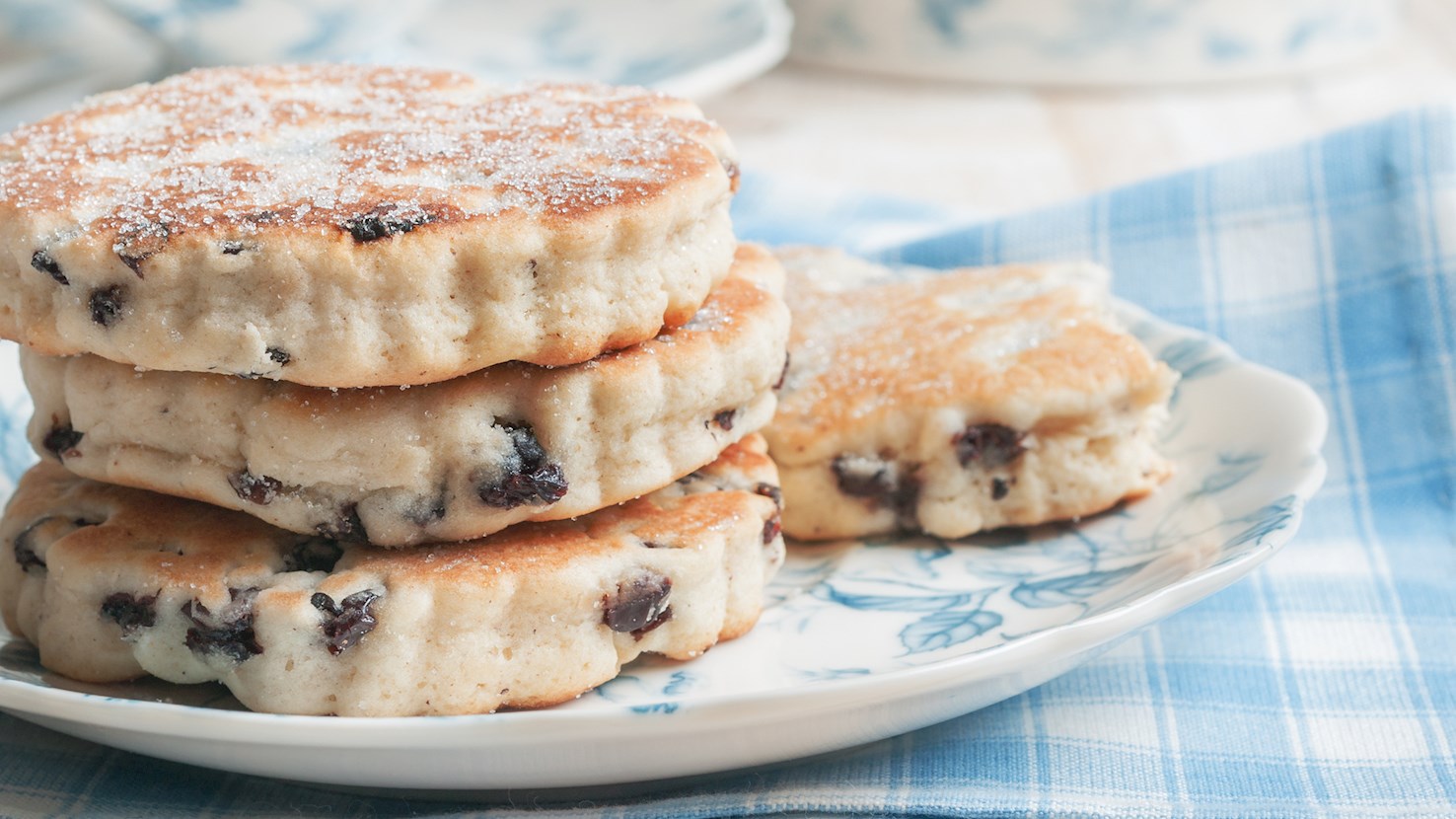
Griddle-baked Welsh cakes are a traditional delicacy made with a simple base of flour, lard or butter, sugar, and eggs. They come in different regional varieties that often include spices, lemon zest, raisins, currants, and various types of flour. Depending on the type, they can be enjoyed on their own as a sweet snack or a dessert, preferably paired with afternoon tea and served with butter and jam on the side.
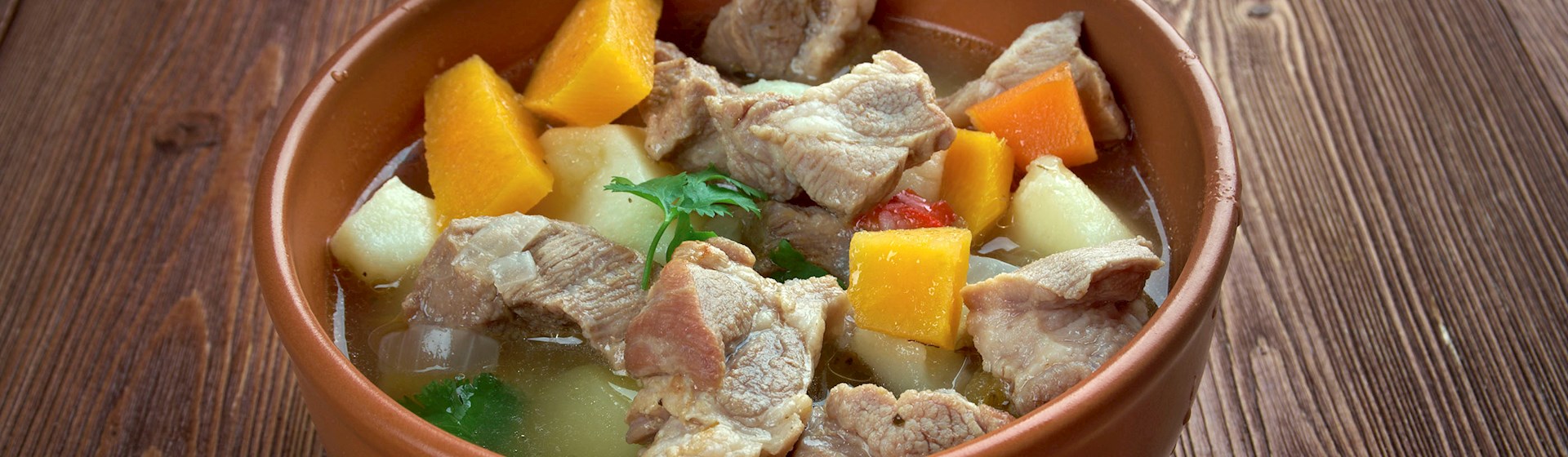
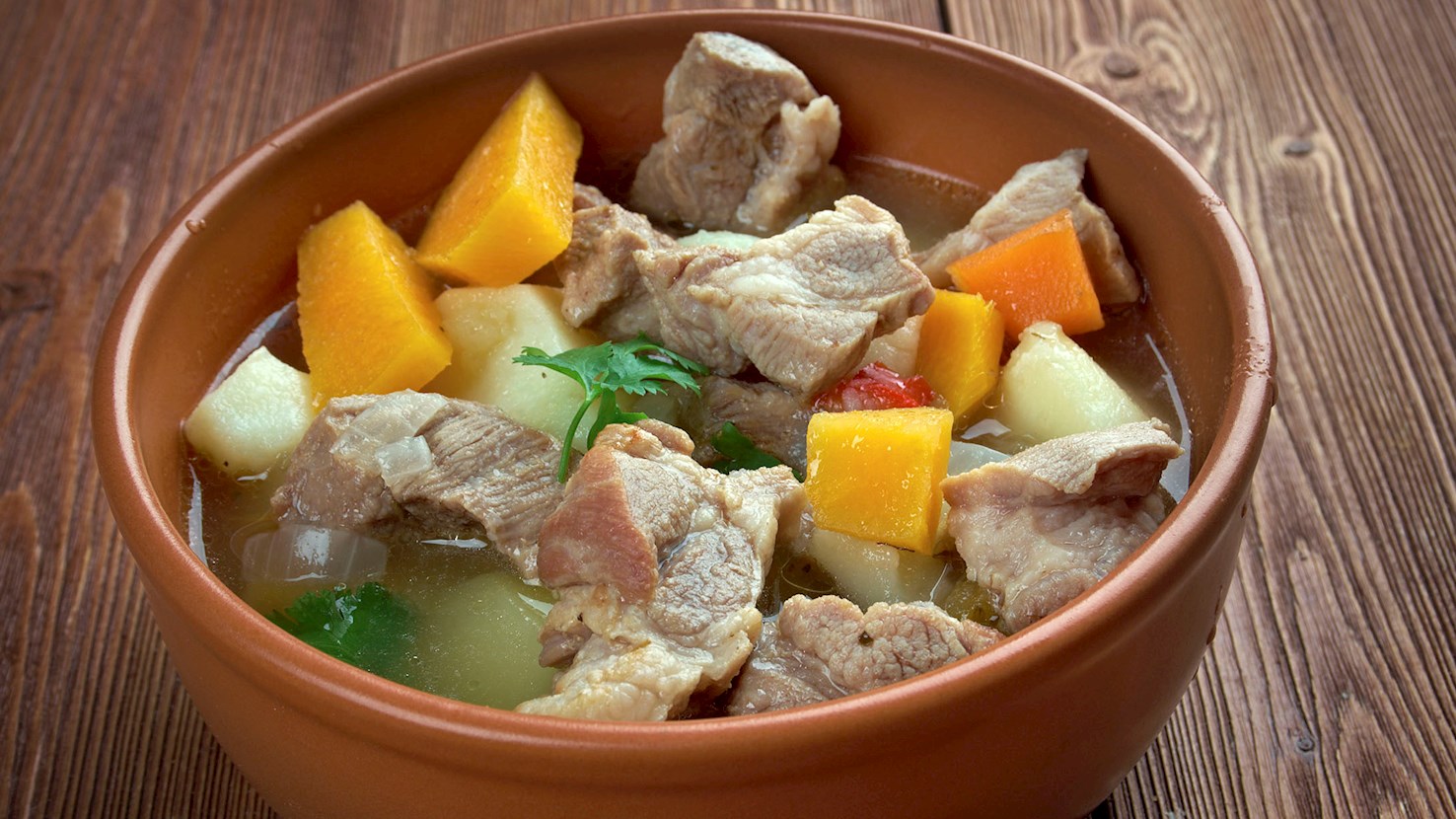
Cheap, easy, and delicious cawl is a traditional stew. It is believed that the dish was invented in the 14th century. Cawl was traditionally prepared in a pot over an open fire and it was usually served during festivities and special occasions. Today, the English refer to any Welsh stew as cawl, but the most traditional version includes Welsh favorites such as lamb and leeks. At first, cawl was prepared during winter, but today, it is eaten throughout the year in many Welsh restaurants. Since this medieval stew has evolved over time, any vegetables, meat, or seafood can be used in it, and the ingredients mainly depend on the location – seafood cawl is more frequent in the coastal areas, while the meat-filled varieties are more traditional inland. The only imperative is that it should be cooked for hours until the ingredients and the flavors are completely fused. There are two traditional ways of consuming cawl: meat and vegetables should be consumed together with the broth, or the dish should be divided in a two-course meal so that the broth is served first, followed by meat and vegetables.
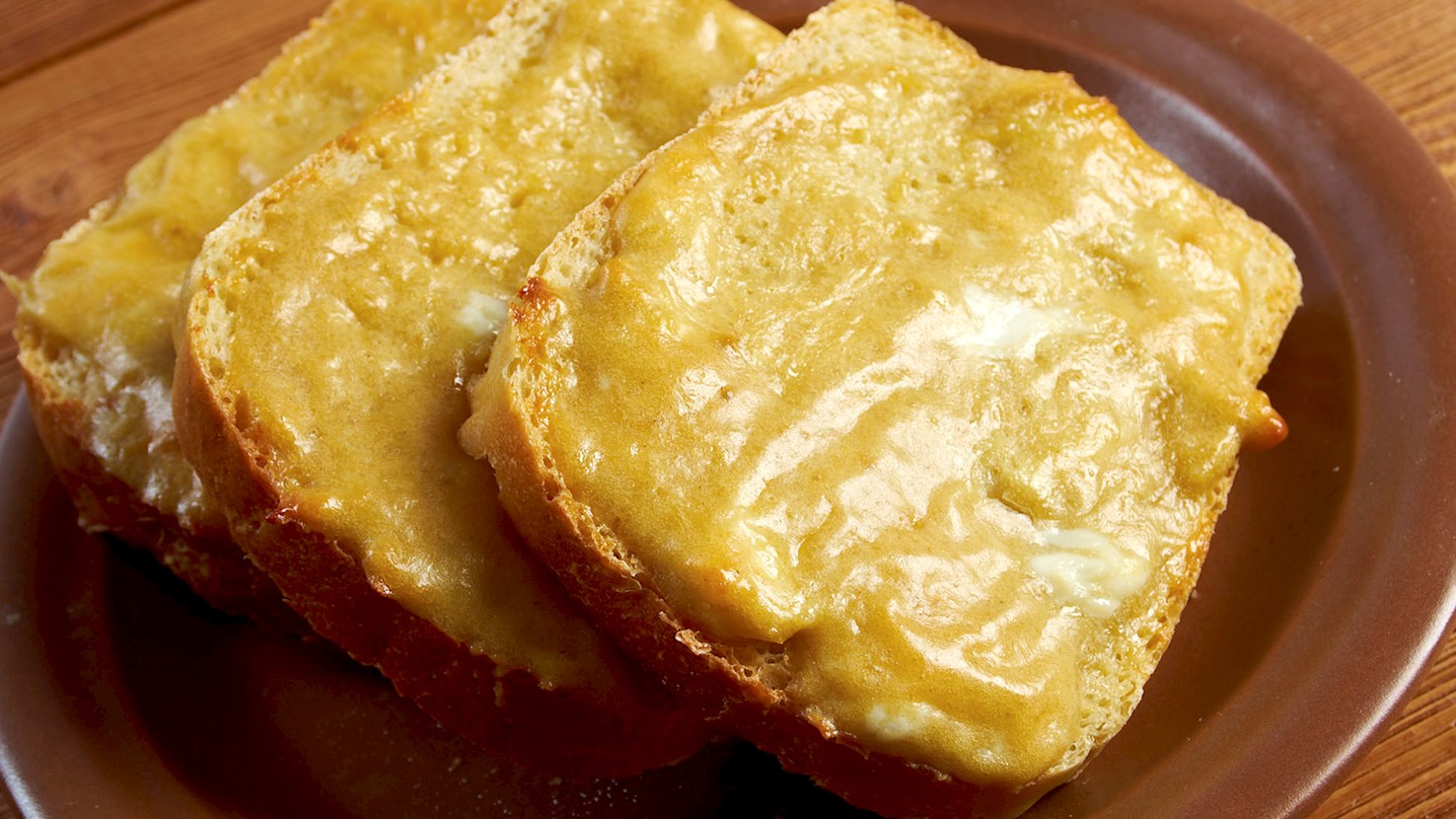
To call this creamy, savory sandwich melted cheese on toast would be a sacrilege. Welsh rarebit is a traditional snack, ideally based on locally produced Cheddar or Caerphilly cheese, melted and mixed with butter and cream or ale, then poured over a piping hot, buttered toast. The dish stems from the 14th century as a way of accentuating the greatness of wheat bread and Welsh Cheddar. The debate about rabbit versus rarebit went on until the late 19th century, when the word rarebit caught on. The rabbit version derives from the fact that the Welsh were extremely bad hunters, so their dinners resulted in cheese instead of rabbits. Today, it is one of the most famous Welsh dishes and an ideal comfort food, with a few variations such as Irish rarebit, made with Irish Cheddar; Scottish rarebit, made with Dunlop cheese; and English rarebit, made with farmhouse Cheddar, seasoned with Worcestershire sauce, then poured over toast that has been soaked in wine.
Glamorgan sausages are not your typical sausages – that is, they're shaped like sausages and have the word sausage in their name, but contain no meat at all, so in order to find some middle ground, they're often dubbed vegetarian sausages. This Welsh veggie sausage is made with a combination of Caerphilly cheese, leeks, and breadcrumbs. Due to the fact that there is no sausage casing, eggs are used to bind the mixture so that it doesn't fall apart. The mixture is shaped into a sausage, and it is then fried. Some people like to add spring onions, nutmeg, thyme, parsley, or mustard into the mixture. These vegetarian sausages should be fried gently so that they don't brown too quickly, in which case they might not be cooked all the way through. Glamorgan sausages should be served hot, ideally paired with a mustard dip and a glass of cold beer on the side.
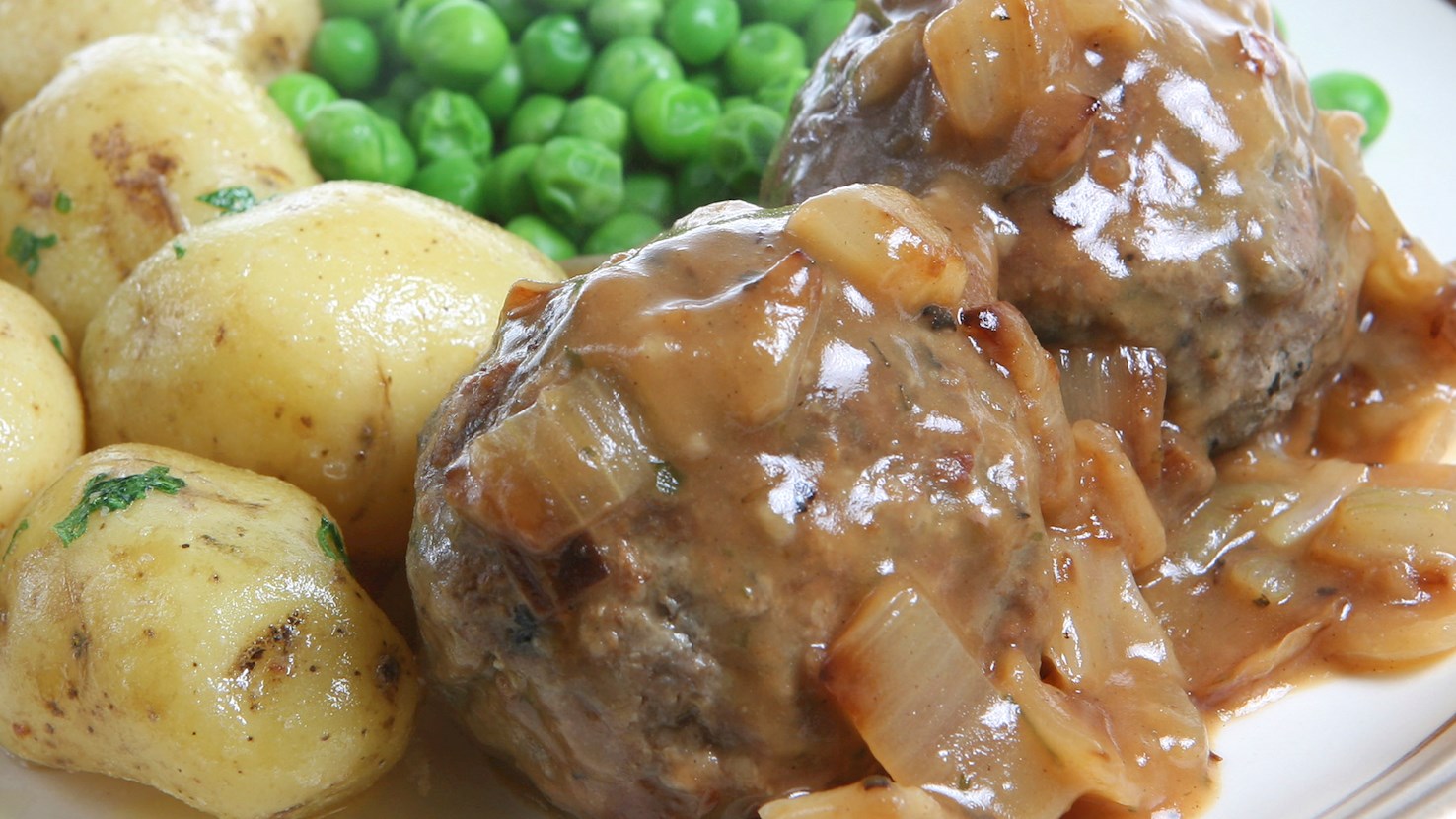
Faggots are old-fashioned, traditional offal-based meatballs characterized by their large size. They are especially popular in Wales and the Midlands region of England, made from pork offal and cheap cuts of meat that are mixed with spices and fresh herbs, making it an inexpensive, yet extremely nutritious dish. What makes faggots unique is the addition of caul fat (stomach membrane) on the external layer, helping to hold the meat in place. Traditionally, the dish is served with mushy peas, mashed potatoes, and onion gravy. The dish gained popularity during World War II, when meat was scarce, and people found a way to use all of the leftover meat in the preparation of this hearty delicacy. Today, there are numerous varieties of the recipe and faggots are enjoyed throughout the United Kingdom.
TasteAtlas food rankings are based on the ratings of the TasteAtlas audience, with a series of mechanisms that recognize real users and that ignore bot,
nationalist or local patriotic ratings, and give additional value to the ratings of users that the system recognizes as knowledgeable.
TasteAtlas Rankings should not be seen as the final global conclusion about food. Their purpose is to promote excellent local foods,
instill pride in traditional dishes, and arouse curiosity about dishes you haven’t tried.




What People Say