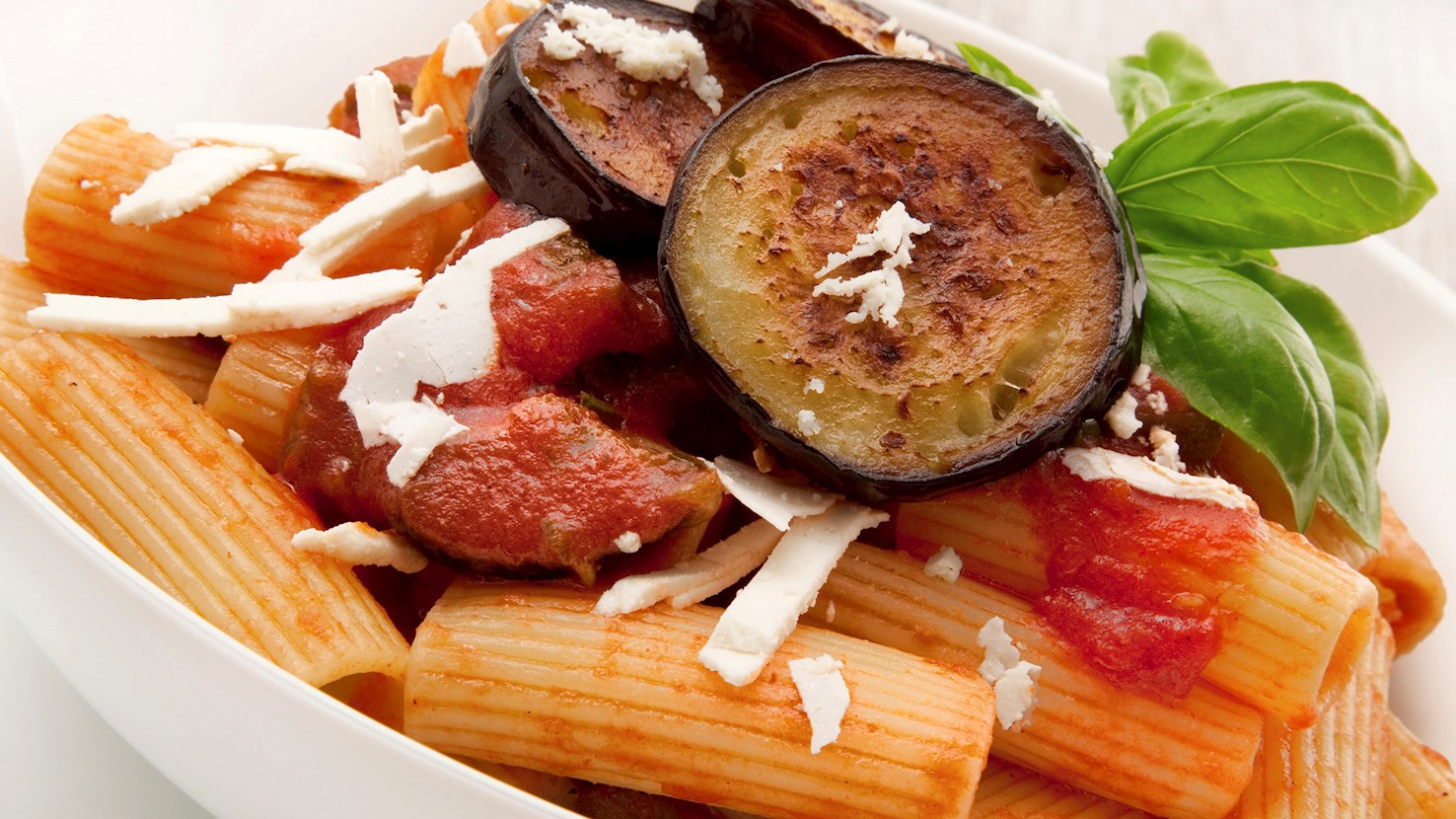
This Sicilian classic is traditionally made with tomato sauce, eggplants, ricotta salata cheese, and fresh basil. The dish is said to be named in honor of La Norma, the famous opera composed by Vincenzo Bellini in 1831. According to legend, while he was working on the opera, Bellini frequented a local restaurant in Catania, where he would always order the same pasta dish. As an homage to the Catania-born composer, the restaurant’s owner decided to name the dish after his opera, suggesting the greatness of pasta alla Norma by comparing it to Bellini’s masterpiece.
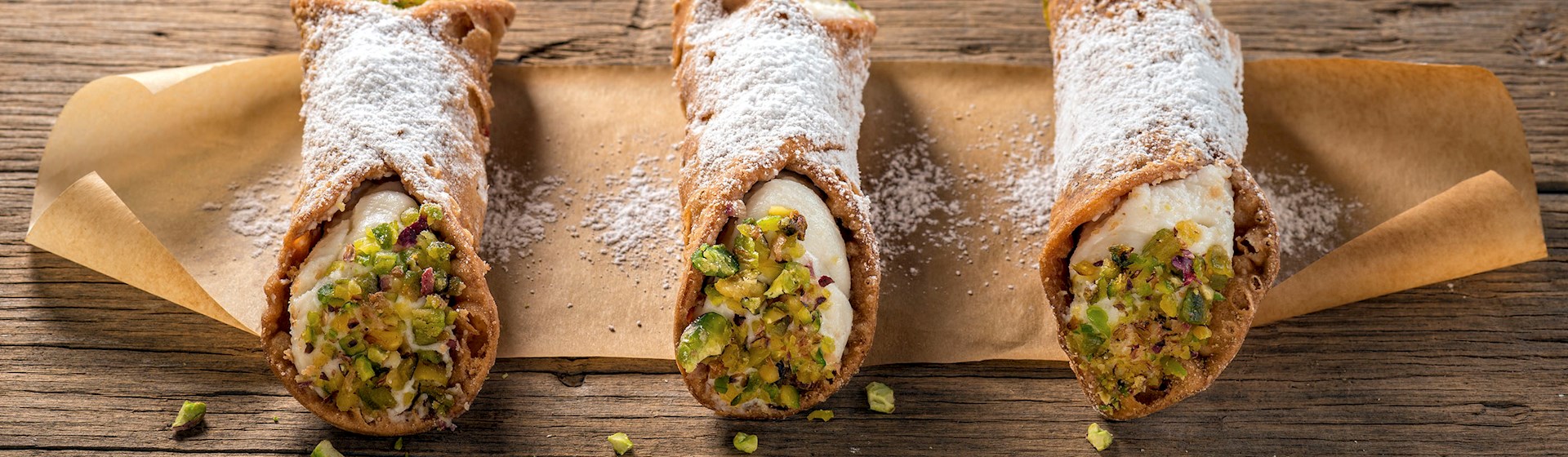
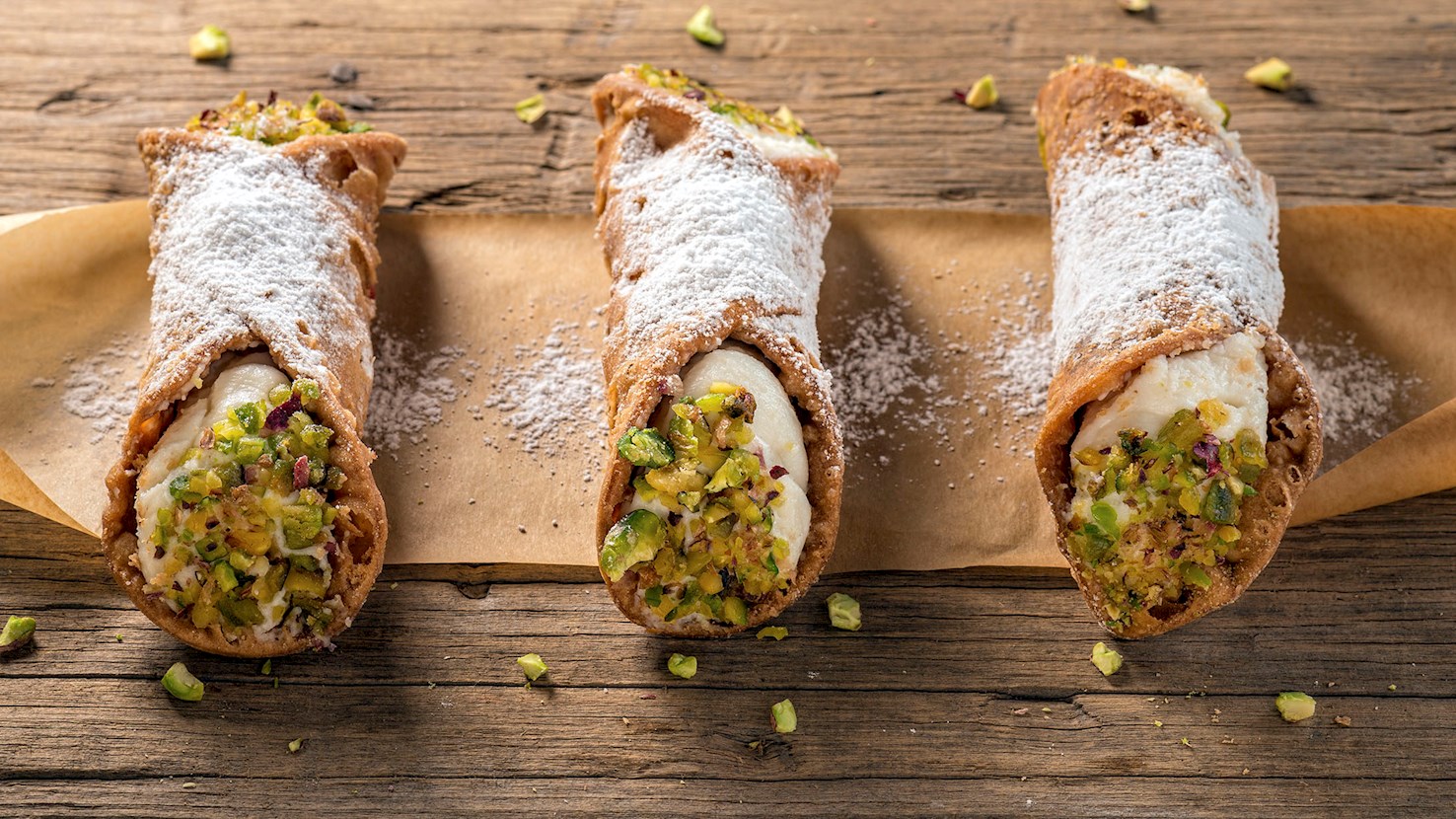
These decadent, crispy fried pastry tubes filled with luscious ricotta cheese cream are perhaps one of Sicily's best known desserts outside of Italy. Cannoli are believed to have originated around Palermo during the 9th century, while Sicily was under Arab rule. Legend has it that they were originally prepared by the women of the ancient city of Qal'at al-Nisā' (lit. castle of women), the modern-day Caltanissetta, which at the time served as the harem of a Saracen emir. Later on, the recipe later somehow found its way to the monasteries of Palermo where nuns would prepare this lavish dessert during the carnival season. Cannoli have come a long way since then, becoming incredibly popular not only throughout Italy, but also in North America, where they were introduced by Sicilian immigrants in the late 19th century. Furthermore, thanks to one of the most famous lines from the movie The Godfather — "Leave the gun. Take the cannoli." — by the end of the 1970s, this dessert had attained a truly iconic status. Although people in the United States are familiar with different variations of this classic recipe, cannoli in Sicily are still prepared in a more traditional way. The crispy pastry shells are typically flavored with cocoa, suet, and Marsala wine, while the delicate freshness of the sweetened ricotta is sometimes enriched with orange blossom water, candied orange peel, chocolate, zuccata candied pumpkin, or finely chopped pistachios. The name is derived from canna, a cane reed that’s cut into sections and used as a mold for frying the pastry shells, although metal cylinders have mostly replaced canna nowadays. And last, but certainly not least, cannoli shells are always filled just before serving to prevent them from getting soggy, ensuring the perfect feel of crunchiness against the creamy filling.
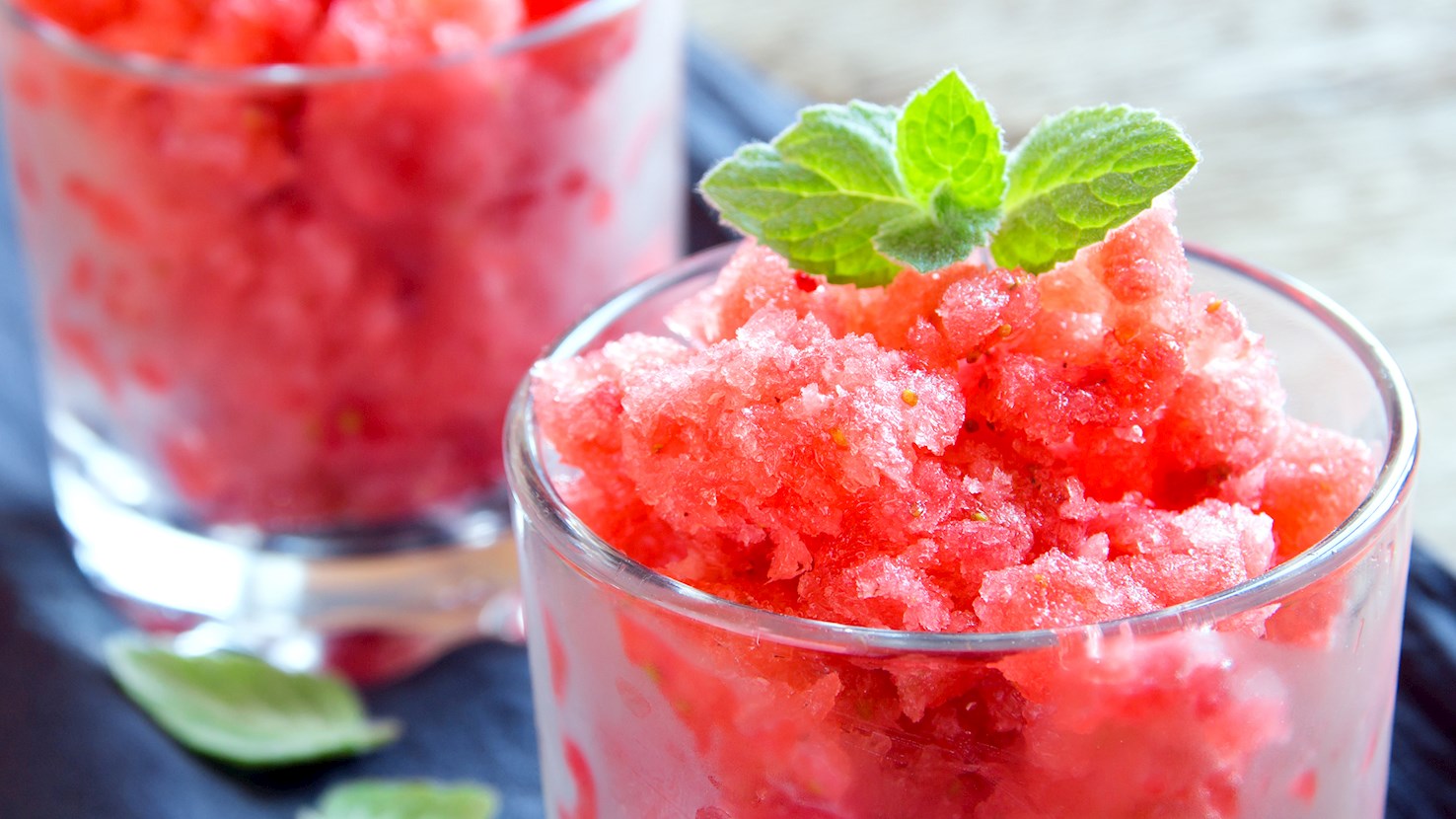
This classic Sicilian semi-frozen dessert is just the thing to cool you down during the dog days of summer. It is served all across the island, and traditionally enjoyed for breakfast alongside an espresso and brioche. Granita is made with water, sugar, and fruit juice or various other flavorings. It is sometimes confused with sorbetto, though granita has a much grainier texture, hence the name, while its origins can be traced back to the sweet Arabic chilled drink sharbāt which was introduced to Sicily during Arab rule. However, traditional granita is not simply chilled but almost frozen - in fact, it was once called rattata (lit. grated) and made using snow and ice from Etna that was collected during winter, then stored in mountain caves. Until the early 20th century and the advent of Italy's first ice cream makers, this was the only way to prepare this icy dessert. Some of the favorite modern Italian takes on this ancient recipe include sweet Sicilian lemon and zesty blood orange varieties. With other flavors such as rich espresso, almond, or even those spiked with luscious liqueurs, the possibilities for granita are seemingly endless.
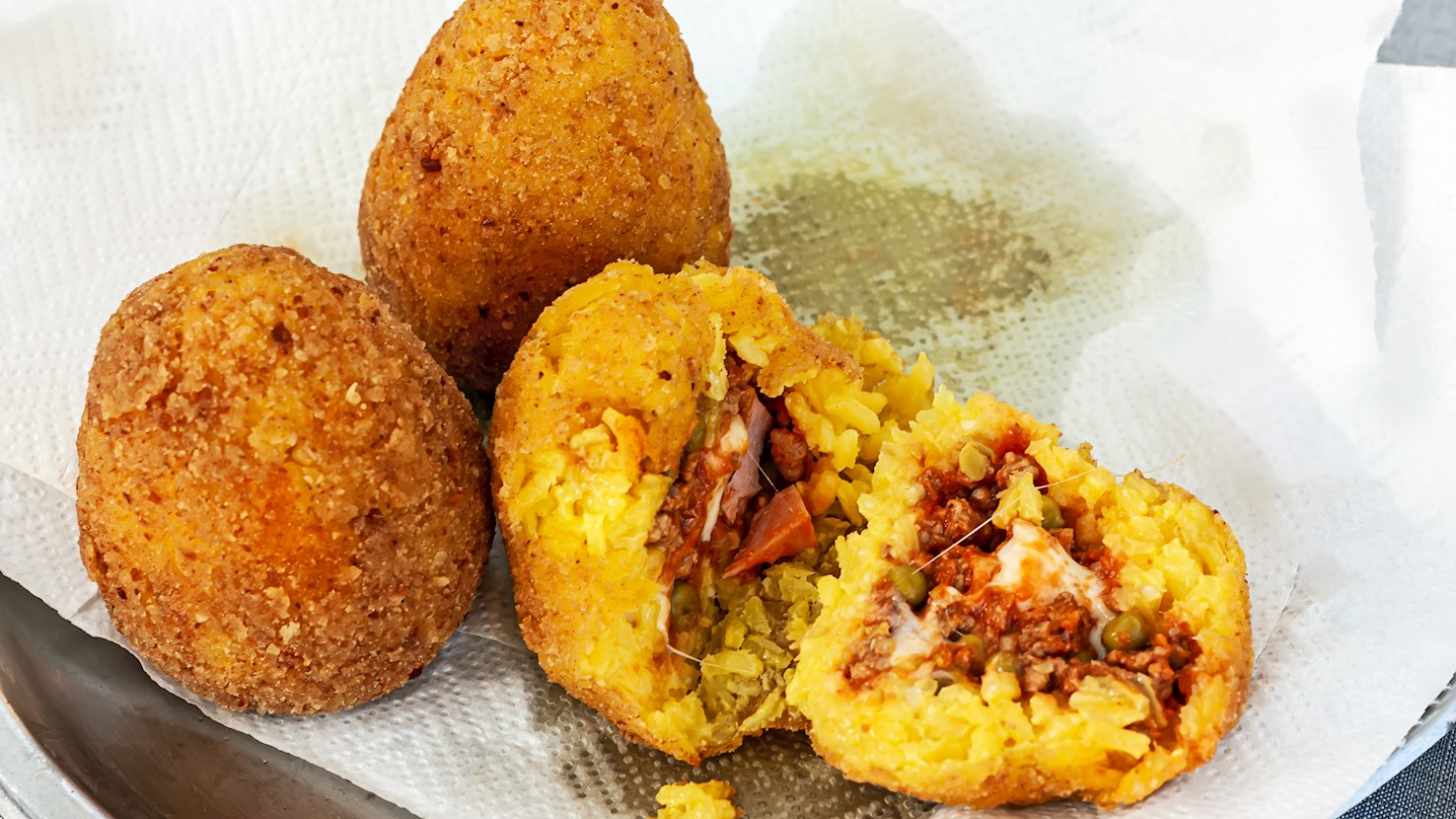
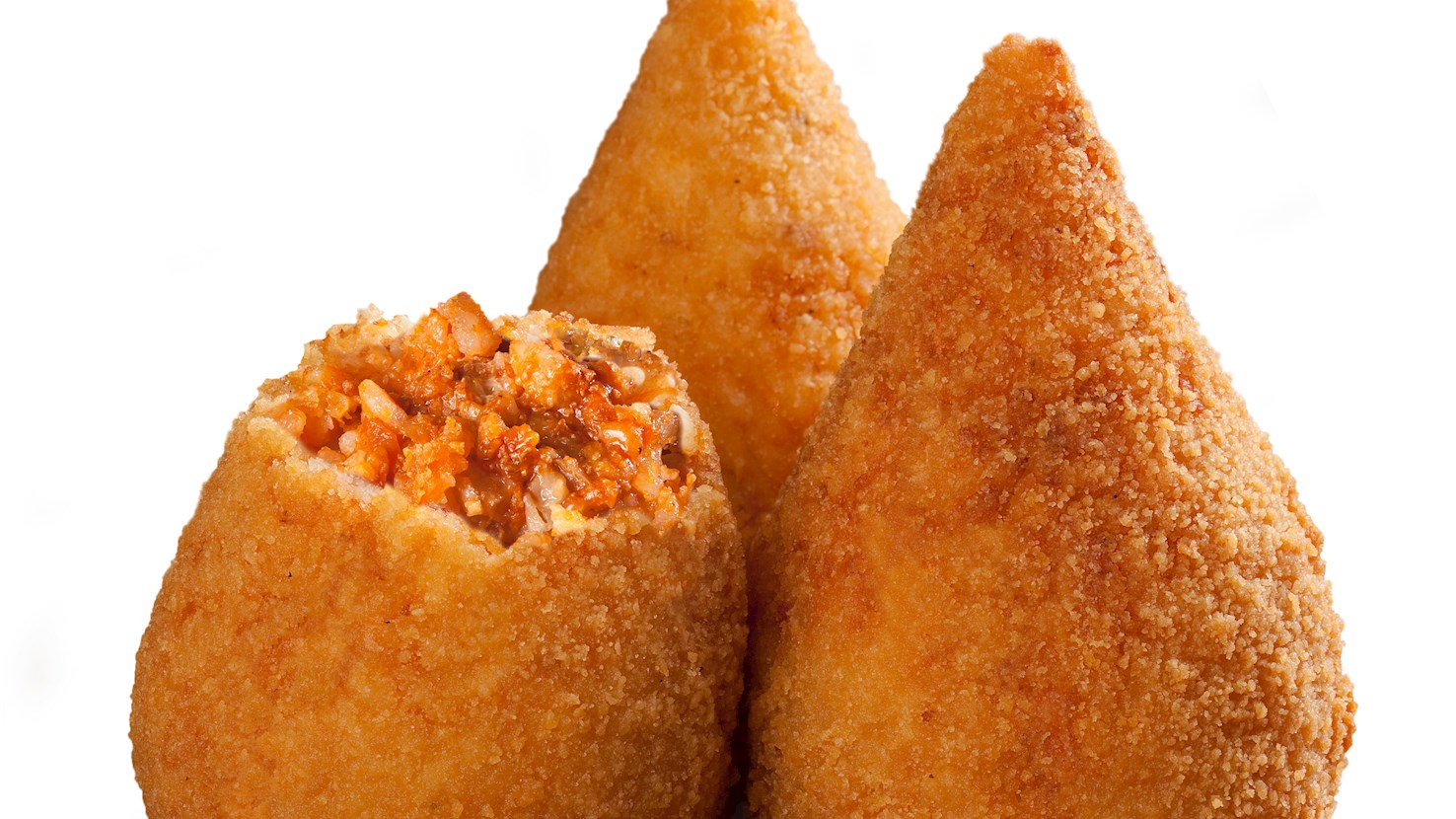
Arancini are big, golden rice balls filled with a savory combination of ingredients in the center. These balls are especially popular in Sicily. The fillings often include meat sauce with peas, dried prosciutto, cheeses such as mozzarella and pecorino, tomatoes, or dried capers. The balls are rolled in breadcrumbs and fried in hot oil, developing the characteristical golden color of the exterior. A popular theory says that the dish was invented in the 10th century during the Kalbid rule of Sicily. The name of the dish is derived from the Italian word for orange, arancia, referring to the similarities in visual appearance and color, so arancini means small oranges. Warm, delicious, and oily, arancini can often be found throughout southern Italy at numerous street carts. Every year on December 13th, there is a festival of Santa Lucia in Palermo, when the city is filled up with kiosks and carts selling these aromatic treats that are prepared specifically for the festival. During the holiday, there is even a sweet version of the dish, dusted with cocoa and sugar. Interestingly enough, western Sicilians call these snacks arancina in singular form, while eastern Sicilians call it arancino.
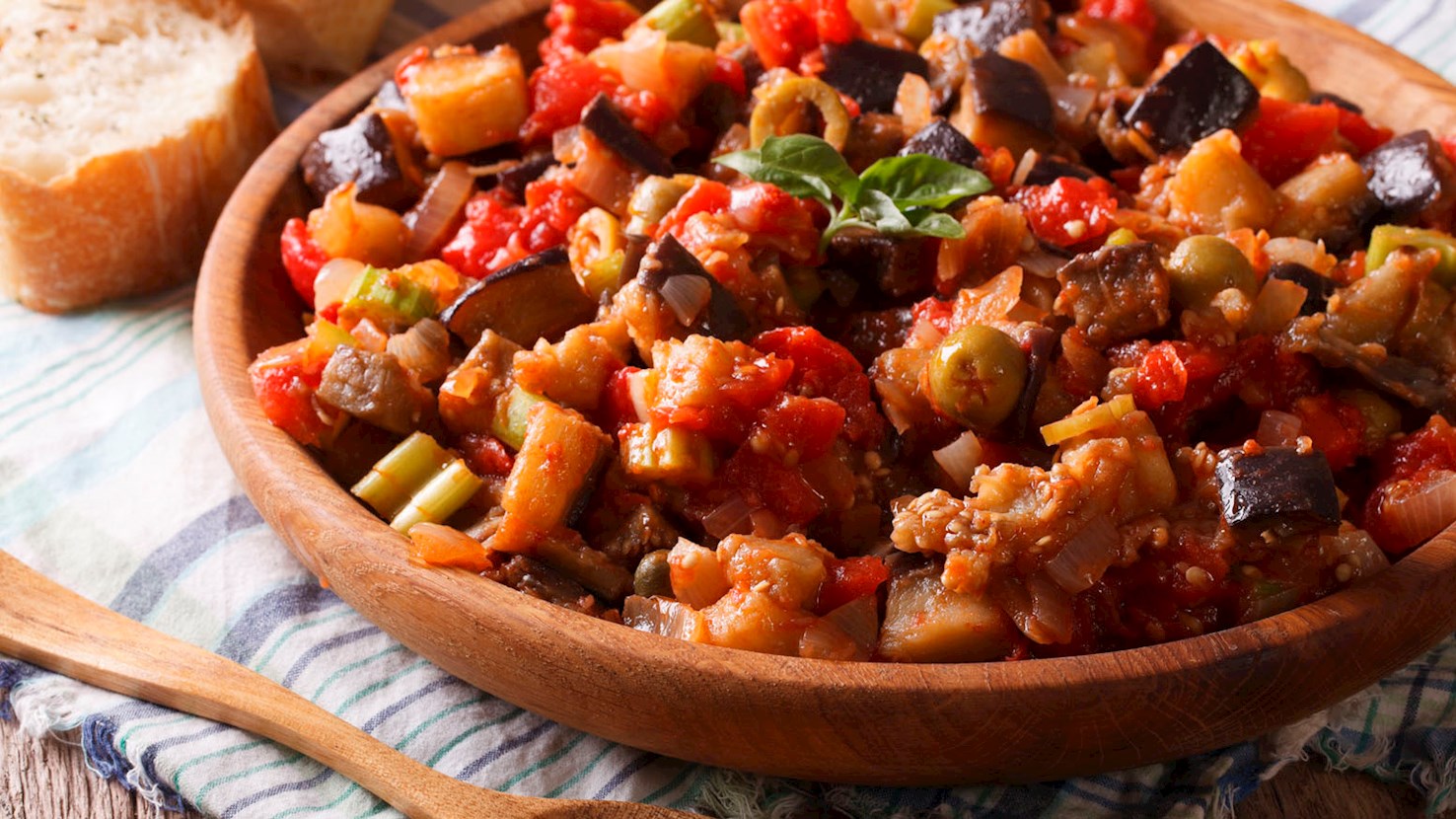
Even though it is prepared throughout southern Italy, the flavorful caponata is a typical Sicilian vegetable dish whose origins date back to the early 18th century. In the original recipe, the most important ingredient was gurnard fish (capone in Italian), but due to its price, gurnard was soon replaced by the widely available and much cheaper eggplant. This version that has remained the most popular to this day. Today, there are over 30 different recipes for caponata, all of which make an amazing use of the rich late summer harvest of eggplants and tomatoes. Capers, olives, onions, and celery lend an invigorating bite to this delicately piquant dish, and with other ingredients such as pine nuts, raisins, almonds, and friggitello peppers, the colorful caponata easily becomes a wonderful embodiment of the true essence of Sicily. After being sautéed one at a time, the vegetables are seasoned with a pinch of sugar and simmered in vinegar, which slowly melts into a tangy medley of sweet and sour flavors. Caponata can be enjoyed while still warm, as a side with various meat, poultry, and seafood dishes, or it can be served atop rigatoni or ziti for a filling pasta meal. In Sicily, caponata is typically kept for a couple of days after cooking, allowing time for the flavors to deepen, after which it is most often served as a cold antipasto on a crispy bruschetta or alongside sfincione Palermitano - Sicilian-style focaccia bread.
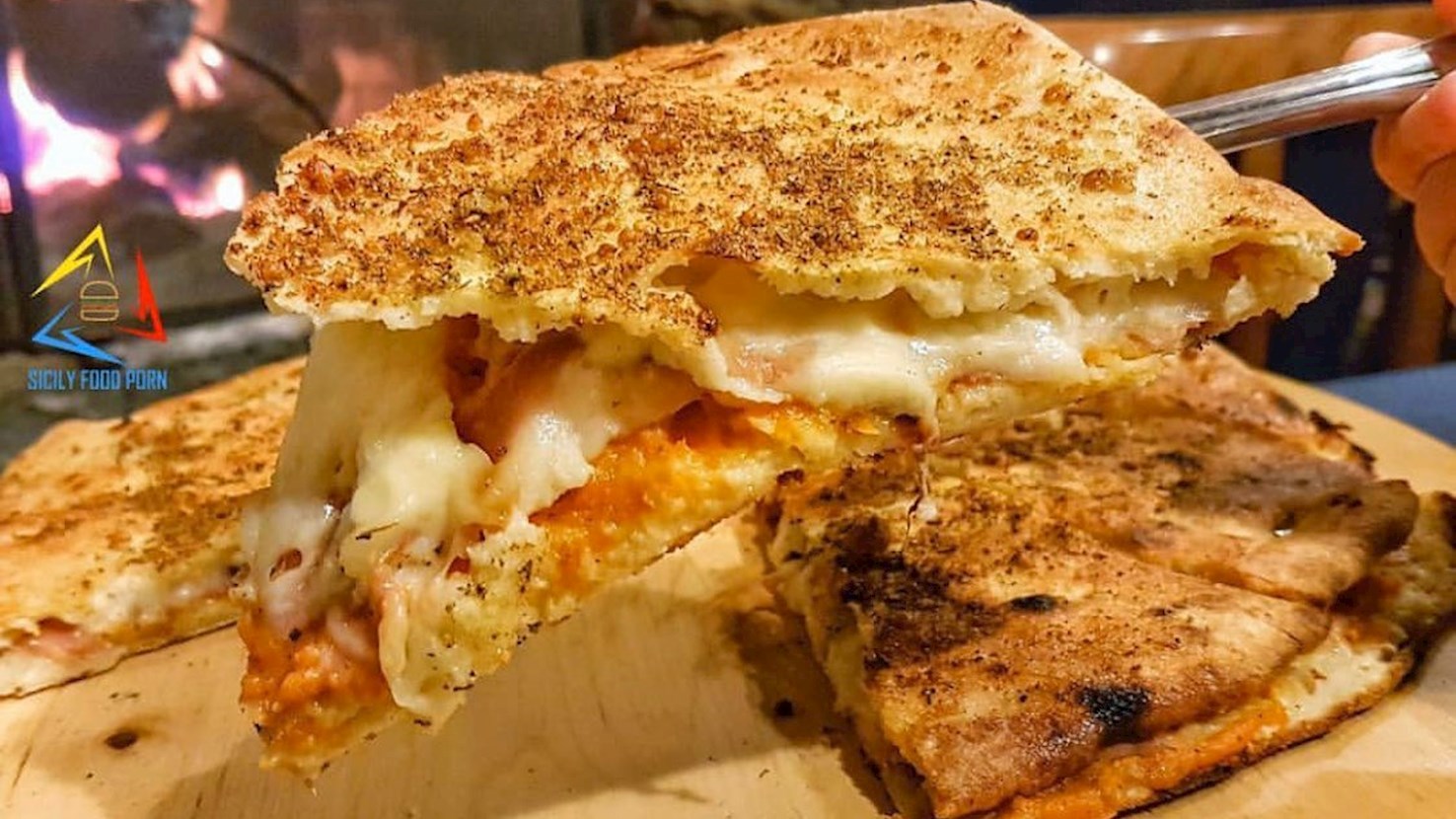
Pizzolo is a unique type of pizza that is native to Sicily, topped with a base of olive oil, oregano, pepper, Parmigiano Reggiano cheese, and salt. If it is made in a savory version, it is then additionally topped with various greens, cheeses, and salami, and if it is made in a sweet version, it can be topped with pistachio cream, chocolate cream, or ricotta and honey. Pizzolo is topped with an additional layer of dough before serving, so that it resembles a pizza sandwich.
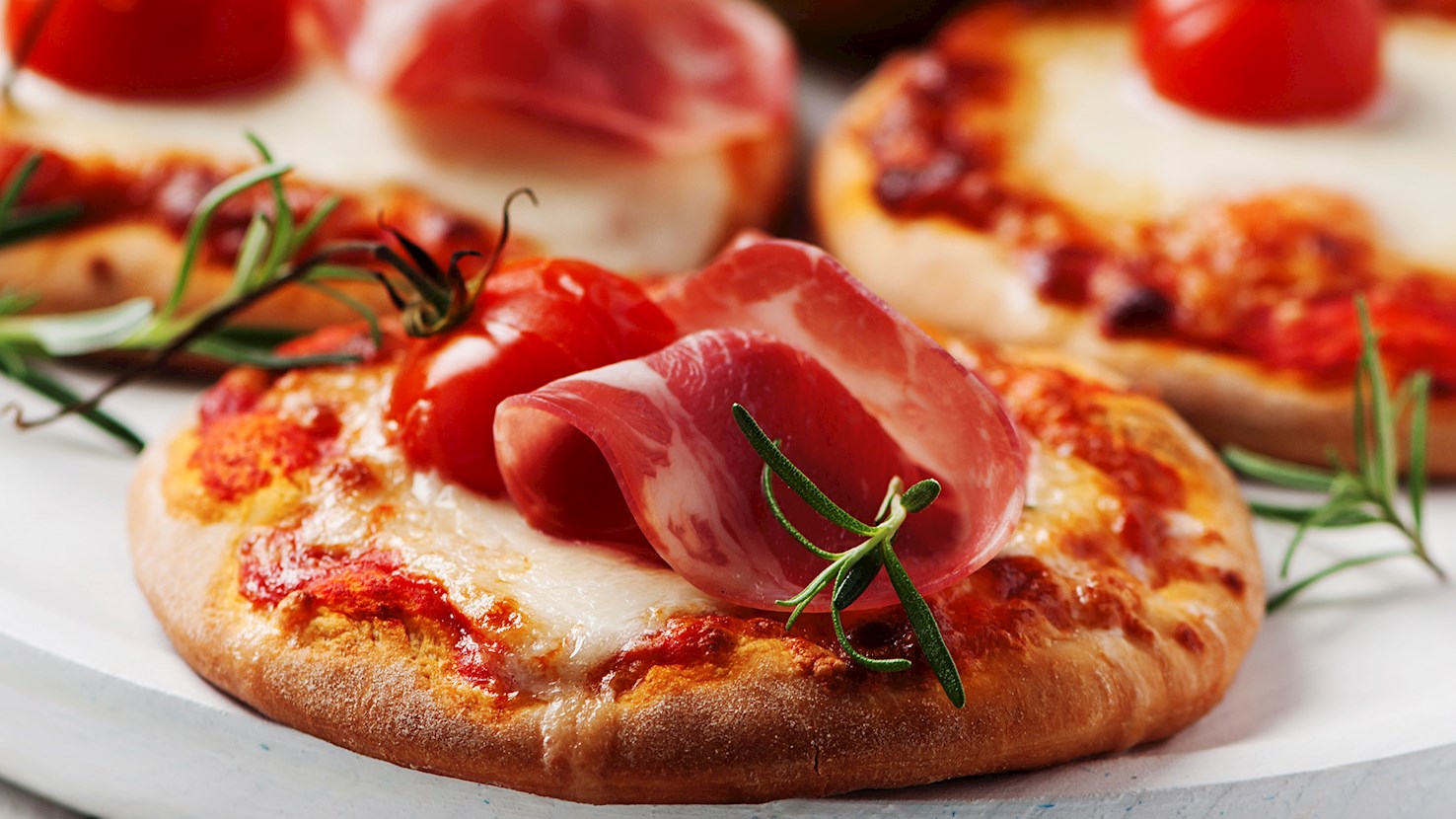
Pizzetta is a small version of pizza that varies in size and shape, so some pizzettas can even be prepared in the shape of a heart. It is made in the same way as a regular, large pizza, consisting of a dough base (or puff pastry) topped with sauces, cheeses, and various additional ingredients. The dish is usually served as an appetizer, a quick snack, or a light meal. In Rome's bakeries, pizzette are often sold by weight, and if you order an apéritif at a café, you might even get a complimentary pizzetta with your order.
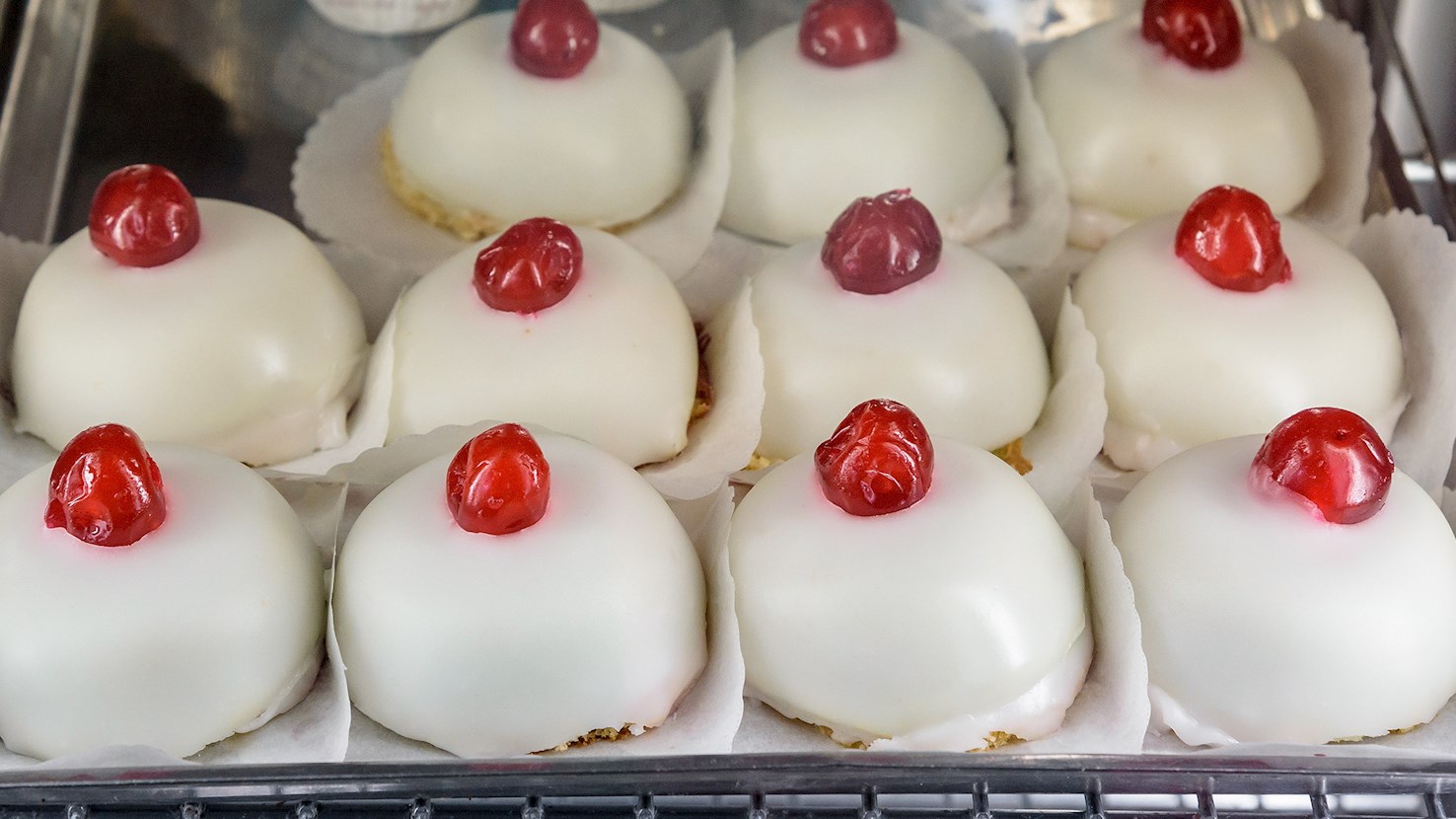
Minne di Sant’Agata, meaning the breasts of St. Agatha, is a dessert that hails from the city of Catania, where it has traditionally been prepared during the ancient annual festival held in honor of the city’s virgin saint patron, St. Agatha. Considered a smaller version of Sicilian cassata cake, minne di Sant’Agata consists of a semispherical shortcrust pastry filled with a combination of fresh sheep’s ricotta, dark chocolate, powdered sugar, and candied fruit. With a perfectly smooth, thick, pure white icing, and a bright red candied cherry placed in the middle, the dessert takes on a distinctive shape of female breasts that is supposed to evoke young St. Agatha’s breasts which, according to legend, were cruelly cut off as a punishment for her unwillingness to abandon faith. Some versions call for using a cassette-like sponge cake soaked in liquor instead of the buttery shortcrust pastry, which is then similarly filled with a ricotta-and-chocolate mixture before it is coated with pistachio marzipan and garnished with a red candied cherry, while other versions replace the ricotta filling with pastry cream. These beautiful and delicate small pastries are also commonly prepared throughout Sicily.
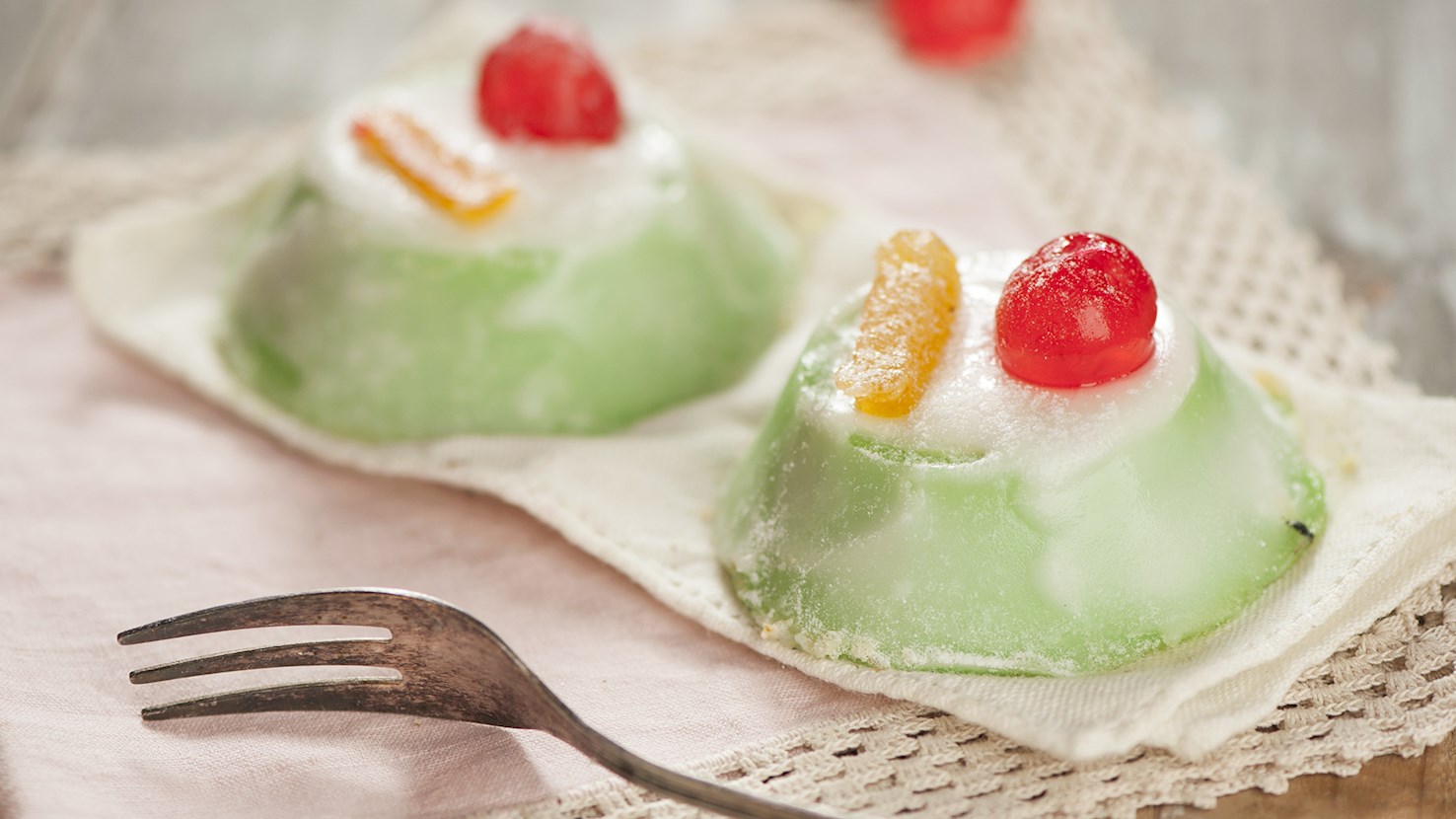
Arguably Sicily’s most famous dessert, this traditional cake consists of liqueur-drenched genoise sponge cake layered with sweetened ricotta and fruit preserves, decorated with a marzipan shell and colorful candied fruits. It is believed that cassata originated as a simple sugar, egg, and ricotta cheesecake while its name is thought to have been derived from the Arabic word qas’ah, which refers to the bowl used to make the cake. This is traditionally a winter and spring specialty, and it is most often served around Easter. It’s usually chilled for 3 hours before serving. By the 14th century, cassata had become a dessert of the aristocracy, and even today, few people outside of the culinary world are brave enough to prepare this elaborate delicacy at home. Other varieties of cassata exist today—cassata Catanese is quite popular in the Catania region of Italy, while cassatella di Sant’Agata is traditionally consumed during the feast of Saint Agatha, characterized by its small size, green marzipan, and a single cherry on top.
Arancini al ragu or arancini al sugo is a traditional variety of arancini rice balls originating from Sicily. For this version, the arancini are typically stuffed with ragu and cheese, and sometimes peas. The ragu is made with ground beef, onions, carrots, celery, tomatoes, olive oil, salt, and pepper. Once stuffed, the arancini are breaded and deep-fried in oil until golden and crunchy. Parsley and basil are welcome flavorings for arancini al ragu. This snack can be found in most restaurants, bakeries, and street cart stands in Sicily.
TasteAtlas food rankings are based on the ratings of the TasteAtlas audience, with a series of mechanisms that recognize real users and that ignore bot,
nationalist or local patriotic ratings, and give additional value to the ratings of users that the system recognizes as knowledgeable.
TasteAtlas Rankings should not be seen as the final global conclusion about food. Their purpose is to promote excellent local foods,
instill pride in traditional dishes, and arouse curiosity about dishes you haven’t tried.



What People Say