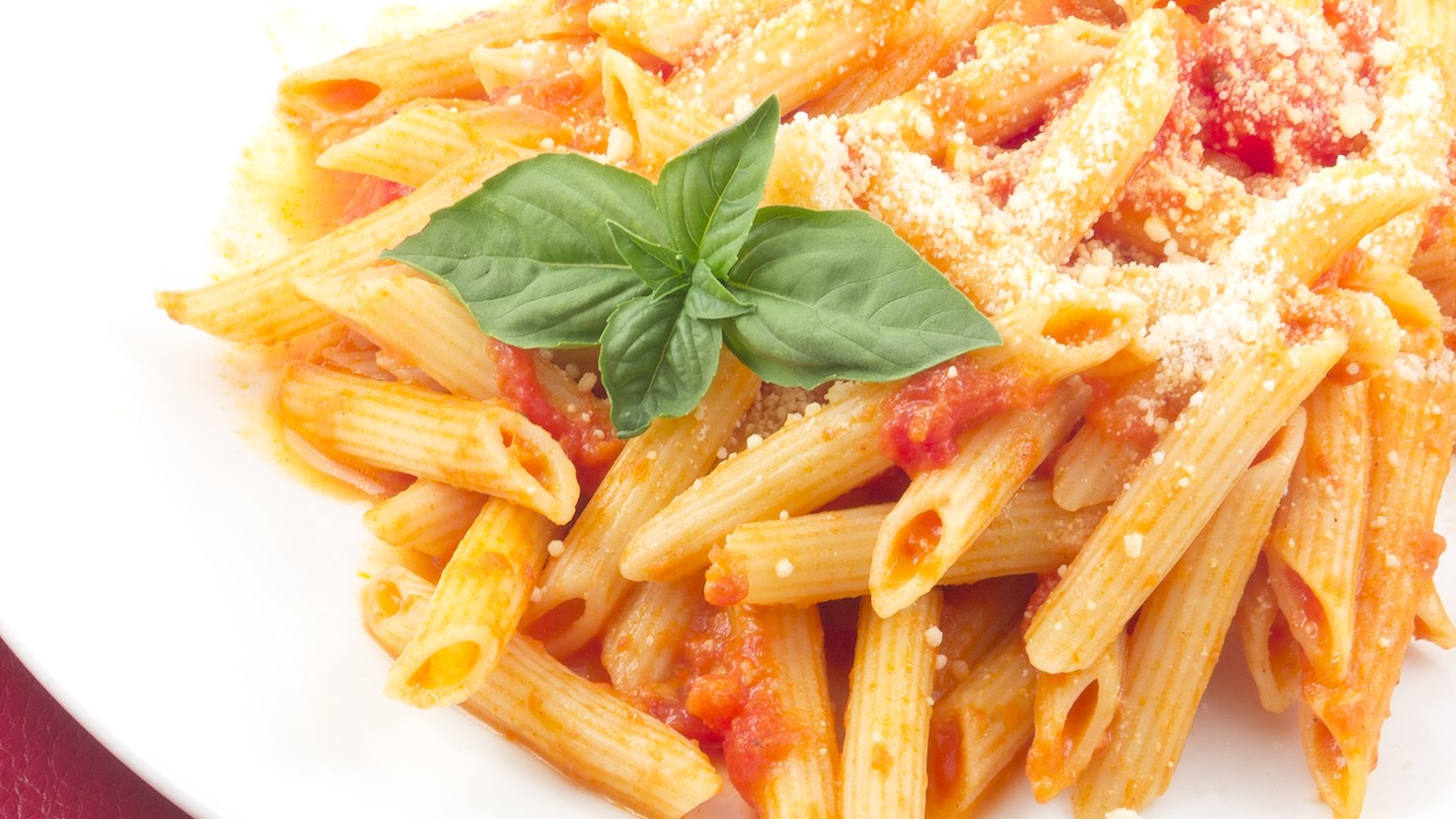
Penne alla vodka is a popular meal consisting of penne pasta, heavy cream, tomato sauce, and vodka, imparting a unique taste to the whole dish. Its origins are quite murky, so some food historians claim it was invented in Bologna, Italy, while others say that it was invented in New York. Regardless of the origins, it remains a popular pasta dish that is served hot, often garnished with a few basil leaves and grated parmesan.
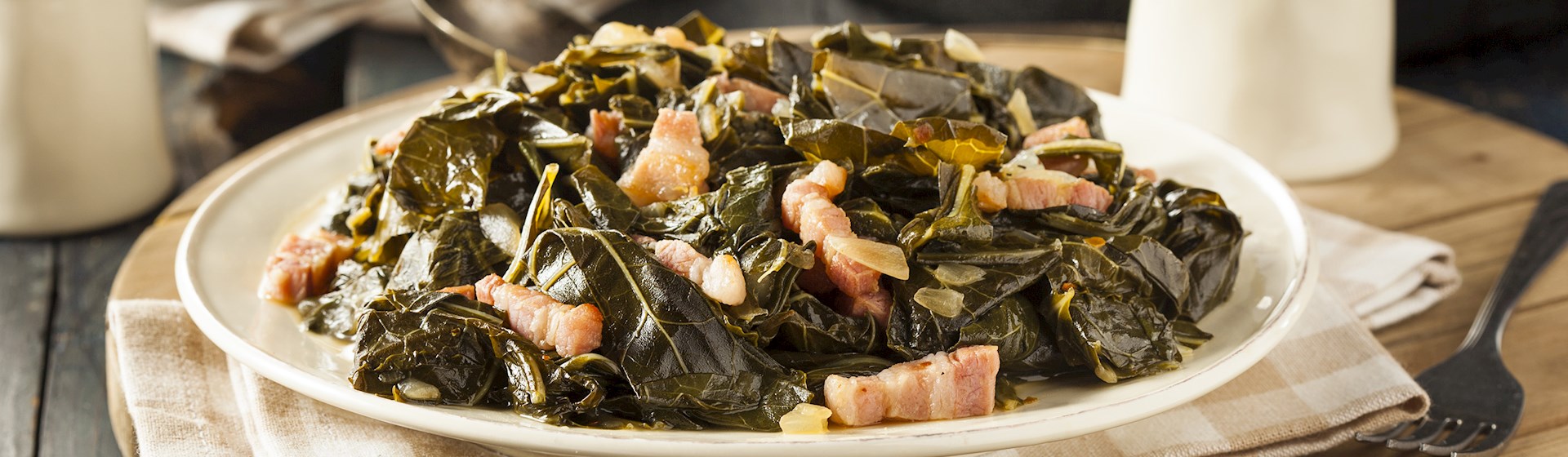
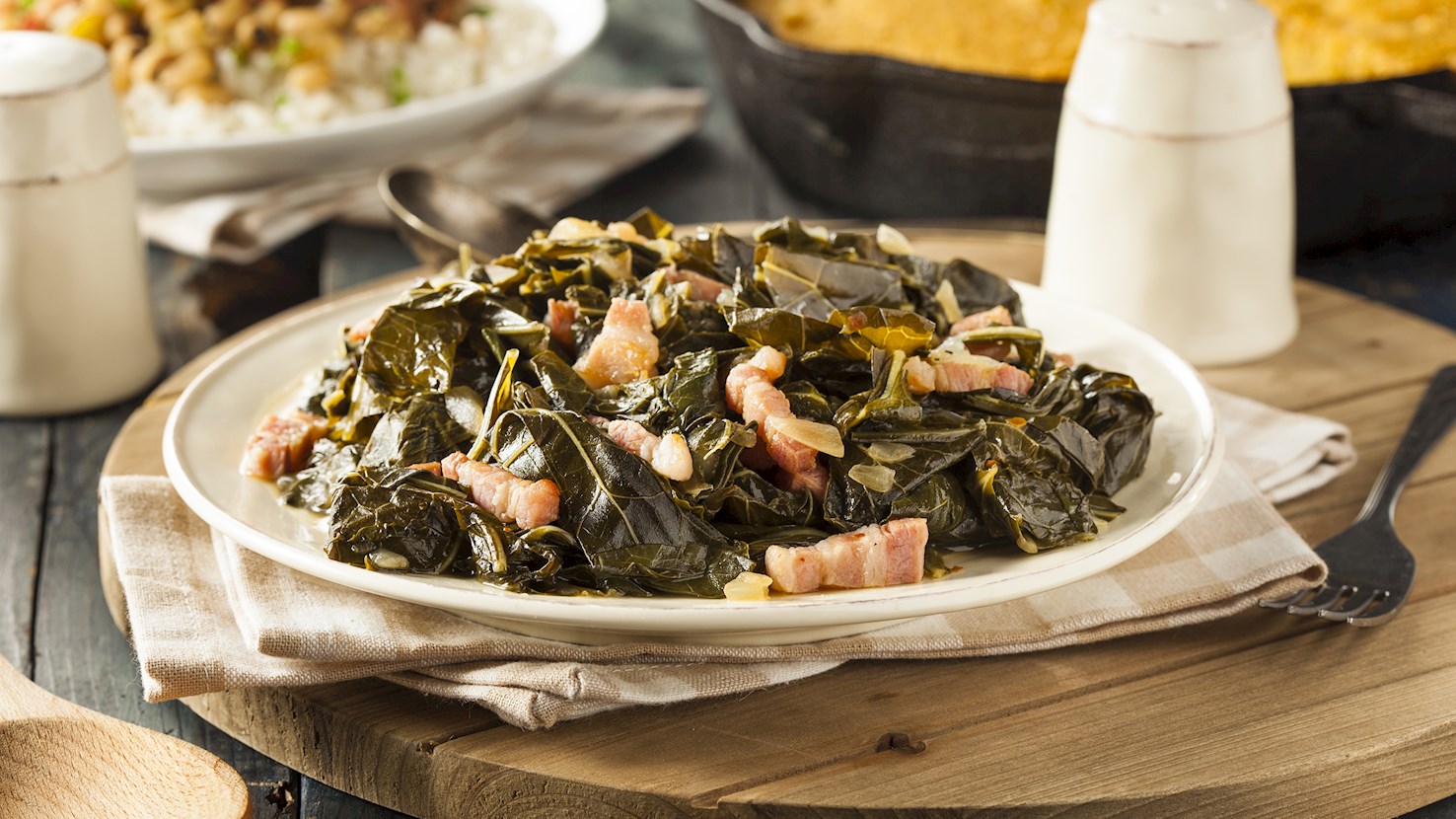
Belonging to the Brassica oleracea family, collard greens are a type of green leafy vegetable that is characterized by thick leaves with tough stems and a slightly bitter flavor that is eliminated through cooking. This vegetable has long been appreciated in the traditional cuisine of the American South, and it has been recognized as the official state vegetable of South Carolina on June 2, 2011. Even though collard greens are commonly eaten raw and can easily lend themselves to various cooking methods - steaming, frying, or sautéing - the most traditional way to enjoy them in the South is slow-cooked in water or broth along with smoky cured meats such as ham hock, bacon, ham, pork jowl, or smoked turkey wings or legs. Other common ingredients used for flavoring the greens include onions, garlic, red pepper flakes, currants, vinegar, salt, and pepper. The long braising results in tender Southern-style collard greens, without any hint of bitterness in their flavor, and drenched in an intensely-flavored broth known as pot likker. This dish has been attributed to African slaves, and it is one of the specialties that are part of the so-called soul food cuisine. Southern-style collard greens usually accompany various meat specialties, although they can also be eaten on their own, and are often served with cornbread or cornbread muffins, pepper vinegar, and sliced tomatoes. They are also traditionally enjoyed as part of the Southern New Year’s Day good-luck dinner, along with other traditional dishes such as black-eyed peas and hoppin’ John.
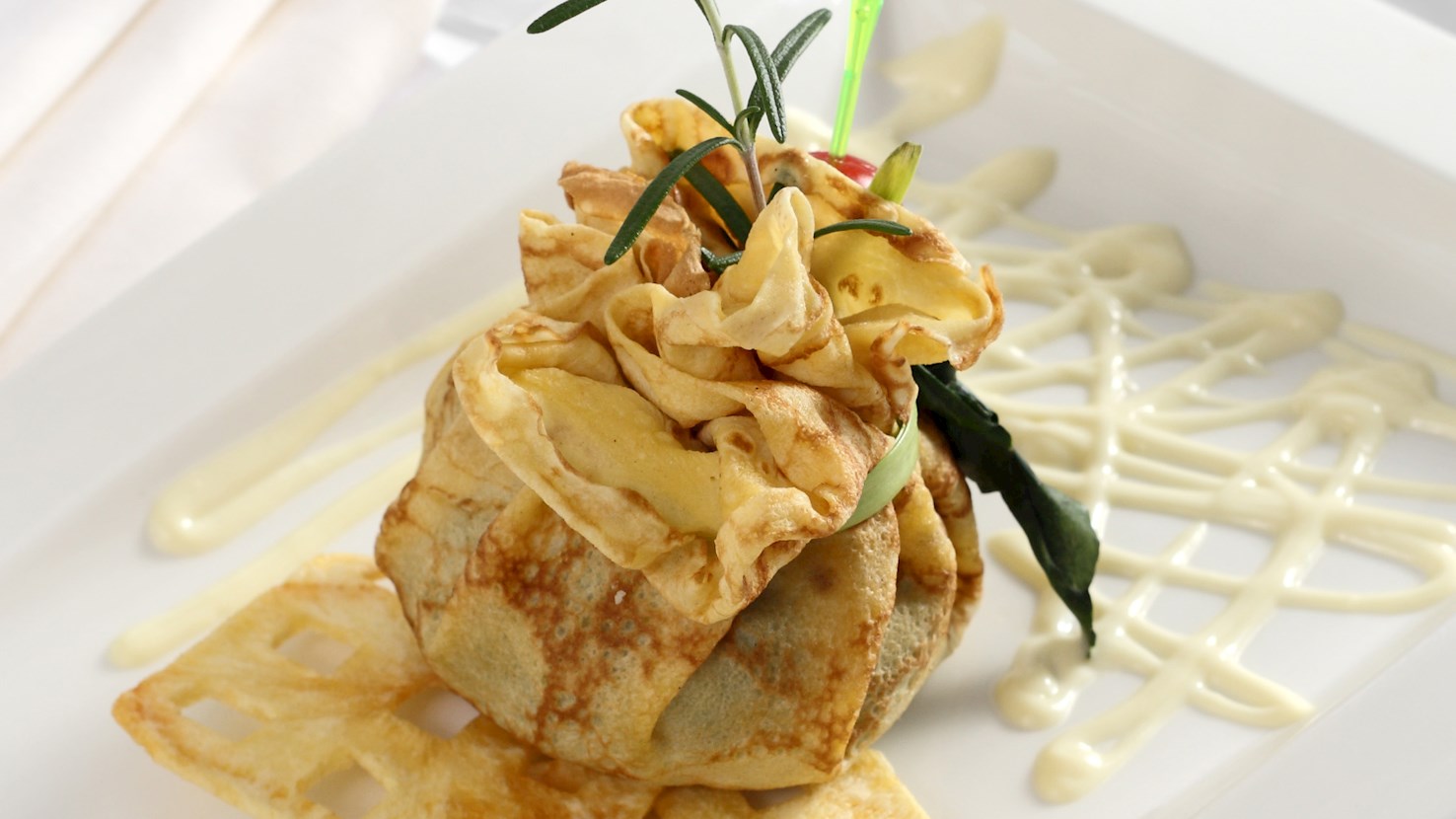
Beggar's purse is an American bite-sized appetizer originating from New York City. The appetizer consists of a small crêpe that's topped with a teaspoon of fine caviar and a dab of crème fraiche. The edges of the small crêpe are pulled up around the filling, then tied with strips of chive in order to resemble a purse. The dish was invented by Barry and Susan Wine in their restaurant The Quilted Giraffe during the 1980s. They were inspired by a dish they'd tried in France. Ever since, their dish was copied throughout the world, so the term beggar's purse has become somewhat generic that's applied to most filled dishes tied in a similar fashion.
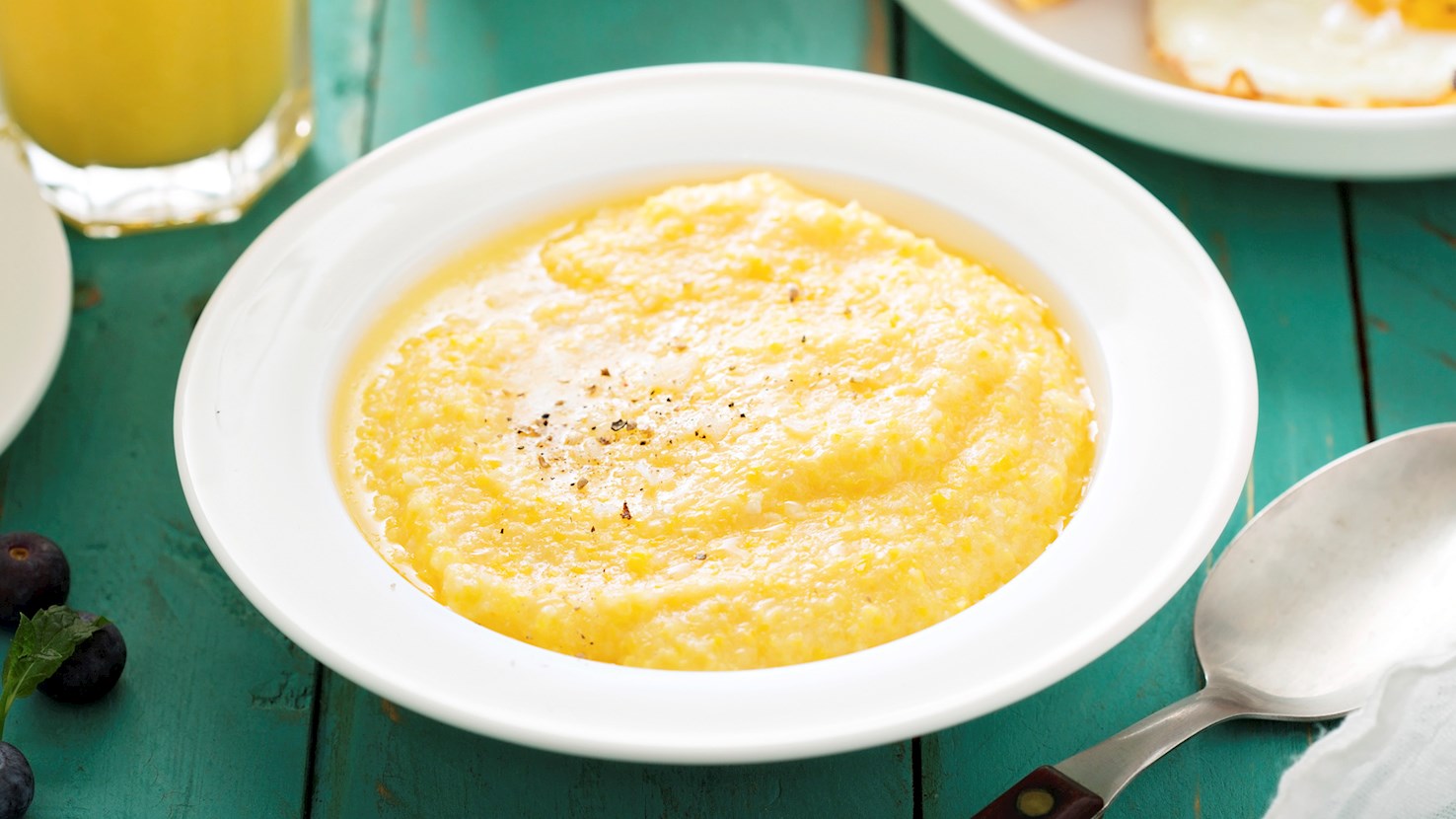
First prepared by the Native American centuries ago, grits are tiny broken grains of corn that are boiled and served with other flavorings, usually as a breakfast dish, when they are accompanied by bacon, eggs, and toast on the side. The dish is popular throughout the Southern United States, and the name grits is derived from the Old English word grytt, meaning coarse meal. While some may confuse grits with polenta, there are some important differences between the two - in the type of corn, the fineness of the grind, taste, and texture. This thick porridge is usually savory, not sweet, and it is an important part of a traditional dish called shrimp and grits, which is also popular in the Southern parts of the United States.
TasteAtlas food rankings are based on the ratings of the TasteAtlas audience, with a series of mechanisms that recognize real users and that ignore bot,
nationalist or local patriotic ratings, and give additional value to the ratings of users that the system recognizes as knowledgeable.
For the “4 Traditional Foods You Have To Try in Charlotte” list until May 22, 2026, 0 ratings were recorded, of which 0 were recognized by the system as legitimate.
TasteAtlas Rankings should not be seen as the final global conclusion about food. Their purpose is to promote excellent local foods,
instill pride in traditional dishes, and arouse curiosity about dishes you haven’t tried.