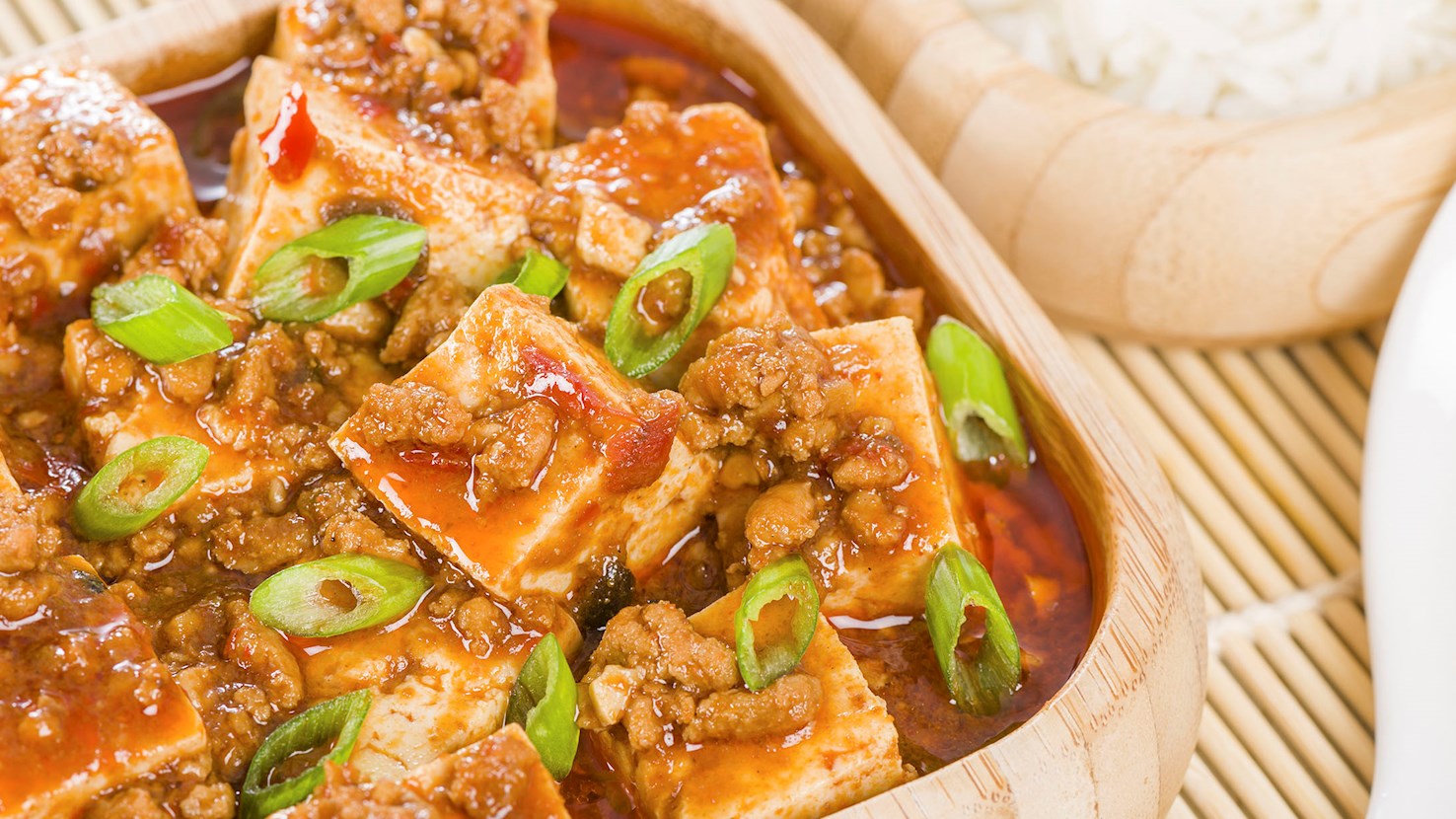
Sichuan in origin, mapo doufu consists of tofu cubes settled in a spicy sauce containing minced meat, traditionally beef or pork, and fermented black beans known as douchi. The dish is said to have been invented in a small restaurant called Chen Xingsheng in Chengdu back in 1862, while the name of the dish comes from the lady cook who created it. Namely, the word mapo is an abbreviation which can be translated as pockermarked grandma, referring to the woman's appearance. The numbing spiciness and hotness of the dish come from Sichuan peppercorns, chili oil, and doubanjiang, a broad bean paste, whereas additional ingredients include wine rice, soy sauce, ginger, garlic, a garnish of chopped green onions, and optionally, starch, which is used as a thickener. Once cooked, mapo doufu will have a spicy top oil layer which serves to preserve the heat of the dish. Steamed white rice is the perfect accompaniment to this dish, but mapo doufu can also be eaten on its own.
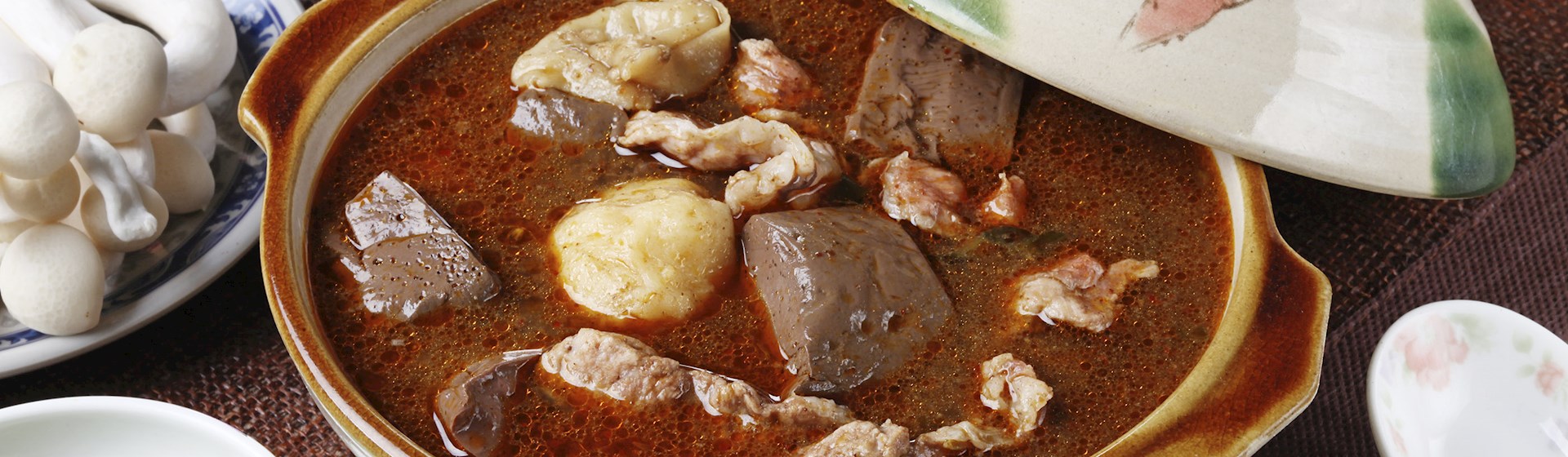
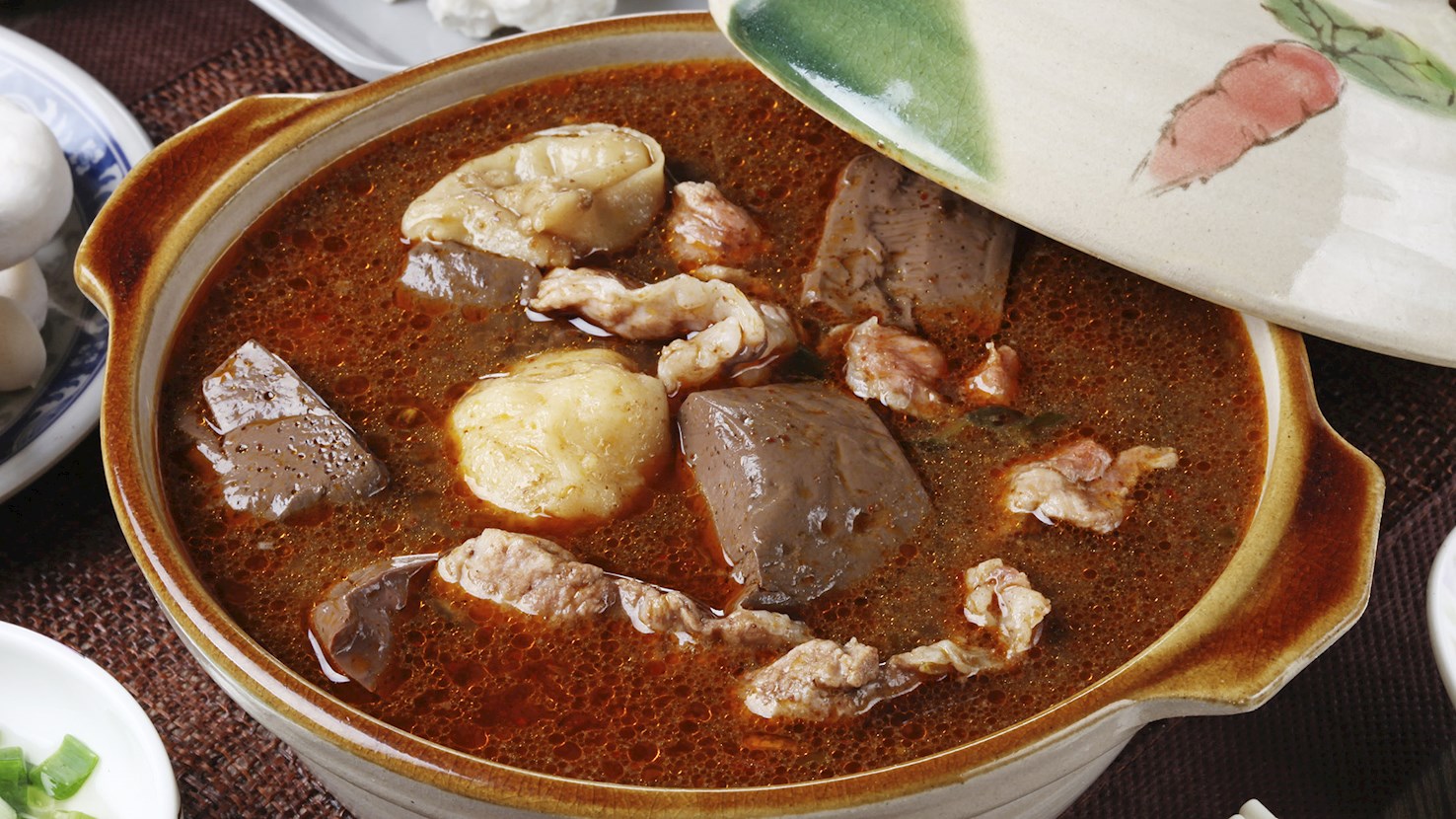
Sichuan hotpot is a numbingly hot and spicy dish made by poaching raw ingredients in a pot of boiling broth. The ingredients might include sliced meat, offal, seafood, vegetables, noodles, and most importantly, Sichuan peppercorns. Consuming hotpot is a communal affair, so people usually gather around the pot while socializing and adding the ingredients into it. As its name suggests, the dish was invented in Sichuan at the beginning of the 20th century. Originally, fisherman and port workers from the region could not afford regular cuts of meat, so they used offal, which was cooked in a spicy broth in order to disguise its pungent aromas. Over time, the dish evolved and became extremely popular throughout China and in the United States of America, due to the addition of fragrant spices and other flavorful ingredients such as ginger, garlic, cinnamon, and Sichuan bean paste. Although the dish is consumed throughout the year, it is most popular during winter because it warms the body and improves circulation.
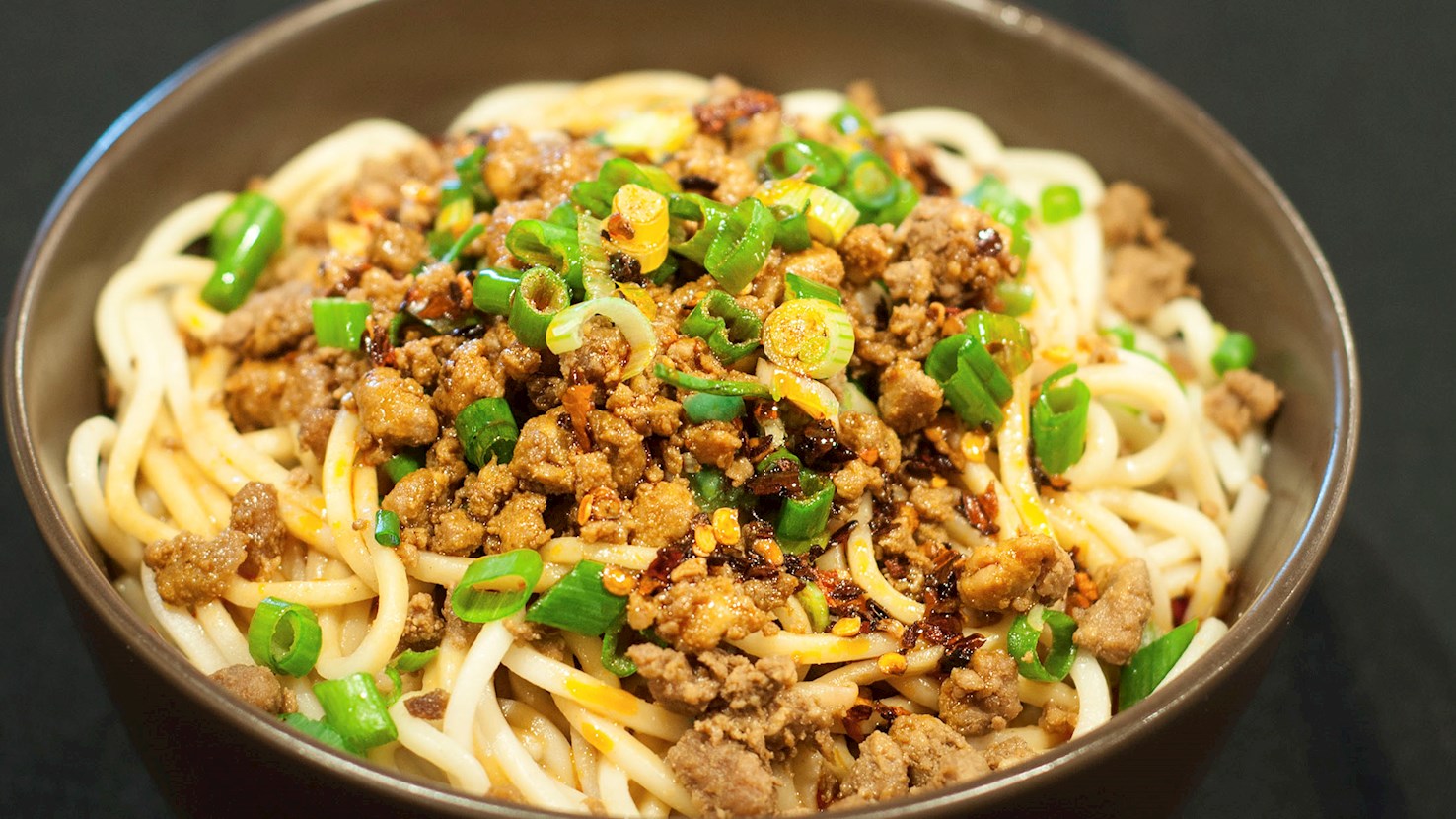
Traditional dan dan noodles are a true classic of Chinese cuisine. The star of the dish is a spicy sauce served with the noodles. Made with chili oil, preserved vegetables, Sichuan peppercorn, and sometimes sesame or peanut paste, the sauce bursts with heat and complex flavors. The meat, most commonly minced pork or beef, is also commonly included, but mainly acts as a garnish. In China, the varieties differ only slightly, but worldwide the traditional dan dan noodles have been adjusted to the more gentle western palate and use significantly fewer spices. The dish originated in the Sichuan province, and it is still one of the most common dishes in the area. The name itself comes from the way the noodles were initially offered to the Sichuan citizens and refers to the bamboo pole carried on the shoulders, which was used to transport the dish through the city streets. Today, the dish is usually served in restaurants, but is still equally attractive and retains the original flavors. Whether they are eaten hot or cold, dan dan noodles are usually served in smaller portions, as an appetizer, the main dish, and sometimes even as an accompaniment. Typical garnishes include sliced scallions, chopped peanuts, or sesame seeds.
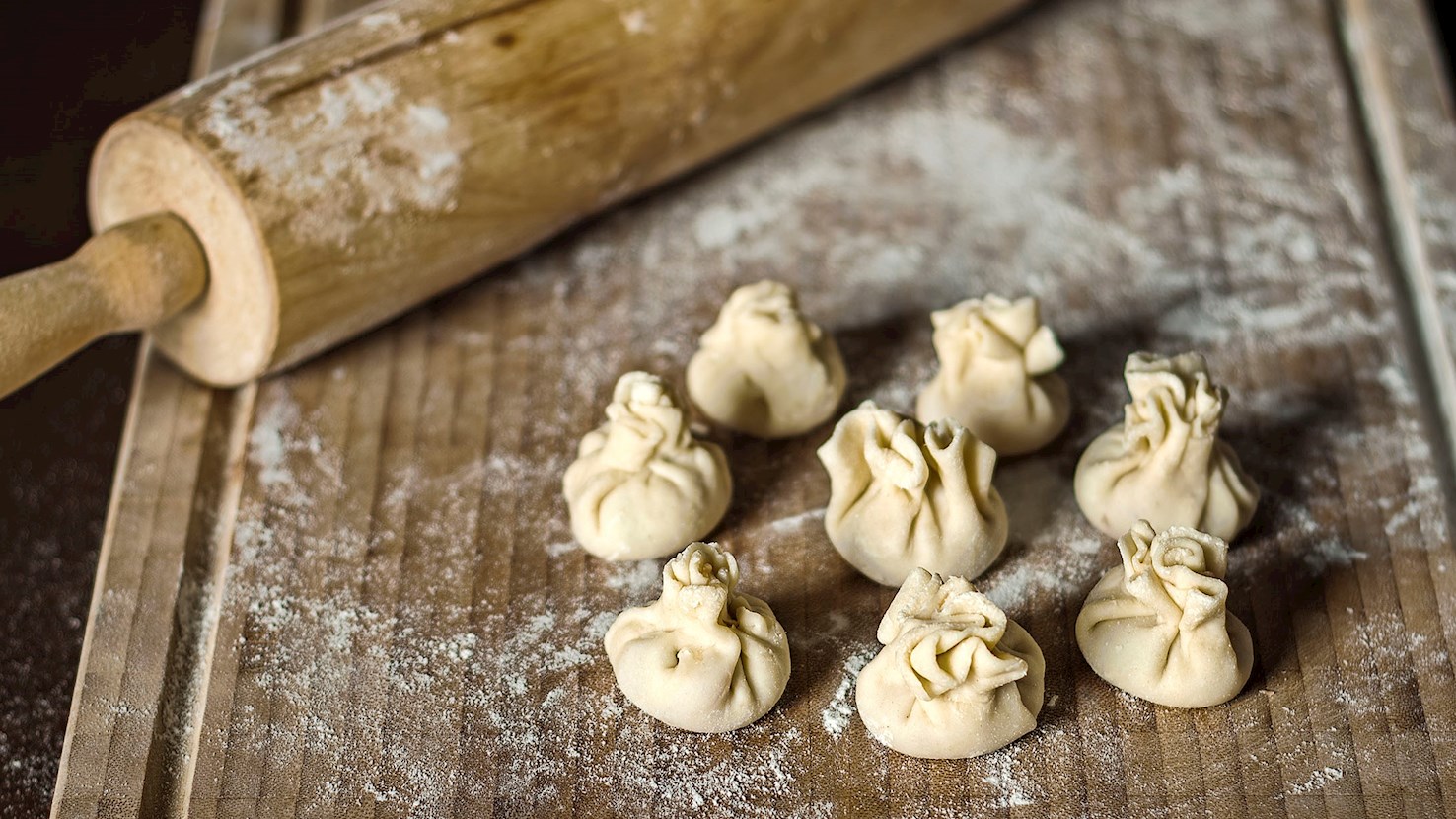
Often referred to as the Chinese ravioli, wontons are a variety of thin-skinned dumplings with meat, seafood or vegetable filling enclosed in tender wheat dough wrappers. Many sources suggest that the origins of wontons date back to the Han dynasty era, when they used to be prepared for the Chinese ancestor worship rituals as offerings to the spirits of the deceased. As the Han era concluded, circa 220 CE, the northern Chinese farmers who had long grown wheat discovered they could ground this grain into flour and knead it with water. From this practice emerged an entire world of new dishes known as bing, which was a collective name for steamed breads, grilled flatbreads, noodles, and various dumplings. These dishes soon became so popular they were sold anywhere from river boat food vendors to the streets, enjoyed both by royalty and the common folk. Over time, wontons have evolved and spread from Northern China throughout the country and beyond. Traditionally prepared during the Winter Solstice Festival, they were cooked in chicken broth until almost translucent and enjoyed as a heartwarming soup typically flavored with white pepper, sesame, and oyster oil. Nowadays, wontons are available in numerous varieties. In the North, they are most often stuffed with pork or lamb, while the classic Shanghainese filling includes minced pork and bok choy cabbage, flavored with the wild green called shepherd’s purse. Further to the south, people make their wontons with egg wrappers and fill them with a combination of pork and shrimp, while in Cantonese cuisine, wontons are often served as an appetizer, deep-fried and smothered in sweet-and-sour sauce. In the neighboring province of Fujian, they are better known as bianshi and are sometimes stuffed with fish paste. The so-called three treasure wontons, also known as Sanxian huntun or wuxi Sanxian wontons are stuffed with pork, dried shrimps, and pickled vegetables, and typically served in a spicy tofu and egg soup. Sichuan pork wontons are called chao shou, and they are traditionally served either in qing tang, a clear vegetable broth flavored with cilantro and other leafy greens, or in a spicy hong you chili oil sauce. Hong Kong-style wontons are filled with shrimp and lightly seasoned pork flavored with ginger, yellow chives, soy sauce, and sesame oil.
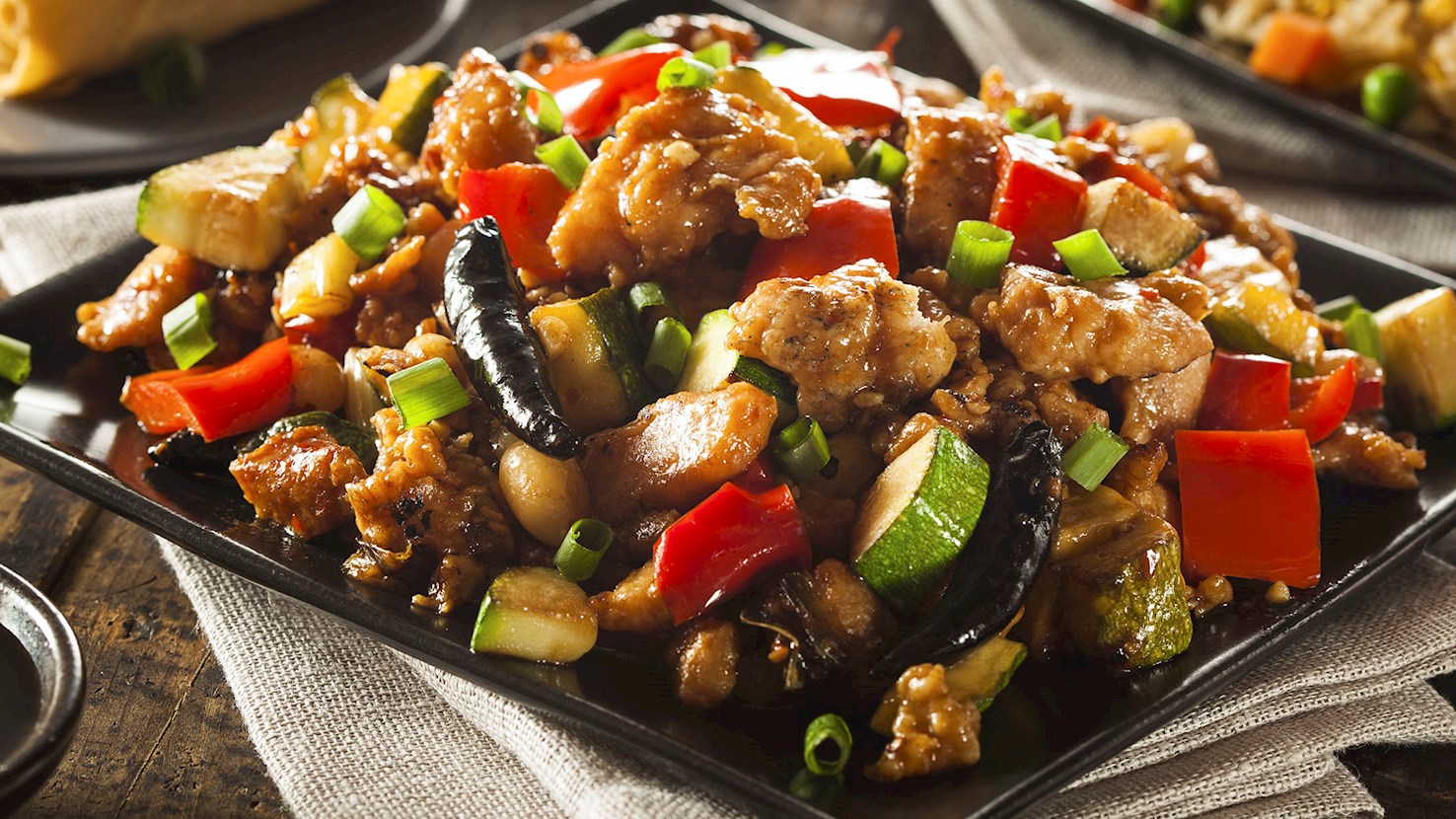
A staple of westernized Chinese cuisine and one of the favorite dishes of foreigners in China, kung pao chicken is a spicy stir-fry dish made with diced chicken, vegetables, peanuts, and Sichuan peppercorns. It was invented in the Sichuan province and has a unique, interesting origin story. In the 19th century, a boy named Ding Baozhen fell into a river and almost drowned. A passing stranger saved him, and as the years went by, Ding grew up to become a government official. He went to visit the man who saved him and ate a dish made with diced chicken, peanuts, and spicy peppercorns while visiting his home. Ding loved the dish so much that he asked the chef for a recipe, and then started serving it to his guests. The dish quickly spread in the Sichuan province, and many years later, it is still popular both in China and in the rest of the world. Although it's commonly eaten in North America, the dish is cooked differently and lacks the unique spice that makes the original so flavorful, because it was illegal to import it to the United States until 2005. However, it remains one of the most popular dishes in most Chinese restaurants throughout the world.
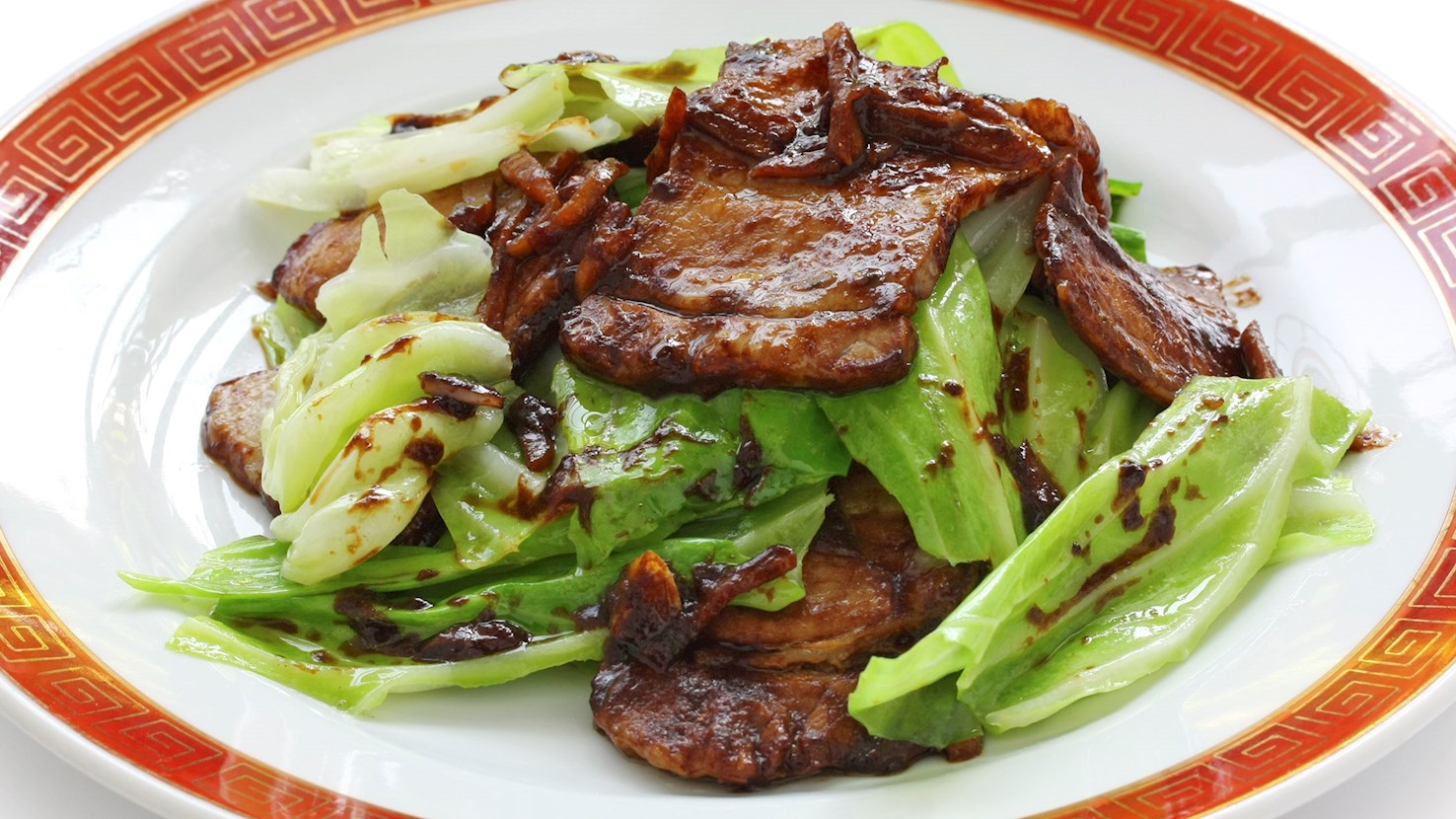
Twice cooked pork is a Sichuan specialty prepared by cooking fatty pork leg or belly (with the skin intact) in two different ways. Pork is first simmered in a pot and cooled in the refrigerator in order for the meat and fat to firm up. After that, the meat is sliced and stir-fried with vegetables such as cabbage, bell peppers, leeks, and mushrooms until it develops a brown color and the skin gets crispy on the edges. Ingredients may vary from one cook to another, but most of them add a sauce made with rice wine, soy sauce and various other condiments to the wok along with meat and vegetables. It is believed that the dish was invented during the Song Dynasty period by a poet who was preparing a pork dish for his friend. He cooked the meat in a pot and forgot about it, and when he returned, he saw that the liquids had evaporated, and the meat was sizzling in its own fat, thus a new dish was created. Today, the people of Sichuan traditionally have a feast on every 1st and 15th lunar month, where twice cooked pork is prepared as the main star of the festivities.
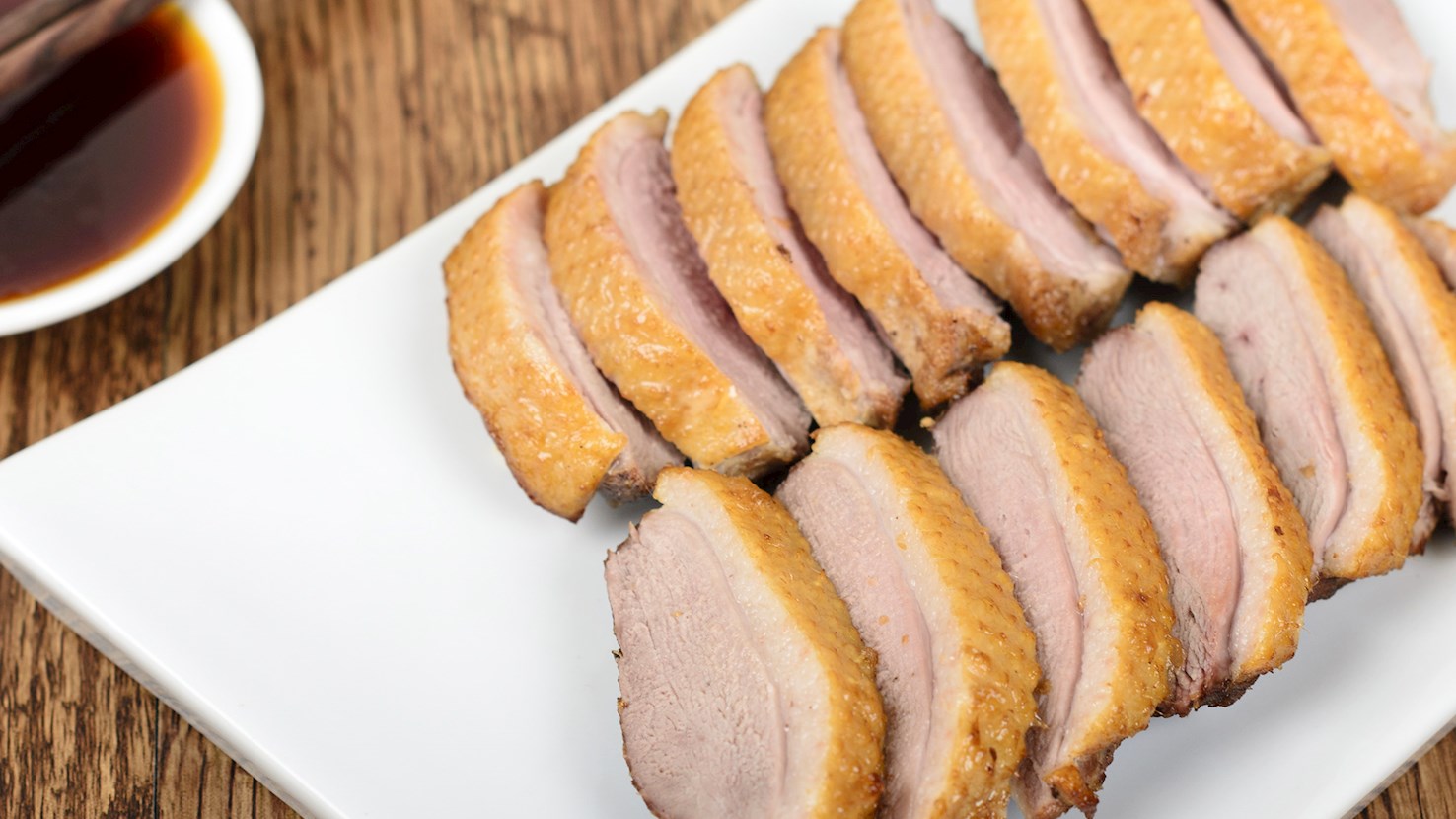
Zhangcha duck is a duck smoked with tea and camfor, originating from the Chinese province of Sichuan which is famed for its spicy dishes. The preparation of this meal is a five-step process; first, it’s marinated, then boiled, air-dried, smoked, and finally, fried. When served, pieces of duck meat are topped on gebao — a clam-shaped bun.
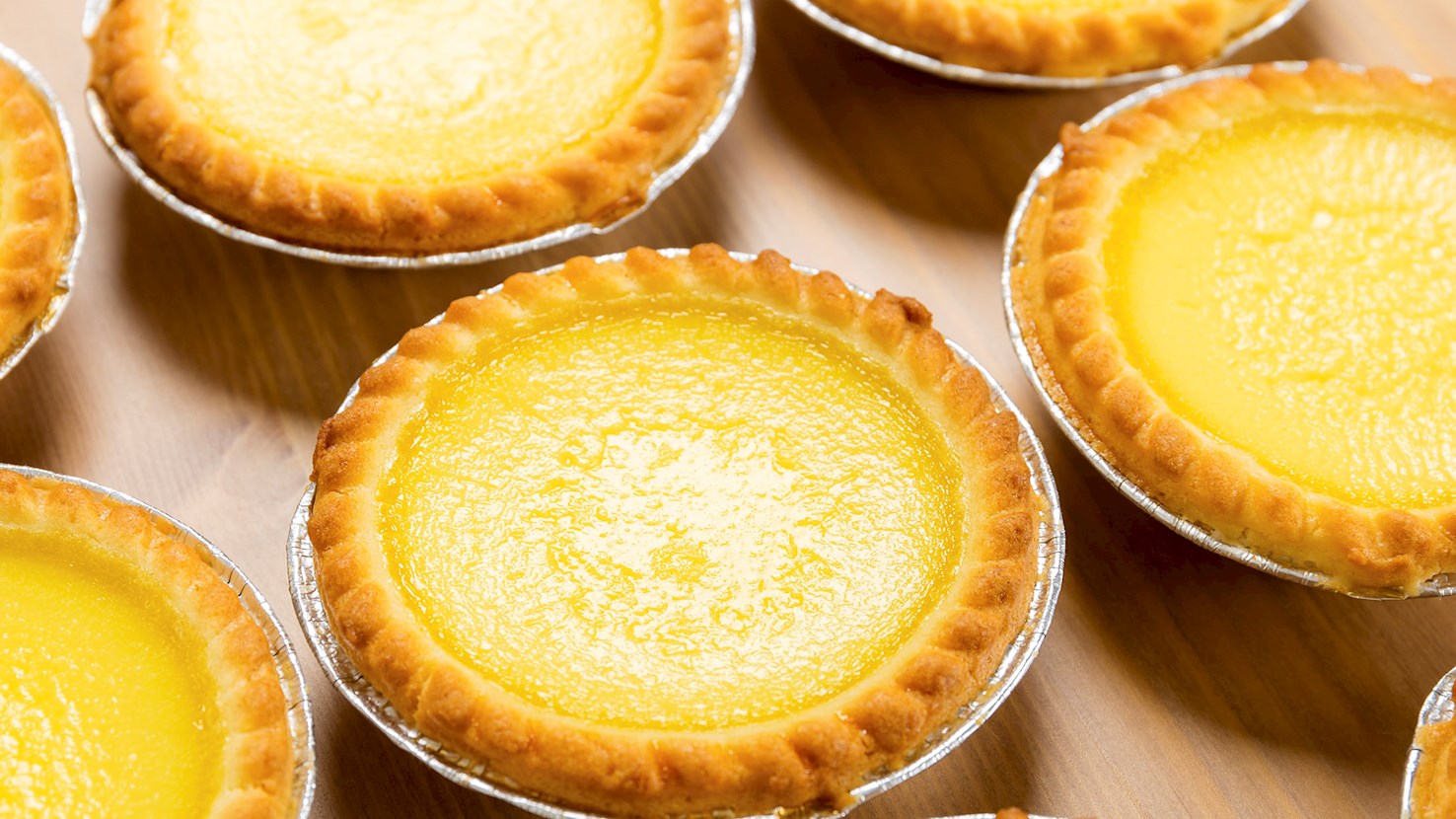
One of the most famous Chinese desserts is the classic egg tart, a delicious pastry consisting of a flaky outer shell with a creamy, but firm egg custard in the center. The origin of this traditional Chinese dessert is vague. It is believed that it grew out of Chinese contacts with western culinary traditions, but it is also likely that some form of an egg custard existed before the influence of the West. Chinese egg tart variety is believed to be a cross between the classic British egg custard, which is much creamier than the Chinese tart, and the famous Portuguese tarts, known as pastéis de nata, which are especially popular in Macau. Egg tarts first appeared in the Chinese region Guangdong, to eventually be taken to Hong Kong and Singapore where they also became one of the most beloved desserts. The main characteristic of the Chinese variety is the rich cream, which is firm and thick, with a strong and enhanced egg flavor. Both crumbly shortbread pastry (usually made with lard) and the crunchy puff pastry can be used as a shell. Occasionally, these tarts are flavored with ginger or green tea, and they should always be served warm, straight out of the oven. Egg tarts are the essential dessert of every dim sum meal, and a sweet delicacy commonly served in the Cantonese Asian restaurants. These tiny treats can also be found in traditional Chinese bakeries and coffee houses throughout the world.
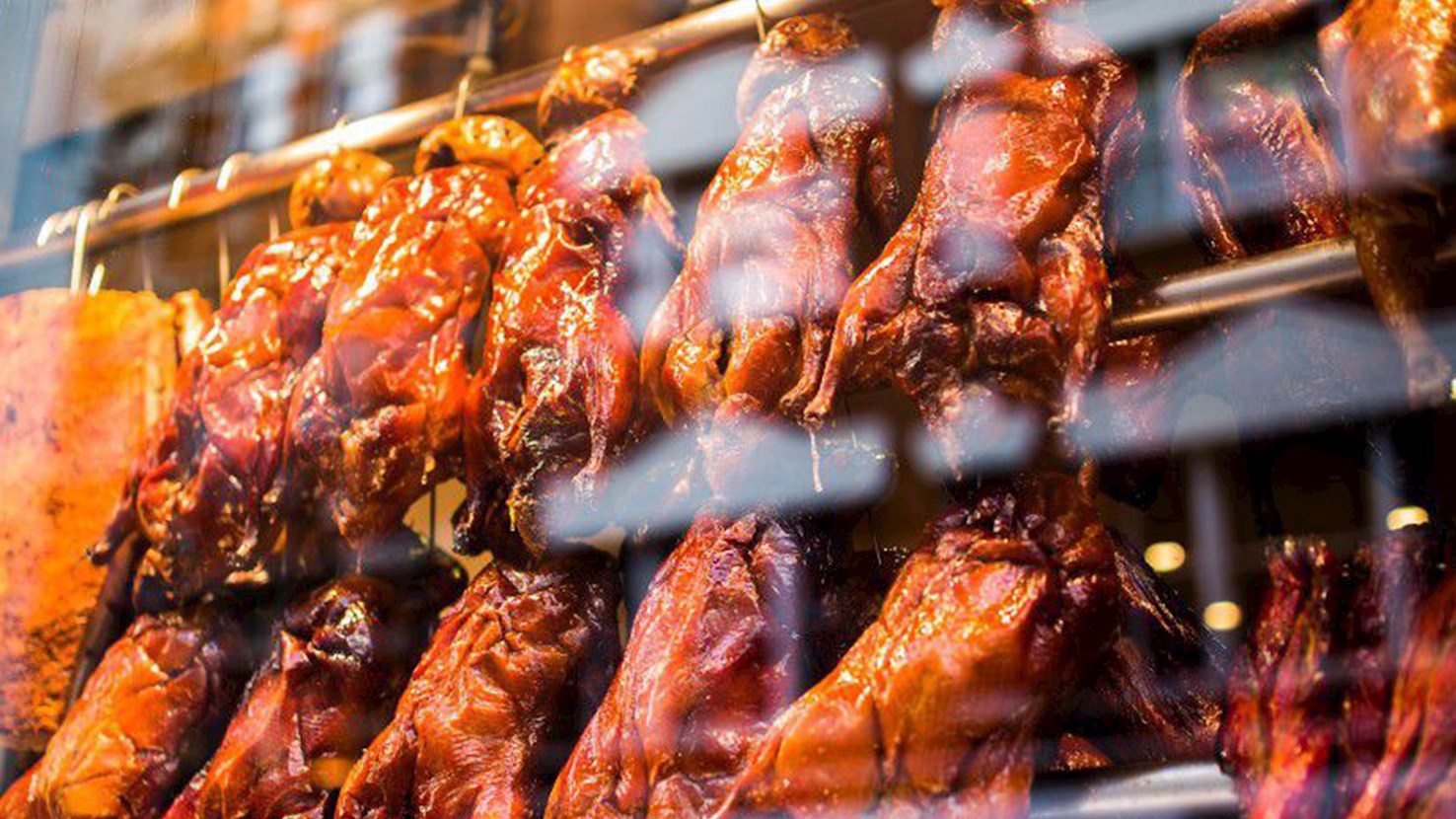
Siu mei refers to a style of Chinese cuisine that is primarily characterized by roasting meat on spits over an open fire or in a rotisserie oven. Originating from Guangdong province, this culinary tradition is particularly prevalent in Hong Kong. The term siu mei translates to "roast flavor" in Cantonese. Some of the most prominent and beloved examples of siu mei include char siu, siu yuk, soy sauce chicken, and white cut chicken. These dishes are typically served with rice and vegetables and sometimes with noodles. Siu mei meats are often displayed hanging in restaurant windows, a characteristic sight in Chinese eateries that specialize in this style of cooking. The visual display is not only appetizing but also allows customers to select their preferred cuts of meat. Siu mei is enjoyed by people all over the world, wherever there are Chinese communities, and it is celebrated for its rich flavors, varied textures, and the mastery required for its preparation.
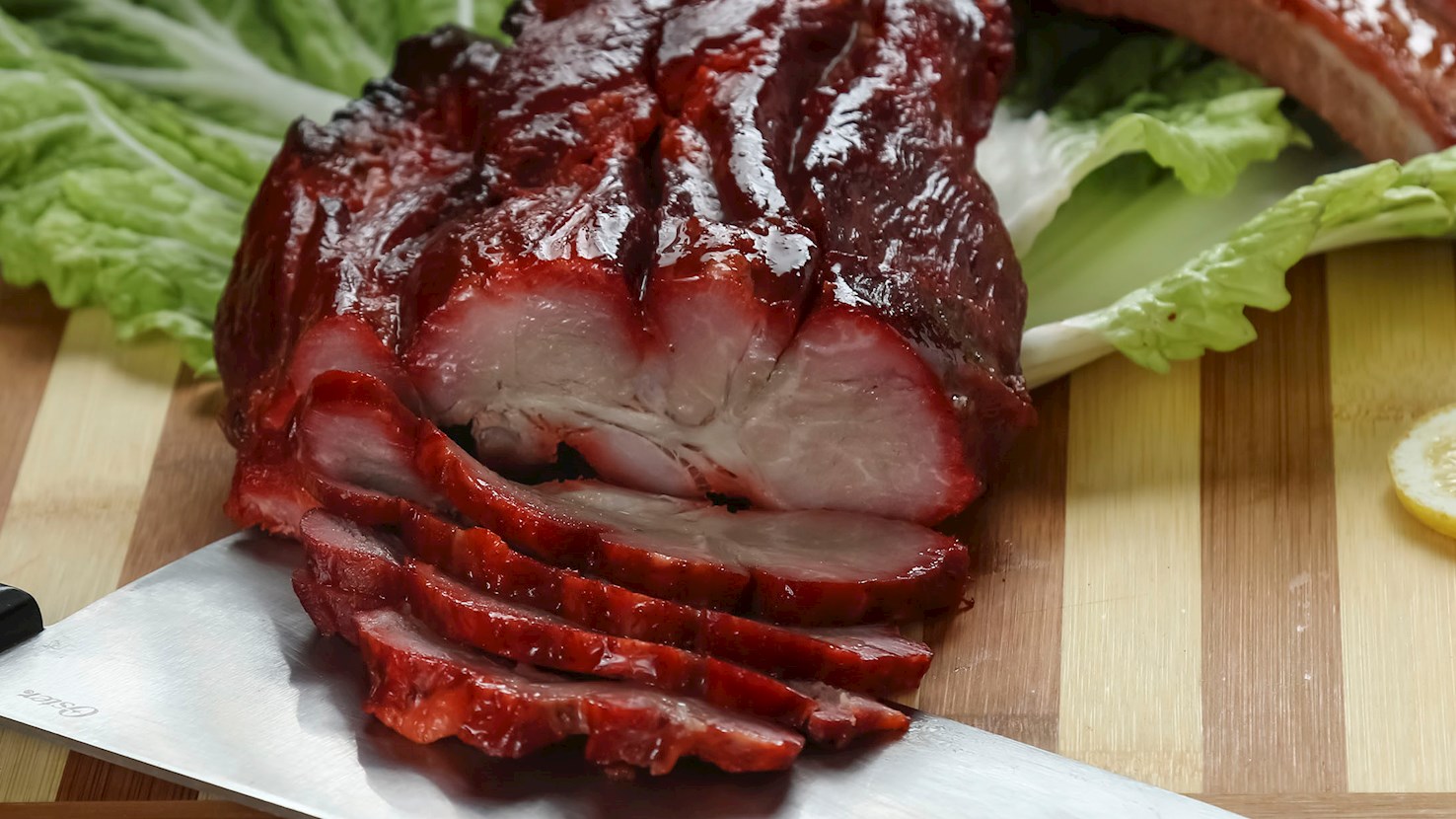
Char siu is a dish consisting of roasted, barbecued pork that has previously been marinated in the eponymous sauce, including ingredients such as soy sauce, hoisin sauce, rice wine, and star anise. The pork is usually served either as a sliced appetizer or shredded and chopped as a main meal. In the early days of char siu, any available meats, such as wild boars and pigs were used to make the dish. The name char siu is literally translated to fork-roasted, referring to the original method of preparation in which the meat is placed on an elongated fork and roasted over an open fire that caramelizes the sugars found in the marinade. One of the most popular ways to use the meat is to serve it in steamed buns called char siu bao. As a proof of char siu's popularity, it was listed as the 28th among the World's 50 Most Delicious Foods in a poll compiled by CNN Go in 2011.
TasteAtlas food rankings are based on the ratings of the TasteAtlas audience, with a series of mechanisms that recognize real users and that ignore bot,
nationalist or local patriotic ratings, and give additional value to the ratings of users that the system recognizes as knowledgeable.
TasteAtlas Rankings should not be seen as the final global conclusion about food. Their purpose is to promote excellent local foods,
instill pride in traditional dishes, and arouse curiosity about dishes you haven’t tried.



What People Say