

shutterstock

78 Traditional Foods
You Have To Try in Chicago

Last updated on June 17, 2026
01

Chicago Thin Crust Pizza

3.7 ·

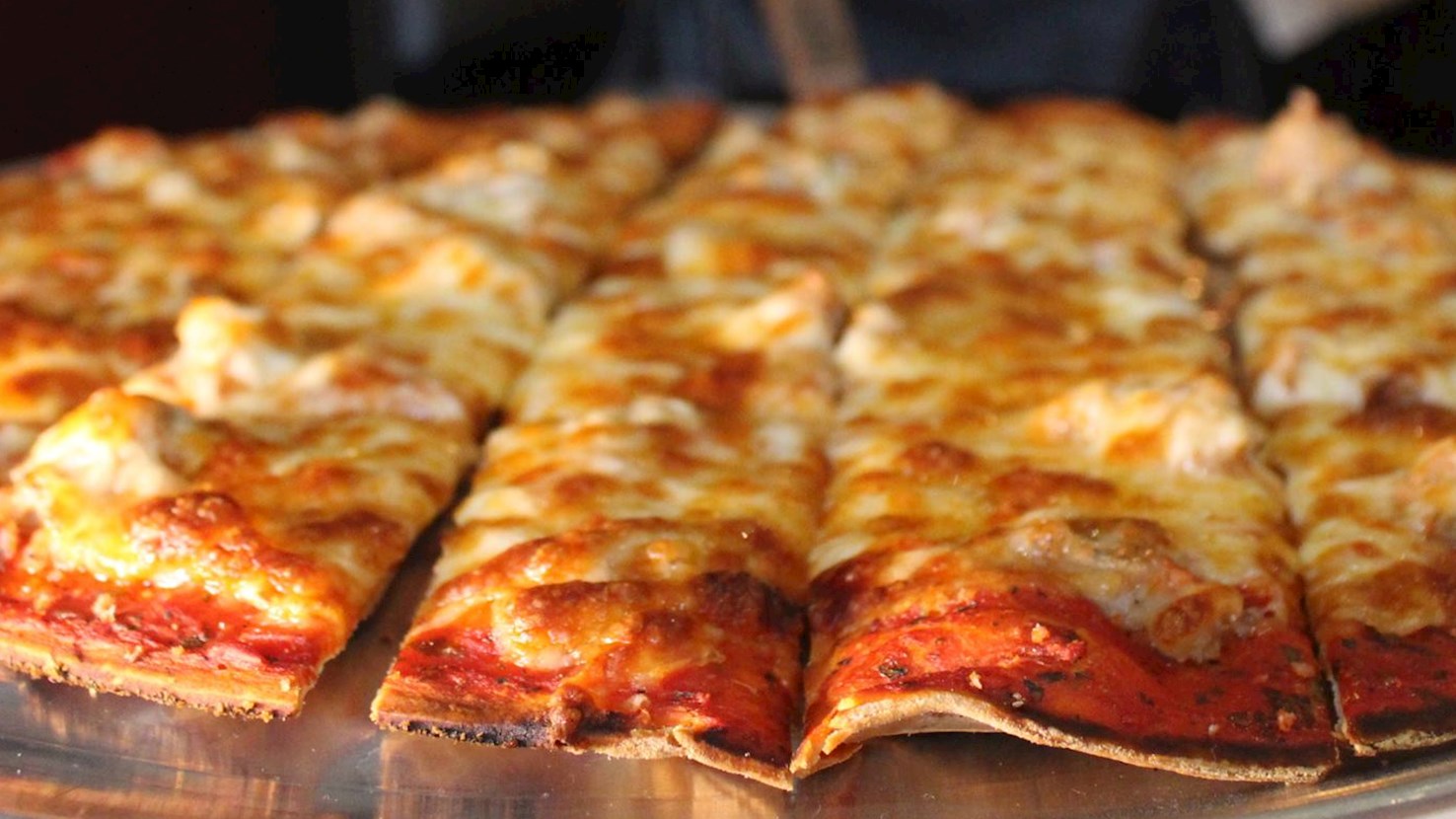
Apart from the crispy, almost cracker-thin crust, this Chicago-style pizza features a heavily herbed, zesty tomato sauce and generous amounts of shredded mozzarella. As for the other toppings, pepperoni is widely available but often comes second to crumbled Italian sausage, and then there's also bacon, prosciutto, and a variety of vegetables. The number one choice among locals, Chicago thin crust is typically cut into squares—the so-called box cut, tavern-style, or party cut—and unlike its New York counterpart, it doesn't fold up. In fact, the Chicagoans would say you should "fold your laundry, not your pizza".

02

Chicago-style deep dish pizza

3.7 ·

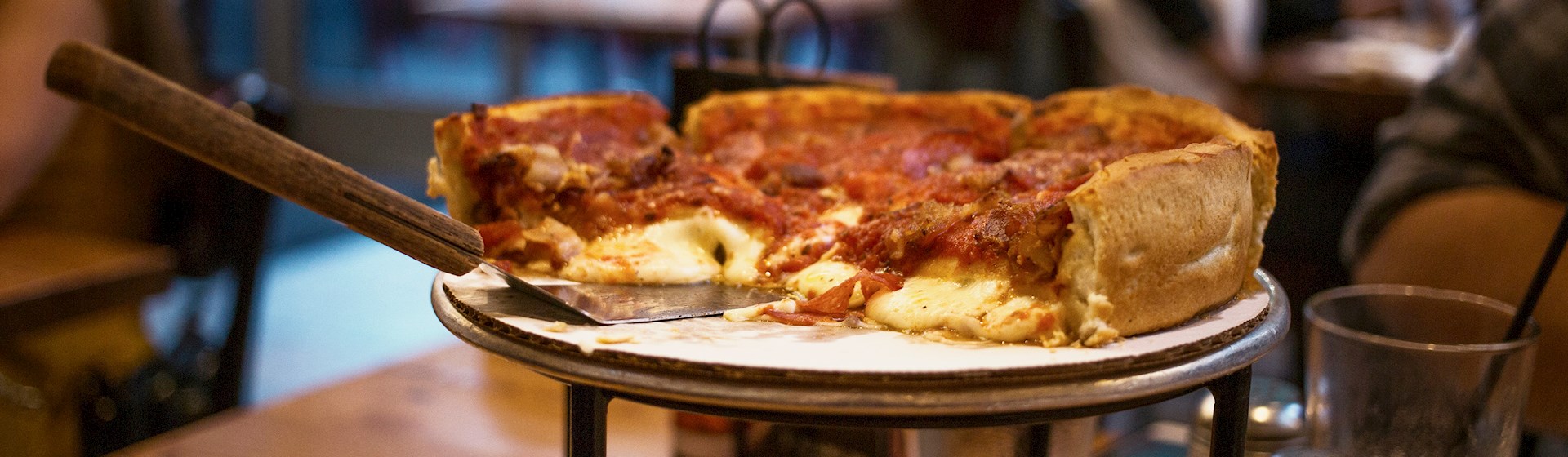
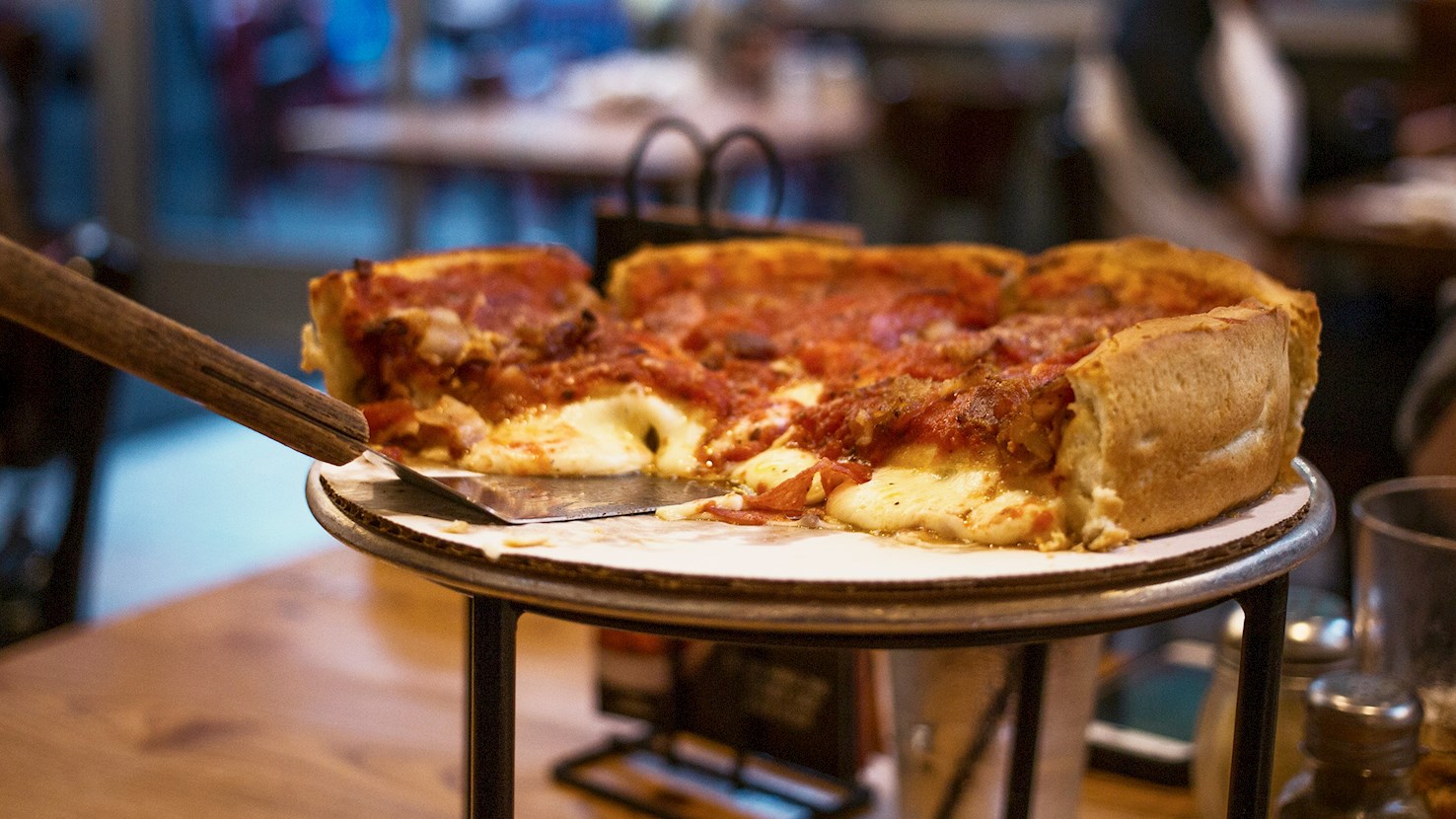
In the late 1800s and the early 1900s, Neapolitan immigrants came to the USA in search of a better life. Shortly after, in 1943, their descendants, Ike Sewell and Ric Riccardo had opened Pizzeria Uno in Chicago, serving a new variety of pizza in a deeper dish, with inverted layers of cheese, meat, and tomatoes, and a crunchy crust. No longer an immigrant tradition, Chicago-style deep dish pizza is now one of Chicago's cultural and culinary icons. The dish is not just popular in Chicago, but all over the world, and its popularity is evident in the fact that there is even a National Deep Dish Pizza Day, celebrated every year on April 5. Thick, hearty and crispy, Chicago-style deep dish is a cheesy and gooey treat for pizza lovers throughout the world.

03

Chicago-Style Hot Dog

4.0 ·

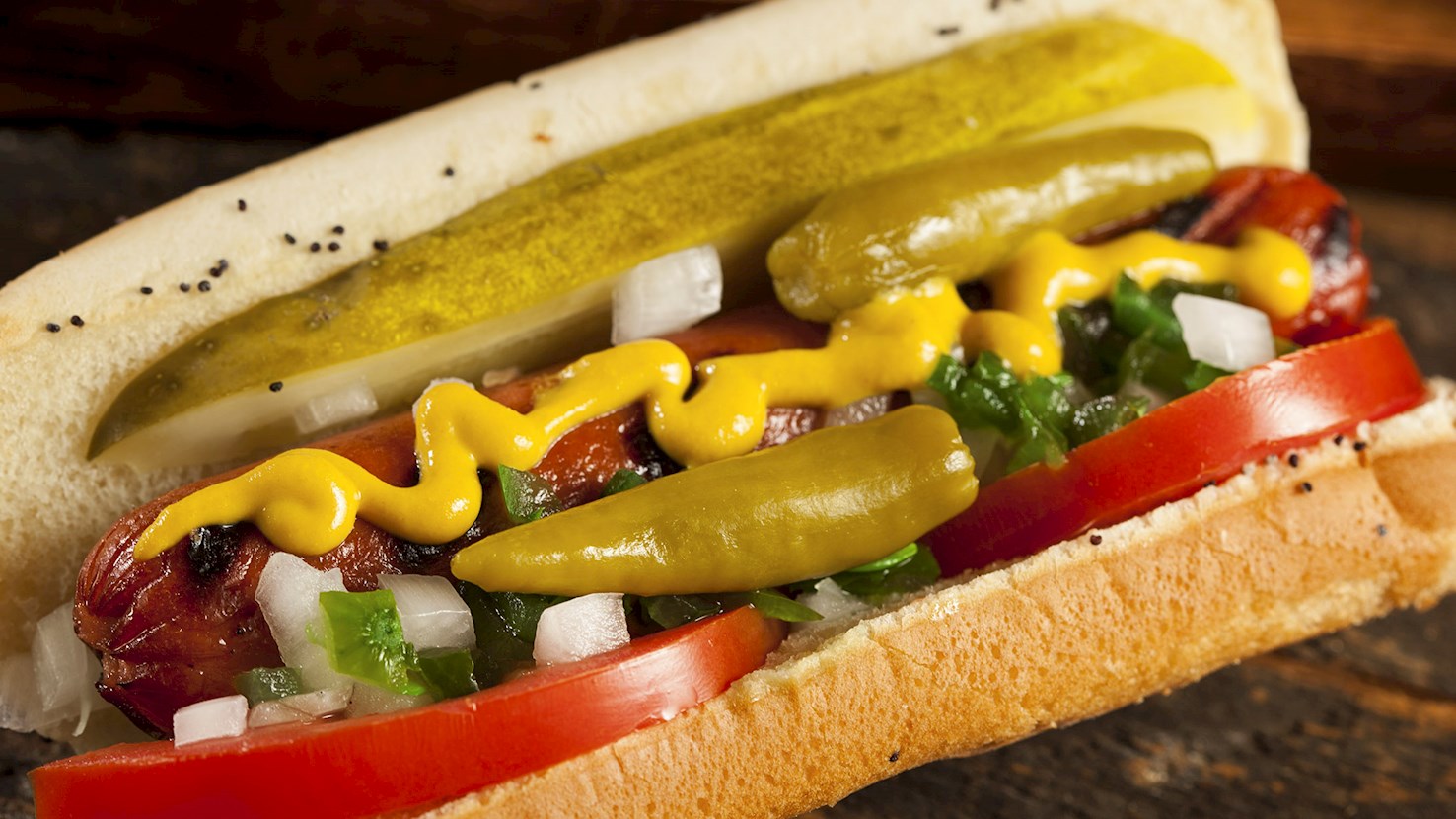
Chicago-style hot dog's history begins with street cart hot dog vendors who first started selling them during the harsh times of the Great Depression. Chicago dog was born as the vendors offered a flavorful, hot meal on a bun and started selling it for only a nickel. Vienna beef hot dog was placed in a steamed poppyseed bun, then topped with numerous ingredients—green relish, yellow mustard, fresh, diced onions, red tomato slices, kosher pickles, a bit of pickled peppers, and a sprinkle of celery salt. The customers absolutely loved the unique combination of hot and cold, crisp and soft, sharp and smooth, and the hot dogs became an authentic icon of the city. The Chicagoans opted for no ketchup, and it is still considered unacceptable, so much that a large number of hot dog vendors don't even offer it as a condiment. A final proof of its popularity is evident in the fact that the Chicago area has more hot dog restaurants and stands than McDonald's', Burger Kings, and Wendy's' combined.

04

Italian Beef

4.0 ·

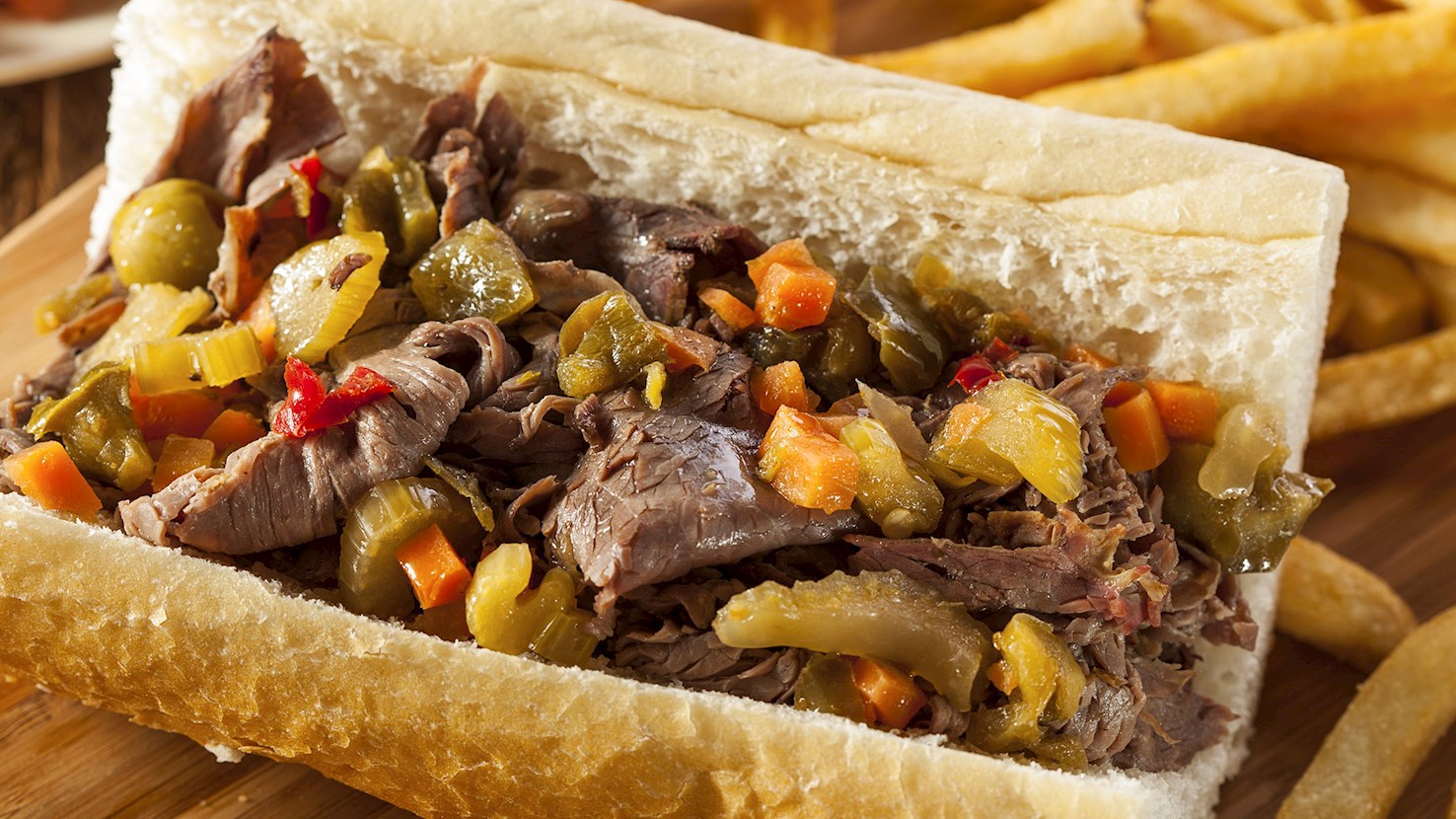
Italian beef is a popular Chicagoan sandwich consisting of thinly sliced, seasoned layers of roast beef in a dense and chewy Italian-style roll, topped with either pickled giardiniera relish or roasted green bell peppers. The sandwich is typically dipped in jus - on one end, both ends, or completely soaked in the flavorful gravy. Additionally, mozzarella or cheddar cheese can be added to the sandwich, according to personal preferences. There are three popular theories about the origin of the Italian beef sandwich. One says that is was invented by Al Ferreri (the owner of Al's Beef restaurant) and his family at the start of World War II. They invented it in response to big Italian weddings that needed to stretch a small amount of food a long way. Another theory says that the sandwich is a version of the French dip, introduced in Los Angeles in 1918. According to Pat Bruno, a critic for the Chicago Sun-Times, it was invented by a man named Tony who worked in a Greek diner and messed around with the French dip recipe, creating the Italian beef sandwich in the process. The third theory gives credit to Pasquale Scala, a supplier of Italian beef in Chicago, who invented it as a way to help consumers to stretch their dollar during the Great Depression. Regardless of the origin of the sandwich, it is still a staple of Chicago's cuisine, found at numerous restaurants and hot dog stands across the city.

05

Chicken Vesuvio

3.2 ·

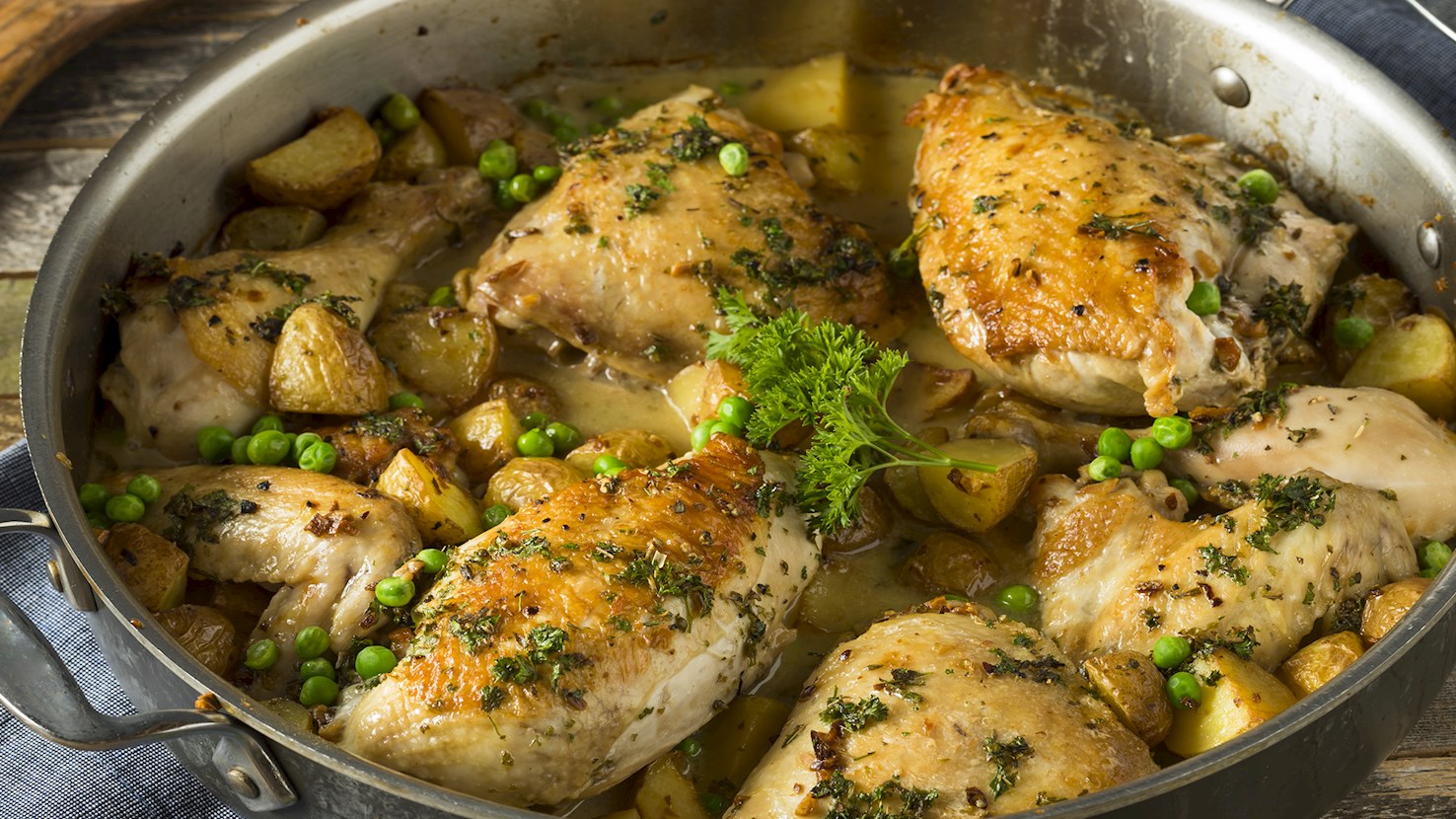
Named after the Mount Vesuvius volcano near Naples, chicken Vesuvio is a specialty of Chicago's Italian-American restaurants. The dish is made with chicken on the bone, potatoes, olive oil, white wine, garlic, and oregano and finished with green peas. Lemon juice is also often a common ingredient in chicken Vesuvio recipes. In Chicago, this cooking technique is sometimes applied to other foods as well, like steak Vesuvio, pork chops Vesuvio, or even just Vesuvio potatoes. Although the origins of this Italian-American classic remain unknown, some speculate that chicken Vesuvio got its name after the fact that adding wine to the oil causes the dish to smoke like a volcano, while others suggest that it might have been popularized by the Vesuvio restaurant, which operated in Chicago in the 1930s.

06

Shrimp DeJonghe

n/a ·

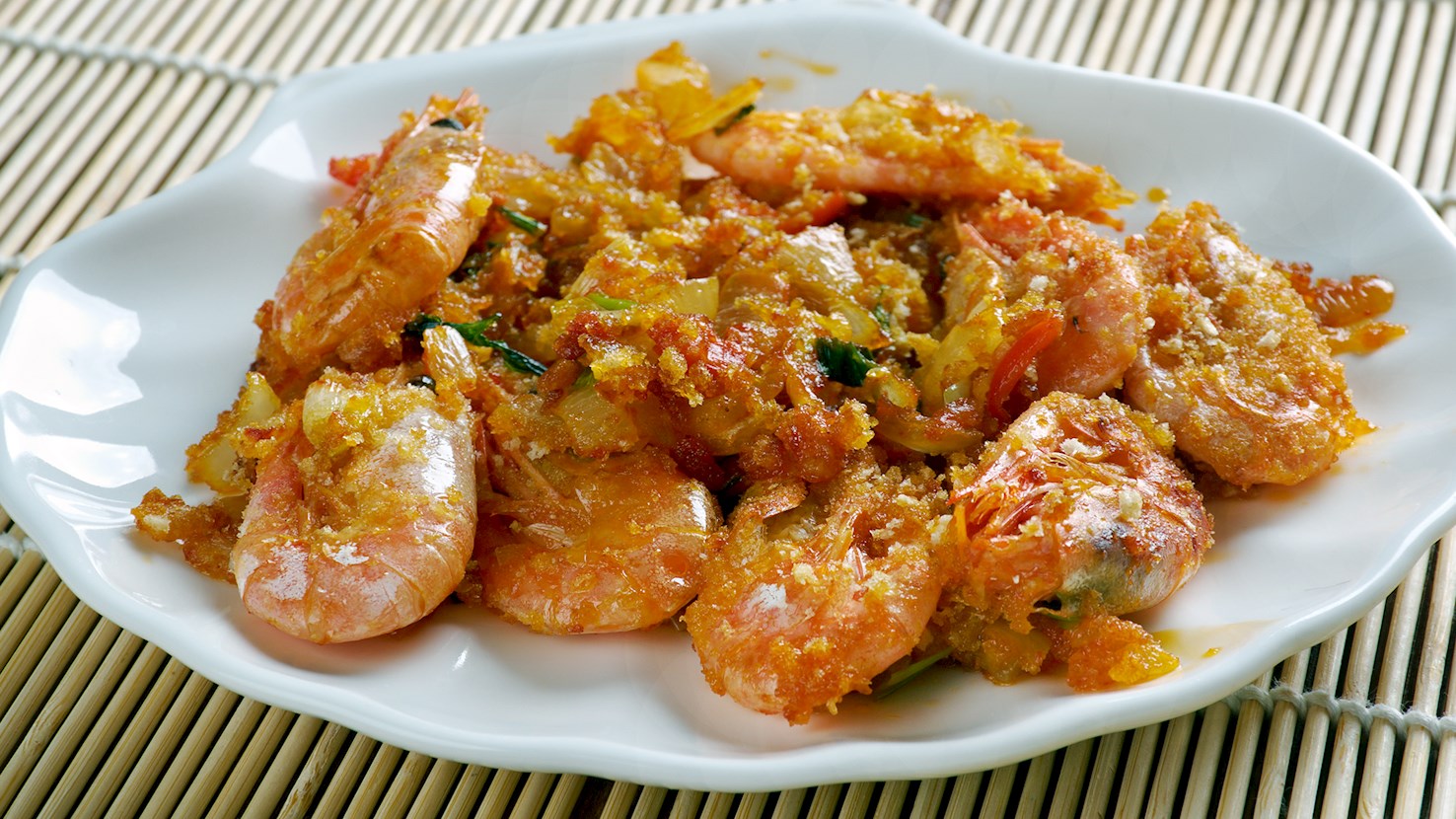
The garlic and sherry flavored shrimp DeJonghe is a casserole dish made with whole peeled shrimps blanketed in herbed breadcrumbs which are broiled until golden brown. This dish is often said to be the oldest specialty of Chicagoan cuisine, having been created in the 1920s at DeJonghe's hotel and restaurant on Chicago's Monroe Street. The recipe has been attributed either to the owners, Belgian immigrants Henri, Pierre, and Charles DeJonghe, or to their chef, Emil Zehr. Today, shrimp DeJonghe can be found at a variety of Chicagoan restaurants, ranging from casual taverns and eateries to seafood spots and even steakhouses.

07

Jibarito

4.3 ·

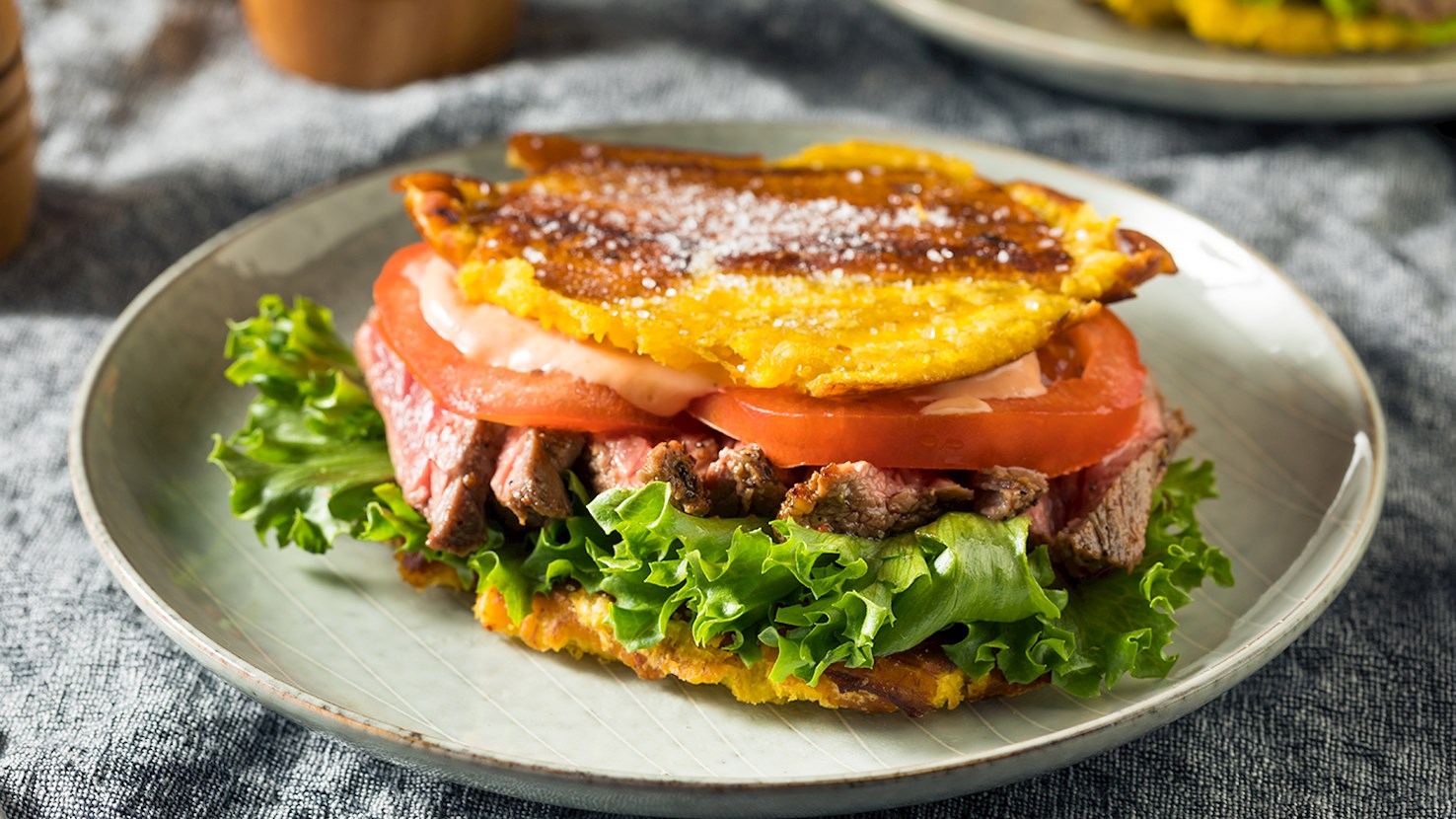
Jibarito is a unique Puerto Rican sandwich made with smashed, fried plantains instead of bread. The sandwich is typically filled with garlic mayonnaise, meat, lettuce, tomatoes, and cheese. The origins of jibarito are somewhat hard to untangle, as some claim that the sandwich is originally a Puerto Rican invention, while others claim that it was created by Juan Figueroa at the Borinquen Restaurant in Chicago in 1996. The most probable theory says that the sandwich was invented by Coquí Feliciano and Jorge Muñoz at Plátano Loco restaurant in Aguada, Puerto Rico, and Figueroa probably read about it, which inspired him to make another version in Chicago.

08

Maxwell Street Polish

4.2 ·

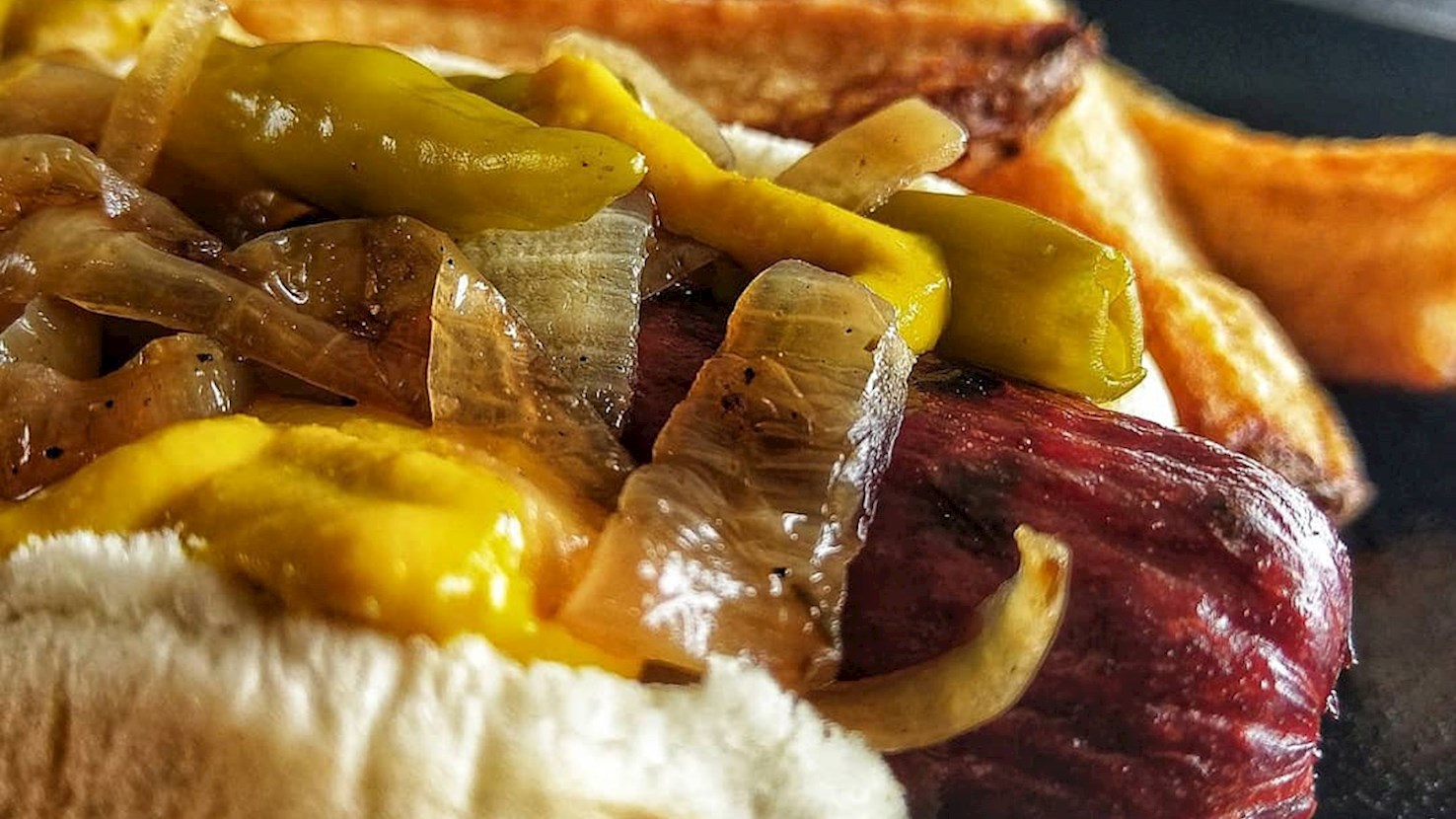
One of the street foods that are synonymous with Chicago, the Maxwell Street Polish sandwich is said to have been created in 1943 by a Macedonian immigrant Jimmy Stefanovic who operated a hot dog stand - now called Jim's Original - back then located in Chicago's old Maxwell Street market district. Served on a bun, the grilled or fried Polish sausage is topped with grilled onions, yellow mustard and optional pickled green sport peppers. Soon after its invention, Maxwell Street Polish grew to be one of the Windy City's most popular local fare, and remains a staple of its hot dog stands until this day.

09

Stuffed Pizza

3.4 ·

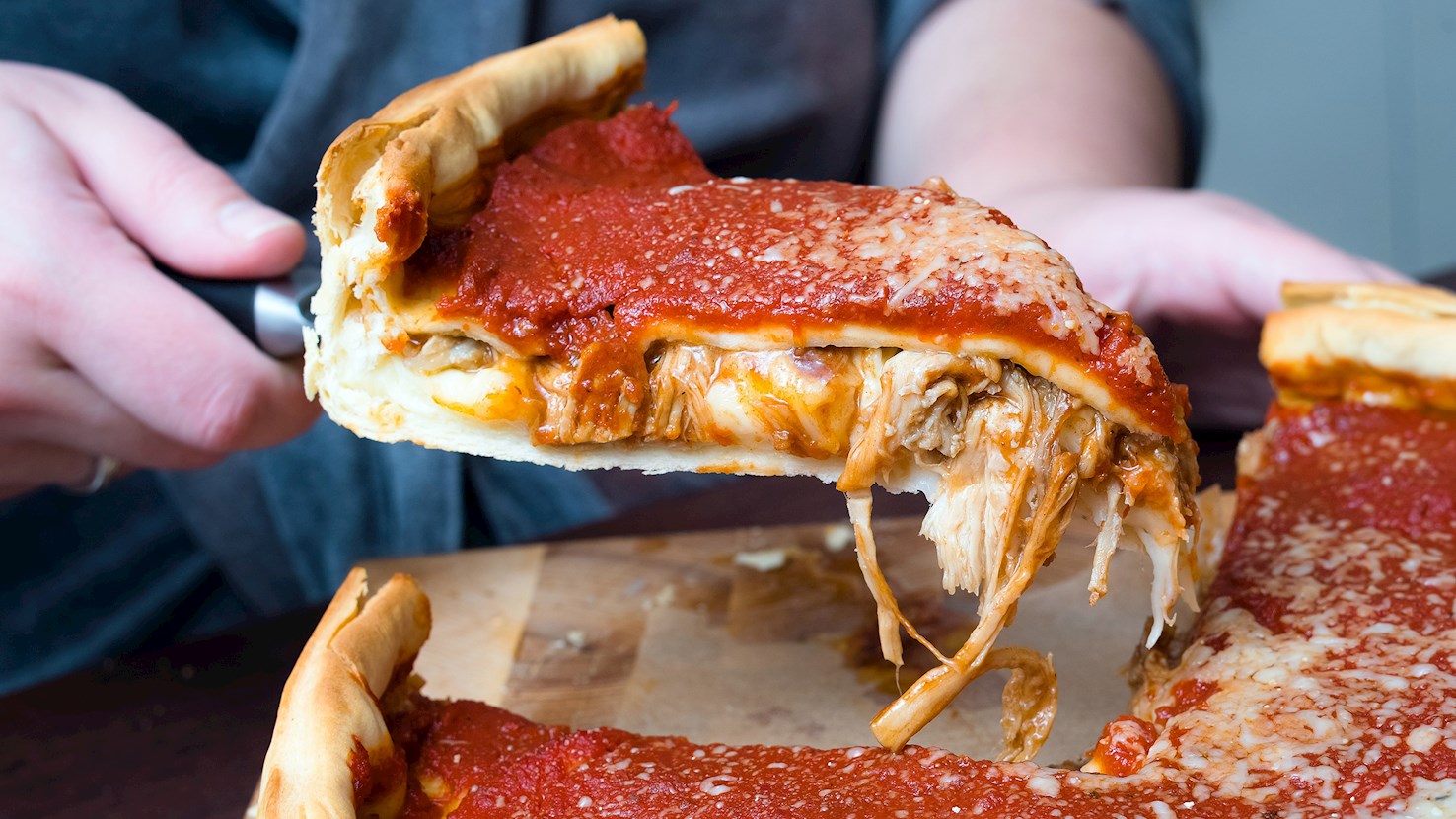
Stuffed pizza is an American pizza that started its way to popularity in Chicago a bit later than the deep-dish pizza, with which it shares many similarities. It has a more solid and smooth crust than the deep-dish pizza. The dough is also a bit drier and sweeter. The pizza is topped with a generous amount of cheese and various other ingredients such as vegetables and crumbled sausages. The next thing that goes on top is another thin layer of dough (hence the name stuffed pizza), usually with slits cut into it so that it lets moisture out while it cooks. And finally, the pizza is topped with tomato sauce before baking.

10

Fried Chicken

4.2 ·

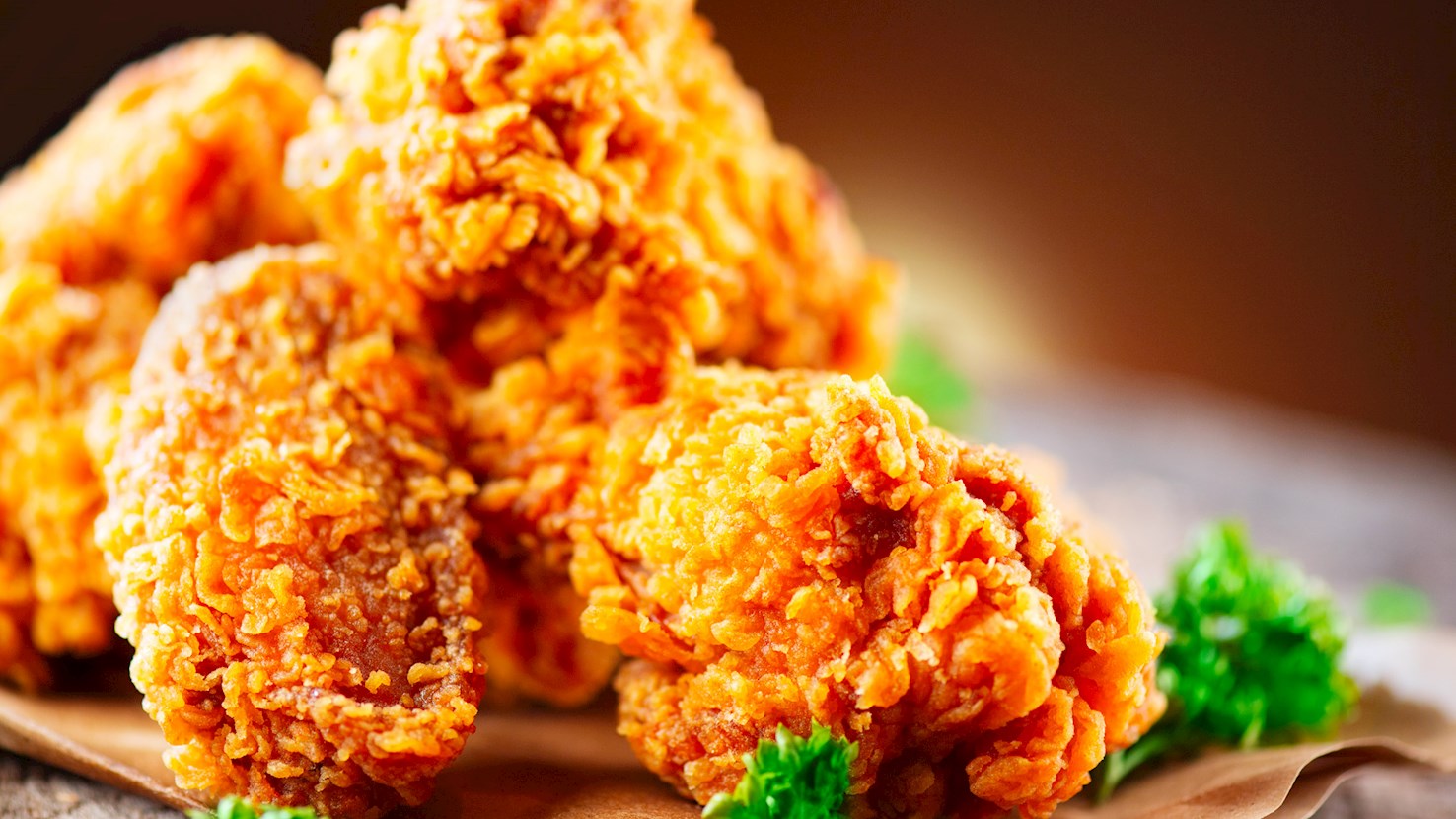
The most popular food of the Southern cuisine, fried chicken is the theme of many arguments where everyone involved seems to have a favorite, be it what their mothers used to make, a cult roadside eatery, or a bygone restaurant. However, it is universally agreed that the meat must be moist, succulent, and tender, coated with a crunchy, golden-brown crust. It all started during the colonization period, when Scottish immigrants settled in the South, bringing their fried chicken recipes along. The African slaves then introduced new seasonings and spices, and the dish quickly gained popularity. Typical seasonings include salt, pepper, and hot chiles, and the pieces of meat should be edible by hand so that the consumer can bite both the crust and the meat at the same time. The birds must be fresh and smaller in size, as the meat will be much more tender and the proportion of crust to meat will be perfectly balanced. Once the chicken parts are hot, crispy, and ready to be consumed, they are traditionally accompanied by buttered biscuits, Southern potato salad, mashed potatoes, or cream gravy on the side.

About this ranking

TasteAtlas food rankings are based on the ratings of the TasteAtlas audience, with a series of mechanisms that recognize real users and that ignore bot, nationalist or local patriotic ratings, and give additional value to the ratings of users that the system recognizes as knowledgeable. For the “78 Traditional Foods You Have To Try in Chicago” list until June 17, 2026, 963 ratings were recorded, of which 817 were recognized by the system as legitimate. TasteAtlas Rankings should not be seen as the final global conclusion about food. Their purpose is to promote excellent local foods, instill pride in traditional dishes, and arouse curiosity about dishes you haven’t tried.

Similar lists