

shutterstock

6 Traditional Foods
You Have To Try in Cluj-Napoca

Last updated on June 17, 2026
01

Varză a la Cluj

4 ·

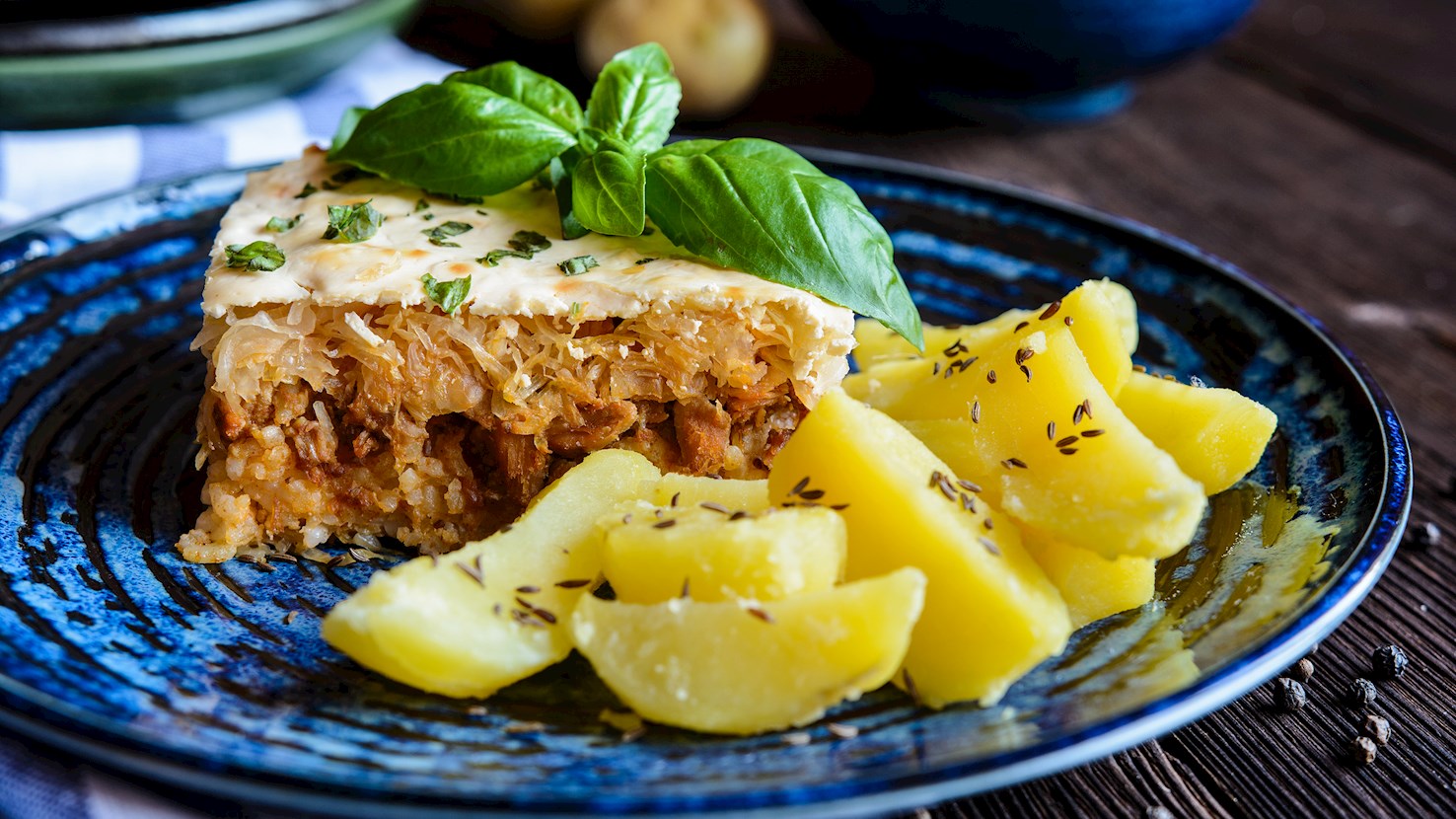
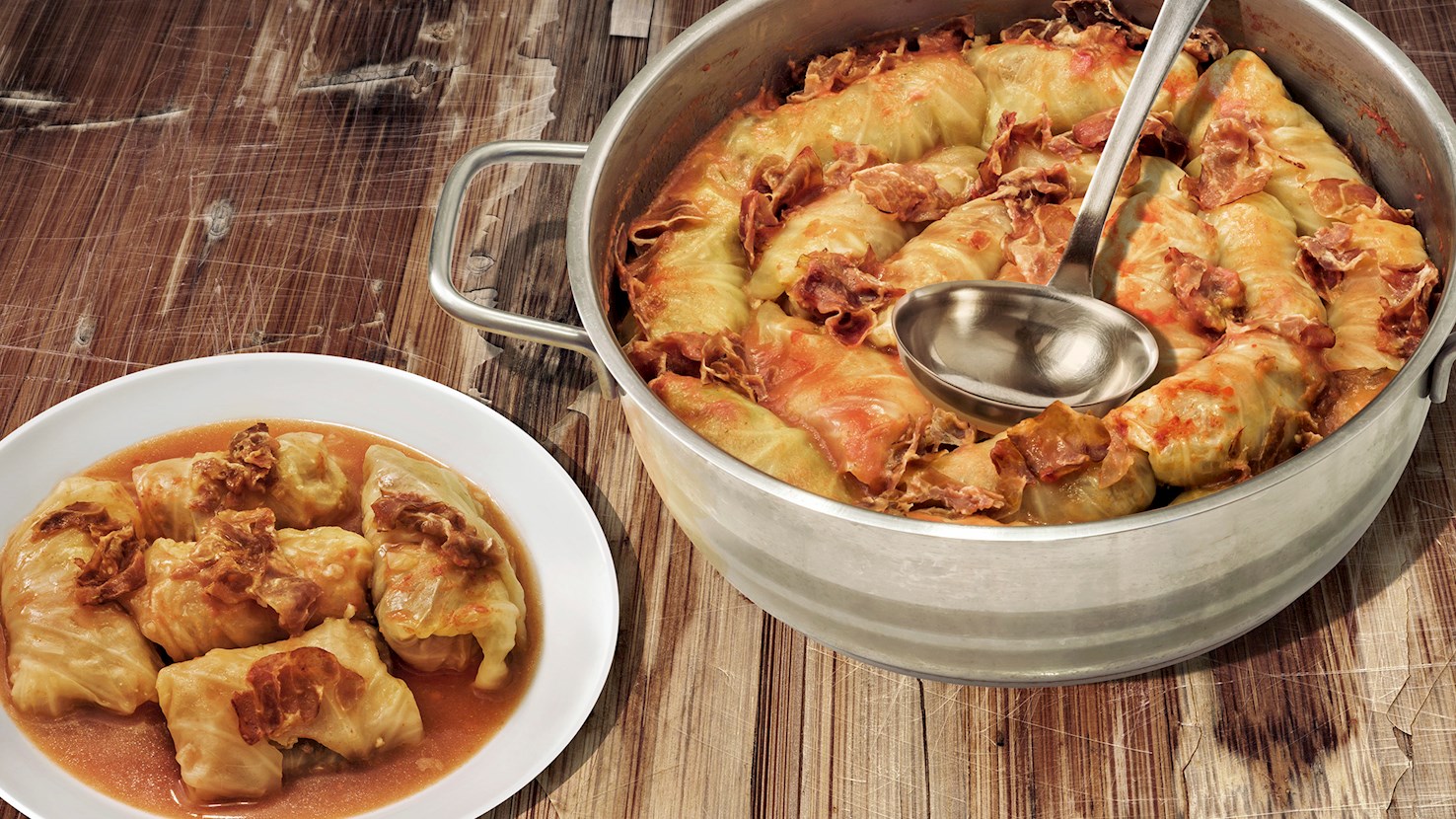
An authentic Transylvanian specialty, varză a la Cluj consists of sour cabbage, minced meat, and rice. The sour cabbage is first cooked, and then combined with a mixture of seasoned minced meat, onions, and rice in a casserole dish, traditionally in alternating layers. Often topped with a mixture of sour cream and milk, the dish is sometimes flavored with tomato sauce or sour cream between layers. A version of this Romanian dish, mentioned in a 1695 cookbook, called for a combination of minced cabbage and a variety of meats, including beef, ham, chicken, or goose, all seasoned with salt, pepper, and ginger. This traditional cabbage dish is a local specialty in Cluj-Napoca, served in numerous restaurants throughout the city. It is usually eaten hot, accompanied by hot peppers, sour cream, and mămăligă on the side.

Best restaurants
02

Ciorbă de burtă

4 ·

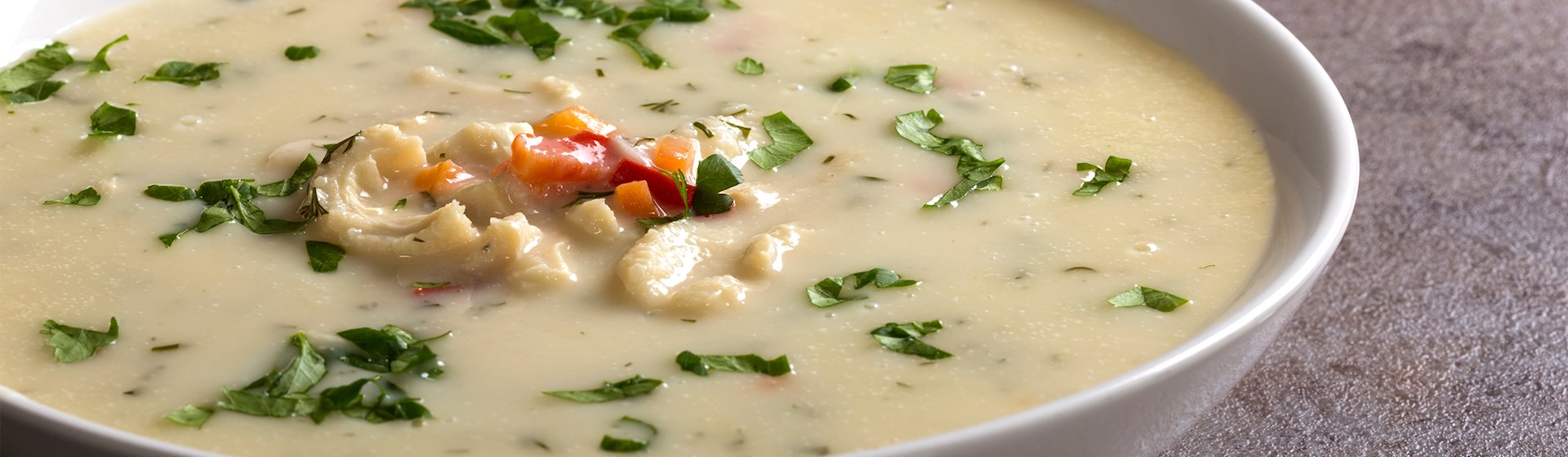
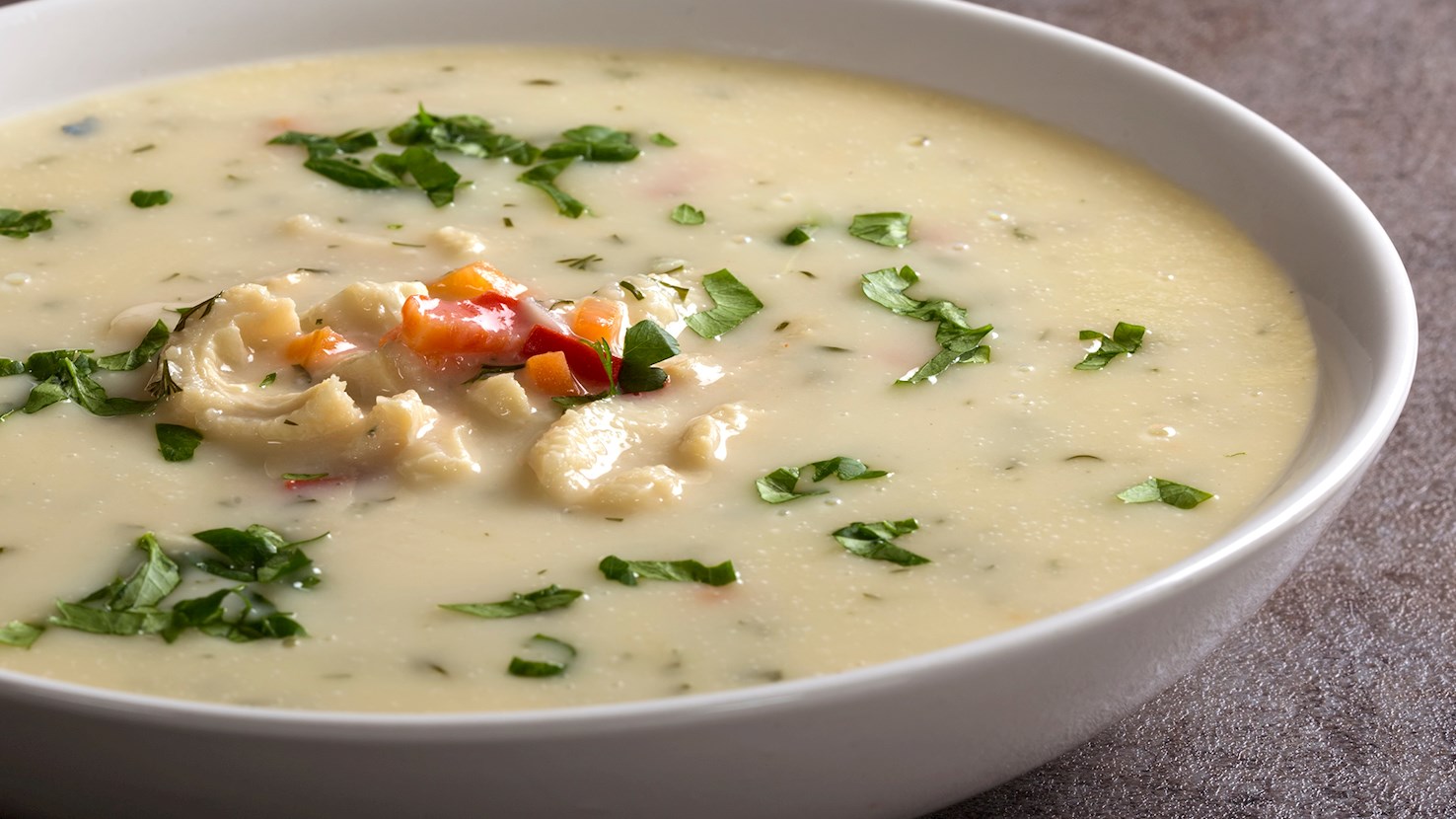
Ciorbă de burtă is a creamy, sour and garlicky, yellow-colored Romanian soup containing strips of beef tripe and slices of red pepper. Although considered a rare delicacy and an acquired taste due to its main ingredient being the lining of a cow’s stomach, ciorbă de burtă is a rather simple dish. It is basically tripe soup seasoned with vinegar, sour cream, and mujdei – a spicy garlic sauce made from crushed garlic cloves, salt, and oil. Various ingredients are used for the broth, including onions, carrots, celery, parsley and parsnip roots, lovage, bay leaves, and peppercorns. Ciorbă de burtă is traditionally served piping hot with spicy green peppers and a dollop or two of sour cream on the side. Just like many other hallmarks of Romanian cuisine, ciorbă de burtă has its origins in the Ottoman Empire.

Best restaurants
03

Vargabéles

3.4 ·

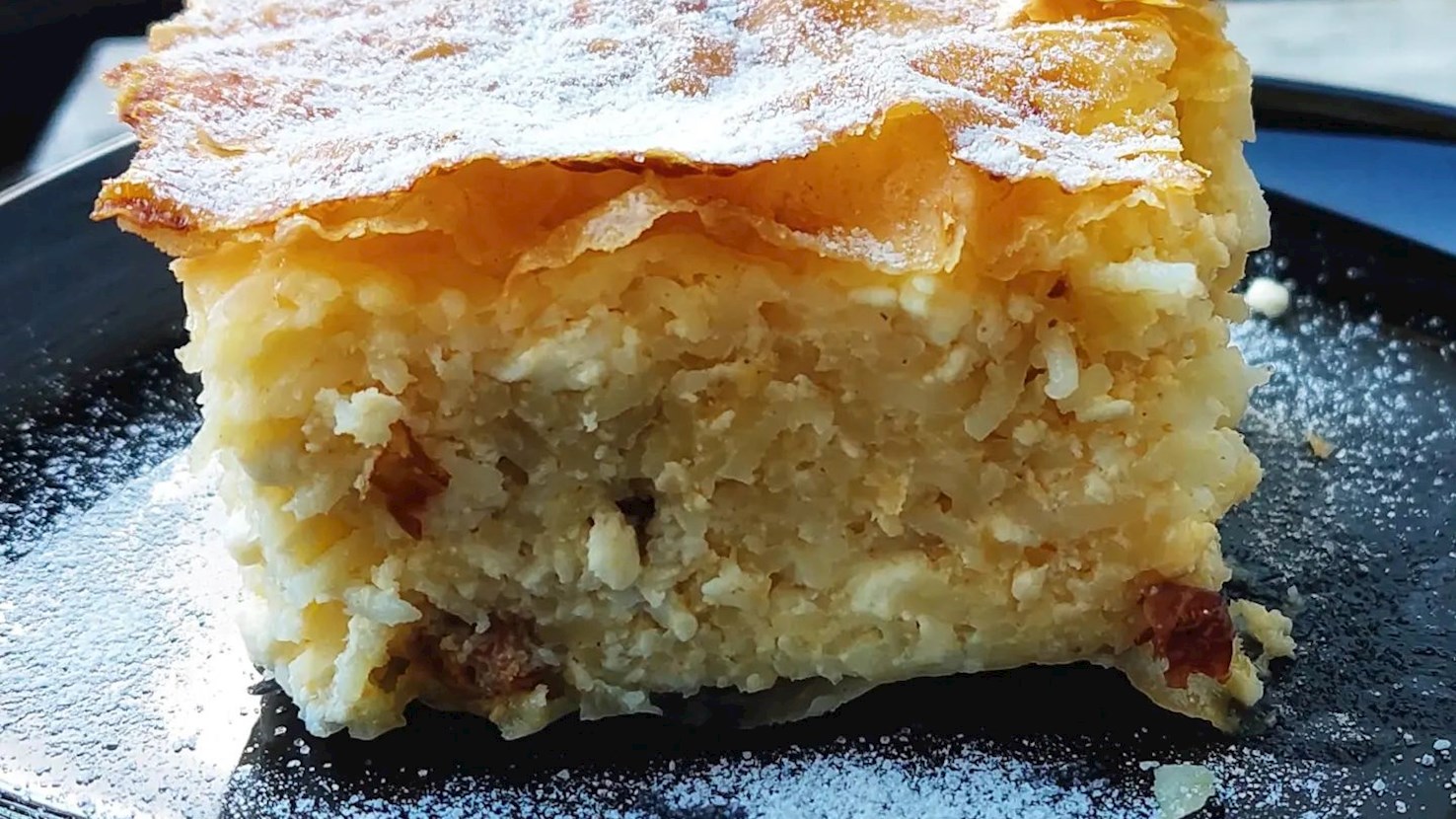
This simple dessert consists of thin egg noodles that are cooked in milk, then mixed with whipped egg whites and curd cheese before they are neatly placed between sheets of phyllo pastry. The noodle filling is usually enriched with raisins, cinnamon, vanilla, or lemon zest, and the dessert is typically served warm and dusted with powdered sugar. The invention of the cake is often associated with the Romanian city of Cluj, but who exactly invented it is still a matter of dispute. While one theory claims it was an invention of a Hungarian named Varga, others believe that it first appeared on the menu of a family-owned Darvas restaurant at the beginning of the 20th century. Regardless of its origin, the dessert is common in both Romanian and Hungarian cuisine.

Best restaurants
04

Sarma

4.2 ·

One of the staples of traditional Turkish cuisine, sarma consists of a filling that is snugly surrounded by leaves or leafy vegetables. There are numerous versions of this dish but the mixture typically combines ingredients such as minced meat, rice or bulgur, various herbs, seasonings, red pepper, paprika, ground sumac, or tomato sauce, while the typical wrapping usually includes vine, cabbage, or sauerkraut leaves, or a variety of leafy vegetables such as collard greens and swiss chard. Having its roots in the Ottoman Empire, sarma is also traditionally consumed in the Balkans, the countries of Central Europe, the South Caucasus, and the Middle East. Although it is commonly enjoyed as a filling lunch or dinner (typically during the winter season), sarma is often prepared on special occasions and holidays. The dish is usually accompanied by plain yogurt, mashed potatoes, and crusty bread on the side.

Best restaurants
05

Bulz

4.1 ·

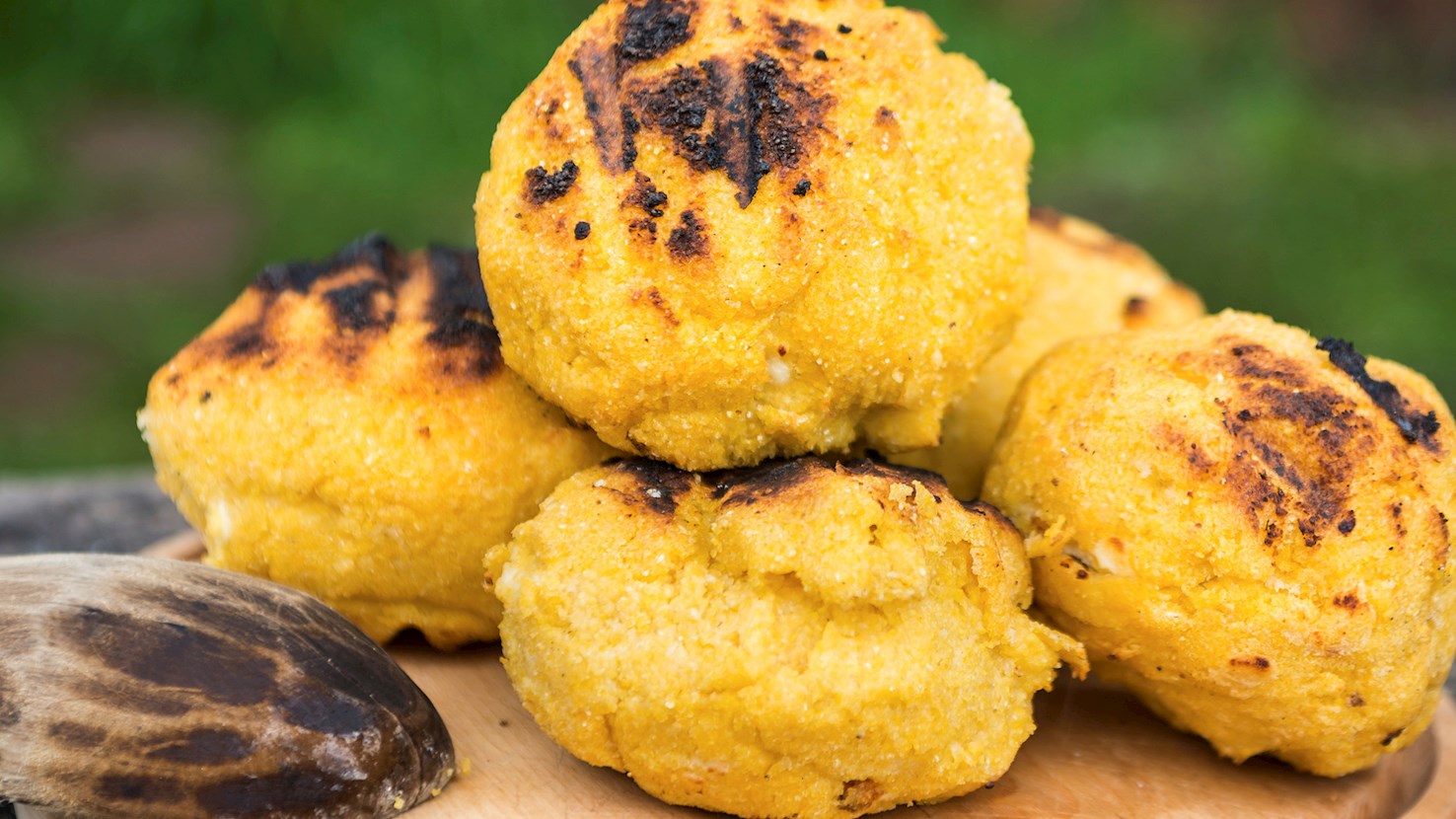
Bulz is a traditional dish created with cooked polenta that is shaped into balls and filled with a creamy stuffing. Subsequently, polenta balls are grilled, pan-fried, or baked until a crunchy, slightly charred crust forms on the outside. The most common filling is the combination of butter and soft sheep's cheese known as brânză de burduf. Chunks of bacon or ham are often incorporated into the filling to create a more balanced meal. The grilling process allows the cheese to melt and transforms bulz into an incredibly satisfying dish. It is believed that bulz was initially prepared by the Romanian shepherds, who were the first to use an open fire in order to grill these flavorful balls. Bulz is usually served with a generous serving of sour cream and butter, and it is recommended to top it with a fried egg. Depending on the size of the balls, bulz can make a hearty breakfast, a quick snack, but it can also be served as an accompaniment to main courses.

Best restaurants
06

Ciorbă de salată cu afumătură

4 ·

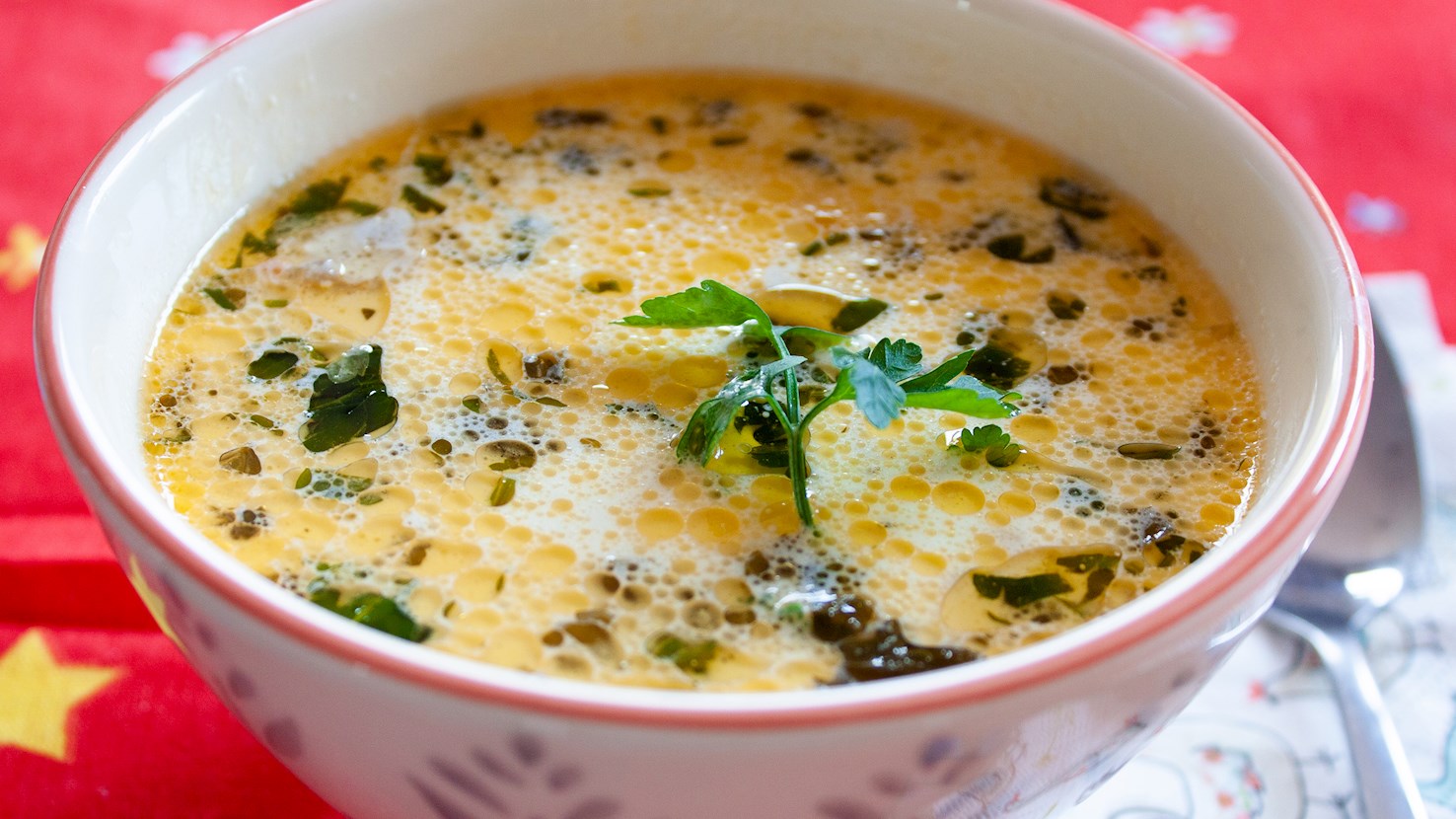
Ciorbă de salată cu afumătură is a traditional sour green lettuce soup with smoked meat. Chopped lettuce leaves are cooked with chunks of smoked meat, such as smoked bacon, smoked sausage, or smoked pork fat, as well as carrots, green onions, and green garlic. The soup is then combined with a mixture of sour cream, sour milk, or yogurt, crushed garlic, salt, and chopped herbs near the end. An egg-milk mixture or strips of omelet with chopped herbs are usually added to the soup for extra flavor. Optionally, the soup can be flavored with sweet paprika. This traditional soup is typically eaten hot or at room temperature, topped with plenty of chopped parsley and dill, and seasoned with vinegar.

Best restaurants
About this ranking

TasteAtlas food rankings are based on the ratings of the TasteAtlas audience, with a series of mechanisms that recognize real users and that ignore bot, nationalist or local patriotic ratings, and give additional value to the ratings of users that the system recognizes as knowledgeable. For the “6 Traditional Foods You Have To Try in Cluj-Napoca” list until June 17, 2026, 109 ratings were recorded, of which 49 were recognized by the system as legitimate. TasteAtlas Rankings should not be seen as the final global conclusion about food. Their purpose is to promote excellent local foods, instill pride in traditional dishes, and arouse curiosity about dishes you haven’t tried.

Similar lists