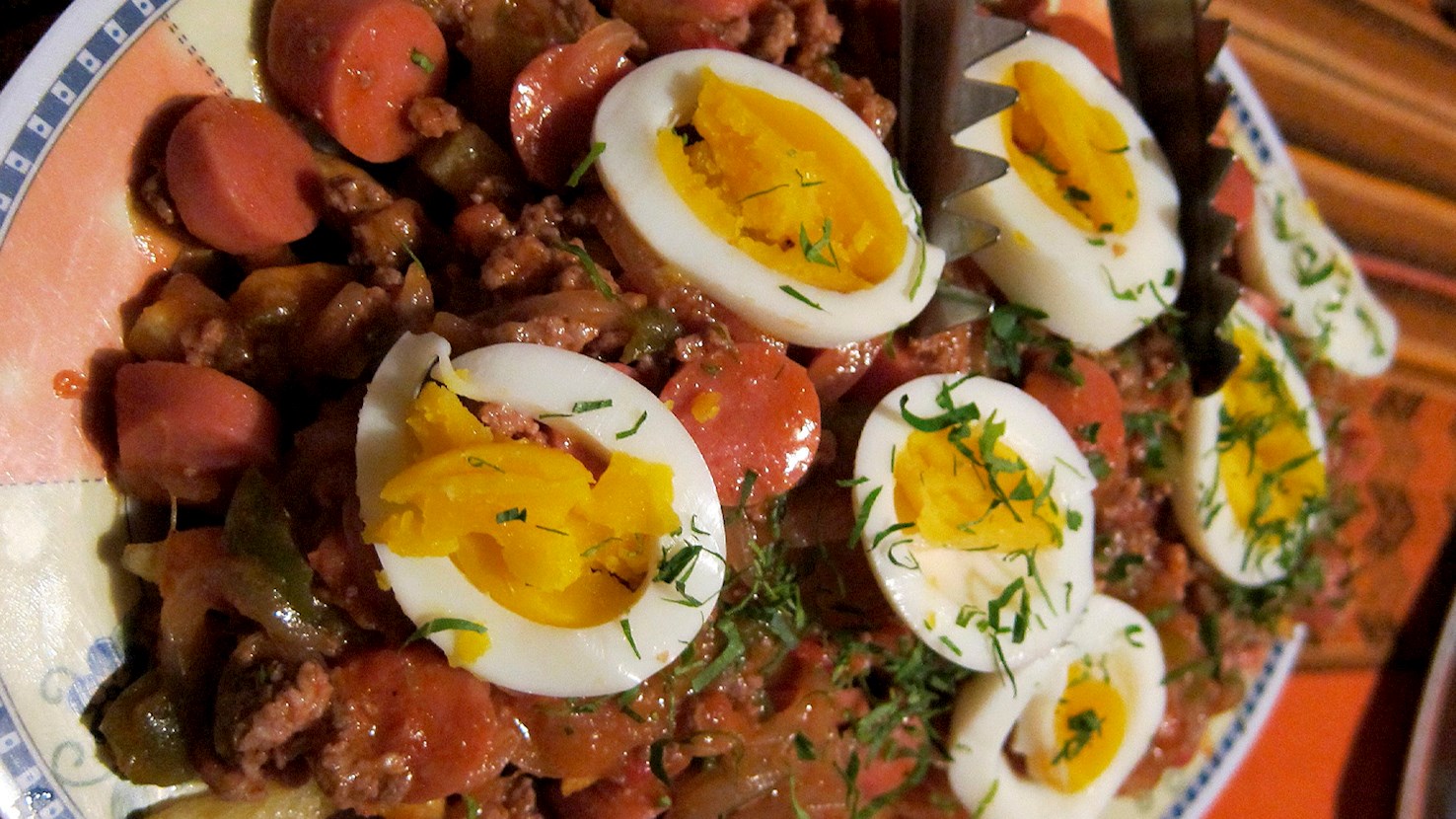
Pique macho is a massive, protein-heavy platter of bite-sized beef, sausages, French fries, and spicy peppers originating in Cochabamba, Bolivia. The dish was invented in 1969 by Evangelina Rojas Vallejo and Honorato Quiñones Andia at the Restaurante Miraflores to feed late-night patrons. The exceptionally fiery meal was presented with a verbal challenge to finish the sharp peppers, testing masculine endurance and firmly establishing the dish's name. The first step is marinating bite-sized chunks of beef tenderloin or sirloin in a mixture of dark beer, soy sauce, minced garlic, and ground cumin. The marinated beef is pan-fried in hot oil alongside diagonally sliced frankfurters or local beef sausages until thoroughly browned. A savory brown gravy forms naturally in the pan from the rendered meat juices and the reduced beer marinade. Simultaneously, thick-cut potatoes are deep-fried until crisp and golden. The base of the meal is constructed by spreading the hot fries across a large communal platter. The cooked beef, sausages, and gravy are poured directly over the fries, allowing the starches to absorb the seasoned cooking liquids. The mountain of meat and potatoes is subsequently topped with coarse slices of raw or lightly sautéed red onions, fresh tomatoes, and fiercely spicy green locoto peppers. Sliced or quartered hard-boiled eggs are arranged around the perimeter and across the peak of the mound. Generous ribbons of ketchup, mayonnaise, and yellow mustard are squeezed over the entire assembly. The towering platter is served exclusively as a shared dish, placed in the center of the table for communal consumption. Due to the heavy fat content, dense carbohydrates, and sharp spice levels, the massive meal is heavily consumed late at night following alcohol consumption or the next morning as a potent hangover cure. While available year-round, the dish is a mandatory fixture at celebratory gatherings, regional carnivals, and weekend social events. The massive portion size and intense heat firmly cement the plate as a symbol of Cochabamba's regional culture, representing culinary abundance and communal gastronomy.
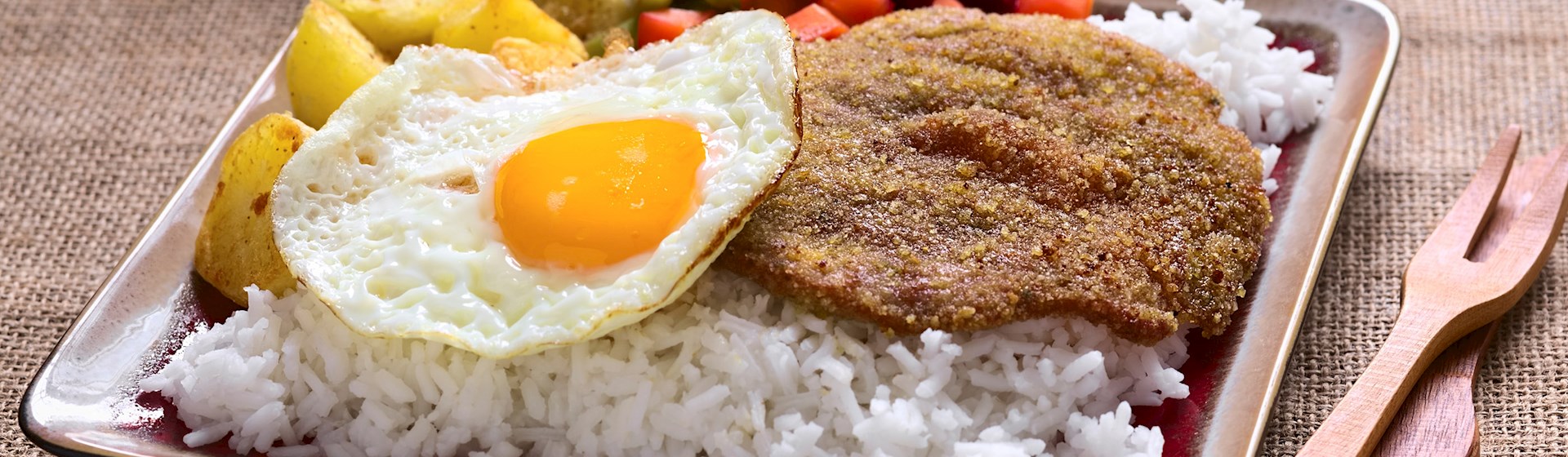
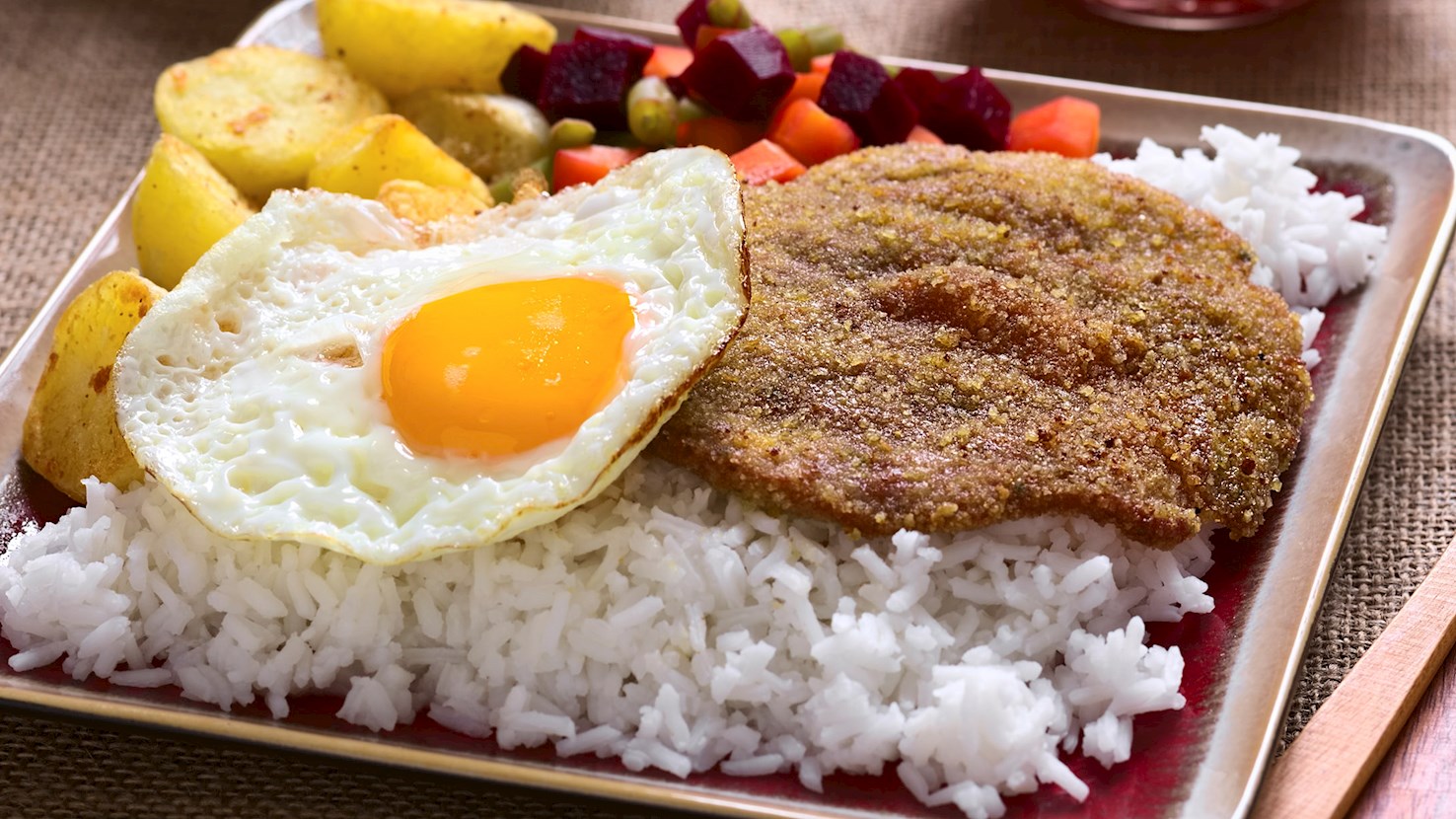
Silpancho is a traditional dish characterized by its huge size and ingredients that are rich in fat and carbohydrates. The dish typically consists of a layer of white rice topped with boiled or steamed potatoes, beef or chicken cutlets, and fried eggs. Silpancho is usually garnished with chopped parsley, onions, and beets. The dish was invented in the city of Cochabamba, famous for its unique cuisine. Its name comes from a Quechua word silpanch'u, meaning thin and pounded, referring to the meat used in the dish. Although it is a traditional dish of Cochabamba, it has become so popular that it quickly spread throughout Bolivia, where it's served in many restaurants with different variations on the recipe.
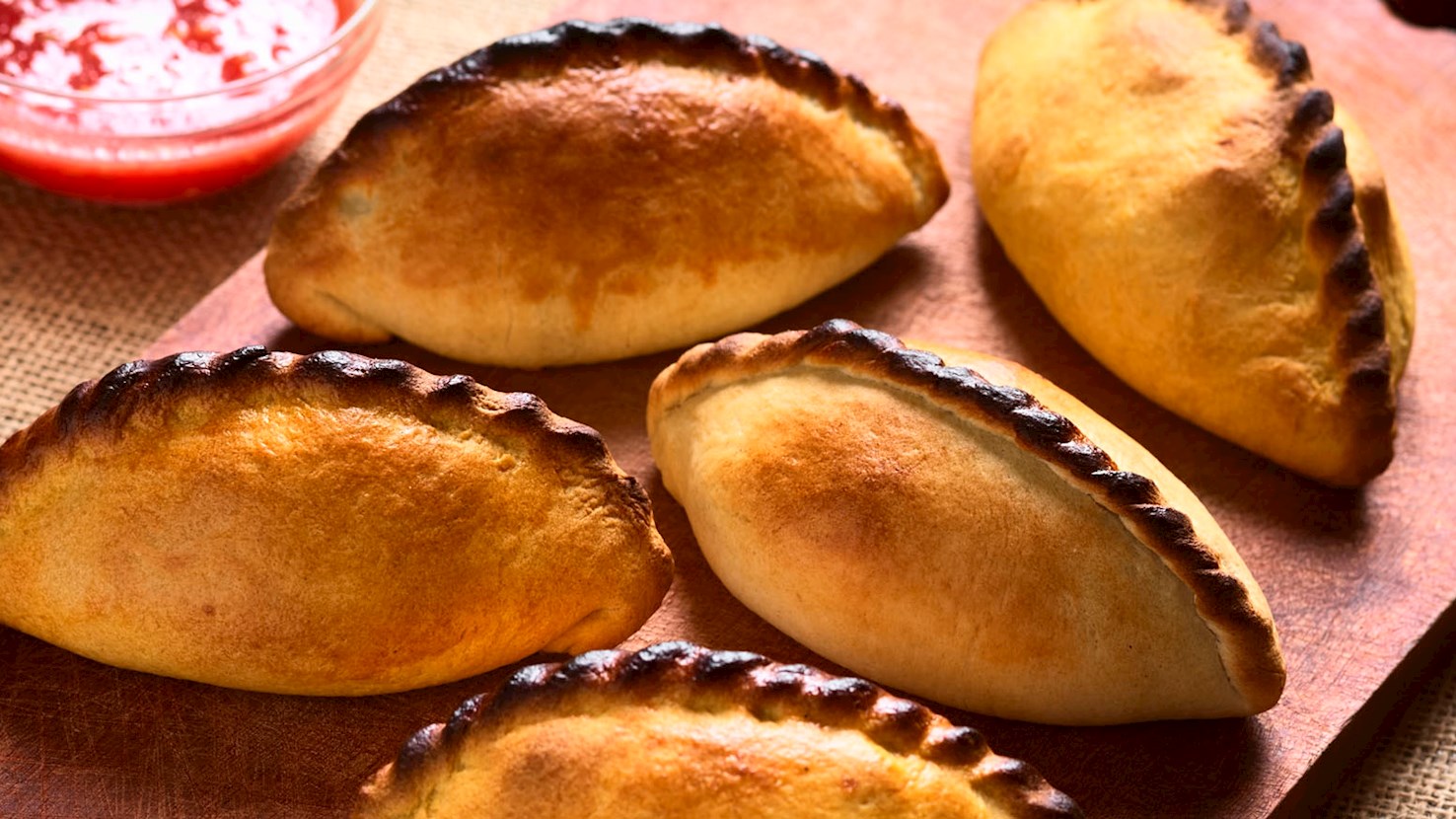
Salteñas is the name of the national dish of Bolivia consisting of crescent-shaped, filled pockets of dough. The name is derived from the first known baker of these delicacies, who was born in the city of Salta, but he was later exiled to Potosí. Oven-baked and filled with meat (typically chicken or beef), salteñas are commonly served for breakfast or consumed as a mid-day snack. The sweet pastry and its braided crust have a unique color and flavor that is of key importance to authentic Bolivian salteñas, due to the crushed seeds of the adobo bush, along with added spices such as cumin and oregano, called achiote spice. Salteñas are somewhat difficult to prepare because special skills are required to make them, but practice makes perfect, and the sweet smell of freshly baked salteñas is always worth the effort.
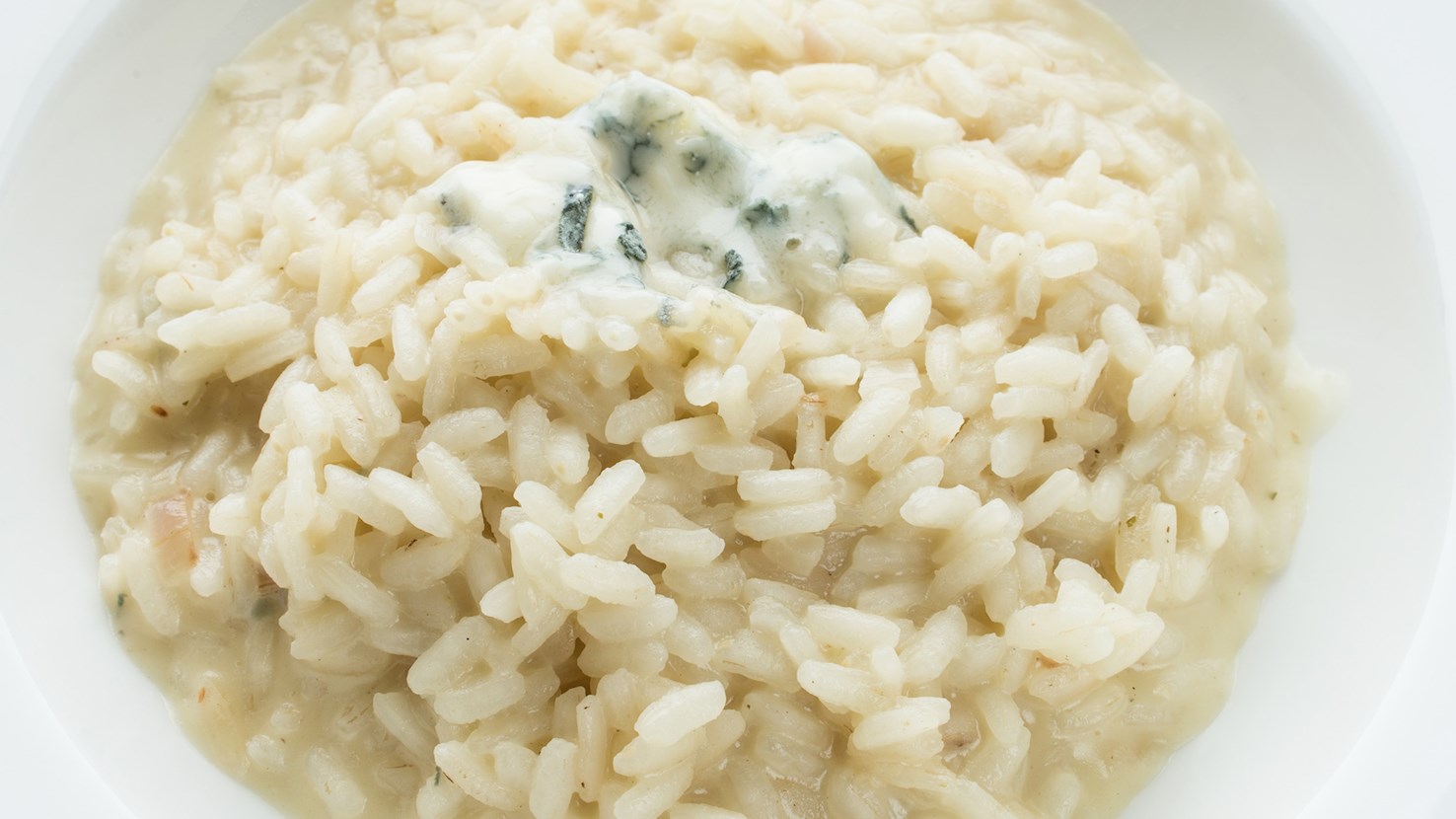
Arroz con queso is a traditional dish with a strikingly white color. It consists of rice (preferrably short and plump, such as Arborio), milk, and semi-firm white cheese. Rich and creamy, this popular dish can often be found alongside churrasco dishes and other grilled meat dishes, and it is recommended to serve arroz con queso while it is still hot.
TasteAtlas food rankings are based on the ratings of the TasteAtlas audience, with a series of mechanisms that recognize real users and that ignore bot,
nationalist or local patriotic ratings, and give additional value to the ratings of users that the system recognizes as knowledgeable.
TasteAtlas Rankings should not be seen as the final global conclusion about food. Their purpose is to promote excellent local foods,
instill pride in traditional dishes, and arouse curiosity about dishes you haven’t tried.



What People Say