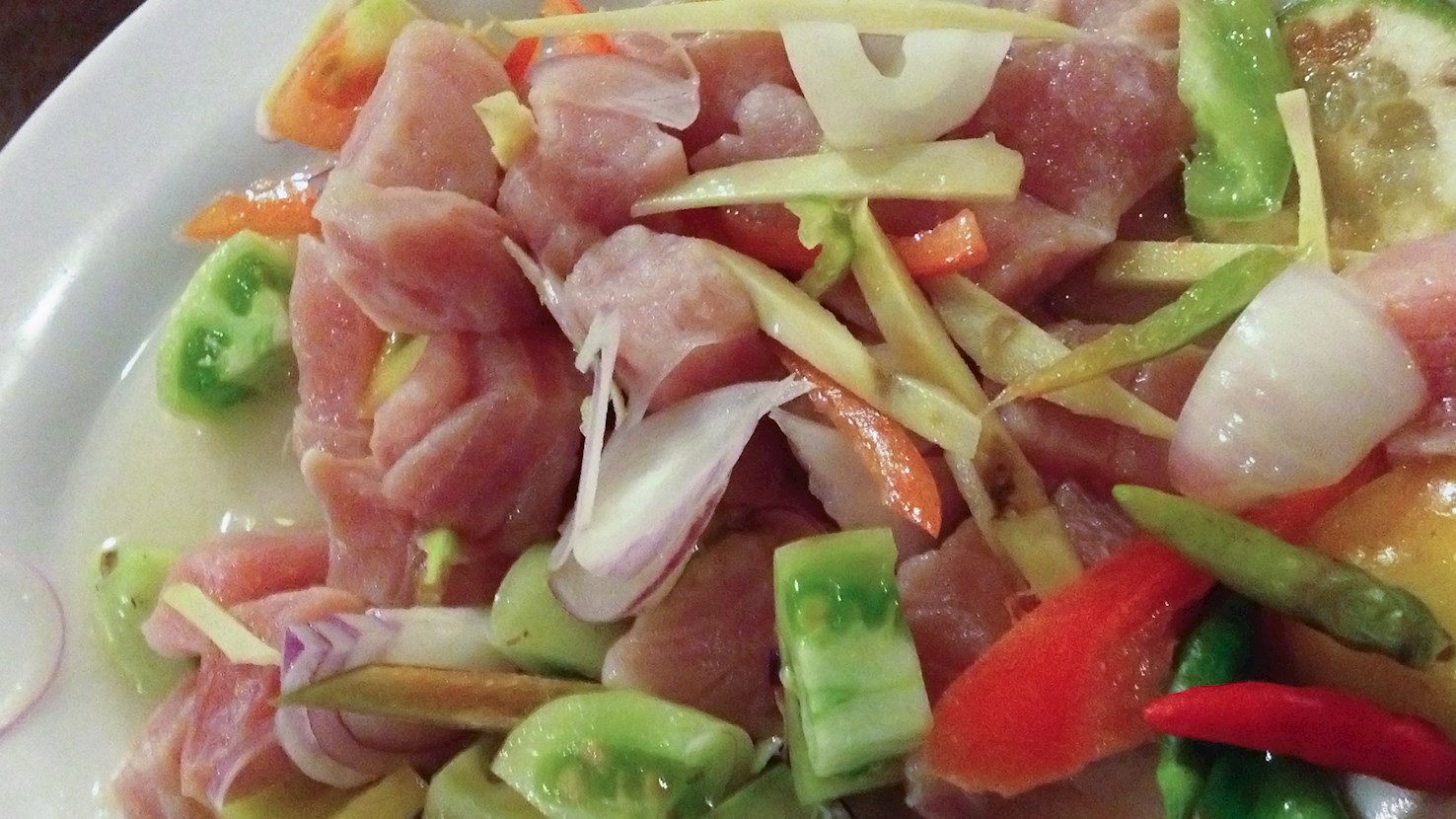
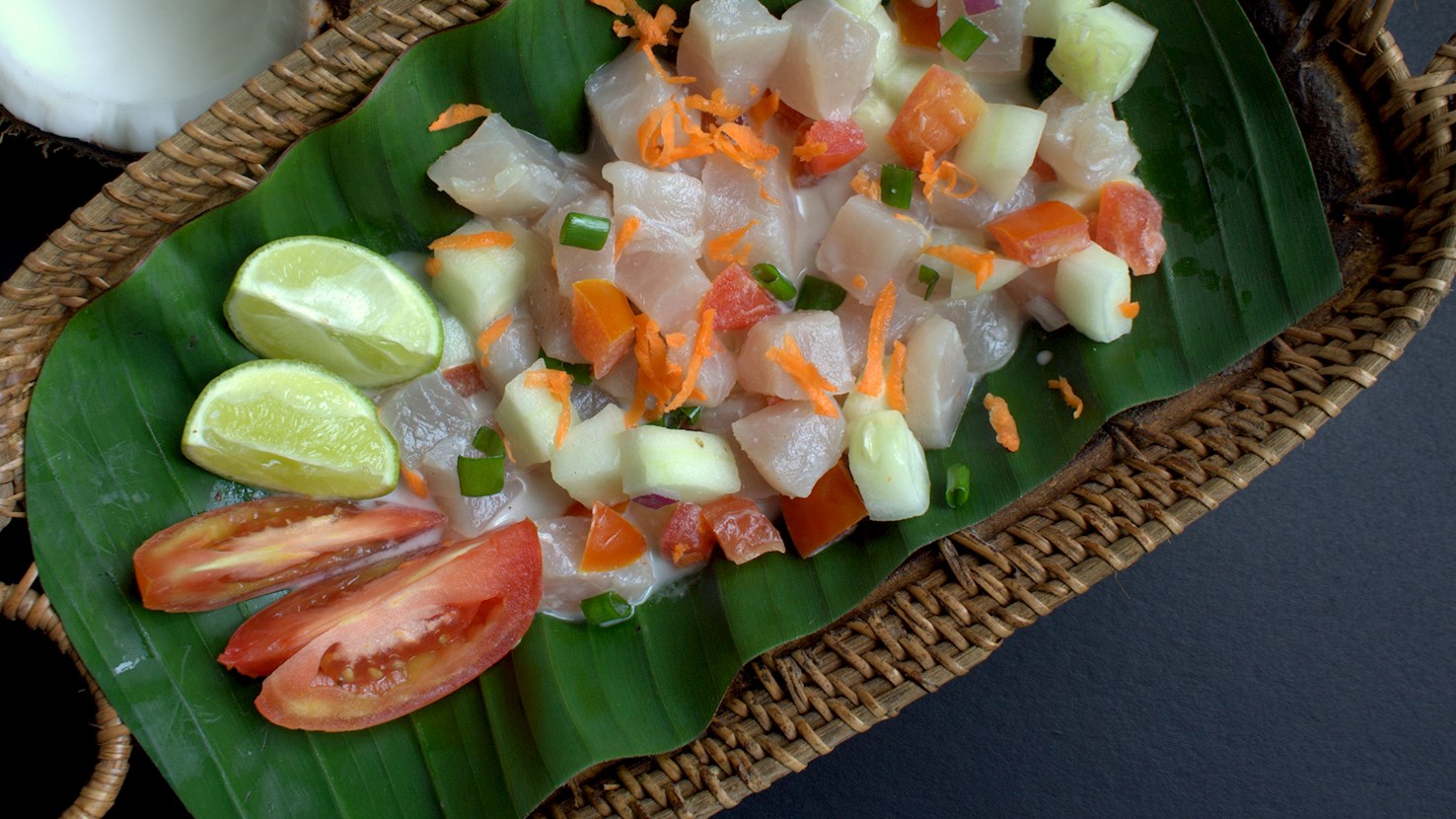
Kinilaw is a method of dressing raw seafood with vinegar, sour fruit juice, salt, and aromatics. The best-known form uses fresh fish cut into cubes and briefly exposed to a sharp acidic liquid, usually coconut, cane, or nipa palm vinegar. It is most often served as an appetizer or pulutan, a strongly flavored accompaniment to alcohol, although larger servings may be eaten with rice. As soon as the fish meets the vinegar and citrus juice, the acid begins denaturing its proteins. The surface becomes firmer, paler, and more opaque, creating some of the physical changes associated with heat while leaving the seafood raw. Small cubes may change noticeably in several minutes, but the exact timing depends on their size, the species of fish, the strength of the vinegar, and the amount of liquid used. A short cure can leave the center glossy and translucent, while a longer one makes the flesh opaque throughout. Keeping the fish in acid for too long contracts the proteins further and can produce a dry, chalky, or rubbery texture. Kinilaw is frequently described as one of the oldest surviving food methods from the Philippine archipelago. Archaeological finds associated with the balangay sites in Butuan, generally dated between the tenth and thirteenth centuries, reportedly included halved tabon-tabon fruits beside fish bones bearing cuts consistent with portioning. These remains have been interpreted as evidence that fish was being cut and treated with sour fruit long before European contact. The finds strongly support an early connection between fish and tabon-tabon, although they cannot establish the complete recipe or prove that it was identical to present-day kinilaw. The earliest widely cited printed record appears in Pedro de San Buenaventura’s 1613 Vocabulario de lengua tagala, the first printed Tagalog dictionary. The historical spellings are usually transcribed as cqinicqilao and cquilao, rather than cqinilau. The entries relate to kilaw, a method of eating meat or fish raw or only slightly altered by vinegar, salt, and chili. One example in the dictionary applies the verb to carabao meat, showing that the term was not restricted to seafood. Later dictionaries also recorded related forms such as quilao, quilauin, and kilawin. The word is linked to the Visayan verb kilaw, commonly understood as “to eat raw,” and is related to hilaw, meaning raw, uncooked, or unripe. Kinilaw therefore refers not only to one fixed combination of ingredients but to a wider method of treating food with souring agents. Fish remains its most familiar base, but related versions may use shrimp, oysters, clams, squid, crab, sea urchin roe, sea grapes, jellyfish, or tamilok, the soft-bodied shipworm eaten in several coastal areas. Some uses of the term also extend to raw vegetables and fruits dressed with vinegar and spices. The fish must have a clean flavor, firm flesh, and enough structure to retain its shape after cutting. Tuna is common, as are tanigue, Spanish mackerel, king mackerel, wahoo, marlin, swordfish, milkfish, and other locally available marine fish. The precise meaning of tanigue varies by region and may refer to more than one large mackerel-like species. The fish is trimmed of skin, bones, bloodline, and dark connective tissue before being cut into even, bite-sized cubes. Some versions briefly rinse the cubes in an initial splash of vinegar, which is then discarded along with any released liquid. This step cleans the surface and removes traces of blood or slime, but prolonged washing can strip away too much flavor. The fish then goes into a bowl with a generous pinch of sea salt, finely minced red shallots or red onion, freshly grated or thinly sliced ginger, and rounds of bird’s-eye chili, usually siling labuyo. Black pepper may also be added. Coconut vinegar is poured over the mixture, followed by freshly squeezed calamansi juice. Cane vinegar, nipa vinegar, or another local vinegar may replace coconut vinegar, while dayap, biasong, bilimbi, tamarind, green mango, star fruit, or another tart fruit can reinforce the acidity. The mixture is tossed gently so that the liquid reaches every surface without crushing the cubes. Depending on the desired texture, it may stand for only two or three minutes or for closer to ten. The curing liquid is often drained as soon as the exterior firms. Fresh vinegar or citrus may then be added in a smaller quantity for a cleaner final flavor. Removing the first liquid prevents the fish from sitting in an increasingly watery mixture and reduces the chance of the flesh becoming tough. The acid alters the fish’s protein structure, but it does not provide the same safety as thorough heating. Vinegar and calamansi cannot be relied upon to destroy parasites, viruses, or all harmful bacteria. Fish intended for raw service must come from a dependable source, remain properly chilled, and meet relevant parasite-control requirements. Prior freezing can kill many parasites, although it does not eliminate every harmful microorganism. Pregnant women, young children, older adults, and anyone with a weakened immune system face greater risks from raw seafood. Regional ingredients can substantially alter the sharpness, aroma, and texture. In Northern Mindanao and parts of the southern Visayas, tabon-tabon is especially important. The brown fruit is split, and its pale flesh is grated or scraped into a small amount of liquid. The grated pulp is squeezed to release an astringent extract, which is stirred into the fish. It is not normally treated as a freely flowing sap. The extract helps soften strong marine aromas and temper the aggressive edge of the vinegar. Its tannins contribute a faintly dry sensation rather than sweetness. Dungon fruit serves a comparable role in some areas, while grated young coconut or tannin-rich mangrove bark extracts may also be used. The bark extract, often called tungog, gives the liquid a slightly reddish or brown tint and adds a controlled bitterness. These ingredients reflect kinilaw’s close relationship with locally available sour, aromatic, and astringent plants. Adding fresh coconut milk creates a softer and richer version, often called kinilaw sa gata. The coconut milk is usually folded in shortly before serving so that its fat remains fresh and the mixture does not become overly diluted. It rounds out the vinegar, reduces the burning effect of the chilies, and coats the lean fish with a creamy texture. Too much can overwhelm the clean marine flavor, so it normally supports rather than replaces the acidic dressing. Some versions introduce a small amount of sugar to balance especially harsh vinegar. Others add diced cucumber, tomato, green mango, scallions, or herbs, although onions, ginger, chili, vinegar, and citrus remain the central flavor structure. The result should taste distinctly sour and salty, with clear heat from the chili and a cool, firm bite from the fish. Sinuglaw combines kinilaw with sinugba, meaning grilled food. Cubes or strips of pork belly are grilled until the exterior is smoky and charred while the fat remains soft. The pork is then mixed with acid-cured fish, onions, ginger, chili, and vinegar. The contrast is central to its appeal: cool, sour seafood meets fatty pork with crisp, darkened edges. When the pork is added straight from the grill, its heat briefly warms the dressing, but sinuglaw may also be served after the meat has cooled. The name itself merges sinugba and kinilaw. It is particularly associated with Mindanao and the Visayas and is widely served as pulutan. Once the brief acid bath is complete, the seafood is transferred immediately to a shallow ceramic plate, glass bowl, or wooden serving vessel. It is usually cold or cool rather than frozen-cold. A small amount of the seasoned liquid may remain around the fish, but the cubes should not be submerged in a deep pool of vinegar. Kinilaw is more often a sharp starter or salty drinking snack than a full main course. Cold lager is a common partner because its carbonation and mild bitterness clear the acidity and chili from the palate. It may also accompany gin, rum, coconut liquor, or other spirits, and rice can turn a larger portion into a more substantial meal. Kinilaw is best eaten immediately.
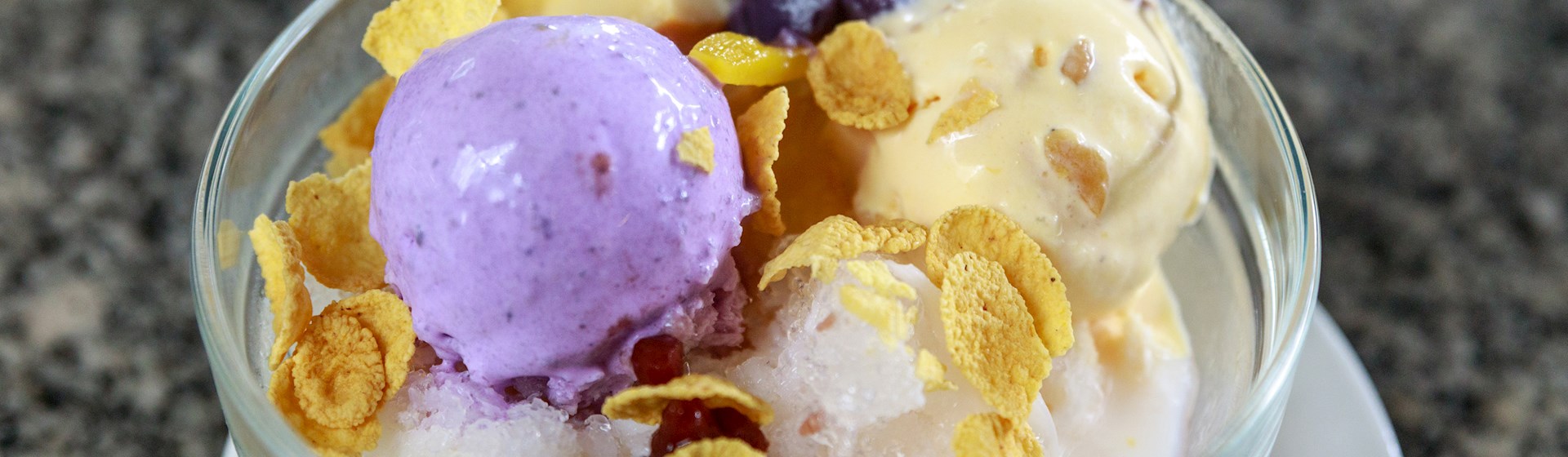
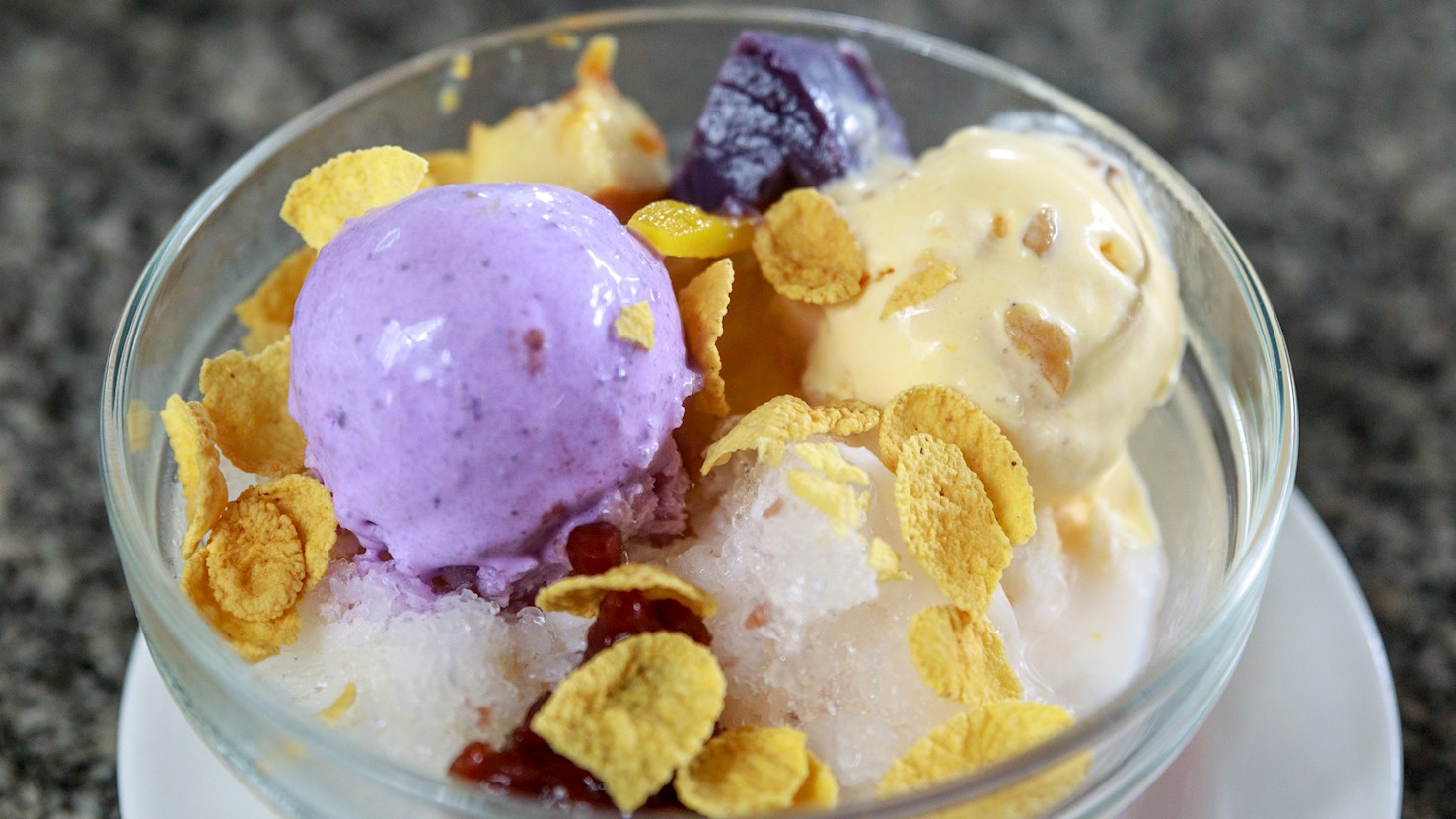
The refreshing halo-halo (lit. mix-mix) is a summer dessert or a snack of mixed fruit and beans, topped with finely crushed ice and either milk or ice cream. Some of the most common halo-halo ingredients include bananas, jackfruit, coconut, sweet potatoes, red mung beans, chickpeas, sugar palm fruit, purple yam jam, leche flan, and - in recent times - even sweet corn or corn crisps. Originally, halo-halo desserts were sold by Japanese vendors in halo-halo parlors or at numerous street stalls before the occupation of the Philippines in the 1940s. In fact, this Filipino specialty is often said to have been inspired by a shaved-ice cooler called anmitsu, another Japanese summer drink.
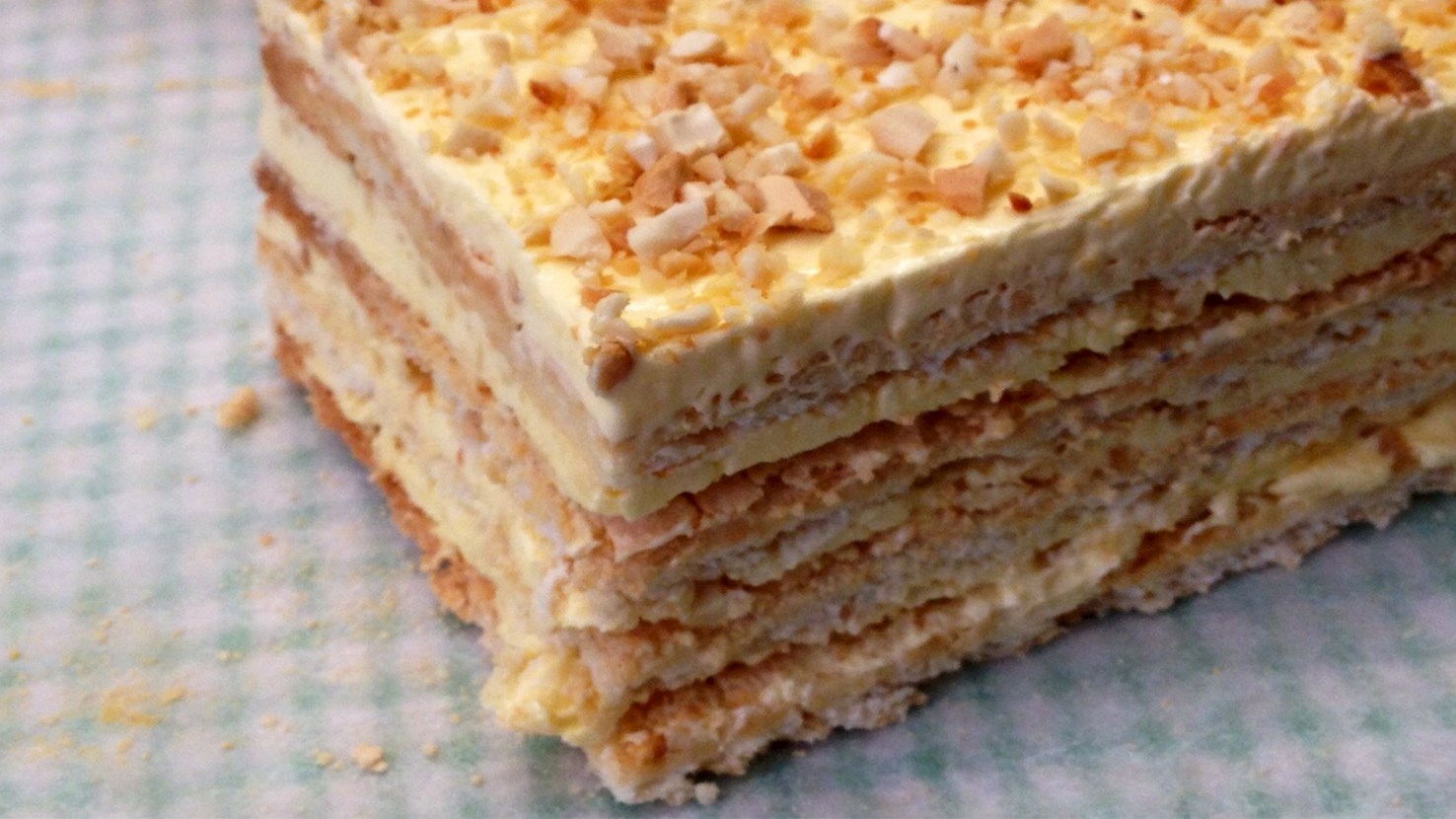
Although undoubtedly French in origin, the decadent sans rival (lit. without rival) is a classic Filipino dessert and an all-time favorite that truly lives up to its name. It is made with layers of dacquoise; a crispy, baked nut meringue sandwiched together with the so-called pâte à bombe - a gorgeously smooth, velvety and rich French buttercream. But unlike the French original, which is traditionally made with either almond or hazelnut meringue, the Filipino version uses toasted cashews instead. Sans rival is said to have been invented sometime between the 1920s and 1930s, when many Filipinos traveled to Europe to study, and upon returning home to the Philippines, they started employing some of the cooking and patisserie techniques they learned while studying abroad. Later on, the Filipinos even came up with a snack version of the famous cake: silvanas or sylvanas are popular frozen cookie sandwiches, coated in cashew crumbs, and made with two cashew-meringue wafers held together with a thick layer of buttercream.
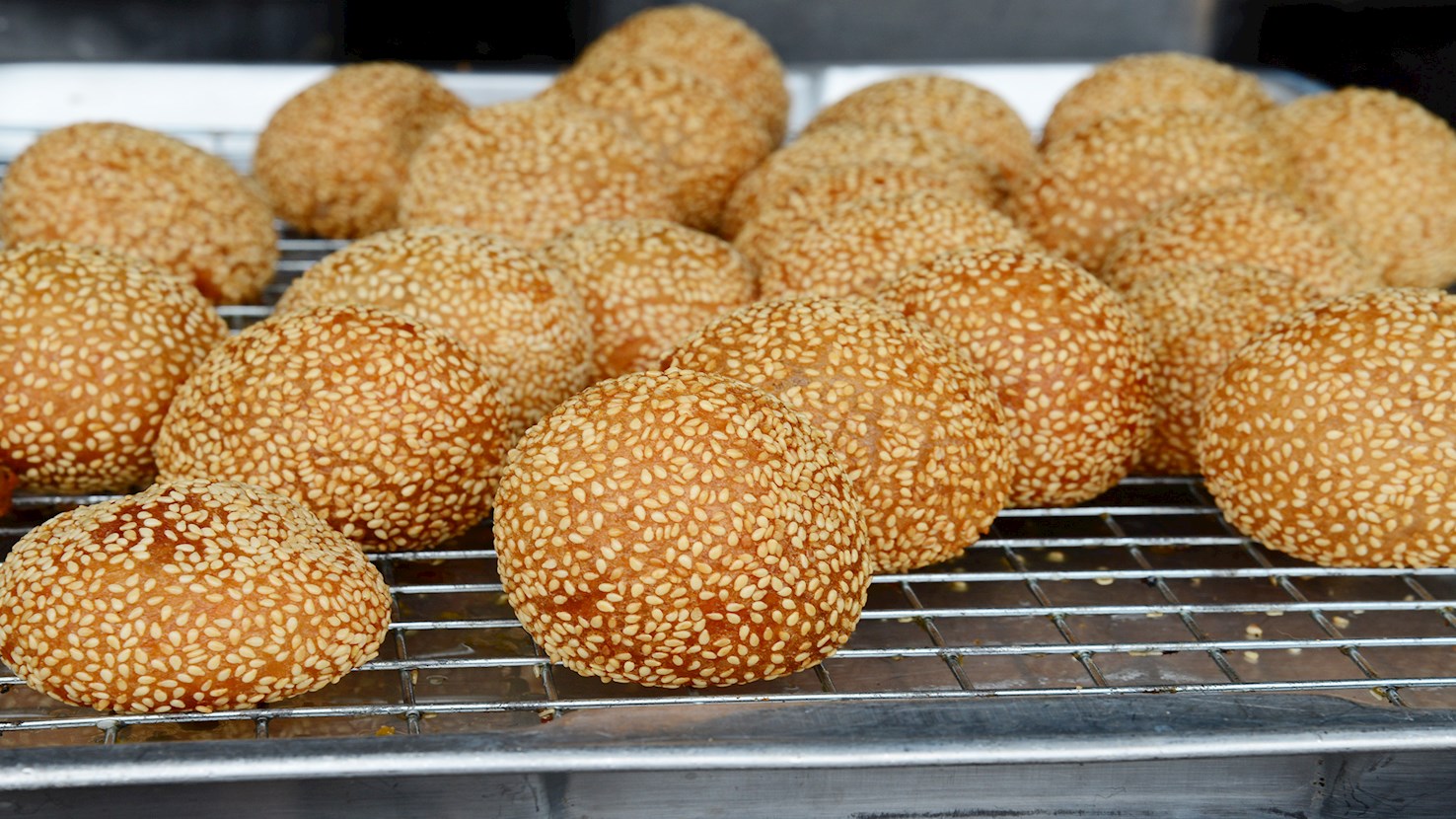
Butsi balls are the Filipino version of traditional Chinese jian dui sweets. They are made with glutinous rice flour that is formed in small round shapes and stuffed with a variety of sweet fillings such as sweetened mung bean, creamy lotus, red bean paste, or shredded coconut. Butsi are usually coated in sesame seeds and fried until golden. Even though they originated as a traditional Chinese delicacy, their Filipino adaptation has become incredibly popular. With their crispy shell, chewy texture, and creamy filling, they can be enjoyed as a satisfying dessert or a quick sweet snack.
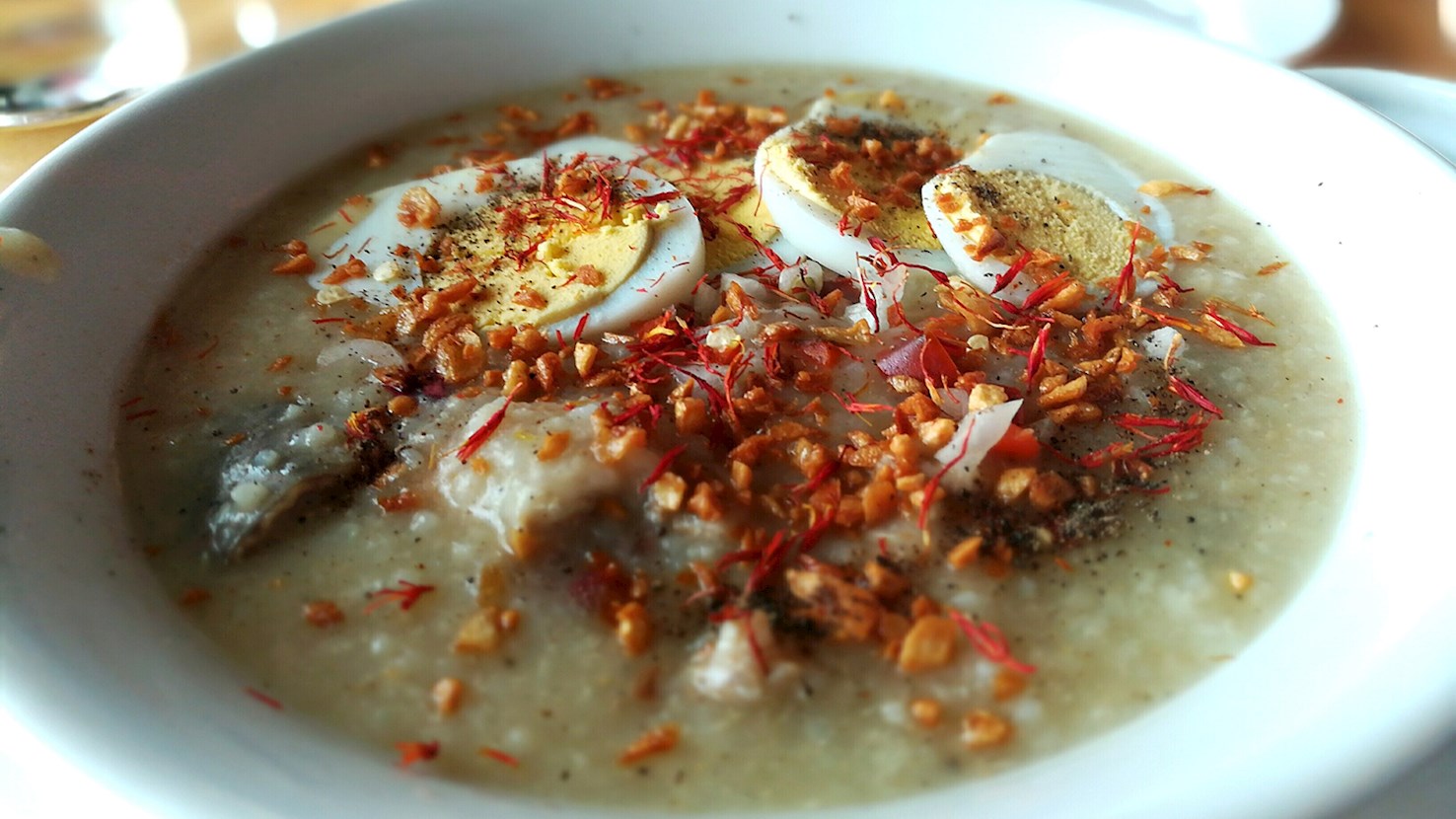
Lugaw is a versatile, starch-heavy rice porridge that serves as a blank canvas for an enormous array of sweet and savory flavors. The earliest Spanish colonial dictionary, the Vocabulario de la lengua tagala compiled by Pedro de San Buenaventura in 1613, officially defined the item simply as rice mixed with milk or water. It is traditionally prepared as a part of the Christmas Eve celebratory meal known as Noche Buena. Because of its soft, easily digestible texture, it serves as the ultimate comfort food for the sick, the elderly, and weaning infants, while also serving as a major caloric staple during breakfast or the cold, rainy typhoon season. The main ingredient is glutinous rice, known locally as malagkit, or standard long-grain white rice, boiled in an extreme excess of water or bone broth. The pot comes to a rapid boil before dropping to a slow, steady simmer until the grains break down completely, yielding a liquid noticeably thinner than standard Asian congee, which rapidly congeals into a thick paste if left to cool. For savory versions, crushed garlic, smashed ginger, and chopped onions are sautéed in hot oil until fragrant before the raw grains drop in to toast. The steaming porridge arrives in deep ceramic bowls and is topped. Typically, a squeeze of tart calamansi juice to cut through the heaviness of the starch, then splashes of soy sauce, fermented fish sauce, and ground black pepper. A massive scattering of chopped green scallions, incredibly crisp bits of fried garlic, and a halved hard-boiled egg almost always crown the bowl. Lugaw is eaten while still hot, frequently accompanied by side plates of tokwa't baboy, which consists of crispy fried tofu blocks mixed with boiled pork, as well as fried spring rolls or steamed rice cakes called puto. Arroz caldo, a name coined by the Spanish meaning "hot rice," features large, bone-in chicken segments and a generous pinch of safflower or turmeric, dyeing the entire batch a vibrant yellow. Another heavily favored savory iteration, goto, incorporates slow-boiled beef tripe, known as tuwalya, alongside gelatinous ox intestines and beef bone marrow, resulting in a significantly dense, chewy texture. In Visayan-speaking regions, these savory, meat-heavy variations are collectively referred to as pospas. Moving away from savory profiles entirely, sweet adaptations transform the starch into a rich treat, utilizing coconut milk or sugar. Champorado boils the sticky grains with pure native cacao blocks, called tablea, to create a dark chocolate porridge that is paired with salty dried fish called tuyo to offset its intense sweetness. Ginataang mais combines the rice with sweet corn kernels and rich coconut milk, while ginataang munggo relies heavily on toasted whole mung beans for a nutty, earthy profile. Binignit, another Visayan specialty, features slices of saba bananas, starchy taro, sweet potato, vibrant purple yam, and chewy sago pearls in a thick, sweet coconut milk base.
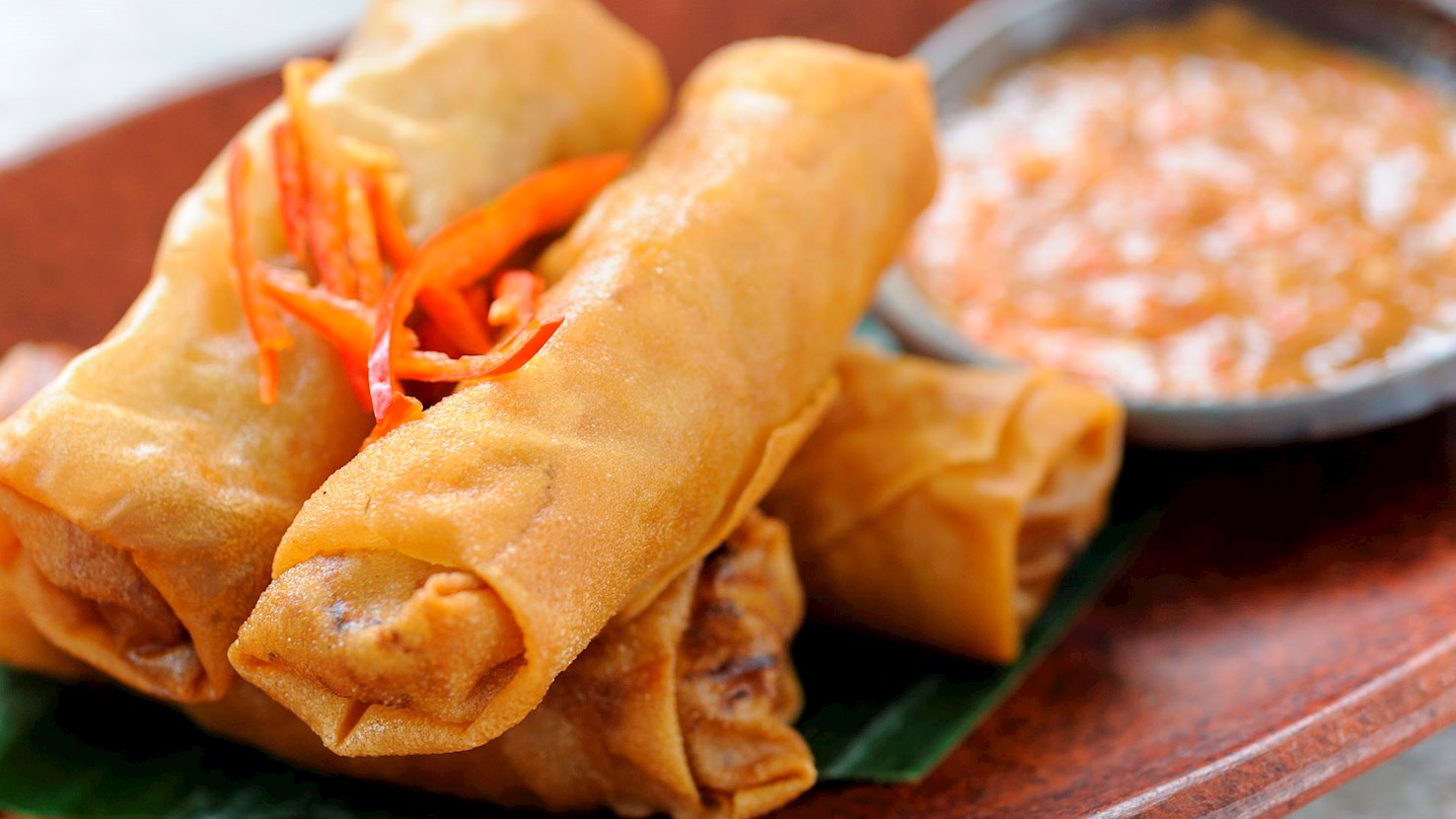
Lumpia is a simple and flavourful Filipino finger food that evolved from the Chinese spring rolls. Each lumpia consists of a rice or flour dough wrap that is stuffed with meat (most often ground pork or beef) and vegetables such as cabbage, carrots, onions, and garlic. It is then sealed with egg wash and fried. Once it has been prepared, its crusty, crunchy exterior and tender interior are perfectly complemented with the sweet and sour dipping sauce. It can be eaten as a snack or as a side dish, and it is almost impossible to see a Filipino feast without at least one variation of lumpia, such as unfried lumpia, lumpia with bean sprouts, hearts of coconut palm, bangus, or saba bananas (ripe plantains).
Kilawin is a term which refers to a broad group of Filipino dishes which are similar to the Italian crudo or the Peruvian ceviche. It can employ meat or seafood which is cut or sliced, then blended with vinegar, citrus juices, and a variety of spices and fresh herbs. Even though the ingredients are sometimes pre-cooked, they are most commonly used raw, allowing the vinegar to act as a cooking agent. Kilawin is typically served as an appetizer or a side dish during traditional Filipino beer-drinking sessions.
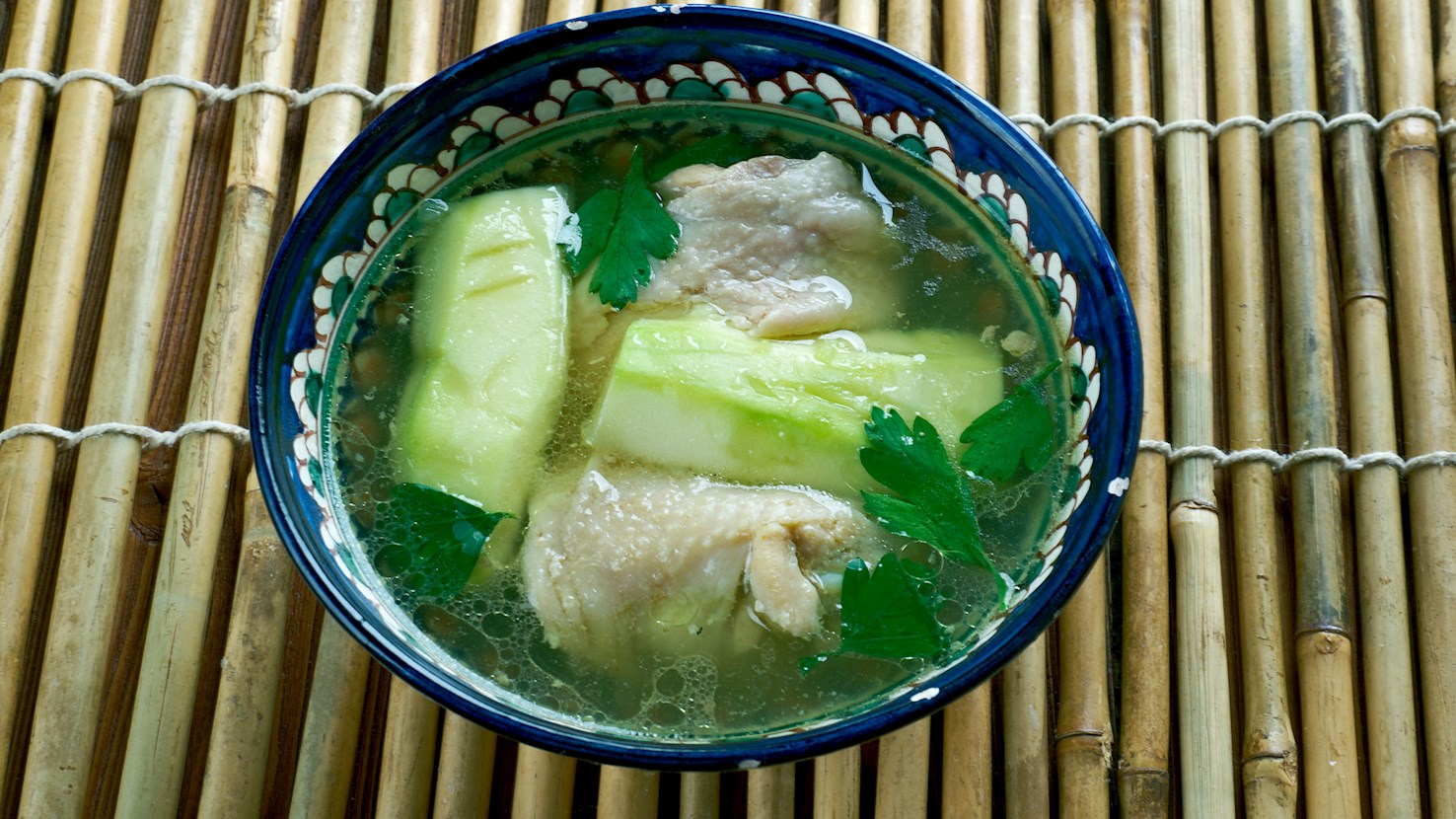
The term tinola refers to a vast group of hearty Filipino soups prepared with a flavorful broth infused with garlic, ginger, and fish sauce. Most commonly, the soups are made with chicken, but pork and seafood varieties are also popular. Tinola soups can incorporate various cuts of meat and seafood ingredients which are usually cooked alongside green papaya or chayote, and chili pepper or malunggay leaves. Not much is known about the history and origin of tinola, but nowadays, they represent an irreplaceable part of traditional Filipino cuisine.
TasteAtlas food rankings are based on the ratings of the TasteAtlas audience, with a series of mechanisms that recognize real users and that ignore bot,
nationalist or local patriotic ratings, and give additional value to the ratings of users that the system recognizes as knowledgeable.
TasteAtlas Rankings should not be seen as the final global conclusion about food. Their purpose is to promote excellent local foods,
instill pride in traditional dishes, and arouse curiosity about dishes you haven’t tried.


What People Say