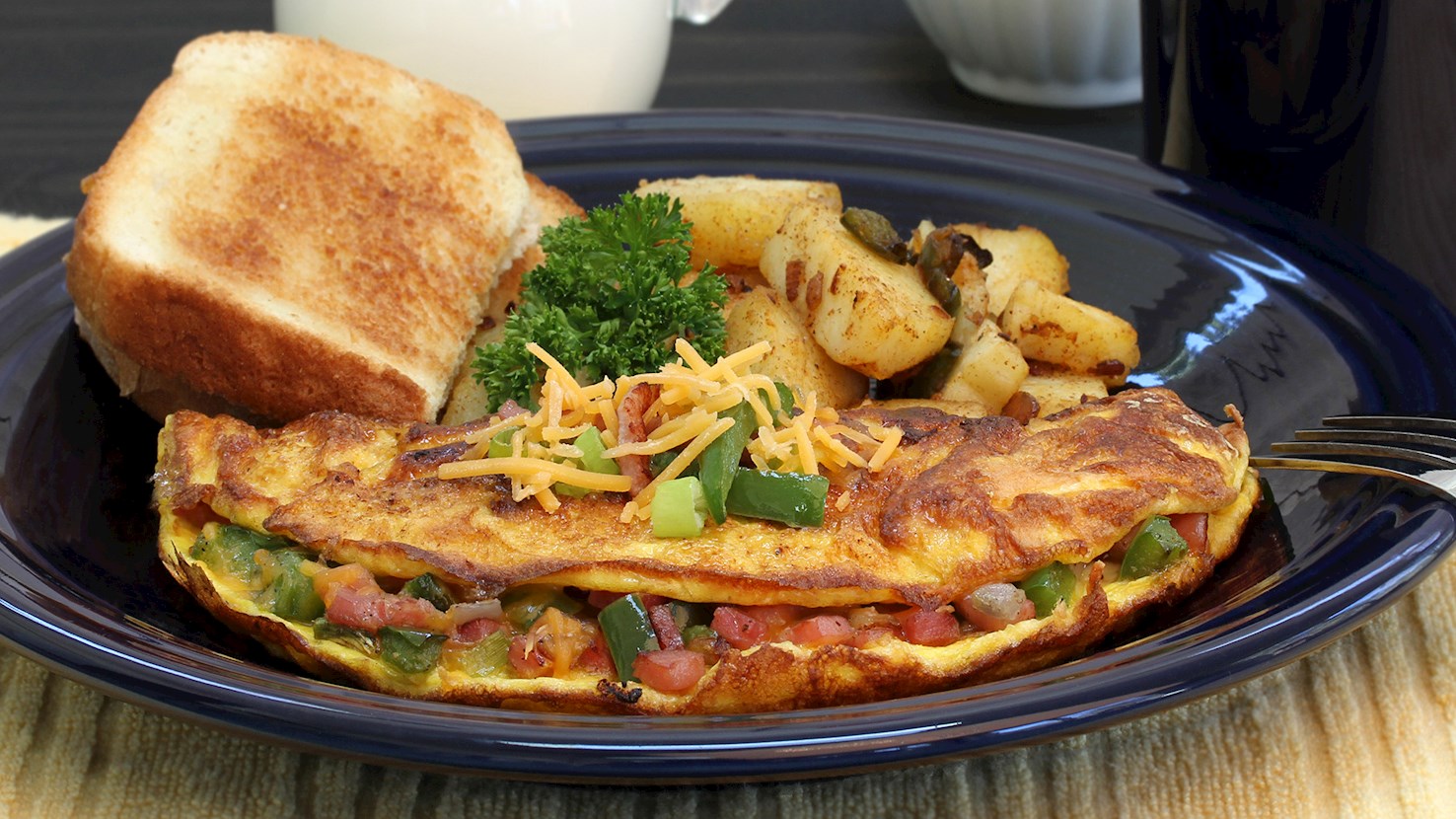
Denver omelet is an American dish made with eggs, ham or bacon, onions, and green peppers. In order to prepare it, the mixture is poured into a frying pan, cooked, and folded to form an omelet. Although a plaque on California Street in Denver says that this dish was invented to mask the stale flavor of old eggs, it is more probable that the dish started not as an omelet, but as the Denver sandwich, which is actually a Denver omelet tucked between two pieces of toast.
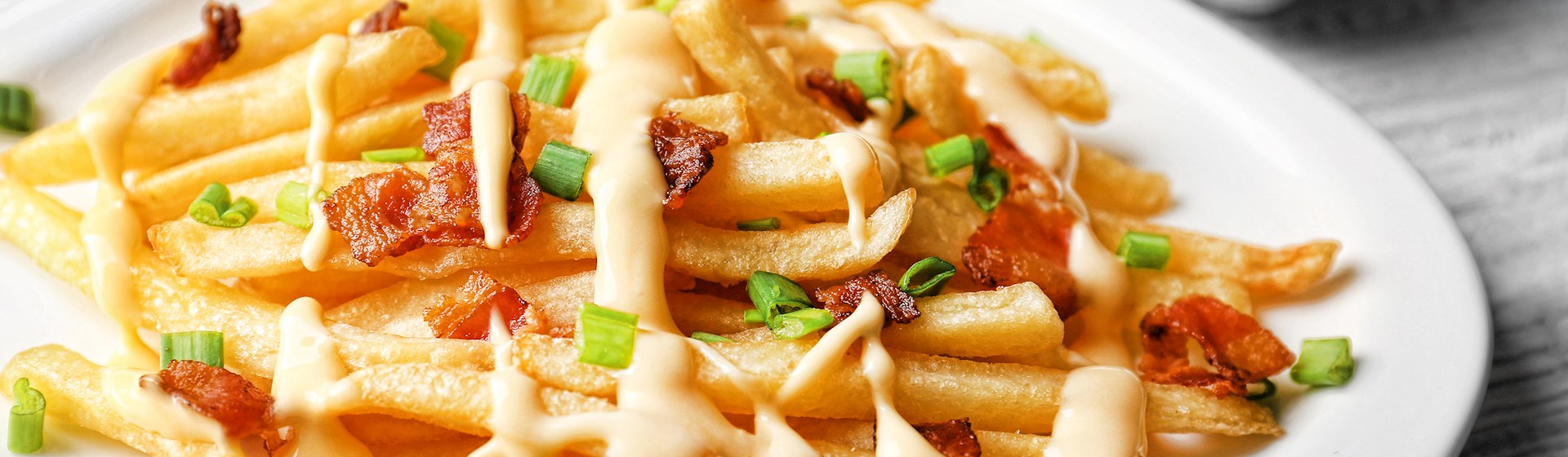
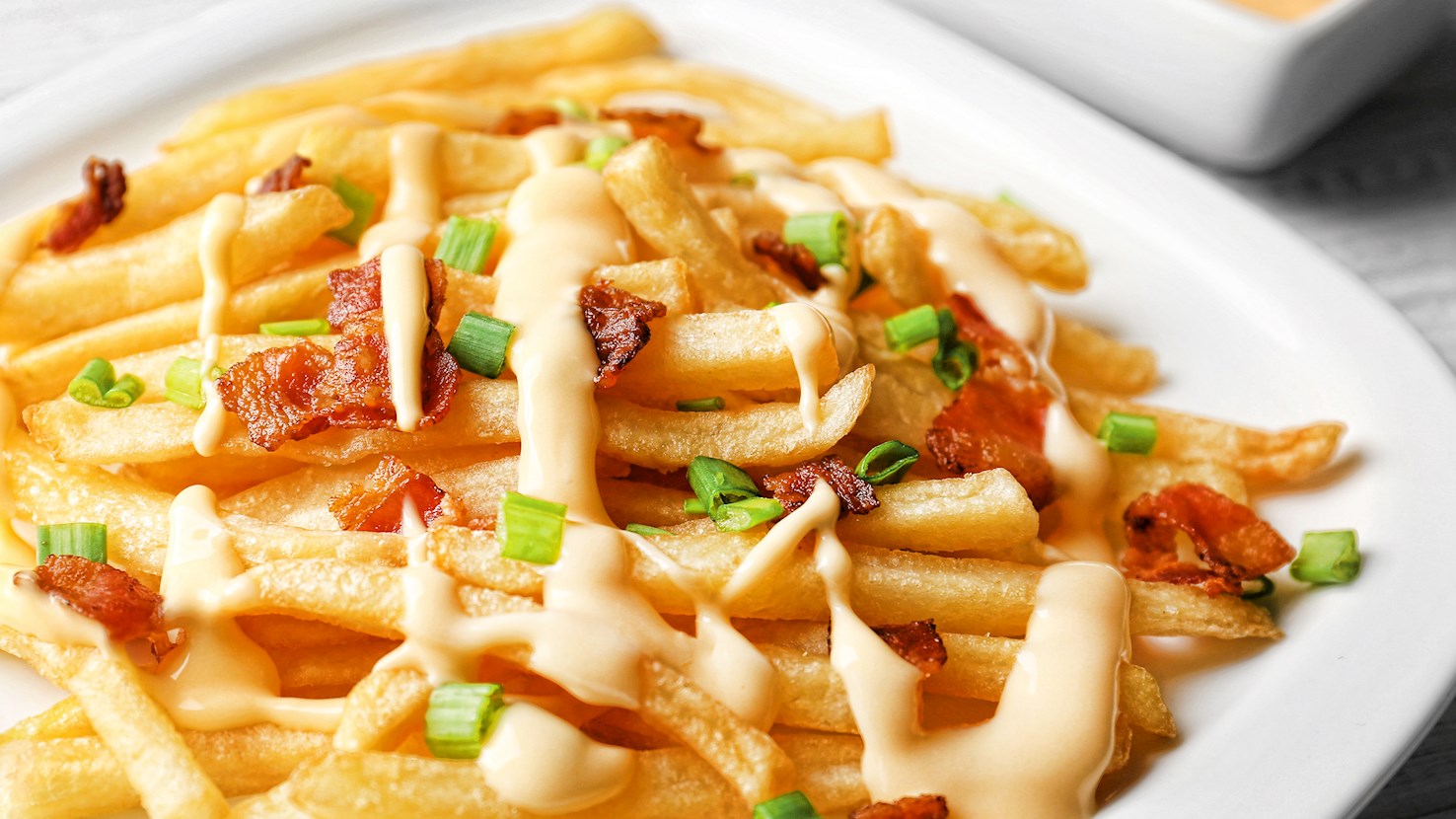
This simple fast food dish is made by topping french fries with melted cheese. Depending on the varieties of the dish, the cheese is sometimes enriched with the addition of various vegetables, meats, and spices. Although not much is known about the history of cheese fries, it is believed that it gained popularity after 1952, when canned cheese products became available in the United States of America. What is known, however, is that this comforting side dish is a staple of numerous diners and fast food joints across the country.
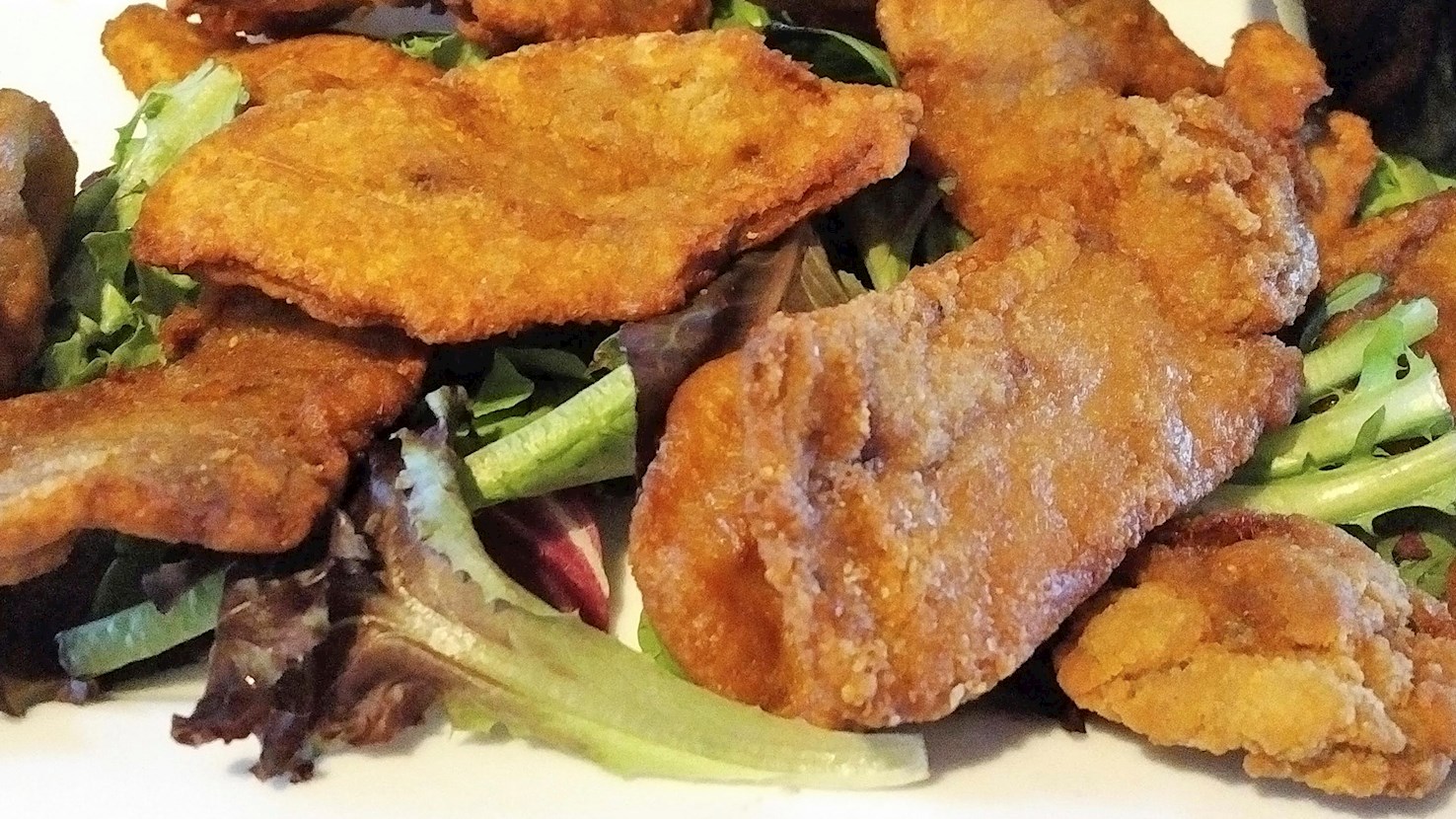
Despite their misleading name, Rocky Mountain oysters are actually bulls' testicles that are peeled, pounded, coated in flour, salt, and pepper, then fried. This unusual appetizer can be found in the American West and western Canada, and it is believed that the dish was invented by some of the first ranchers who had inhabited the West. Because they were in need of cheap sources of food, the ranchers began to cook animal testicles with branding coals. Nowadays, Rocky Mountain oysters are a true delicacy that is usually served with demi-glace sauce in Canada, while in America they are typically served with cocktail sauce on the side.
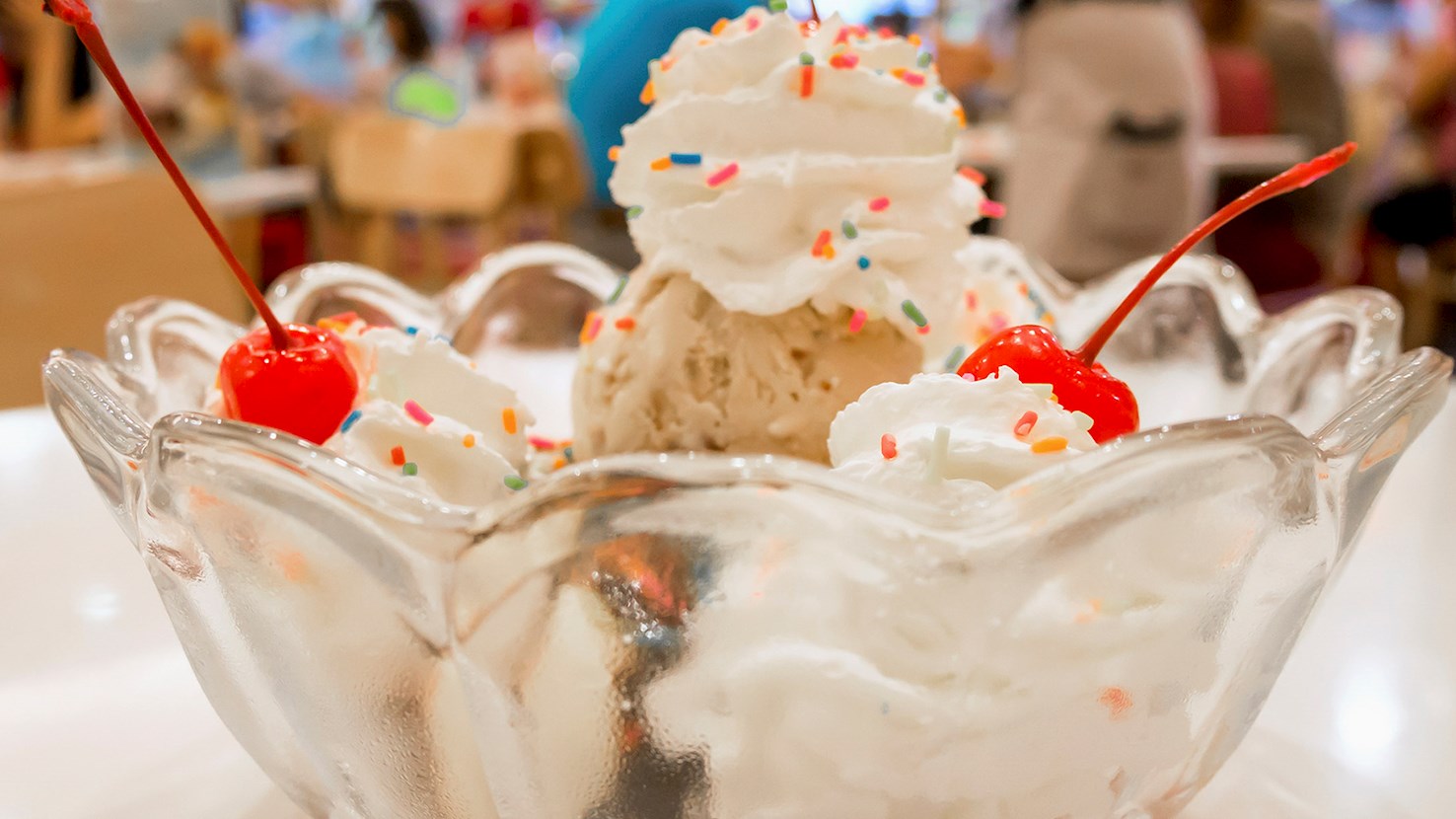
Along with Banana Split, sundae is one of the most served ice cream-based desserts in the United States of America. A sundae is ice cream topped with a sauce or syrup, typically served in a bowl. The most popular varieties of sundae are chocolate caramel, butterscotch, and strawberry. Cherries, dairy cream, and nuts are the most common additions to the popular treat. Food historians still argue about the origin of the ice cream sundae, but there are three theories which remain the most popular. The first one says it was created in Illinois, where the law prohibited the selling of soda water on a Sunday. As an alternative, local soda fountains started selling ice cream sodas without the soda, leaving the customers with only syrup and ice cream, known as sundaes. The second theory says that it was invented in Wisconsin by a soda fountain owner named Ed Berners, who served ice cream topped with syrup used for sodas to his customers. Berners loved the dish and charged a nickel for it. His competitor, George Giffy, started to serve the dessert on Sundays. Once he started to make money, he changed the name from Ice Cream Sunday to Ice Cream Sundae and served it every day of the week. The last theory suggests that the sundae was first made in Ithaca, New York by Chester Platt, a drugstore owner who served a dish of vanilla ice cream, cherry syrup, and candied cherries to one Reverend John Scott, and he named the dish after the day. Regardless of its inventor, today there are over hundred types of sundaes, offered in numerous flavors such as pineapple, blueberry, banana, raspberry, or marshmallow, among others.
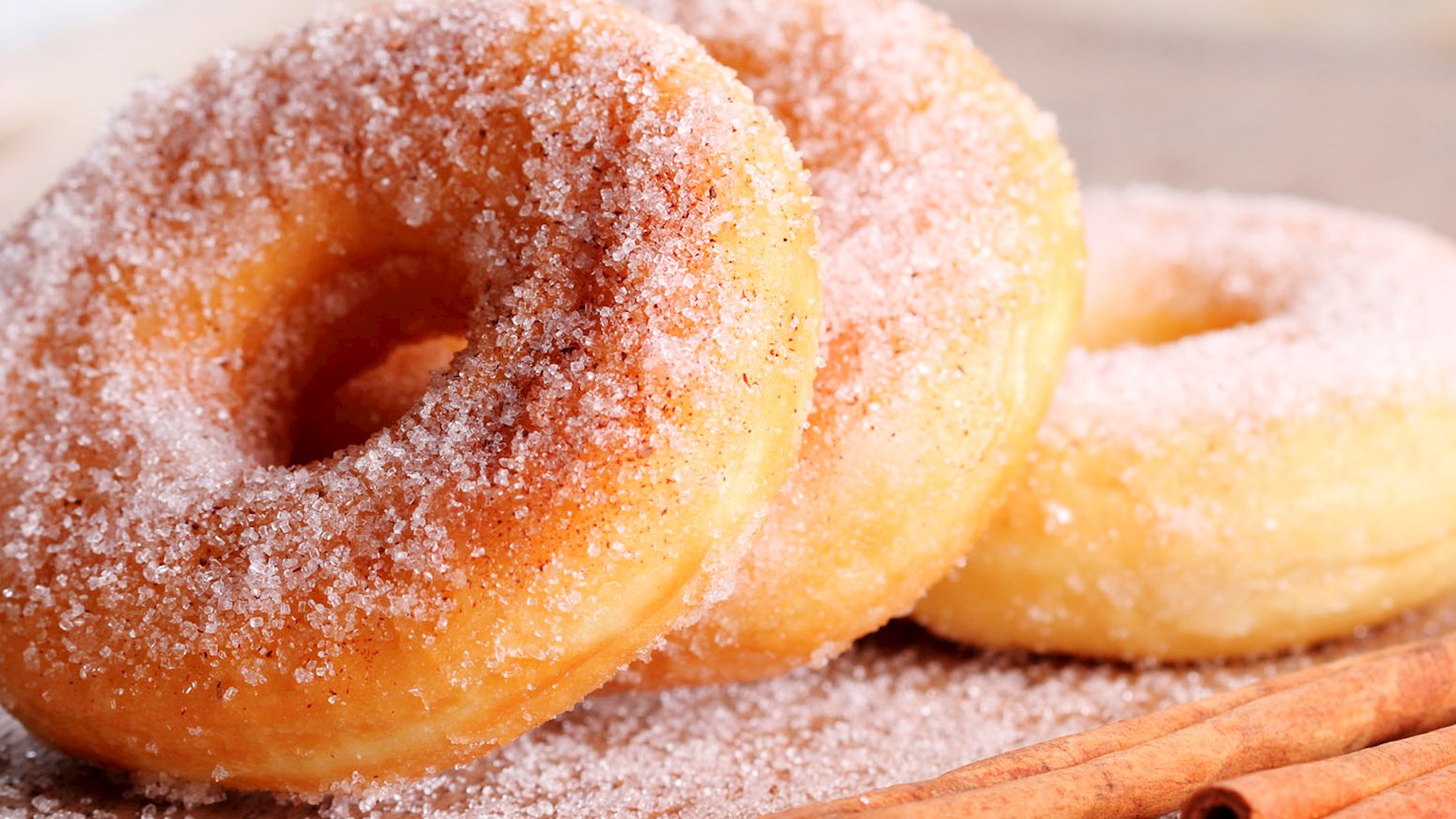
Although archaeologists had found some petrified remains of fried cakes with holes in the center, it is still unclear how could the early Native Americans prepare these delicious fried dough desserts that we know today as doughnuts. In the past, doughnuts were known as olykoeks (oily cakes), and the pilgrims from Holland are credited for bringing them to the United States. Those early doughnuts were often made with prunes, raisins, or apples in the middle. During World War I, the doughnut was already an American favorite, consumed by soldiers that were fighting overseas as a reminder of home. In the 1950s and the 1960s, the popularity of these treats was so big that new doughnut chains started appearing on the market, such as Krispy Kreme and Dunkin' Donuts, helping in the perception of doughnuts as breakfast food. Today, there are numerous varieties of doughnuts - glazed, powdered, filled, topped with frosting, coconut, peanuts, or sprinkles, and every year on the first Friday of June people celebrate the National Doughnut Day. This event was initially created by the Salvation Army in 1917 as a way to support the morale of the American troops during World War I and was later re-established in 1938, in honor of those who served the soldiers with fresh doughnuts during World War I.
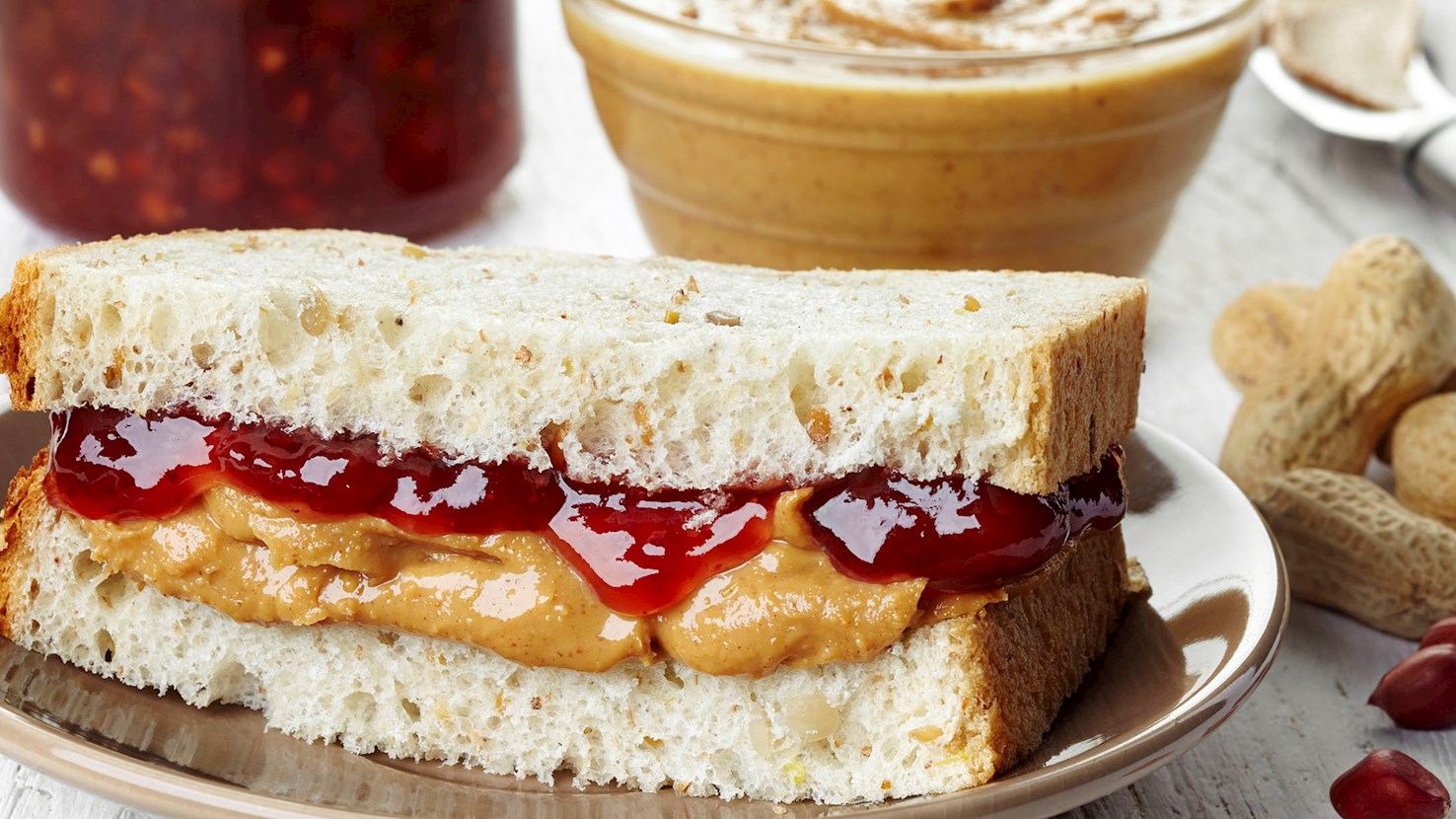
A staple of American childhood foods, peanut butter and jelly sandwich, or PB&J for short is a sandwich consisting of two slices of bread, one with a layer of peanut butter, and the other one with jelly or jam. Quick, easy, and affordable, the first written reference for the sandwich appeared in 1901 in the Boston Cooking School Magazine of Culinary Science and Domestic Economics. As peanut butter and jelly were both staples of military rations during World War II, the returning soldiers helped popularize the sandwich and it quickly spread throughout the United States. Before World War II, peanuts were expensive, and usually reserved only for the rich people, typically consumed in sandwiches with pimento cheese or meat at upscale New York City tearooms. The packaged, sliced bread also helped with the popularization of PB&J, since children could also easily make their own sandwiches. Today, it is a traditional American favorite, so much that a 2002 survey showed that the average American will have eaten a whopping 1500 of PB&J sandwiches before high school graduation.
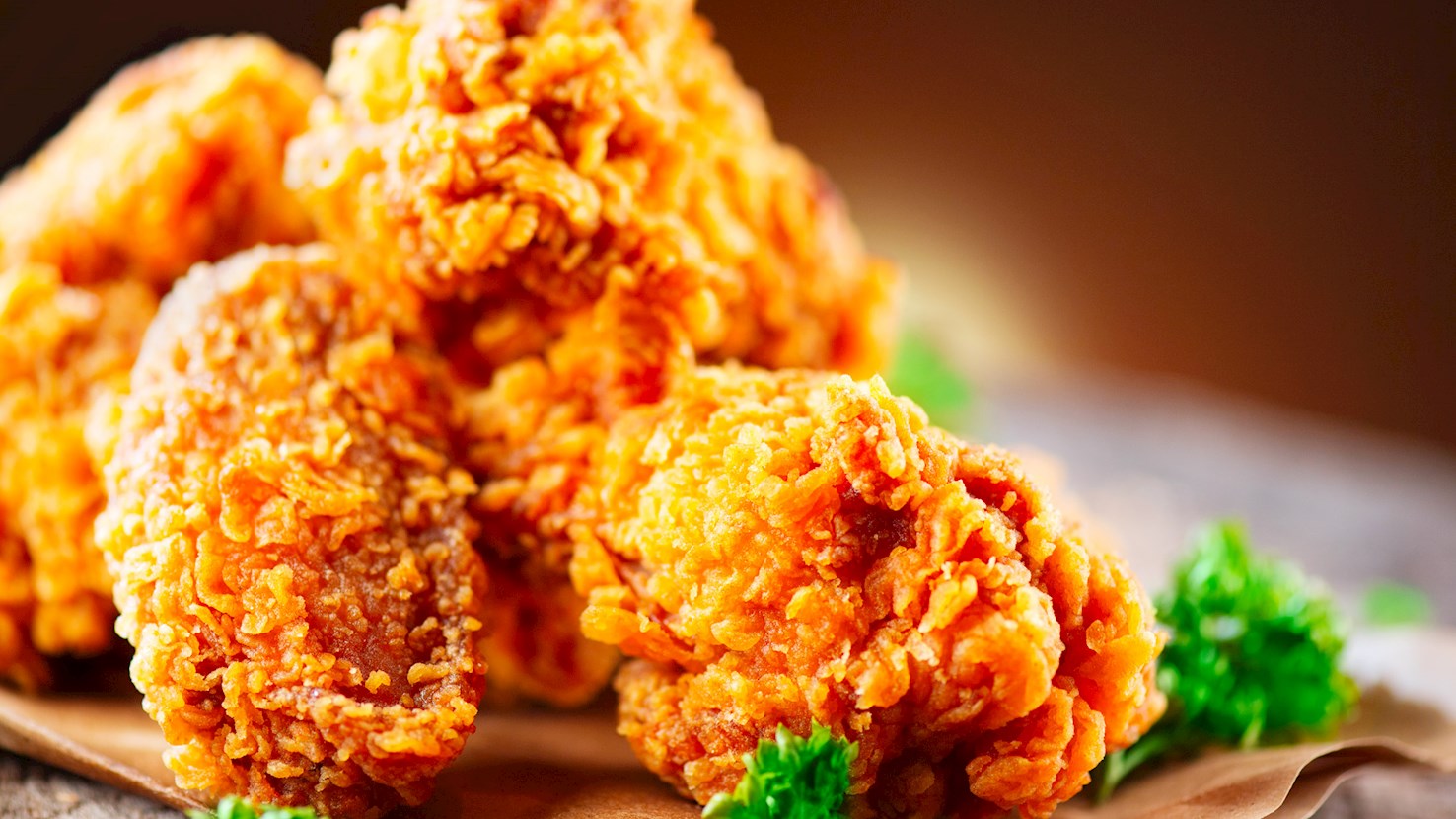
The most popular food of the Southern cuisine, fried chicken is the theme of many arguments where everyone involved seems to have a favorite, be it what their mothers used to make, a cult roadside eatery, or a bygone restaurant. However, it is universally agreed that the meat must be moist, succulent, and tender, coated with a crunchy, golden-brown crust. It all started during the colonization period, when Scottish immigrants settled in the South, bringing their fried chicken recipes along. The African slaves then introduced new seasonings and spices, and the dish quickly gained popularity. Typical seasonings include salt, pepper, and hot chiles, and the pieces of meat should be edible by hand so that the consumer can bite both the crust and the meat at the same time. The birds must be fresh and smaller in size, as the meat will be much more tender and the proportion of crust to meat will be perfectly balanced. Once the chicken parts are hot, crispy, and ready to be consumed, they are traditionally accompanied by buttered biscuits, Southern potato salad, mashed potatoes, or cream gravy on the side.
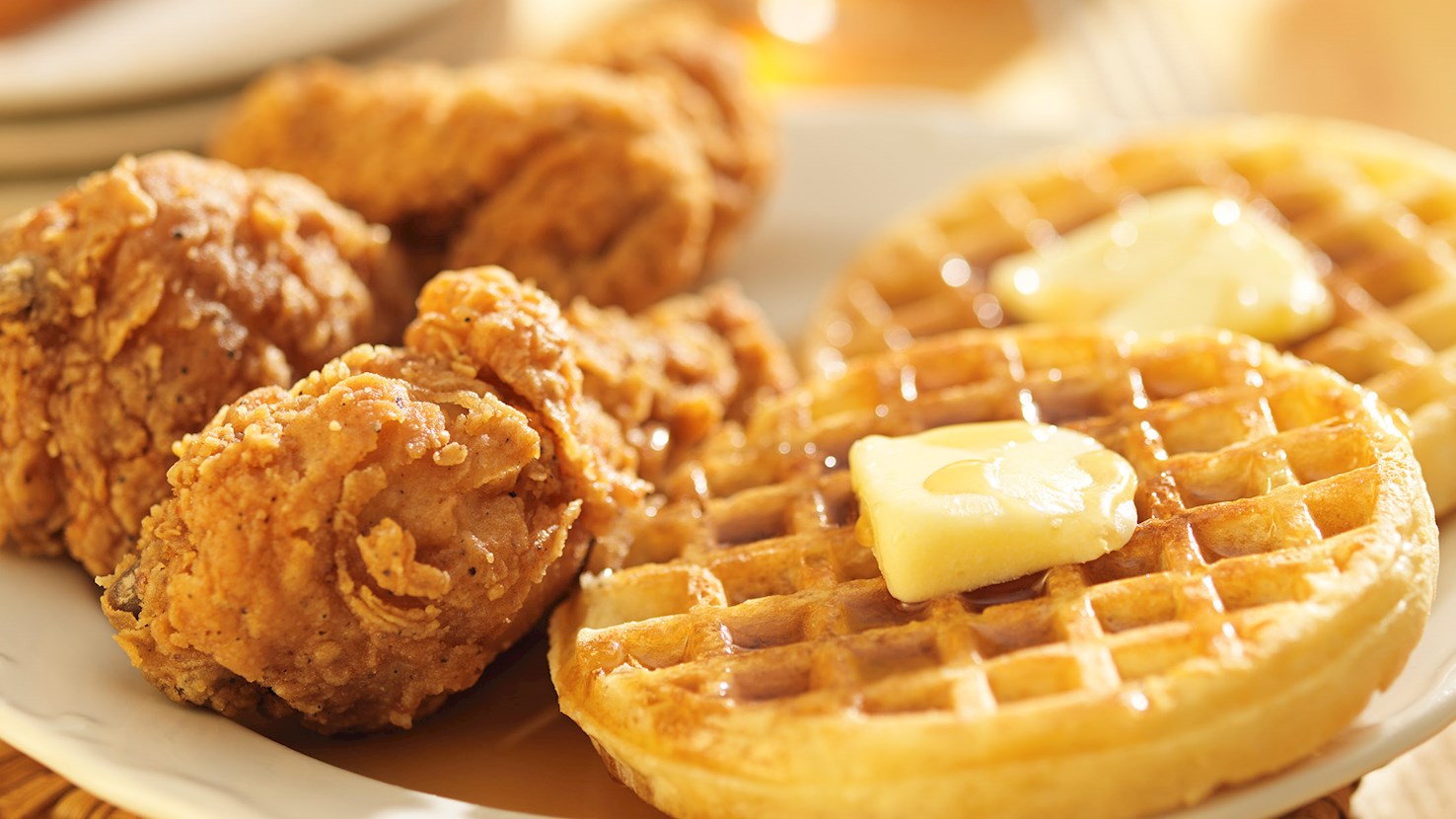
Fried chicken and waffles is an unlikely, but much loved pairing of sweet and salty flavors and soft and crunchy textures. The dish is thought to have originated with the African Americans in the South who rarely had a chance to eat chicken and waffles, so it was a meal that was eaten at special occasions on African American dining tables. Some food historians claim that chicken and waffles evolved after the Civil War migration of Southern African Americans to the North. However, the modern version of the dish was first served in Harlem, New York as early as the 1930s, mostly in jazz nightclubs. Today, restaurants across the country serve the dish and have become famous for their versions, with chicken and waffles spreading as far as Los Angeles, where a restaurant called Roscoe's House of Chicken and Waffles holds a legendary status. When perfectly seasoned and fried, combined with the light and crispy waffle, satisfaction is almost certainly guaranteed.
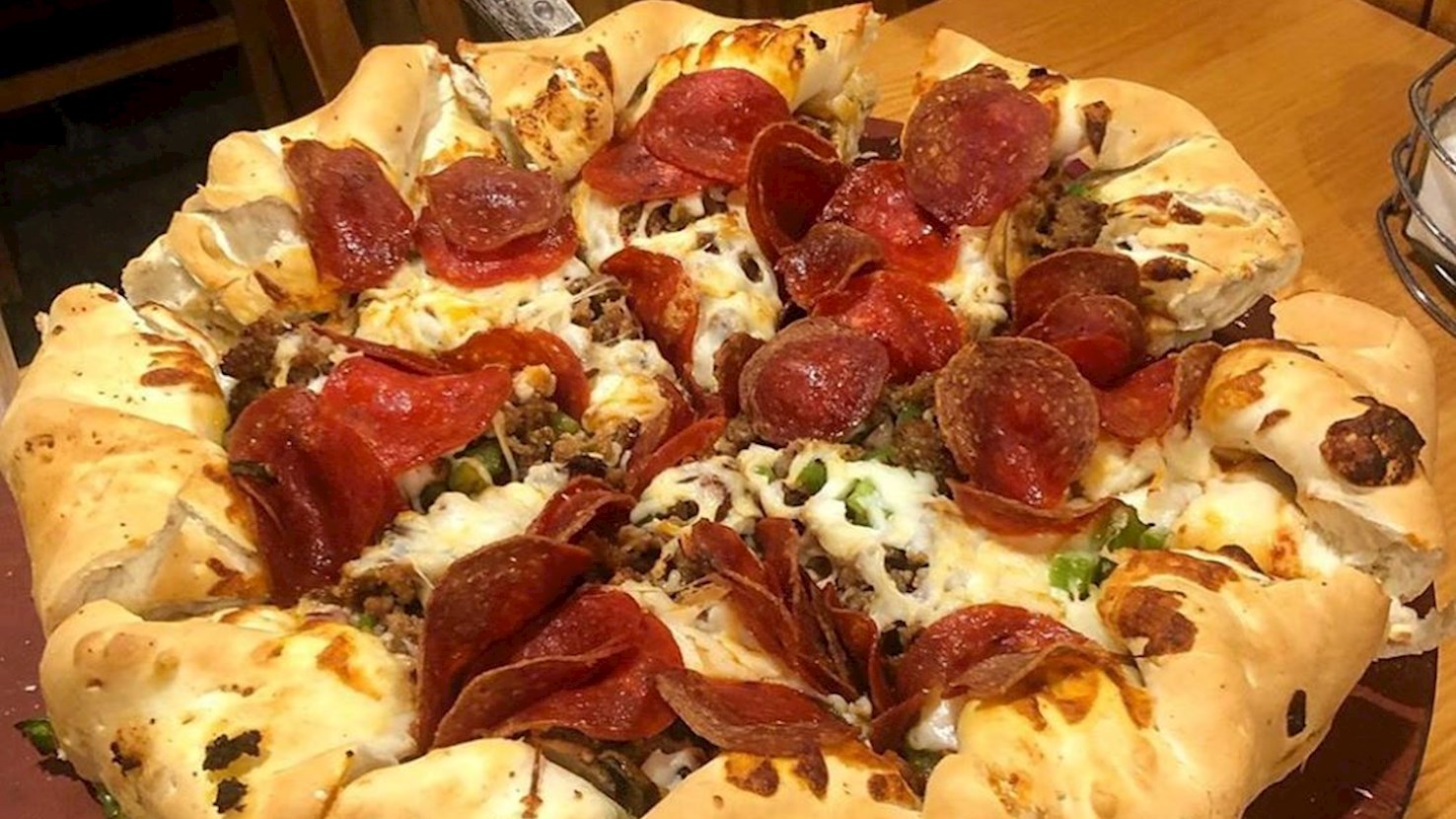
Colorado-style pizza or Colorado mountain pie is a unique version of a pizza originating from Colorado. The pizza has a thick, braided crust and it's made with honey instead of sugar. The braid acts as a barricade which holds the numerous toppings from spilling out on the sides. It was invented at Beau Jo's, where customers can create their own pie by choosing from a combination of over 50 different topping ingredients. At the end of the meal, the customers usually dunk the crust in honey, which is traditionally served on the side. Although Colorado-style pizza is often compared to Chicago deep-dish pizza, those are baked in the oven for more than 40 minutes, while Colorado-style pizza is baked in a gas-powered oven for about 10 minutes. Due to the fact that there are so many toppings on the pizza, it's sold by the pound. At Beau Jo's, the dough is made fresh throughout the day, every 3 to 4 hours, and the ingredients and vegetables are always fresh and cut daily, making it a great value for money.
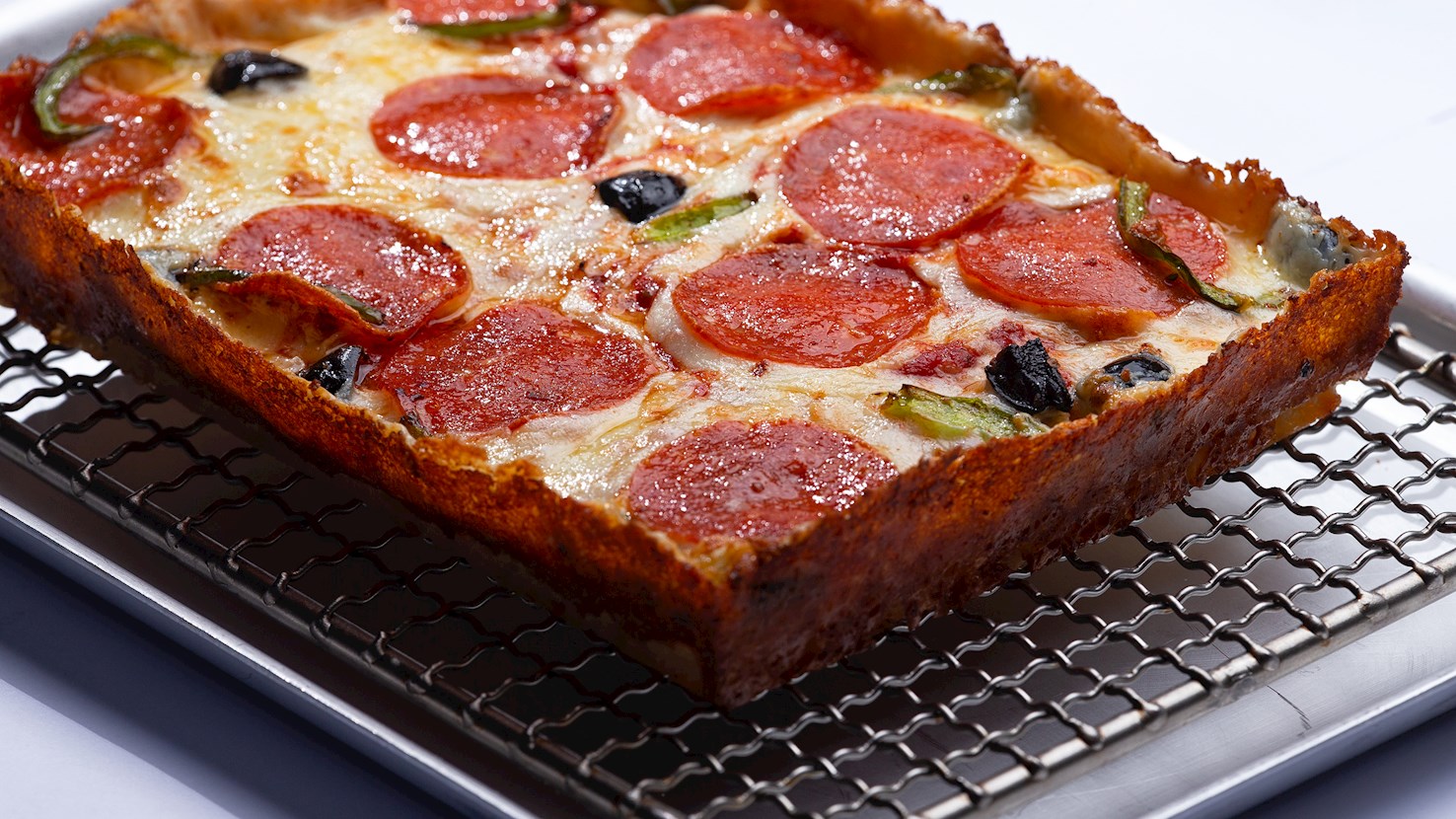
Detroit-style pizza is a square pizza characterized by a thick deep-dish crisp crust and inverted toppings. Cheese is applied directly to the top of the dough, followed by a thick tomato sauce that is seasoned with garlic and spices. The most common topping is pepperoni, put either on top of the sauce or buried underneath the cheese. Detroit-style pizza can be traced back to Buddy's Rendezvous in 1946, and thanks to its popularity, it is now available nationwide. This dish is best paired with beer or wine.
TasteAtlas food rankings are based on the ratings of the TasteAtlas audience, with a series of mechanisms that recognize real users and that ignore bot,
nationalist or local patriotic ratings, and give additional value to the ratings of users that the system recognizes as knowledgeable.
TasteAtlas Rankings should not be seen as the final global conclusion about food. Their purpose is to promote excellent local foods,
instill pride in traditional dishes, and arouse curiosity about dishes you haven’t tried.




What People Say