This internationally known, decadent, and sugar-packed dessert is usually made with a mixture of flour, sugar, yeast, and salt, which is deep-fried and then bathed in syrup or honey. The origin of lokma fritters is ancient but often debated. It is presumed that they first appeared in Greece or Turkey, though some suggest Arabic origin. The dish is considered to be one of the oldest recorded desserts in Greek history. It is said that the pastries were even given to winning Olympians as a treat and were called honey tokens. Loukoumades, or loukmades in Cyprus, can be found throughout the streets of Greece, in shops selling nothing else but this caloric dessert. Alternatively, loukoumades can be topped with Greek cheese, chocolate, sesame seeds, or walnuts. In Turkey, lokma fritters are best enjoyed while still warm. They are drizzled with honey or syrup and can occasionally be sprinkled with either ground cinnamon, walnuts, or pistachios. The name probably stems from from Arabic luqma, meaning bite or mouthful, and it is said that lokmas were first prepared in Turkey by the sultans' cooks in palaces of the Ottoman Empire, though the oldest documentation of a similar dish was even found in the tomb of Ramses IV. In some Middle Eastern and Levant countries, this dessert is known as luqaimat or luqmat al-qadi, which roughly translates as judge's mouthful. The deep-fried balls are usually covered with date syrup, honey, or flavored syrups, while some prefer them sprinkled with various seeds. They are also often flavored with saffron or cardamom. The dessert is traditionally made in the month of Ramadan, and consumed after iftar, or breaking the fast. The dish is also found in some African countries, where it appears under various names.
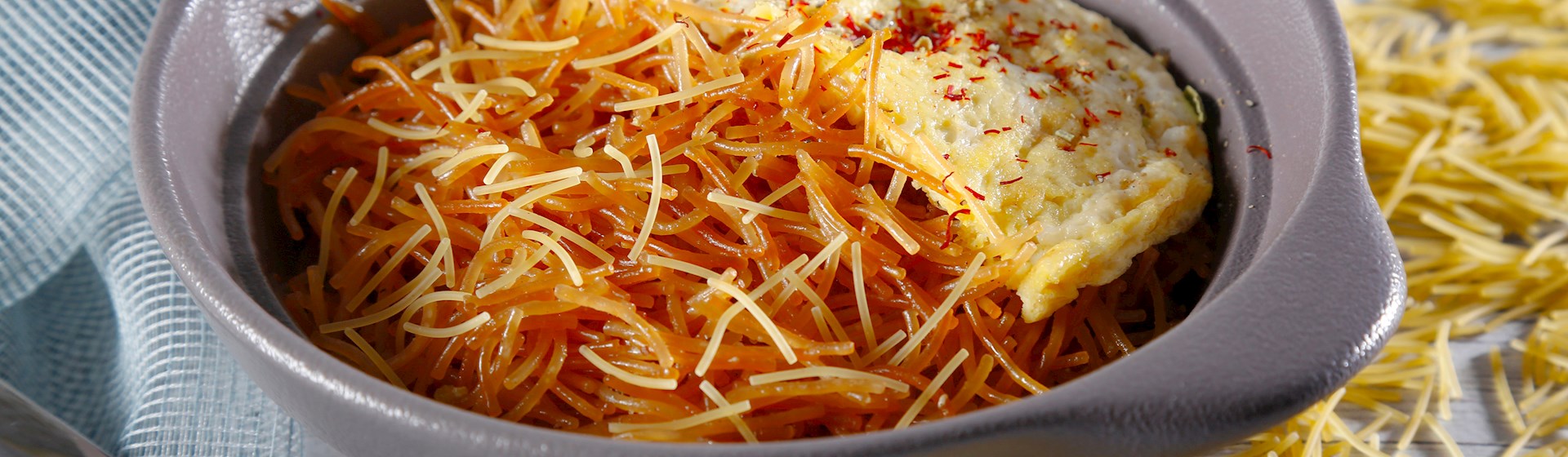
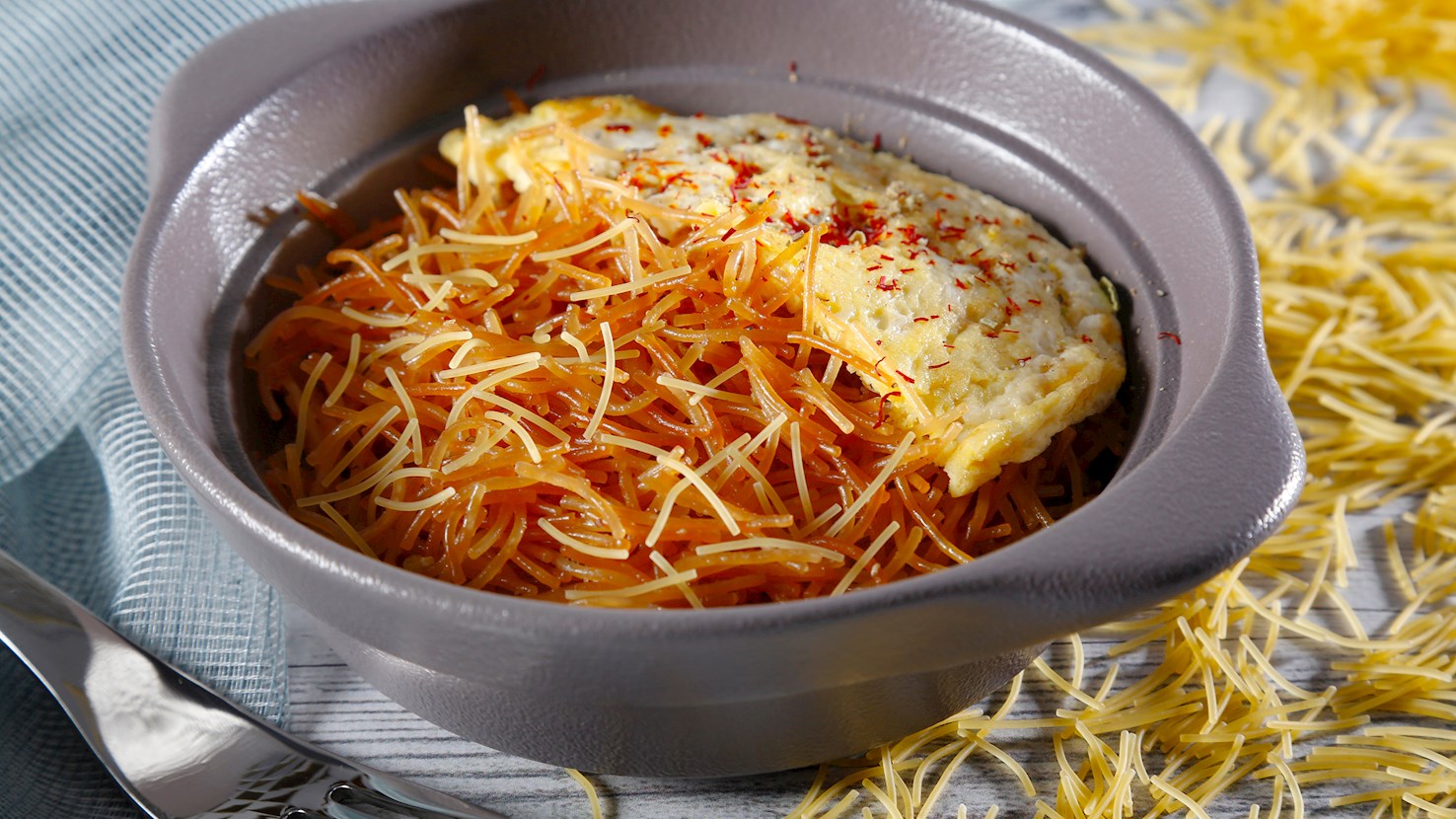
The sweet and savory balaleet is a breakfast dish that can be found in the Arab states of the Persian Gulf. It is typically made with vermicelli, eggs, cardamom, saffron, butter, and water, but it can also include rosewater, nuts, dried fruits, and honey. The aromatic mixture is topped with an omelet and served hot or cold, usually for breakfast. During the month of Ramadan, however, it is also served for dinner.
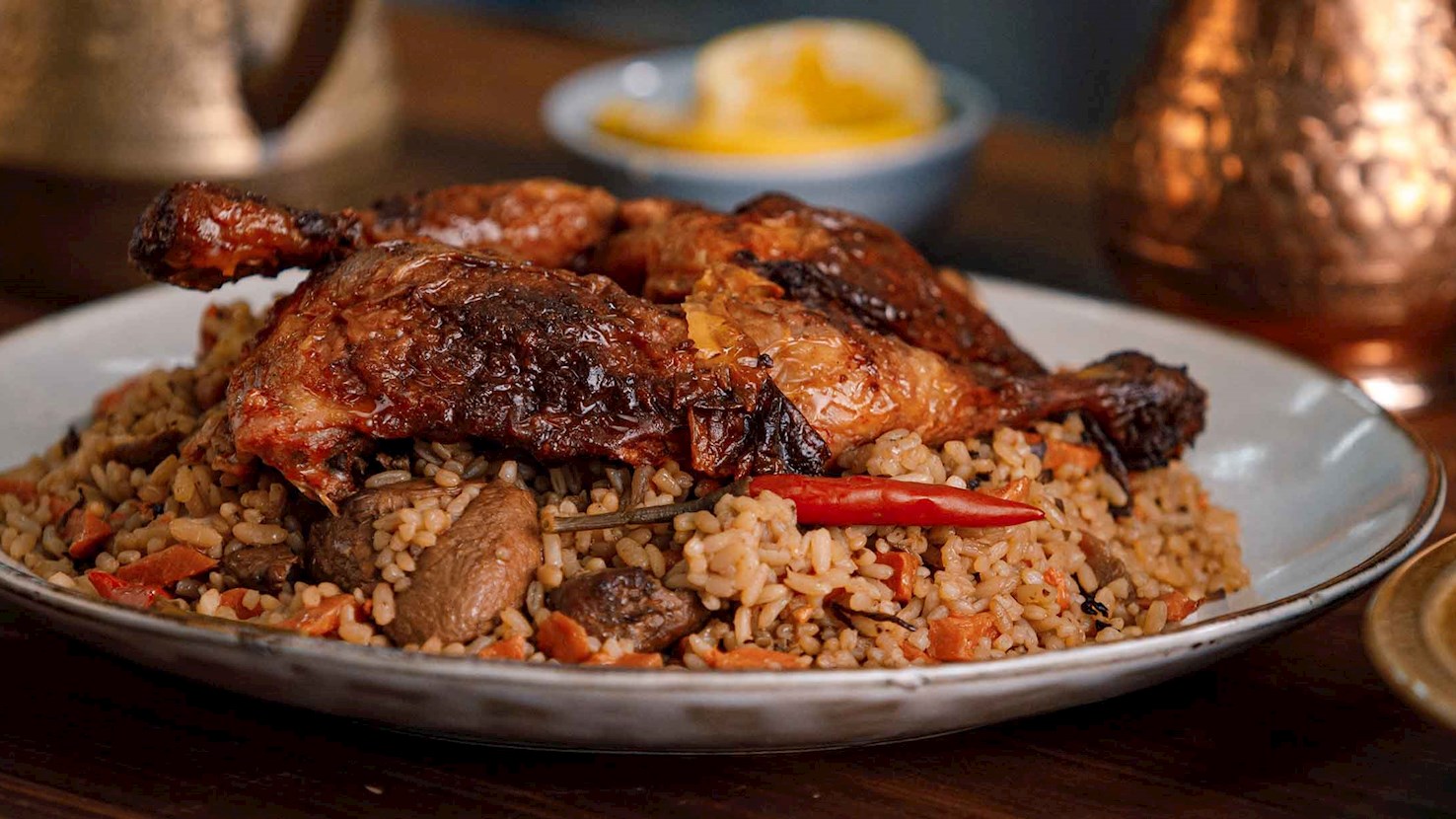
Kabsa is a rice dish that is enjoyed throughout the Gulf States of the Arabian Peninsula. Heavily influenced by Persian and Indian biryanis, kabsa makes use of the water that was used for cooking fish or meat and re-using it to cook the spiced, long-grain rice in it, perfectly blending all the flavors and spices. The dish can be made with chicken, lamb, camel meat, fish, or even shrimps, truffles, or duck meat. The meat or fish is usually placed on top of the rice, and the whole dish is served on a large platter, meant to be shared and eaten by hands. Although it originated in Yemen, this traditional combination of rice and meat is incredibly popular in Qatar and Saudi Arabia, where it is considered a national dish. Across the Arabian Peninsula, kabsa is also known as machboos.
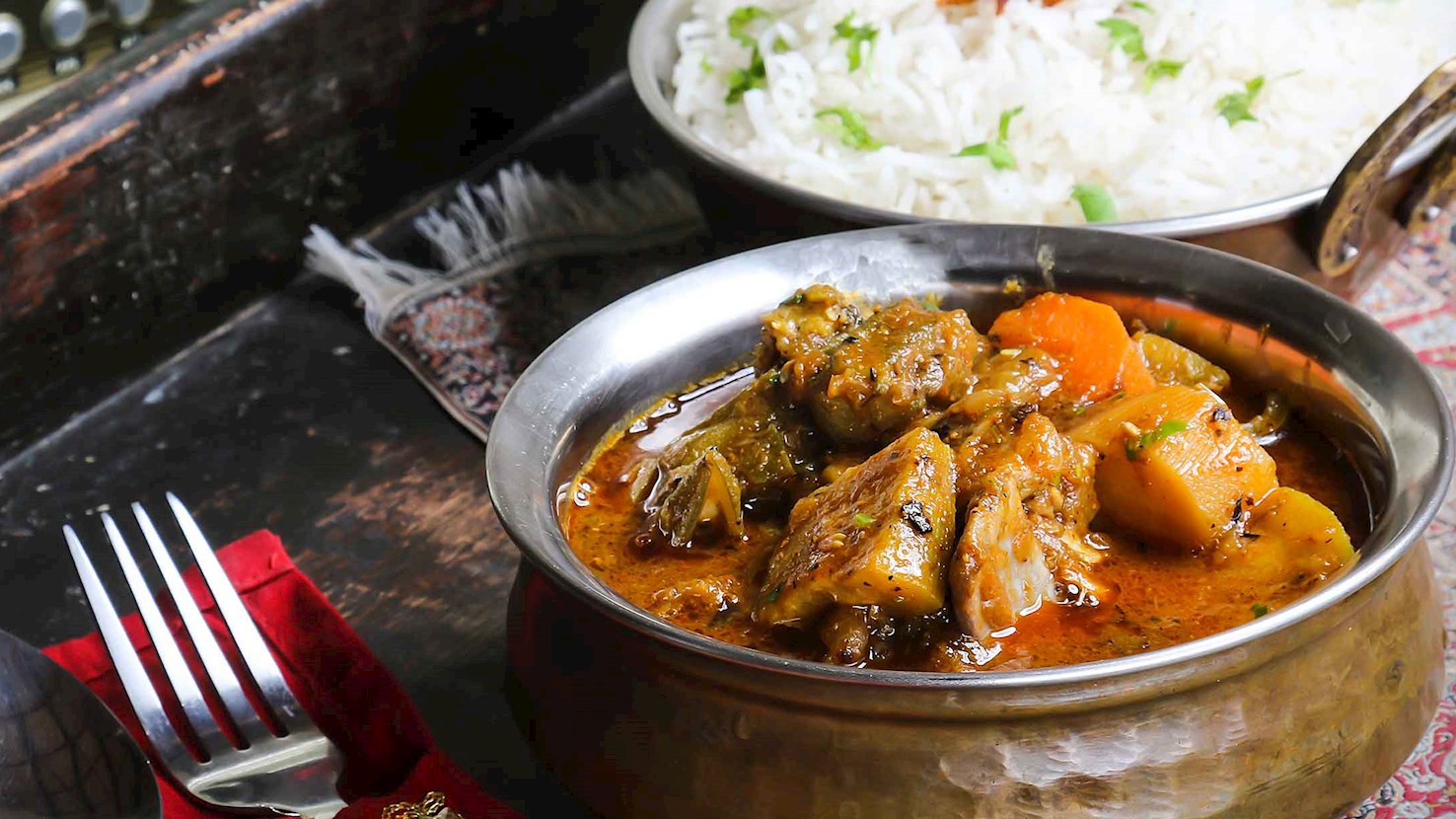
Saloona or salona is a classic Arabian stew that is usually enjoyed as an everyday, home cooked meal. The most common variety is prepared with chicken (dejaj), but vegetables, other types of meat such as beef or lamb, and fish can also be used as the main ingredient. Although it is quite versatile, saloona usually combines generously-seasoned, tomato-based broth with sautéed onions, garlic, ginger, vegetables, and the optional choice of the main ingredient. This hearty dish is believed to have Bedouin origins, and it is often prepared during the month of Ramadan. It is usually accompanied by rice or bread.
TasteAtlas food rankings are based on the ratings of the TasteAtlas audience, with a series of mechanisms that recognize real users and that ignore bot,
nationalist or local patriotic ratings, and give additional value to the ratings of users that the system recognizes as knowledgeable.
For the “4 Traditional Foods You Have To Try in Dubai” list until May 22, 2026, 0 ratings were recorded, of which 0 were recognized by the system as legitimate.
TasteAtlas Rankings should not be seen as the final global conclusion about food. Their purpose is to promote excellent local foods,
instill pride in traditional dishes, and arouse curiosity about dishes you haven’t tried.