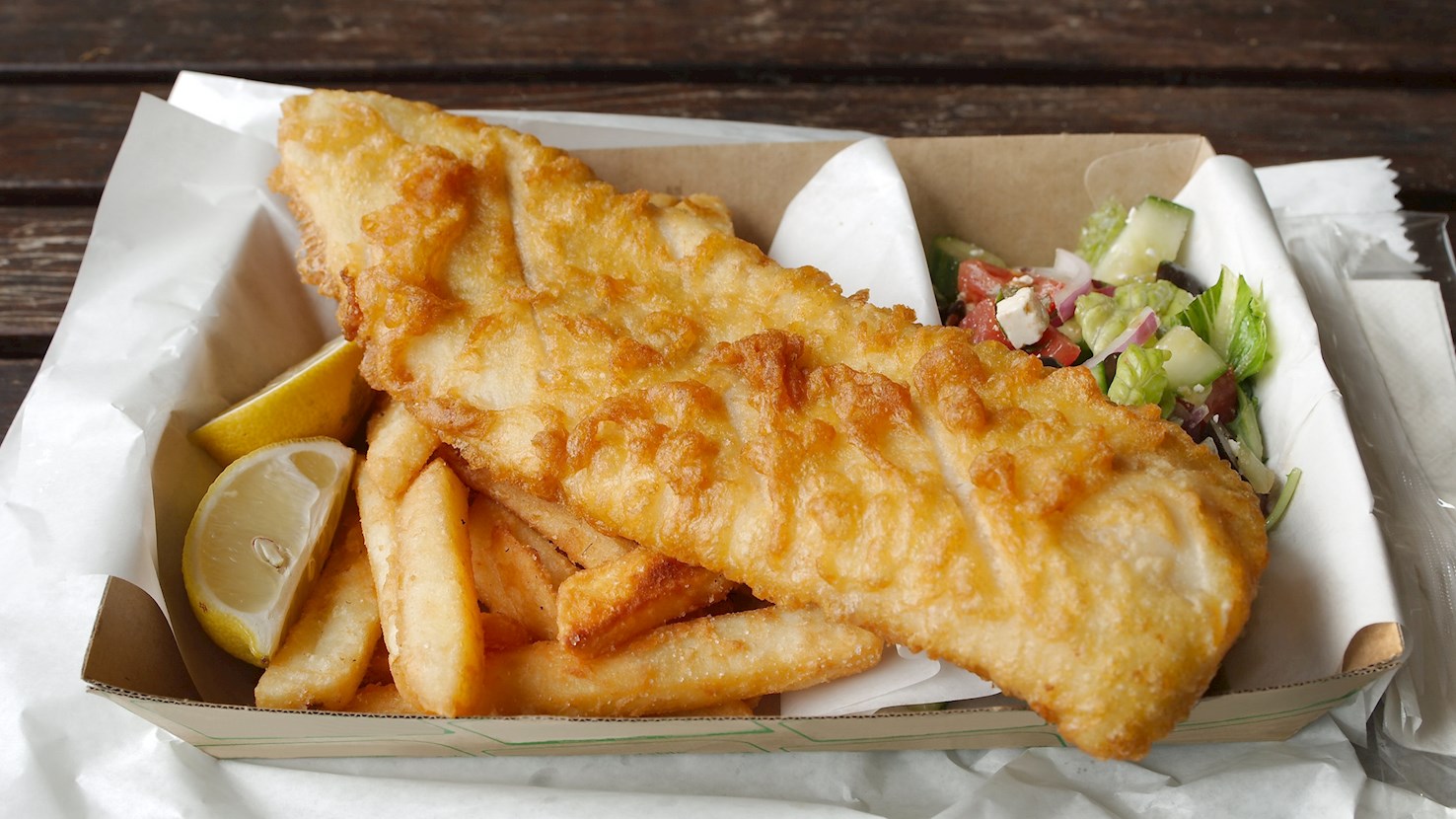
Most Brits would agree that there is nothing more British than fish and chips. This comforting, widely loved national dish consists of a freshly fried, hot, white fish fillet and large, sliced and fried potatoes. Cod, haddock, and flounder are the most common types of fish that is fried for the dish, and the customers can choose which type of fish they want, with cod being the most popular choice. The fillets get dipped in a batter made from eggs, milk, and flour, and are then fried in oil, lard, or beef drippings along with the potatoes. The origins of this dish go back to the 17th century, when potatoes were fried as a substitute for fish in the winter months, while fried fish was introduced into the country by Jewish refugees. Fish and chips are a favorite takeaway dish, with numerous chippies (fish and chips shops) popping up all over the country and offering a few accompaniments and sides, such as salt, vinegar, mushy peas, curry sauce, ketchup, brown sauce, and a cup of sweet, milky tea. Traditionally, the dish is served wrapped in greaseproof paper and a layer of newspaper in order to make eating outside easier, and if you want to do as the Brits do, it is the only acceptable way to eat it. Interestingly, in Yorkshire, a cup of tea is the perfect beverage pairing for fish and chips.
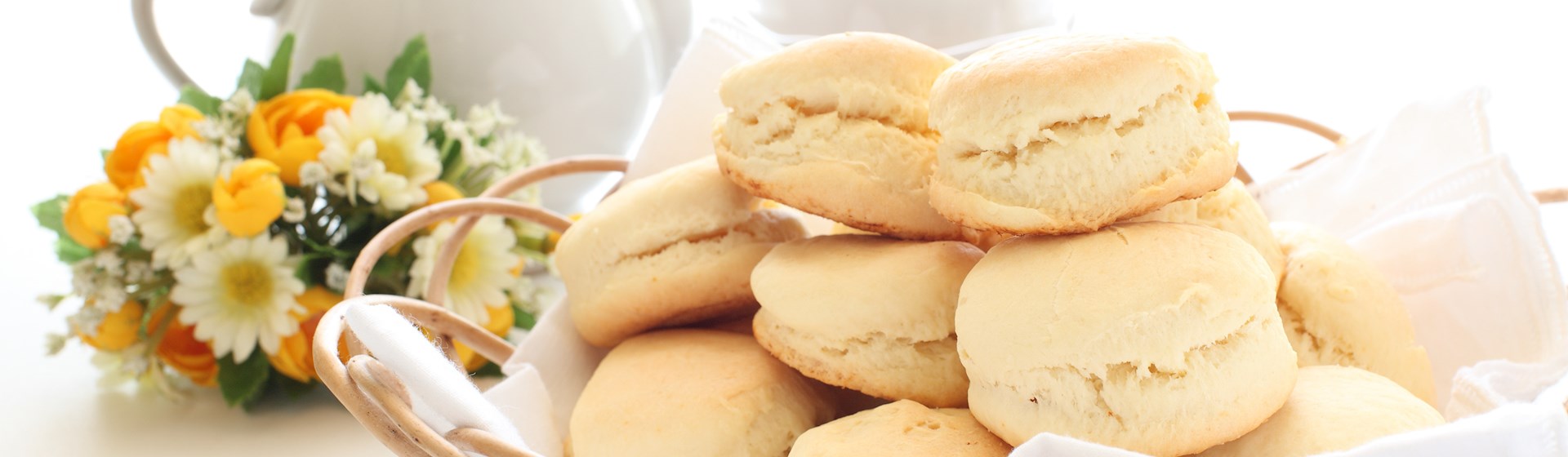
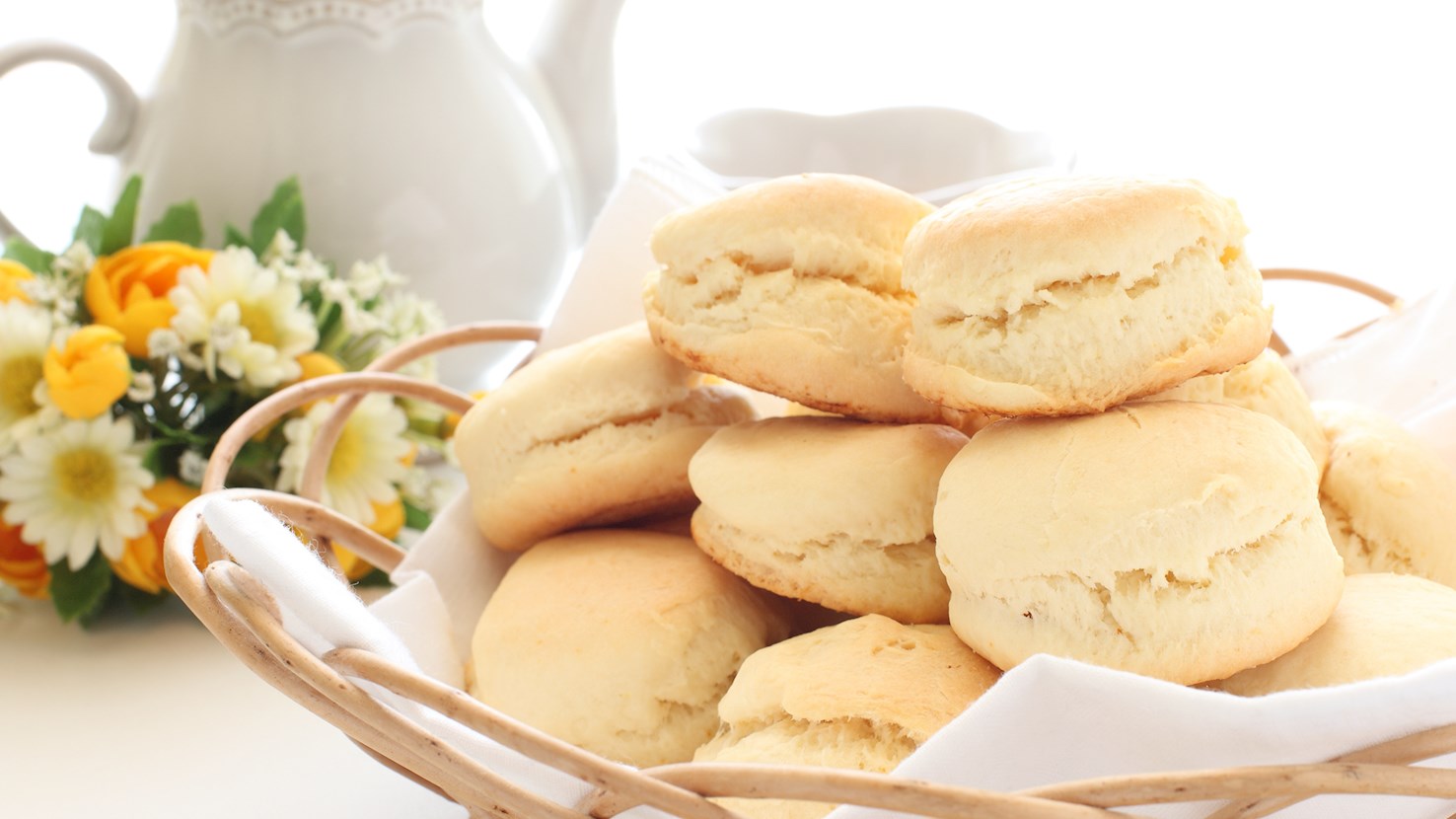
Scone is a quick bread that is shaped into various forms such as squares, diamonds, and triangles, then baked in the oven. Although scones were griddle-baked and made with oats in the past, today they are traditionally made with wheat flour, baking powder or soda, butter, milk, sugar, and eggs. They can be either savory or sweet, consumed for breakfast, or served with afternoon tea. The most popular theory about their origin says they originated in Scotland in the early 1500s, the name scones derived from the Stone of Destiny, where the Kings of Scotland used to be crowned. This theory is supported by the fact that the first known reference in print regarding scones appeared in 1513, in the poems of a Scottish poet. Today, most of the English scones are plain, relying on the addition of jam, lemon curd, or honey for extra flavor, but there are also some decadent varieties with cranberries, nuts, chocolate bits, and dates.
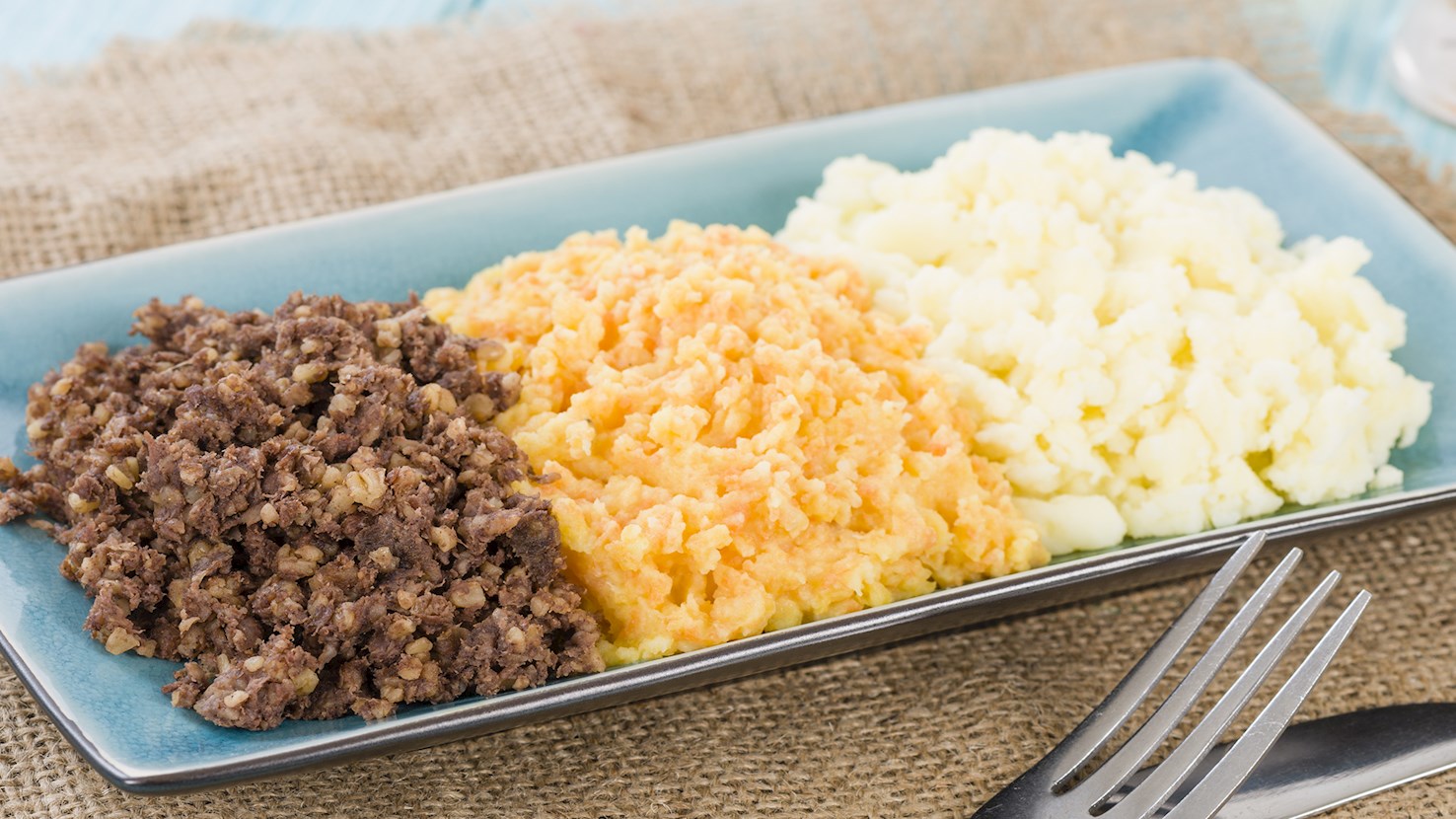
Known in full as bashed neeps and chappit tatties - mashed swedes and chopped potatoes, respectively - this simple vegetable side dish is a true Scottish classic. Either steamed or boiled until tender, only separately, both the swedes and potatoes are seasoned with merely salt and white pepper, though some might add a dash of nutmeg as well. Neeps and tatties are traditionally prepared as accompaniments to haggis and make for an essential part of the festive Burns Night supper.
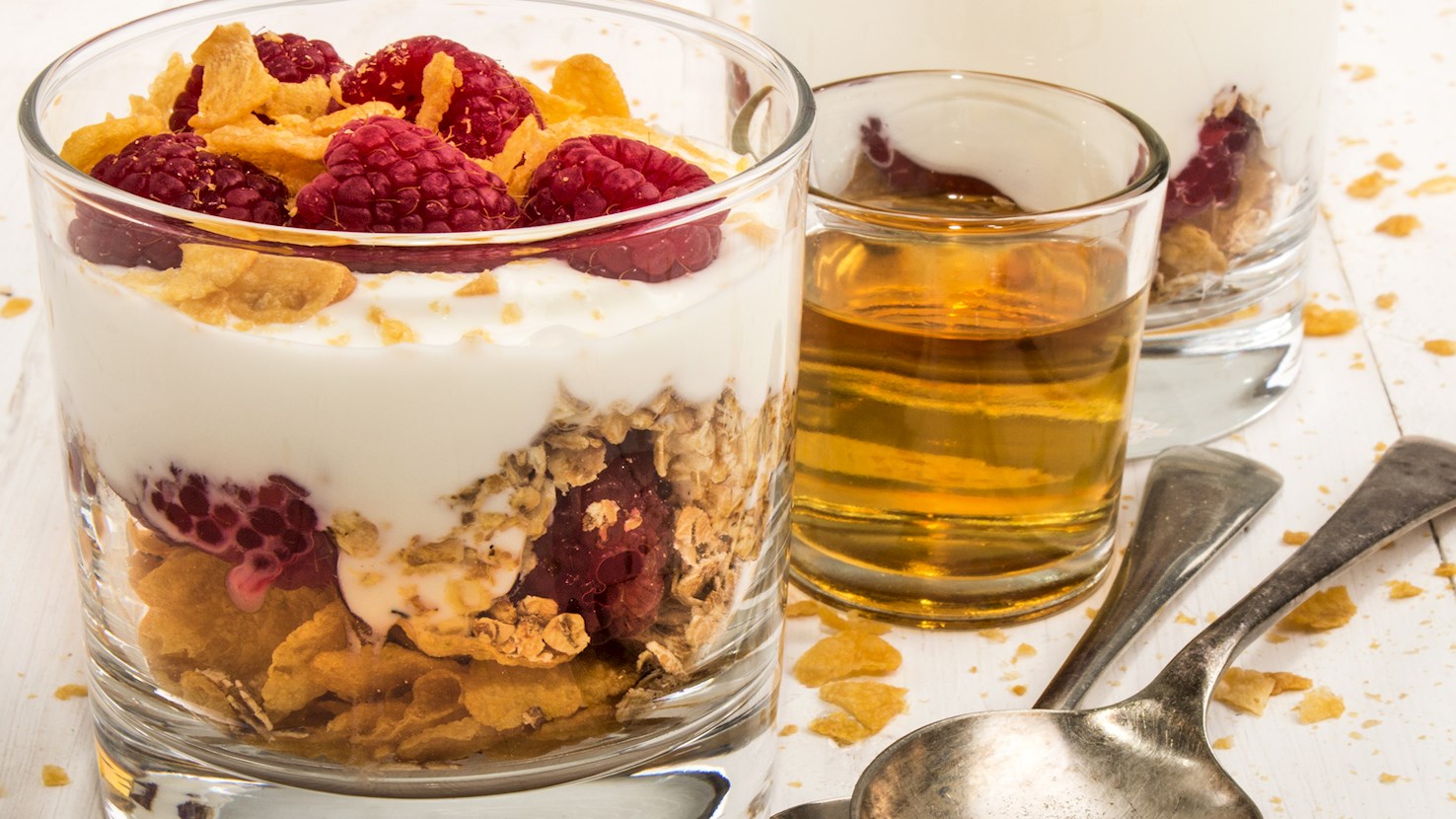
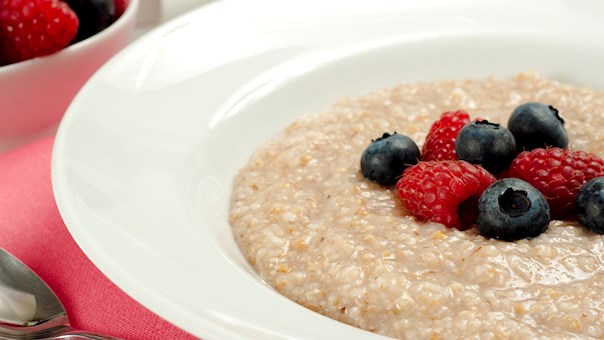
Originally a harvest festival version of a much simpler oatmeal gruel, cranachan is a traditional cream cheese dessert that became prominent in the late 20th century. It is made with the addition of local soft cheese and often fresh fruits such as raspberries. The basic modern version of this dessert is based on lightly toasted coarse oatmeal and whipped cream, sweetened with either honey or sugar. In restaurant versions, cranachan may be made with a whole variety of different ingredients, including the beloved Scotch whisky.
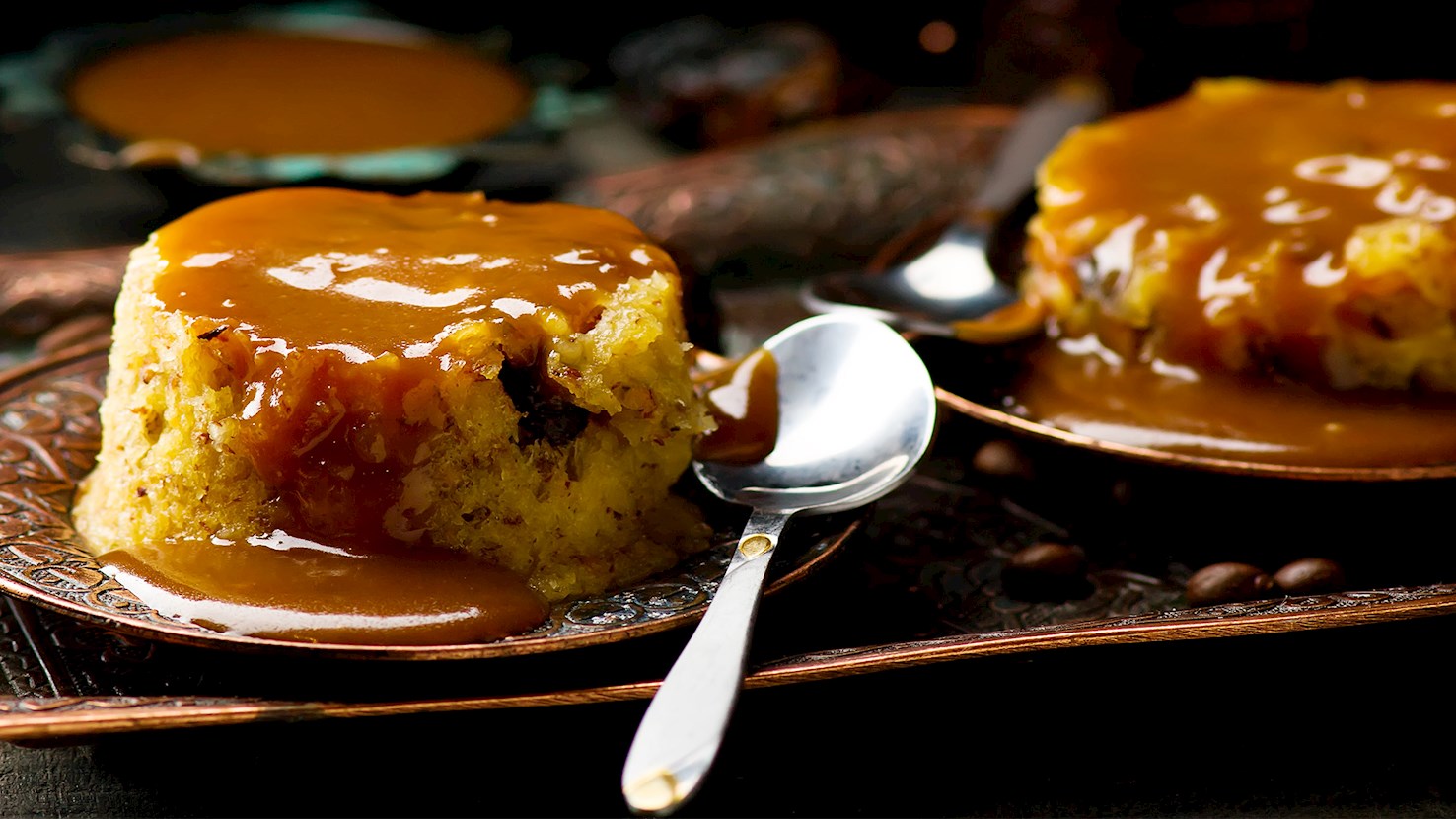
Sticky toffee pudding is a rich, moist sponge cake filled with dates, covered in a sticky toffee sauce. The dessert is traditionally served with custard or a scoop of vanilla ice cream on the side. Its origins are quite murky as some claim it originates from the Sharrow Bay Hotel in the Lake District, some report that it's especially popular in Cartmel, while others say that it was invented at the Udny Arms Hotel in Aberdeenshire. Today, the dessert is also popular in Australia, Ireland, and Scotland.
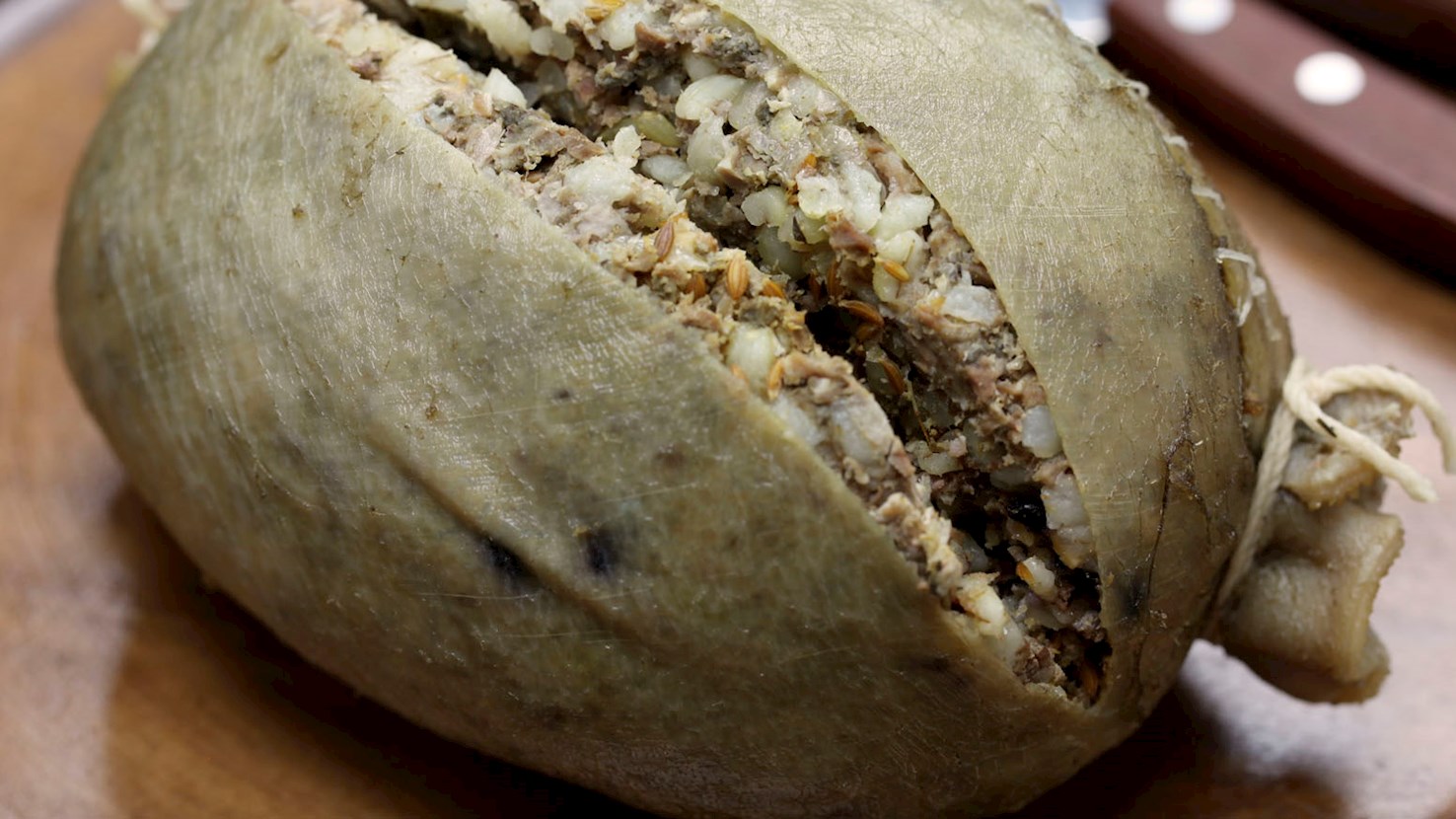
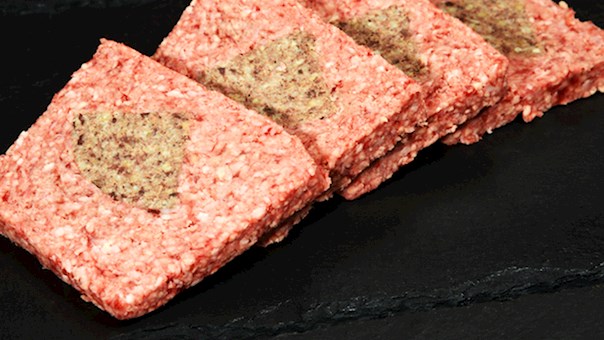
Haggis is a spicy mince, a type of pudding of high nutritional value made from sheep's innards, lamb's heart, lungs and liver, beef, onions, oats, and spices. It is the national dish of Scotland and an excellent source of fibre, iron, and carbohydrates. According to some, the word haggis stems from the French word hacher, meaning to chop up or mangle. Originally, it was a poor man's meal made with liver and kidneys stuffed in intestines, providing a good way to feed a lot of people so that no meat would go to waste. Its flavor can best be described as spicy, crumbly, earthy, meaty, savoury, peppery, moist, and oaty. There is also a vegetarian version of haggis containing various vegetables, mushrooms, oatmeal, onions, and seeds. The dish is an important part of the Burns Supper celebrations that are held every year on January 25, in honor of Scotland's famous poet Robert Burns. He was the one that immortalised haggis in his poem Address to a haggis. The dish is typically accompanied by turnips and mashed potatoes on the side. And even though some like to accompany the dish with Scotch whisky, one of Scotland's authorities on haggis and so-called ''Haggis Queen'' Jo Macsween claims that serving whisky with haggis is a recipe for a ''culinary catastrophe.''
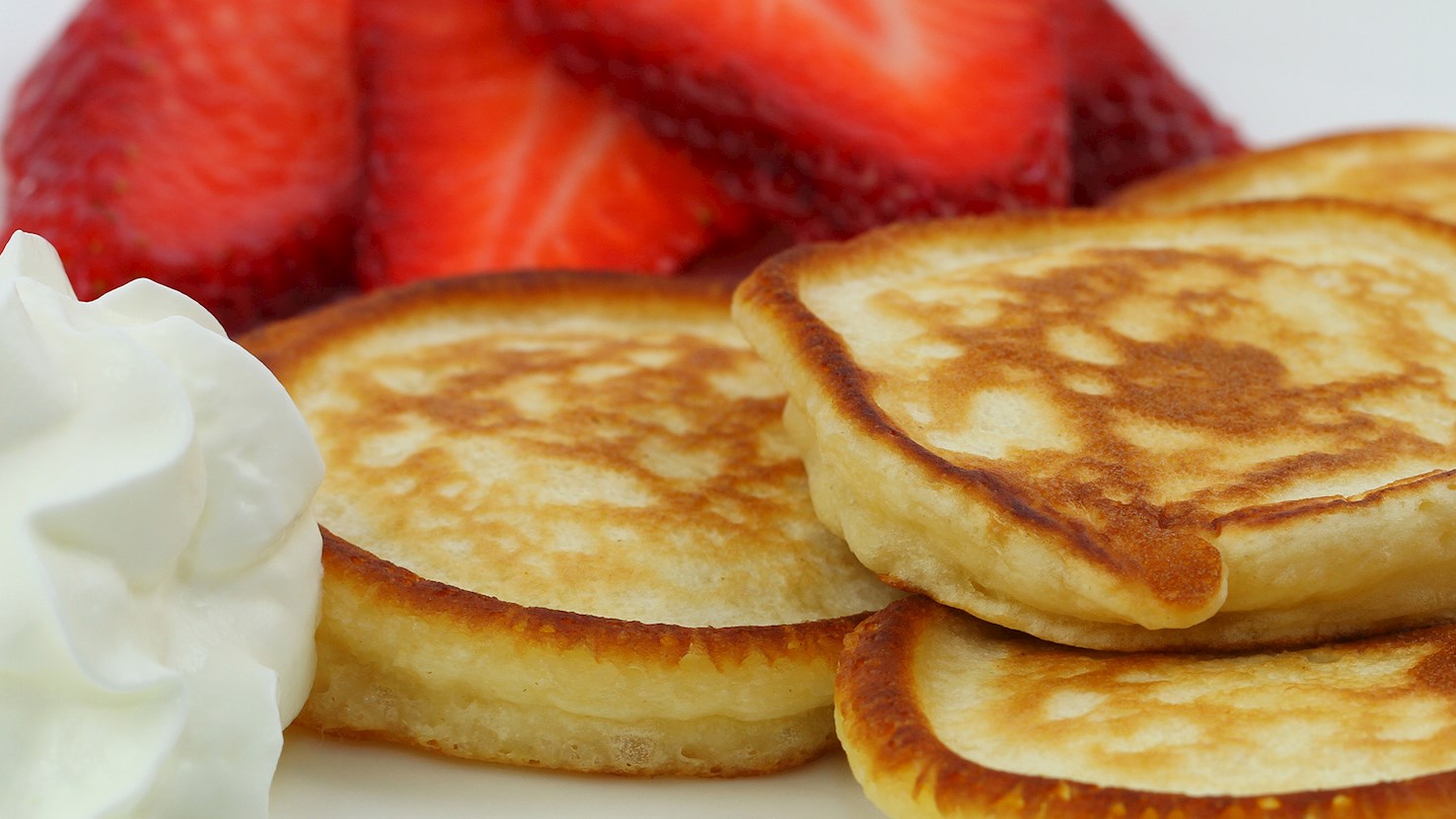
Drop scones, also known as Scotch pancakes, are small, thick pancakes, made by dropping spoonfuls of batter onto a hot griddle or a frying pan. Originally invented in Scotland, these fluffy treats quickly spread throughout the British Isles - Queen Elizabeth herself is very fond of drop scones - allegedly, she even prepared them for President Dwight Eisenhower during his visit to Balmoral Castle in 1959. Drop scones make a perfect breakfast, and they are best enjoyed warm. Although drop scones are very simple, when drizzled with honey or paired with cream and sweet fruits, they can easily be turned from a simple breakfast to an irresistible dessert.
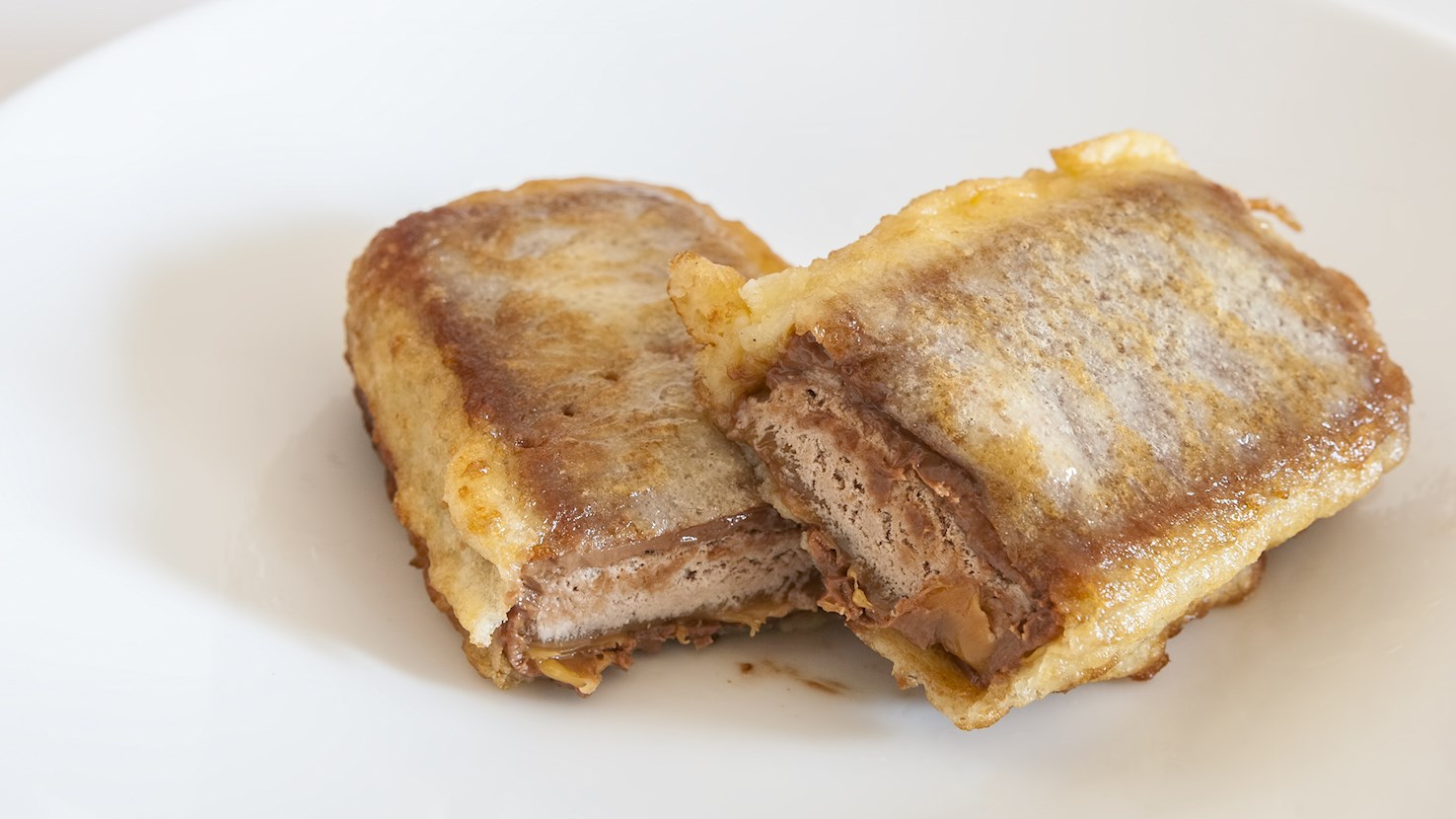
Deep-fried Mars bar is a famous Scottish delicacy and a champion of the jokingly-called Scottish Diet, where the rule is that sugar, fat, and alcohol must each account for at least 30% of a person's daily caloric intake. The unusual snack was invented in 1992 by the employees of the Carron fish bar in Stonehaven, a place where the popular fish and chips are served, and the deep-fried Mars chocolate bar (nougat and caramel coated in milk chocolate) is made in the same oil that the fish and chips were fried in. However, this dessert became a Scottish tradition and was then copied in chip shops all across the country, and it even spread to Canada and Australia. One batter fits all - fish, chips, and the Mars bar. The batter is made by mixing milk, flour, and eggs. A chilled Mars bar is completely coated in batter, lowered into hot oil, then fried until the batter develops a golden brown color. It is a controversial delicacy, with mostly empty calories, high fat, and little nutritional value, but, as it turns out, the bars are delicious to some, as the savory flour mixes with the sugar, the batter elevates the crispy texture, and the salt and caramel meet on the palate, resulting in a delicious contrast of crispiness and chewiness.
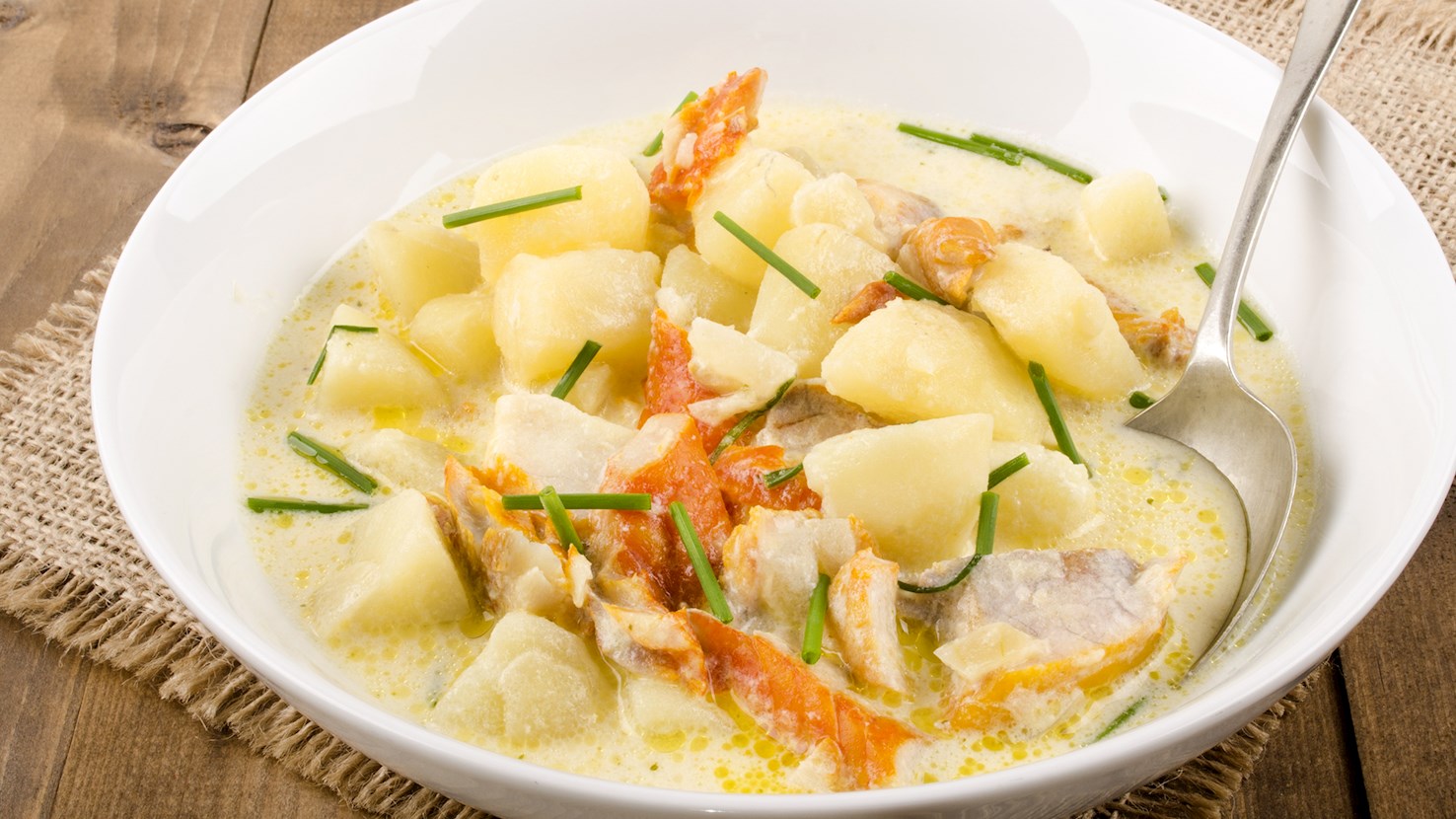
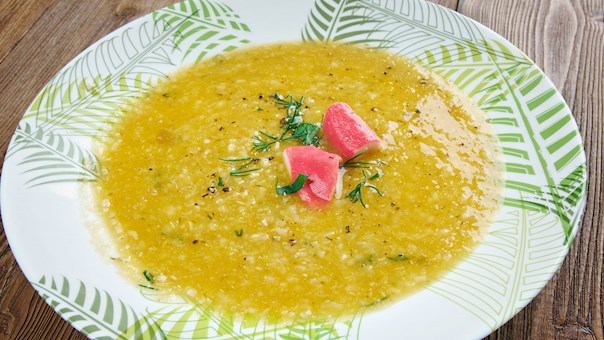
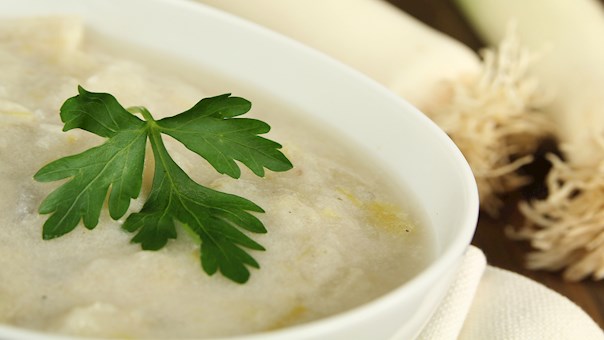
Even though it has been traditionally prepared all along the coast, Cullen skink is a dish originating from the fishing village of Cullen in Northeastern Scotland. This thick and creamy fish soup is typically based on smoked haddock cooked with milk, leeks, onions, and potatoes which provide the filling bulk. Some recipes specify the use of Arbroath smokies, although just about any smoked white fish will do. Cullen skink will go hand in hand with a glass of dry white wine, but to indulge in a true Scottish feast, try pairing it with Scotch whisky.
The peculiar name of this dish is said to recall the Victorian era Edinburgh which was nicknamed Auld Reekie or Old Smokie because of the coal fires that plagued the city with an intense, dark smog. Often described as a Scottish take on the traditional Eton mess trifle, Edinburgh fog is a decadent dessert made with ratafia biscuits or macaroons, double cream, toasted almonds, and whisky. It was originally conceived to make use of the leftover scones, but most modern recipes use any kind of almond-flavored biscuits, while whisky can be substituted with the Drambuie liqueur.
TasteAtlas food rankings are based on the ratings of the TasteAtlas audience, with a series of mechanisms that recognize real users and that ignore bot,
nationalist or local patriotic ratings, and give additional value to the ratings of users that the system recognizes as knowledgeable.
TasteAtlas Rankings should not be seen as the final global conclusion about food. Their purpose is to promote excellent local foods,
instill pride in traditional dishes, and arouse curiosity about dishes you haven’t tried.




What People Say