


shutterstock

80 Traditional Foods
You Have To Try in Florence

Last updated on June 17, 2026
01

Bistecca alla Fiorentina

4.4 ·

Known as the holiest of holies of Italian cuisine, the Florentine-style beef steak is prepared exclusively with dry-aged beef from the Chianina cattle, which is particularly prized for its tenderness. Even though bistecca alla Fiorentina is often described as a T-bone steak, it is much closer to a porterhouse - since it's cut closer to the center, the tenderloin is much larger than the one on a regular T-bone. Also, bistecca alla Fiorentina must be thick; the cut needs to be at least three fingers wide so that when the meat is grilled over a very hot flame, a nice, slightly charred crust forms on the outside of the steak while the inside remains succulent. In fact, bistecca alla Fiorentina is never, ever served medium or well-done, as any true Tuscan will insist that this dream of a steak should only be eaten sanguinoso, meaning rare. To enjoy your Florentine-style steak the Italian way, simplicity is the way to go - highlight the rich flavor of grilled beef with nothing more than a drizzle of extra virgin olive oil, rosemary, and salt.

02

Ribollita

4.0 ·

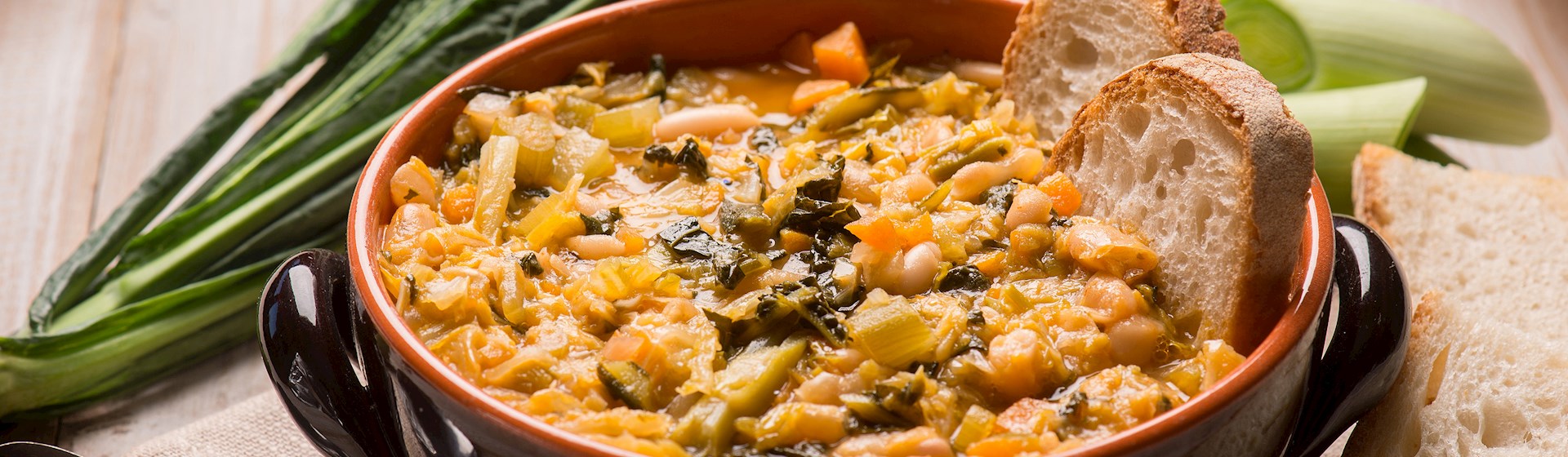
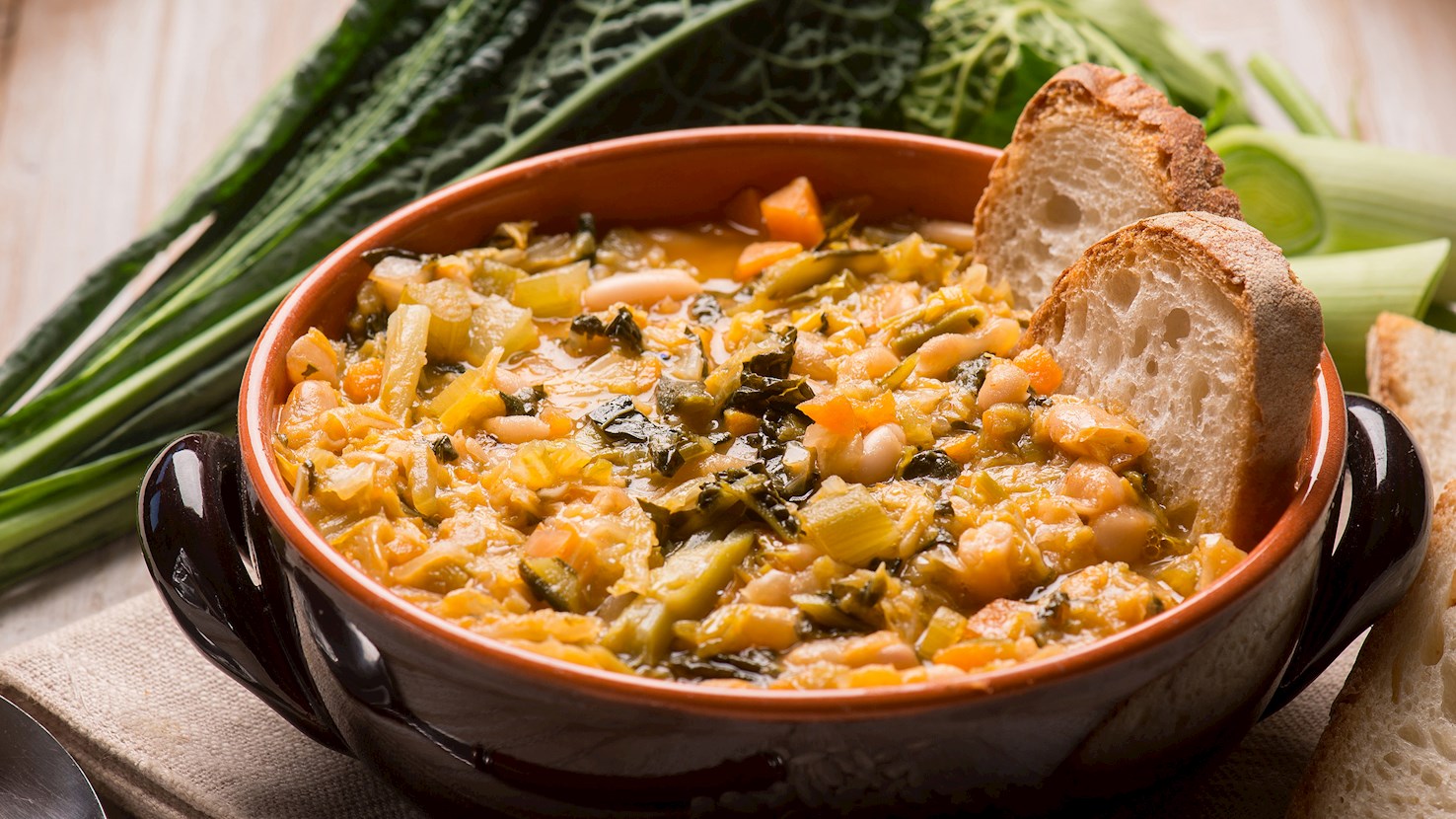
Every Tuscan family has a recipe for this soup that has been refined and passed down through generations. The name means reboiled, referring to the fact that it is commonly consumed on the day after its preparation, when it is reheated with a dash of olive oil. The key ingredients in ribollita are leftover bread, cannellini beans, and seasonal vegetables such as kale, onions, carrots, and cabbage. It is a typical winter dish, and one of its main ingredients, Tuscan kale, is available exclusively in winter. This soup was originally a peasant dish, and it was first prepared in medieval times when servants and peasants were given leftover bread, which they boiled into a soup along with vegetables and herbs from their fields. As they would make large quantities of the soup, it would get reheated over and over again, and the flavor would improve each time that it was reboiled. Cheap, nutritious, and flavorful, this traditional soup remains a staple of Tuscan cuisine.

03

Lampredotto

3.4 ·

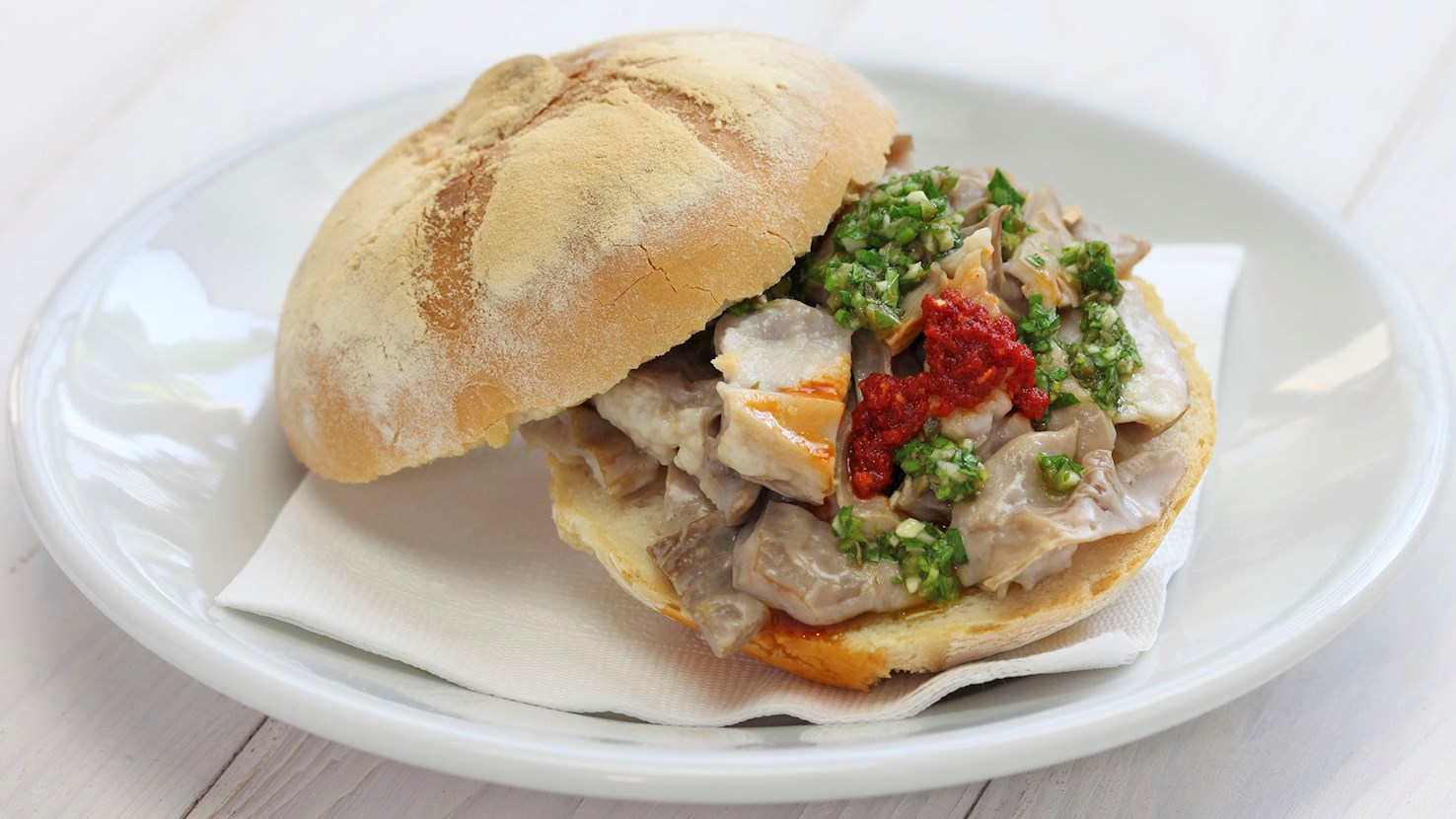
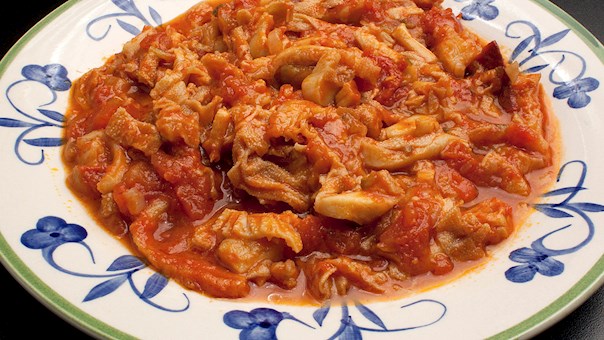
Often said to be as old as the Palazzo Vecchio and as loved as Dante's poetry, lampredotto is Florence's favorite street food and a delicacy not found anywhere else in the world. Prepared for centuries as a quick, cheap and easy meal, lampredotto is basically the fourth stomach of a cow (the abomasum), boiled until tender in an aromatic onion, celery, and tomato broth. This tripe-like dish is prepared as a flavorful, hearty stew that's traditionally used for panini di lampredotto - bread roll sandwiches filled with steaming hot, sliced lampredotto, topped with a spoonful of Italian salsa verde herb sauce. A true classic of Florentine street food scene, lampredotto is sold throughout the city at numerous sidewalk stands, public markets, as well as in paninotecas and bistros.

04

Crostini

3.9 ·

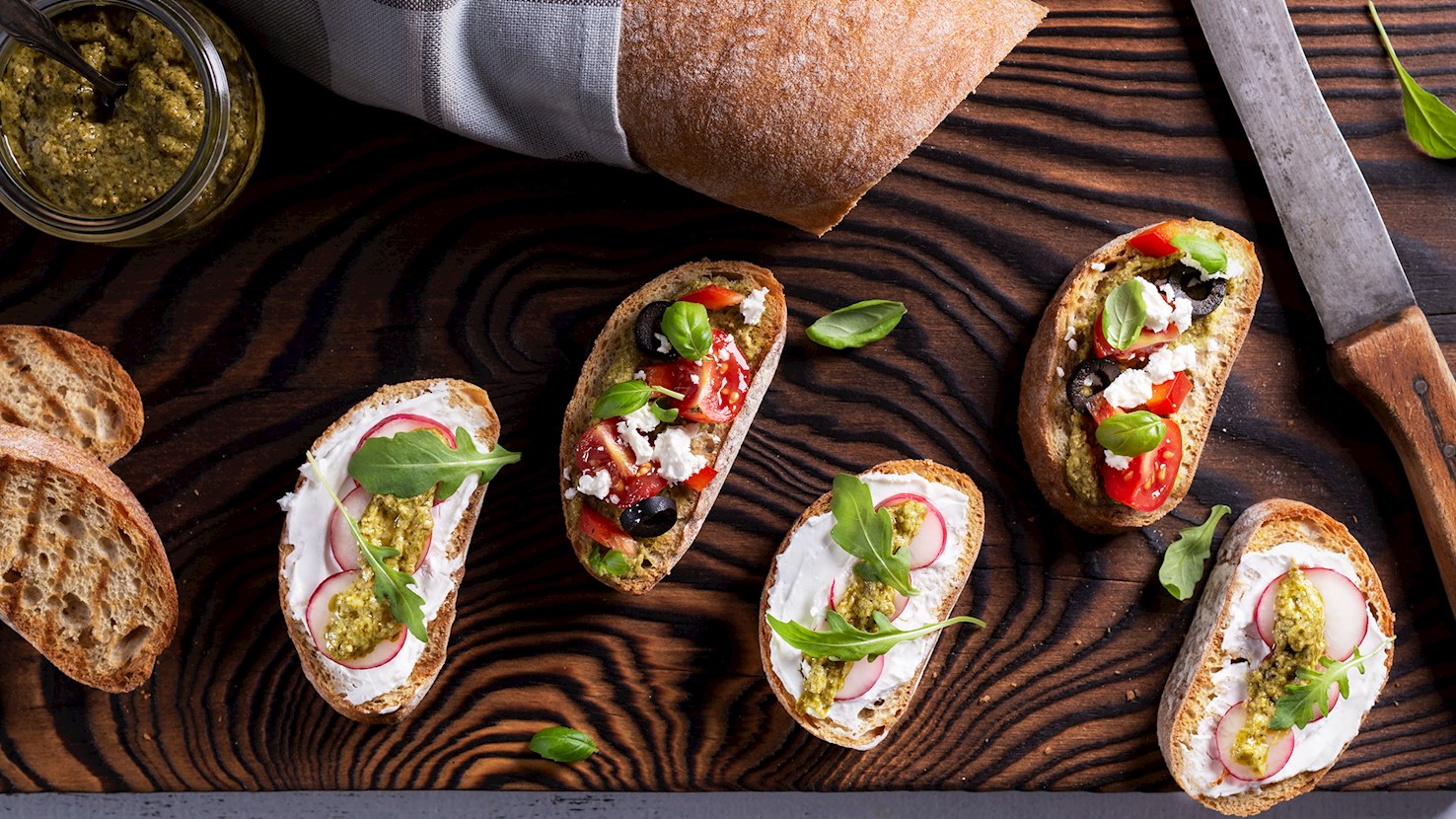
Crostini are a group of Italian appetizers consisting of small pieces of toasted or grilled bread topped with a variety of flavorful toppings. Crostini are believed to have originated during the Middle Ages, when poor Italian peasants used to eat their food off of bread instead of plates. The bread was often stale, so it had to be soaked in a liquid such as wine to make it edible. Today, crostini are topped with virtually anything from olive oil, fresh herbs, and garlic to cheeses, olives, spinach, and tomatoes. They can be served as bar snacks, appetizers, or in soups, and in some cases, crostini can be served as a side dish with steak tartare.

05

Crostini Toscani

3.9 ·

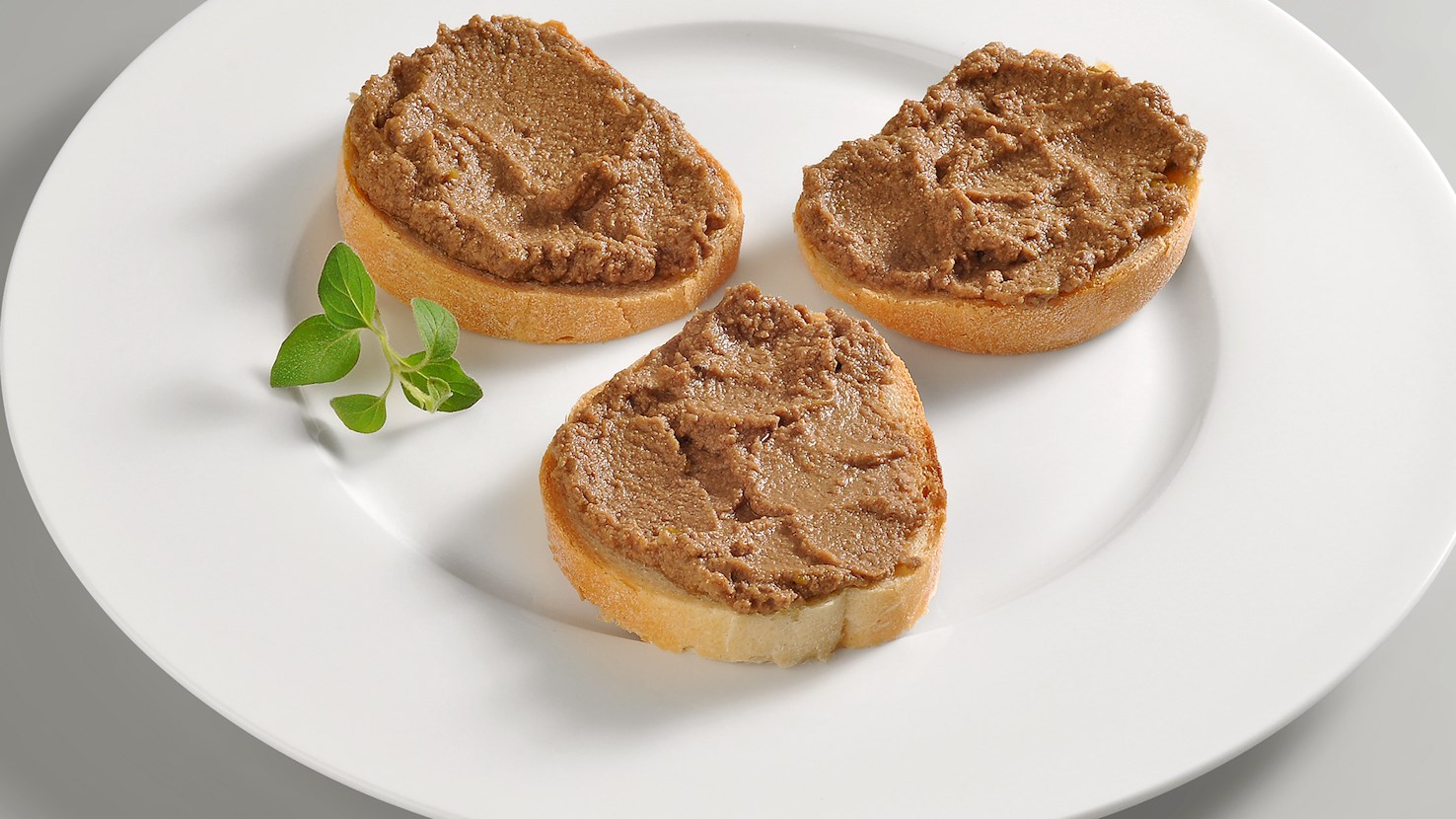
Crostini Toscani is a classic Tuscan antipasto: toasted slices of hearty bread topped with creamy chicken liver pâté. Also known as crostini di fegatini and crostini neri or black crostini, these delicious bites were once made with stale bread that was dipped in broth in order to soften before being smeared with liver paste. Every Tuscan household has its spin on this addictive antipasto, but the main protagonist is always the chicken liver, simmered with onions, carrots, celery, broth, and flavorings such as salted anchovies, capers, sweet Vin Santo, or Marsala wine. Paired with Tuscan red wines such as Chianti Castaldo of Carpineto, these mouth-watering little slices are an inevitable part of a classic Tuscan antipasto platter.

06

Pappa al pomodoro

3.8 ·

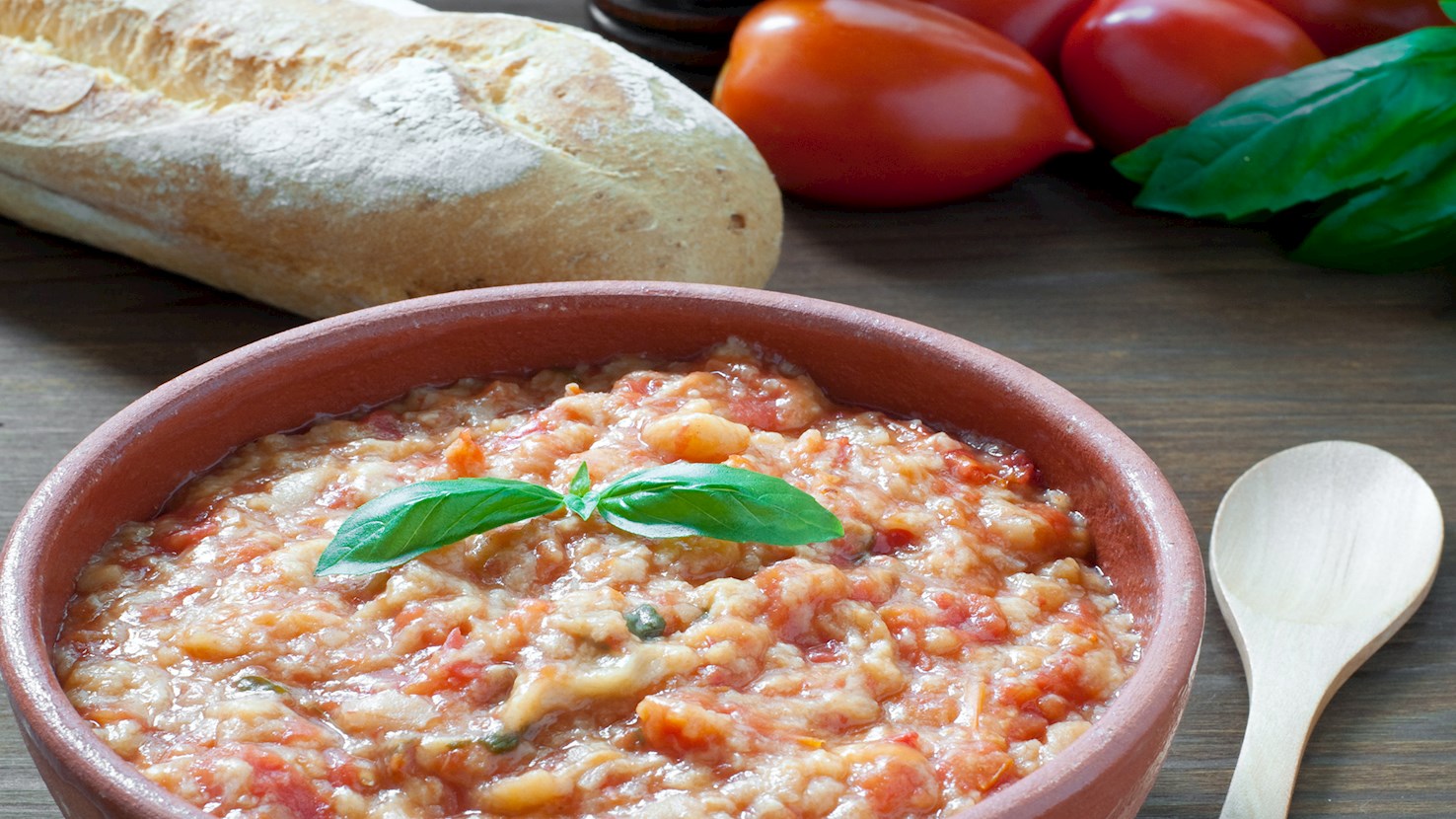
Pappa al pomodoro is a thick Tuscan soup consisting of fresh tomatoes, bread, olive oil, basil, and garlic. The soup can be served warm or chilled. For the authentic version, only costoluto fiorentino tomatoes and pane toscano bread should be used in the dish. Although it has ancient origins, pappa al pomodoro was first popularized in 1911 by the publication of Il Giornalino di Gian Burrasca.

07

Gelato al pistacchio

4.4 ·

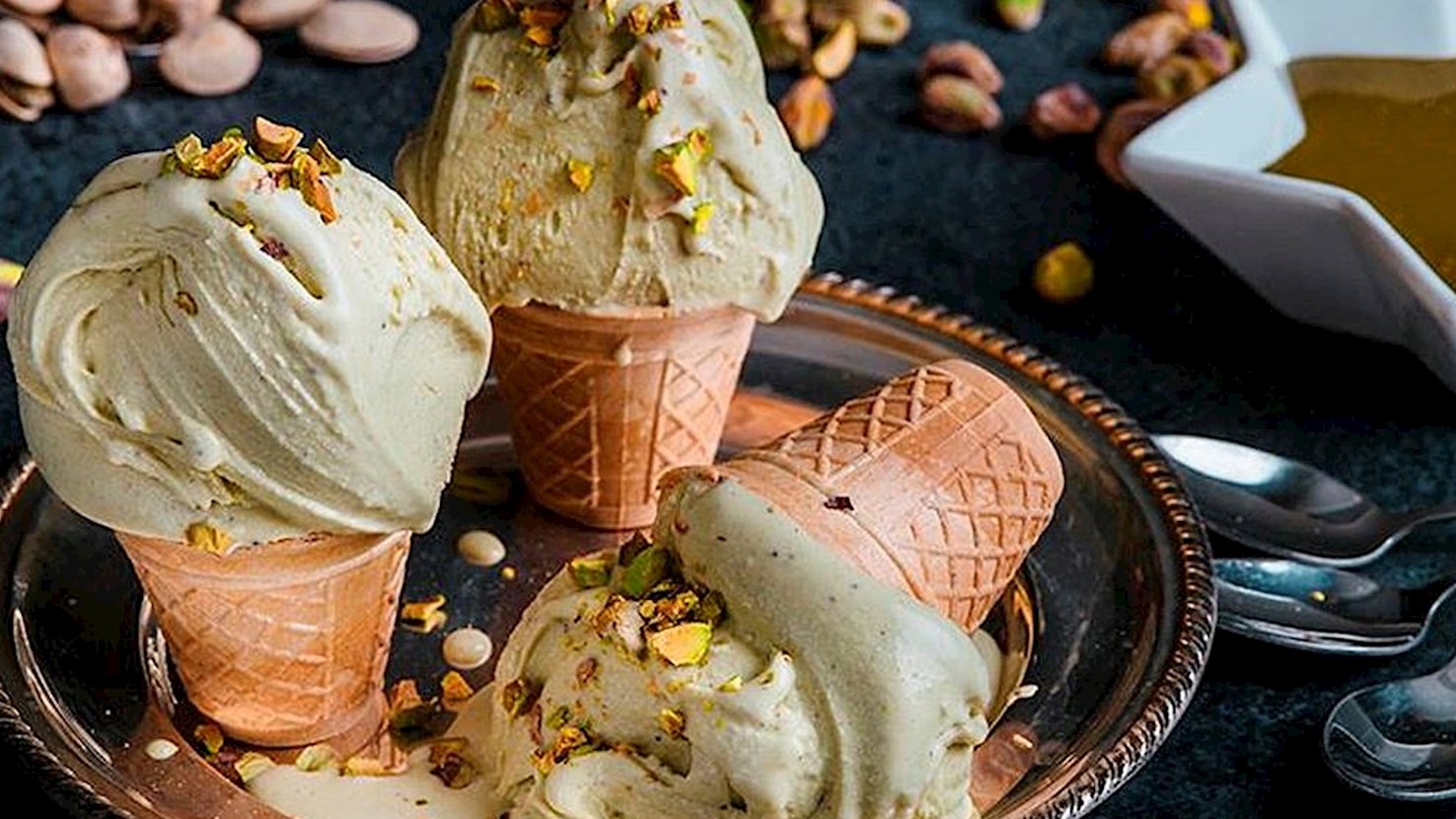
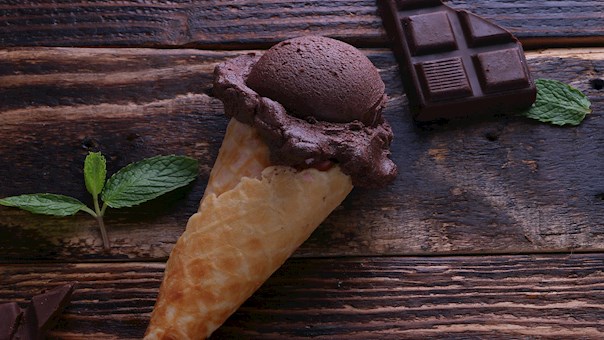
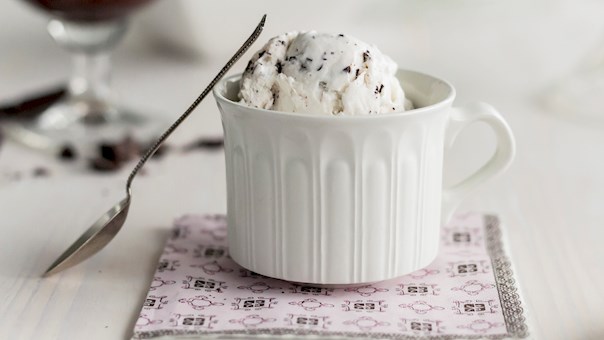
Pistachio is one of the most popular flavors of Italian gelato. A mainstay in every gelateria, in its original form, this frozen treat combines pistachio paste with the classic base of milk, cream, eggs, and sugar. Occasionally, crushed and toasted pistachios can be added, but the basic texture should always remain dense and creamy. Due to the high prices of pistachios and pistachio paste, many gelaterias nowadays opt for cheaper replacements, but the best pistachio is considered to be the grown in a small Sicilian town of Bronte.

08

Pappardelle al cinghiale

4.5 ·

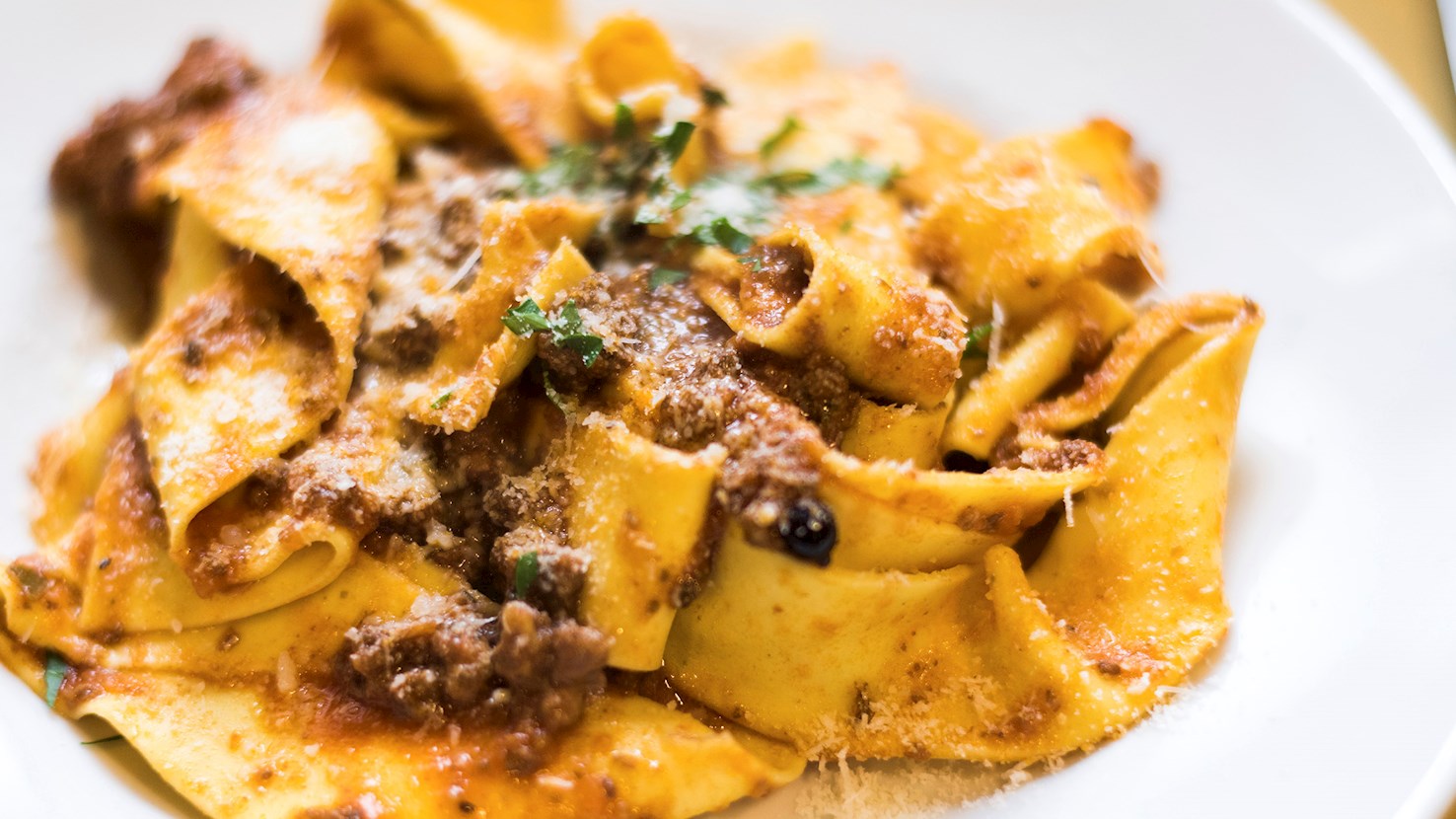
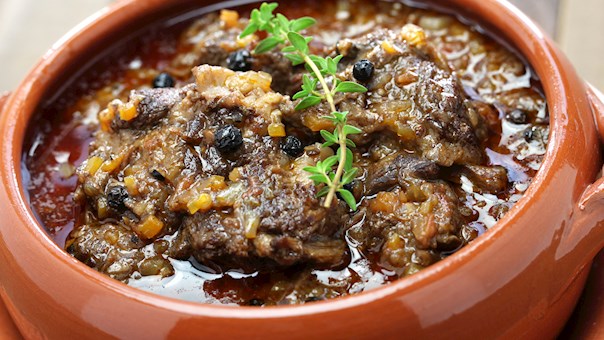
Pappardelle is a famous Tuscan pasta variety. When paired with ragù di cinghiale (made with wild boar), they become one of the region's best gastronomic experiences. Unlike classic ragù, the one prepared with wild boar has an intense, much stronger flavor achieved by long, slow simmering in a rich sauce of tomatoes and red wine. The tender meat paired with fresh egg pasta is a combination full of flavors and tradition in every single bite - rich and delicious, topped with a generous amount of chopped fresh parsley and a sprinkle of Parmigiano, pappardelle al ragù di cinghiale make a perfect, comforting winter dish, especially when paired with a glass of Tuscan red wine.

09

Tiramisù

4.3 ·

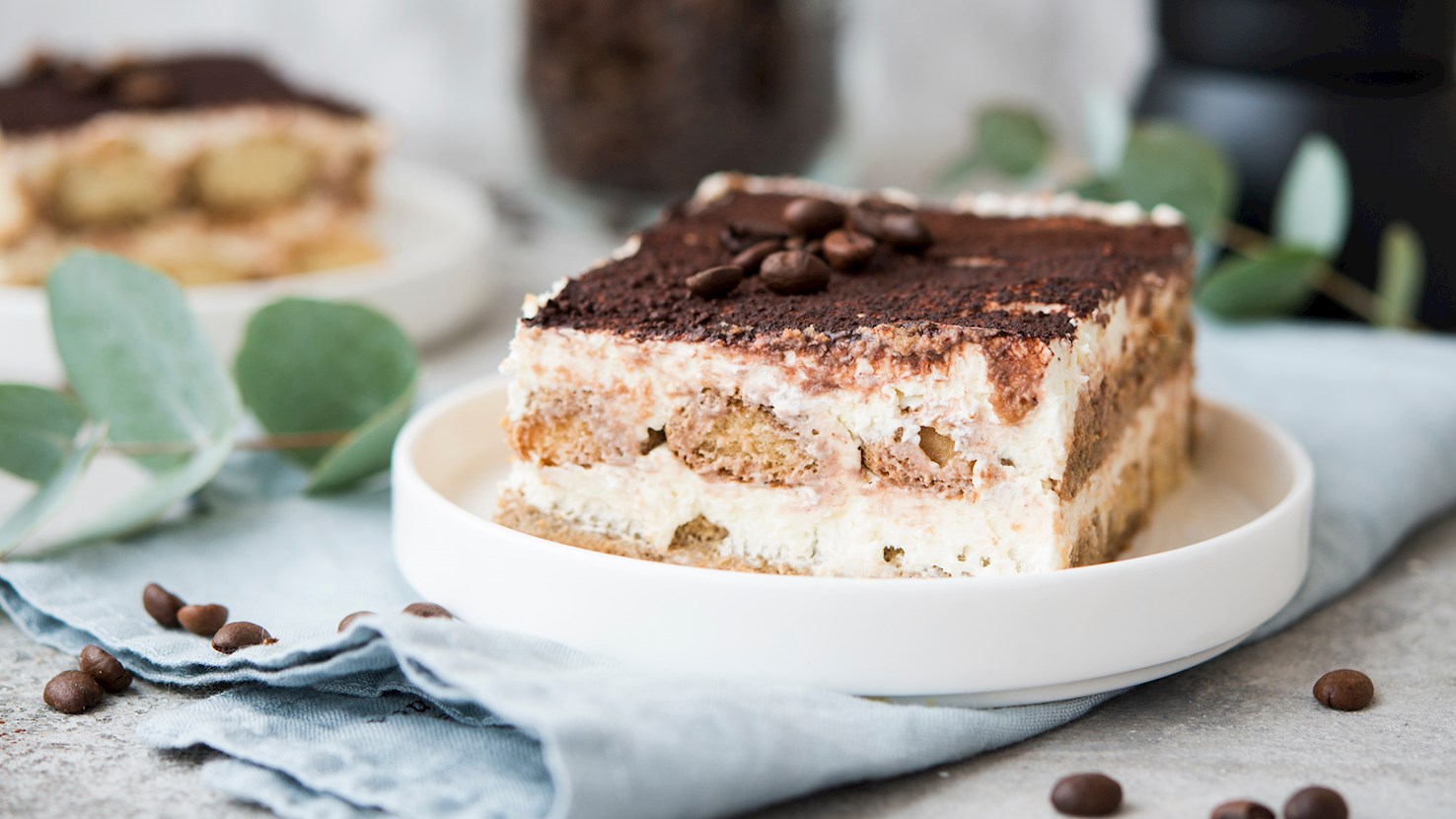
Even though tiramisù is actually a fairly recent invention, this dessert of coffee-soaked ladyfingers layered with mascarpone cream enjoys an iconic status among Italian desserts. Its name stems from the phrase tirami sù, an Italian expression which literally means pick me up, a reference to the uplifting effects of sugar, liquor, and coffee. The origins of tiramisù are heavily disputed between Veneto and Friuli-Venezia Giulia regions, but it is often suggested that the first was made in Veneto in the early 1960s. The earliest documented recipe for tiramisù (interestingly, without alcohol!) was printed in the 1981 spring edition of Vin Veneto magazine in an article on coffee-based desserts by Giuseppe Maffioli, a renowned food critic and member of the Italian Academy of Cuisine. However, in August 2017, Friuli-Venezia Giulia's tiramisu was officially added to the list of traditional regional dishes, but a Veneto local won the Tiramisu World Cup in November 2017, so the playing field is somewhat levelled once again. Regardless of these disputes, the perfect tiramisù should always deliver a serious caffeine kick from a shot of strong espresso, while brandy-fortified Marsala wine adds a nice sweet buzz. In 2021, Ado Campeol, the owner of the restaurant where tiramisù is widely thought to have been invented, has died.

10

Bomboloni

4.2 ·

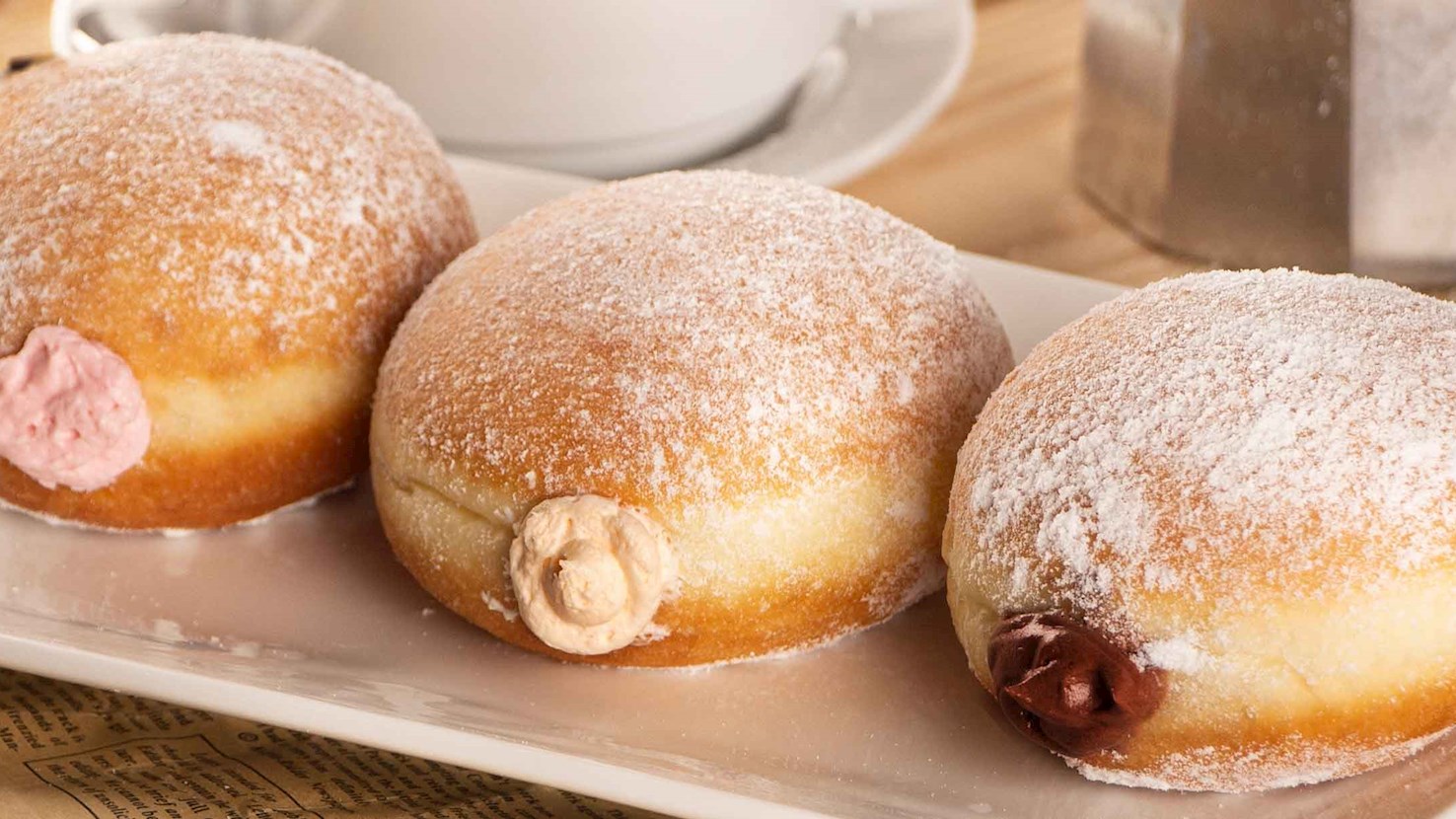
Italian deep-fried doughnuts known as bomboloni are one of the traditional sweets of the Carnival season, but nowadays they can be prepared throughout the year. Even though bomboloni are said to be of Tuscan origin, they are commonly sold as a snack in numerous pasticcerias, bakeries, and coffee shops throughout the country. However, in Tuscany and further to the north of Italy, bomboloni are simply sugar-coated, while in Lazio these delectable treats take on a more decadent appearance, as biting into their sugary crust reveals a silky cream on the inside. The so-called bombolone Laziale is typically filled with either classic custard cream called crema pasticcera, or sometimes even chocolate cream. Pillow-soft, airy, and amazingly light, the delicious bomboloni are best enjoyed while they're still warm, regardless of the preferred variety.

About this ranking

TasteAtlas food rankings are based on the ratings of the TasteAtlas audience, with a series of mechanisms that recognize real users and that ignore bot, nationalist or local patriotic ratings, and give additional value to the ratings of users that the system recognizes as knowledgeable. For the “80 Traditional Foods You Have To Try in Florence” list until June 17, 2026, 641 ratings were recorded, of which 467 were recognized by the system as legitimate. TasteAtlas Rankings should not be seen as the final global conclusion about food. Their purpose is to promote excellent local foods, instill pride in traditional dishes, and arouse curiosity about dishes you haven’t tried.

Similar lists