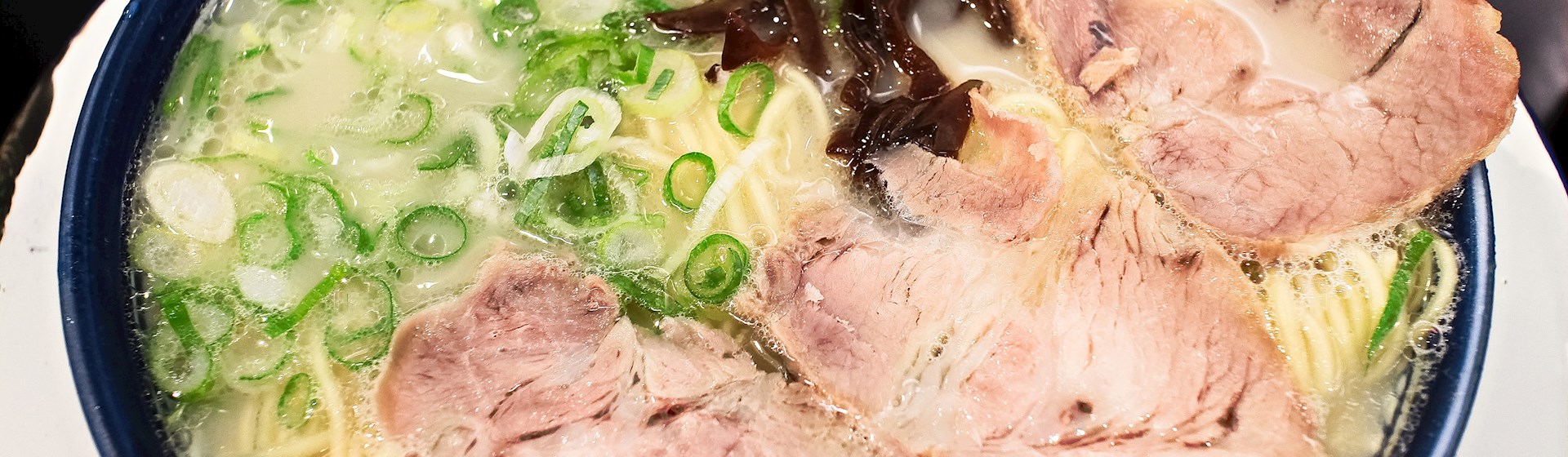
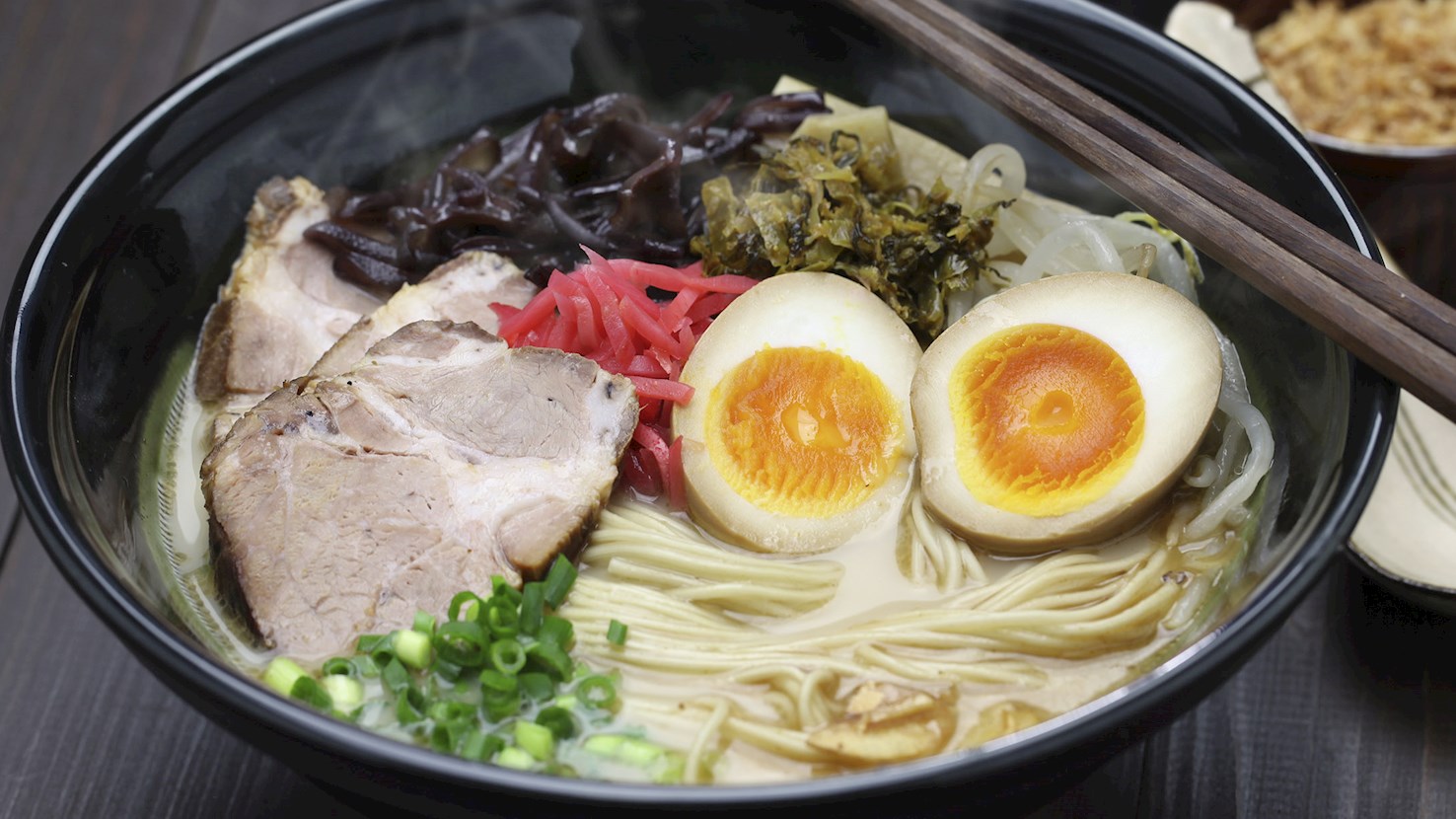
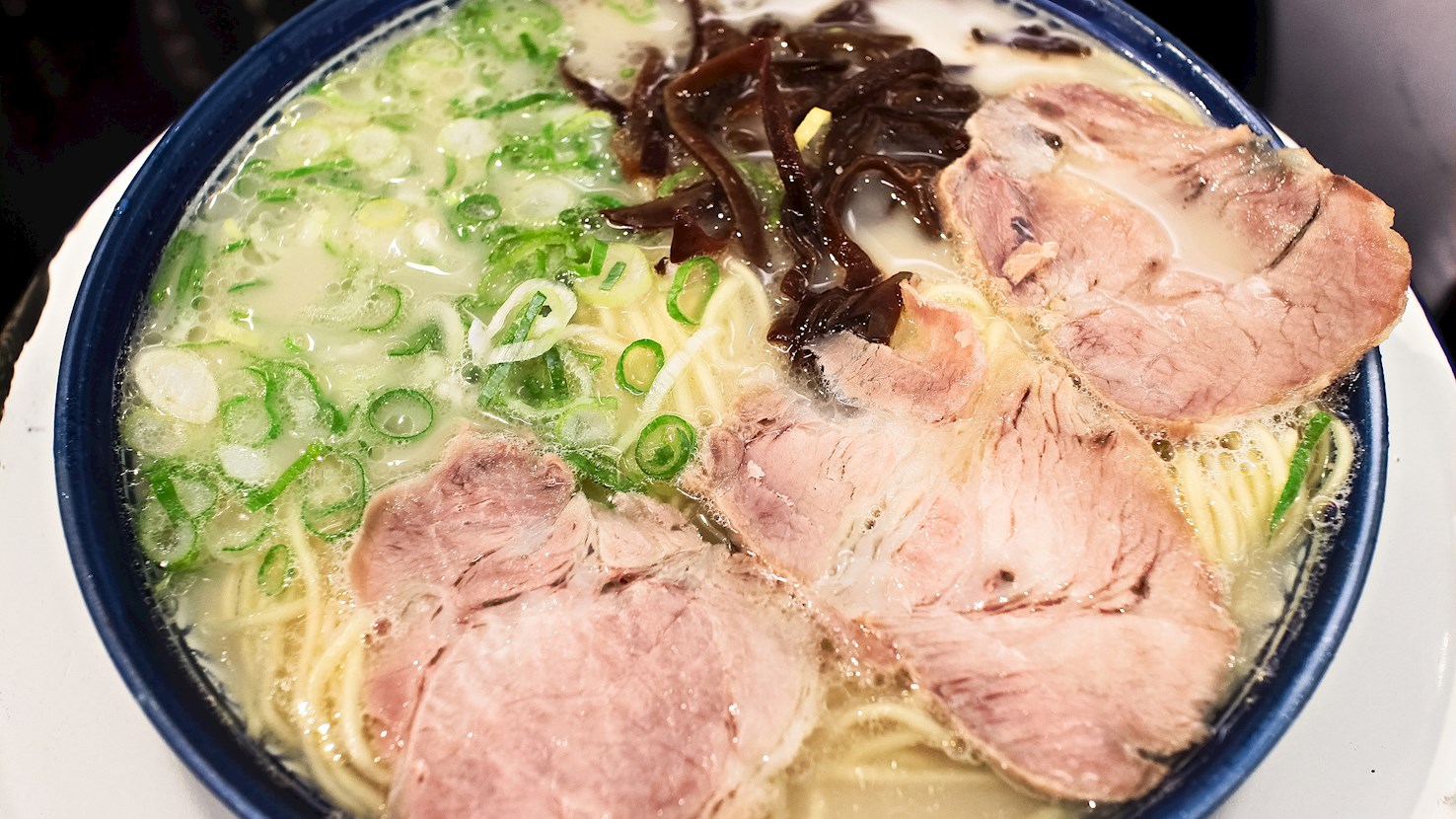
Tonkotsu is a unique style of ramen consisting of an extremely rich, fatty pork broth, fresh noodles, soft-yolk eggs, and tender pork belly that melts in the mouth. It is so popular and special that it could be a dish of its own, not just a ramen style. The ramen is usually topped with scallions for brightness and vibrancy, bamboo shoots for a crunchy, nutty flavor, nori seaweed for crispness, and sweet corn for an even better flavor. The rich broth is developed by cooking the pork bones for a very long time, until the collagen and fat dissolve, resulting in a unique, creamy texture of the dish. In recent years, it has been quite trendy to add some mayu (burnt sesame or garlic oil) to the dish, giving it an even richer, bolder flavor.
Hailing from Fukuoka, hakata is one of the most famous ramen variety in Japan. The base of the ramen is tonkotsu (which is why it is sometimes, especially in Fukoaka, refered to as tonkotsu ramen, although there are various other regional varieties of tonkotsu ramen), the creamy pork bone broth which gives the dish its incredibly rich and layered taste. It is often only seasoned with shio (salt), and occasionally with shoyu (soy sauce) and miso (fermented soybean) paste. Hakata ramen is typically served with ultra-thin, straight, and firm wheat noodles, though it’s possible to choose the firmness of the noodles according to individual preferences. Although thin slices of chashu pork and chopped green onions are the most common, other typical additions to the broth include spicy mustard greens, ramen eggs, wood ear mushrooms, beni shōga (pickled ginger root), garlic, bean sprouts, mayu, and crushed sesame seeds. This ramen variety derives its name from the former port city and merchant quarter of Hakata, which, in 1889, was merged with the castle town of Fukuoka into one city that came to be known as Fukuoka city.
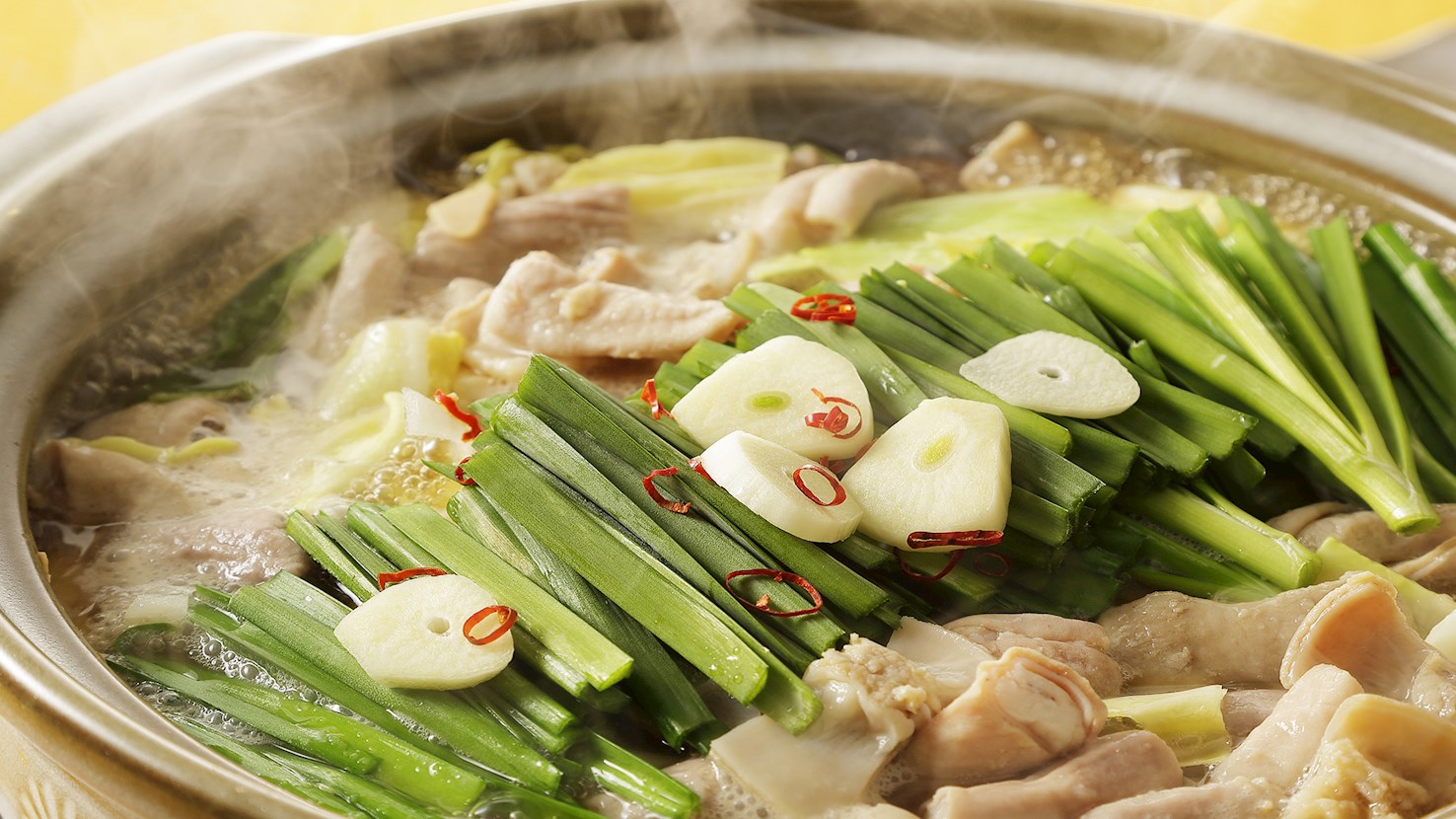
Motsunabe is a variety of nabemono, the versatile and hearty Japanese one-pot dishes. It consists of various pork, chicken, or beef offal cooked in the flavorful soy sauce or miso broth alongside cabbage, garlic chives, and occasionally other ingredients. This nutritious dish is believed to have originated in Hakata, a district in the city of Fukuoka, from where it spread to other parts of the country to become one of the favorite meals enjoyed during the cold winter season.
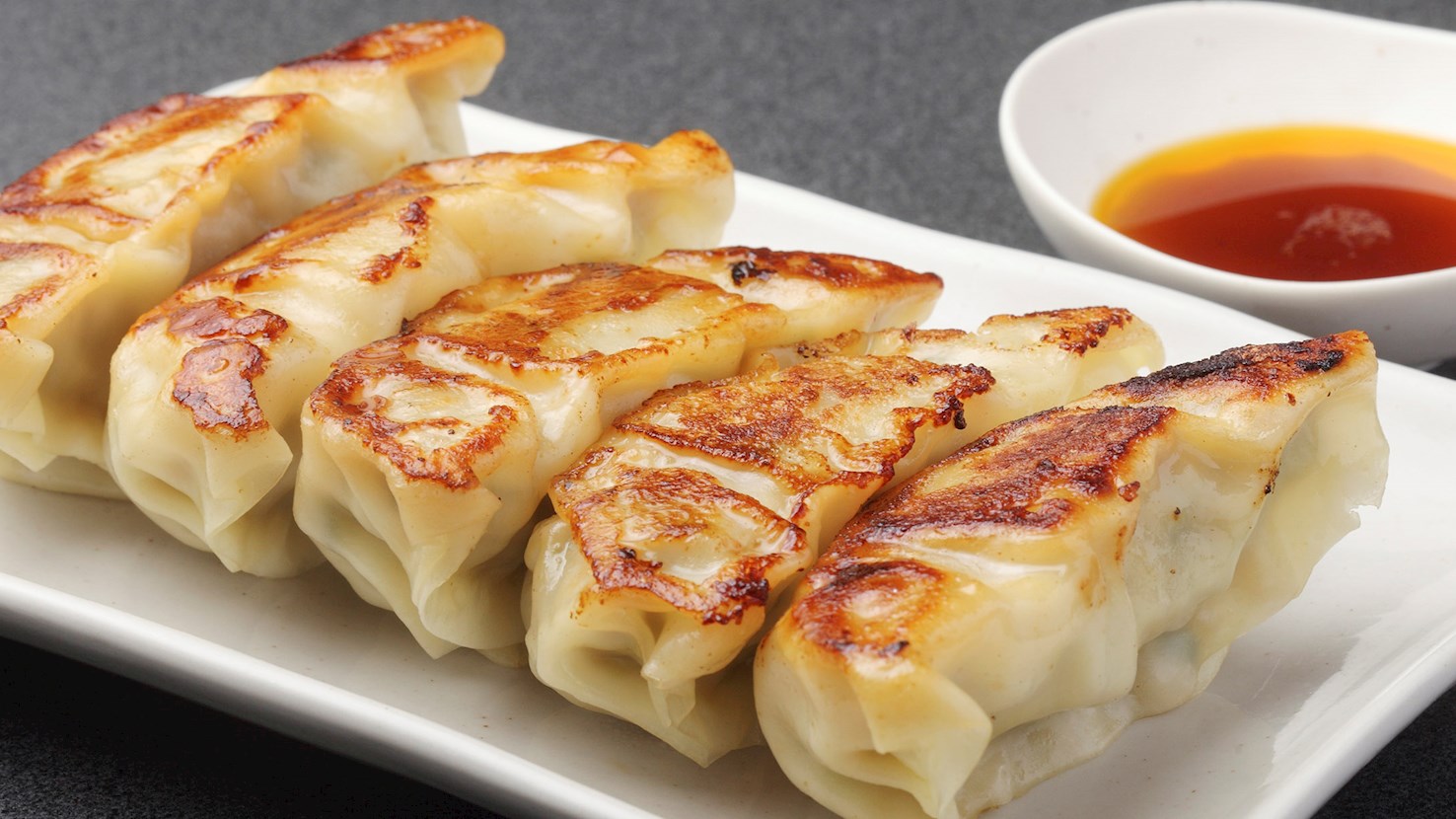
The famous Japanese gyoza are crescent-shaped dumplings that have originated from the traditional Chinese jiaozi dumplings. The recipe was slightly altered to accommodate the Japanese taste, and gyoza soon became one of the favorite Japanese meals. They consist of a thin wrapper made with wheat flour, eggs, and water, which is then stuffed with a mixture of meat and vegetables. The ingredients used in the stuffing are regionally influenced, but most commonly include minced pork or chicken, cabbage, chives, a substantial amount of garlic, ginger, and green onions. They are traditionally prepared in three different ways. The most famous are pan-fried gyoza, which are fried and then shortly steamed. Other types include boiled gyoza, usually served in broth, and the less common deep-fried variety. Traditionally, these scrumptious dumplings are served with a dipping sauce on the side, usually made with rice vinegar, soy sauce, and sesame oil. Since the 1940s, gyoza have been slowly making their progress to become one of the staple foods in Japan, commonly consumed everywhere in the country. They can be found on the menus of traditional Japanese restaurants and bought at specialized gyoza shops. In restaurants, they are usually offered as a starter, most commonly enjoyed as a snack, followed by a glass of cold beer or traditional sake. Also, although it is not a side dish per se, gyoza dumplings often accompany ramen.
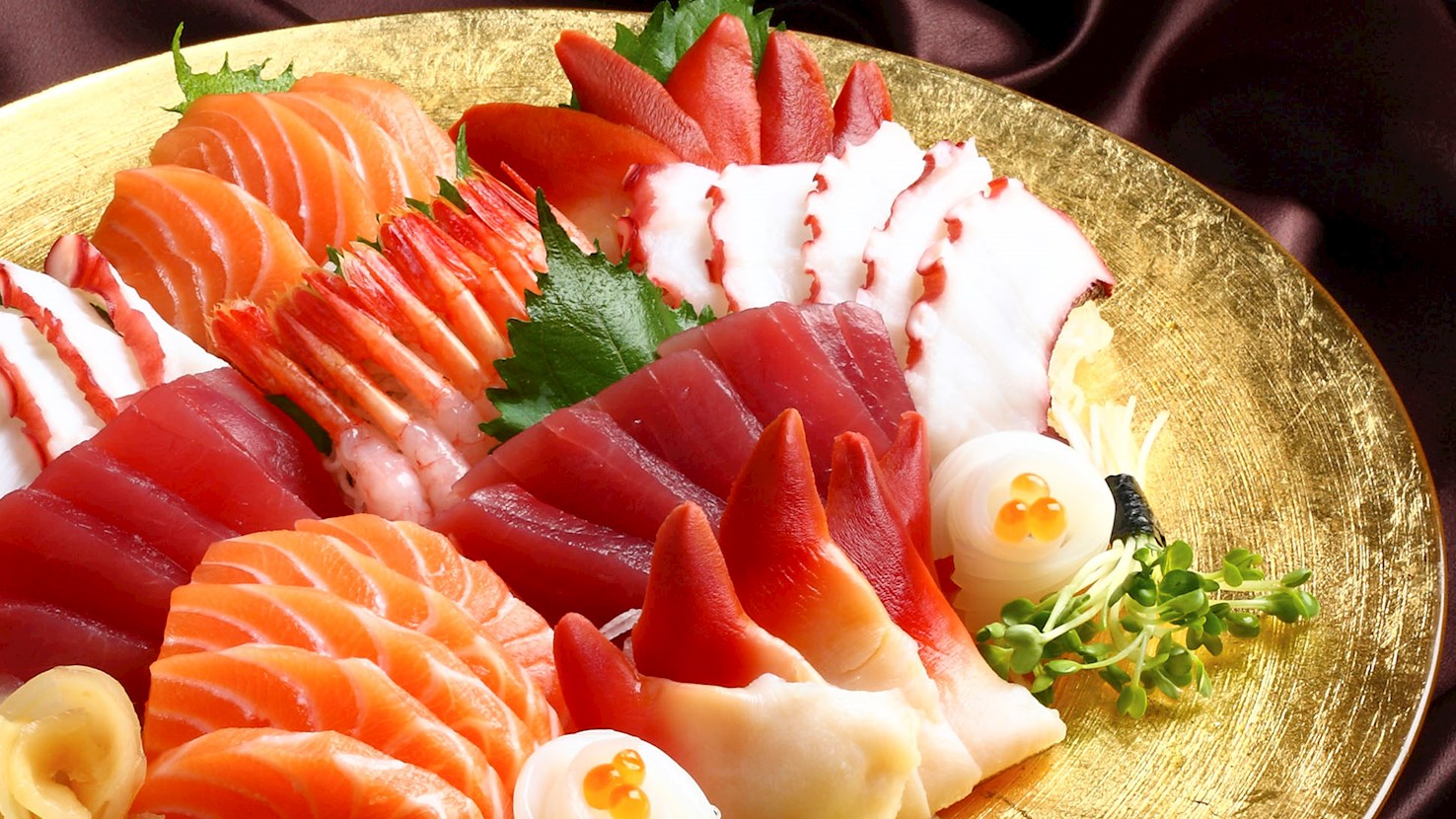
Sashimi is a culinary preparation consisting of fresh, raw seafood or meat sliced into precise, bite-sized pieces and served without heat. Historical records trace the origins of eating raw sliced fish to the Muromachi period, between 1336 and 1573, when people began consuming it with a mixture of vinegar and salt. The term itself translates to "pierced body" and originates from the words "sashi," meaning "pierced,," and "mi," meaning "body." Historians attribute this specific terminology to two distinct practices of the era. Fishmongers often pierced the severed head and tail of the fish, then attached them to the fillets to help buyers identify the species. Additionally, the samurai class dominated the social hierarchy at the time, and the word "kiru," meaning to cut, carried strict associations with swords and combat. People adopted the word "sashi" to politely avoid referencing violence at the dining table. A chef slicing the seafood uses a long, single-edged knife called a yanagiba to execute continuous, fluid strokes. Pulling the blade through the flesh in one motion cleanly severs the muscle fibers. A clean cut prevents the cellular structure from being crushed, which helps maintain a firm texture and traps natural moisture inside the meat. Different fish species require different geometric cuts. Hira-zukuri is a thick, rectangular cut used for firm fish such as bluefin tuna or salmon. Usu-zukuri is a paper-thin, diagonal slice used for white fish like flounder, making the flesh translucent enough to see the plate beneath. Ito-zukuri turns softer ingredients like squid into fine, thread-like strips. Bluefin tuna, known as maguro, offers a deep ruby color and a graduated fat content depending on the cut. Yellowtail, or hamachi, provides a buttery, rich bite, while sea bream offers a leaner, snappier texture. A serving arrives with a shallow dish of soy sauce for dipping. A small portion of grated green wasabi root frequently accompanies the slices, adding a sharp, volatile heat that clears the palate. Grated ginger typically replaces wasabi when serving oily, strong-tasting fish like mackerel or sardines. Shredded white daikon radish and serrated green shiso leaves rest beneath the slices, providing an herbaceous contrast and an edible palate cleanser between different types of seafood. The entire process relies entirely on the pristine quality of the raw catch and the absolute precision of the knife work.
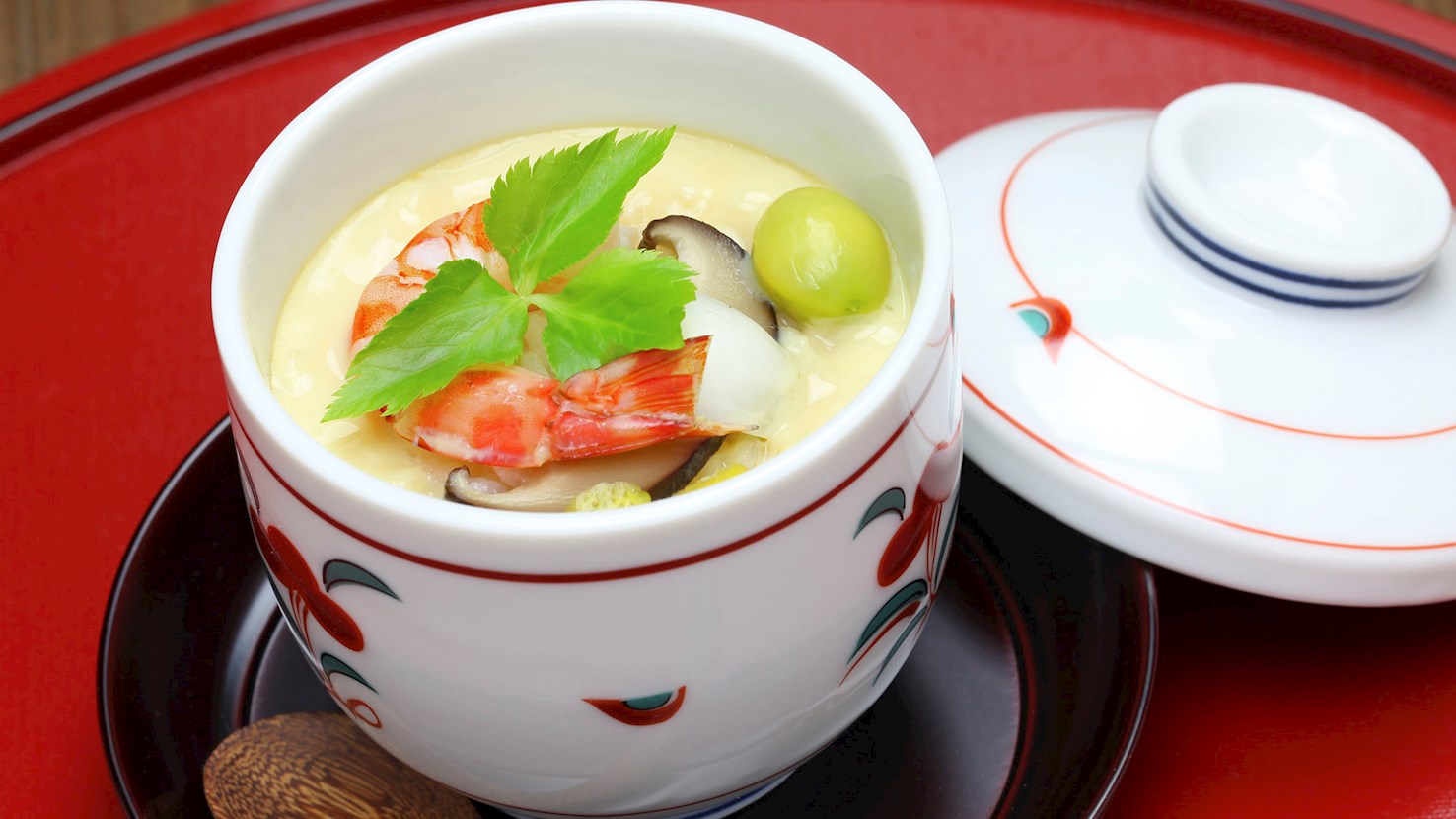
Chawanmushi is a delicate custard-soup, its name meaning steamed in a tea cup. Each portion of the dish is ideally served in a small, lidded cup, either as an appetizer or as a part of a bigger meal. The custard usually consists of an egg mixture that can be flavored with numerous ingredients such as dashi (Japanese stock), soy sauce, mushrooms, tofu, ginko nut, or steamed shrimp. It is believed that the dish originated in Kyoto and Osaka during the Kansei period, later spreading to Edo and Nagasaki. Chawanmushi can be served hot, warm, or cold, and can be garnished with carrot shavings, Japanese parsley, or even more seafood. Since it cannot be eaten with chopsticks, it is one of the few Japanese dishes that are traditionally consumed with a spoon.
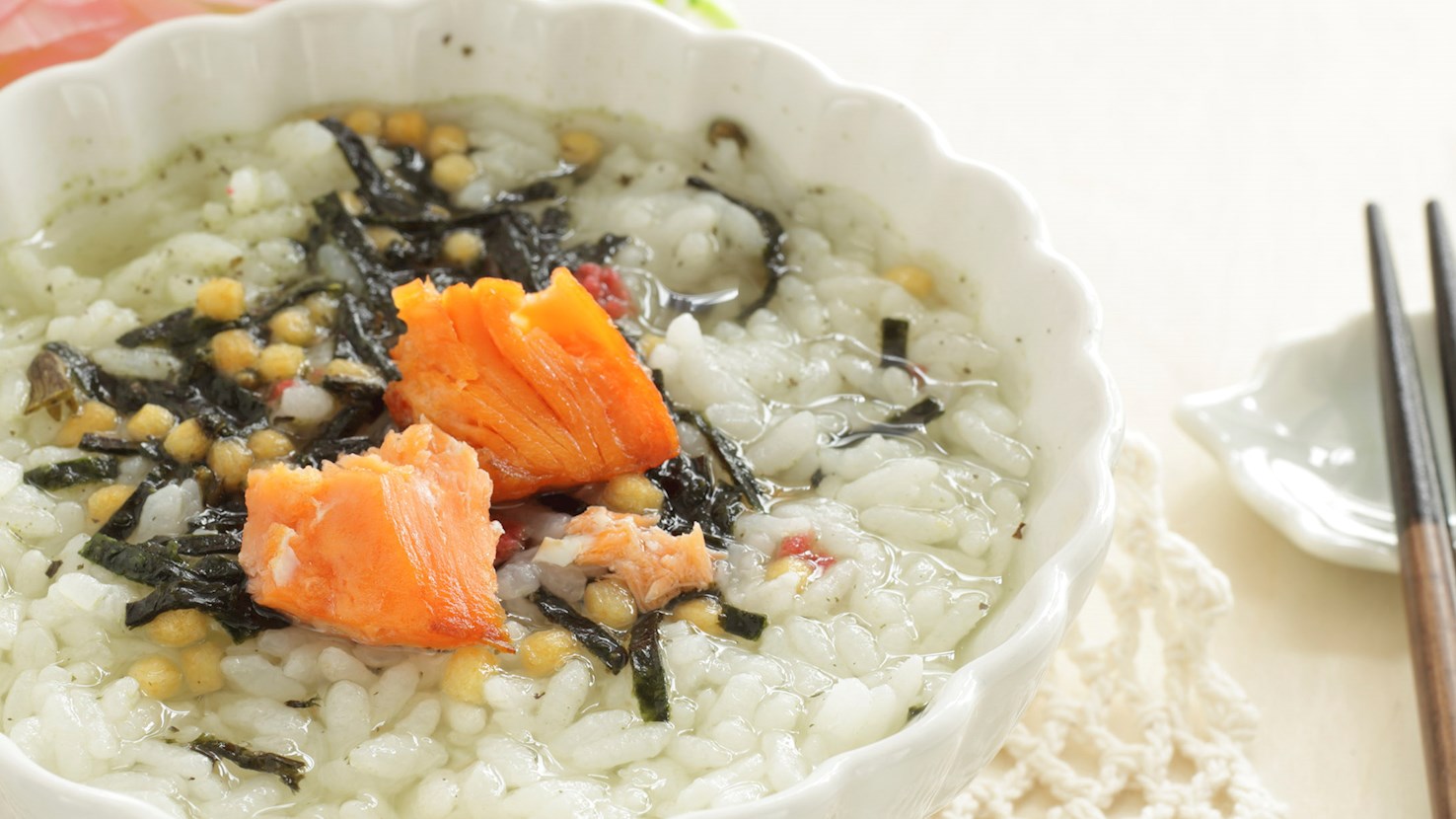
Originating from the middle Edo era, when green tea and bancha rose in popularity, chazuke is a simple dish made by pouring hot green tea over rice and numerous toppings. The usual toppings include a variety of pickled vegetables and seaweed. In some places, salmon, bonito, or grilled eel are used as toppings, the grilled eel topping version being a specialty of Shizuoka prefecture. Chazuke is consumed at any time of day in Japan, be it for breakfast, lunch, or dinner. It is considered the ultimate comfort food that is easy to prepare. Chazuke is so popular that instant chazuke packs became available in Japanese stores since the 1970s, consisting of freeze-dried toppings and various seasonings for the dish. In restaurants, chazuke is usually served at the end, and ordering the dish also acts as a signal that you're ready to go home.
TasteAtlas food rankings are based on the ratings of the TasteAtlas audience, with a series of mechanisms that recognize real users and that ignore bot,
nationalist or local patriotic ratings, and give additional value to the ratings of users that the system recognizes as knowledgeable.
For the “7 Traditional Foods You Have To Try in Fukuoka” list until September 17, 2026, 971 ratings were recorded, of which 783 were recognized by the system as legitimate.
TasteAtlas Rankings should not be seen as the final global conclusion about food. Their purpose is to promote excellent local foods,
instill pride in traditional dishes, and arouse curiosity about dishes you haven’t tried.



What People Say