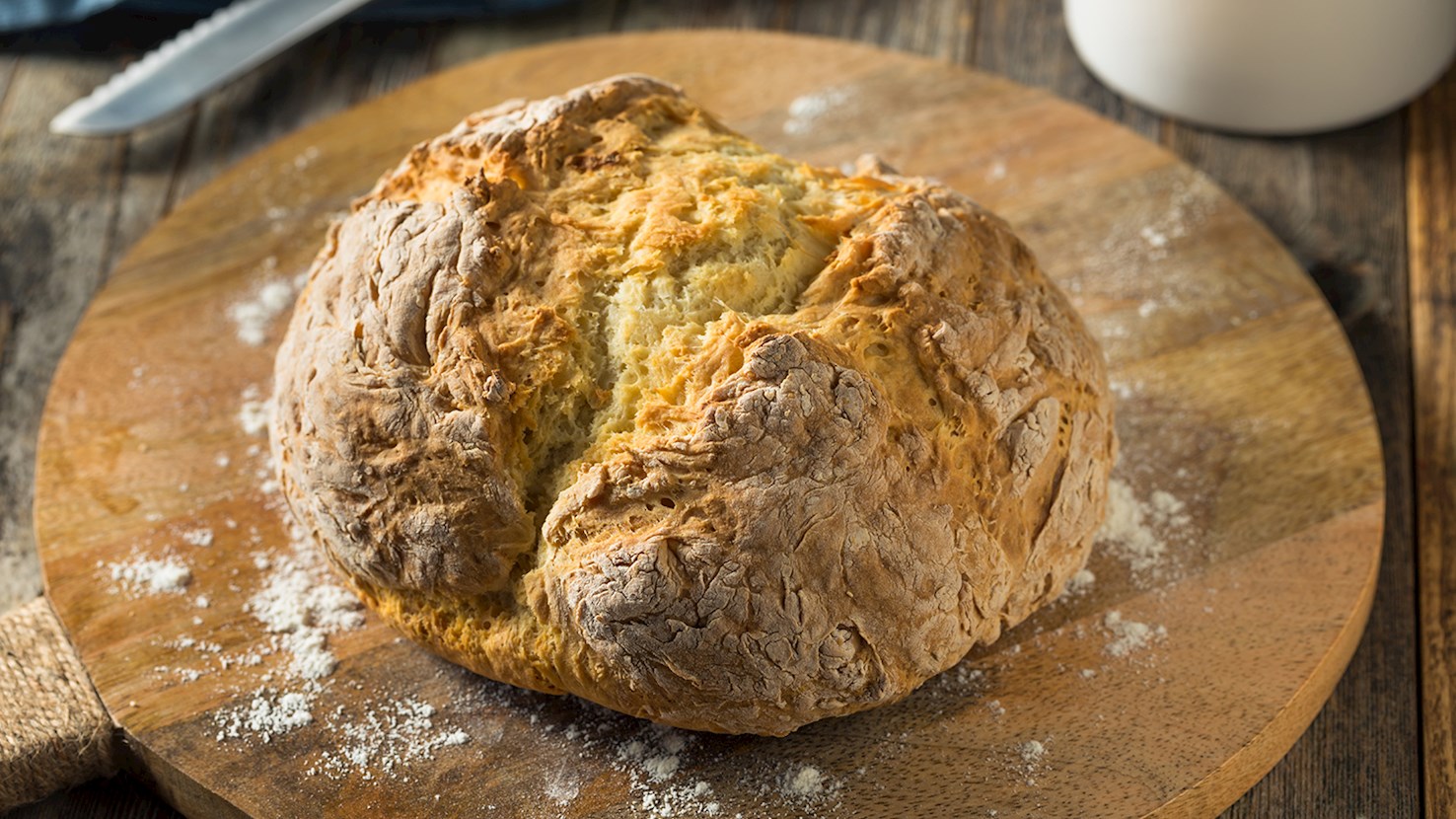
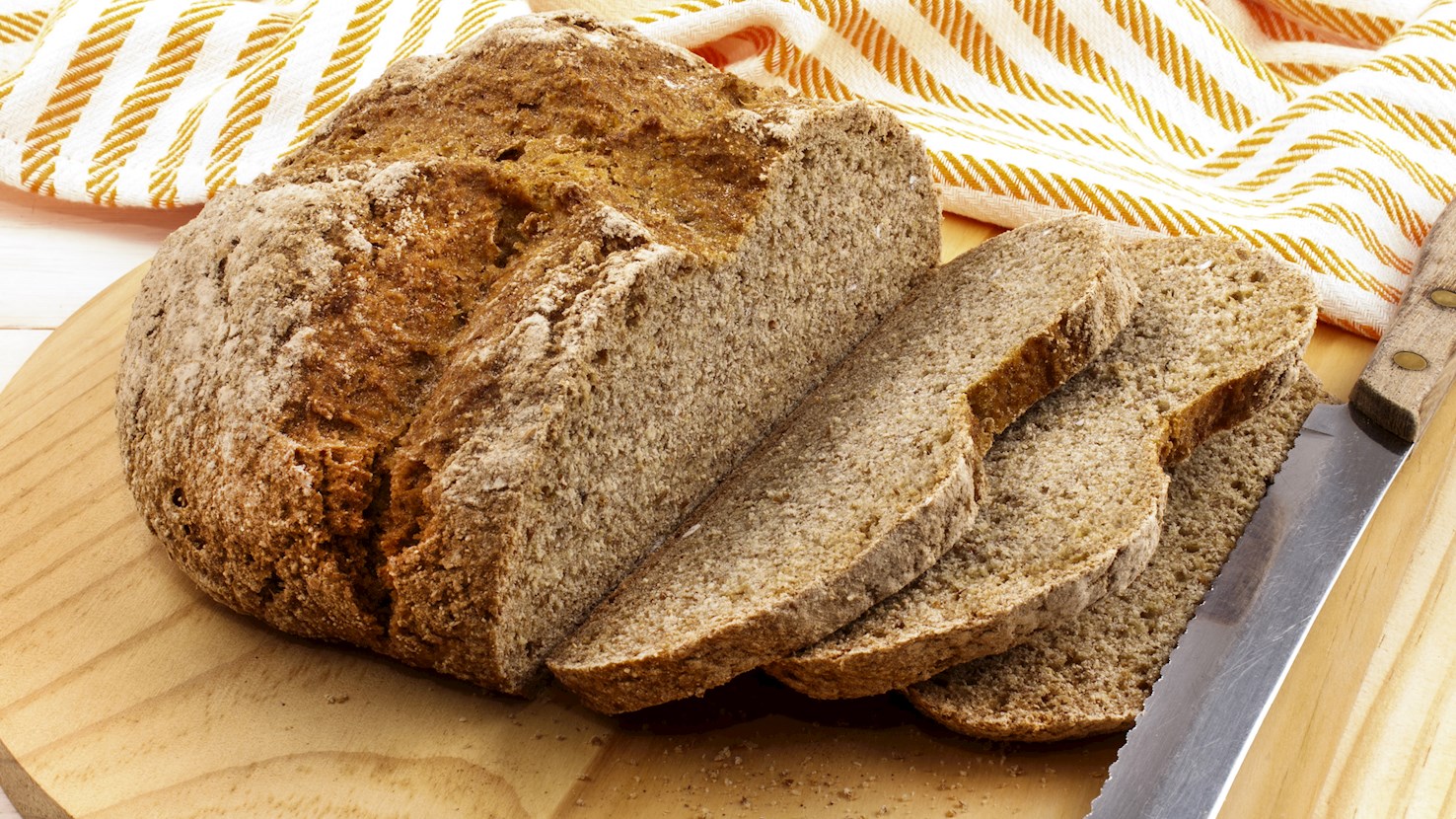
Irish brown bread is a staple loaf from Ireland, made with coarse wholemeal flour, baking soda, and buttermilk, giving it a dense texture and a distinctively nutty flavor. It grew out of the need for a hearty and inexpensive bread that could be baked quickly in rural households where yeast was not always accessible. Over time, it became closely associated with daily Irish meals, appearing at breakfast tables, in lunch baskets, and alongside stews and soups. The preparation is straightforward, relying on the natural reaction between baking soda and the acidity of buttermilk to give rise to the bread. Wholemeal flour provides most of the body, often mixed with some white flour to lighten the loaf, and salt balances the flavor. The dough is shaped into a round, scored with a cross on top, and baked until it forms a firm crust with a tender interior. Some families add small touches like a spoonful of molasses or treacle for sweetness, while others keep it plain and robust. What sets Irish brown bread apart from similar soda breads is the use of coarse wholemeal flour, which gives it a hearty bite and makes it more filling. Because of this, it has long been regarded as an everyday bread rather than a special-occasion one, and its rustic character reflects the practical nature of Irish home cooking. Today, it is eaten across Ireland in both homes and restaurants, often sliced thick and served with butter, smoked salmon, or cheeses, and it is just as common on the side of a bowl of seafood chowder or a plate of Irish stew. In cafés, it appears with soups and salads, while in hotels it is part of breakfast spreads alongside jams and marmalades.
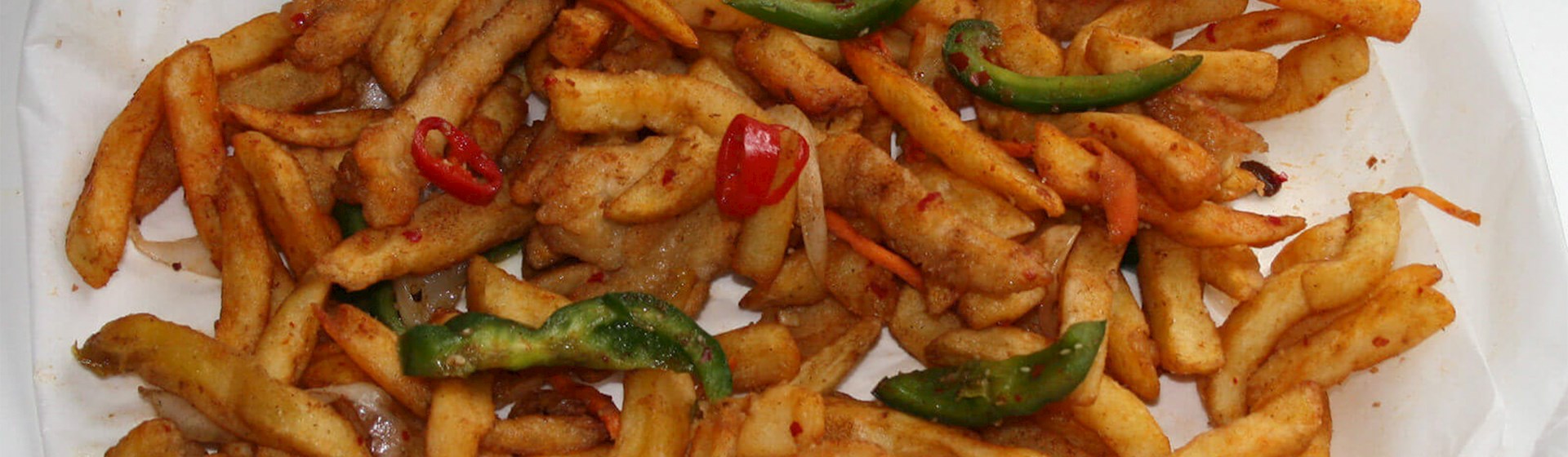
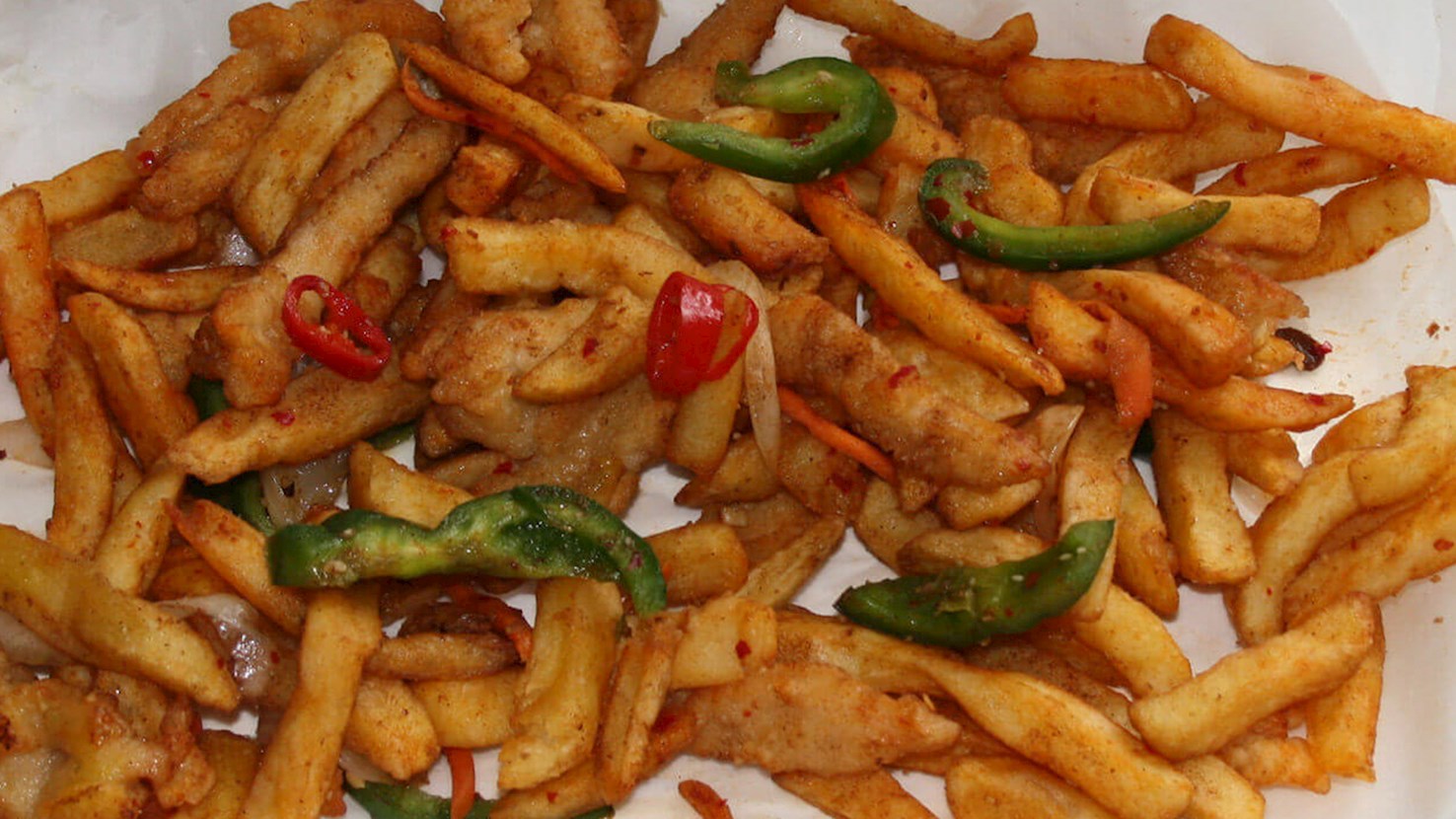
The spice bag is an Irish fast-food dish made with fried chicken, chips, vegetables, and a bold spice blend, usually served together in a paper bag. It originated in Dublin in the mid-2010s, introduced by Chinese takeaways that adapted their offerings to local tastes, quickly becoming a late-night favorite. Preparation involves deep-fried chicken, often shredded or cut into strips, mixed with thick-cut chips, stir-fried onions and peppers, and a dry mix of spices that usually includes chili, salt, garlic, and sometimes curry powder. What makes it stand out is the way the components are tossed together before being served in a bag, which not only gives the dish its name but also intensifies the flavors as the ingredients mingle. Over time, variations have appeared, with some versions including crispy prawns, extra vegetables, or different spice blends, showing its flexibility as a canvas for experimentation. Today, the spice bag is eaten across Ireland, found in Chinese takeaways, fast-food shops, and even gastropubs, most often enjoyed as a late-night meal, a weekend indulgence, or a casual comfort food. It pairs well with cold beer or a fizzy soft drink, underscoring its role as a social and satisfying dish that has secured a place in Ireland’s modern food culture.
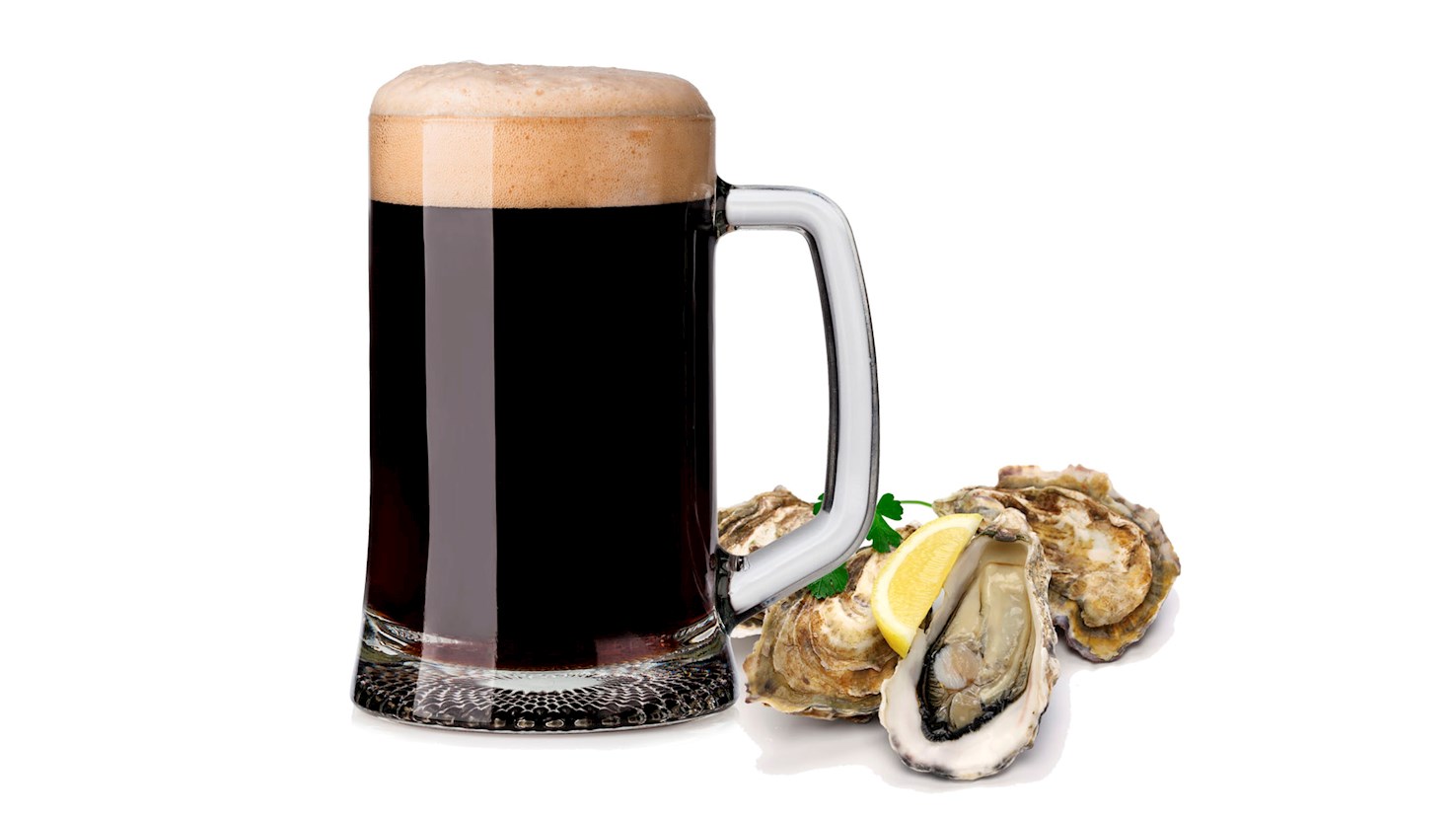
Stout and raw oysters form a pairing that is most closely associated with Ireland, where the dark, roasted flavors of the beer meet the briny freshness of the shellfish in a combination that has been enjoyed for centuries. The connection between the two is rooted in both geography and economy, as Ireland’s coastal waters provided ample oysters and the breweries of Dublin and beyond produced the stouts that became famous worldwide. In the nineteenth century, oysters were not considered a luxury but an affordable source of protein for working people, and they were frequently served in pubs alongside pints of stout. This natural companionship grew into a culinary tradition that spread far beyond the island. The preparation is straightforward, as the oysters are opened just before serving and enjoyed raw on the half shell, often with a squeeze of lemon though purists prefer them unadorned. The stout is poured fresh, its creamy head balancing the sharp salinity of the oysters. The contrast between the two is what makes the experience memorable: the beer’s roasted malt and slightly bitter edge rounds off the sea-salt bite, creating a balance that neither could achieve alone. Today, the pairing is still most often found in Ireland, particularly in coastal towns and cities, though it is also common in the UK and has been adopted in oyster bars and beer halls worldwide. It is eaten as an appetizer, a light meal, or part of a larger seafood feast, and the choice of stout can vary from classic dry Irish styles to modern craft interpretations. Other shellfish, breads, or even cheese are sometimes served alongside, but nothing quite rivals the clarity and reputation of oysters and stout together.
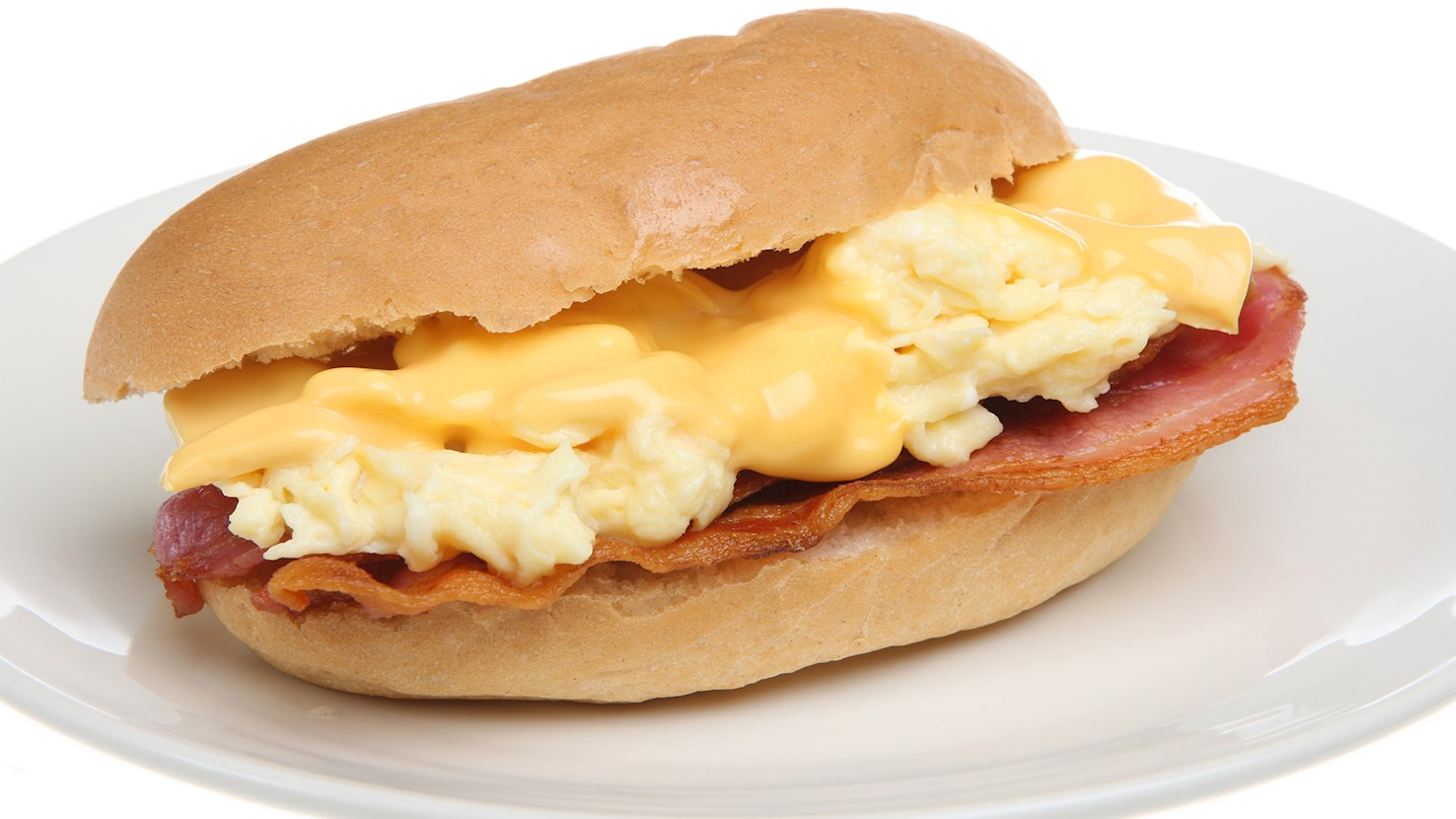
The breakfast roll is a popular Irish food that brings together the elements of a full cooked breakfast inside a bread roll, usually a soft baguette-style bap or long white roll. It comes from Ireland and reflects the country’s love for hearty, filling meals designed to fuel long working days. Its origins are closely tied to the culture of the “full Irish breakfast,” which includes sausages, rashers of bacon, black and white pudding, fried eggs, and sometimes extras like hash browns, mushrooms, or beans. In the late twentieth century, particularly during the Celtic Tiger years, this meal was adapted into a portable form, making it easier for workers to eat on the go without sacrificing the satisfaction of a full breakfast. Preparation involves cooking the components of the Irish breakfast (sausages, rashers, puddings, and eggs) until they are crisp and flavorful, then layering them into a buttered roll. Some versions add ketchup, brown sauce, or even mayonnaise to enhance the flavor, while others might include chips or hash browns for additional bulk. The order of filling is not fixed, but balance is key so that each bite carries a mix of textures from soft bread, savory meat, and the richness of egg or sauce. Today it is eaten across Ireland, commonly found in petrol station delis, cafés, and convenience shops. It is especially popular among workers who need a quick but substantial meal in the morning. Pairings often include a hot cup of tea, strong coffee, or even a cold soft drink, depending on personal preference. While variations exist, the essence of the breakfast roll remains the same: a complete Irish breakfast packed into bread, made to be eaten quickly, easily, and with maximum satisfaction.
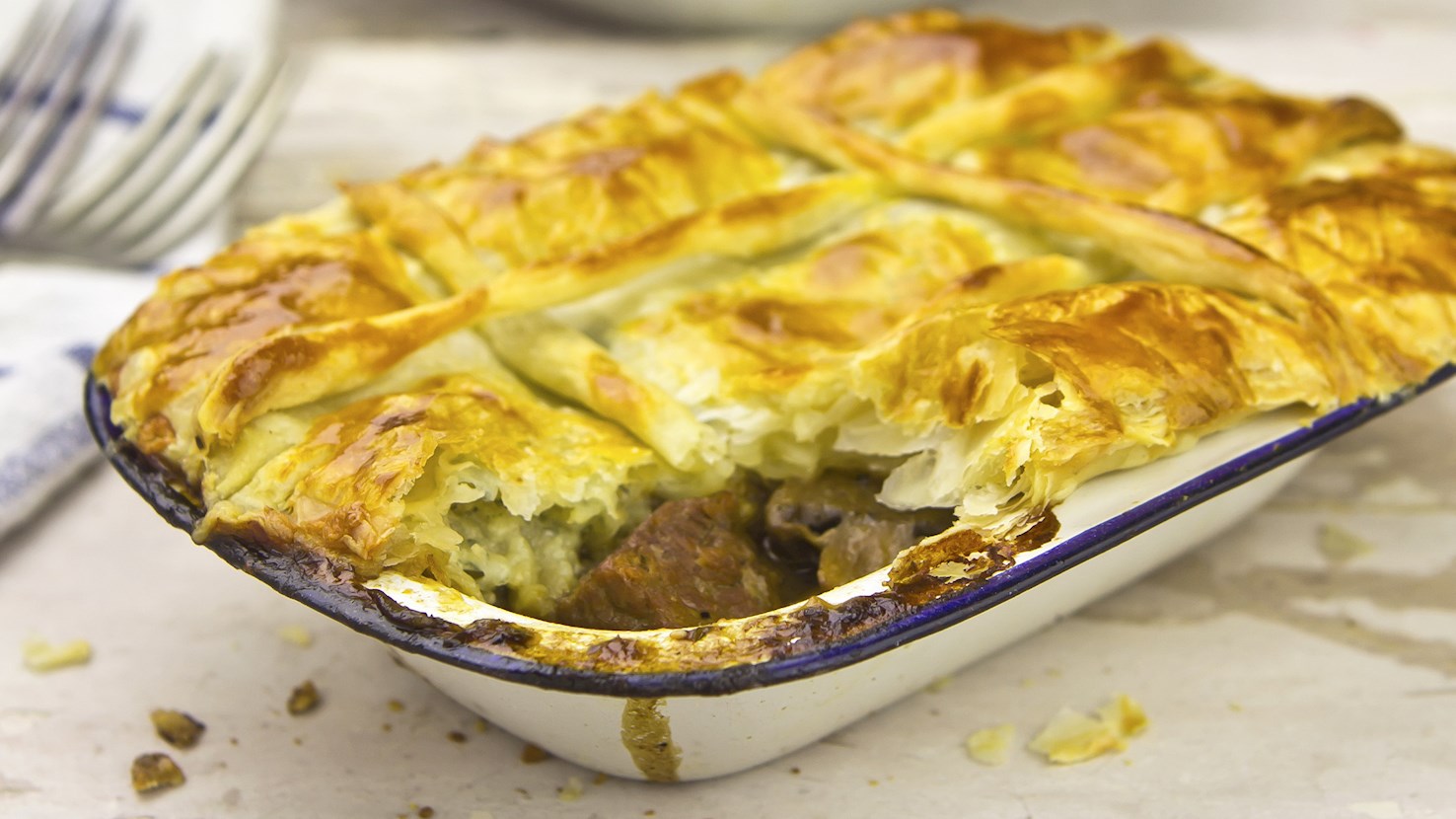
Beef and Guinness pie is a savory dish from Ireland, made by slow-cooking beef with onions, carrots, and herbs in a rich sauce built on the dark, malty character of Guinness stout, then sealing the filling beneath a golden pastry crust. Its roots are found in the longstanding Irish habit of using stout in cooking, where the beer’s depth of flavor complements meats and turns stews into robust, warming meals. Over time, cooks took the hearty beef and Guinness stew and enclosed it in pastry, creating a dish that combined the comforting qualities of a slow-braised filling with the satisfying crispness of baked dough. The preparation begins with browning cubes of beef to develop flavor, followed by softening onions and other vegetables in the same pot. Flour is often added to thicken the sauce before Guinness is poured in along with stock, herbs like thyme or bay leaf, and sometimes a touch of Worcestershire sauce or mustard for complexity. The filling is simmered until the beef becomes tender and the sauce takes on a silky texture. It is then cooled slightly, placed into a baking dish, and topped with shortcrust or puff pastry, brushed with egg wash, and baked until the crust is crisp and golden. Beef and Guinness pie is served across Ireland in pubs, restaurants, and homes, especially during colder months or festive gatherings. It is often accompanied by mashed potatoes, chips, or buttered greens, and sometimes paired with a pint of stout to echo the flavors in the filling. Its reputation has spread beyond Ireland, and it is now found in Irish pubs abroad, where it has become a marker of Irish comfort cooking.
Soda bread is a type of quick bread from Ireland that is made without yeast, relying instead on the reaction between baking soda and acidic buttermilk to create its rise. Although this type of bread has been known for centuries and was first invented by Native Americans, it was not until the 19th century that soda bread as we know it today became commonplace in Ireland. As a result of the potato famine, as well as Ireland's weather and geographical conditions, which allowed only the production of soft wheat that had low protein content, the Irish turned to soda bread as their main source of nutrition. It quickly spread across rural Ireland because it required only basic ingredients (flour, salt, baking soda, and buttermilk) making it practical in homes where ovens were uncommon and bread was often baked on griddles or in iron pots over open fires. The preparation is straightforward, with the dry ingredients mixed together and then combined with buttermilk until a soft dough forms. It is shaped into a round and often scored with a cross before baking, which allows heat to penetrate evenly and helps the loaf expand without splitting unevenly. The resulting bread has a dense crumb with a tender texture and a distinct tang from the buttermilk. Variations emerged over time, with some versions enriched with butter, sugar, or eggs, while others incorporated raisins, caraway seeds, or oats. In some regions, the bread is made with wholemeal flour, producing a heartier loaf known as brown soda bread. Soda bread is eaten throughout Ireland and is also widely recognized abroad, particularly in Irish communities. It is usually served alongside soups and stews, where its dense texture is ideal for soaking up broths, or simply enjoyed with butter and jam for breakfast or tea. It pairs naturally with strong cheeses, smoked salmon, and hearty meat dishes, and is sometimes used as a base for open sandwiches.
TasteAtlas food rankings are based on the ratings of the TasteAtlas audience, with a series of mechanisms that recognize real users and that ignore bot,
nationalist or local patriotic ratings, and give additional value to the ratings of users that the system recognizes as knowledgeable.
TasteAtlas Rankings should not be seen as the final global conclusion about food. Their purpose is to promote excellent local foods,
instill pride in traditional dishes, and arouse curiosity about dishes you haven’t tried.



What People Say