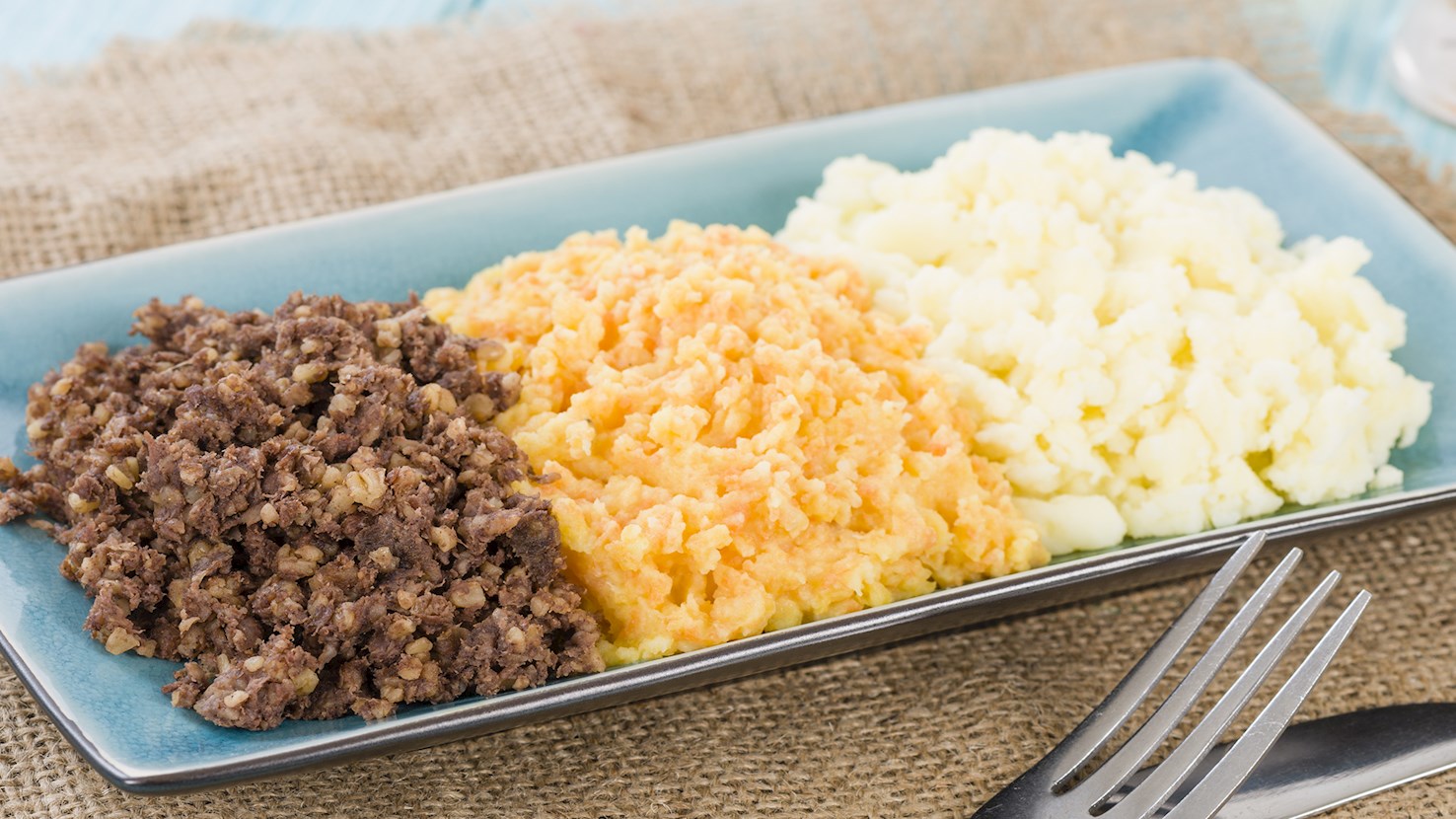
Known in full as bashed neeps and chappit tatties - mashed swedes and chopped potatoes, respectively - this simple vegetable side dish is a true Scottish classic. Either steamed or boiled until tender, only separately, both the swedes and potatoes are seasoned with merely salt and white pepper, though some might add a dash of nutmeg as well. Neeps and tatties are traditionally prepared as accompaniments to haggis and make for an essential part of the festive Burns Night supper.
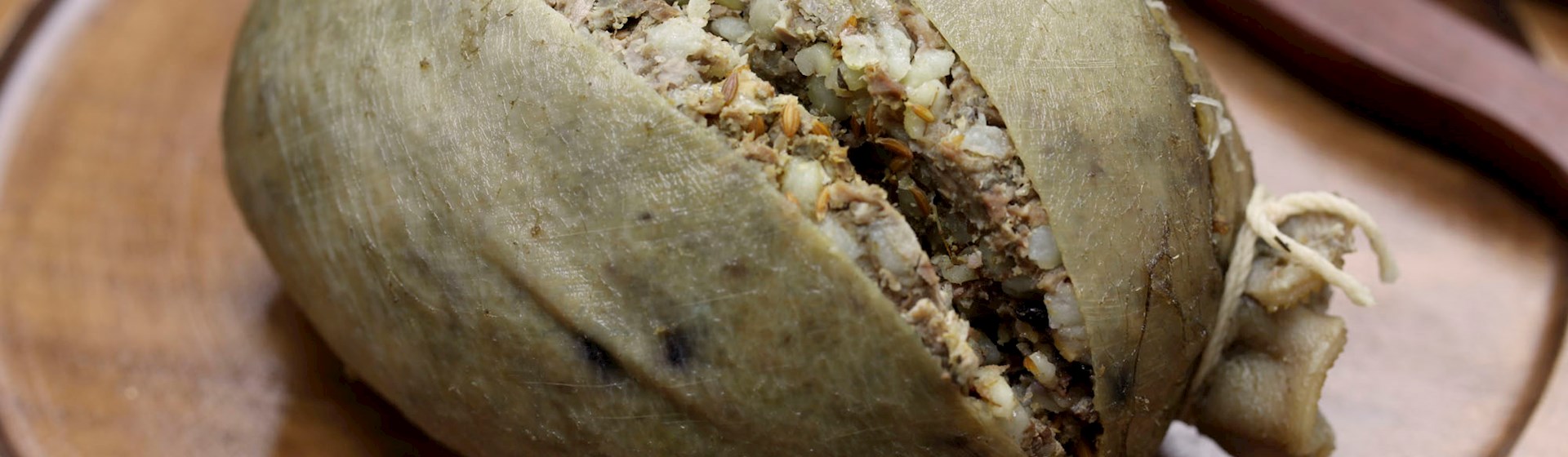
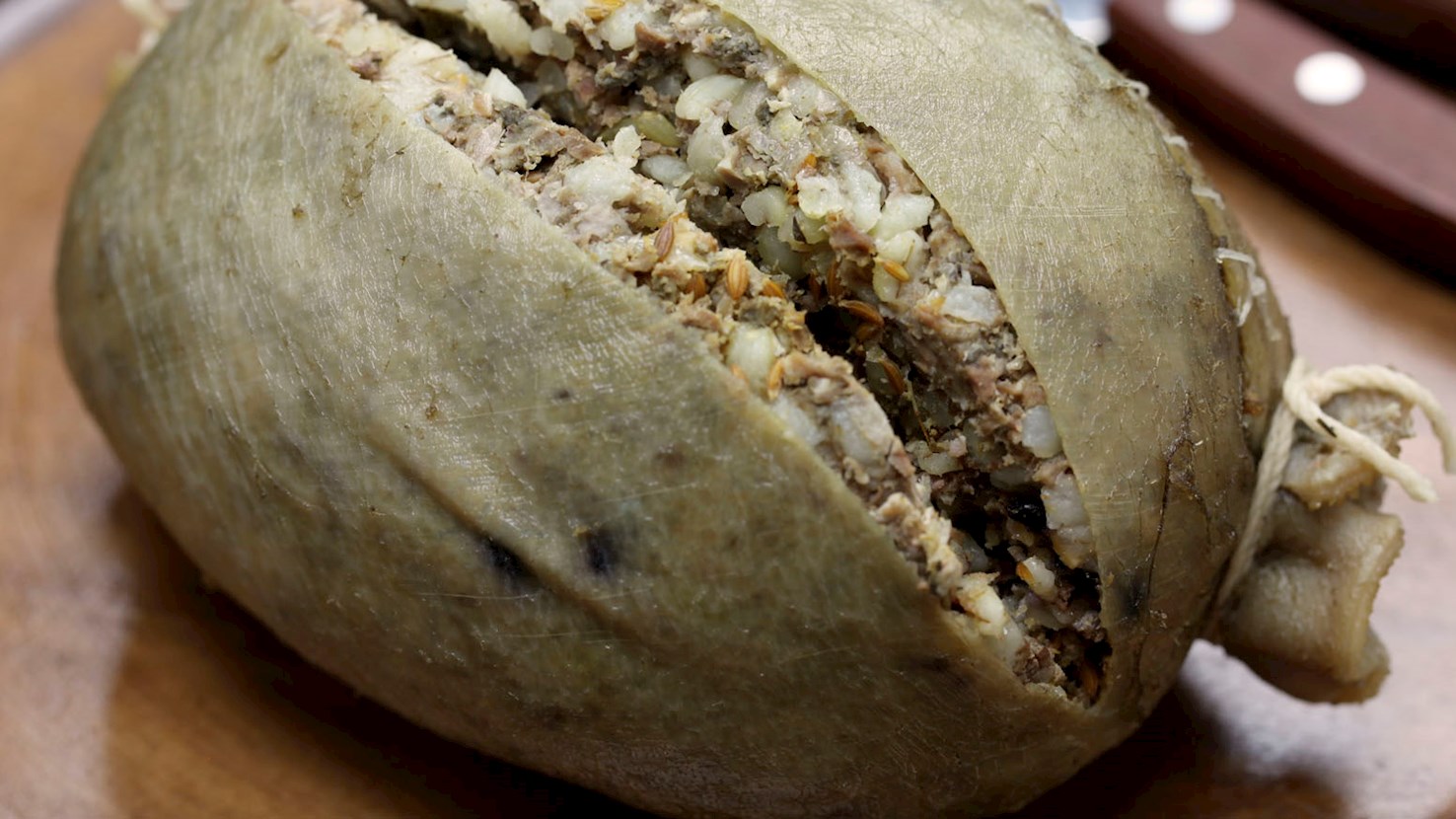
Haggis is a spicy mince, a type of pudding of high nutritional value made from sheep's innards, lamb's heart, lungs and liver, beef, onions, oats, and spices. It is the national dish of Scotland and an excellent source of fibre, iron, and carbohydrates. According to some, the word haggis stems from the French word hacher, meaning to chop up or mangle. Originally, it was a poor man's meal made with liver and kidneys stuffed in intestines, providing a good way to feed a lot of people so that no meat would go to waste. Its flavor can best be described as spicy, crumbly, earthy, meaty, savoury, peppery, moist, and oaty. There is also a vegetarian version of haggis containing various vegetables, mushrooms, oatmeal, onions, and seeds. The dish is an important part of the Burns Supper celebrations that are held every year on January 25, in honor of Scotland's famous poet Robert Burns. He was the one that immortalised haggis in his poem Address to a haggis. The dish is typically accompanied by turnips and mashed potatoes on the side. And even though some like to accompany the dish with Scotch whisky, one of Scotland's authorities on haggis and so-called ''Haggis Queen'' Jo Macsween claims that serving whisky with haggis is a recipe for a ''culinary catastrophe.''
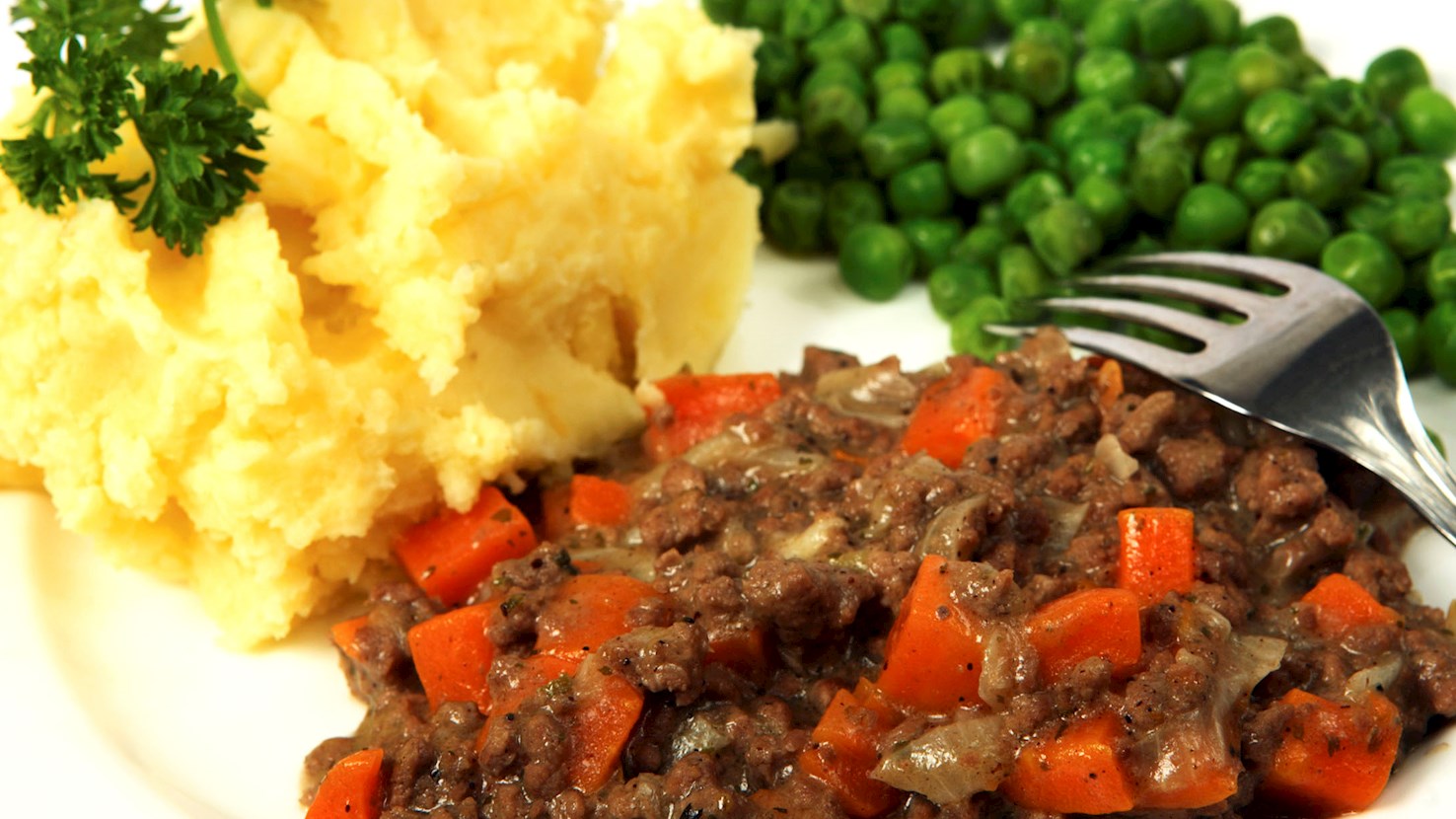
A true Scottish classic and the country's national dish, mince and tatties are regularly eaten throughout the year in Scotland. Although there are many variations, the dish is traditionally made with ground beef (mince) and potatoes (tatties). Ground beef was usually made from low-quality cuts of beef, allowing the hard meat to soften through grinding, masking its inferior quality in the process. The beef is stewed with a variety of vegetables such as carrots and celery in a thick gravy, while the potatoes are usually mashed with the addition of cream and butter. Even though it is an inexpensive comfort food, mince and tatties have beaten gourmet dishes such as sirloin steak, haggis, and smoked salmon in a poll of the country's favorite dishes.
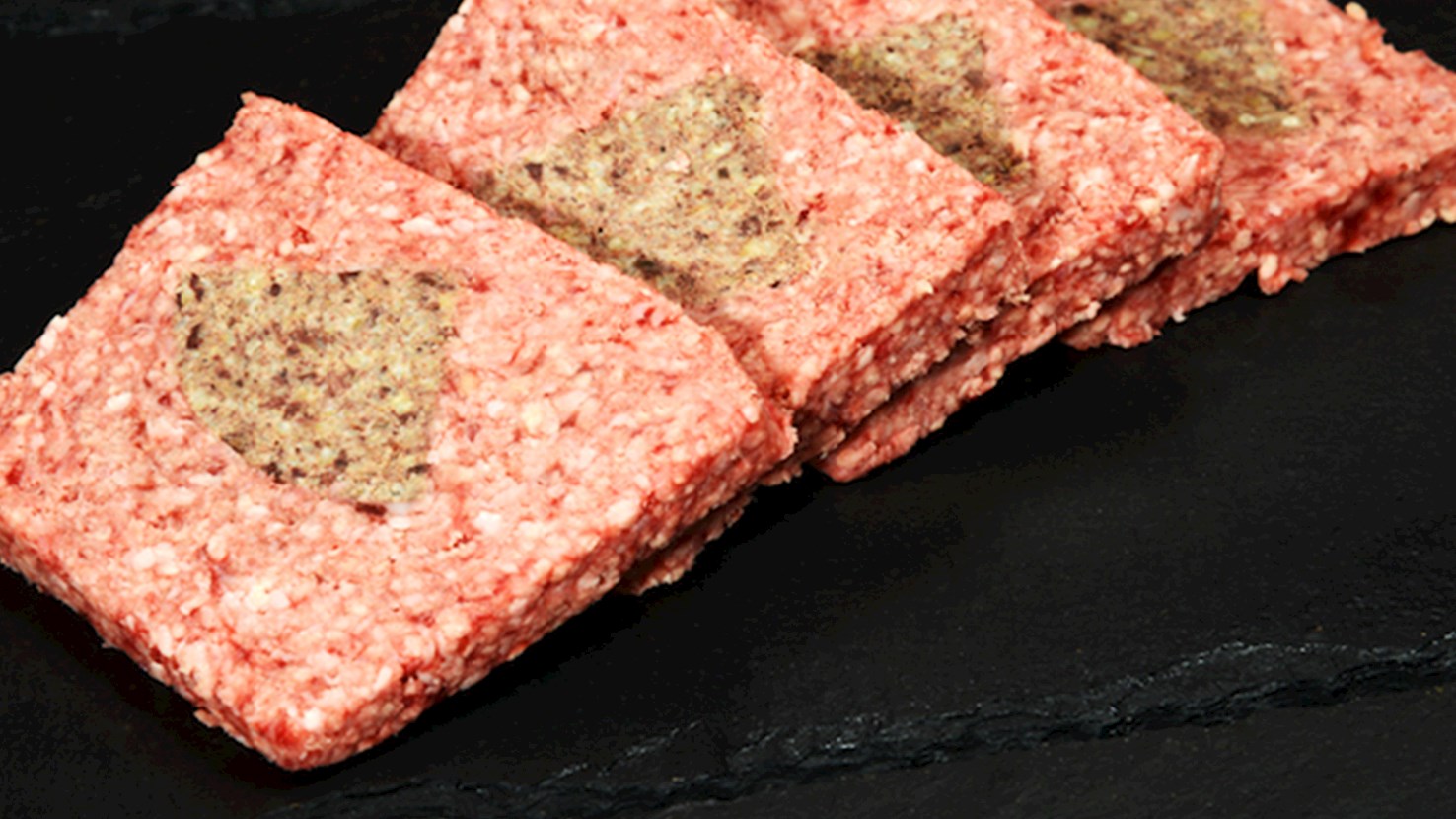
Lorne sausage is a Scottish favorite made with a combination of ground beef, rusk, and various spices such as nutmeg, cilantro, and ground black pepper. However, it is technically not a sausage – the combination is tightly packed in a rectangular tin and left to set in the refrigerator. It is then sliced into square pieces which are fried or grilled. Although the exact origins of lorne sausage are still murky, it is believed that the dish was named after the region of Lorne in Argyll. Nowadays, the sausage is incorporated into sandwiches or served as a part of the Scottish version of the full breakfast.
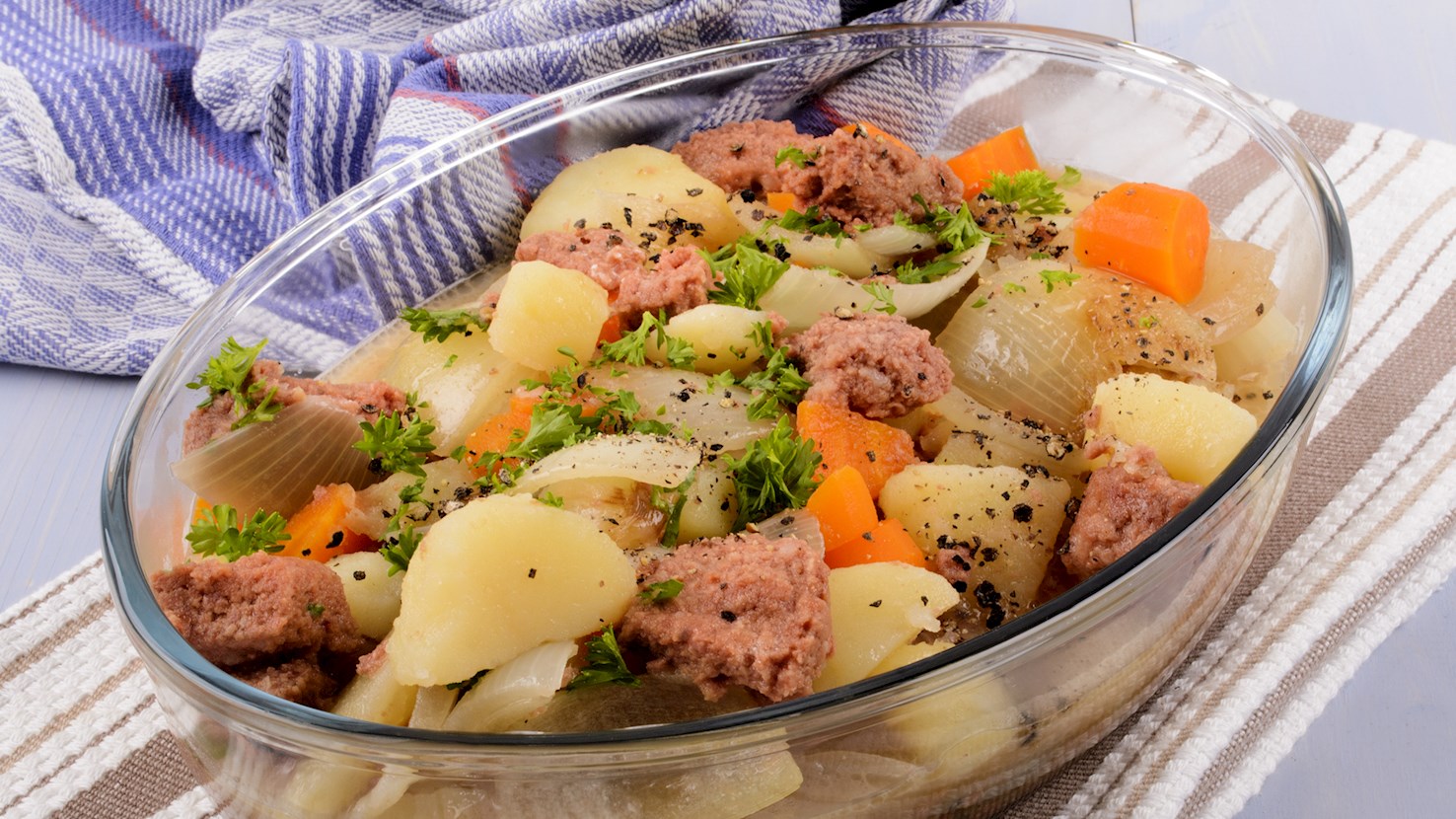
Known in full as stoved tatties, this Scottish one-pot dish of potatoes slowly stewed with onions, carrots and meat like mutton or beef was traditionally prepared to make use of the Sunday roast leftovers. Stovies come in two versions: the simpler barefoot or barfit stovies are made solely with potatoes and onions stewed in roast dripping, whereas the so-called high-heelers include plenty of meat. In Aberdeen, stovies are traditionally served with oatcakes and milk.
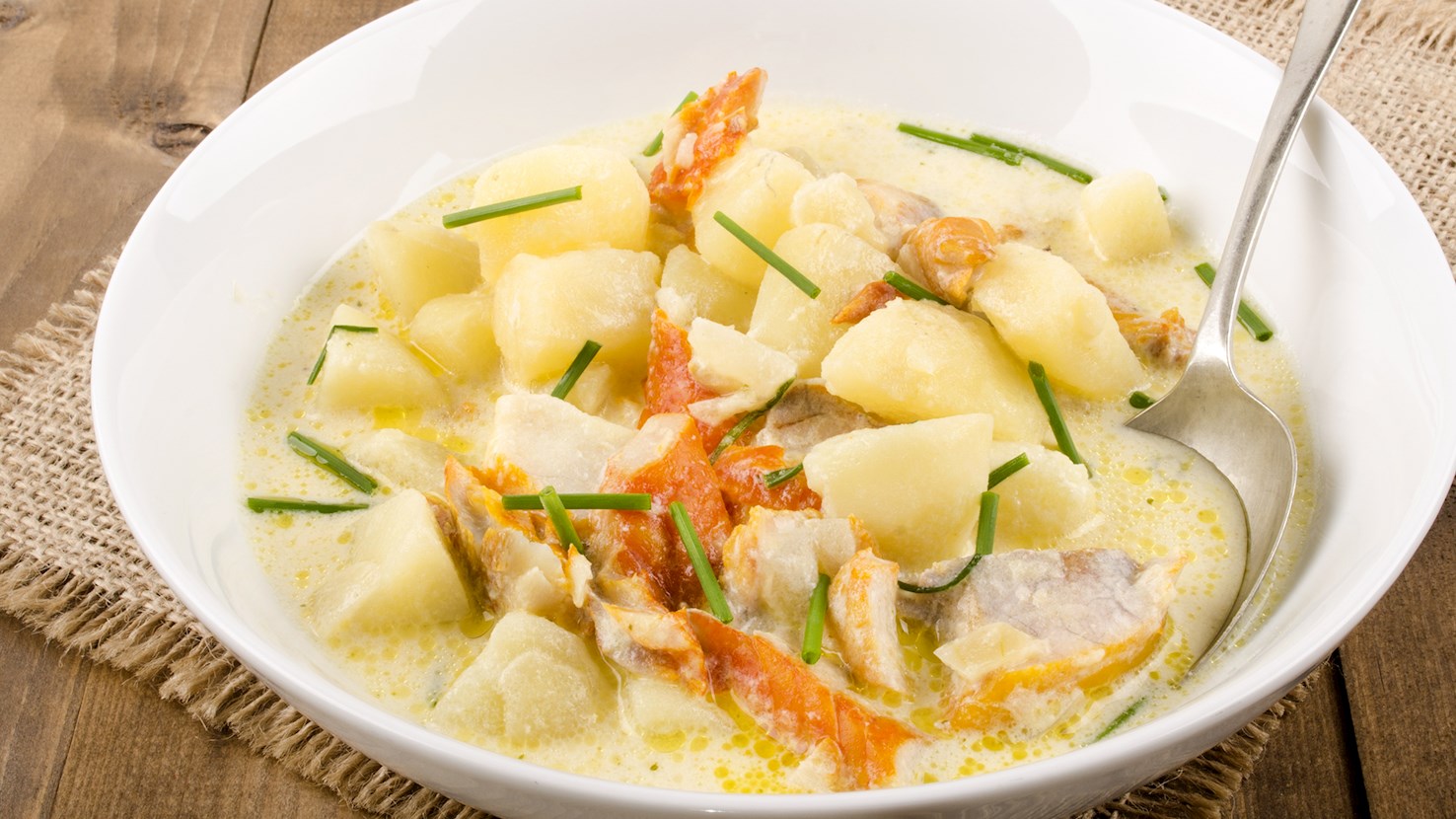
Even though it has been traditionally prepared all along the coast, Cullen skink is a dish originating from the fishing village of Cullen in Northeastern Scotland. This thick and creamy fish soup is typically based on smoked haddock cooked with milk, leeks, onions, and potatoes which provide the filling bulk. Some recipes specify the use of Arbroath smokies, although just about any smoked white fish will do. Cullen skink will go hand in hand with a glass of dry white wine, but to indulge in a true Scottish feast, try pairing it with Scotch whisky.
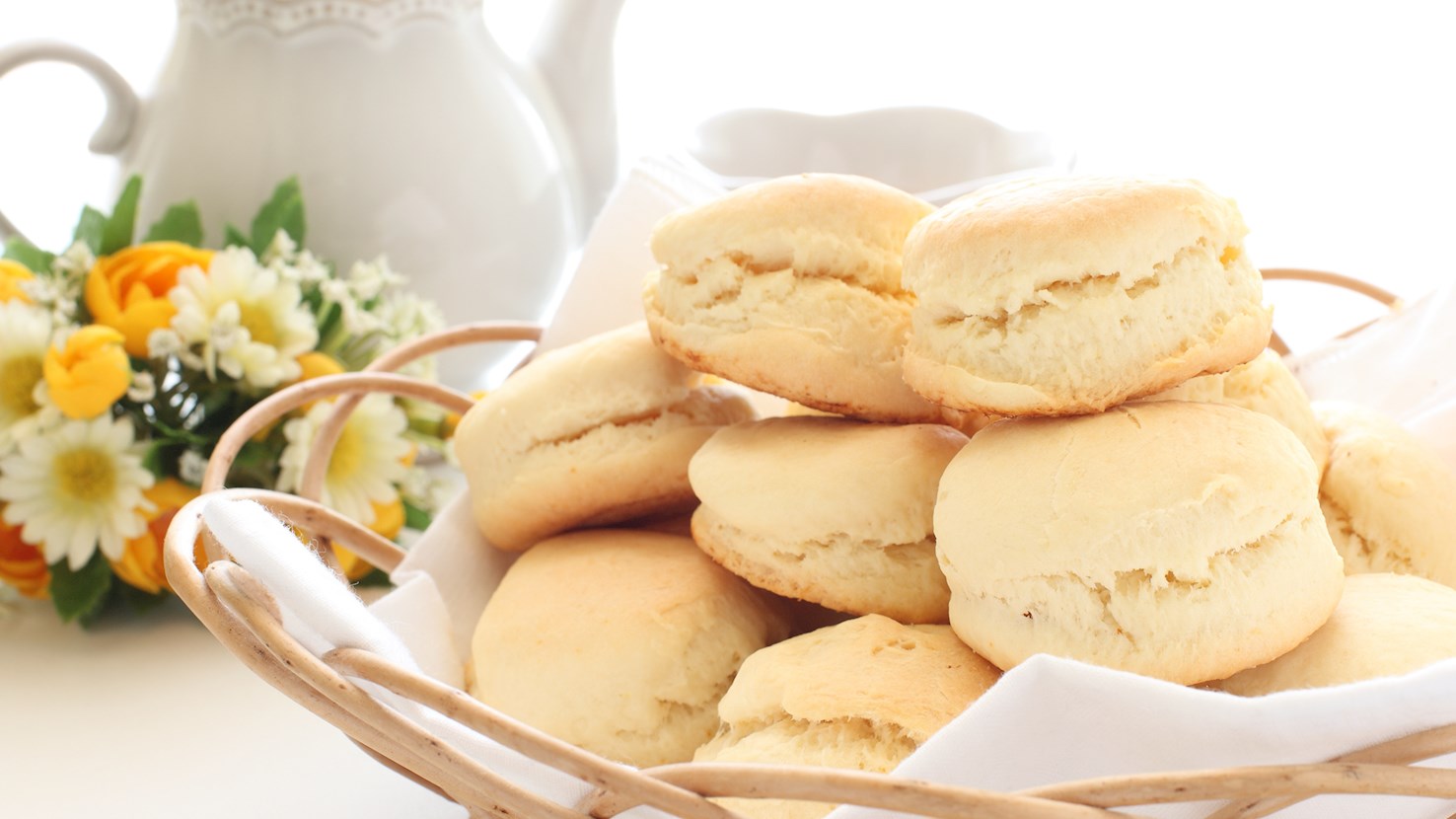
Scone is a quick bread that is shaped into various forms such as squares, diamonds, and triangles, then baked in the oven. Although scones were griddle-baked and made with oats in the past, today they are traditionally made with wheat flour, baking powder or soda, butter, milk, sugar, and eggs. They can be either savory or sweet, consumed for breakfast, or served with afternoon tea. The most popular theory about their origin says they originated in Scotland in the early 1500s, the name scones derived from the Stone of Destiny, where the Kings of Scotland used to be crowned. This theory is supported by the fact that the first known reference in print regarding scones appeared in 1513, in the poems of a Scottish poet. Today, most of the English scones are plain, relying on the addition of jam, lemon curd, or honey for extra flavor, but there are also some decadent varieties with cranberries, nuts, chocolate bits, and dates.
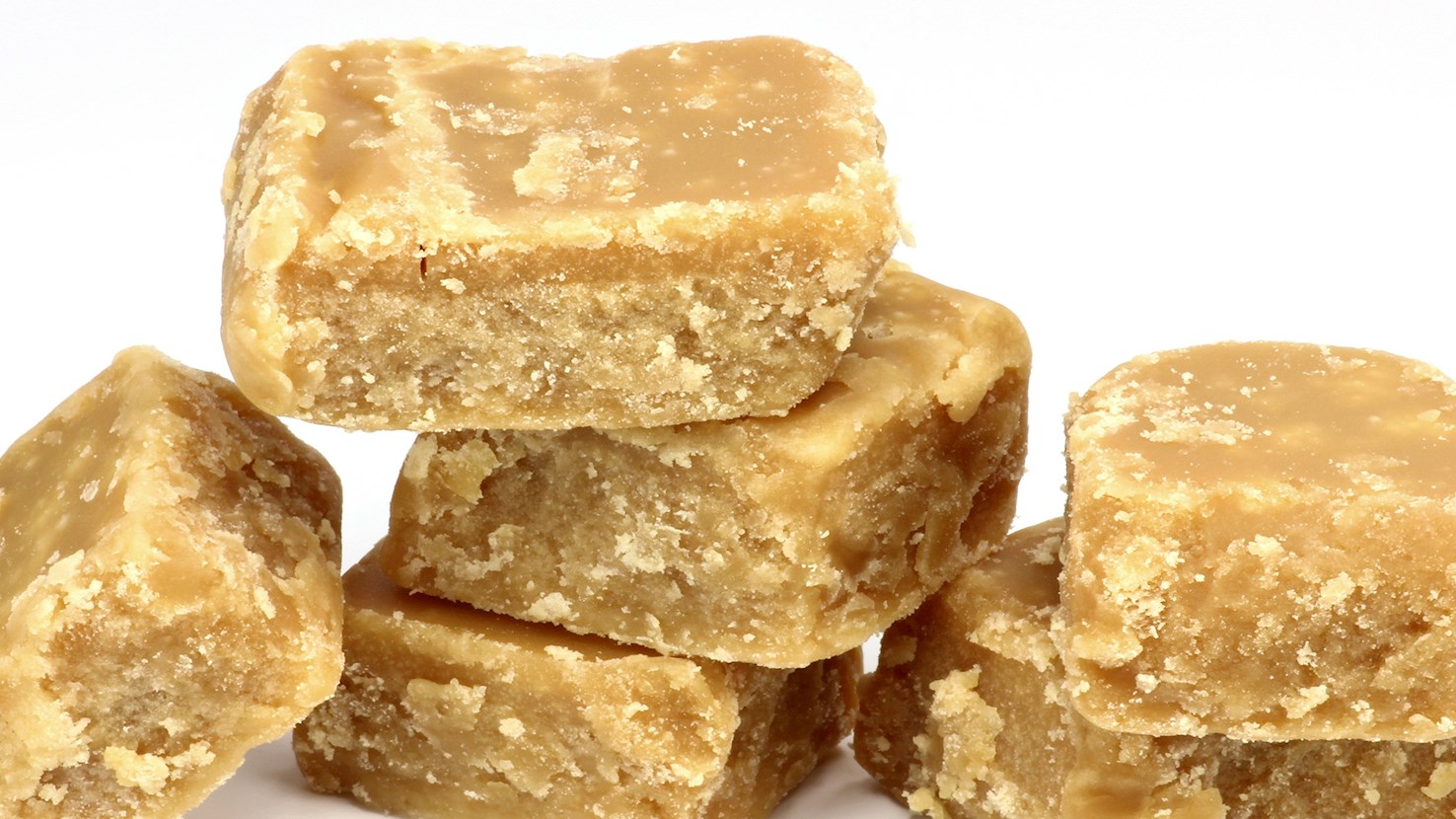
Consisting of merely sugar, condensed milk and butter, tablet is a centuries-old Scottish treat similar to fudge, but with a crumblier consistency. An early record of it was found in The Household Book, an 18th century account of what domestic life was like in Scotland, written by Scottish songwriter Lady Grizel Baillie. Tablet is nowadays available in confectionery shops all across the country and it often comes flavored with whisky, which makes it the perfect choice for rounding off any traditional Scottish holiday feast.
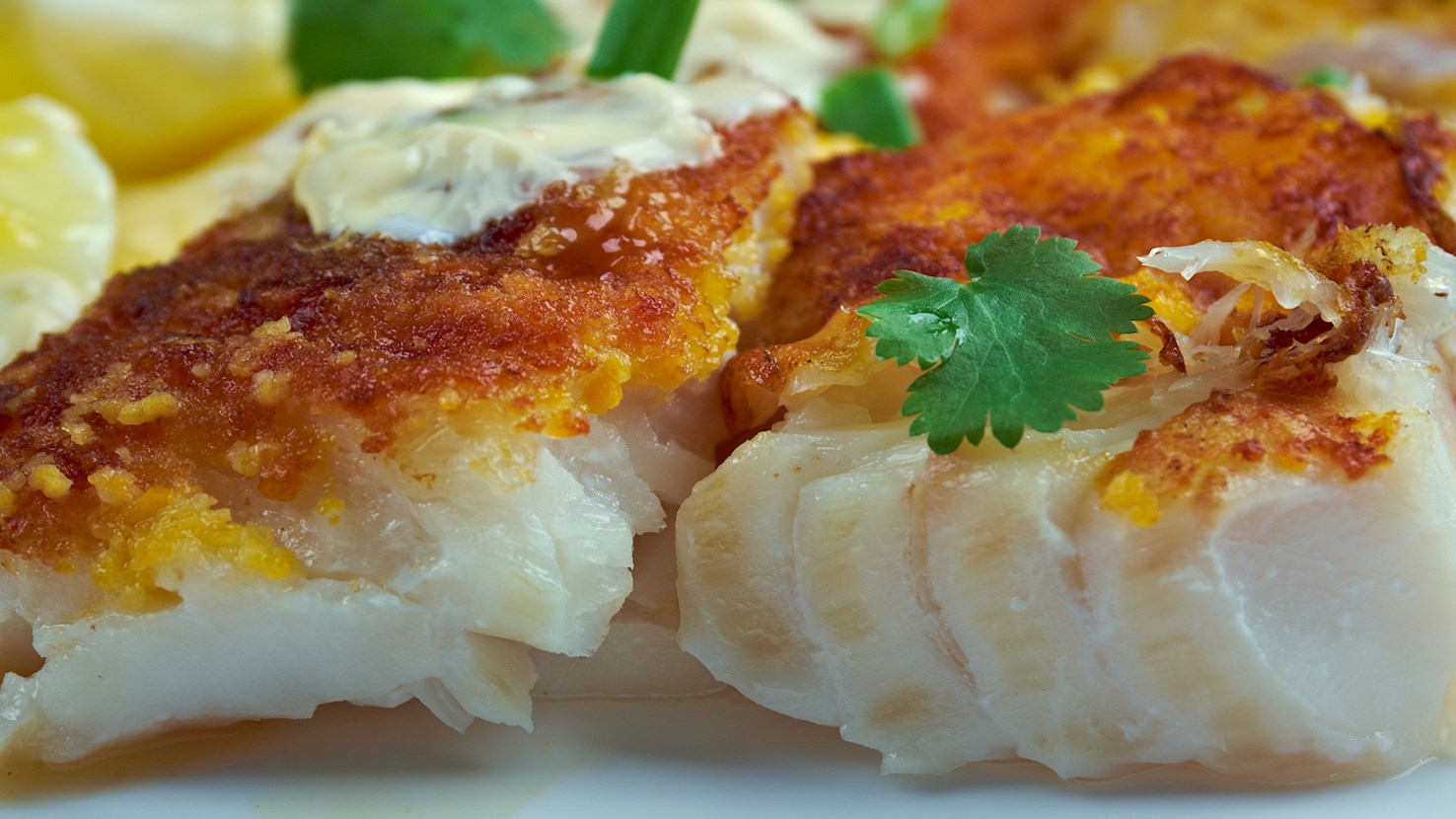
Finnan haddie is a cold-smoked whole haddock that is split open, lightly cured, and smoked over peat to give it a pale golden color and a delicate, flaky texture. The name comes from the small fishing village of Findon in Aberdeenshire. During the mid-eighteenth century, local villagers did not have enough salt for heavy barrel curing, so fresh haddock was soaked in a light brine overnight and then hung in drafty sheds over smoldering peat and green softwood. This cold-smoking method helped preserve the fish for transport without drying it out completely. Finnan haddie became much more widely available in 1843, when the railway linked Aberdeen with London, allowing smoked haddock to reach southern markets within a day. The fish is gutted and split down the back, with the central bone left attached to one side. It is placed in a salt brine for about thirty minutes to draw out surface moisture and firm the flesh. After brining, the fish is hung on wooden racks inside a cold smokehouse. The temperature stays below 30°C so the haddock is smoked without being fully cooked. Peat and green sawdust smolder slowly below for around eight hours. During smoking, a light golden-yellow layer develops on the exposed flesh while the inside remains raw. The final character of Finnan haddie depends largely on how it is cooked. The most common method is to poach the smoked fillet gently in whole milk and butter until the flesh turns opaque and flakes easily. The milk softens the fish and helps reduce some of its saltiness. The smoked haddock is also commonly used in kedgeree, where the flaked fish is mixed with boiled white rice, hard-boiled eggs, and yellow curry powder. It is also important in soups. Cullen skink uses smoked haddock with potatoes and onions to create a thick, starchy fish soup. Plain poached Finnan haddie is often served for breakfast. The hot fillet is lifted from the milk onto a warm plate, and some of the poaching liquid, enriched with a small amount of butter, is spooned over the top. A poached egg is often placed directly on the fish so the runny yolk mixes with the salty haddock and buttery milk. Toasted brown bread is served alongside to soak up the remaining liquid on the plate.
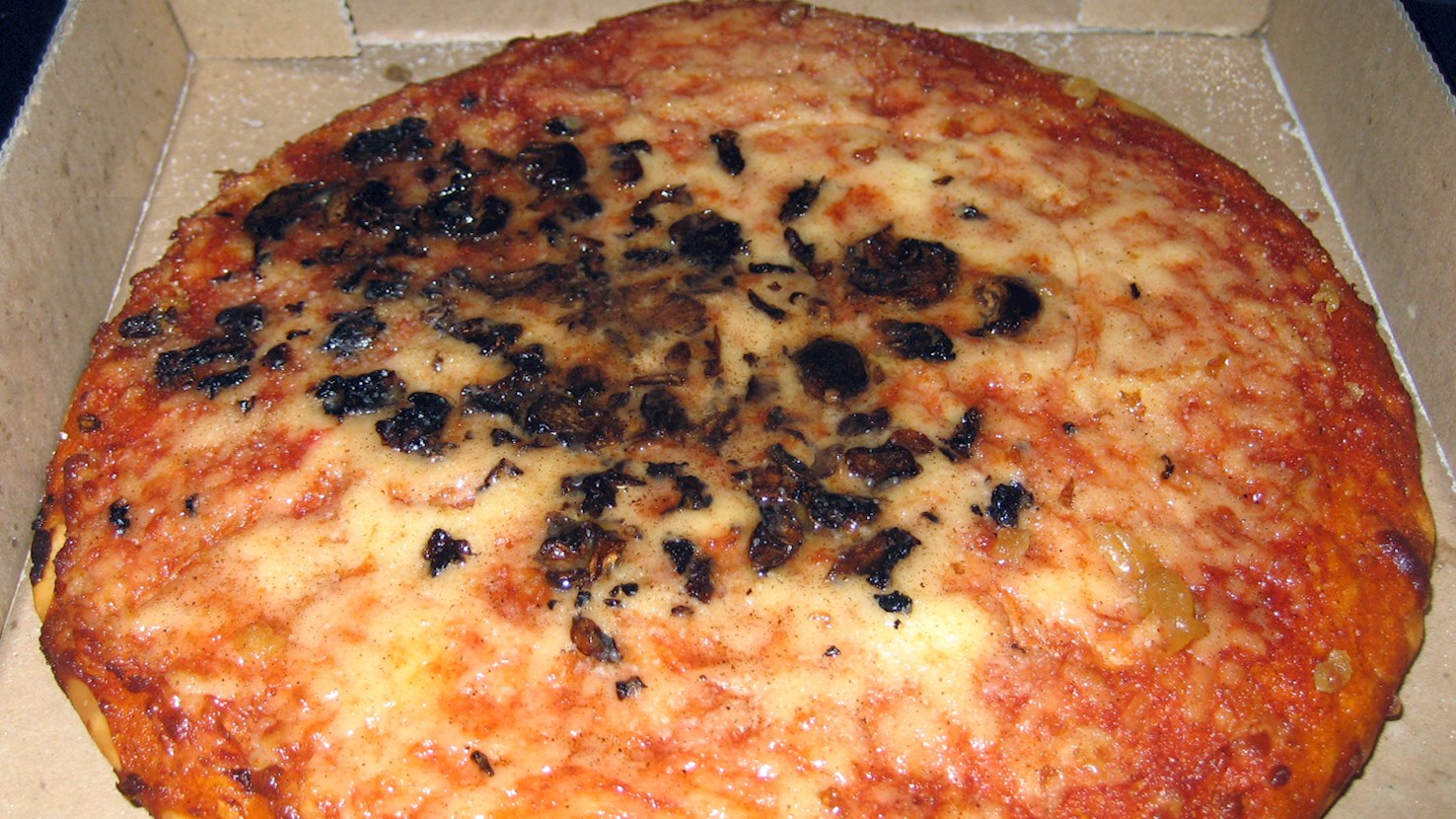
Deep-fried pizza is a Scottish concoction consisting of a pizza that is deep-fried in hot oil (without being dipped in batter) instead of being baked in an oven. It can be found in numerous chips shops throughout the country, where it is fried in the same oil where fish and chips are prepared. This extremely caloric and unhealthy meal is often served with salt, vinegar, or chips in order to improve its flavors.
TasteAtlas food rankings are based on the ratings of the TasteAtlas audience, with a series of mechanisms that recognize real users and that ignore bot,
nationalist or local patriotic ratings, and give additional value to the ratings of users that the system recognizes as knowledgeable.
TasteAtlas Rankings should not be seen as the final global conclusion about food. Their purpose is to promote excellent local foods,
instill pride in traditional dishes, and arouse curiosity about dishes you haven’t tried.



What People Say