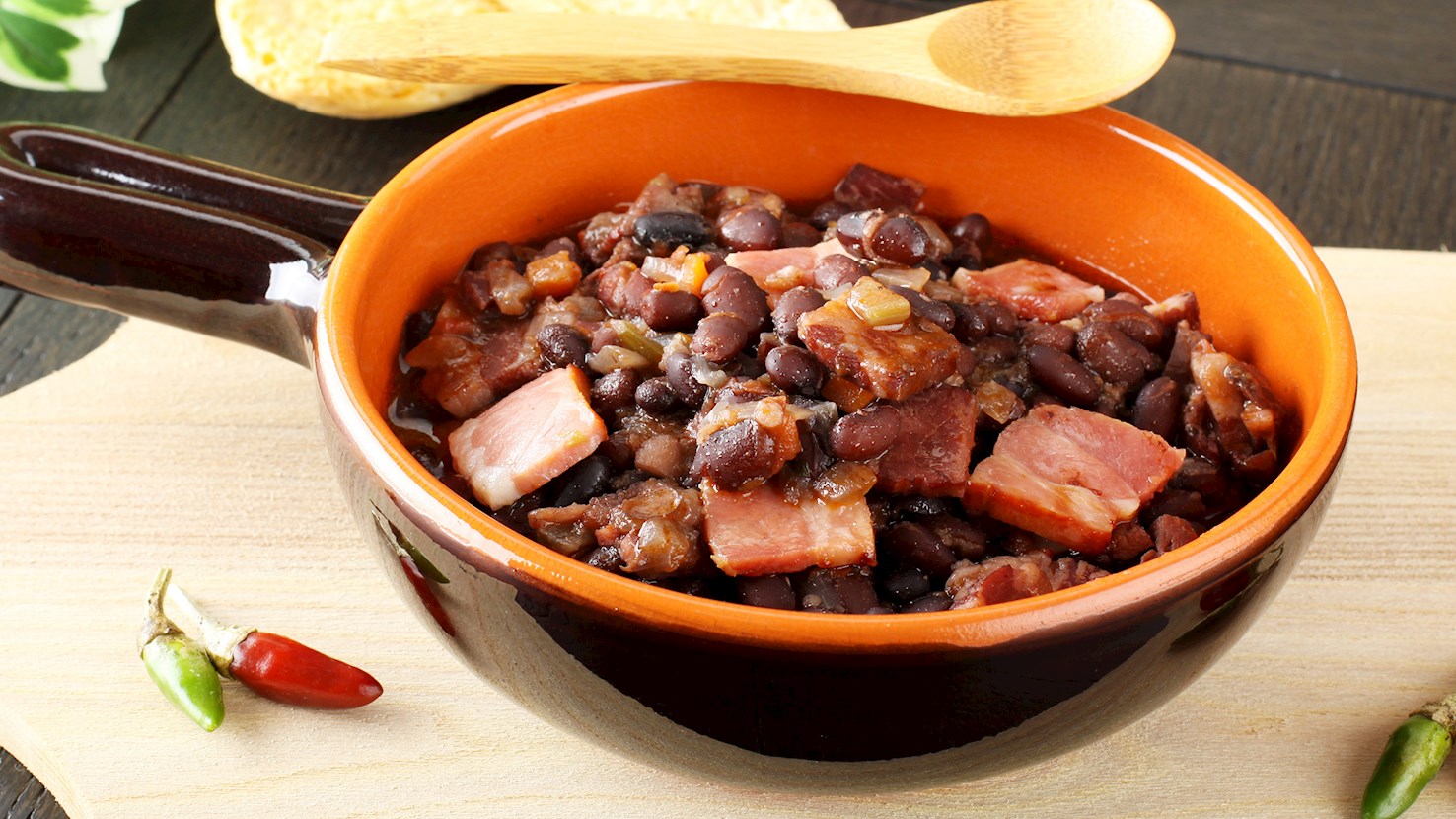
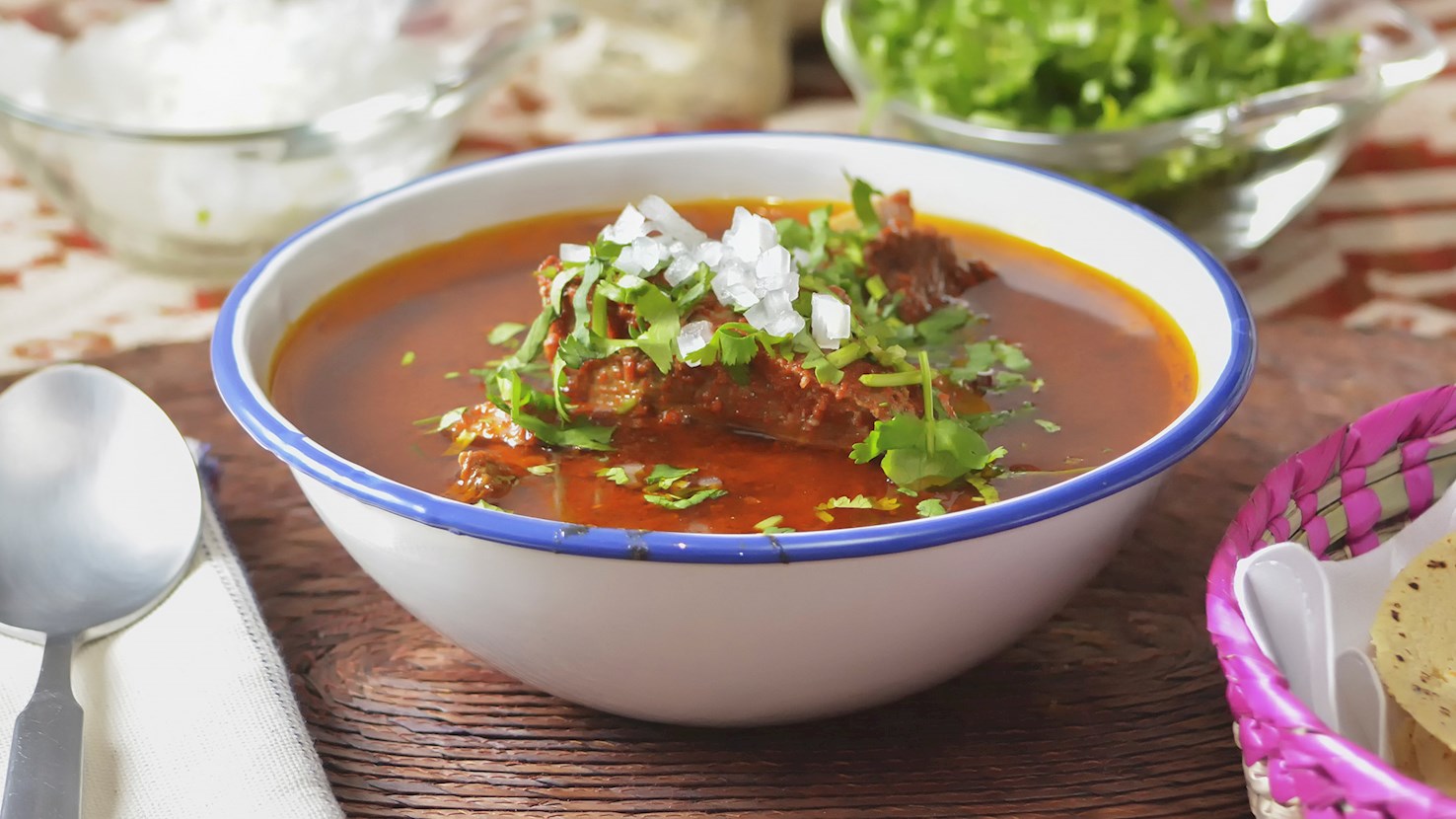
Carne en su jugo is a traditional beef soup with bacon, beans, garlic, and onions. The broth can be additionally flavored with chilis and vegetables. The soup originates from Guadalajara, and it was first made in the 1950s in a restaurant called El Gallo, when it was used as a hangover cure in the late hours of the evening. Today, carne en su jugo is traditionally served in clay plates.
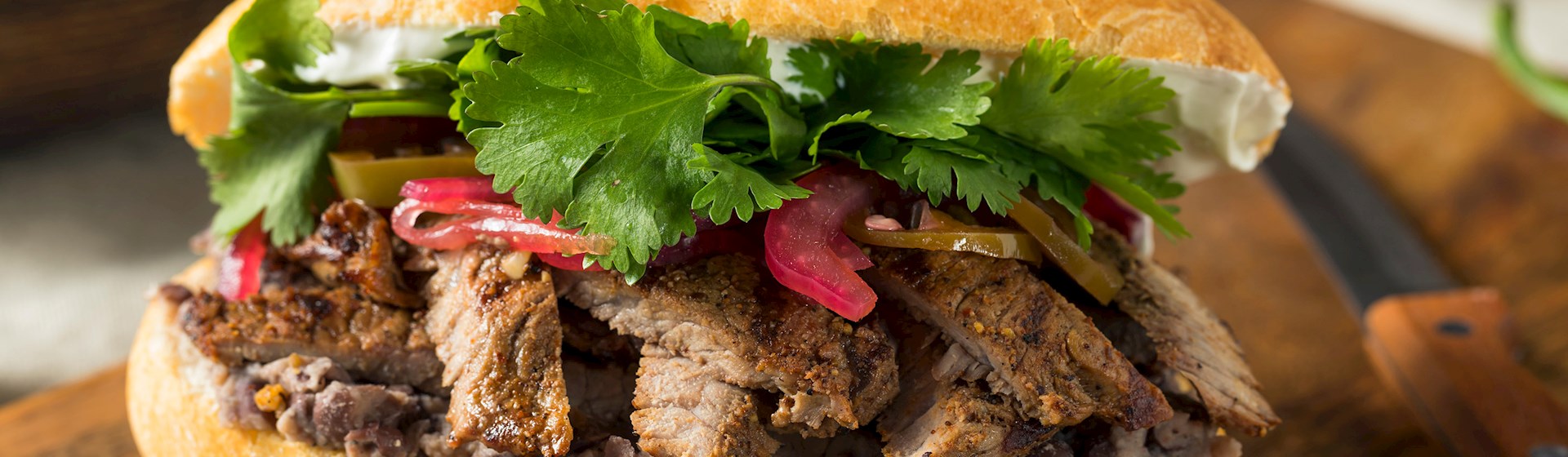
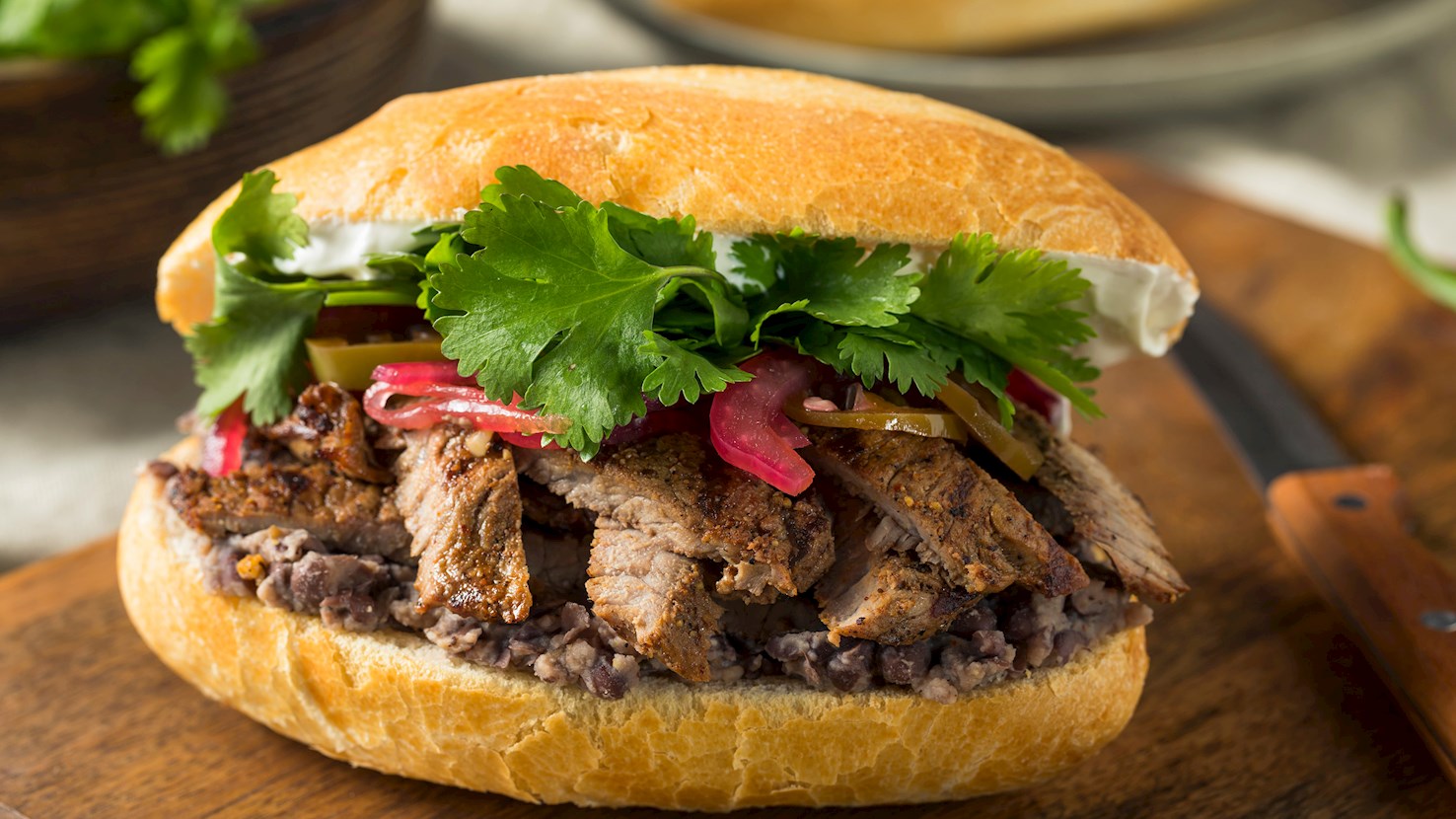
Mexican tortas are luscious traditional sandwiches filled with delicious, mostly authentic Mexican ingredients. They are a unique Mexican creation, considering they are served in bread rolls, an ingredient that is not so often associated with Mexico. There are two bread varieties usually incorporated in tortas, the traditional French influenced bolillos, and the similar round teleras, which are an authentic Mexican product from Puebla. The rolls are sliced horizontally, buttered, and stuffed with the most popular Mexican ingredients such as beans, avocados, ham, queso, jalapeños, and a myriad of other typical Mexican dishes like fried beef or chicken, shredded beef, roasted pork, and even tamales. Tortas are traditionally served cold, but in the 1960s, the hot, grill-heated varieties started to appear and soon became equally famous. There is not much known about the origin of this hearty sandwich, but it is believed that during the French colonization, French bakers introduced their tradition of baking bread to Mexicans, who modified it and created their popular varieties, which later became a staple of Mexican cuisine. The birthplace of the torta is usually associated with the city of Puebla, the place where traditional telera originated, but the location where they flourished was Mexico City. Although tortas have not been widely recognized outside of Mexico as tacos, burritos, and tortillas, they are a favorite meal eaten throughout the country. Tortas are usually sold at food stalls and small restaurants, popularly called torterias, widespread across Mexican cities. The variations and regionally influenced creations of tortas are endless. The most common ones are cubana, which usually combines at least four meat varieties and two types of cheese; pepito, made with marinated sliced steak; cochinita, made with slowly roasted pork; and agohada, a Guadalajara favorite made with pork and served in tomato sauce.
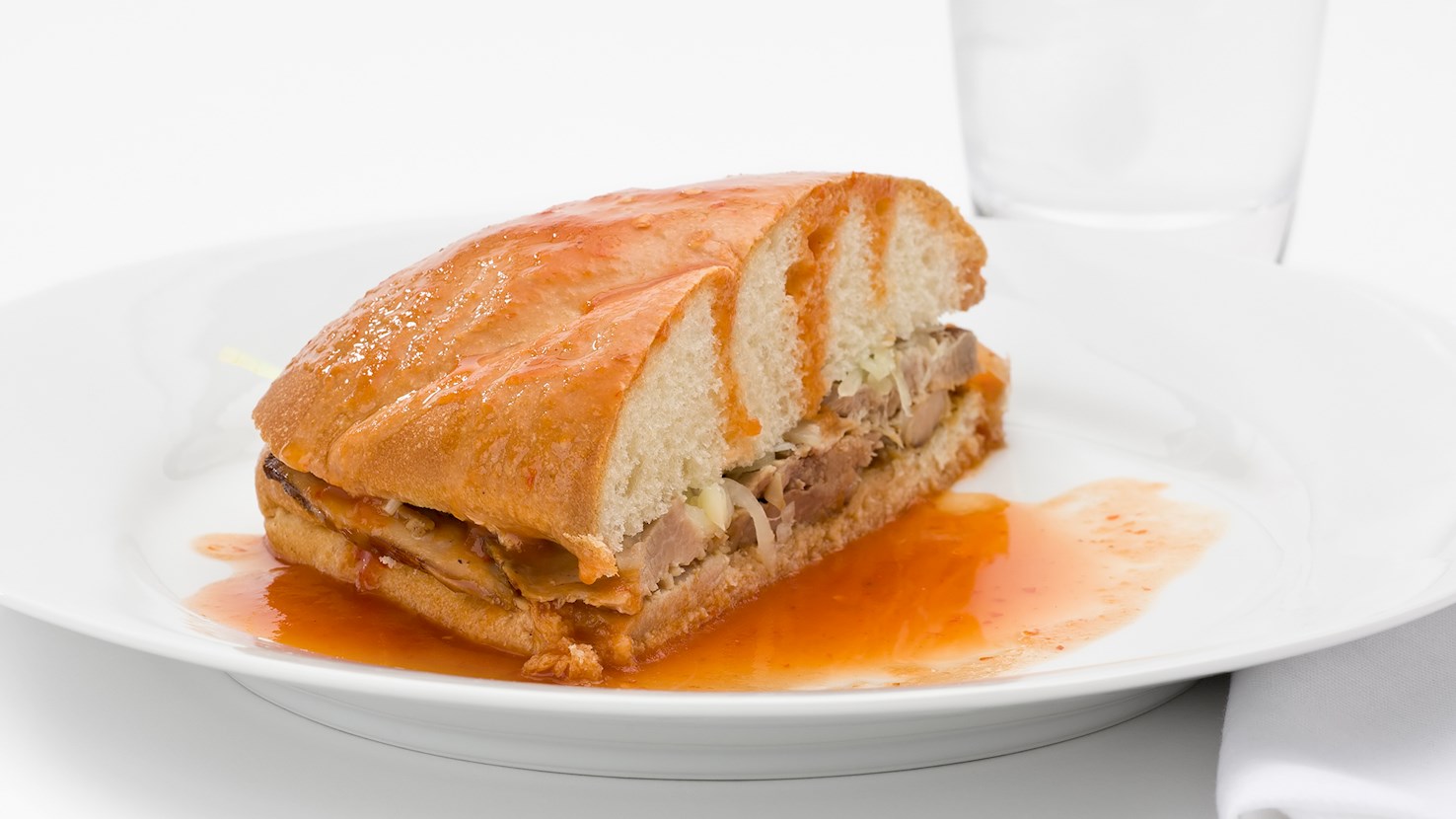
Torta ahogada is Guadalajara's signature sandwich, a salted bun that is crunchy on the outside and soft on the interior, filled with pork, and submerged in a spicy salsa consisting of vinegar, cumin, and chile de árbol pepper. The sandwich is then filled with onions, mild tomato-garlic salsa, and a squeeze of lime juice. It was invented in the early 1900s, and today it is a staple dish for curing hangovers, usually found on small stands on street corners and busy urban centers.
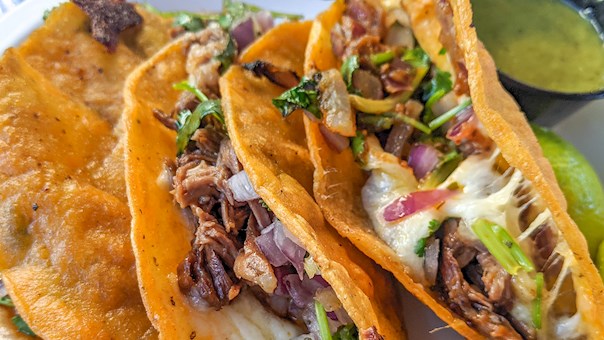
Birria is a traditional, slow-cooked goat (although it can also be made with beef, lamb, mutton, or chicken) stew originating from the Mexican state of Jalisco. Colloquially, birria means mess, used in context to refer to anything of inferior quality, indicating the working-class origins of this humble dish. The slow-cooking method ensures that the meat is extremely tender. Other ingredients in the stew include roasted chili peppers, garlic, cumin, bay leaves, and thyme. On street stands, known as birrierias, birria is served only in the mornings, since it has a reputation of being a great hangover cure. It is commonly served with corn tortillas and garnished with onions, coriander, and lime wedges, especially on Christmas, New Year, and wedding menus, where this flavorful stew is also commonly consumed.
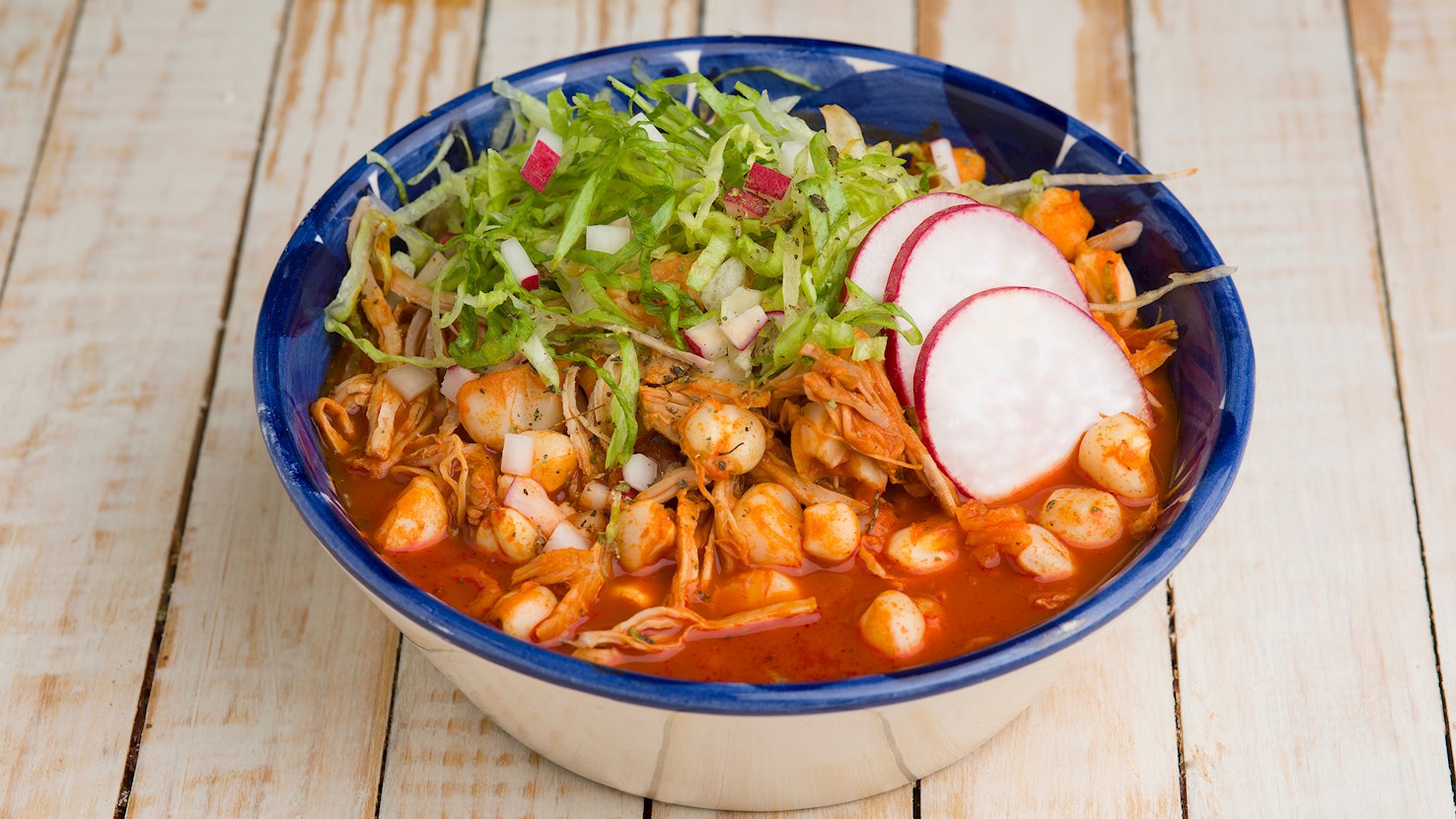
Pozole is a soupy and aromatic one-bowl stew from Mexico, usually served to crowds on special occasions and celebrations such as Christmas, weddings, or birthdays. Its main ingredient is nixtamal or hominy - large, dried corn kernels that are pre-cooked in an alkaline solution in order to soften them. The process, known as nixtamalization, makes the solution foamy or potzolli in Nahuatl, which is how pozole got its name. Other ingredients in the dish include a variety of herbs, spices, and meat such as pork, chicken, or seafood, depending on the region. Usual garnishes include lettuce, onion, oregano, pepper, fried tortillas, and lime, so that each guest can add something to the dish according to their preference. The dish has an extremely unusual history - it was invented in pre-Hispanic times and was used in ritual sacrifices, when corn and pieces of human flesh were offered to the gods. After the Spaniards' arrival, cannibalism was banned, and pork became the meat of choice because it tasted similar to human flesh. The Mesoamericans believed that the gods created people out of masa (cornmeal dough), so hominy corn remained in the dish. Pozole can be served in a red, white, or green broth, symbolizing the colors of Mexico's flag. It is also a well-known and popular cure for hangovers, especially in restaurants known as pozolerías that specialize in it. In the state of Guerrero, pozole is especially beloved - at the moment, there are four versions of pozole in this Mexican state.
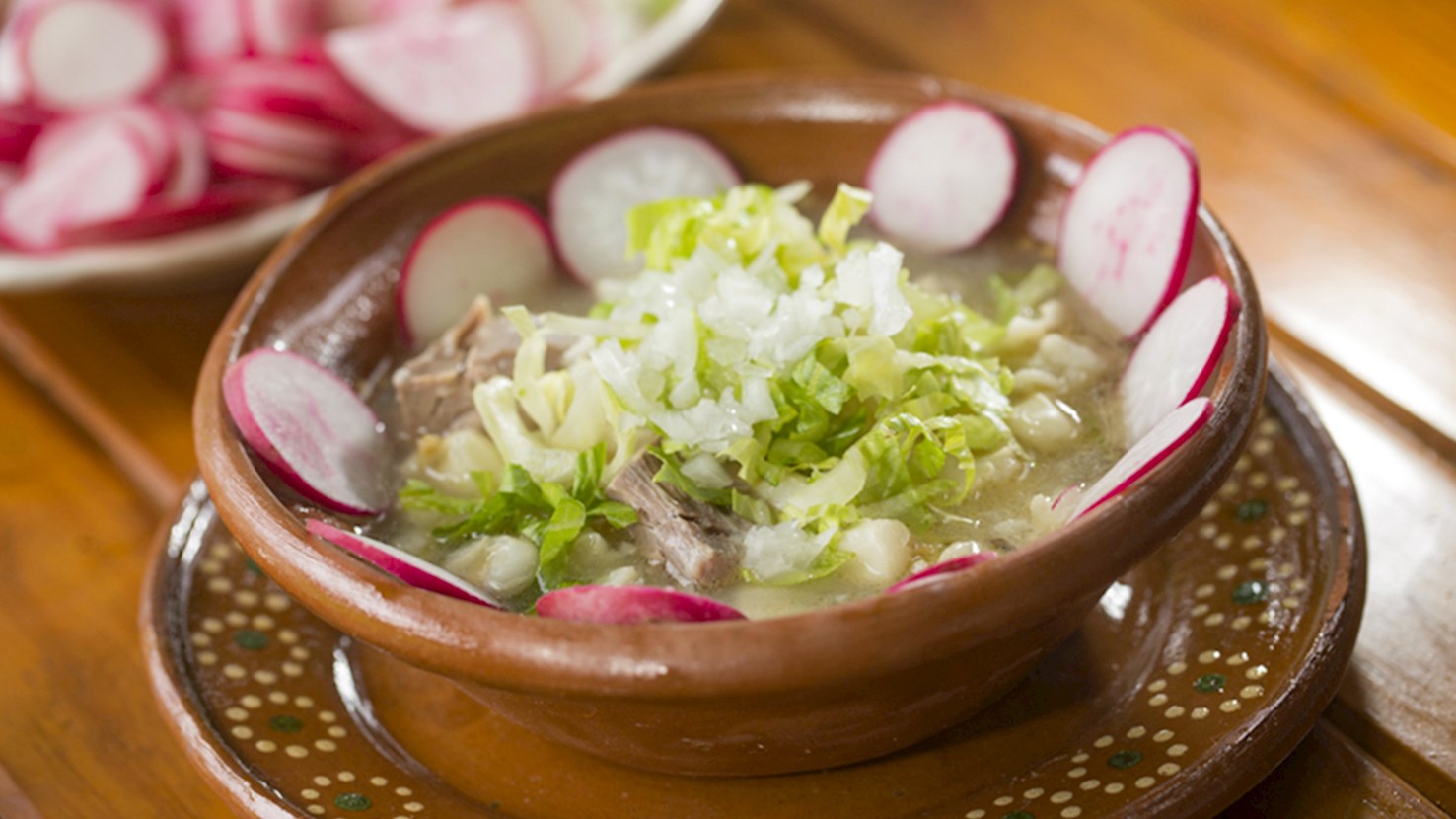
Pozole is a soupy and aromatic Mexican stew that comes in three versions – red, white, and green, symbolizing the colors of the Mexican flag. Although there are many variations, the white version known as pozole blanco is usually made with a combination of pork, hominy, garlic, onions, and garnishes such as avocado slices, lime wedges, and diced onions. The onions, garlic, salt, and water are blended until smooth, and then mixed with the rest of the ingredients. The mixture is covered with water and simmered for a few hours until everything is fully cooked. The stew is served in individual bowls and it's usually garnished with avocado slices, lime wedges, and diced onions. White pozole is typically accompanied by chile de arbol sauce on the side, consisting of arbol chili peppers, garlic, vinegar, and salt.
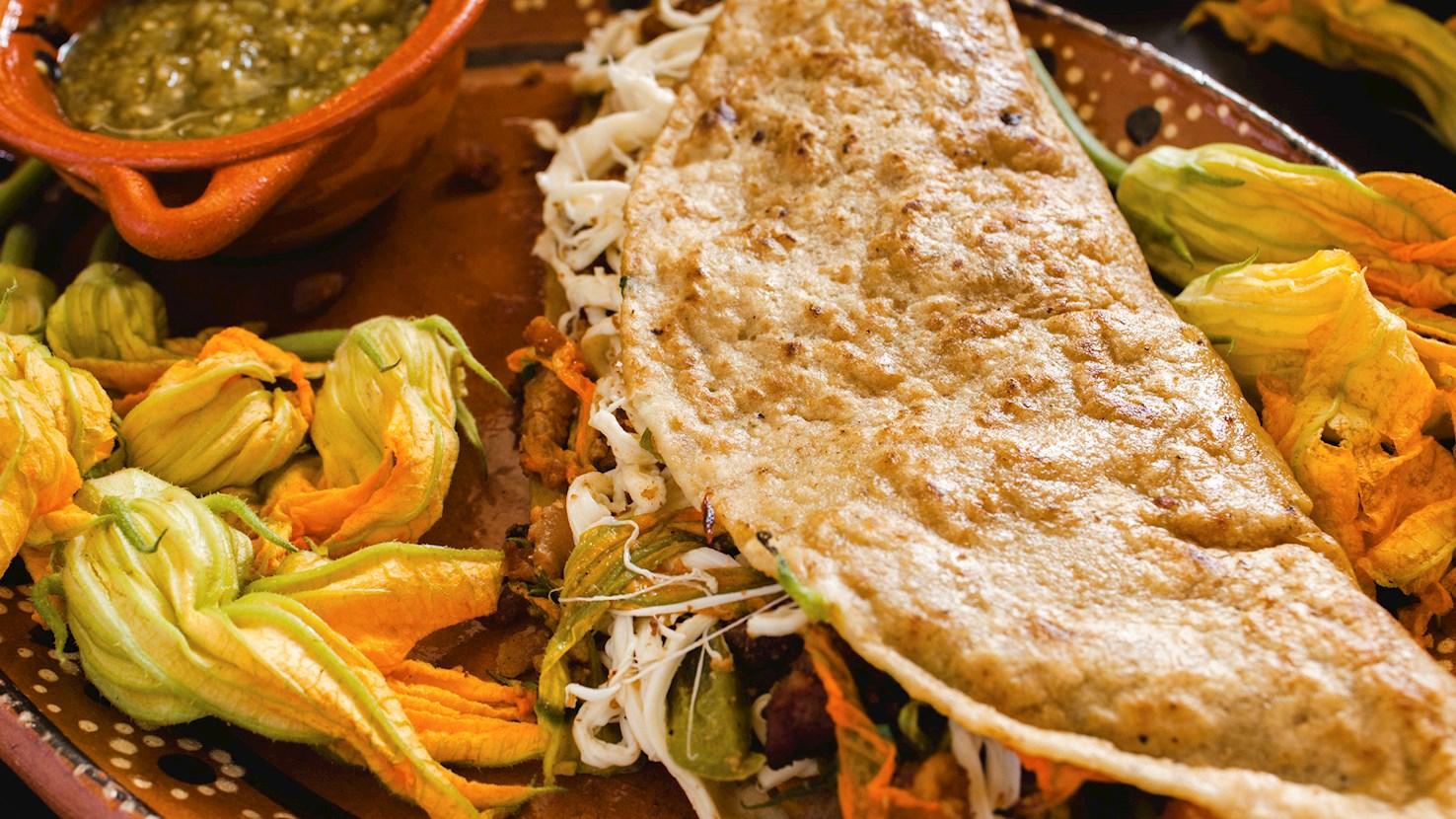
Quesadilla is a simple Mexican snack consisting of a flour or corn tortilla filled with cheese that melts well. It is commonly folded in half and consumed. A quesadilla can also have some other ingredients on the inside such as meats, beans, or potatoes, but cheese is always mandatory (with the exception of Mexico City, where cheese in a quesadilla is often an afterthought). Sometimes, it is cut into wedges and served with salsa or guacamole on the side, and it can be topped with vegetables such as diced tomatoes, onions, lettuce, or hot chiles. The origins of quesadilla are somewhat murky, but it is known that the cheese was brought to Mexico by the Spaniards along with other dairy products in colonial times, and the thin flatbreads were already a staple of the Mesoamerican people. The Spaniards named the dish quesadilla (little cheesy thing). In northern Mexico, and parts of the southwestern United States, flour tortillas are more common than corn tortillas, so quesadillas with flour tortillas started to gain popularity throughout the United States as well. Today, there are numerous varieties and fillings for quesadillas such as chorizo, Oaxaca cheese, epazote, and squash blossoms.
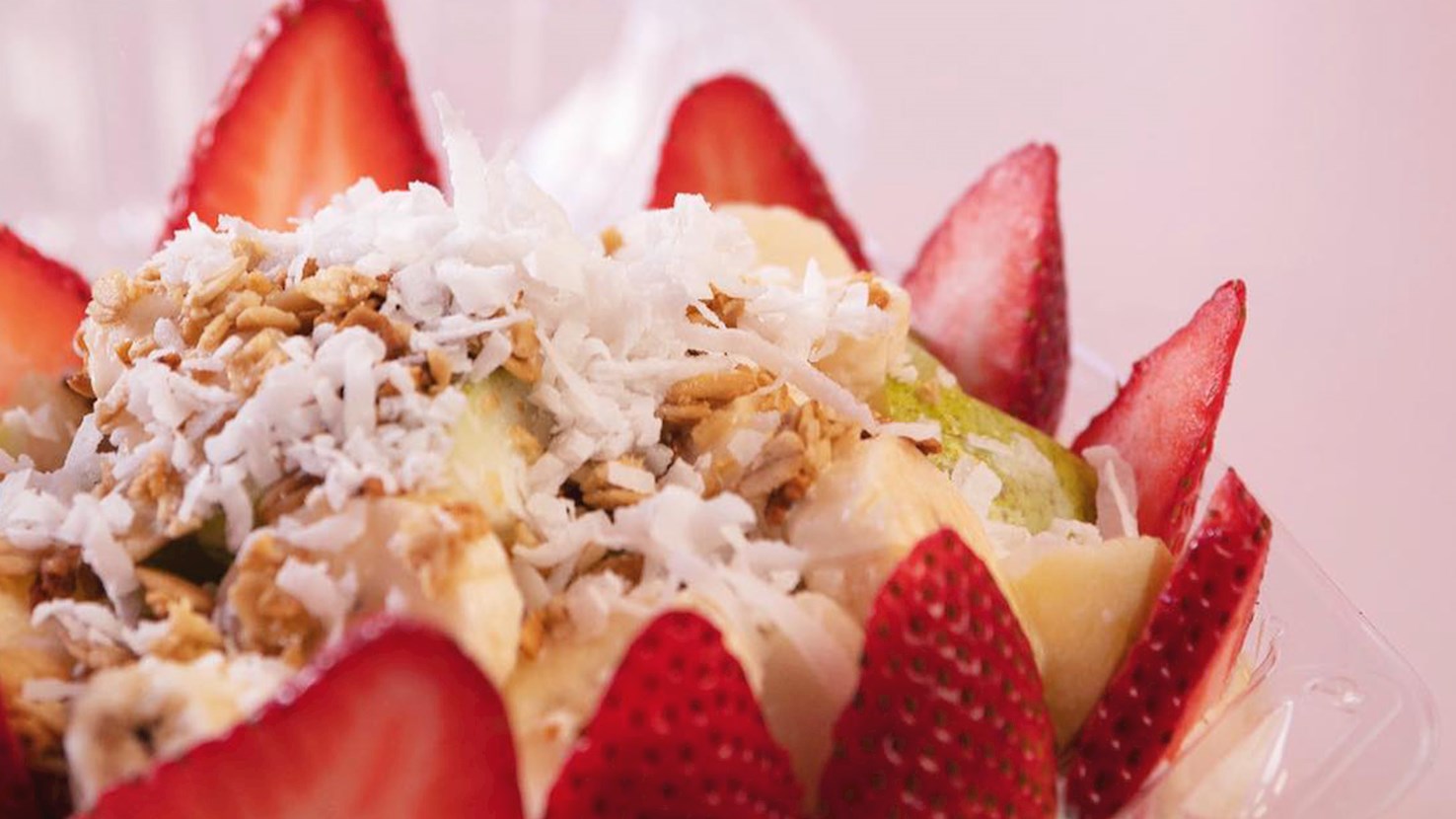
Bionico is a popular Mexican street food item in the form of a fruit cocktail, originating from Guadalajara. Chopped fruits such as papaya, strawberries, cantaloupe, apples, and bananas are topped with a sweet cream mixture, granola, pecans, raisins, and desiccated coconut. The dish was invented in the early 1990s as a healthy breakfast meal. As its popularity grew, the dessert spread throughout Mexico and even to some parts of the United States. Today, bionico is mostly served by street vendors or it can be bought at numerous juice bars and ice cream shops.
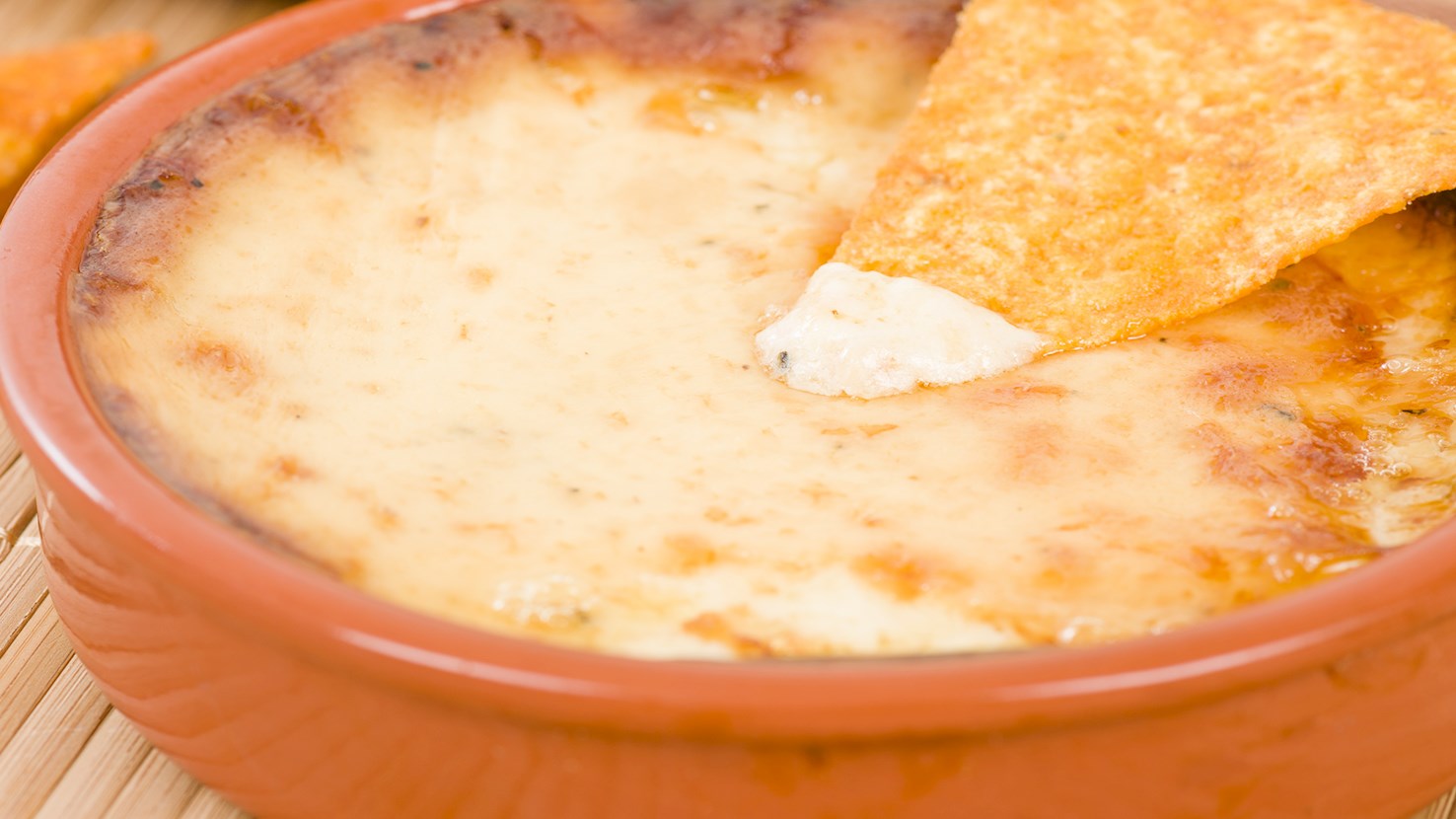
Queso fundido is a tasty Mexican comfort food dish that is typically served as an appetizer. It consists of pieces of chorizo, tomatoes, onions, poblano peppers, and gooey, stringy melted cheese. The dish is often prepared tableside in restaurants, where it is flambéed and presented bubbling hot in small casserole dishes. Queso fundido is traditionally spooned onto soft corn tortillas so that it could be eaten individually, as the dish is typically shared between groups of people, making it a great party food as well. It originated in northern Mexico, where it was originally prepared as a campfire dish. Nowadays, queso fundido is also popular in the United States, especially in El Paso.
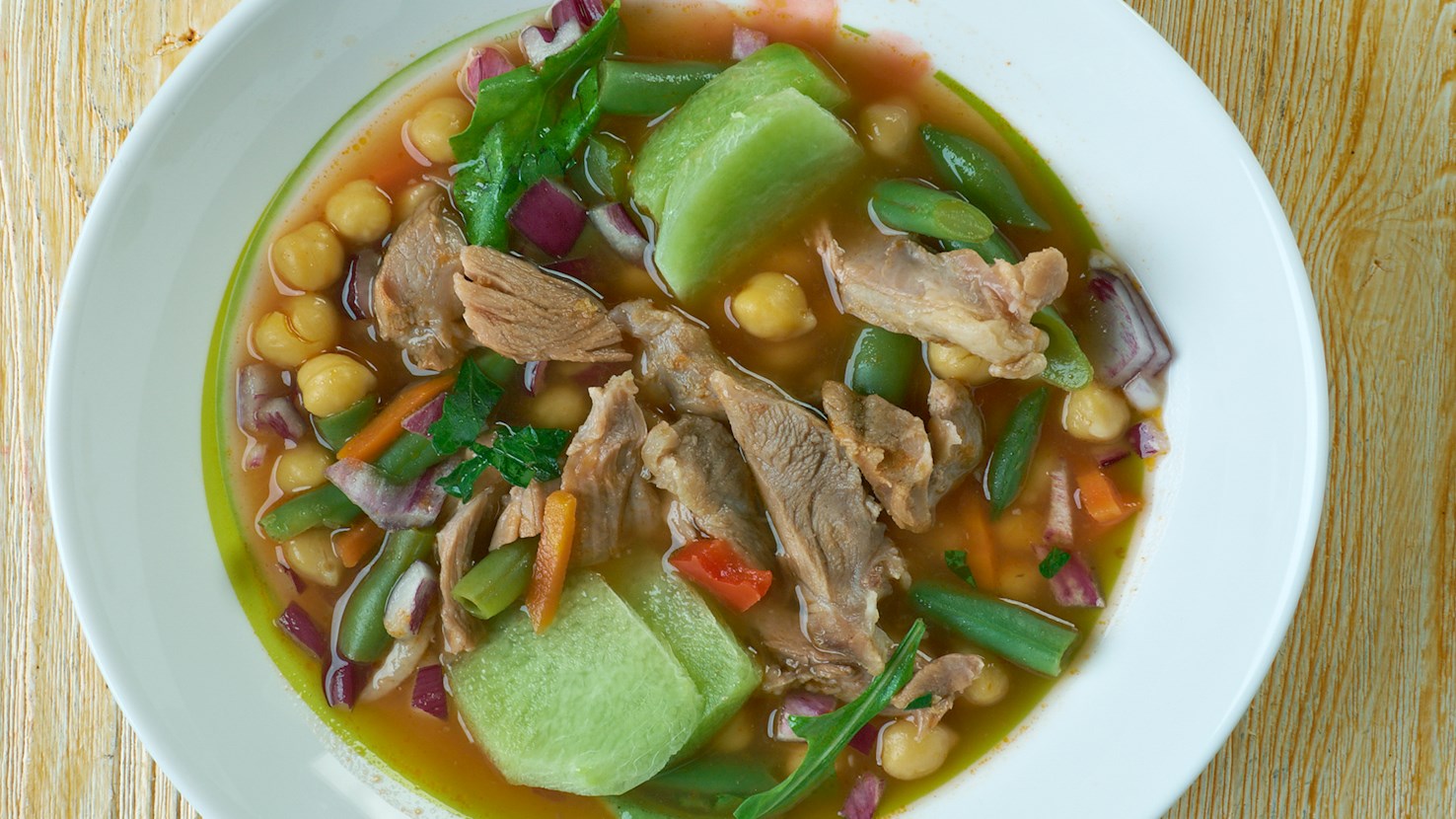
Caldo tlalpeño is a classic Mexican soup consisting of chicken stock, onions, garlic, spicy chipotle peppers, shredded chicken, chickpeas, and vegetables such as carrots, green beans, and zucchini. It is believed that the soup was invented in Tlalpan, Mexico City in the early 1900s, when it was filled with street vendors selling the dish near tram stations. The soup is traditionally served with avocado, limes, onions, and cheese so that anyone can season and decorate the soup according to personal preferences.
TasteAtlas food rankings are based on the ratings of the TasteAtlas audience, with a series of mechanisms that recognize real users and that ignore bot,
nationalist or local patriotic ratings, and give additional value to the ratings of users that the system recognizes as knowledgeable.
TasteAtlas Rankings should not be seen as the final global conclusion about food. Their purpose is to promote excellent local foods,
instill pride in traditional dishes, and arouse curiosity about dishes you haven’t tried.



What People Say