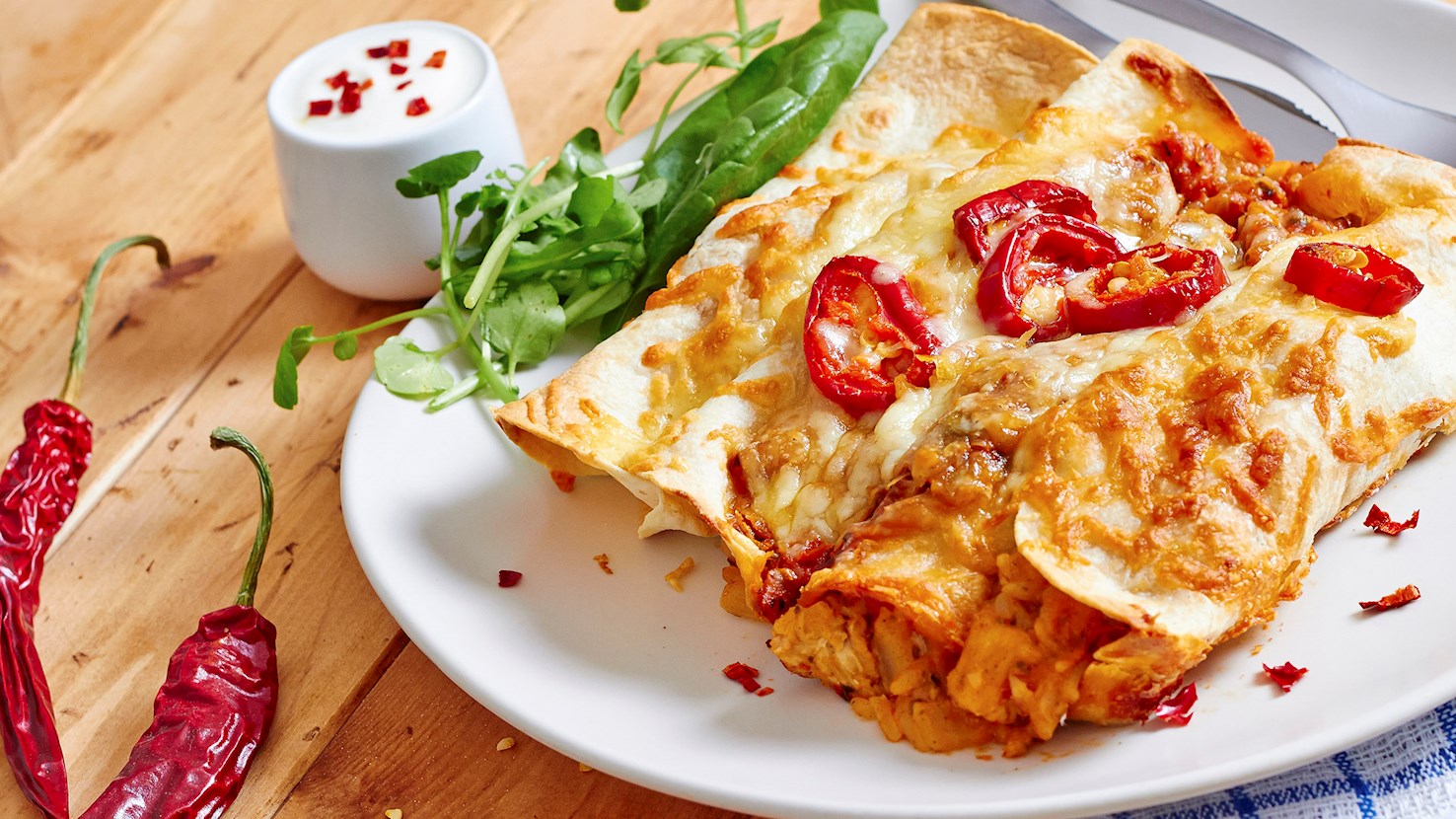
Enchiladas consist of a tortilla that is usually dipped in a chile-based sauce, then stuffed with various fillings such as cheese, meat, or fish. Then it is rolled up, baked, and topped with sauces, onions, beans, or more cheese. This highly versatile dish is believed to have originated from a Mayan dish called papadzules, consisting of corn tortillas dipped in pumpkin purée and filled with chopped boiled eggs. From there, numerous variations developed throughout Mexico and outside of its borders. The word enchilada, which first appeared in print in 1885, comes from the Spanish word enchilar, meaning to season with chile pepper. Today, there are countless versions of enchiladas. In northern Mexico's Sonora, they make them open-faced, topped with black olives and a red chile sauce, while the New Mexico version is prepared by layering the tortillas in a tall stack with cheese and onions between each layer. Enchiladas have become so popular that there is even a National Enchilada Day (in the US), celebrated every year on May 5, also known as Cinco de Mayo.
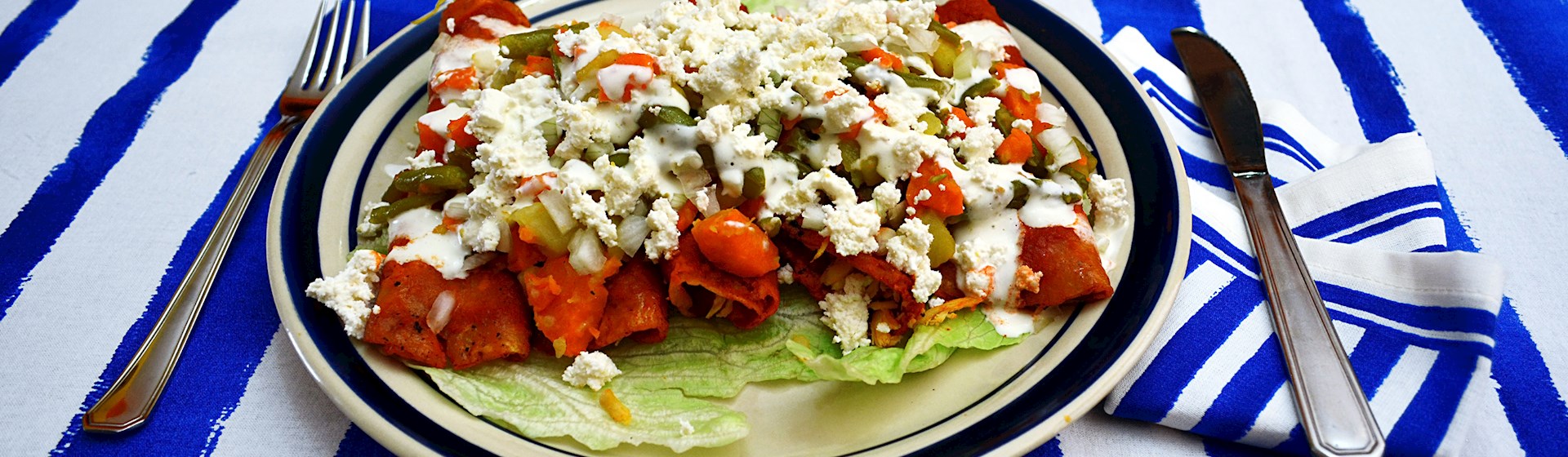
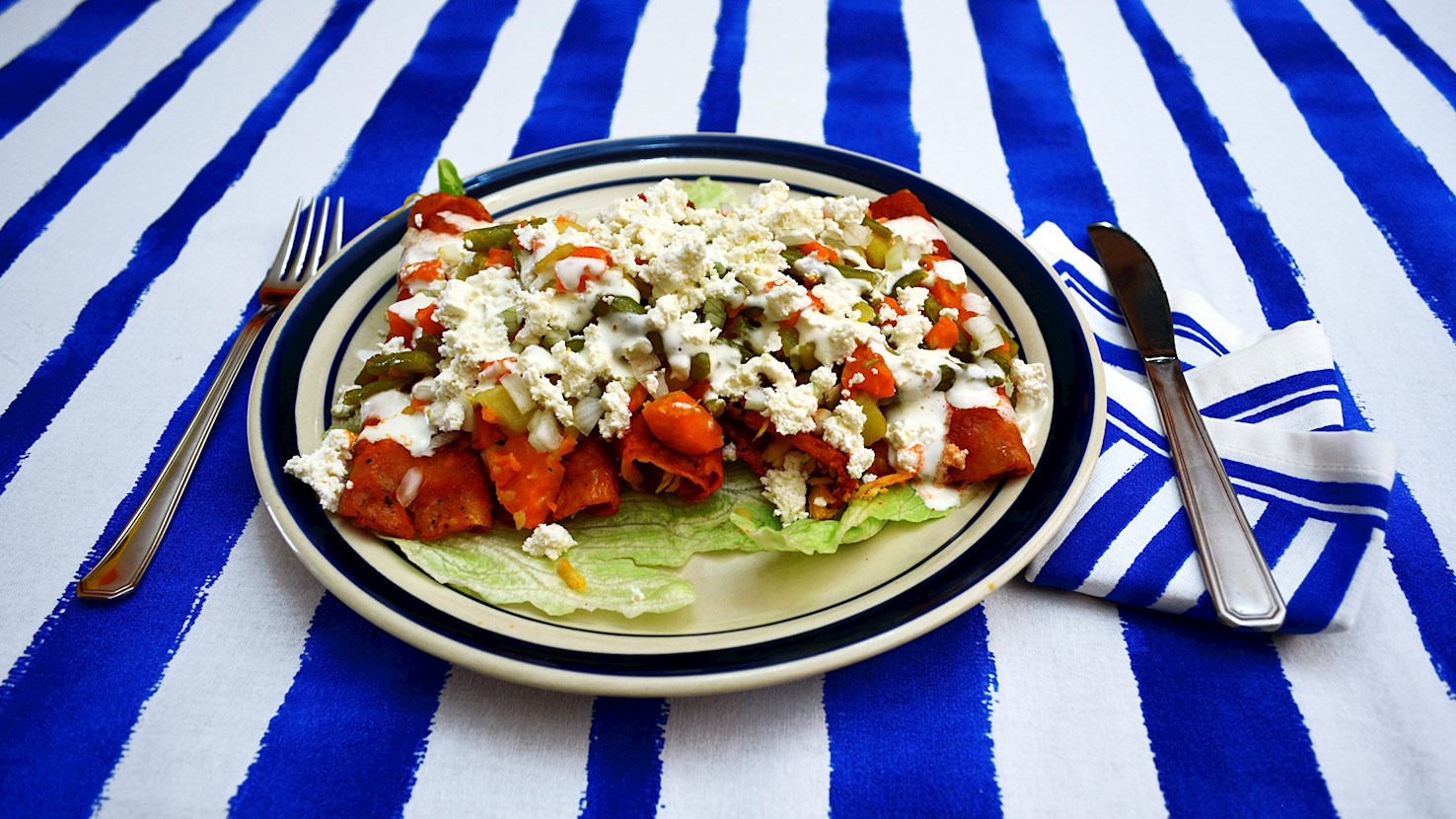
Enchiladas mineras are traditional Mexican enchiladas hailing from Guanajuato, a mining town where the women took this dish to their husbands at the end of their work hours. These enchiladas are traditionally filled with onions, cheese, and a stew-like combination of carrots and potatoes. Once assembled, the filled enchiladas are topped with the remaining sauce and baked until the sauce begins to bubble. They're then served over a bed of lettuce and often garnished with jalapeños, shredded cheese, or tomatillo salsa.
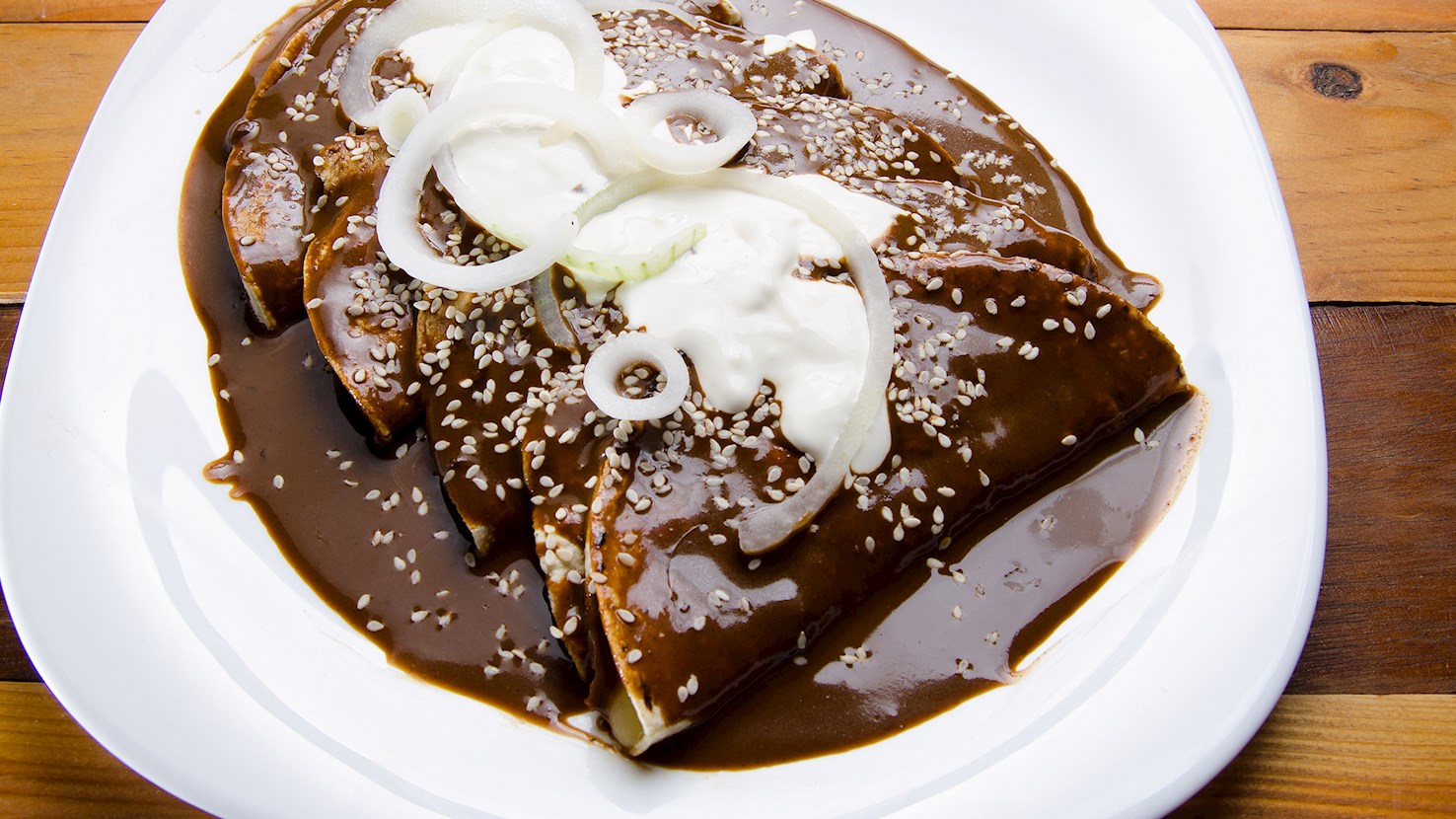
Mexican enmoladas are essentially enchiladas covered in mole sauce. The enchiladas might be filled with a wide array of ingredients, but they are most often filled with chicken and crumbled cheese. The tortillas are first fried, dipped into the warm mole sauce, then filled with chicken and cheese. If needed, more mole sauce is spooned over the enmoladas. Before serving, enmoladas can be garnished with sliced onions and chopped coriander. This tasty Mexican dish is a great example of using leftover mole sauce for the creation of a new meal.
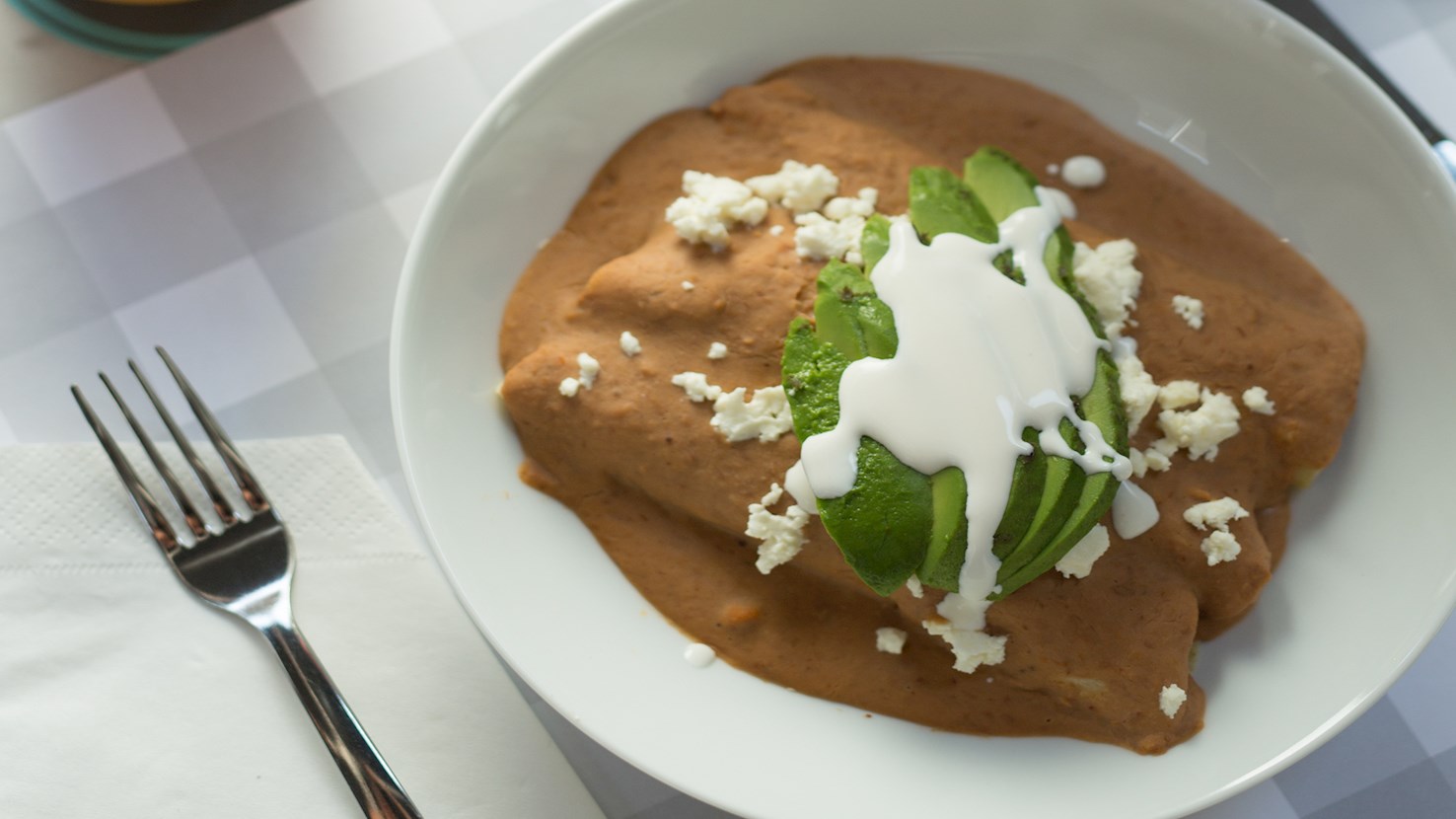
An enfrijolada is a warm, slightly fried corn tortilla heavily saturated in a smooth, savory bean puree, then folded in half or rolled around a central filling. This everyday staple serves primarily as a sustaining breakfast or early-afternoon meal. The history of this combination stretches back centuries across Mesoamerica, serving as a resourceful way to use leftover beans and stale tortillas long before European colonization introduced dairy and domestic livestock to the continent. Putting the meal together starts with the beans themselves, typically dried black or pinto varieties that have been boiled for hours until completely tender. These soft legumes go into a blender along with a splash of their dark cooking liquid, fresh garlic, white onion, and often a toasted dried chili, such as a chipotle or pasilla, for a subtle, smoky background heat. The mixture is pureed until completely smooth, then poured into a wide, hot skillet, where it simmers and thickens to a velvety, gravy-like consistency. While the sauce bubbles, fresh corn tortillas are quickly passed through hot vegetable oil or melted lard. This brief frying step creates a physical barrier that stops the corn from instantly dissolving into mush once it hits the wet sauce. The pliable tortillas are then submerged directly into the hot bean puree, ensuring both sides are thoroughly coated. Once saturated, they are transferred to a flat plate and either folded into simple half-moons or rolled into tight cylinders. A standard filling consists simply of crumbled fresh cheese, though many households and restaurants stuff the center with shredded roasted chicken, spicy crumbled chorizo, or softly scrambled eggs. After arranging three or four of these folded bundles on the plate, a final ladle of the hot bean sauce is poured over the top to ensure no dry spots remain. Customizing the final flavor depends entirely on the garnishes scattered over the wet tortillas right before eating. Heavy drizzles of tangy sour cream and generous handfuls of salty, crumbly white cheese, such as cotija or queso fresco, go directly on top to balance the earthy depth of the beans. Thinly sliced raw white onions, sprigs of fresh cilantro, and wedges of ripe avocado are frequently added to introduce a crisp, bright contrast to the dense, starchy base. Because the hot puree quickly softens the fried corn, the meal must be eaten immediately with a fork and knife.
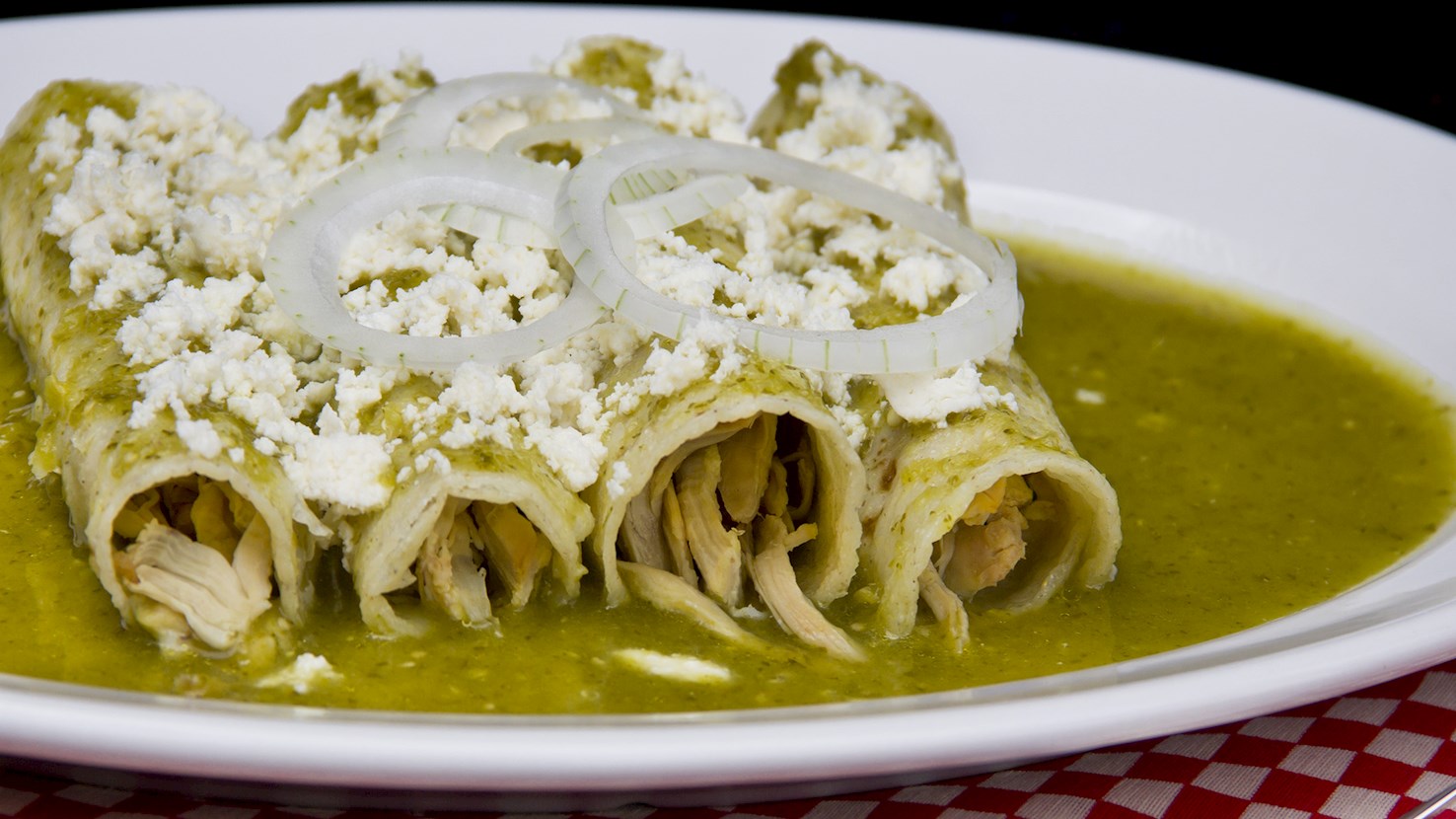
Salsa verde enchiladas is a Mexican dish prepared by covering enchiladas with green salsa. The enchiladas are traditionally filled with shredded chicken, and the salsa is made with small green tomatillos, chili peppers, coriander, parsley, onions, garlic, and oregano. Once filled with chicken, the enchiladas are covered with salsa verde, and the dish is typically topped with shredded cheese, onions, and coriander. Some cooks like to add sour cream as an additional topping, as it balances the sharp acidity of the green salsa.
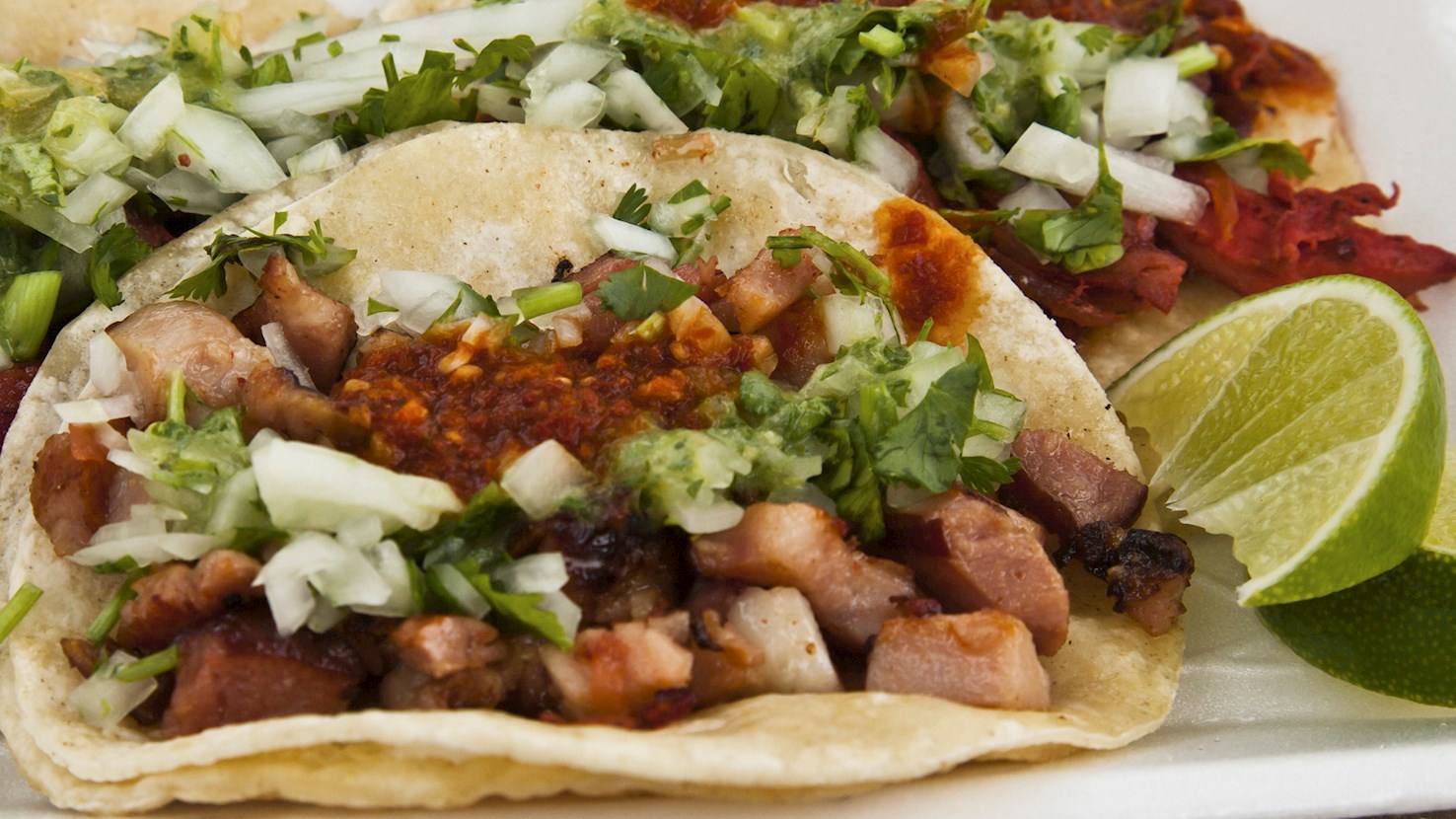
Tacos are the national dish of Mexico, dating back to the Mexican silver mines of the 18th century, when the word taco referred to gunpowder that was wrapped in a piece of paper and inserted into rocks. It was used to excavate the precious ore from mines and was called tacos de minero or miner's tacos. Today, the word is widely known to signify the leading street food and fast food item in Mexico – thin, flat griddle-baked tortillas topped with numerous fillings, folded and eaten without any utensils. A taco is basically anything eaten on a soft tortilla, and there is an infinite variety of them. In Sonora, in the north of Mexico, they eat the classic carne asada - thinly sliced meat grilled over coals and topped with salsa, onions, guacamole, and a lime wedge. In Baja, the topping consists of fried fish with cabbage and an acidic mayonnaise sauce. In Mexico City, sudados (sweated tacos) are the most popular option, filled with cooked and steamed meat. In Jalisco and Michoacan, they prepare carnitas, eaten in the morning or in the early afternoon, filled with deep fried pieces of pork that are sliced according to preference. Similar is the taco de cabeza, filled with pieces of cow's head that was steamed for a long time, and the customers can choose from slices of eyes, brains, tongue, lips, cheek, or ears. Tacos are mainly made of corn, except in the north, where wheat flour is used more often. They also differ in size, from the tiniest white tacos (blancas) to bigger ones, often made with blue corn. Most tacos come in pairs of two, in order to be able to hold all the flavorful and slightly wet ingredients. Some of them are fried until they become crispy and crunchy, in which case they're called tostadas. As anything can be a filling, there is a version made with fried veins from dried chiles, usually accompanied by salt, a tasty treat called tacos de venas. However, the standard is ground or shredded meat, cheese, potatoes, or vegetables and a topping of onions and coriander. Eaten at all times of day and night, one can find them on every corner in Mexico, in restaurants known as taquerias. Alternatively, they can be bought from numerous street vendors.
TasteAtlas food rankings are based on the ratings of the TasteAtlas audience, with a series of mechanisms that recognize real users and that ignore bot,
nationalist or local patriotic ratings, and give additional value to the ratings of users that the system recognizes as knowledgeable.
TasteAtlas Rankings should not be seen as the final global conclusion about food. Their purpose is to promote excellent local foods,
instill pride in traditional dishes, and arouse curiosity about dishes you haven’t tried.



What People Say