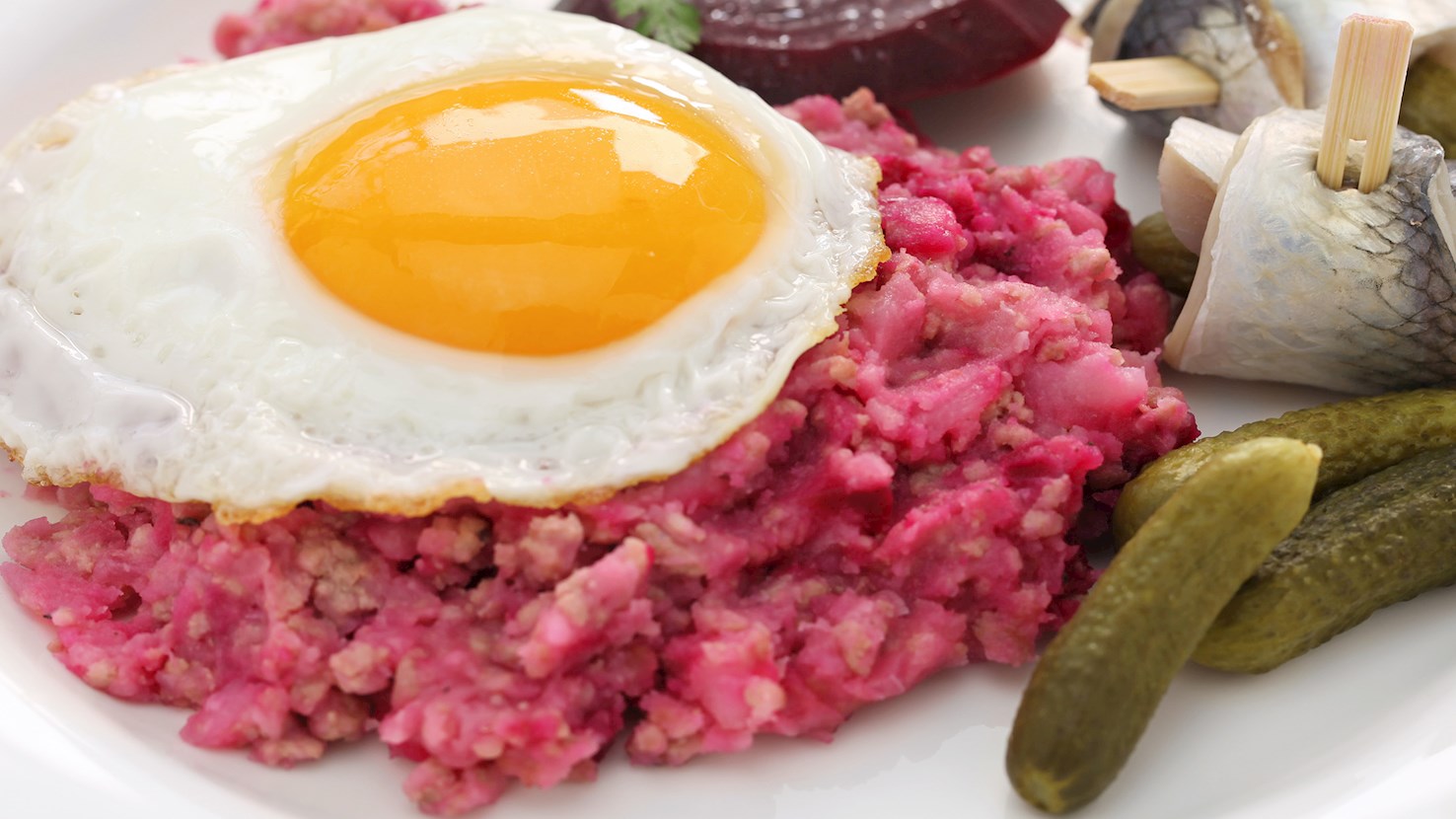
Labskaus is a dish from northern Germany consisting of corned beef, mashed potatoes, and beets, with additional ingredients such as fried eggs, pickles, and rollmops—a pickled, rolled herring. Although its origins are somewhat murky, the dish was most probably invented in the 16th century, when it was typically eaten by poor people, sailors, and seamen, due to the fact that pickled and canned foods were inexpensive and could last during long travels. Although the dish is particularly popular in the cities of Hamburg, Bremen, and Lübeck, variations of labskaus are prepared and consumed throughout northern Europe.
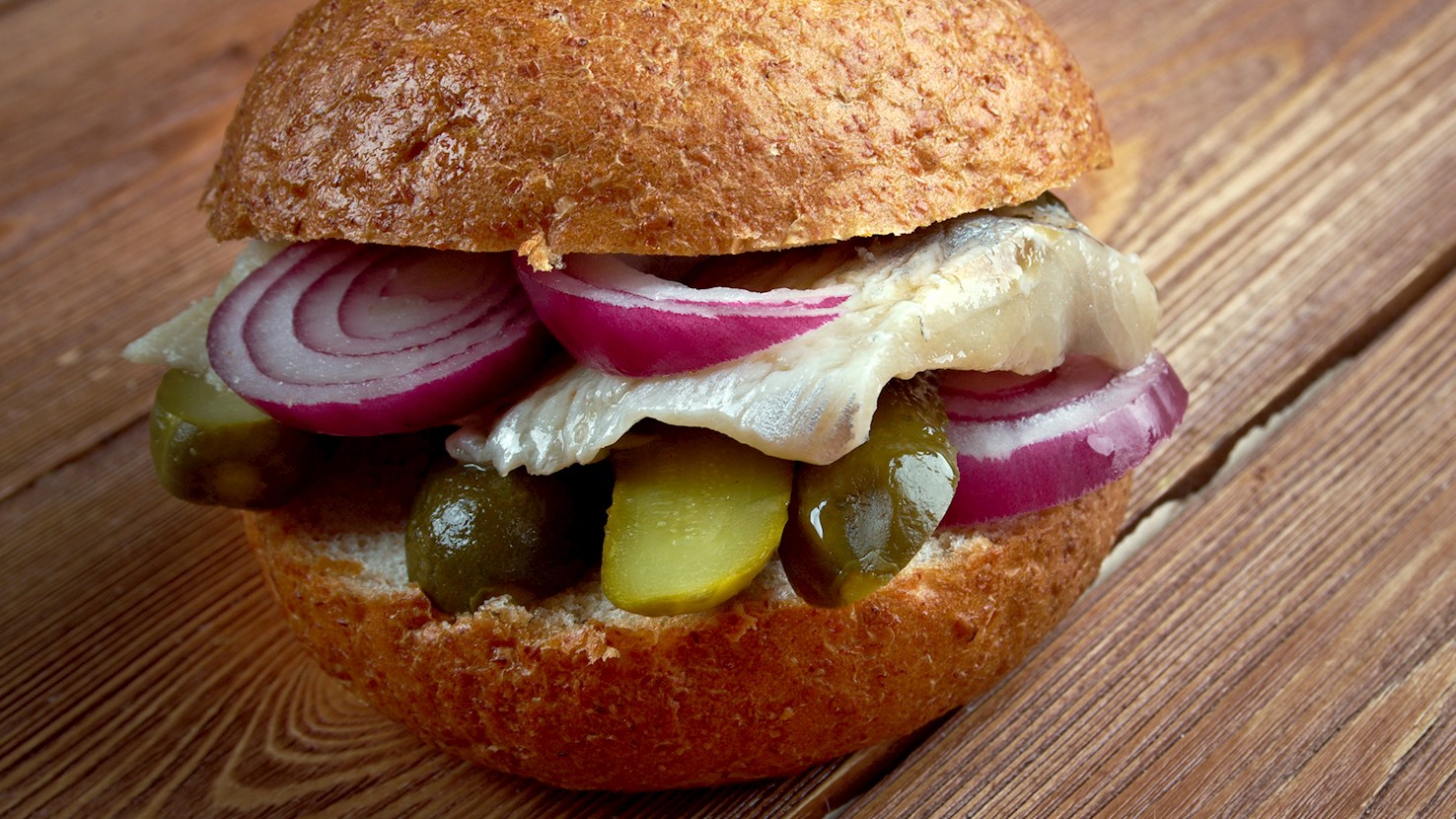
Fischbrötchen is a commonly consumed sandwich in Northern Germany, made with fish and a variety of other ingredients such as pickles, remoulade, onions, lettuce, or horseradish. The ingredients are typically placed in round or elongated bread buns, while the type of fish used in the sandwich is variable – herring, sprat, salmon, and mackerel are among the most common fish used in the preparation of this sandwich, which is commonly served at fast-food stands in the region.
This delicious German sweet pastry is traditionally served with a cup of coffee on the side. Initially made only in the Hamburg area, it is now also available in other German cities. The original recipe for these little pastries includes flour, butter, milk, yeast, and sugar, with a filling consisting of sugar and cinnamon. However, raisins, chocolate, or pumpkin seeds may also be added. The dough is folded multiple times and glazed with butter, developing a sticky coating and rich flavor in the process. The name of this dish is possibly related to the French, who had occupied Hamburg during Napoleon's rule. Alternatively, it is said that a baker from Hamburg once cooked a Franzbrot (French bread) in butter, thus creating the Franzbrötchen.
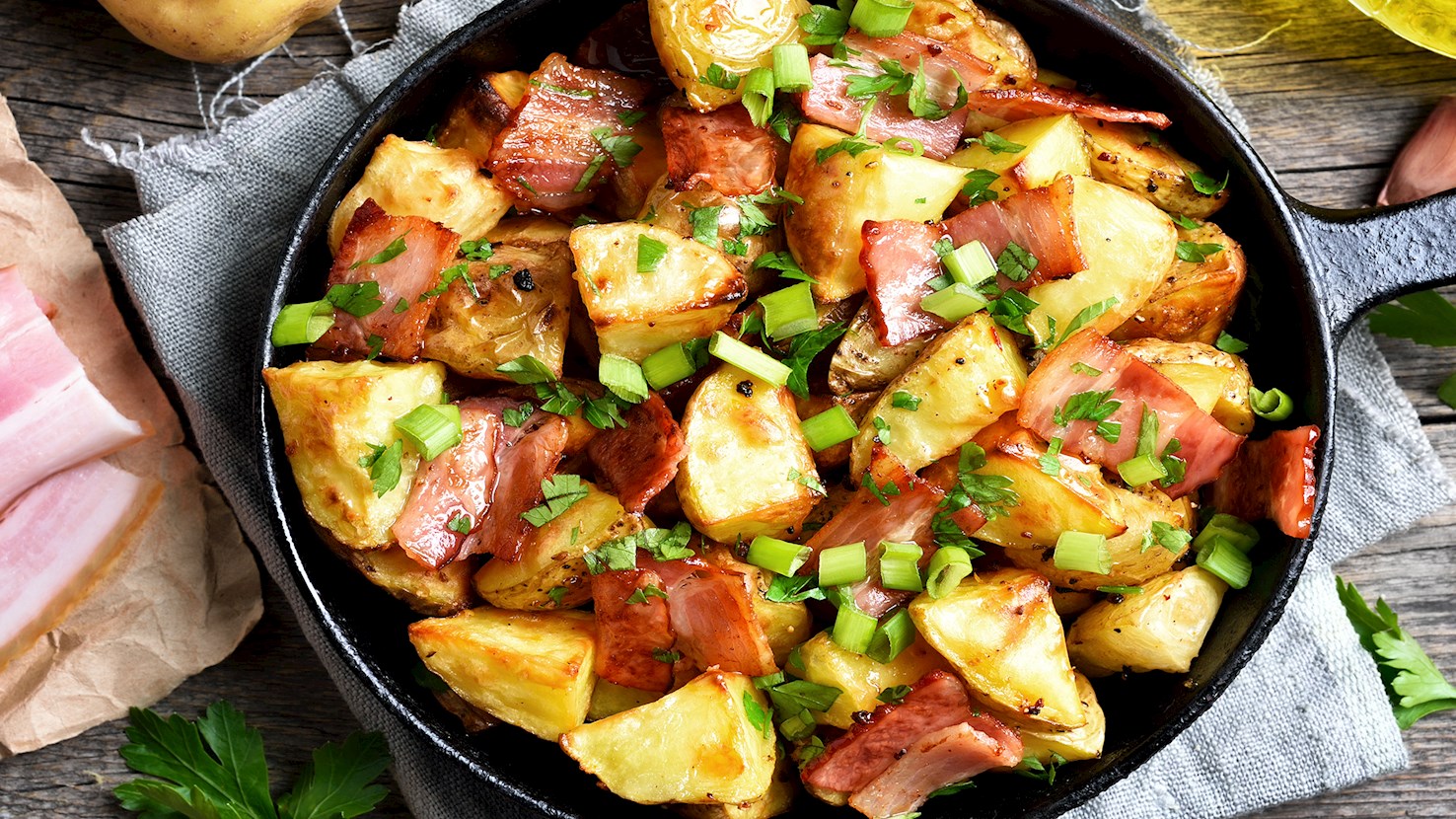
Pan-fried potatoes are a classic, versatile German dish that is easily adapted with additional ingredients and comes in different flavor combinations. The potatoes are traditionally diced or sliced, buttered and salted, and can be then combined with bacon, ham, onions, vegetables, and a variety of fresh herbs and spices. The key is to achieve crispy, golden potatoes that stay soft and tender on the inside. Simple and affordable, bratkartoffeln is a common restaurant dish as well as a popular home-cooked meal that is usually served as an accompaniment to roasted or grilled meat, sausages, fish, or fried eggs.
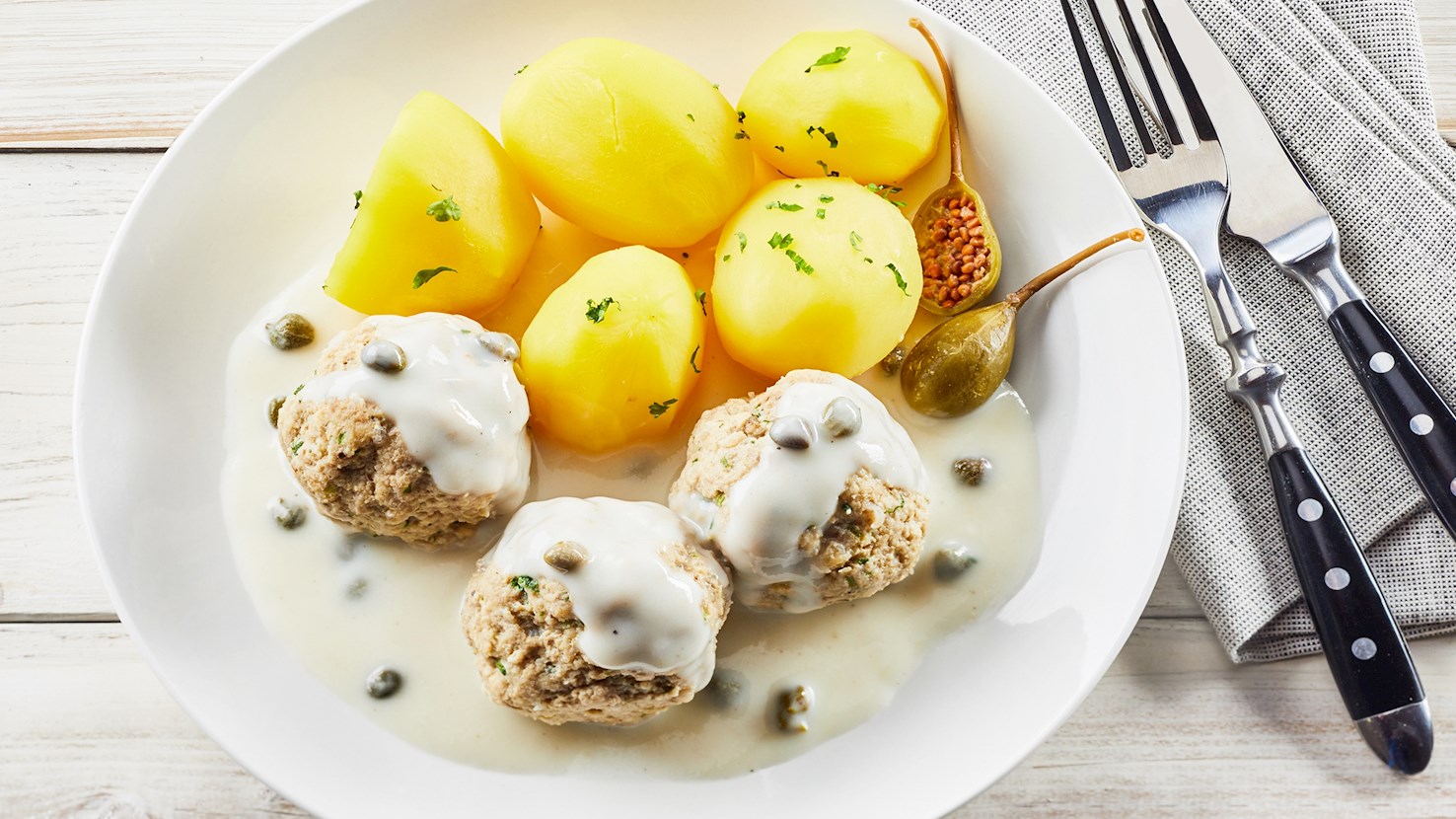
Königsberger Klopse is a savory meal consisting of meatballs in a white sauce served with a side of boiled potatoes and sliced pickled beets. Similar dishes have existed since the Middle Ages, but klopse (lit. meatballs) were invented in Königsberg (now known as Kaliningrad) back in the 18th century. These meatballs are mostly made with minced veal and a small amount of either anchovies, sardines, or herrings, which are nicely contrasted by capers in the white sauce.
No other dish in Germany is as well known as currywurst, a street snack that has become an indispensable part of Germany’s culinary heritage. The dish is made from two essential parts - boiled and subsequently fried sausage, served whole or sliced, and a smooth and rich curry-spiced tomato sauce. With a portion of french fries or a kaiser roll on the side, the dish is usually lightly dusted with yellow curry powder. A wide range of sausages are used for currywurst, but the famous German bratwurst is the most commonly used variety. The real star of this dish is its gravy-like sauce made with puréed tomatoes and infused with the aromatic curry powder. The popularity of currywurst in Germany has generated numerous legends about its origins. Even though Hamburg is sometimes mentioned as its birthplace, Berlin is the city that is most commonly associated with the invention of this delicious dish. The most famous legend tells the story of Herta Heuwer, a Berlin local who is widely credited as the inventor of the tomato and curry concoction. In 1949, amid the aftermath of World War II, many ingredients were hard to come by and life was tough. However, thanks to Herta’s negotiating skills, she was able to get hold of a hard to come by ingredient – British yellow curry powder. She then mixed it with puréed tomatoes and other spices to create the base sauce, which she served with the sliced sausage. The dish became an instant success. Herta patented her creation and never revealed her original recipe. Later, as currywurst grew in popularity, numerous varieties popped up all over Berlin and the rest of Germany. No two are the same, and every local has their own favorite style and a favorite currywurst place. Germans are so fond of this fast food staple that they have even built a museum in its honor. Located in Berlin, the Currywurst Museum offers a glimpse into the history of the legendary currywurst, as well as a detailed overview of the numerous varieties, cooking styles, and serving options of this famous dish.
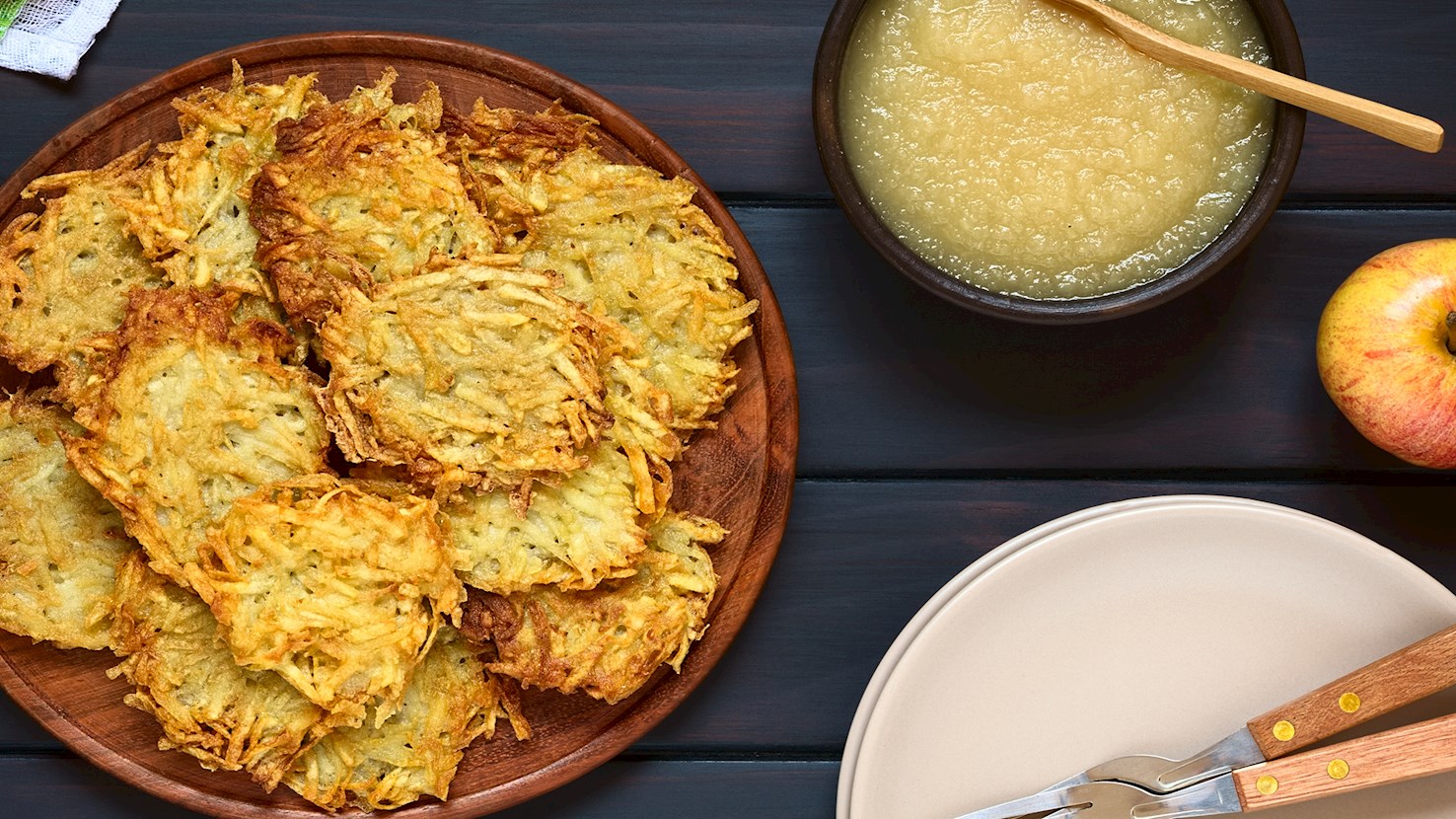
German potato pancakes are a restaurant staple, a homemade classic, and a popular street food snack. They are prepared with a thick batter that employs grated raw potatoes, flour, and eggs, and are usually shaped into flat, round discs that are shortly pan-fried until golden and crispy. Even though they are often served as a complement to stews, grilled meat, and sausages, potato pancakes make an excellent snack or main course. Kartoffelpuffers are traditionally accompanied by creamy apple sauce, fruit preserves, or sour cream.
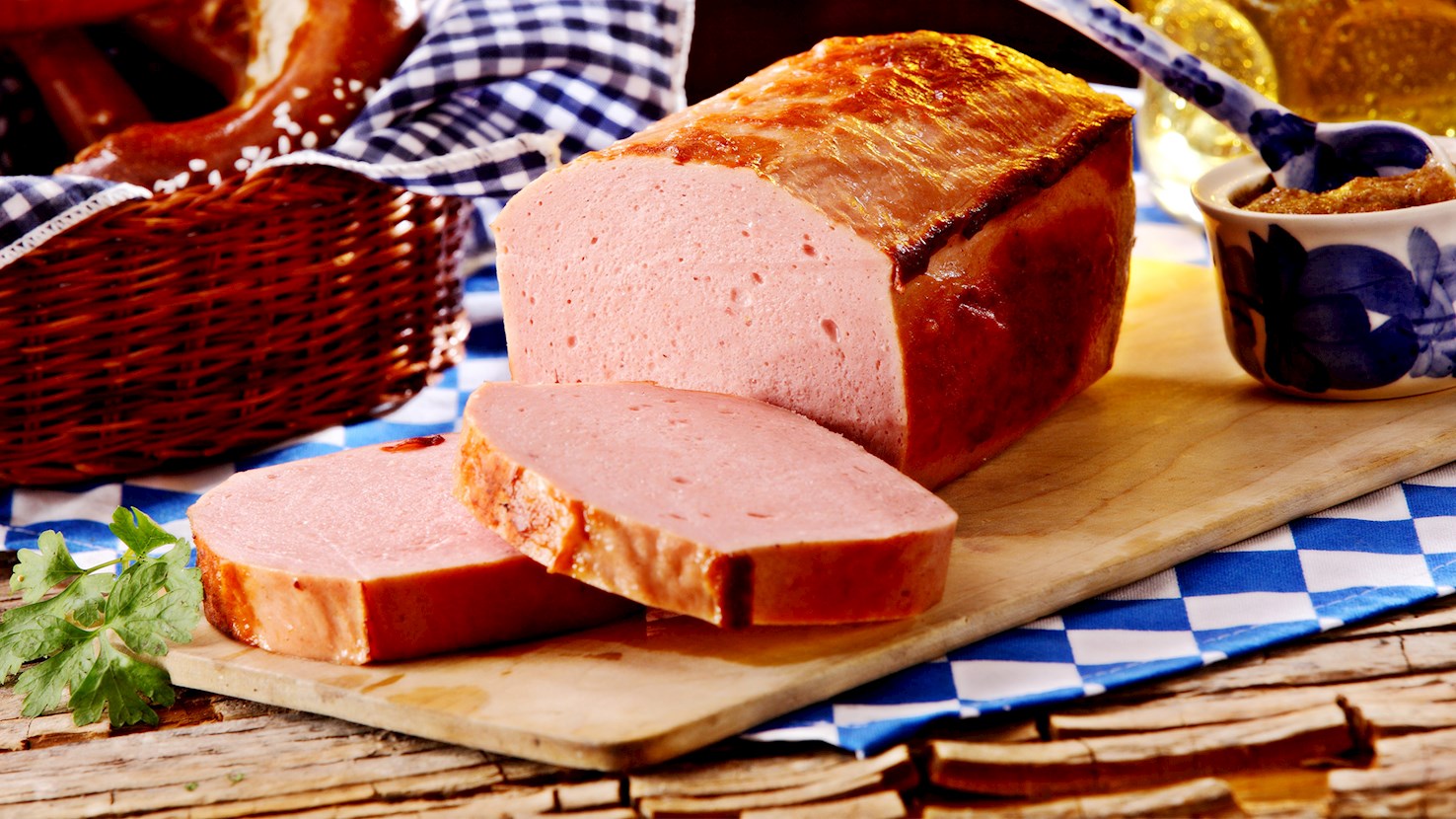
Leberkäse is a traditional product consisting of ground meat that is flavored with onions and baked into a meatloaf. The loaf is characterized by a crispy crust on the exterior, while the interior remains juicy and pink. The dish can be served either hot or cold, and it is recommended to pair it with mustard and bread, while some like to fry the slices of meatloaf in a pan and consume it as a quick snack.
TasteAtlas food rankings are based on the ratings of the TasteAtlas audience, with a series of mechanisms that recognize real users and that ignore bot,
nationalist or local patriotic ratings, and give additional value to the ratings of users that the system recognizes as knowledgeable.
TasteAtlas Rankings should not be seen as the final global conclusion about food. Their purpose is to promote excellent local foods,
instill pride in traditional dishes, and arouse curiosity about dishes you haven’t tried.






What People Say