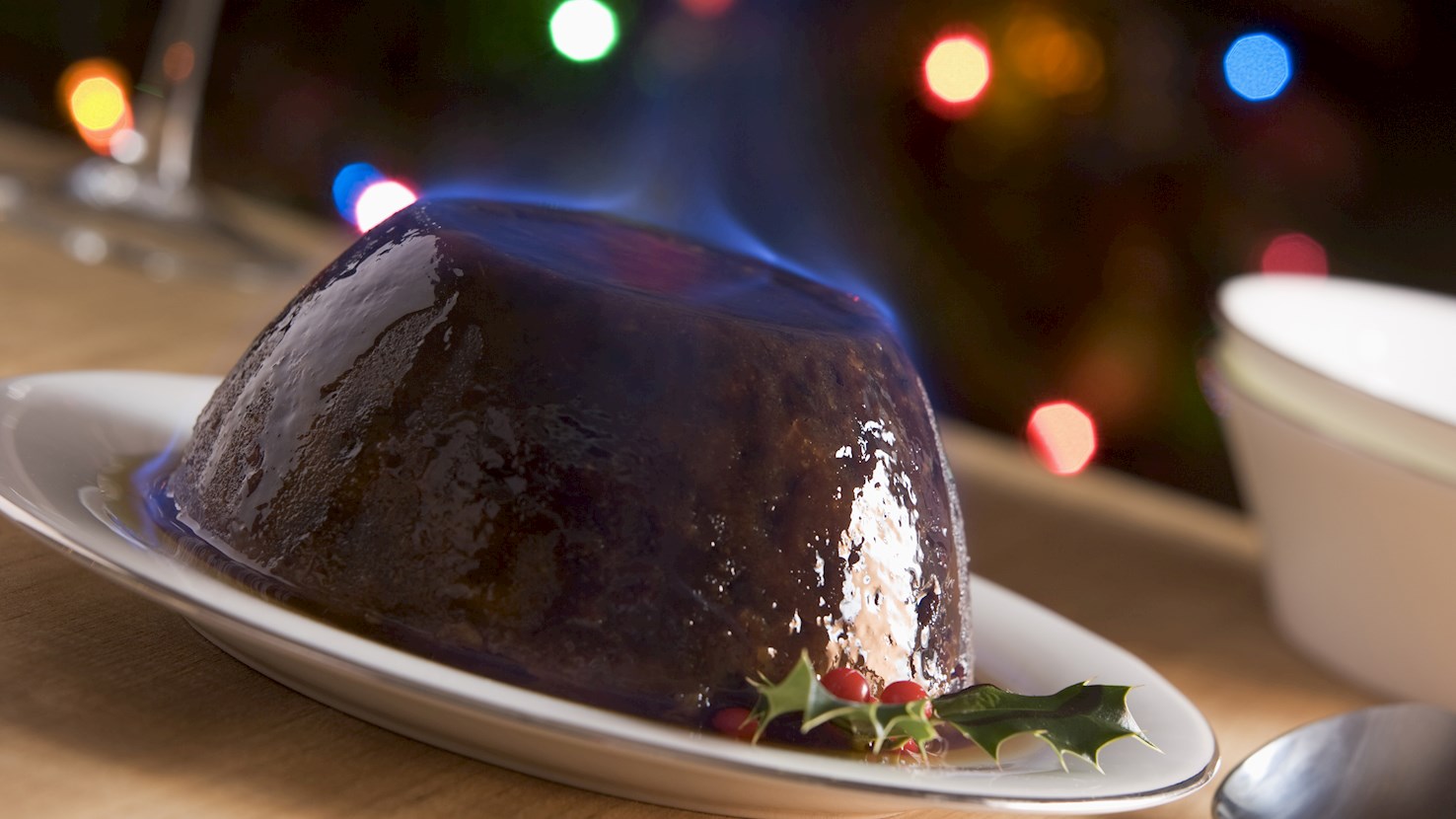
Christmas pudding is a staple dessert at every British Christmas dinner ever since its introduction by Prince Albert. Early versions contained meat such as beef or mutton, along with wine, onions, dried fruits, and warming spices. Today, Christmas pudding does not contain meat, but fruits, eggs, suet, molasses, and spices instead of it, and every family has their own recipe for this steamed treat.
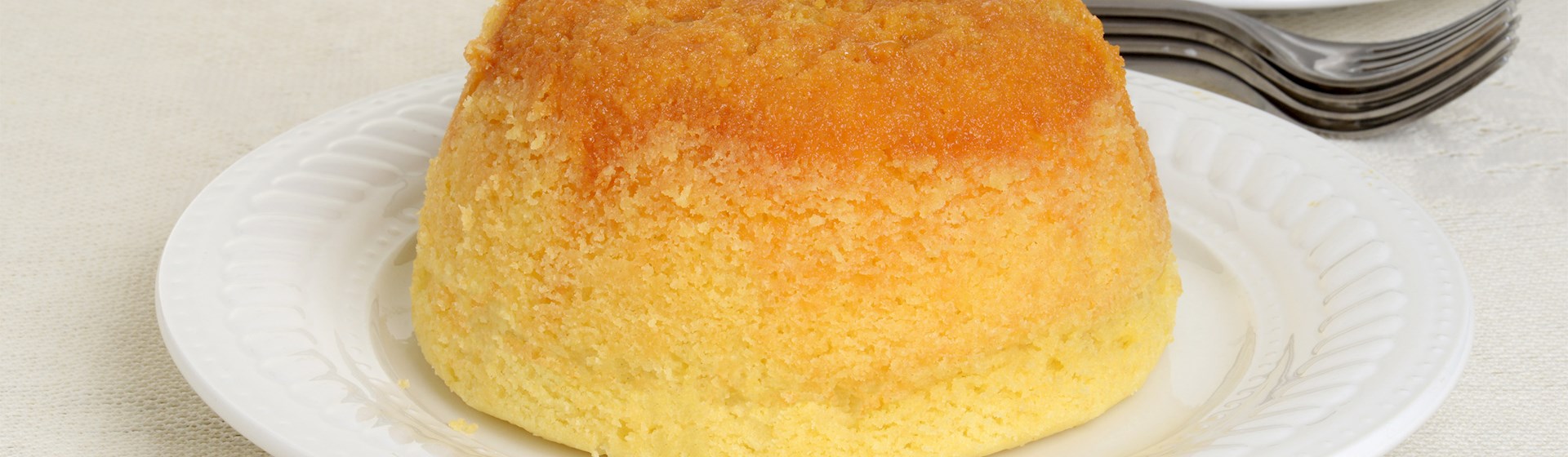
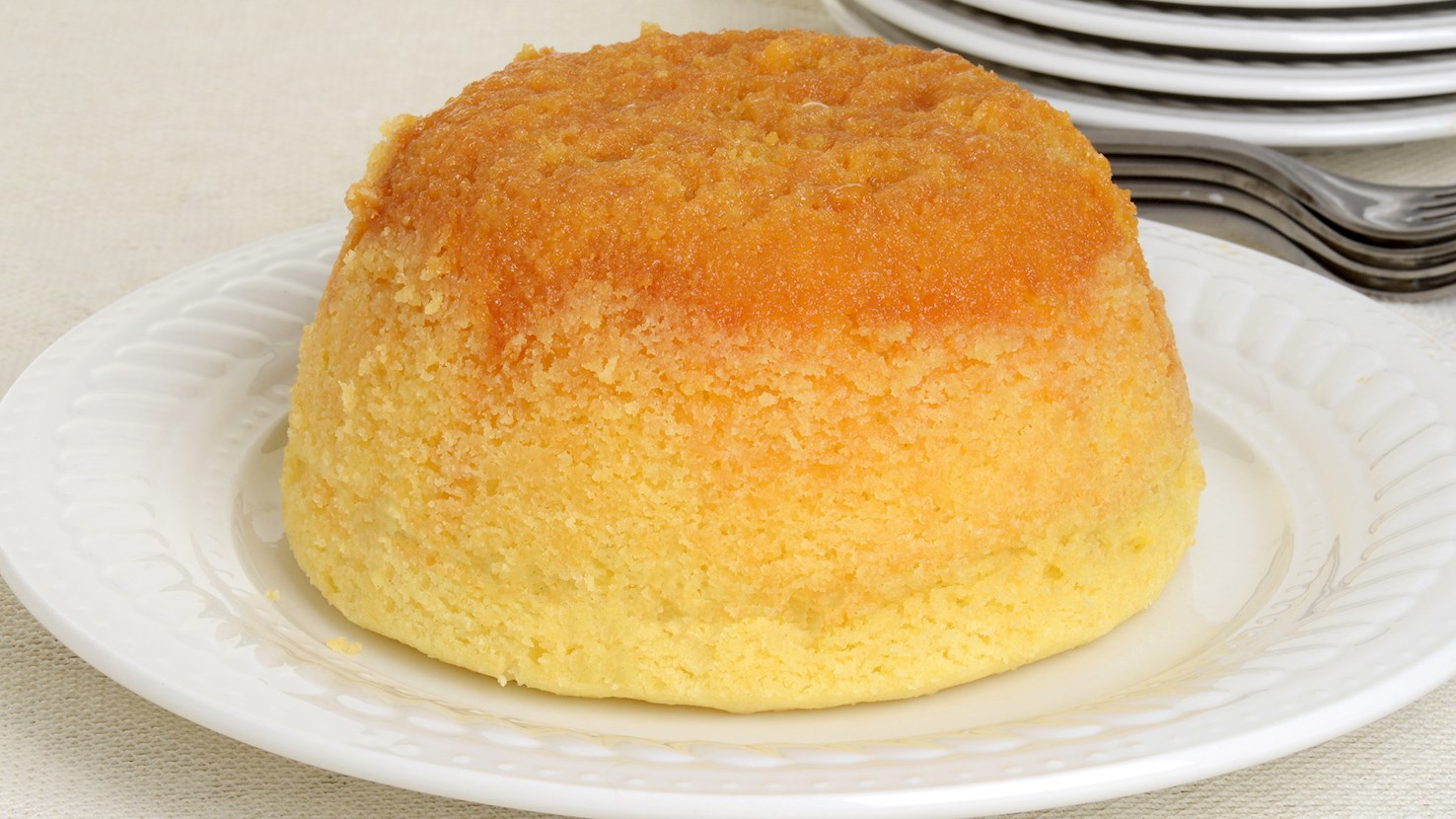
Steamed pudding is a variety of English pudding with a long tradition in the British cuisine, basically consisting of a combination of ingredients that are steamed inside either a special pudding basin or another similar vessel suitable for steaming. This quintessential treat comes in both savory and sweet versions, and it is further divided into two categories, namely suet puddings, and sponge puddings. Christmas puddings belong to the first category, which uses suet as its main ingredient, whereas the latter calls for a mixture of eggs, flour, and butter. In the past, puddings were commonly cooked by boiling enclosed within anything from cloths, pastries, skins, or animal intestines. The initial vessels had eventually given way to specially designed pudding basins and molds, and steaming became the preferred method for cooking puddings as it yielded more refined results. Steamed pudding is best enjoyed warm, and it includes an array of sweet varieties such as spotted dick, roly-poly pudding, and sussex pond, and savory varieties such as pease pudding, minted lamb pudding, and pork and apple pudding, among others.
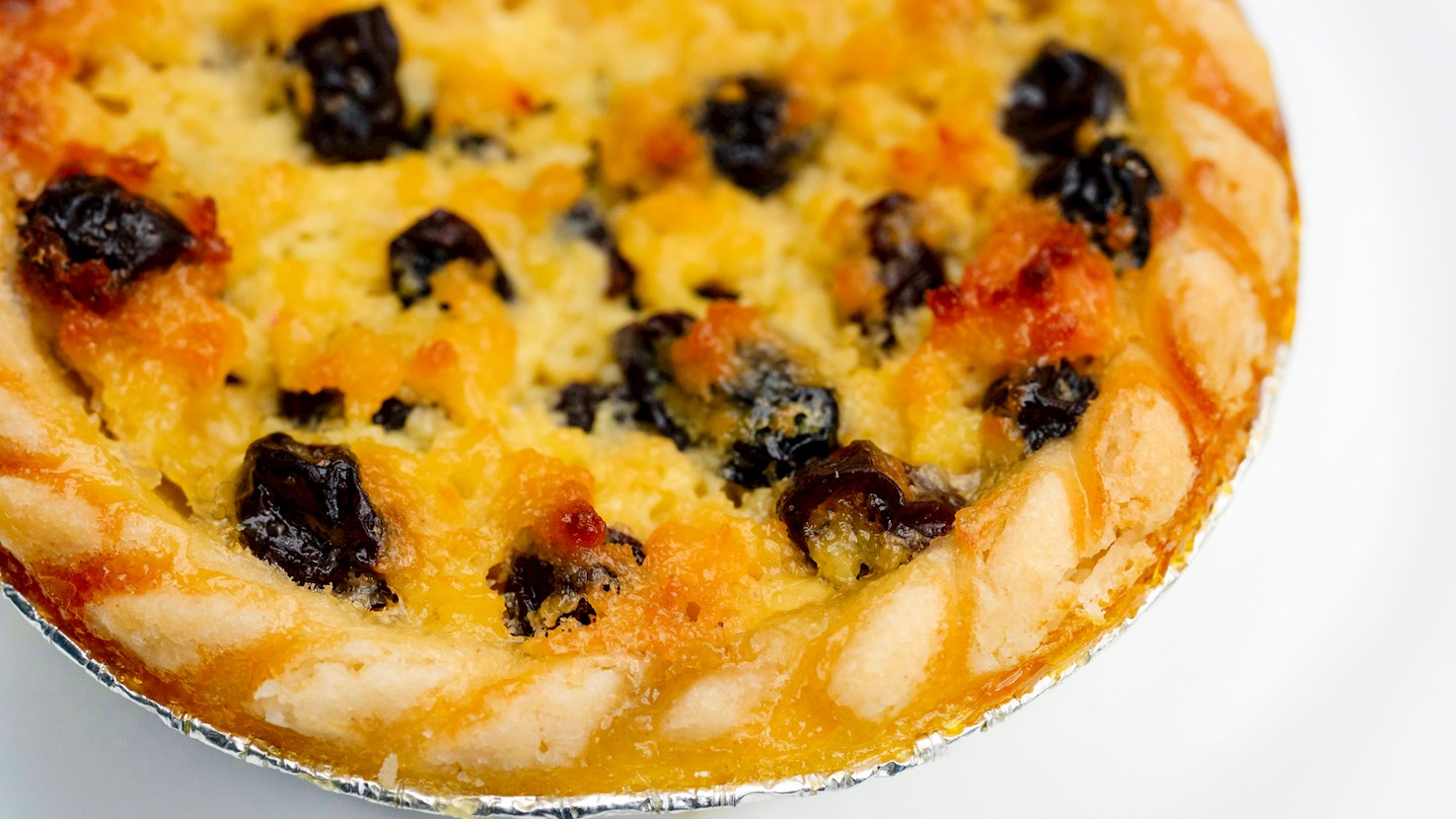
Yorkshire curd tart is a traditional tart originating from Yorkshire. This rustic tart is made by baking a shortcrust pastry base that's filled with a combination of curd cheese, sugar, eggs, butter, dried fruit such as currants, and spices, usually nutmeg. The egg whites are beaten until stiff, while the butter is beaten with the sugar, curd cheese, and egg yolks. The dried fruit and nutmeg are stirred in, and the beaten egg whites are folded into the mixture, which is then baked in a shortcrust pastry until golden brown. In the past, when many Yorkshire villages held fairs and feasts for Whitsuntide, these tarts were prepared with beestings – the first, extremely rich milk from newly calved cows. Nowadays, curd cheese is the classic substitute, while some even opt to add rosewater for extra flavor.
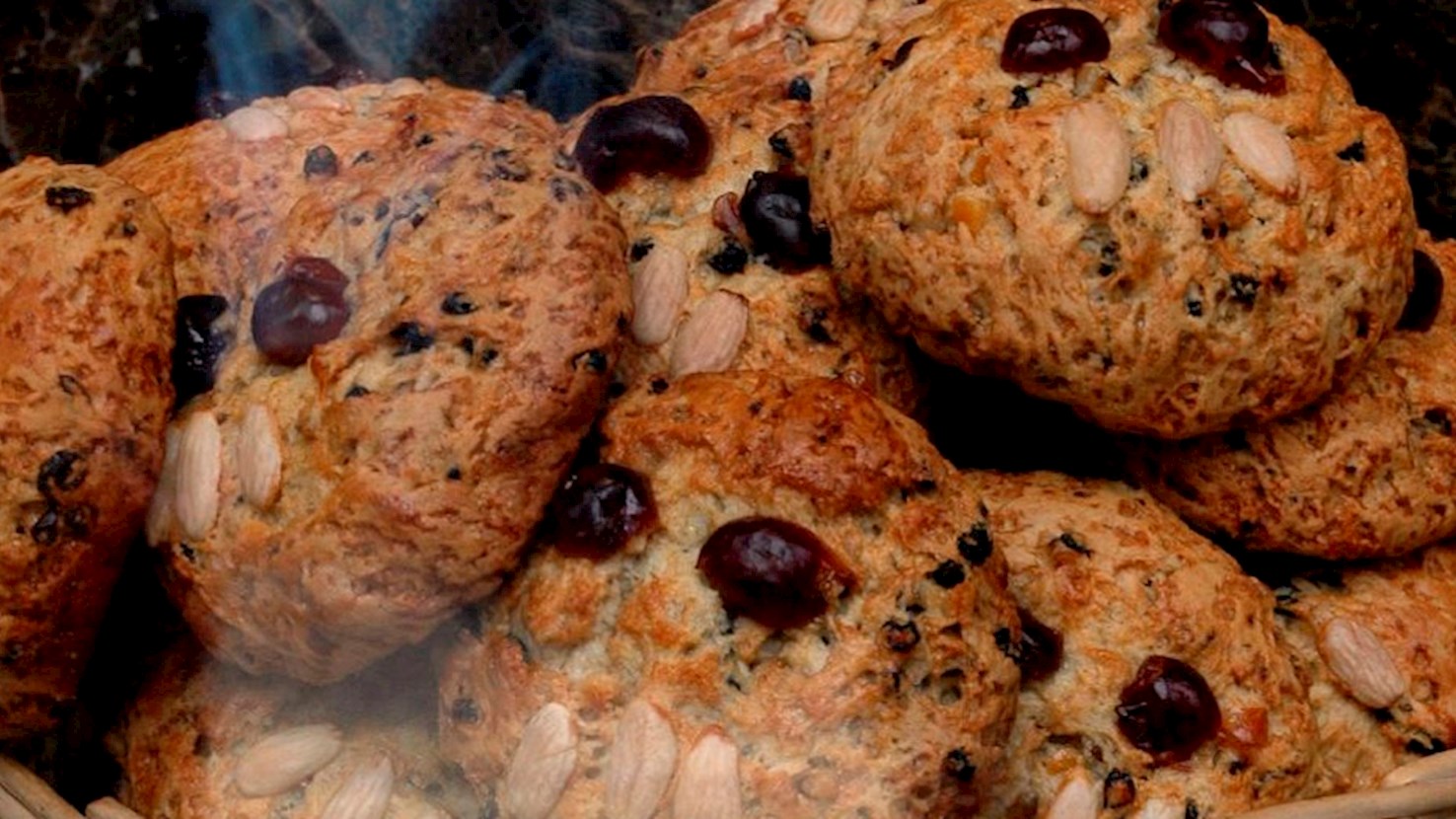
Fat rascals are traditional Yorkshire cakes consisting of shortcrust pastry leftovers, mixed dried fruit, butter, and sugar. The sweet treats are additionally flavored with nutmeg, cinnamon, and lemon zest. They have been made in Yorkshire since the beginning of the 19th century. It is recommended to serve the fat rascals warm from the oven, with a dollop of thick double cream on the side.
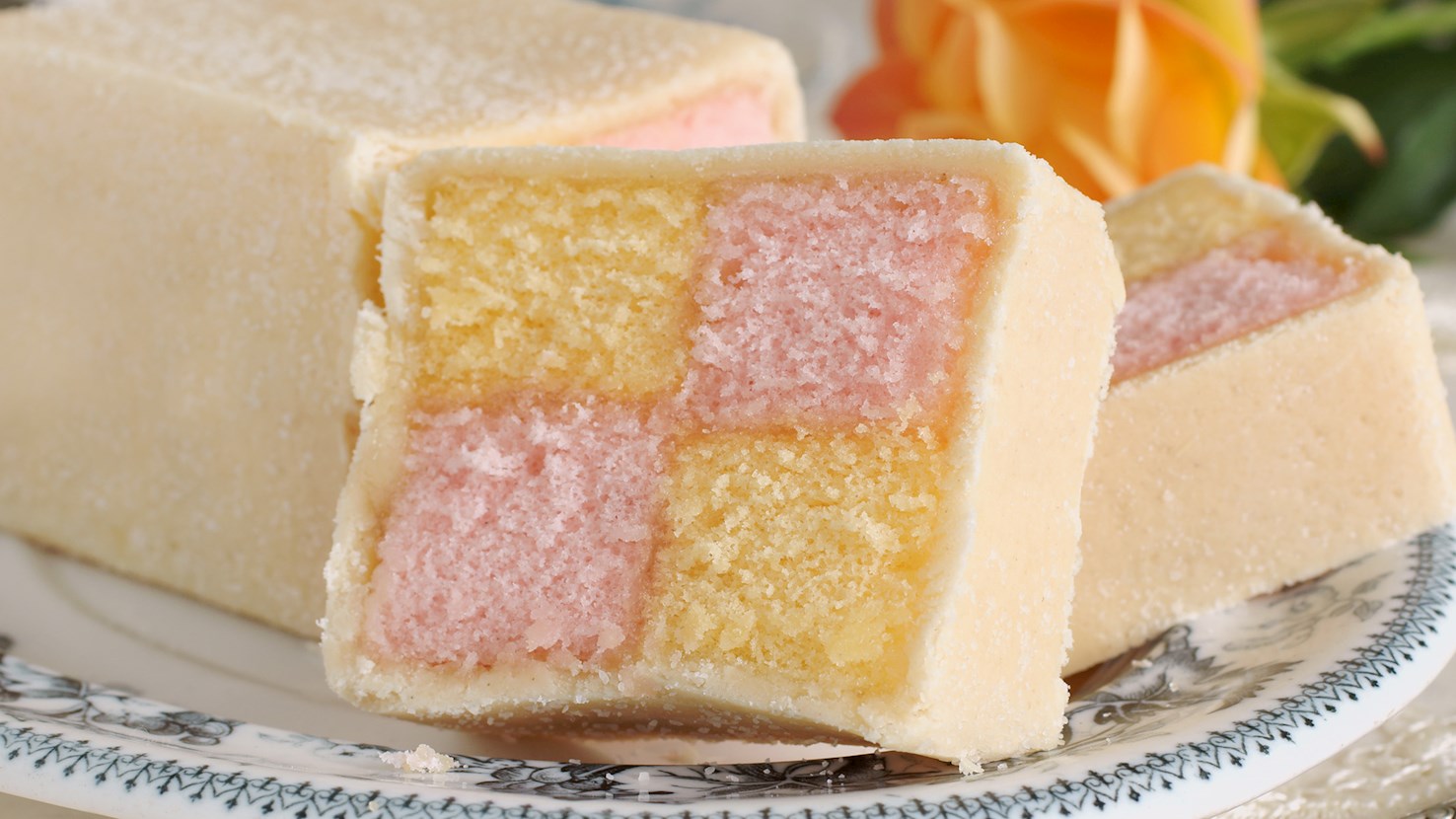
Battenberg cake is a light dessert consisting of alternating, colored squares of genoise sponge coated with an exterior of apricot jam and almond paste. It is believed that the cake was invented in order to celebrate the 1884 wedding of Prince Louis of Battenburg to Princess Victoria. The four sections of genoise sponge are supposed to represent the four Battenburg princes – Louis and his brothers. The cake is often enjoyed as a part of afternoon tea.
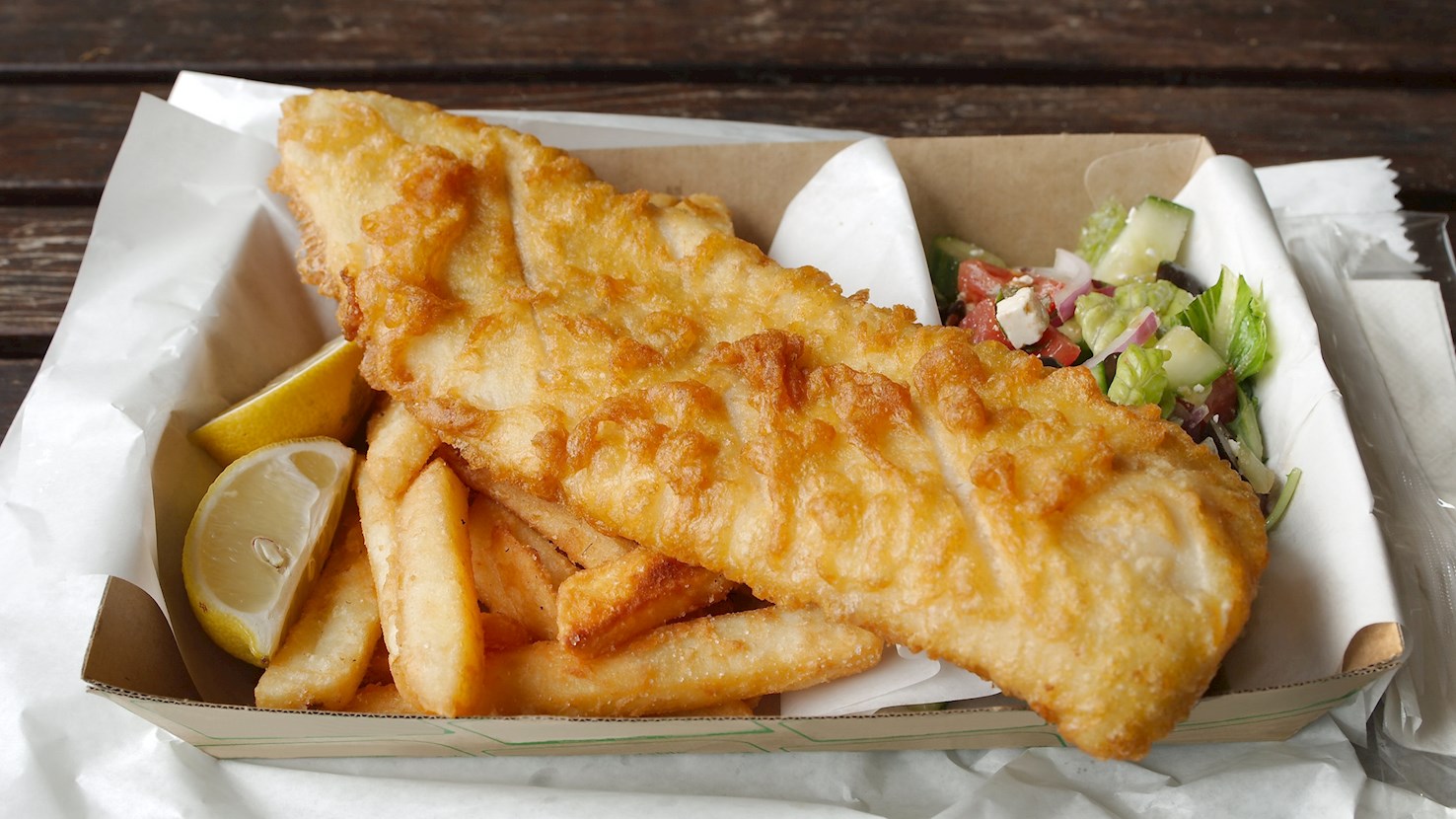
Most Brits would agree that there is nothing more British than fish and chips. This comforting, widely loved national dish consists of a freshly fried, hot, white fish fillet and large, sliced and fried potatoes. Cod, haddock, and flounder are the most common types of fish that is fried for the dish, and the customers can choose which type of fish they want, with cod being the most popular choice. The fillets get dipped in a batter made from eggs, milk, and flour, and are then fried in oil, lard, or beef drippings along with the potatoes. The origins of this dish go back to the 17th century, when potatoes were fried as a substitute for fish in the winter months, while fried fish was introduced into the country by Jewish refugees. Fish and chips are a favorite takeaway dish, with numerous chippies (fish and chips shops) popping up all over the country and offering a few accompaniments and sides, such as salt, vinegar, mushy peas, curry sauce, ketchup, brown sauce, and a cup of sweet, milky tea. Traditionally, the dish is served wrapped in greaseproof paper and a layer of newspaper in order to make eating outside easier, and if you want to do as the Brits do, it is the only acceptable way to eat it. Interestingly, in Yorkshire, a cup of tea is the perfect beverage pairing for fish and chips.
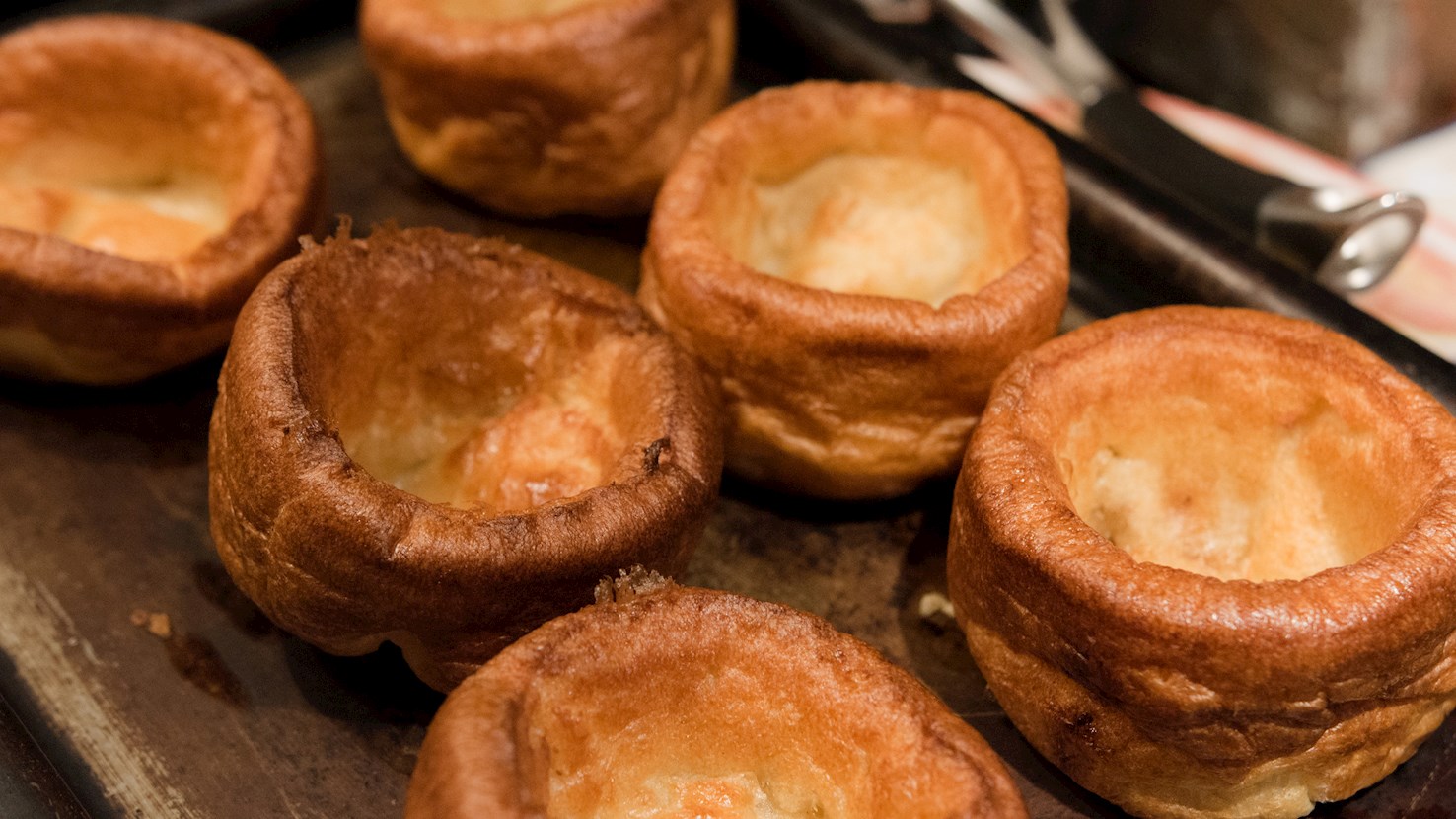
Yorkshire pudding is a popular British side dish that is traditionally served during Sunday roasts. It is made from a creamy batter consisting of flour, eggs, and milk or water. While some might think of it as a dessert, in Britain, pudding was typically a meat-based dish, whereas today puddings exist in a number of different variations. Yorkshire pudding is served either before the main meal as an appetizer, or alongside it as a side dish. In the past, it was consumed with a rich, thick gravy in order to satiate the people with low-cost ingredients, so they wouldn't need to eat too much of the expensive meat that was served as the main dish. Yorkshire pudding was considered a poor man's meal, and it was cooked beneath the meat so that it would collect the drippings and juices, making sure that not one drop was lost. Crispy on the outside and custardy in the center, it is a mouth-watering dish that can also be reheated and enjoyed the next day, after the big Sunday roast.
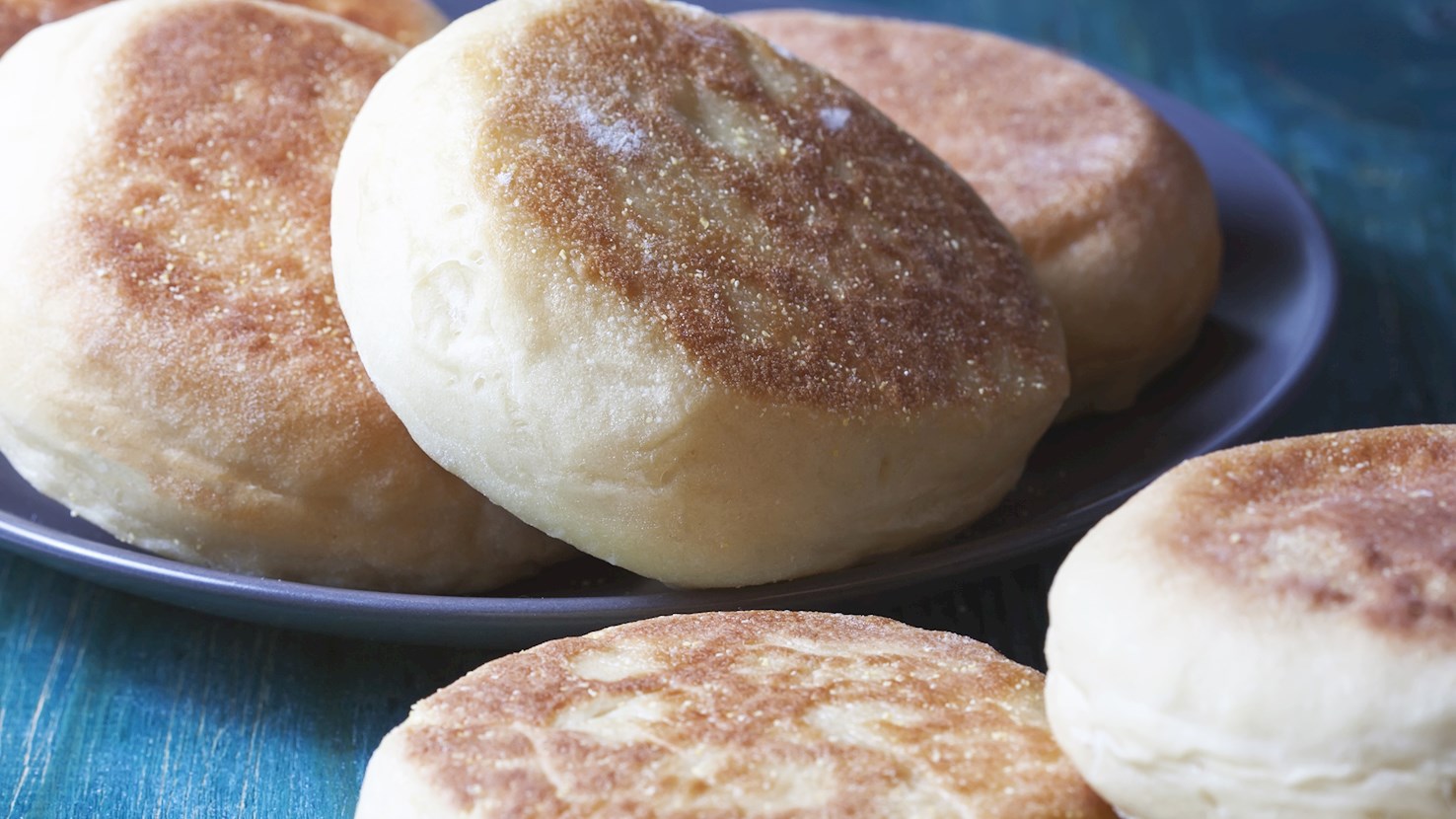
English muffin is a small, round, and flat bread that's made from a soft yeasted dough. Once shaped into rounds, either by hand or with crumpet rings, the English muffin is baked on a griddle. Before toasting, they are halved, and once toasted, they're buttered, then served for breakfast with sweet or savory toppings. These muffins are an essential part of eggs Benedict. It's not recommended to use a knife to cut them in half – most cooks agree that they should be split with a fork and gently pulled apart in order to create a surface with small peaks and craters, which gives them a crunchy texture and provides many pockets for jam and butter. The muffins can be made at home or bought in stores, where they are available in various flavors including cornmeal, cinnamon, whole wheat, raisin, and sourdough. It is believed that the first English muffin was invented in 1894 by a British immigrant to New York, Samuel Bath Thomas.
TasteAtlas food rankings are based on the ratings of the TasteAtlas audience, with a series of mechanisms that recognize real users and that ignore bot,
nationalist or local patriotic ratings, and give additional value to the ratings of users that the system recognizes as knowledgeable.
TasteAtlas Rankings should not be seen as the final global conclusion about food. Their purpose is to promote excellent local foods,
instill pride in traditional dishes, and arouse curiosity about dishes you haven’t tried.



What People Say