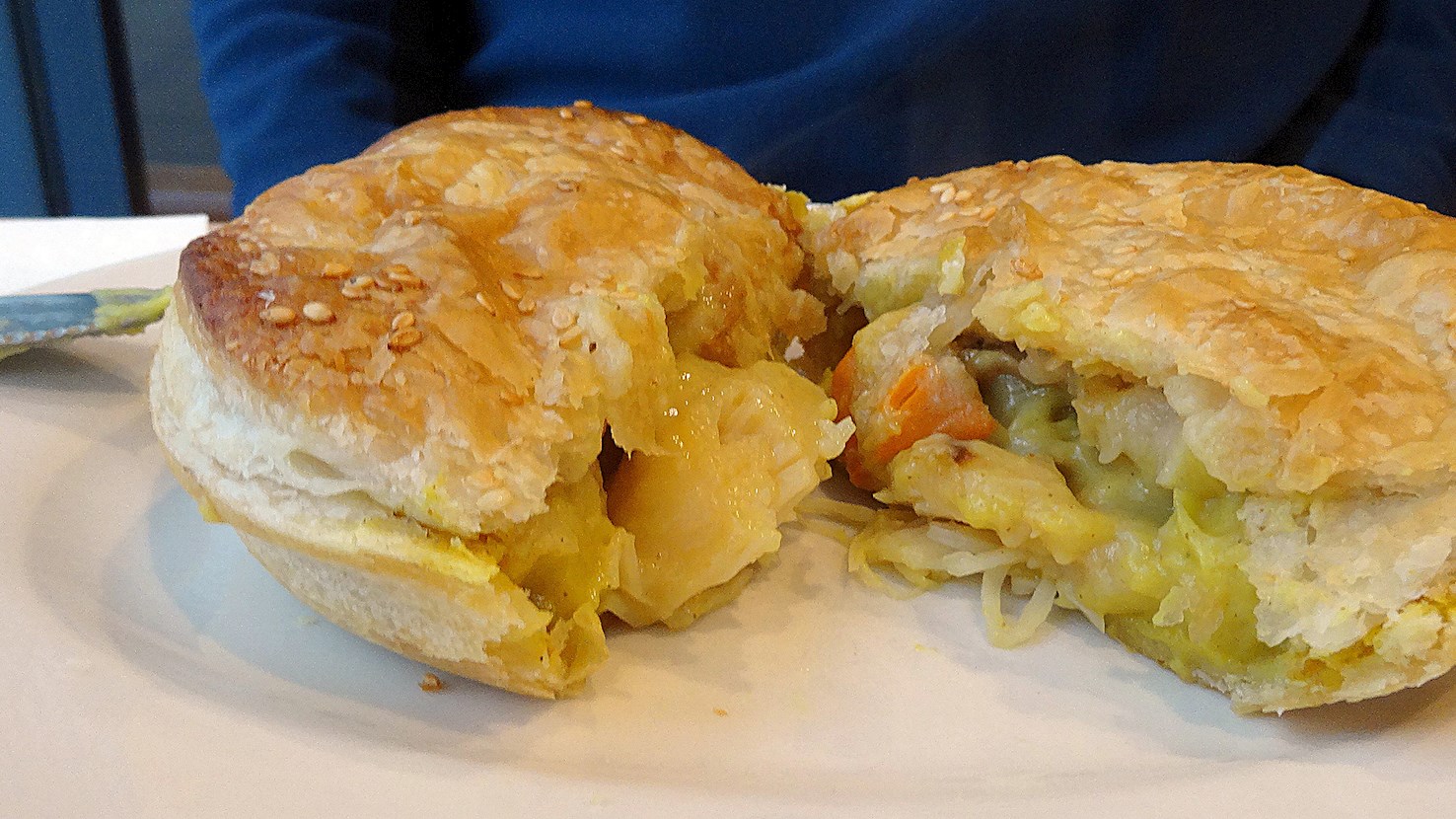
Dating back to the 19th century in Hobart, Tasmanian scallop pie is a savory treat consisting of fresh Tasmanian scallops that are smothered in curry sauce and tucked into puff pastry, which is then baked to perfection. This classic pie has been traditionally prepared in seaside bakeries throughout the state, and it uses freshly plucked Tasmanian scallops hailing from the East Coast of the state. The curry sauce contains ingredients such as finely diced carrots, onions, potatoes, celery, and corn kernels, and it is seasoned with a variety of spices such as cumin, coriander, and fenugreek. Piping hot scallop pie is usually enjoyed with a side of chips, a salad, and a glass of fine Tasmanian lager beer. This seafood specialty can only be savored in cafes and restaurants in the state when it’s scallop season, but it is usually available in bakeries throughout the whole year.
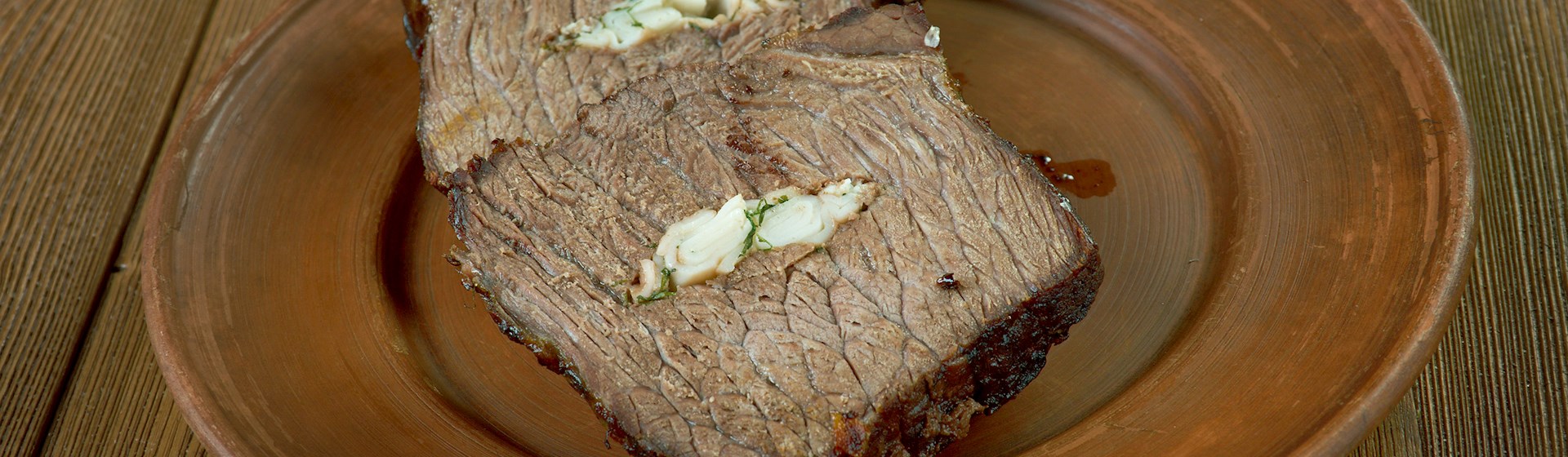
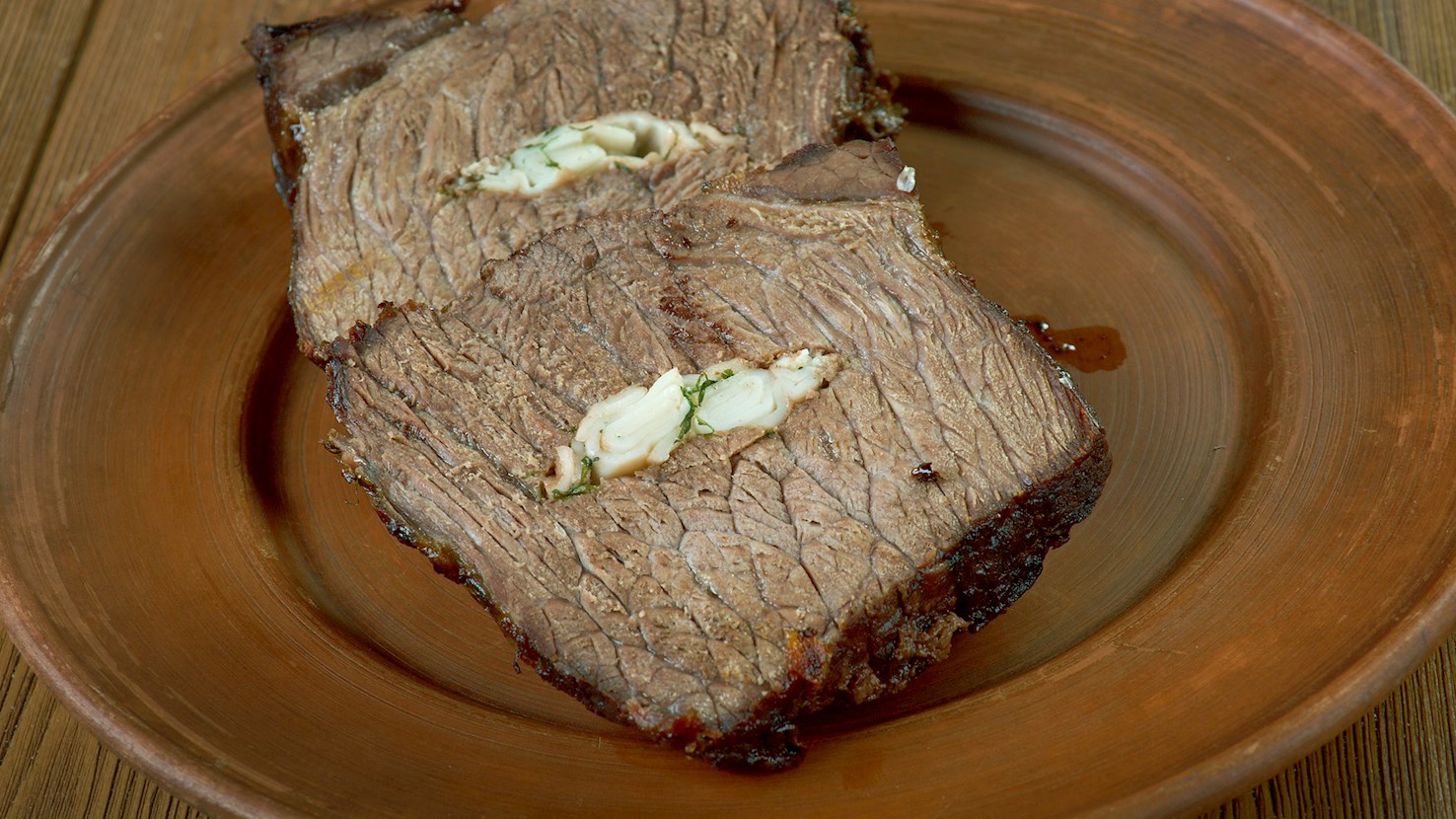
Carpetbag steak is a meat specialty that couples the decadent flavors of boneless beef steak and fresh raw oysters. Rather than going on top of the meat, as is usually the case with other similar combinations, the oysters are meant to be tucked snugly into a pocket created in a thick end cut of a rib-eye steak (called scotch fillet steak in Australia). Once stuffed, the pouch is either sealed with skewers or sewn up with twine, and the steak is then ready to be pan-seared, grilled, or broiled, usually until the meat is still rare. Despite its strong connection to Australia, a common assumption is that America has been the original birthplace of this delicacy, but still, the exact origins of the dish remain unclear. Carpetbag steak gained an iconic status around 1950, in Sydney, Australia, which is probably how the link between it and Australian cuisine came about. There’s evidence, however, that the dish was a common menu item in US restaurants such as the Los Angeles-based Chasen’s - earlier than the 1950s, which sets back the Australian claim on it. According to one theory, Luis Diat is credited as the inventor of the dish since his book Cooking a la Ritz, published in 1941, contains what is generally accepted as the first printed recipe of this specialty. Although the dispute over the origin of carpetbag steak may continue, the combination of beef and oysters is known to precede this invention. Historically, people often smothered steaks with oysters or threw them into a pot with meat, and they also made savory pies with a filling of beef and oysters. Unfortunately, this once highly-prized meat delicacy has gradually fallen into oblivion, and nowadays there’s rarely a restaurant that offers it on their menu.
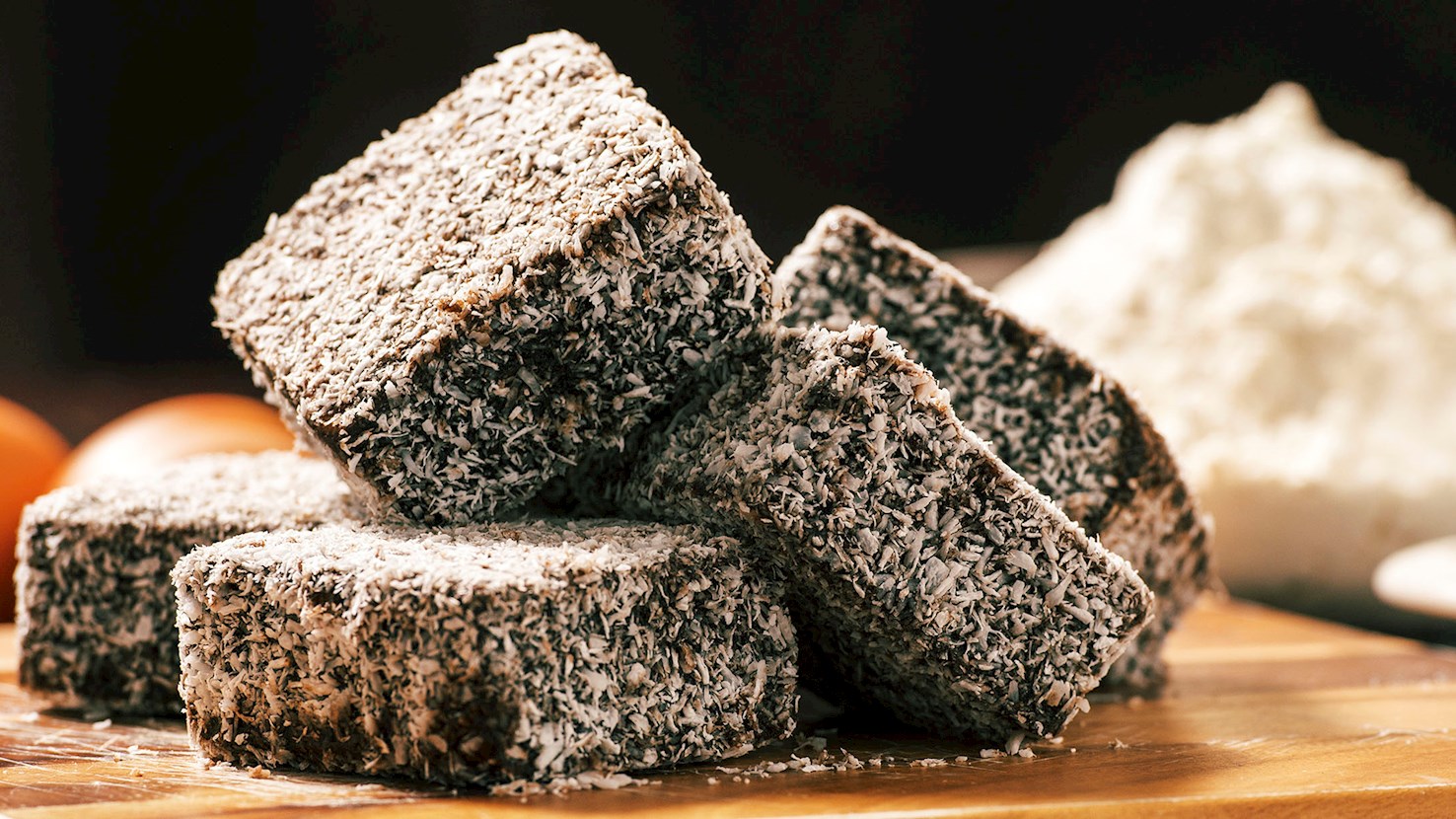
The world-famous Australian culinary icon Lamington consists of a sponge cake that is dipped in chocolate and sprinkled with finely desiccated coconut. The cake is believed to have been created by accident when Lord Lamington's maid accidentally dropped his favorite cake in melted chocolate. Lamington, the eighth Governor of Queensland, suggested that the cake should be sprinkled with coconut in order to avoid the mess while consuming it - and the erroneous cake was proclaimed a massive success by all. Today, the cake is extremely popular due to its climate suitability, as it lasts longer in the heat when it's cut in bite-sized squares and covered in coconut. It is also a staple of fundraising events due to the fact that it can be easily made in large quantities. The cake can also be found throughout Australia and New Zealand in numerous supermarkets, cafés, and bakeries. The cake is also popular in Balkan and Eastern Europe - in Croatia, the same cake (without any fruit jam whatsoever) is called čupavci, and it's a Christmas staple. In Slovakia, the cake is called kokosové ježe, in Poland it's known as kostka kokosowa, while the Hungarian name is kókuszkocka.
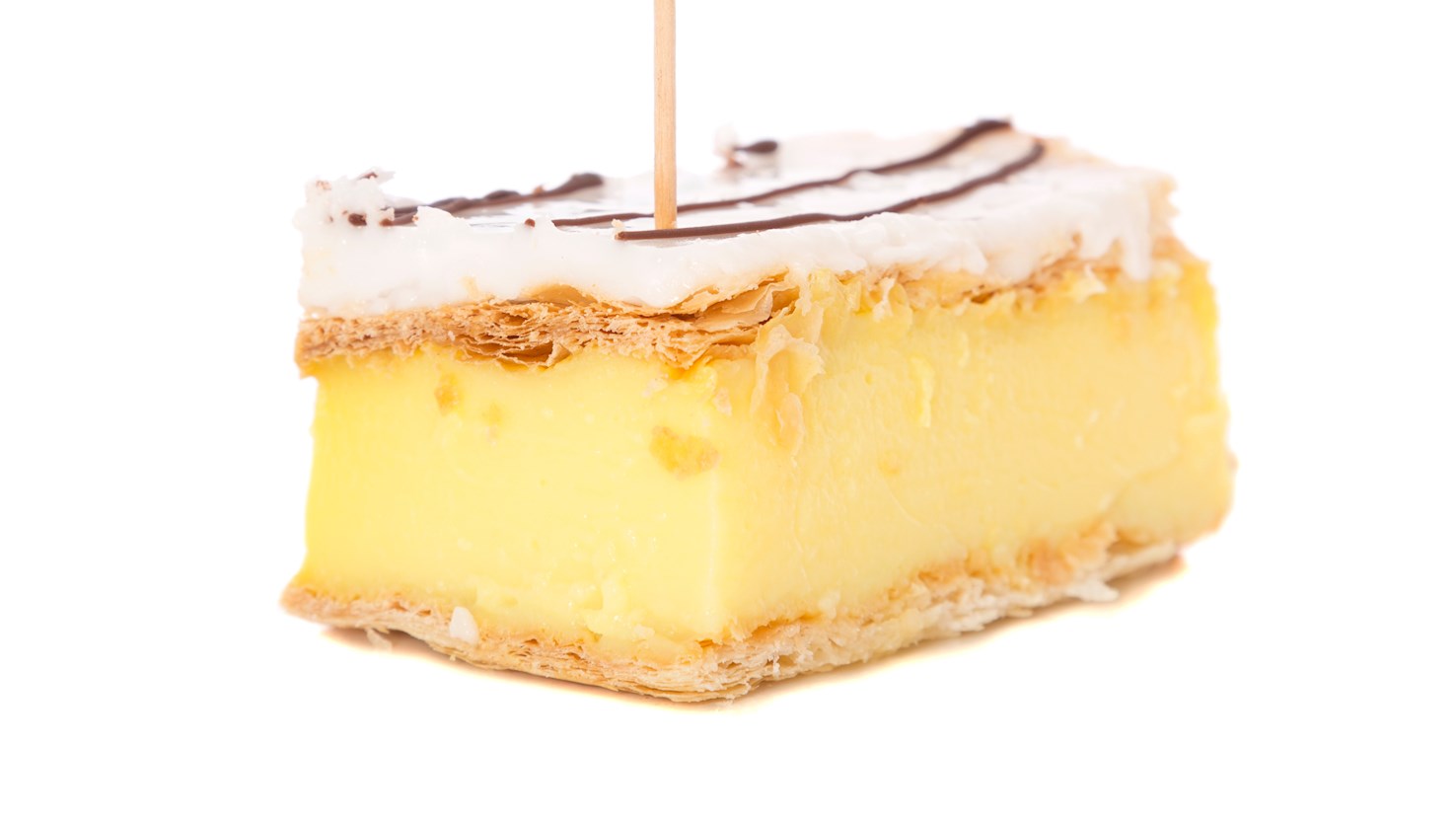
Vanilla slice is the Australian answer to mille-feuille - this dessert consists of a thick custard that’s flavored with vanilla, sandwiched between puff or phyllo pastry sheets, and topped with vanilla, raspberry, strawberry, chocolate, or passion fruit icing. Due to the fact that the texture of the custard is slightly wobbly, the vanilla slice is sometimes also called a snot block. Once prepared, the dessert is cut into slices before being served. This dessert is so popular that there is an annual competition for the best vanilla slice baker, called the Great Australian Vanilla Slice Triumph.
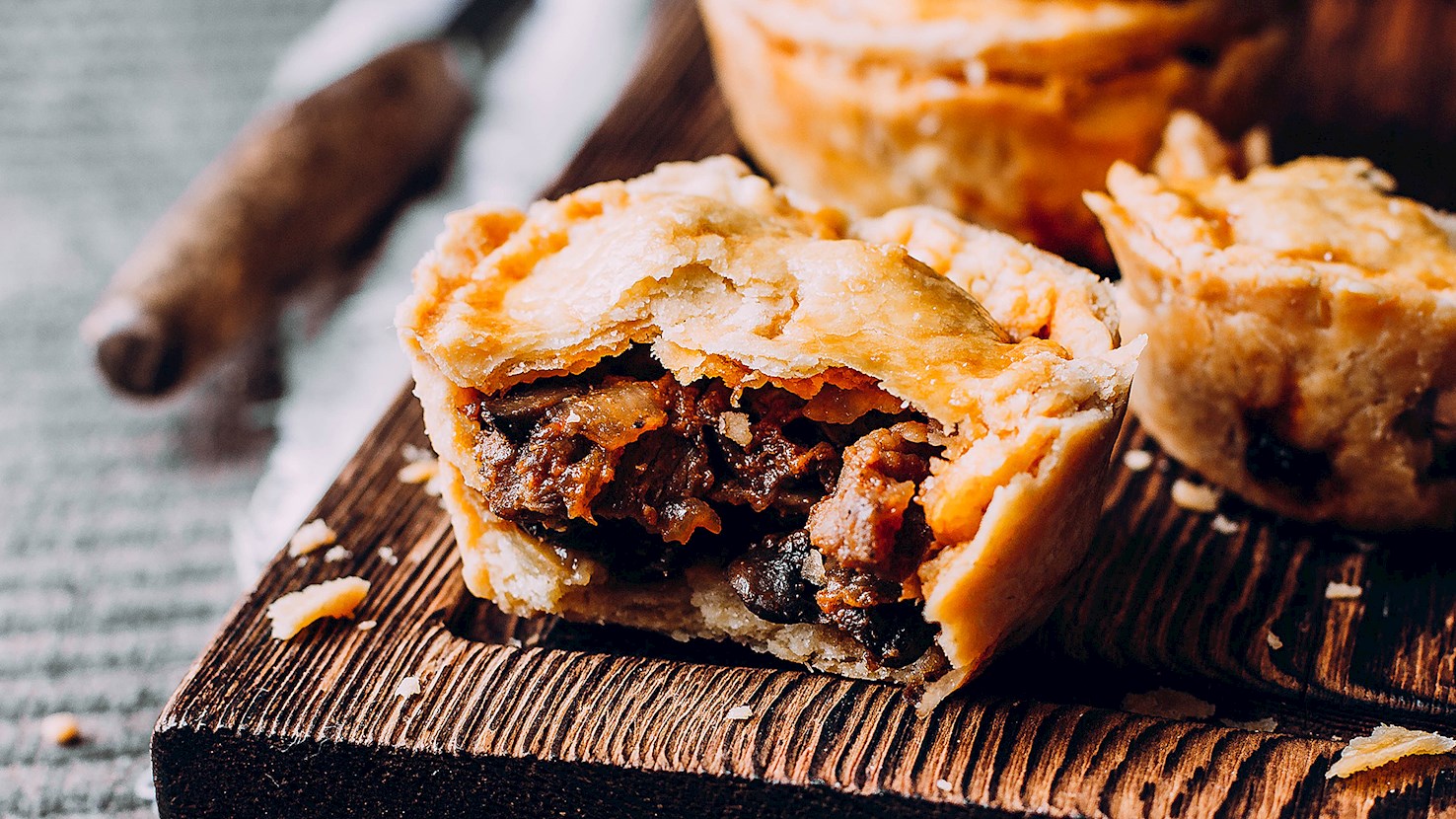
Australian and New Zealander meat pie is made with flaky pastry that is filled with gravy and minced meat. Of course, numerous variations exist, so the filling can also be made with onions, chicken and asparagus, mushrooms, cheese, crocodile meat, vegetables, or seafood. There are also variations of meat pies such as party pies (tiny pies served to party guests) and the pie floater (a green pea soup with a pie floating on top of it). The concept of the pie traces way back to the Neolithic period, when barley, semolina, and grains were made into a paste, filled with honey and baked over hot coals. The Greeks then developed the pie filled with meat. It is believed that the meat pie was brought to Australia and New Zealand during the colonization period, as it was hugely popular in Europe at the time and provided good nutritional value for settlers, with basic and largely available ingredients. Nowadays, the meat pies are typically smothered in tomato sauce that is similar to ketchup, sparking passionate debates about whether the tomato sauce should be squeezed over the pie at once or bit by bit, and whether the sauce should be cold or served at room temperature. As proof of the meat pie's popularity, the Great Aussie Pie Competition, founded in 1990, is held annually in hopes of discovering the best pies in the country.
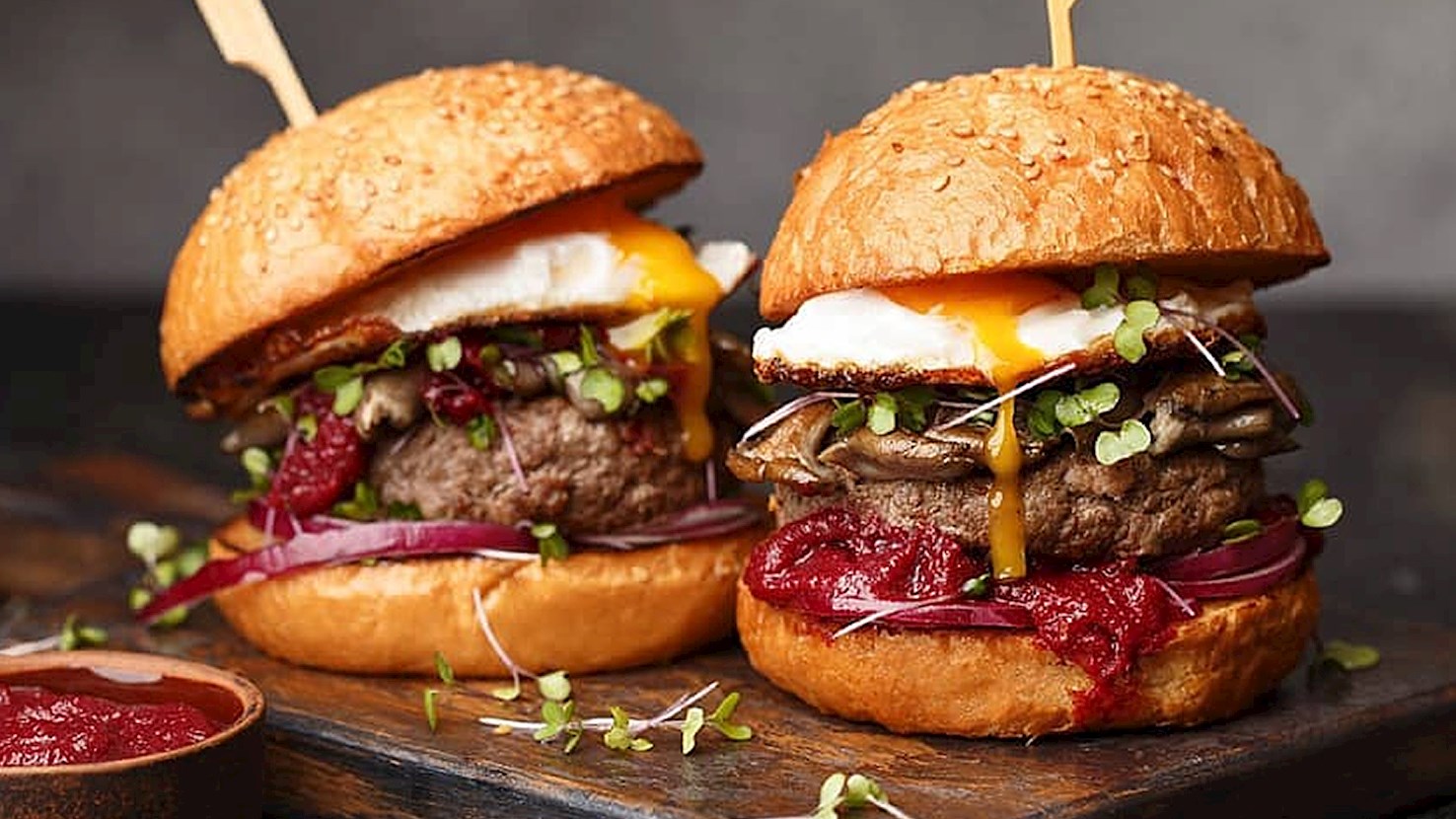
An institution at many pubs, restaurants, and cafés in Australia, Australian burger with the lot first made its appearance in the 1940s, when beetroot started to be added to the burger alongside onions, tomatoes, lettuce, and meat. The inclusion of canned beetroot on a burger was possible due to the fact that there were two canneries that opened during the 1930s and the 1940s. Today, there is still a heated debate about the inclusion of beetroot - some say it is obligatory, while the others claim it's a travesty. Burgers with beetroot rose in popularity during the 1950s and the 1960s, but in the 1970s, with the opening of fast-food chain restaurants such as McDonald's and Hungry Jacks, its popularity began to wane. However, it still remains a much-loved Aussie delicacy with its remarkable combination of flavors - a slice of pineapple, meat, canned beetroot, fried egg, and chili mayonnaise on top.
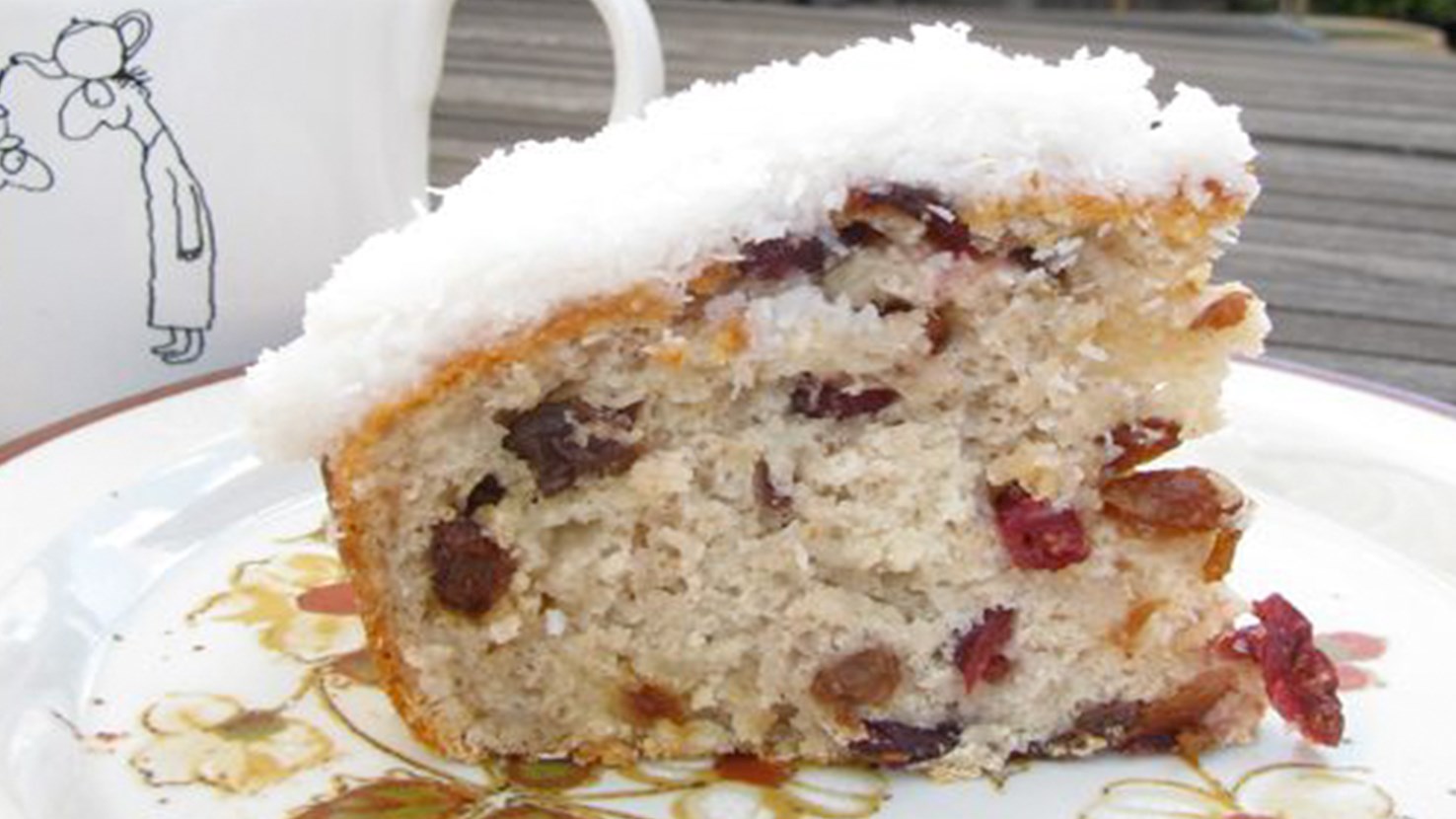
A Boston bun is a big, spiced bun that is commonly consumed throughout Australia and New Zealand. The traditional version is characterized by a thick layer of coconut icing on the exterior, while the interior contains mashed potatoes. The modern version can sometimes contain raisins, and is usually served sliced as an accompaniment to tea. Boston bun is commonly known as Sally Lunn in New Zealand, and it is believed that the original recipe came from Boston during the gold rush years in the 1850s. However, the inventor of the dish and the origins of its name remain a mystery up to this day.
TasteAtlas food rankings are based on the ratings of the TasteAtlas audience, with a series of mechanisms that recognize real users and that ignore bot,
nationalist or local patriotic ratings, and give additional value to the ratings of users that the system recognizes as knowledgeable.
TasteAtlas Rankings should not be seen as the final global conclusion about food. Their purpose is to promote excellent local foods,
instill pride in traditional dishes, and arouse curiosity about dishes you haven’t tried.



What People Say