

shutterstock

72 Traditional Foods
You Have To Try in Hong Kong

Last updated on June 17, 2026
01

Yùn tūn miàn (Wonton noodles)

4.0 ·

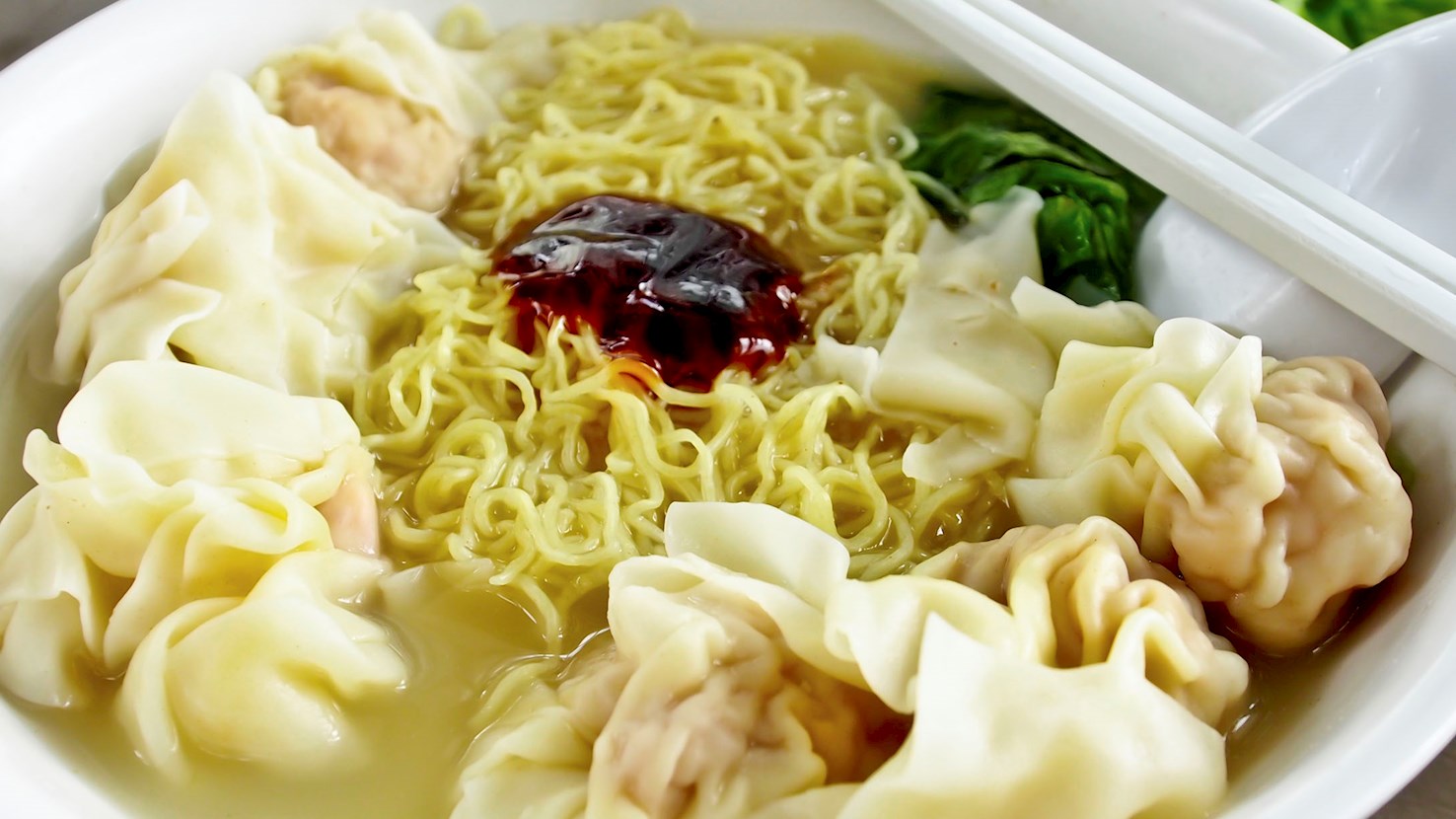
Wonton noodles is a popular Cantonese noodle dish with many regional varieties found throughout Southeast Asia. Traditionally, it consists of chewy egg noodles and wonton dumplings, combined and served in a flavorful chicken, pork, or seafood broth. The dumplings are usually filled with a combination of minced pork and shrimps, lightly flavored with sesame oil, soy sauce, and grated ginger. The stringy thin egg noodles are the most common variety found in many versions of the dish. The choice of garnishes is region-specific and is influenced by common culinary traditions of the particular area where wonton noodles are found. The traditional Cantonese version is typically served with sliced chives and scallions sprinkled on top of the assembled soup. In Malaysia, Singapore, and Thailand, slices of barbecued pork are the most common addition, usually placed on top of the soup. Malaysian versions are often adapted with the addition of green leafy vegetables and use pickled green chilis as a standard condiment. The dish is also widely popular in dry form, in which the noodles are drained and served alongside dumplings, meat, and vegetables, while the fragrant broth is served on the side. Whether it is favored as a clean and original Cantonese variety or the more nutritious version found in other Asian countries, wonton noodles is one of the classic dishes that is considered a staple of Chinese and Asian cuisine.

02

Dàntà (Egg tart)

3.9 ·

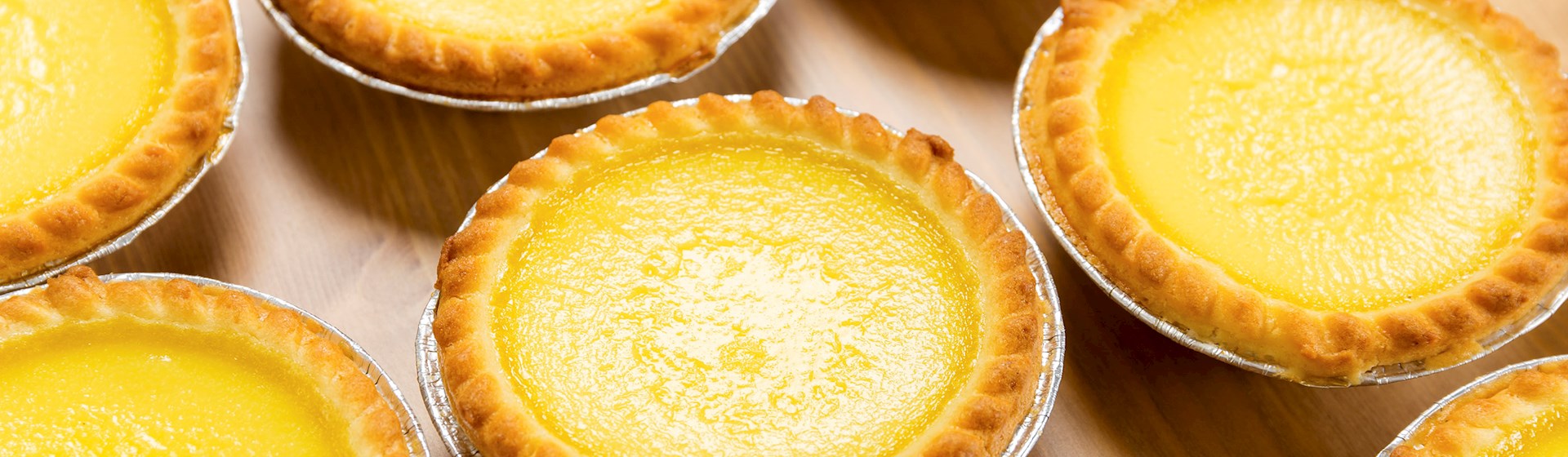
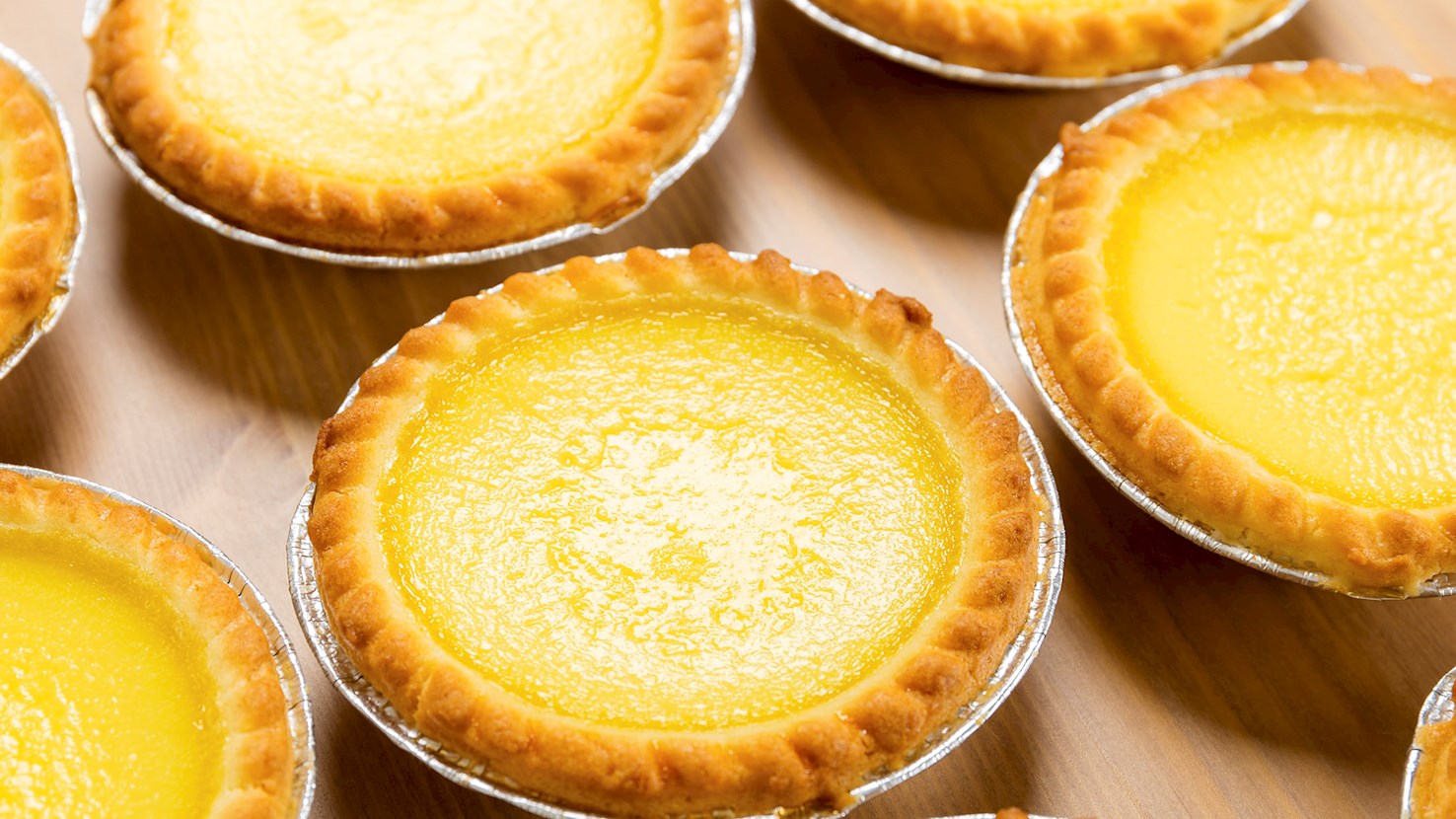
One of the most famous Chinese desserts is the classic egg tart, a delicious pastry consisting of a flaky outer shell with a creamy, but firm egg custard in the center. The origin of this traditional Chinese dessert is vague. It is believed that it grew out of Chinese contacts with western culinary traditions, but it is also likely that some form of an egg custard existed before the influence of the West. Chinese egg tart variety is believed to be a cross between the classic British egg custard, which is much creamier than the Chinese tart, and the famous Portuguese tarts, known as pastéis de nata, which are especially popular in Macau. Egg tarts first appeared in the Chinese region Guangdong, to eventually be taken to Hong Kong and Singapore where they also became one of the most beloved desserts. The main characteristic of the Chinese variety is the rich cream, which is firm and thick, with a strong and enhanced egg flavor. Both crumbly shortbread pastry (usually made with lard) and the crunchy puff pastry can be used as a shell. Occasionally, these tarts are flavored with ginger or green tea, and they should always be served warm, straight out of the oven. Egg tarts are the essential dessert of every dim sum meal, and a sweet delicacy commonly served in the Cantonese Asian restaurants. These tiny treats can also be found in traditional Chinese bakeries and coffee houses throughout the world.

03

Siu mei

4.4 ·

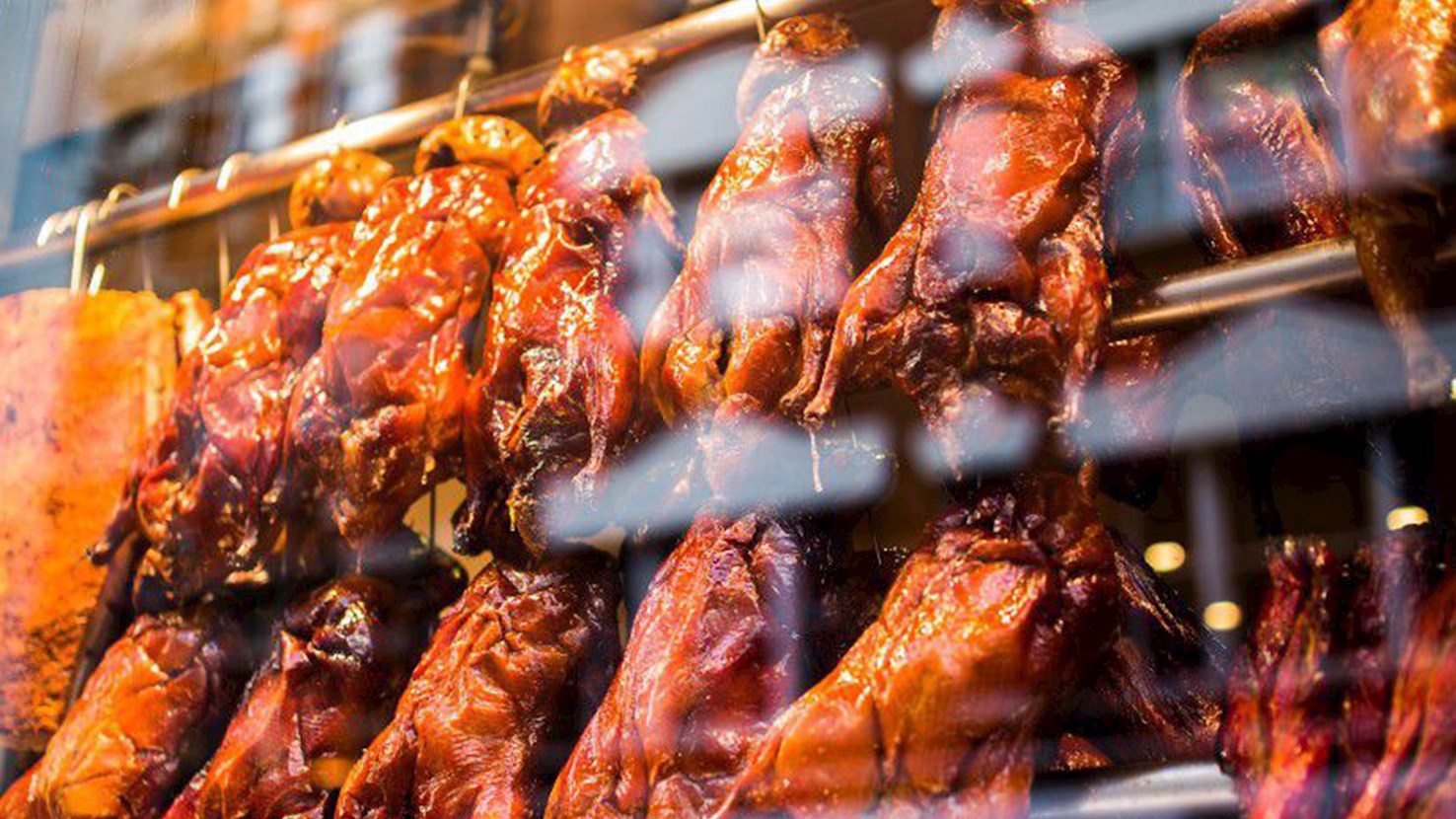
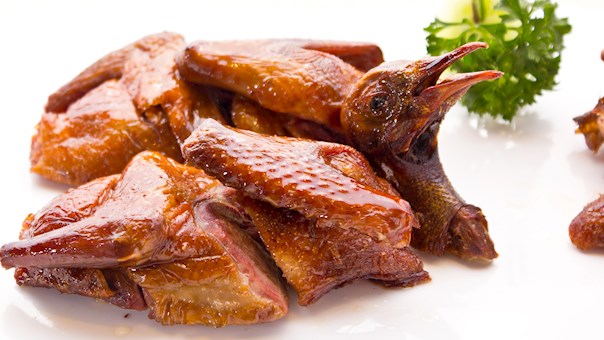
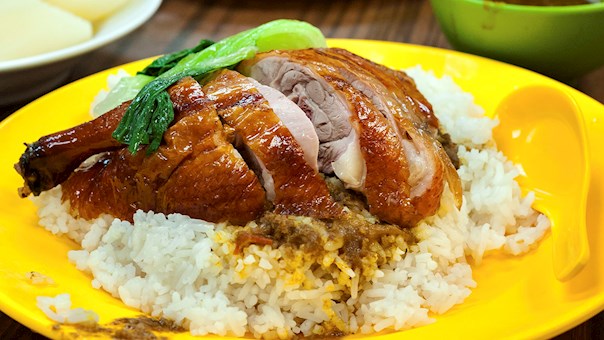
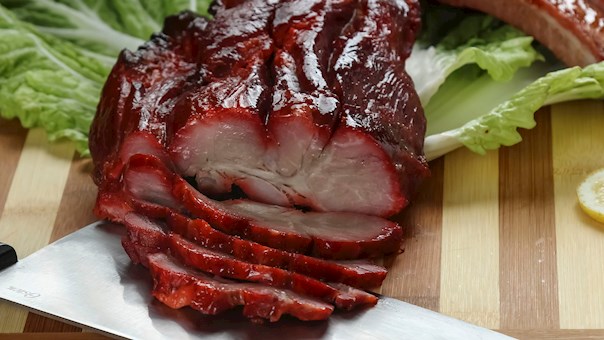
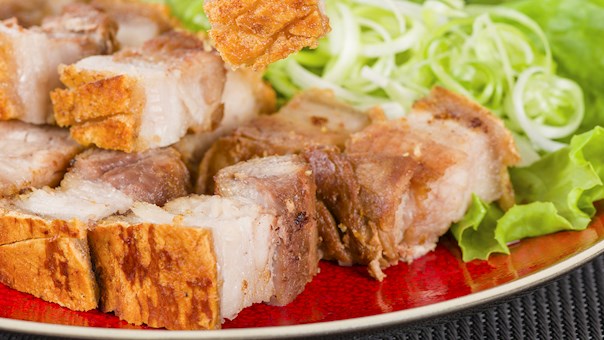
Siu mei refers to a style of Chinese cuisine that is primarily characterized by roasting meat on spits over an open fire or in a rotisserie oven. Originating from Guangdong province, this culinary tradition is particularly prevalent in Hong Kong. The term siu mei translates to "roast flavor" in Cantonese. Some of the most prominent and beloved examples of siu mei include char siu, siu yuk, soy sauce chicken, and white cut chicken. These dishes are typically served with rice and vegetables and sometimes with noodles. Siu mei meats are often displayed hanging in restaurant windows, a characteristic sight in Chinese eateries that specialize in this style of cooking. The visual display is not only appetizing but also allows customers to select their preferred cuts of meat. Siu mei is enjoyed by people all over the world, wherever there are Chinese communities, and it is celebrated for its rich flavors, varied textures, and the mastery required for its preparation.

04

Cheung fun (Rice noodle roll)

4.2 ·

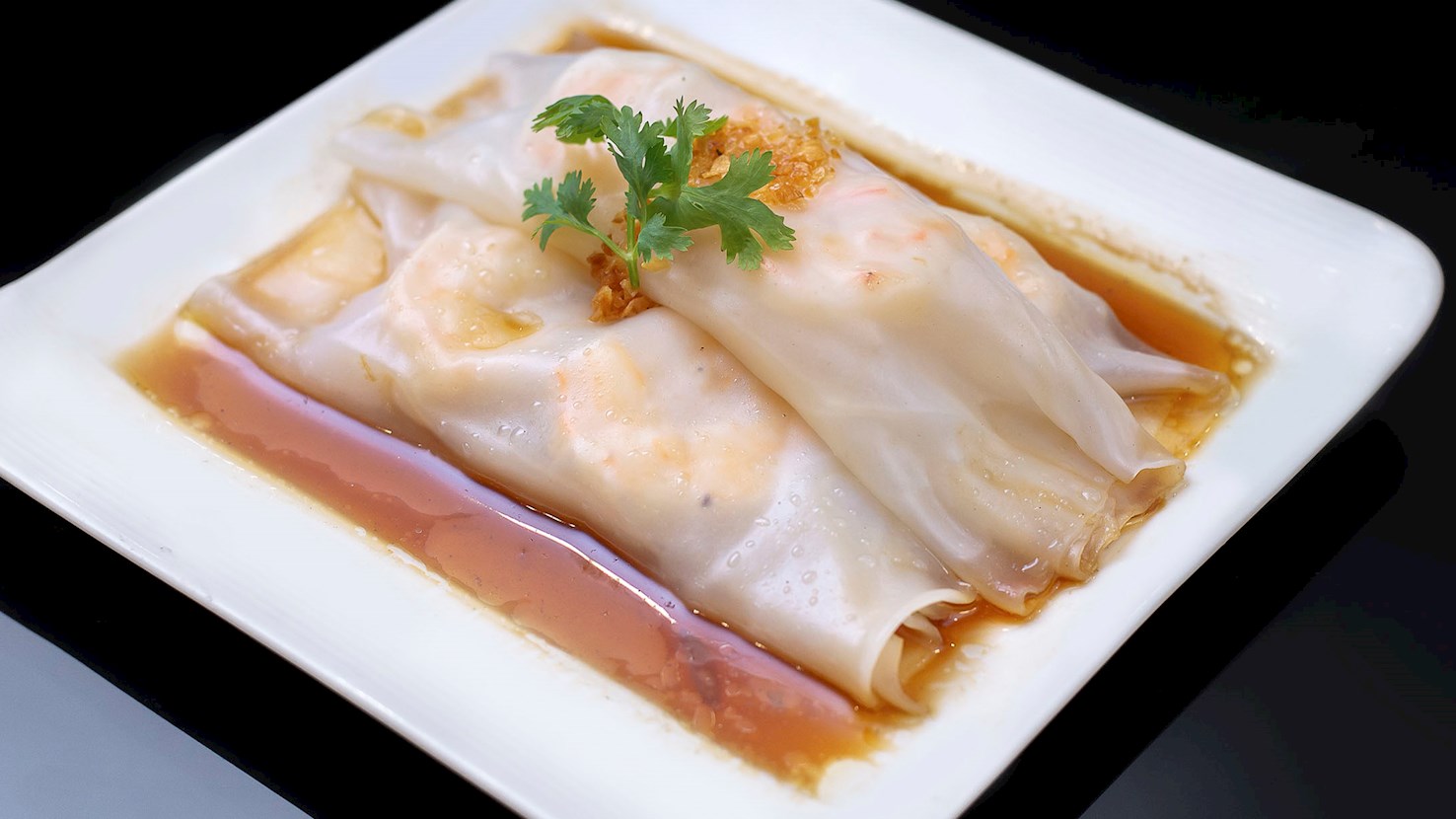
A typical Cantonese dish originating from the southern parts of China (including Hong Kong) known as rice noodle roll is a small roll prepared with a wide strip of rice milk that is usually filled with vegetables, beef, pork, or shrimp. The dish can also be made without any fillings, when it's commonly known as chee cheong fun, literally translated to pig intestine noodle, due to the fact that the noodle is rolled tightly, resembling the small intestine of a pig. Rice noodle roll is usually served either as a variety of the popular dim sum or as a snack, and it is common to pour some sweet soy sauce over it prior to serving. Because it is a popular snack in China, regional varieties are not uncommon, so in Cantonese cuisine, it is often prepared as dim sum, in Vietnamese cuisine it's mostly eaten for breakfast, and in Southeast Asian cuisine, it is served in two versions - dry or wet, accompanied by a sweet black sauce called timzheong.

05

Xiājiǎo (Har gow)

4.2 ·

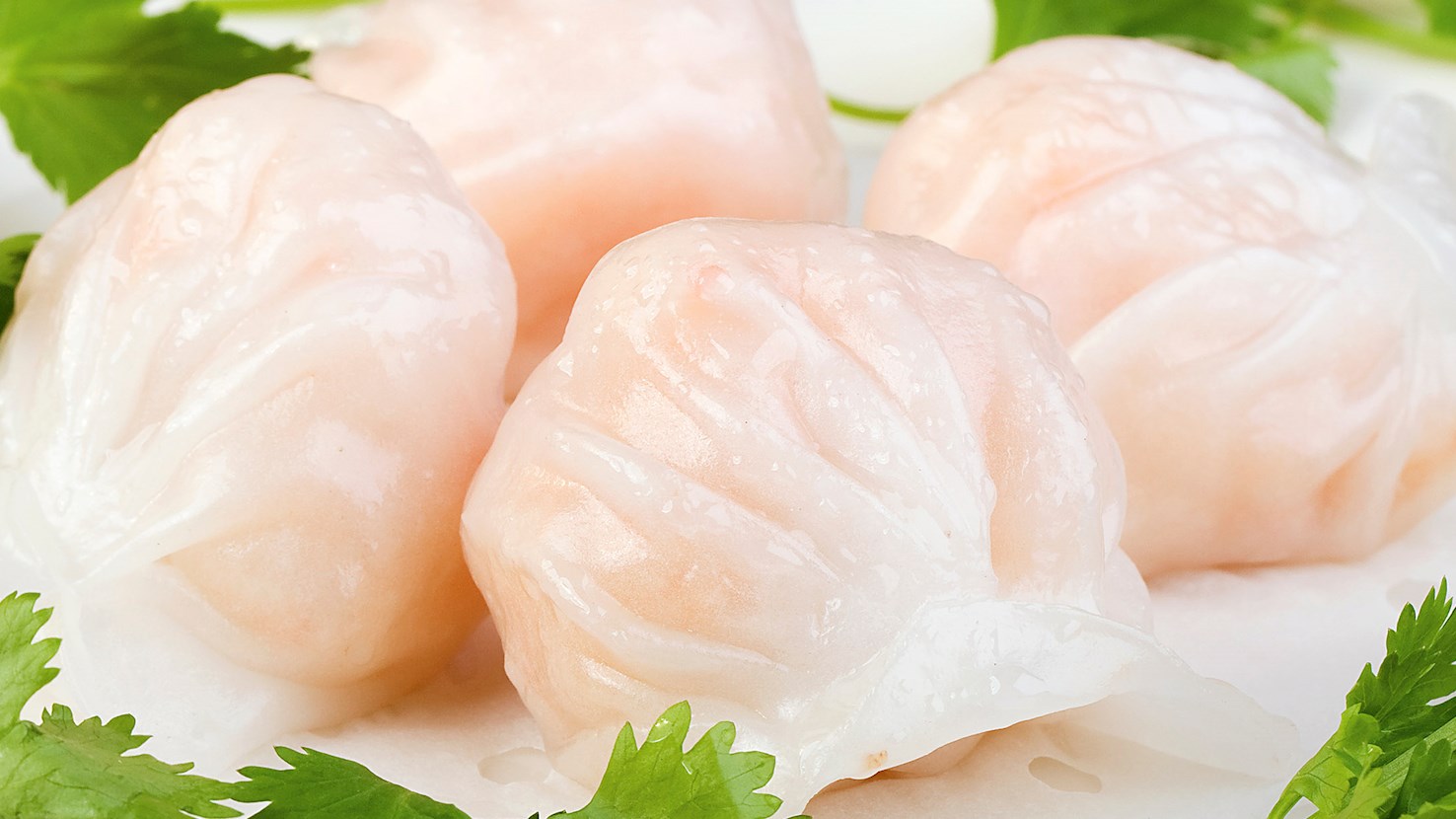
Har gow is a Cantonese dumpling characterized by a delicate, translucent wrapper enveloped around a shrimp filling. The dish was created out of necessity when the owner of a small, family-style teahouse from Guangzhou came up with an idea to buy the shrimp from local fishermen and use it to make dumplings that the locals would love. The idea was a great success, and since the beginning of the 19th century, shrimp dumplings were a staple in many teahouses. Today, har gow dumplings are a part of dim sum where they are commonly paired with sieu mai, a Cantonese dumpling with pork and mushrooms. Due to the particular way in which the wrapper is folded, the main visual feature of har gow is its pleated shape, ideally having even up to 9-13 pleats. The wrappers are made with a combination of wheat starch, corn starch, and lard, filled with a mixture of either minced or whole shrimp and bamboo shoots. Once steamed, the dough should be chewy and almost see-through, but firm enough to be handled with chopsticks, whereas the filling should remain crisp.

06

Douhua (Tofu pudding)

3.8 ·

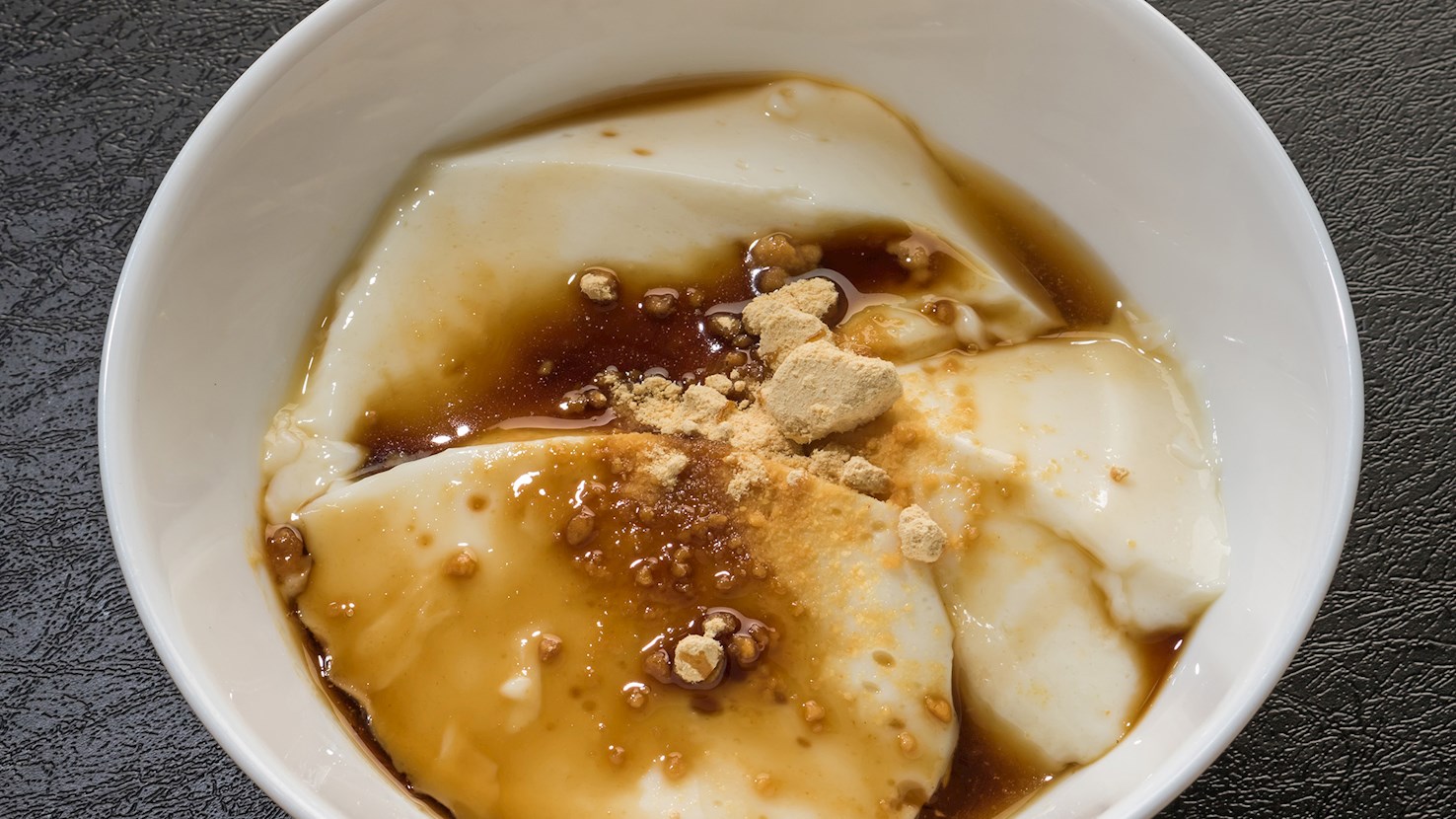
Dou fu fa is a popular Asian dessert consisting of creamy tofu topped with various savory or sweet garnishes. It is made with coagulated soy milk to create a tofu product with a mild taste and an incredibly soft consistency. Like other varieties, soft tofu probably originated in China, but it has soon spread out to other Asian countries where it still represents one of the most versatile sweet treats. Even though it is mainly enjoyed as a dessert, usually topped with sugary or ginger infused syrups, in some regions, especially in northern China, it is topped with savory complements and enjoyed as a creamy snack. Dou fu fa, with its numerous versions and local names, is mainly sold by street hawkers or served as a part of traditional dim sum meals.

07

Jiaozi

4.5 ·

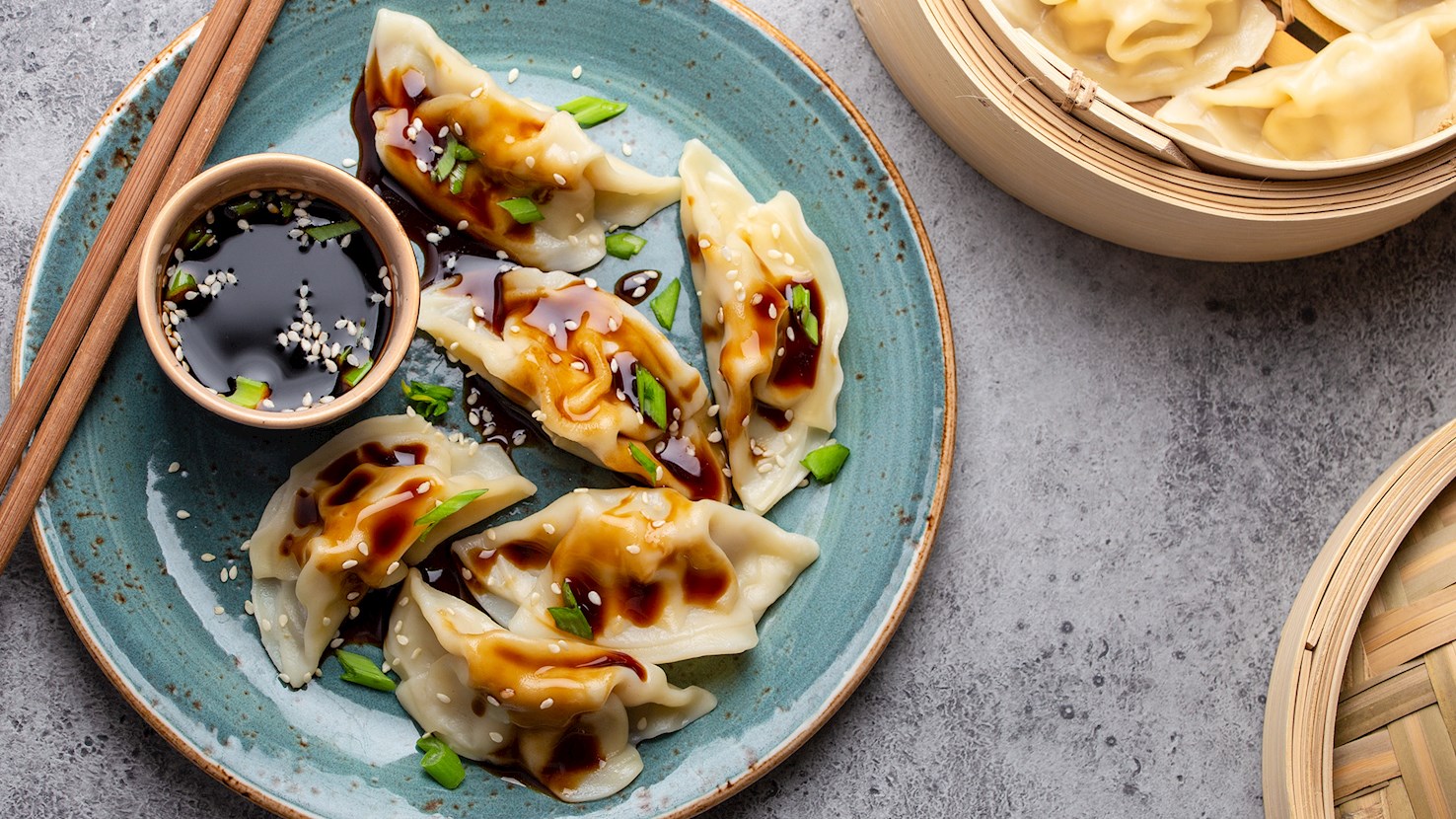
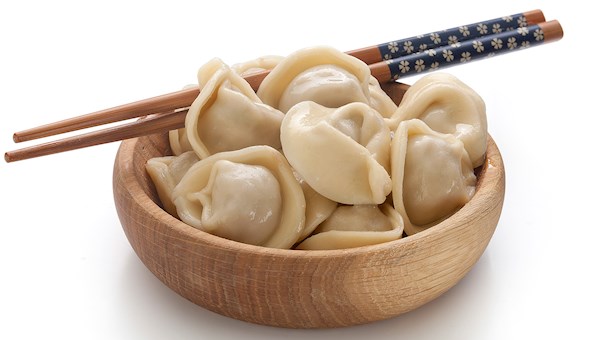
These Chinese dumplings known as jiaozi, consisting of a thinly rolled piece of dough which contains either meat or a vegetable filling, are one of the most popular and most commonly eaten dishes in China and East Asia. They can be served either as an appetizer or as the main course, always with a side of soy sauce-based dipping sauce. Traditionally, jiaozi are always eaten for Chinese New Year. Depending on how they are cooked, jiaozi dumplings can be classified into three categories: boiled, steamed, and pan-fried, but when it comes to folding techniques, there are many, and the most popular one is known as pinched-edge fold, which results in crescent-shaped jiaozi, the most popular shape in China. Well-known variations of jiaozi dumplings include the smaller variety gaau ji that has a thin, translucent wrapping, the pan-fried guotie, and the Japanese-style dumpling, gyoza.

08

Shāomài (Shumai)

4.2 ·

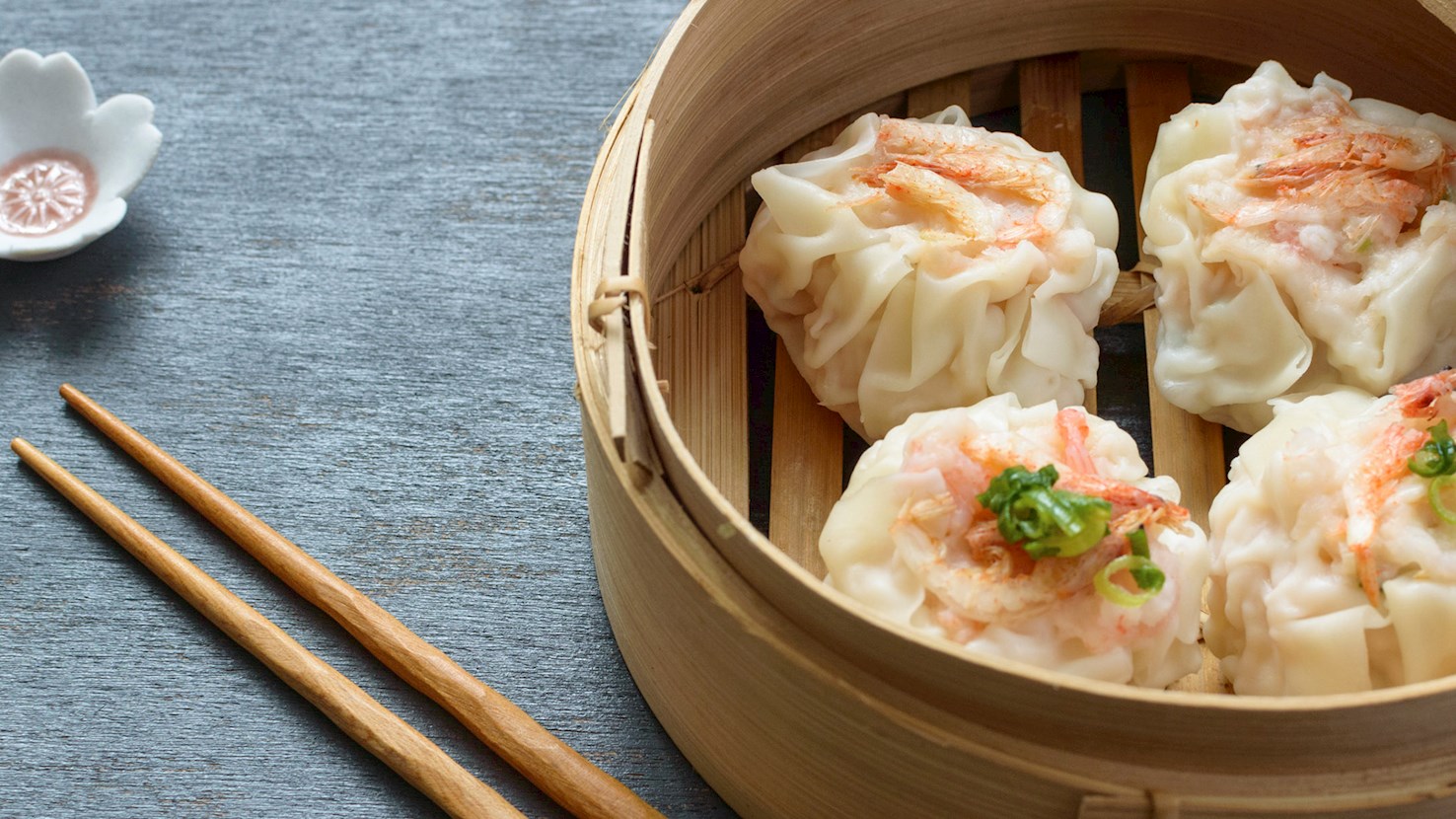
Shumai, literally translated as to cook and sell, is a staple of dim sum cuisine consisting of an open-topped dumpling filled with steamed ground pork, and sometimes finely chopped shrimp or Chinese black mushrooms. When it's cooked, shumai is often garnished with a single pea, a fish egg, or a small piece of carrot on top. It originated in tea houses along the Silk Road in Cantonese China, and since then, the dish has spread throughout the world. In China, there are numerous regional variations of this flavorful delicacy, but it is also extremely popular in Indonesia, Japan, and the Philippines. In Indonesia, the dish is usually accompanied by tofu, vegetables, and peanut sauce; in the Philippines it is accompanied by rice or various dips; and in China, shumai is often served with har gow, another type of dumpling filled with shrimp, scallions, and bamboo shots.

09

Tong sui

3.2 ·

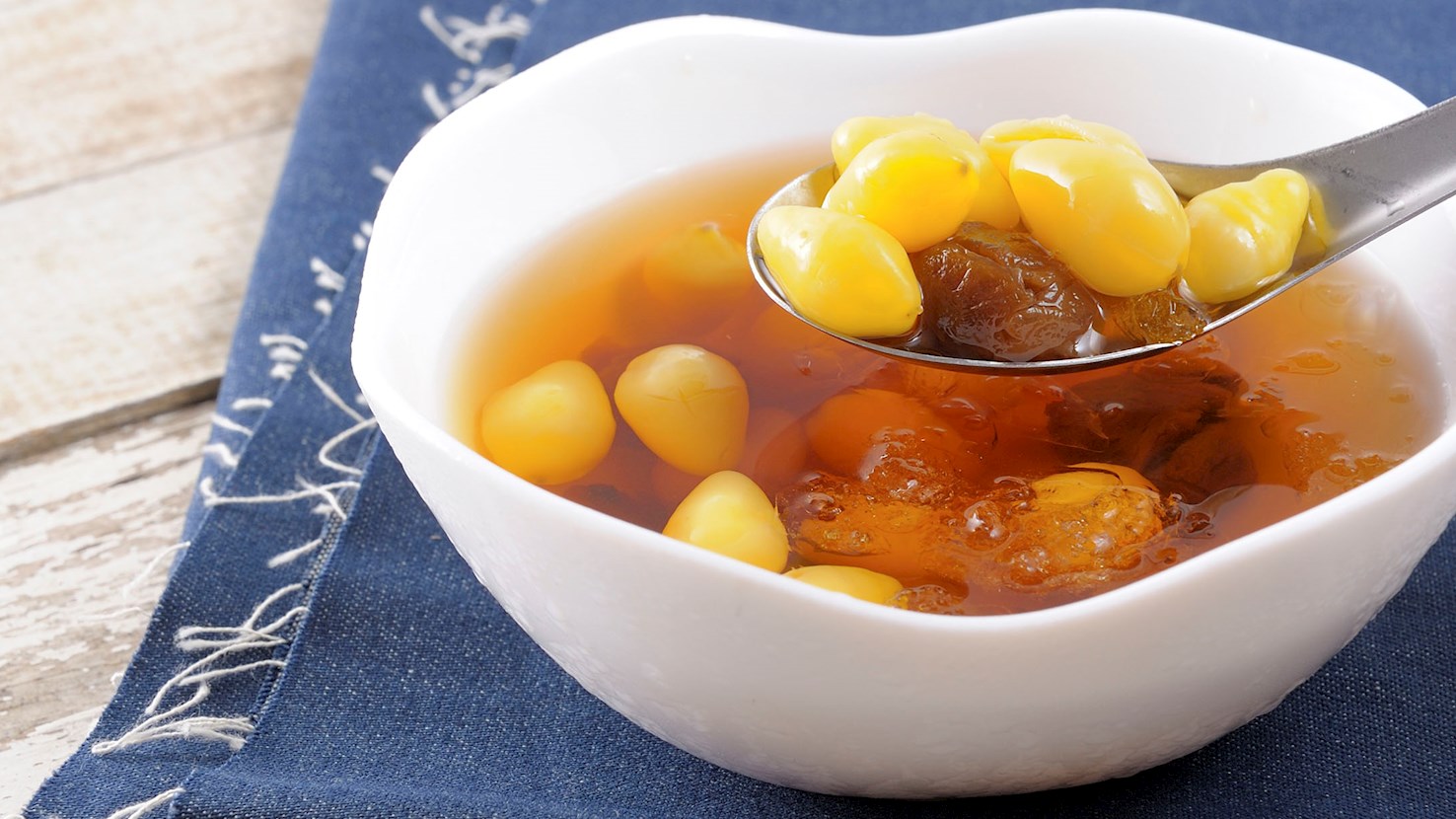
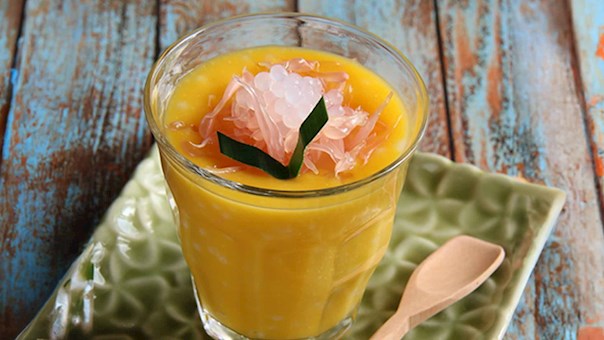
Originally a Cantonese specialty, tong sui (lit. sugar water) is a type of sweet soup or a custard-like dessert made with a base of either water or coconut milk. Extremely popular throughout the country, these sugary treats are nowadays found in tong sui shops but also at numerous food stalls, freshly prepared by street vendors. Tong sui desserts are available in a myriad of different colors and an unlimited selection of flavors, ranging from the simple fruity varieties and tofu puddings to the gaggingly bizarre ones such as guilinggao - powdered tortoise shell jelly or hasma - a sweet soup made with frogs' fallopian tubes! As an example of some appetizing combinations, Chinese dessert soups are often flavored with mango, pomelo, strawberries, citrus peels, pearl tapioca, or vanilla bean, peanut or black sesame paste, and almond or walnut flour. Most common tong sui toppings include ice cream, fresh fruits, and the bittersweet herbal grass jelly, while the chewy, glutinous rice dough balls called tong yuan are another popular addition to these soups. Depending on the season, tong sui can be enjoyed either hot or cold.

10

Pineapple bun

3.9 ·

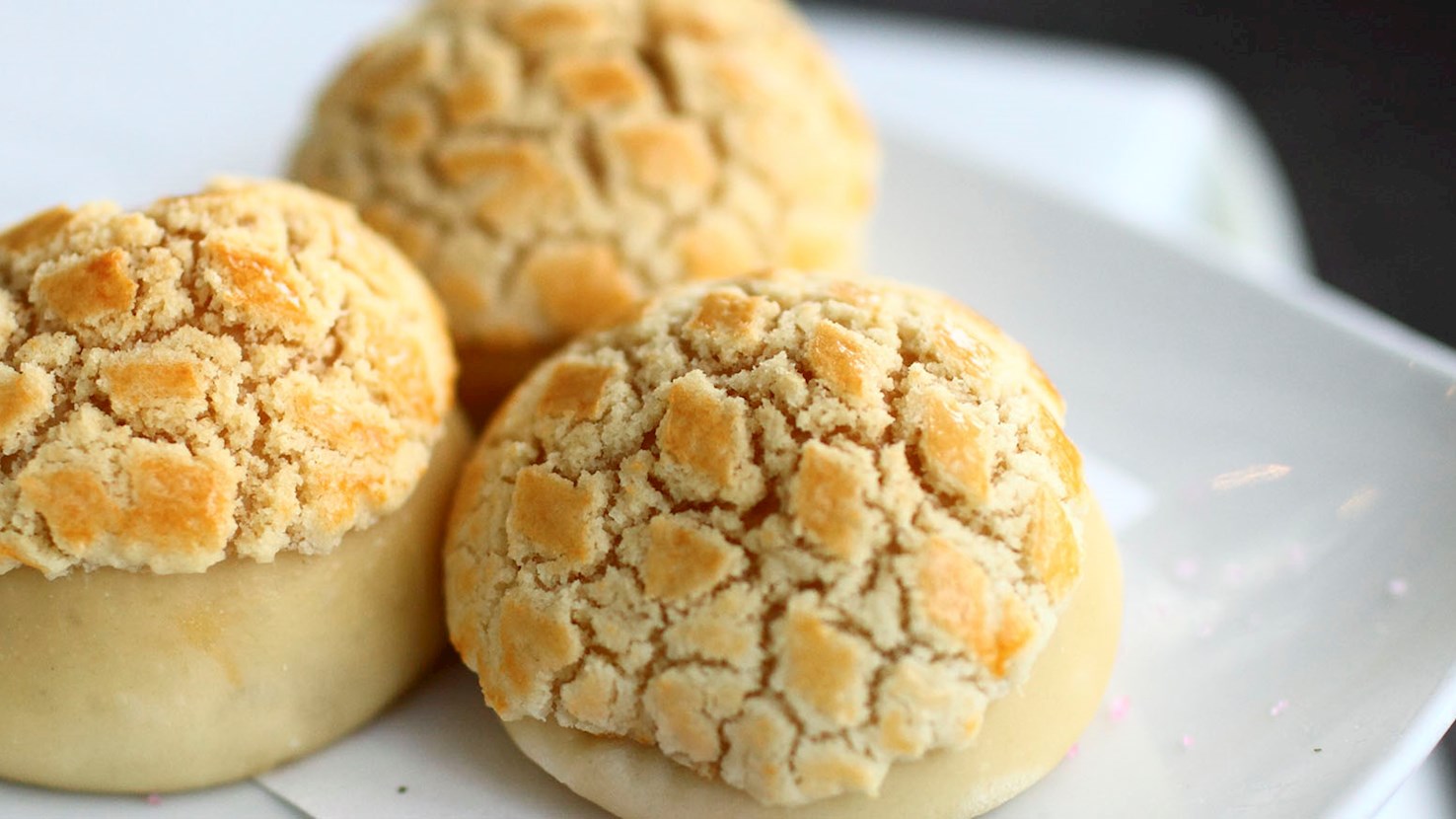
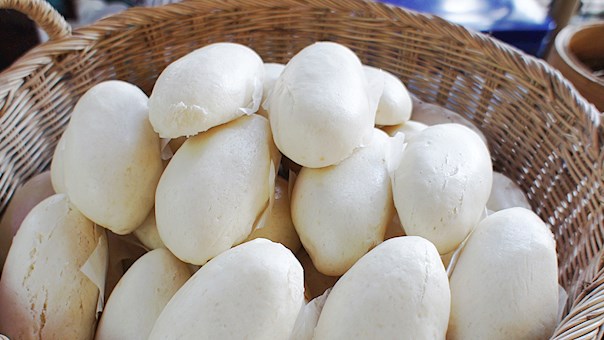
Pineapple buns are golden, crispy-crusted, sweet pastries originating from Hong Kong. Despite their name, they don't contain pineapple, but are named after the chequerboard pattern of the crust that visually resembles the skin of a pineapple. An important part of Hong Kong's cultural heritage, they are made with only four ingredients - flour, lard, sugar, and eggs. Crispy and sugary on the exterior and soft on the inside, it is a favorite food of many locals due to its inexpensive price. The buns are usually eaten for breakfast or in the afternoon with tea. One popular variation known as boh loh yaau is commonly consumed with milk tea and served with butter inside the bun. It is known as one of the unhealthiest snacks in the country due to high amounts of cholesterol and fat. As the buns spread all over the world and became more popular, several other varieties were created, stuffed with coconut, pork, cream, or red bean paste.

About this ranking

TasteAtlas food rankings are based on the ratings of the TasteAtlas audience, with a series of mechanisms that recognize real users and that ignore bot, nationalist or local patriotic ratings, and give additional value to the ratings of users that the system recognizes as knowledgeable. For the “72 Traditional Foods You Have To Try in Hong Kong” list until June 17, 2026, 1,127 ratings were recorded, of which 941 were recognized by the system as legitimate. TasteAtlas Rankings should not be seen as the final global conclusion about food. Their purpose is to promote excellent local foods, instill pride in traditional dishes, and arouse curiosity about dishes you haven’t tried.

Similar lists