

shutterstock

5 Traditional Foods
You Have To Try in Huế

Last updated on May 22, 2026
01

Bún bò Huế (Hue Breakfast Noodle Soup)

4.2 ·

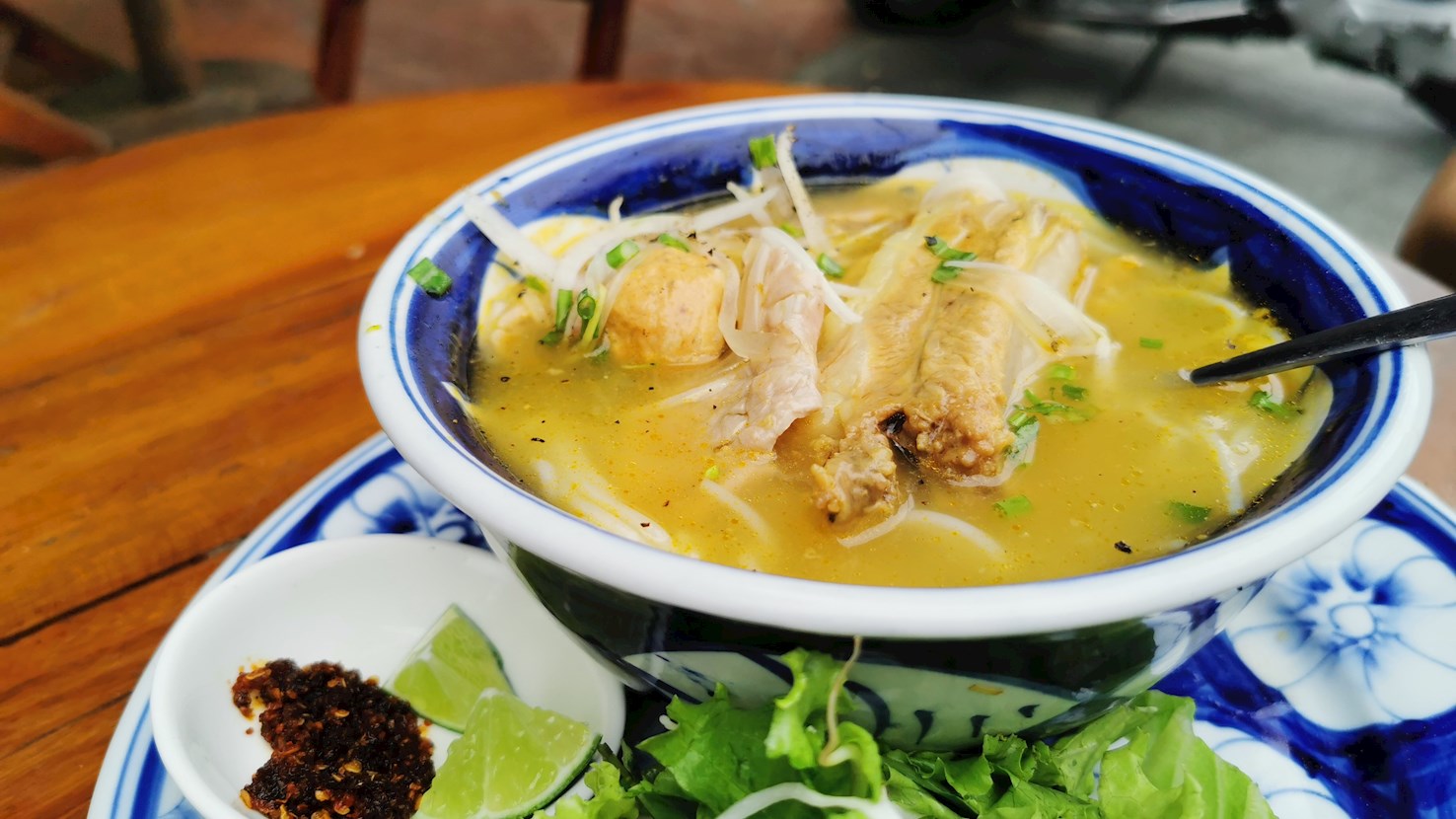
Bún bò Huế is a staple Vietnamese soup that is traditionally consumed for breakfast, consisting of pork and beef bones broth, bun noodles, lemongrass, shrimp paste, lime juice, and a variety of herbs. The soup is much spicier than most Vietnamese soups, and its flavor is often described as rich and complex. It originated in the city of Hue, but not much is known about its exact origins or inventor. Usual additions include sliced brisket or crab balls, but every cook makes the dish with slight variations. Many believe that bún bò Huế found its way into mainstream society by way of royal order, and it was influenced by the imperial court's cuisine. Regardless of the origin, the soup remains a delicious and inexpensive breakfast staple.

02

Bún thịt nướng (Grilled Pork and Rice Vermicelli)

4.3 ·

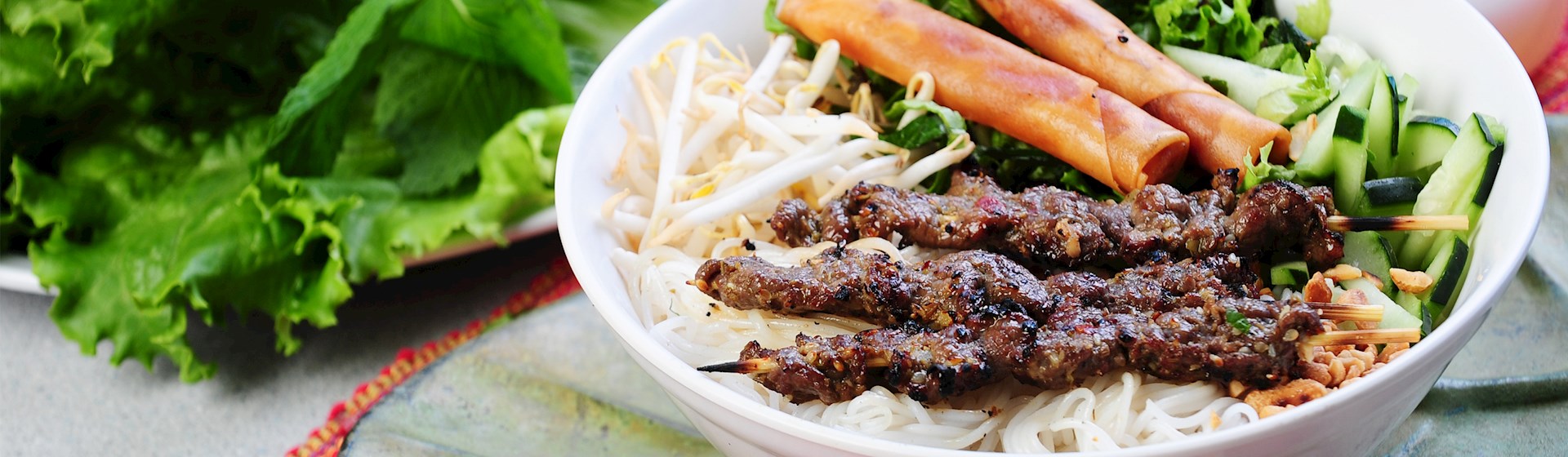
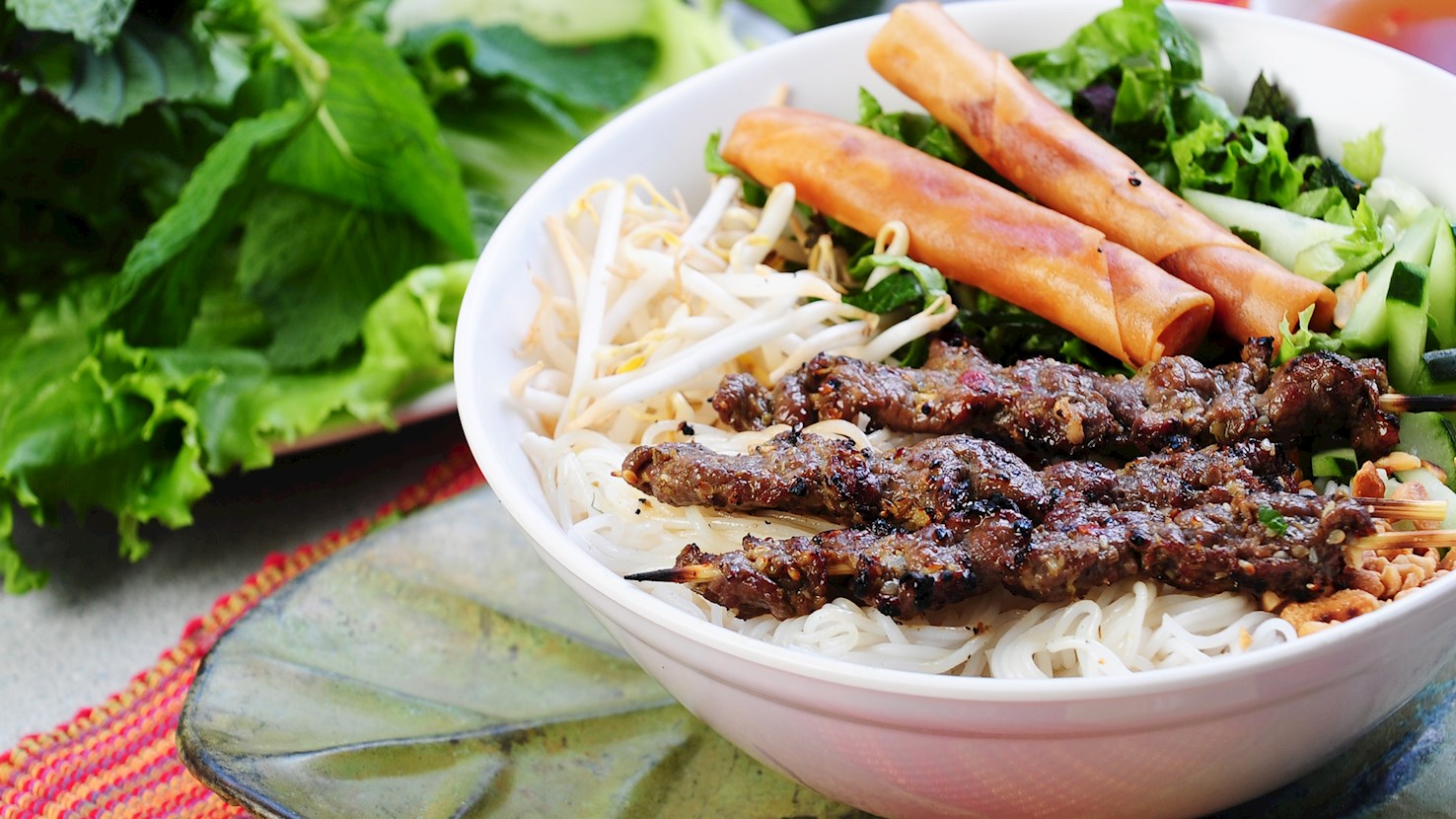
This Vietnamese dish combines marinated grilled pork, rice vermicelli noodles, and fresh leafy green vegetables and herbs. The ingredients are usually placed in a bowl and are then combined with nước chấm – a fish sauce that is typically enriched with lime or lemon juice, water, and sugar. Bún thịt nướng is usually associated with Southern Vietnam, and it is closely related to bún chả, which is regarded as a local specialty in Hanoi. Apart from its basic form, the dish has several regional varieties that may employ tofu or other types of meat and seafood.

03

Bánh bèo (Vietnamese Steamed Savory Rice Cake)

3.8 ·

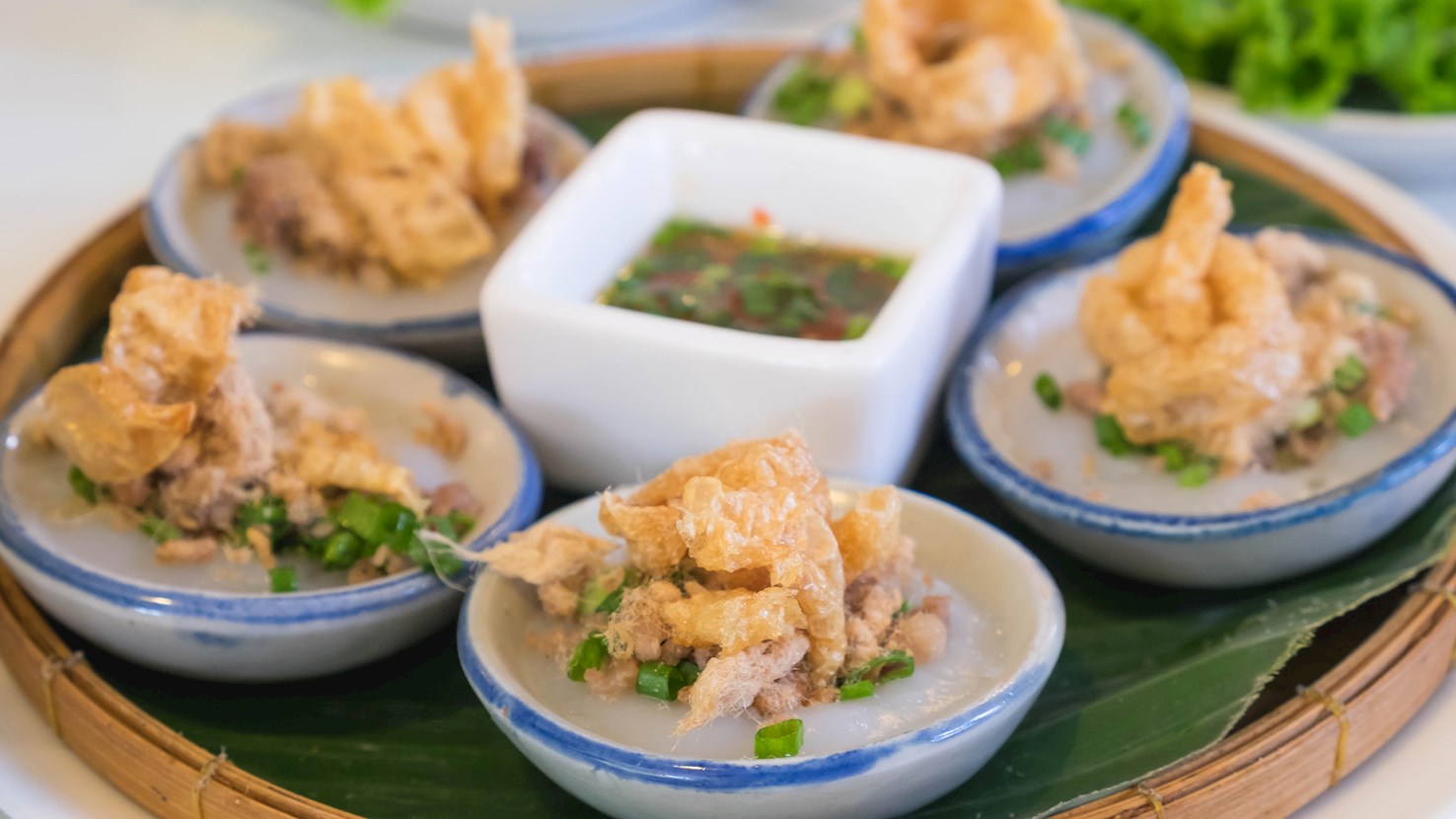
Bánh bèo is a popular Vietnamese steamed cake consisting of key ingredients such as rice flour, fish sauce with green chili peppers, and either shrimps or pork. Additionally, noodles, roasted peanuts, or fried onions can be added to the cake in order to improve its flavors. Apart from savory cakes, there are also sweet versions which are almost exclusively available in Hội An. Bánh bèo is traditionally served in a porcelain bowl with a bamboo spoon for consumption. Some people refer to it as the Vietnamese version of tapas, and it is believed that the most important characteristic of a good bánh bèo is an indentation in its center which is used for holding the flavorful, savory stuffings.

Best restaurants
04

Bánh khoai (Hue Pancake)

4 ·

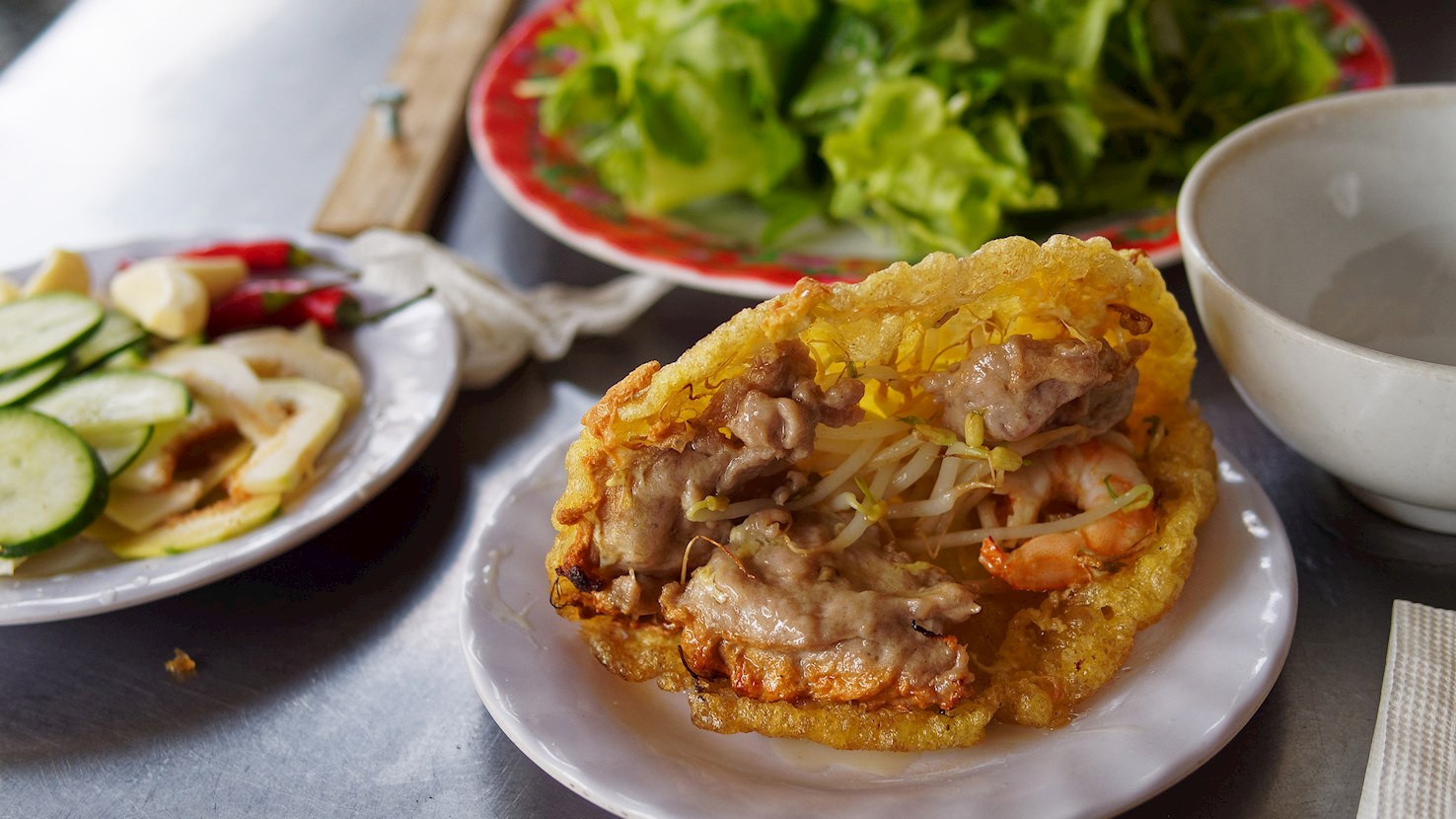
Bánh khoai is a traditional pancake originating from Hue. The batter is typically made with a combination of rice flour, water, eggs, sugar, and salt. It's fried in the pan and topped with sliced mushrooms, pork, shrimp, bean sprouts, carrots, Vietnamese sausage bits, and spring onions, then fried further until it's crispy and golden brown. Once done, it's traditionally served with a special dipping sauce that contains sesame, peanut butter, peanuts, and pork liver. Additional garnishes for the dish include shiso leaves, lettuce, and Asian basil. Because bánh khoai is so greasy, it's often eaten during cold weather.

Best restaurants
05

Nem lui (Grilled Ground Pork on Lemongrass Skewers)

4.1 ·

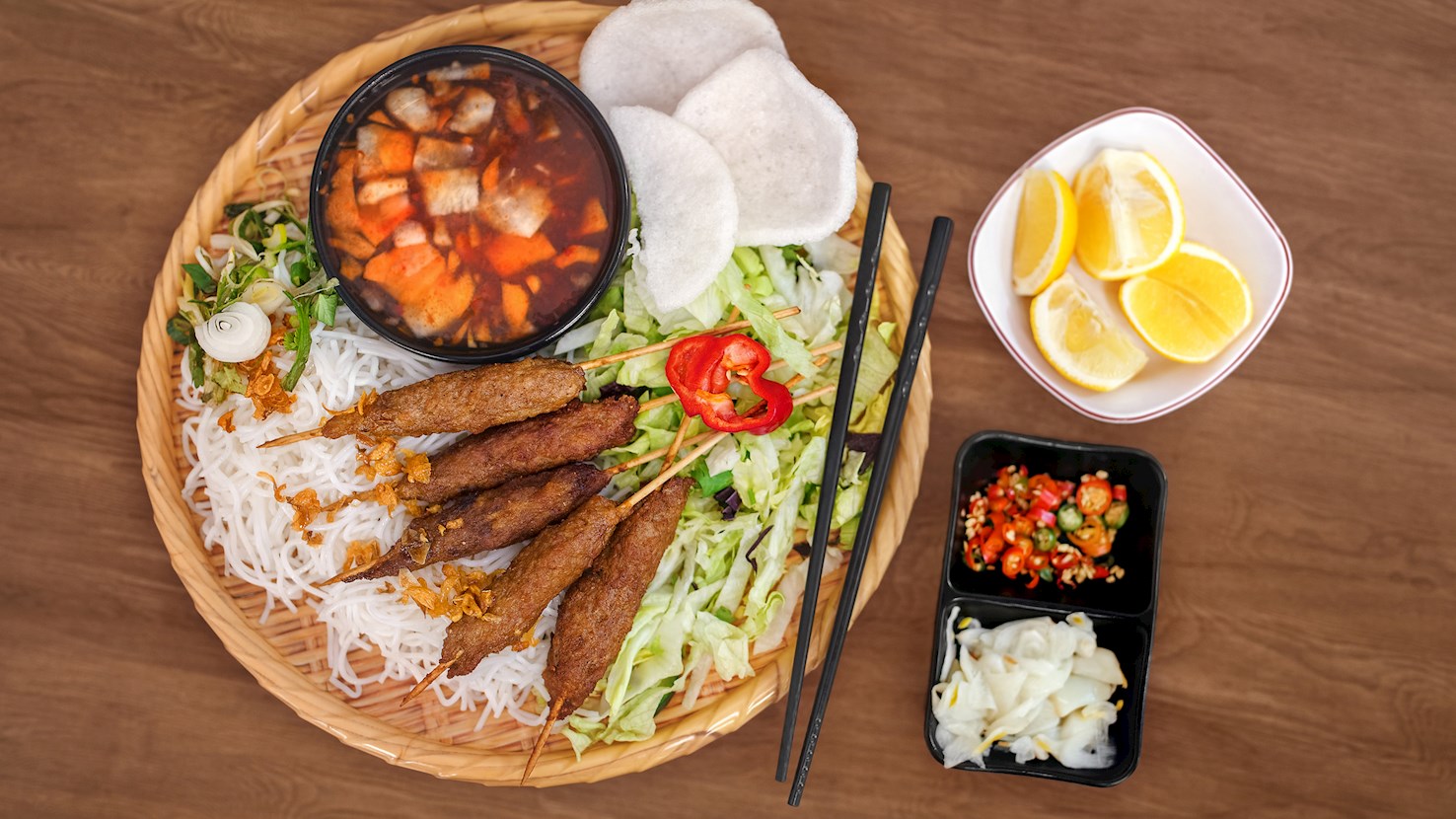
Nem lui is a traditional dish originating from Hue. The dish consists of ground pork that's grilled on a lemongrass skewer. Other ingredients often include black pepper, pork skin, garlic, shallots, and fish sauce. The meat combination is rolled into a sausage shape around a lemongrass stick, and it's then brushed with oil and grilled on a coal stove until slightly charred. Nem lui typically comes accompanied by vegetables, Vietnamese herbs, and rice paper that's rolled like a spring roll while the grilled ground pork is used as the filling, and the combination is then dipped in a sweet and sour peanut-sesame sauce. The dish is served as a main course or a snack in the afternoon.

Best restaurants
About this ranking

TasteAtlas food rankings are based on the ratings of the TasteAtlas audience, with a series of mechanisms that recognize real users and that ignore bot, nationalist or local patriotic ratings, and give additional value to the ratings of users that the system recognizes as knowledgeable. For the “5 Traditional Foods You Have To Try in Huế” list until May 22, 2026, 363 ratings were recorded, of which 262 were recognized by the system as legitimate. TasteAtlas Rankings should not be seen as the final global conclusion about food. Their purpose is to promote excellent local foods, instill pride in traditional dishes, and arouse curiosity about dishes you haven’t tried.

Similar lists