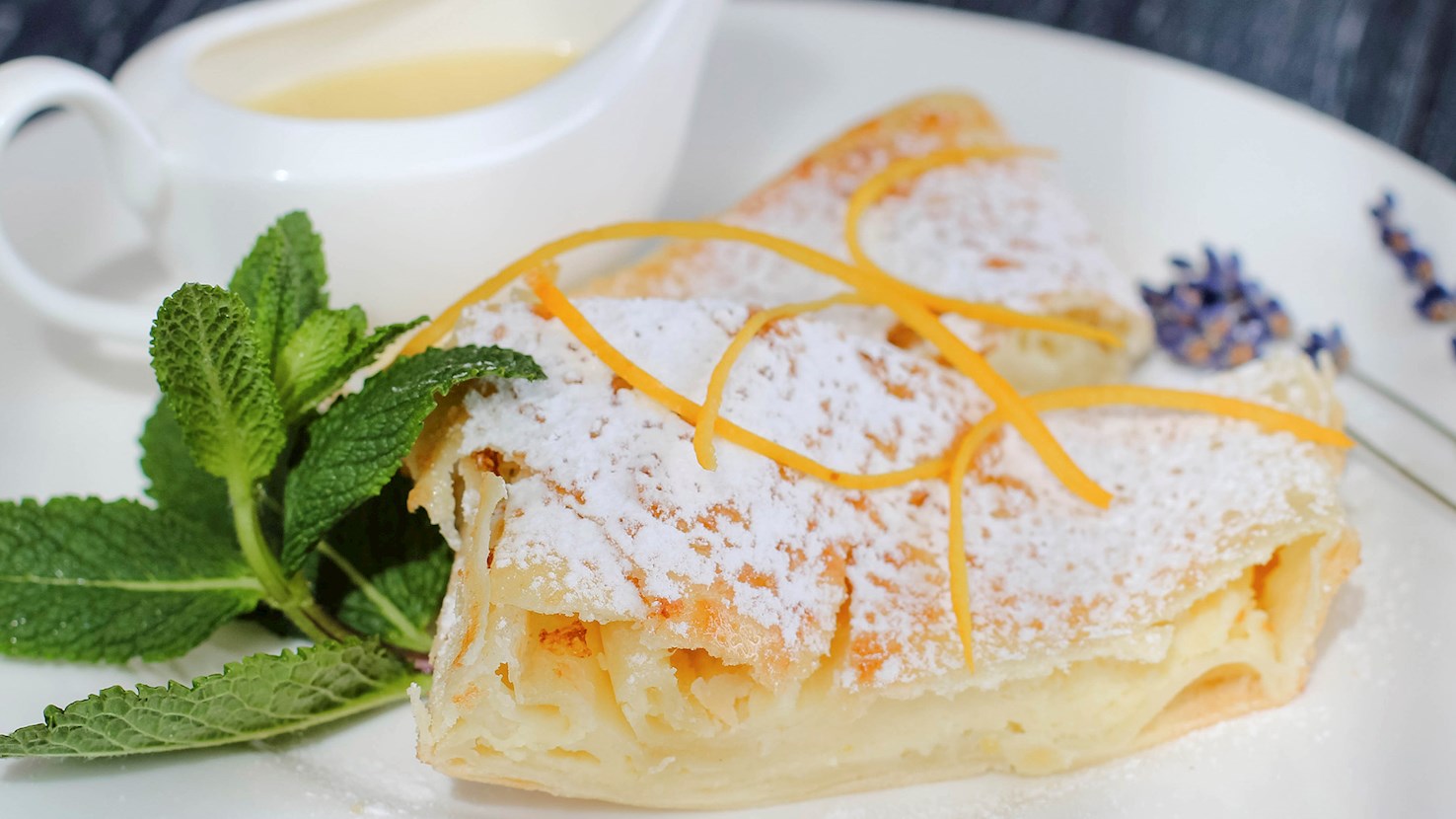
Austrian cuisine prides in their old traditional pastry desserts, and the delicate strudels are surely the most popular variety. Even though it is not as famous as the apple filled version, topfenstrudel is regarded as one of Austria’s favorites. Made with soft, mildly sweetened quark cheese which is folded with the elastic and almost see-through dough or puff pastry, the strudel is baked until a crispy golden crust is formed on top. Raisins, apricots, and peaches are occasionally added to the quark cheese mixture, which is gently spiced with vanilla or lemon. Even though they are most commonly associated with Austria, topfenstrudel, and all other strudel varieties, are eaten throughout the former Austro-Hungarian Empire. Their origins are believed to be in the Ottoman Empire, whose culinary influence spread across the Balkans, and Hungary, before finally reaching Vienna. The topfenstrudel can be found everywhere in Austria, served in both traditional and modern restaurants, as well as in classic Austrian patisseries. Commonly, a slice of warm topfenstrudel is paired with a sweet vanilla sauce or fresh fruit on the side.
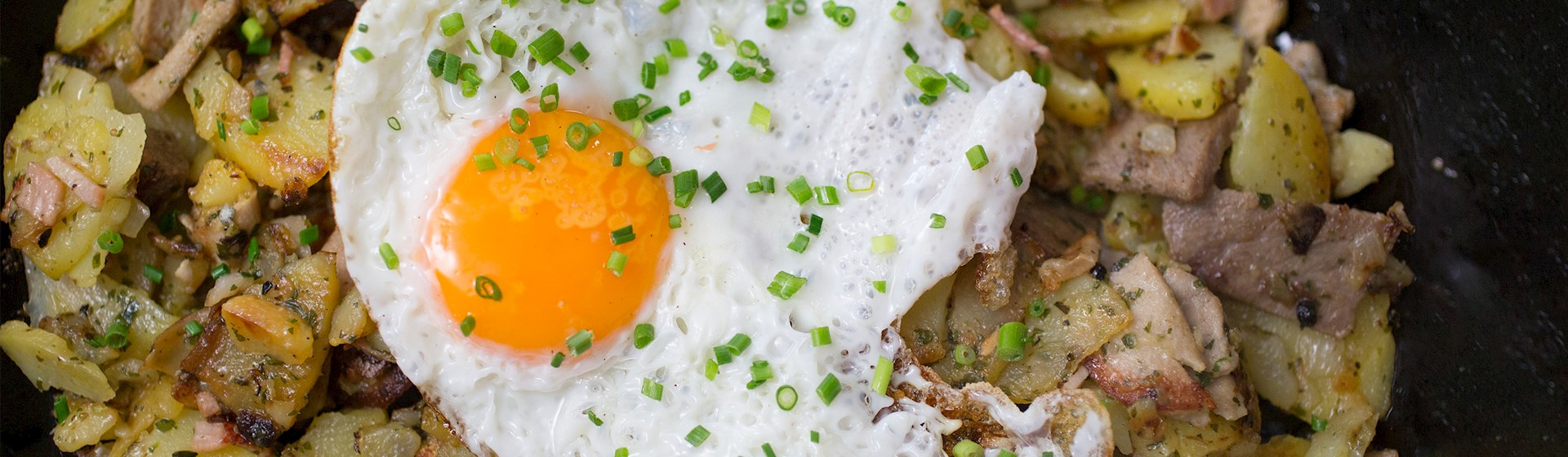
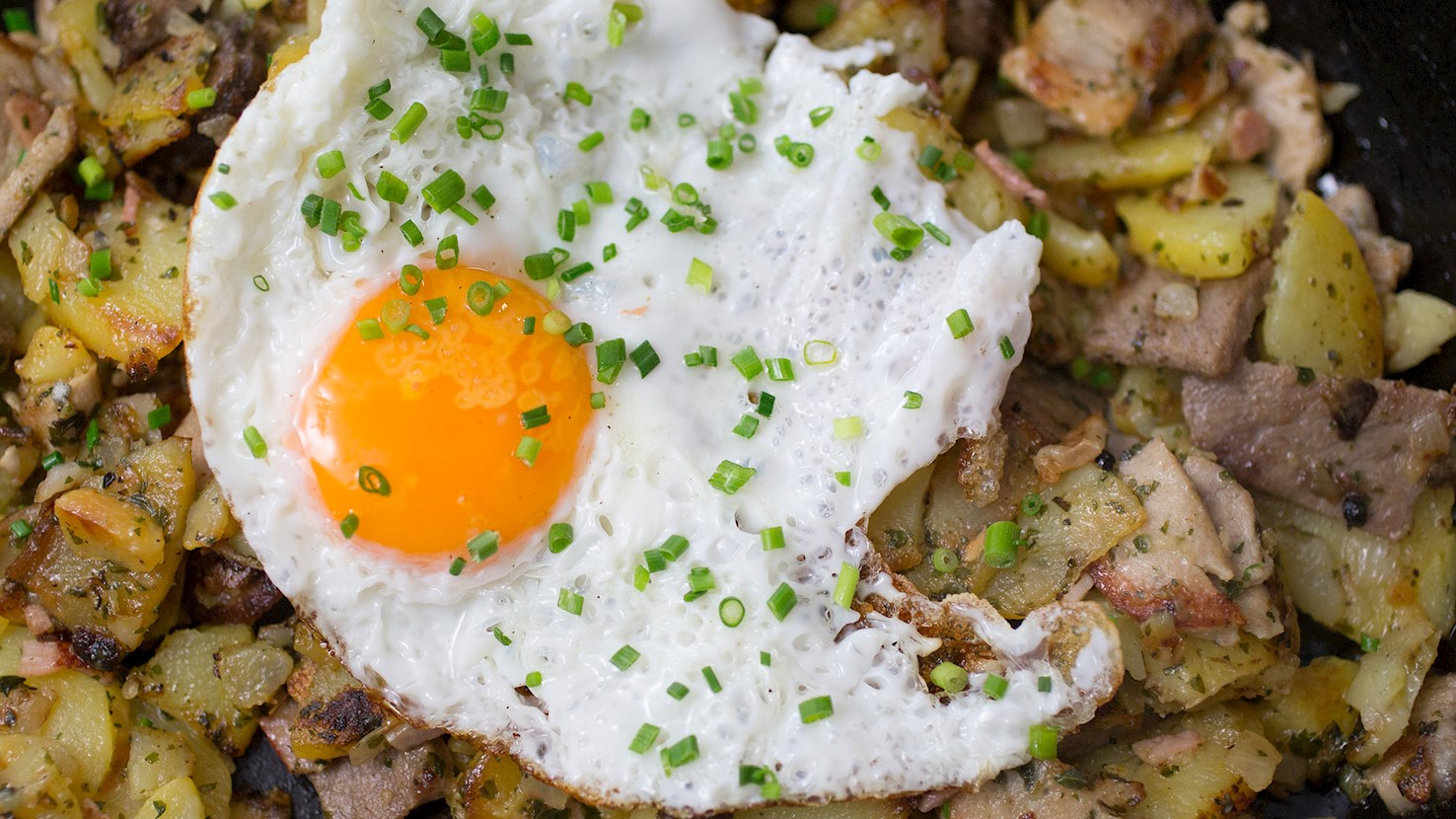
Tiroler gröstl is a traditional dish from Tirol, an Austrian region famous for its skiing and hiking courses. Like most Alpine dishes, gröstl is simple, yet rich, consisting of fried potatoes, onions, and bacon. Traditionally, the dish is served with a fried egg on top. Gröstl provides an ideal way of using yesterday's leftovers and transforming them into a great, hearty, and warming mountain lunch that can be shared communally, straight from the pan. It is recommended to pair the dish with the famous kaiserschmarrn in a separate pan. Gröstl is also commonly prepared in the neighboring South Tyrol.
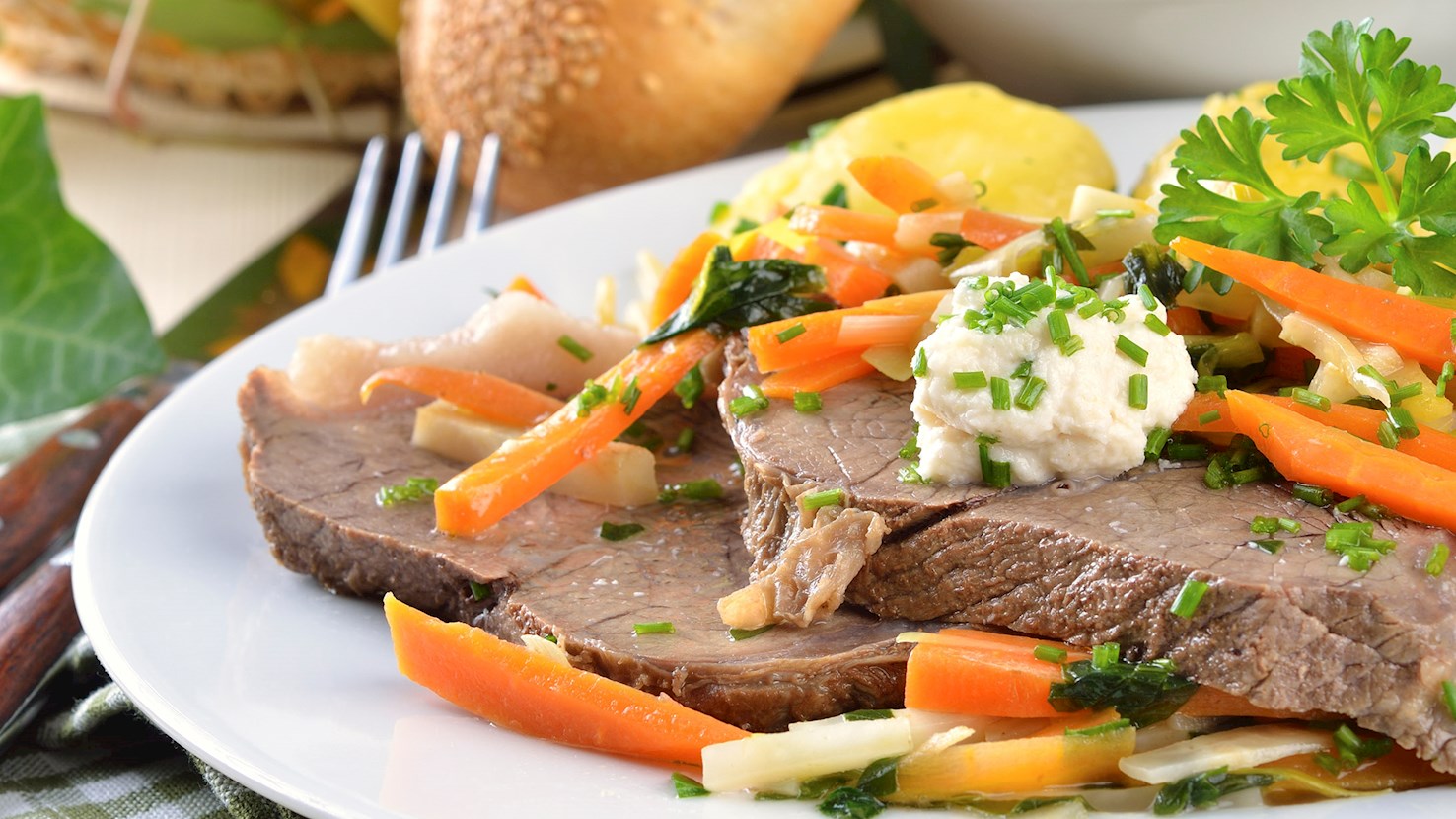
Even though tafelspitz is today one of the most popular Austrian dishes, this succulent boiled veal dish was once reserved only for the ruling class, and it was the favorite dish of Emperor Franz Joseph I. According to the 1912 imperial cookery book, tafelspitz was standard fare at the court, and "his Majesty’s private table was never without a fine piece of boiled beef." The name tafelspitz (lit. a tip [of meat] for the table) refers to a cut from the top hind end of the cow just below the tail, though some cooks prefer to use top round or chuck for this dish, while the richest and juiciest meat comes from a leg cut called beinfleisch. Regardless of the cut, the meat is always simmered slowly with root vegetables. Some chicken pieces and a marrow bone may also be added to the mix, and the pot is constantly skimmed, resulting in a crystal clear broth. Traditionally, tafelspitz is eaten in separate courses: first comes the broth that's served hot in bouillon cups, followed by tender slices of beef which are usually accompanied by potatoes, carrots, and a creamy apple-horseradish and chive sauce.
Kaspressknödel Suppe is a traditional Tiroler dish that translates to "cheese dumpling soup". It's a comforting, hearty meal often enjoyed in the colder months, but it's also served year-round in many Austrian homes and restaurants. It is made with Kaspressknödel (cheese dumplings formed into patties, then pan-fried until they're crispy on the outside and warm and cheesy on the inside) and clear, flavorful broth made from vegetables, beef, or chicken. To serve Kaspressknödel Suppe, one or two Kaspressknödel are placed in a bowl, and the hot soup is poured over them. The crispy, cheesy dumplings add a delicious contrast to the hot, savory soup.
TasteAtlas food rankings are based on the ratings of the TasteAtlas audience, with a series of mechanisms that recognize real users and that ignore bot,
nationalist or local patriotic ratings, and give additional value to the ratings of users that the system recognizes as knowledgeable.
TasteAtlas Rankings should not be seen as the final global conclusion about food. Their purpose is to promote excellent local foods,
instill pride in traditional dishes, and arouse curiosity about dishes you haven’t tried.




What People Say