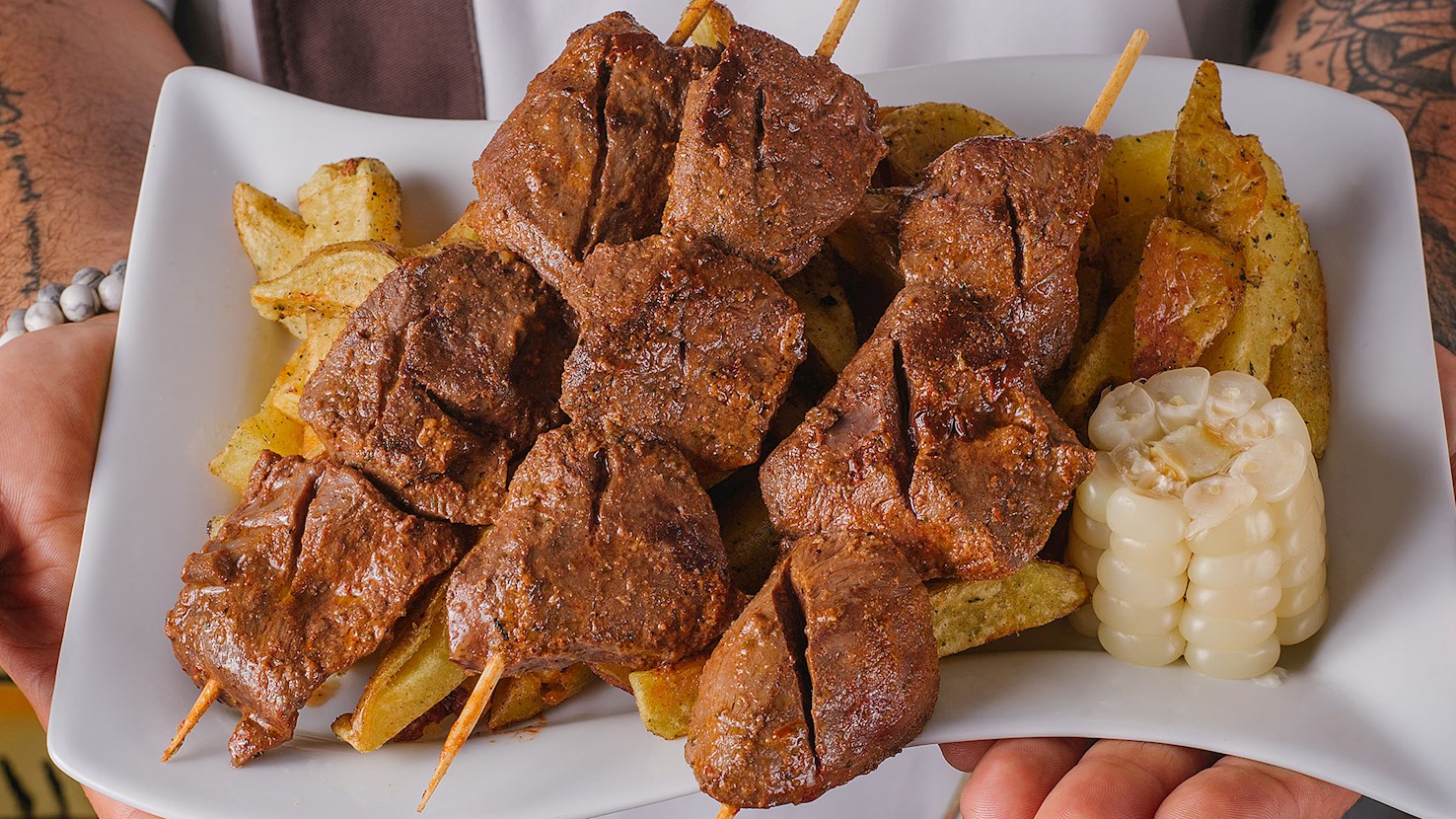
Anticucho is a meat dish consisting of small pieces of skewered and grilled meat, the most popular of them made with beef heart, called anticuchos de corazón. Incan in origin, the dish quickly gained popularity throughout South and Central America. The first written recipe dates back to the 16th century, referring to a meal of marinated llama meat cooked directly over a fire. When the conquistadors encountered the dish, they modified it to make it their own, replacing the llama meat with beef, which was skewered on sugar cane stalks. Today, the meat is typically marinated in red wine vinegar and spices such as garlic, cumin, and aji pepper - developing a fruity flavor when roasted. Anticucho can be found throughout Peru and has spread to other South American countris (especially popular in Bolivia) on numerous street carts and street food stalls, called anticucheras. Typical accompaniments to the dish include corn or boiled potatoes.
Anticucho de suri is a traditional dish originating from the Peruvian jungles. These skewers are usually made with beef heart and they're sold on the streets, but this type of anticucho is unique because its key ingredient is suri, or South American palm weevil larvae. The suri is extracted from the palmetto or aguaje trees, washed, seasoned with salt and garlic, marinated for about 20 minutes, and then threaded on skewers and fried or grilled. Once prepared, anticuchos de suri are typically accompanied by cooked or fried plantains on the side.
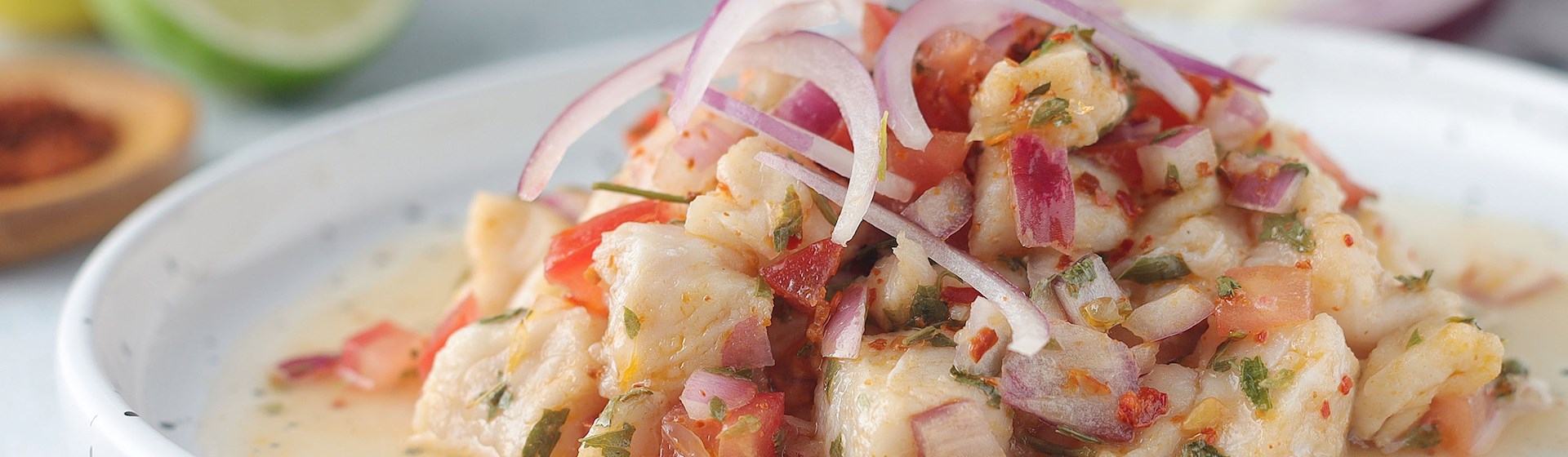
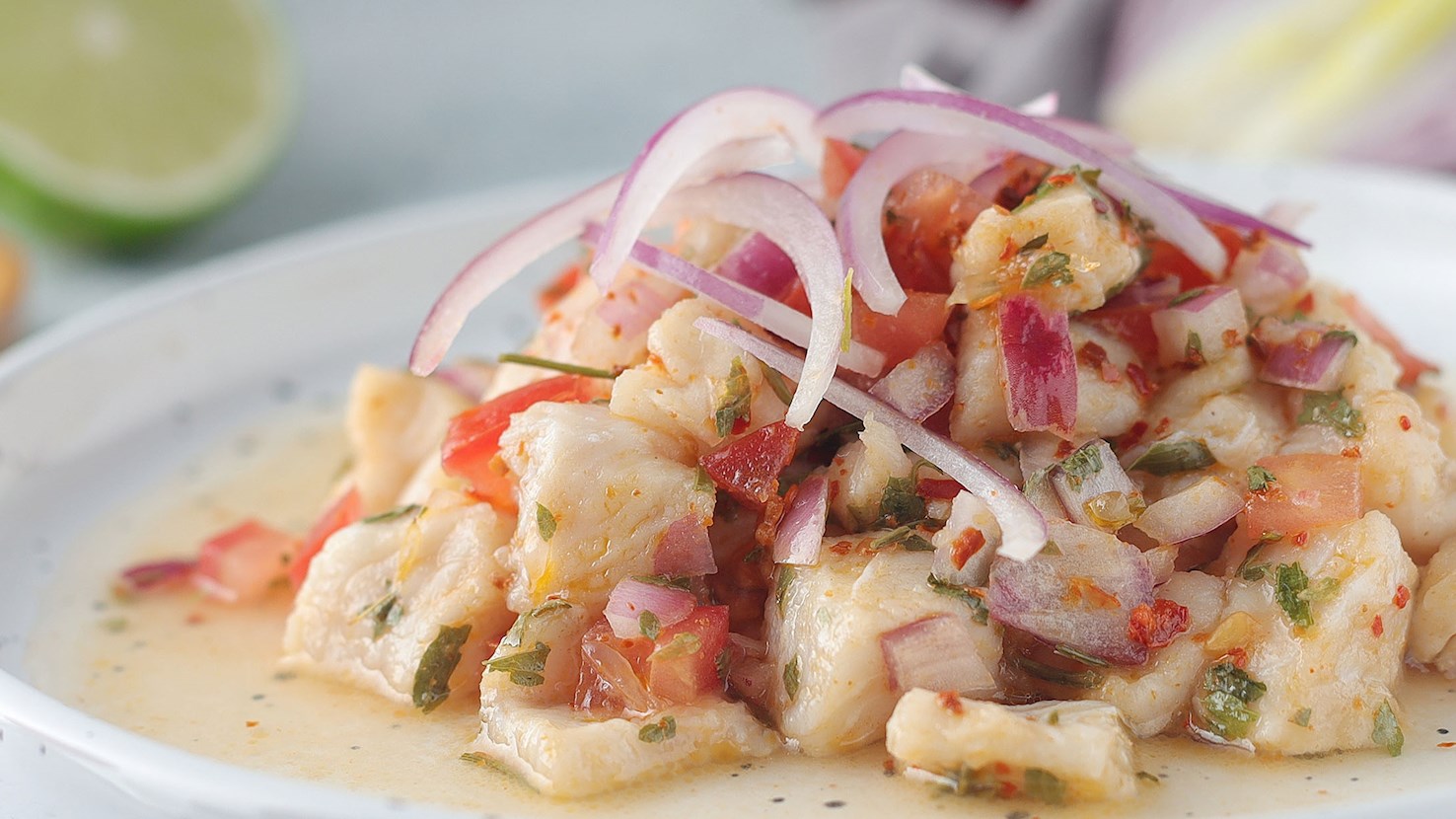
Ceviche is the national dish of Peru consisting of slices of raw fish or shellfish that is spiced with salt, onions, and chili peppers, then marinated in lime juice. Due to the acidity of lime juice, the texture of the fish changes, as does its color – from pink to white. The acidic marinade, also known as leche de tigre (lit. tiger's milk) "cooks" the meat without any heat involved in the process. For ceviche, fresh fish is an imperative, as fish and shellfish that are not fresh can cause food poisoning. Peruvians are used to fresh ingredients, so the fish will sometimes be prepared for ceviche less than an hour after being caught. Fish for ceviche can be divided into three categories: firm, medium, and soft. The dish was originally made by the natives who marinated fish and amarillo chiles in the juices of a native fruit called tumbo, which was replaced by lime juice when the Spanish brought limes and onions to the country. The flavors of ceviche are slightly acidic and spicy, with an intense aroma of the sea. Traditionally, it is served on a bed of lettuce with tiny pieces of corn, chunks of sweet potato, and boiled yuca. Cancha, a variety of popcorn made from large corn kernels toasted in salt and oil provides an ideal side dish. The dish is traditionally served at cevicherias, specialized ceviche restaurants that can be found all over the country, and it is so popular that it even has its day, known as National Ceviche Day.
TasteAtlas food rankings are based on the ratings of the TasteAtlas audience, with a series of mechanisms that recognize real users and that ignore bot,
nationalist or local patriotic ratings, and give additional value to the ratings of users that the system recognizes as knowledgeable.
For the “3 Traditional Foods You Have To Try in Iquitos” list until June 17, 2026, 0 ratings were recorded, of which 0 were recognized by the system as legitimate.
TasteAtlas Rankings should not be seen as the final global conclusion about food. Their purpose is to promote excellent local foods,
instill pride in traditional dishes, and arouse curiosity about dishes you haven’t tried.