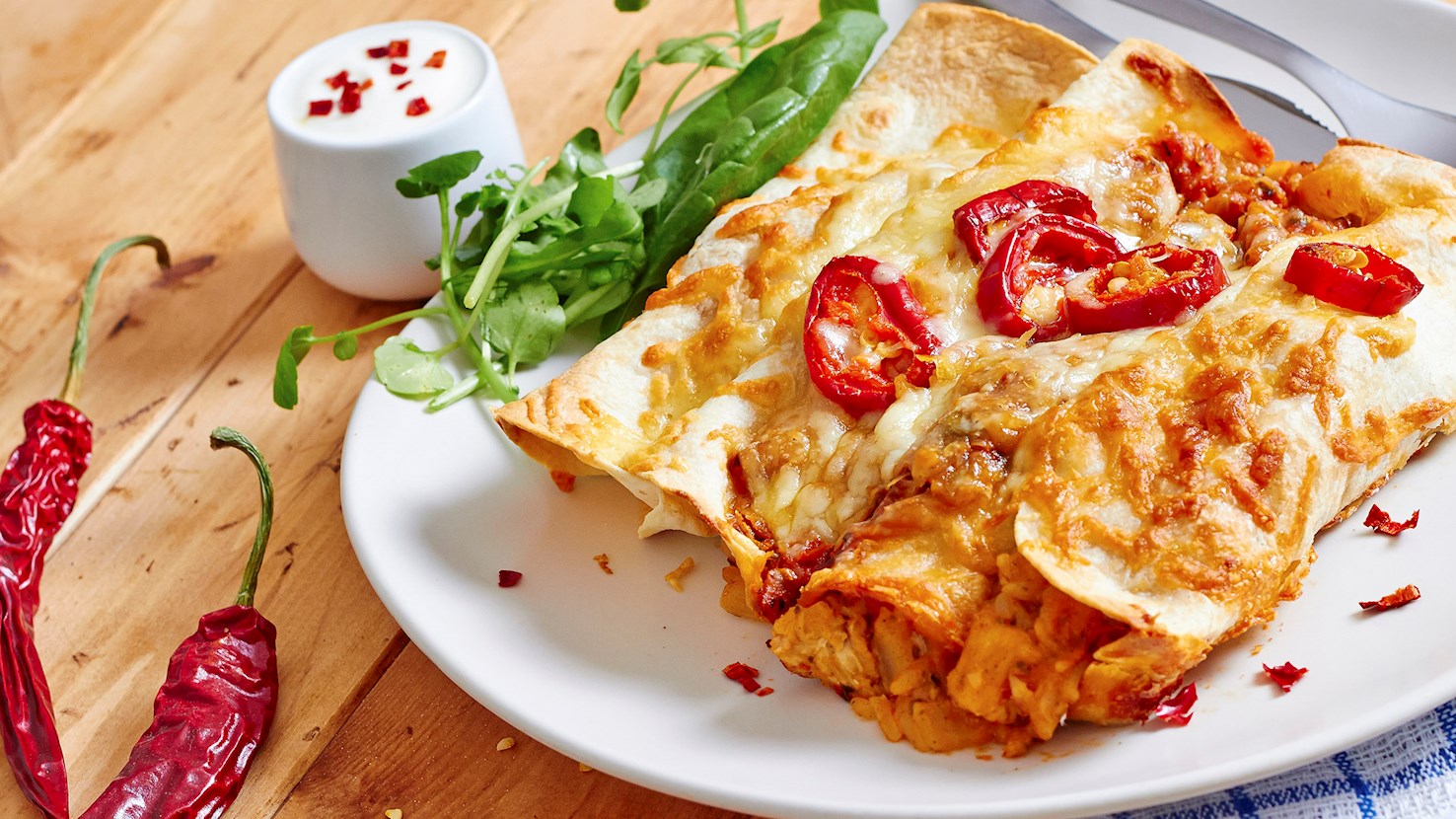
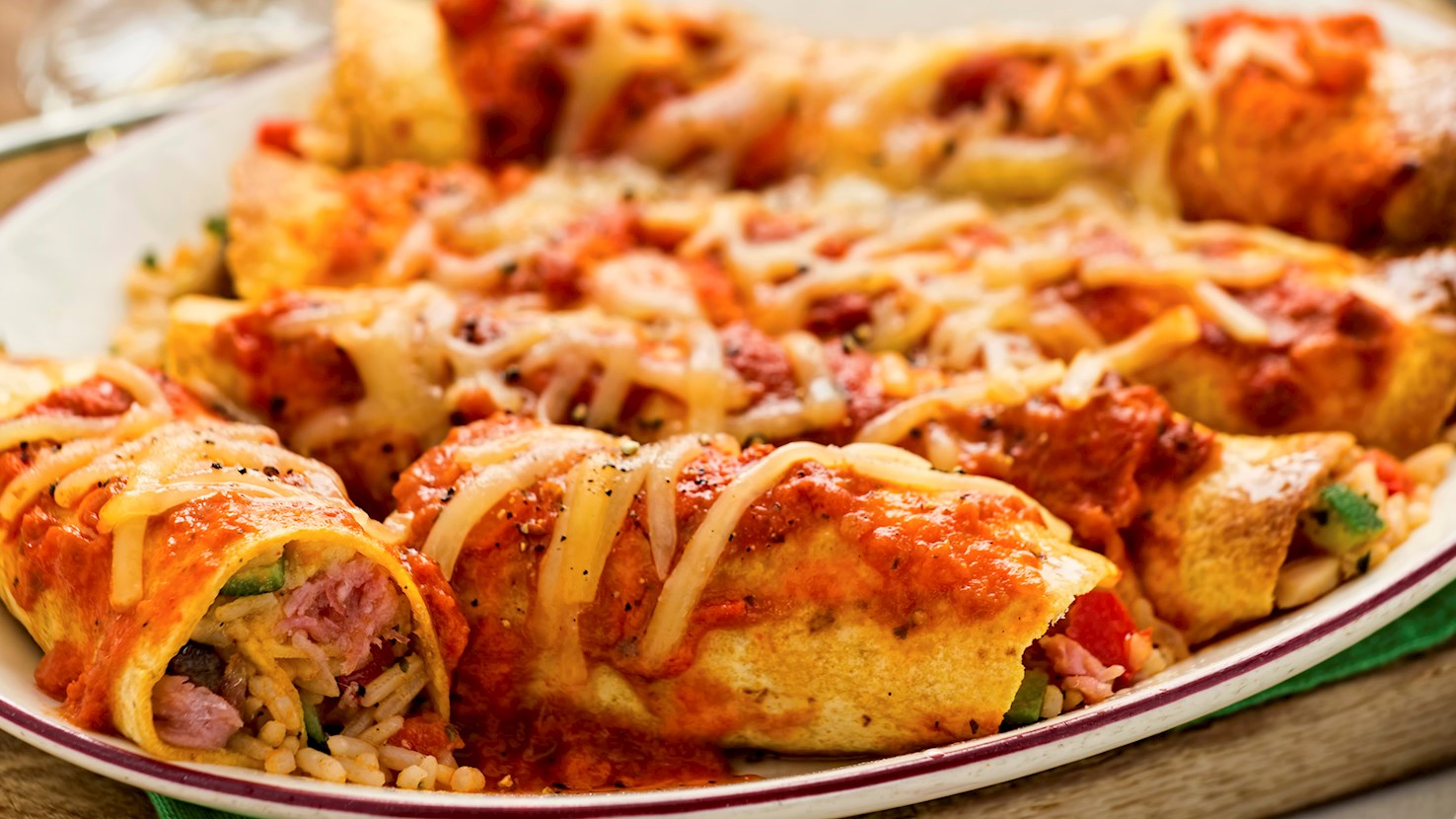
Enchiladas consist of a tortilla that is usually dipped in a chile-based sauce, then stuffed with various fillings such as cheese, meat, or fish. Then it is rolled up, baked, and topped with sauces, onions, beans, or more cheese. This highly versatile dish is believed to have originated from a Mayan dish called papadzules, consisting of corn tortillas dipped in pumpkin purée and filled with chopped boiled eggs. From there, numerous variations developed throughout Mexico and outside of its borders. The word enchilada, which first appeared in print in 1885, comes from the Spanish word enchilar, meaning to season with chile pepper. Today, there are countless versions of enchiladas. In northern Mexico's Sonora, they make them open-faced, topped with black olives and a red chile sauce, while the New Mexico version is prepared by layering the tortillas in a tall stack with cheese and onions between each layer. Enchiladas have become so popular that there is even a National Enchilada Day (in the US), celebrated every year on May 5, also known as Cinco de Mayo.
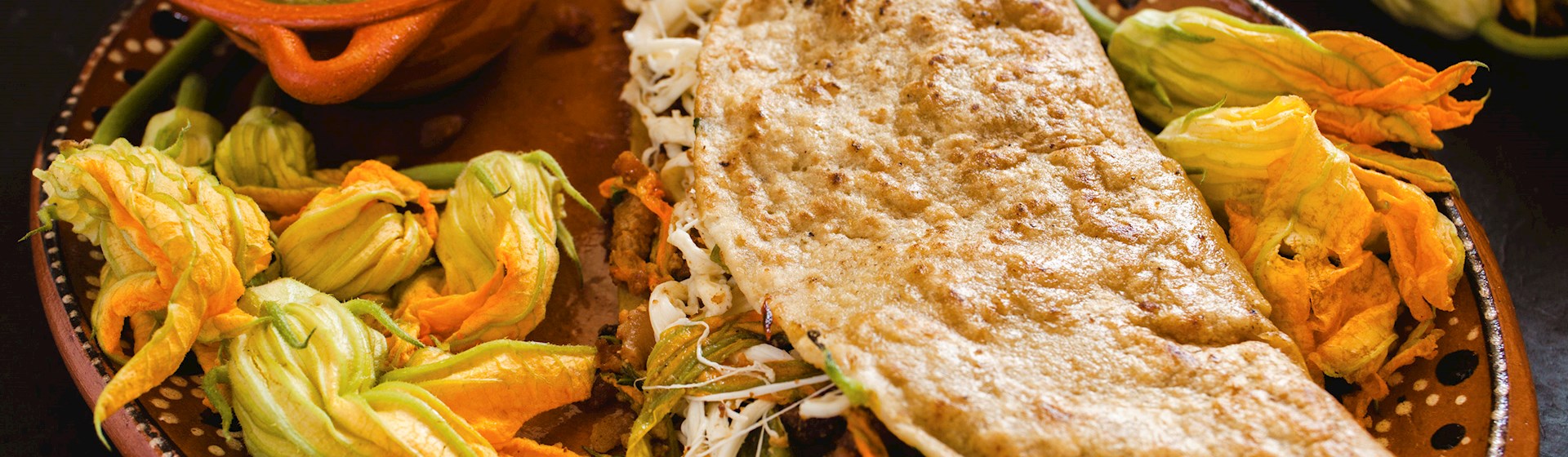
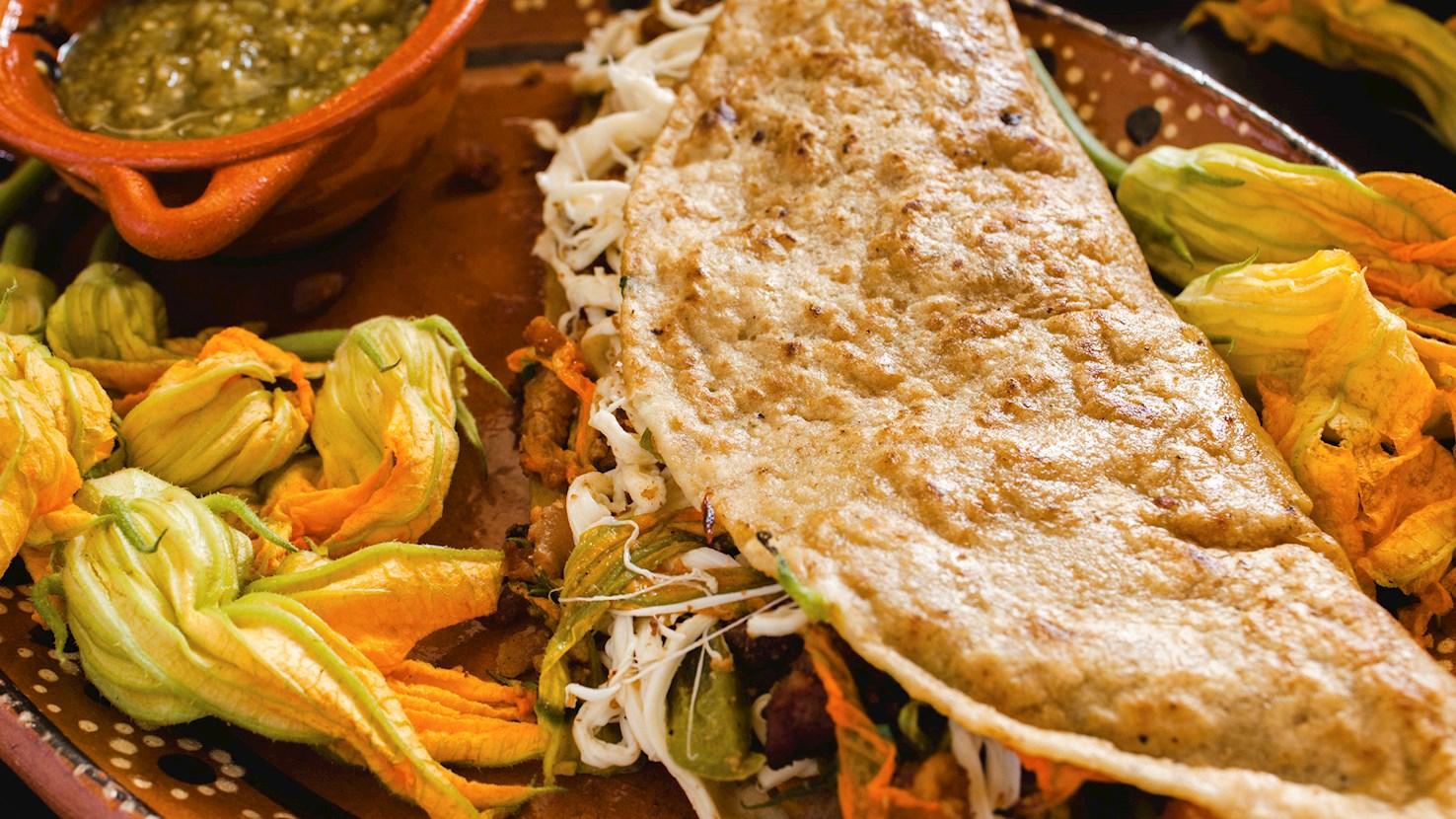
Quesadilla is a simple Mexican snack consisting of a flour or corn tortilla filled with cheese that melts well. It is commonly folded in half and consumed. A quesadilla can also have some other ingredients on the inside such as meats, beans, or potatoes, but cheese is always mandatory (with the exception of Mexico City, where cheese in a quesadilla is often an afterthought). Sometimes, it is cut into wedges and served with salsa or guacamole on the side, and it can be topped with vegetables such as diced tomatoes, onions, lettuce, or hot chiles. The origins of quesadilla are somewhat murky, but it is known that the cheese was brought to Mexico by the Spaniards along with other dairy products in colonial times, and the thin flatbreads were already a staple of the Mesoamerican people. The Spaniards named the dish quesadilla (little cheesy thing). In northern Mexico, and parts of the southwestern United States, flour tortillas are more common than corn tortillas, so quesadillas with flour tortillas started to gain popularity throughout the United States as well. Today, there are numerous varieties and fillings for quesadillas such as chorizo, Oaxaca cheese, epazote, and squash blossoms.
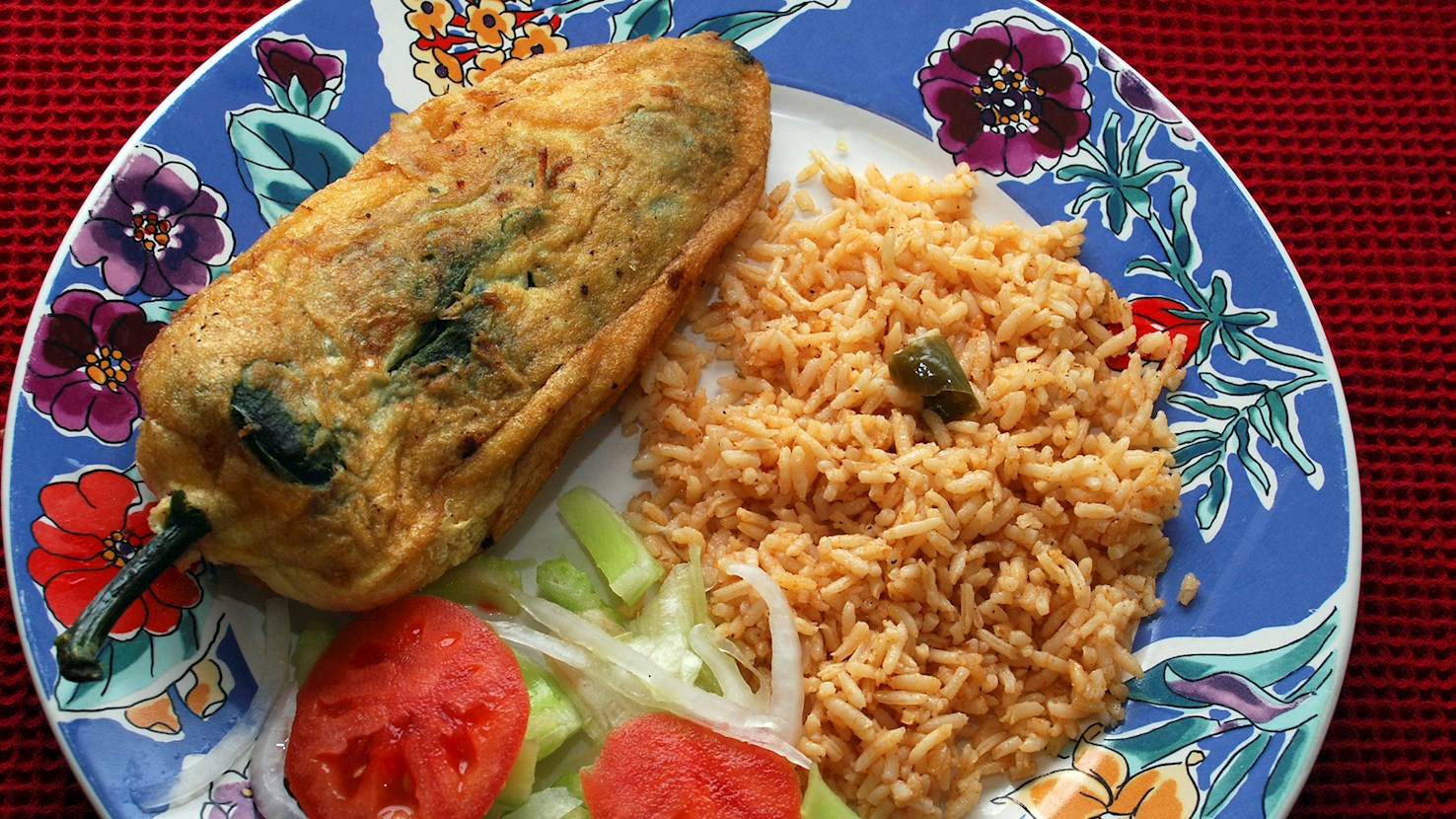
Chile relleno is a large, mild roasted pepper completely hollowed out, heavily stuffed with melting cheese or spiced meat, coated in a fluffy egg batter, and deep-fried until golden. The recipe starts with blistering a fresh poblano pepper over an open flame until the outer skin turns completely black and charred. The pepper is placed inside a sealed bag to steam, allowing the burnt skin to peel away effortlessly. A small slit is sliced down the side to extract all the seeds and membranes, leaving an empty cavity ready for the filling. Large blocks of stringy, white, melting cheese or a dense mixture of ground beef, raisins, and almonds are packed tightly into the hollow space. The opening is pinned shut with wooden toothpicks. The coating requires separating raw eggs, vigorously whipping the whites until stiff peaks form, and gently folding the yolks back in to create an airy, cloud-like foam. The stuffed pepper is lightly dusted with wheat flour, submerged entirely in the foamy egg mixture, and immediately dropped into hot oil. It fries rapidly until a soft, spongy golden-brown crust forms on the outside. Upon leaving the hot oil, the battered pepper is transferred directly to a shallow bowl and consumed immediately while the interior cheese remains molten. A thin, savory tomato broth, heavily flavored with oregano and garlic, known as caldillo, is poured generously over the fried crust just seconds before eating. A side of warm tortillas, seasoned rice, and mashed pinto beans constantly accompanies the plate, absorbing the remaining red sauce and stray bits of batter. The genesis of this stuffed vegetable dates back to the city of Puebla in the mid-16th century, arising from the fusion of indigenous ingredients and imported European livestock. Nuns in local convents used native poblano peppers as a vehicle for newly introduced dairy products and pork. Over time, numerous distinct iterations branched off from the original cheese-filled version. Some coastal regions swap meat and dairy for shredded fish and shrimp, while arid northern territories rely heavily on long, slender Anaheim or Hatch green chiles rather than the wider poblanos. A highly elaborate iteration known as chiles en nogada bypasses the frying phase entirely, featuring a sweet-and-savory, fruit-laced meat filling and a topping of chilled walnut cream sauce scattered with bright red pomegranate seeds. Another adaptation skips the egg batter and hot oil altogether, instead wrapping the stuffed pepper in flaky pastry dough before baking it in a hot oven. The dish is traditionally served as a snack or an appetizer, most commonly in late August and early September, since it is associated with Mexican Independence Day and the Day of San Agustín.
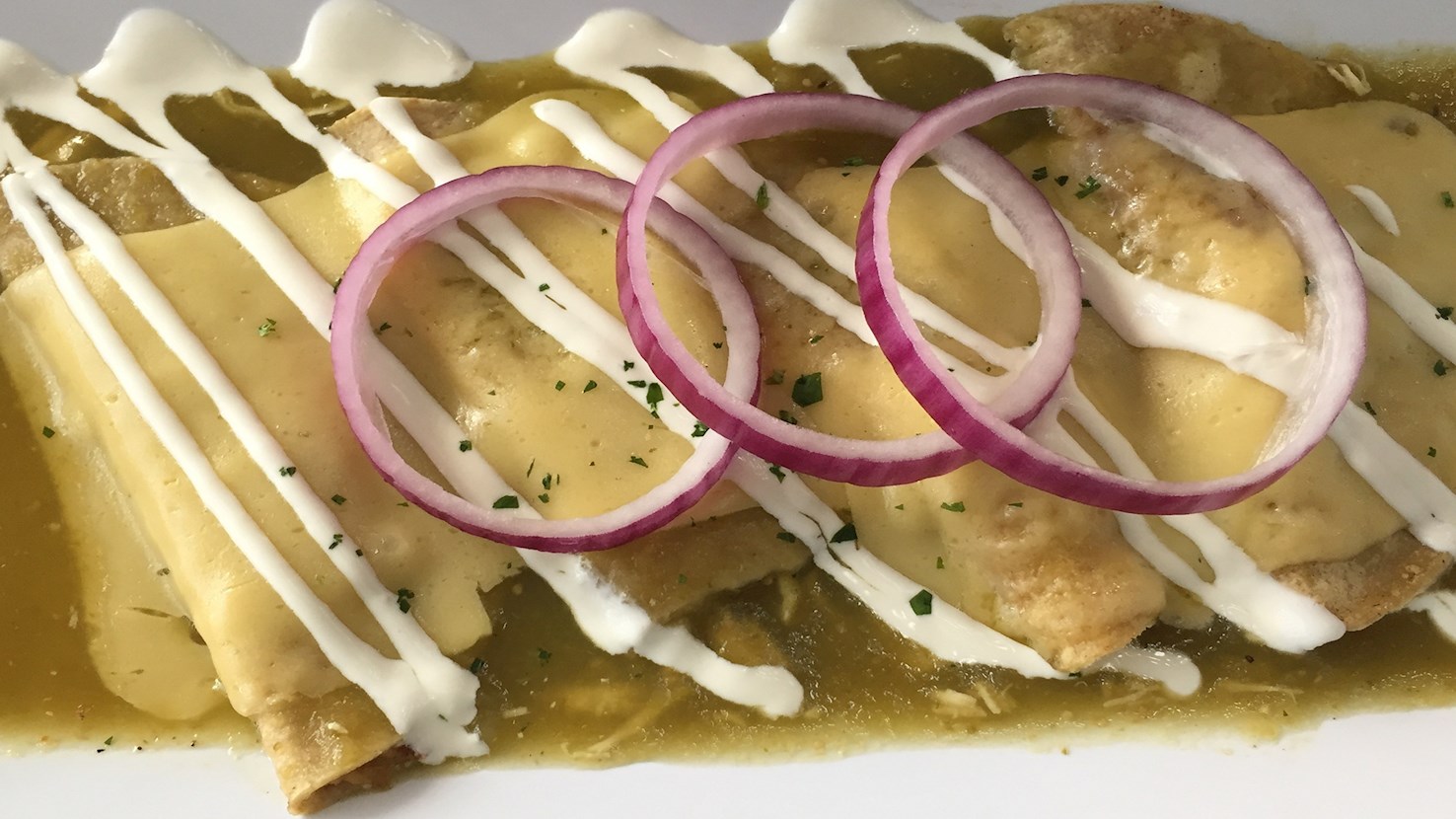
Enchilada Suiza is a popular Mexican dish consisting of enchiladas topped with a sauce based on milk or cream. The first one was made in a restaurant named Sanborn in Mexico City. The name of the dish can be translated as Swiss enchiladas because the Swiss immigrants introduced dairy-based sauces to Mexican cuisine.
Enchiladas de camaron is a popular Mexican dish consisting of fried tortillas filled with shrimp and various ingredients such as corn, onions, chiles, tomatoes, and coriander. These rolled tortillas are especially popular in the North Pacific and Gulf regions of Mexico, and it is recommended to serve them garnished with crema Mexicana, avocado slices, and grated cheese.
TasteAtlas food rankings are based on the ratings of the TasteAtlas audience, with a series of mechanisms that recognize real users and that ignore bot,
nationalist or local patriotic ratings, and give additional value to the ratings of users that the system recognizes as knowledgeable.
TasteAtlas Rankings should not be seen as the final global conclusion about food. Their purpose is to promote excellent local foods,
instill pride in traditional dishes, and arouse curiosity about dishes you haven’t tried.



What People Say