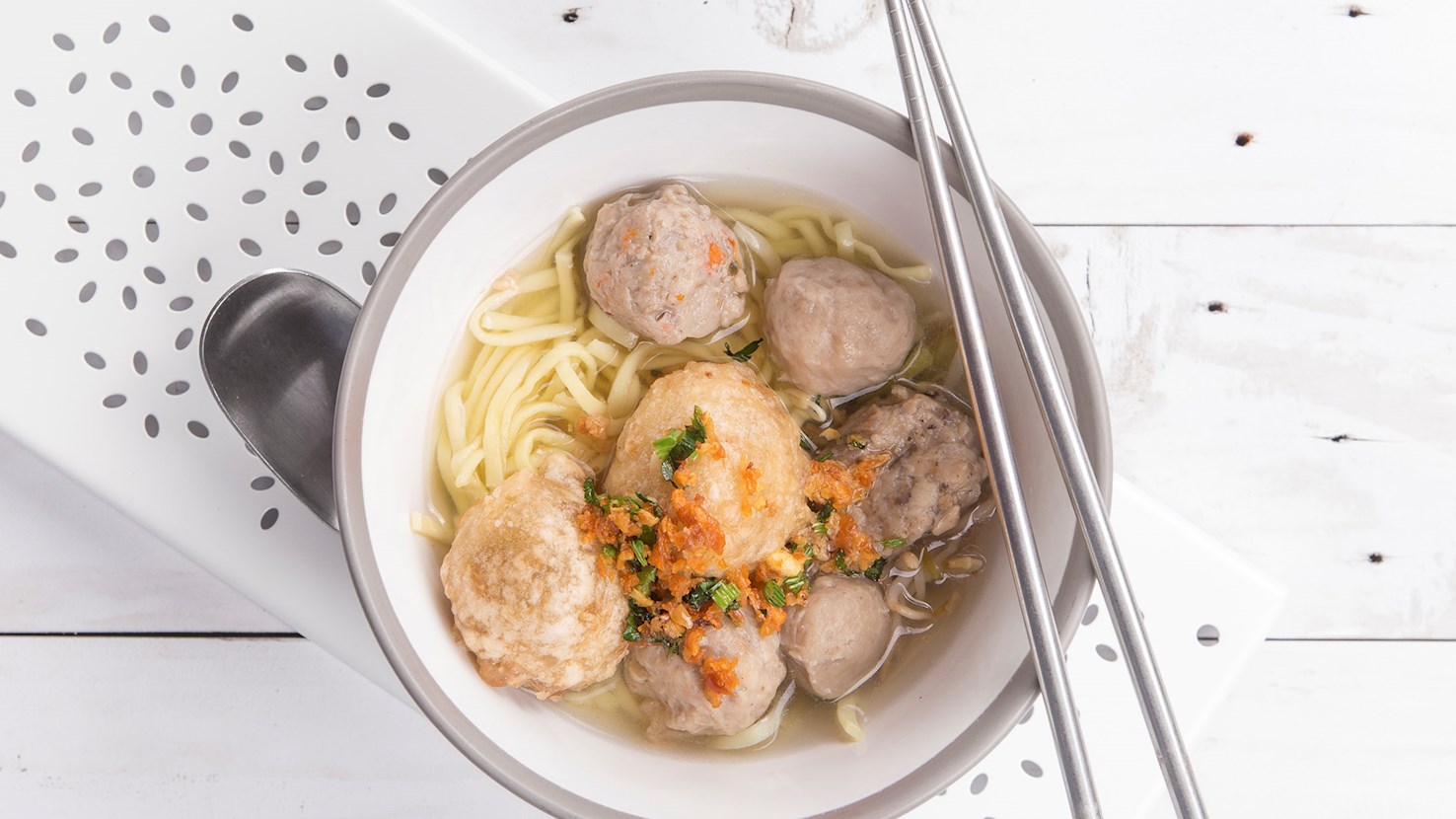
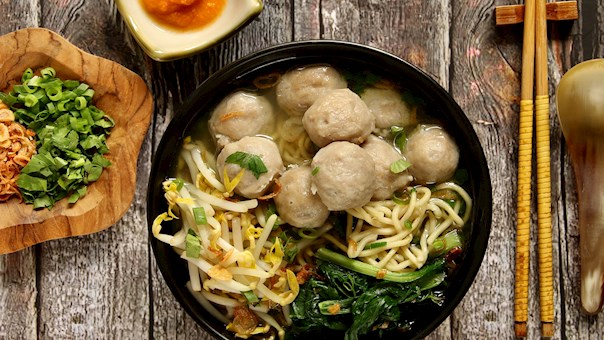
Bakso is a popular Indonesian meatball soup. Like many other dishes in Indonesia, it grew out of Asian and European influences in the country. Throughout Indonesia, there are many variations of bakso, but all of them include three main ingredients: broth, noodles, and meatballs. What distinguishes bakso from other Asian varieties is the consistency of the meatballs, which should have a springy texture. Although bakso is essentially street food, it can be found anywhere from outdoor eateries to elegant restaurants. The garnishes, which are additionally added, are usually wontons, hard-boiled eggs, or tofu. The dish is typically served warm with a splash of chili or soy sauce.
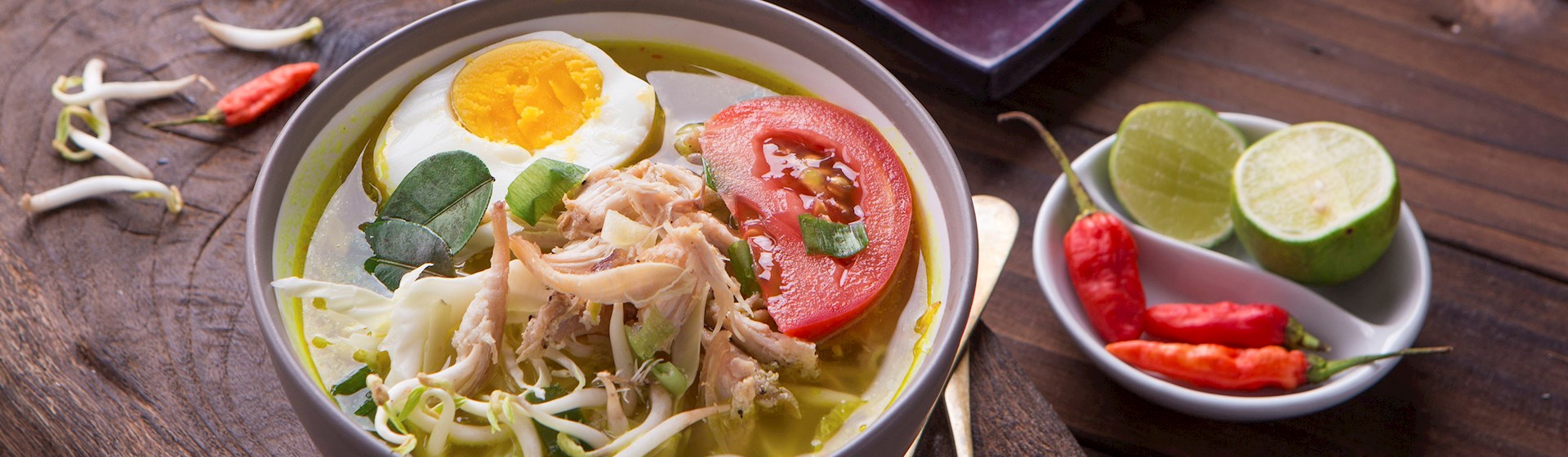
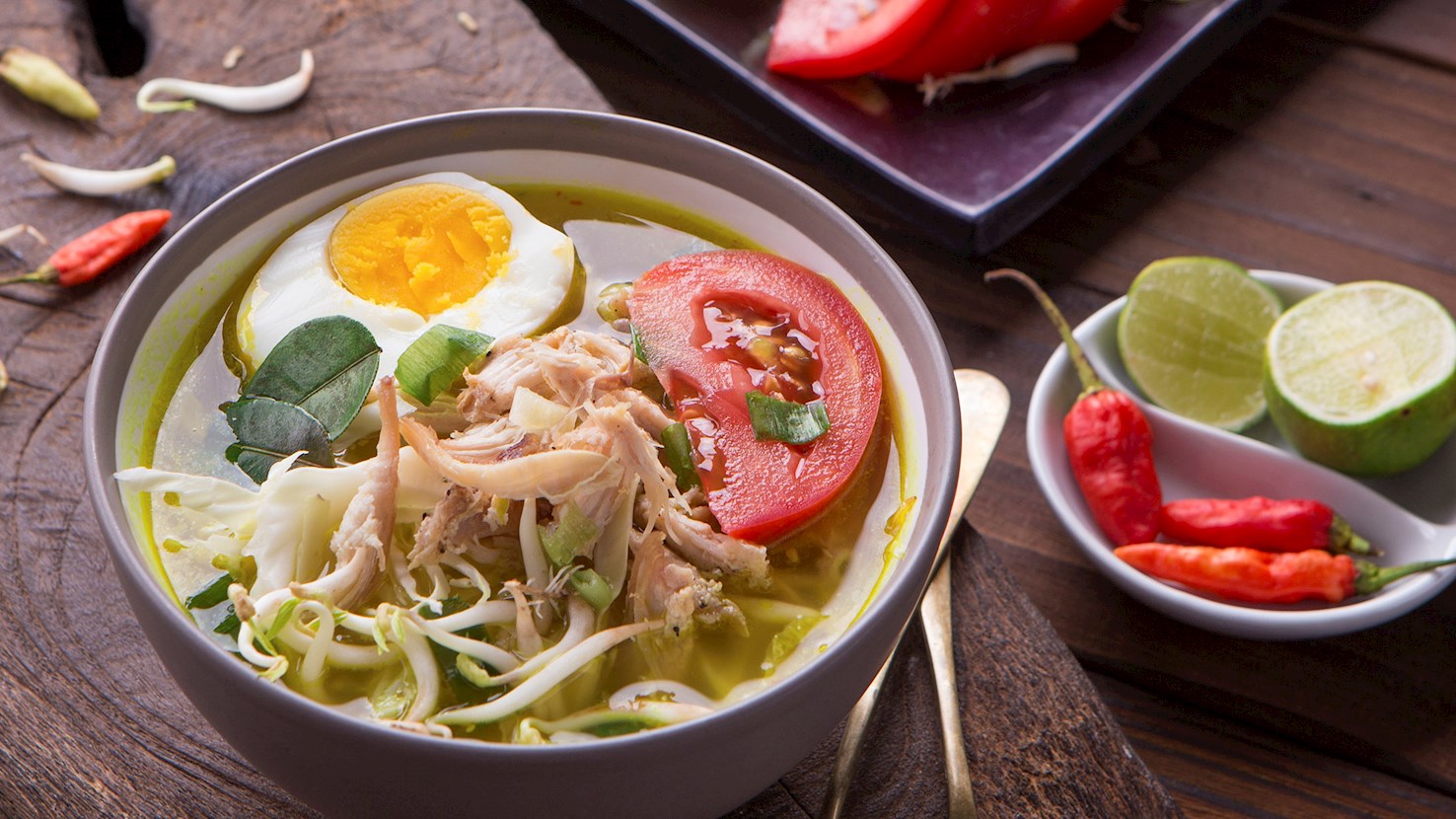
Throughout Indonesia, soto is known under various names such as the Makassar coto or the Pekalongan tauto. However, this traditional Indonesian soup is usually associated with the island of Java, where it is believed to have appeared in its original form. Nowadays there is no right way to prepare soto because the varieties are numerous and usually adapted to local cuisines. Although it is believed that soto was developed because of a strong Chinese influence in the country, it is more likely that the soup was created following common cooking traditions of the area and utilizing the ingredients which were available in abundance. This versatile dish also has a myriad of accompaniments such as stewed eggs, grilled offal, fried tofu, and either chili or soy sauce. Soto is regarded as comfort food, and it can be found everywhere in Indonesia - from local open-air eateries to high-end restaurants. This authentic Indonesian creation is also popular and commonly eaten in Malaysia, Singapore, and Brunei.
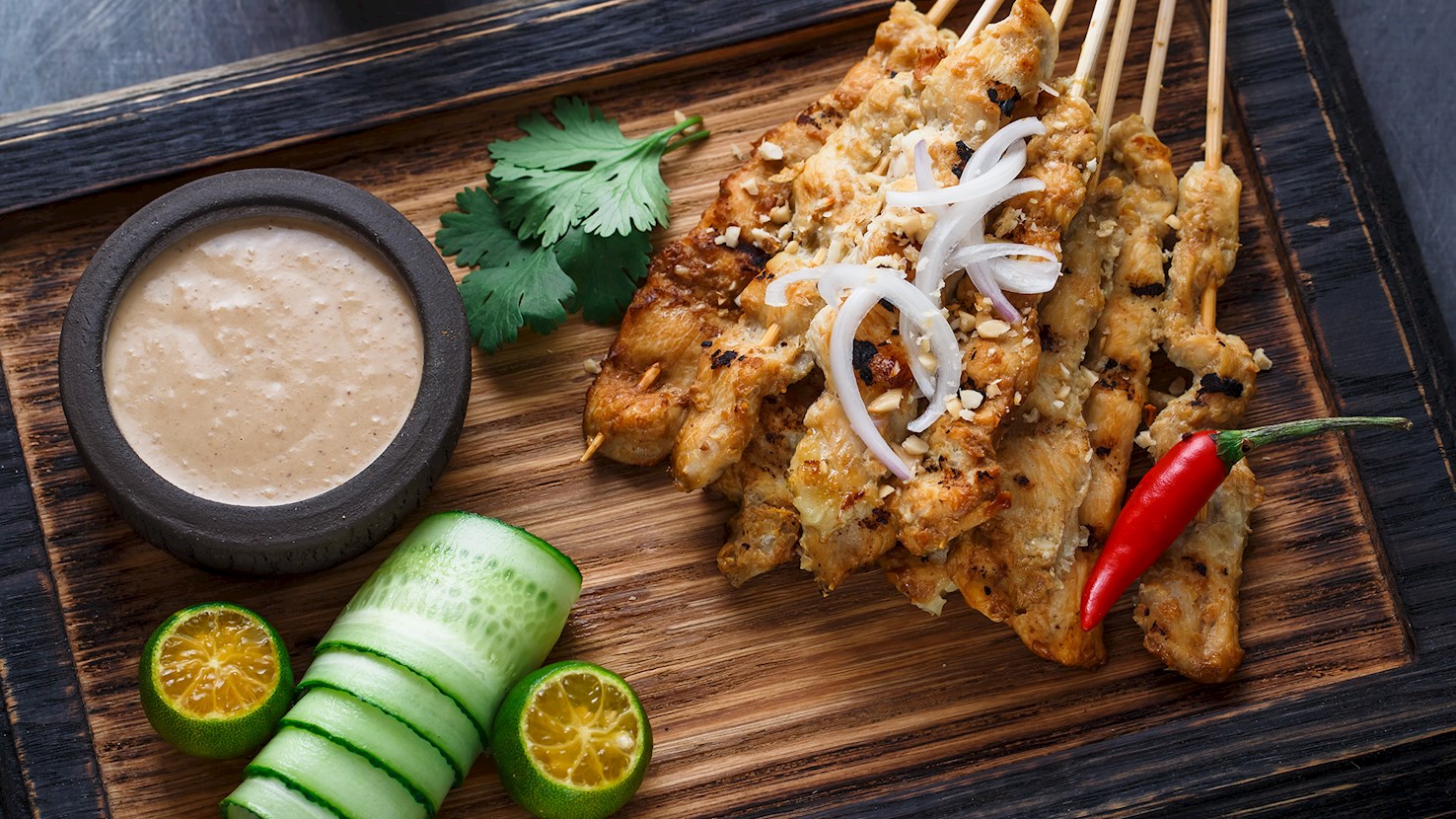
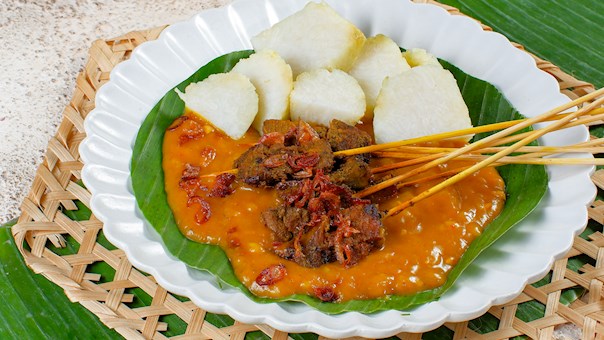
Satay is a traditional dish consisting of skewered meat that's served with a sauce on the side. All types of meat can be used to make satay, even some exotic varieties such as crocodile or snake meat. In most cases, the meat is marinated before grilling. Marinades vary, but typically include dark soy sauce, sugar, garlic, lime juice, and other seasonings. It is believed that satay originated in the Indonesian region of Java and that it was developed under the influence of Muslim traders who migrated from India. Another theory claims that satay was created in the 19th century by Indonesian street vendors as a variation on Indian kebabs. The theory is supported by the fact that satay became popular when Muslim and Arab immigrants had populated those areas. From the moment it originated in Java, satay quickly spread throughout Southeast Asia, and eventually all over the world. In Indonesia, it has become a national dish and nowadays it can be found everywhere, from street vendors to high-class restaurants. The most common sauces served with satay are peanut, soy, or pineapple sauce.
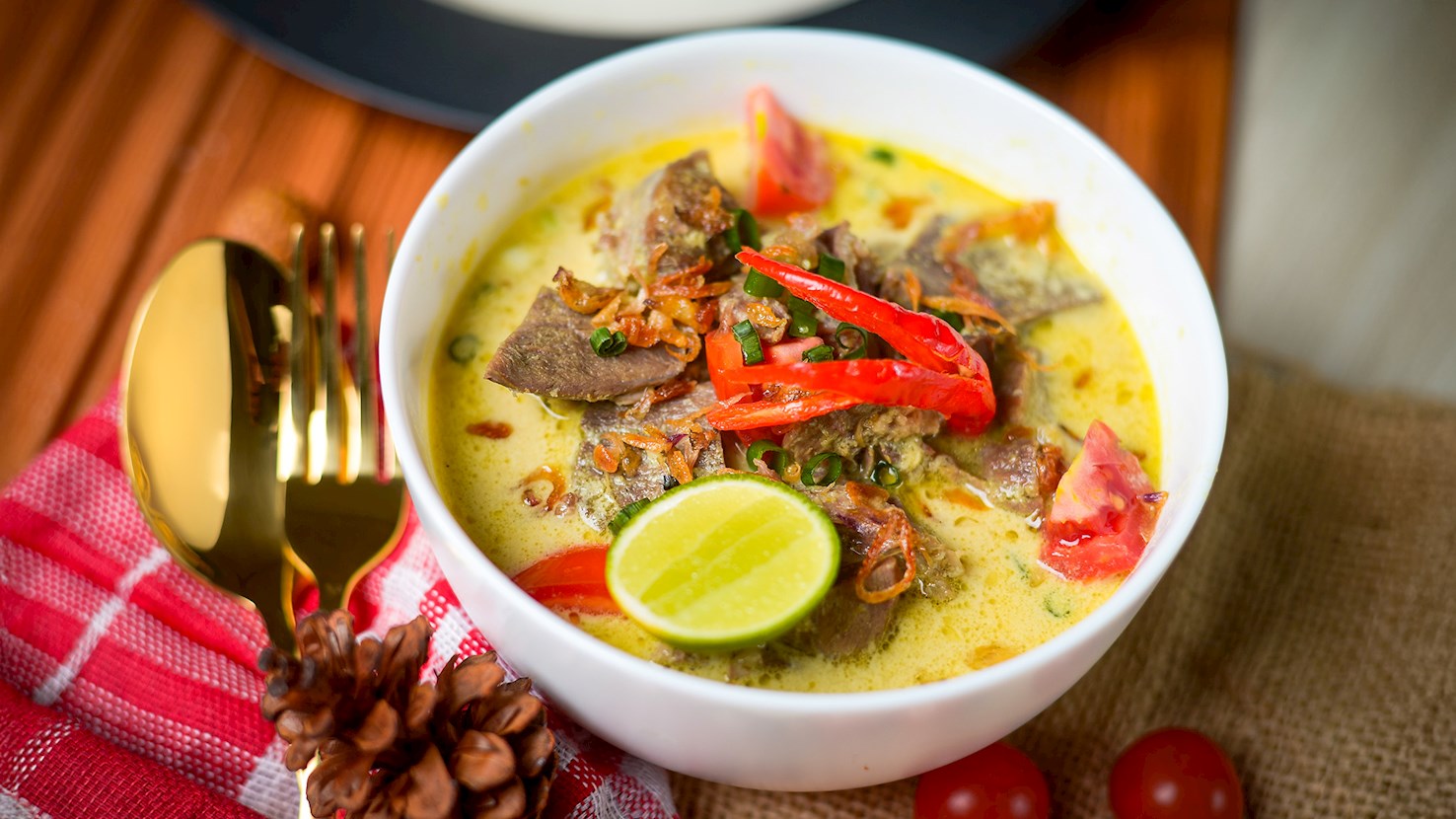
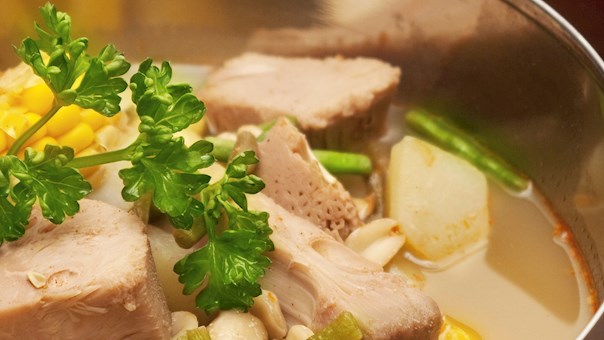
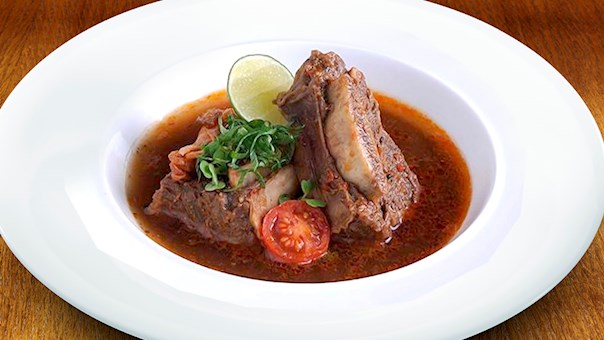
Soto Betawi is a hearty beef soup consisting of chunks of meat and offal that are slowly simmered in a coconut milk broth, which is usually enriched with various spices such as lemongrass, turmeric, galangal, kefir lime leaves, and coriander. When served, the soup is accompanied by different condiments that typically include tomatoes, scallions, sweet soy sauce, and emping crackers. Because of its name, it is believed that the dish originated in Jakarta among the Betawi people, and today it is one of the most popular dishes in the city, usually sold at various street stalls, restaurants, or hawker-style establishments. Soto Betawi is traditionally enjoyed with steamed rice and pickled acar on the side.
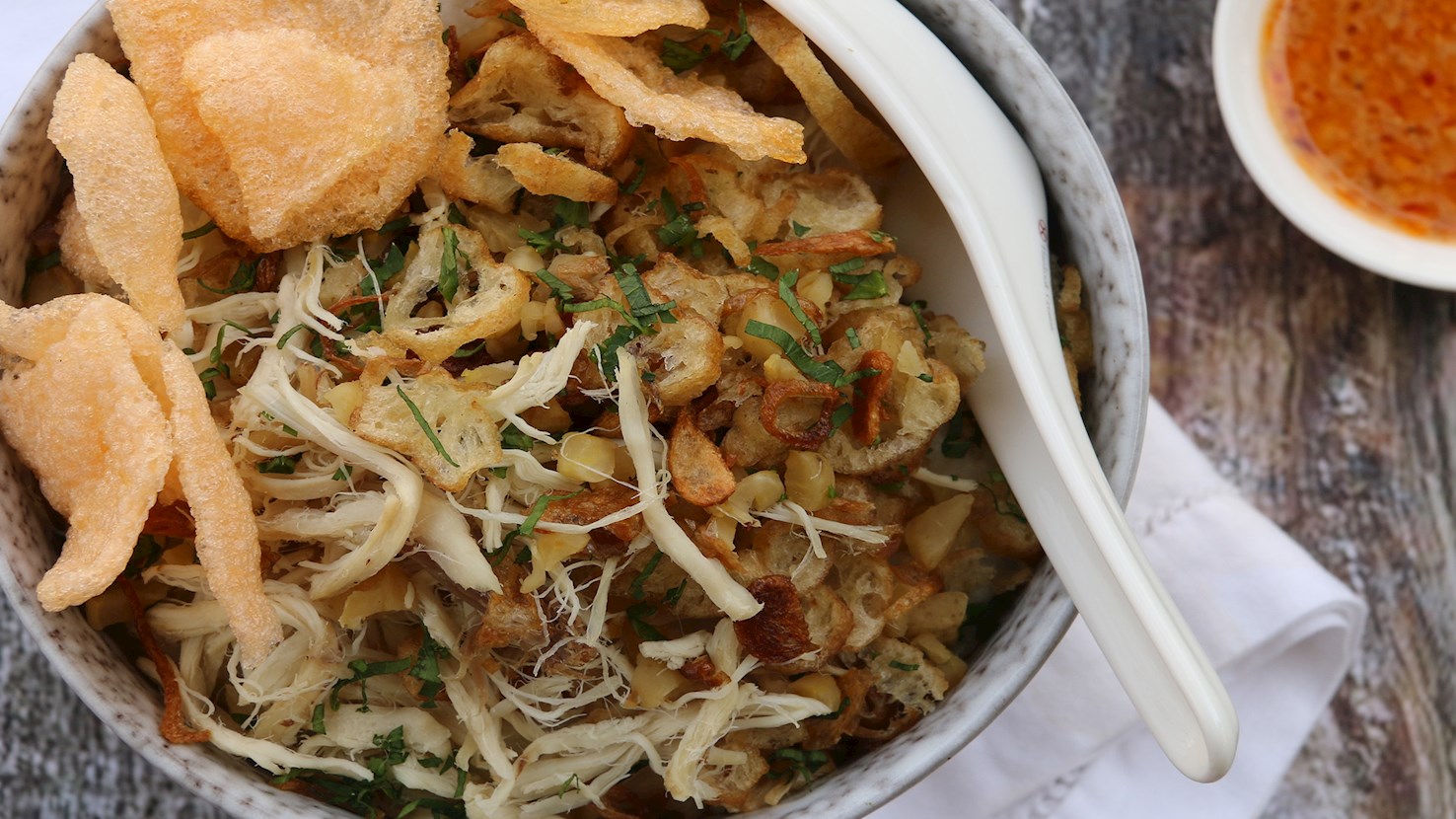
Bubur ayam is the Indonesian version of chicken congee, a thick rice porridge topped with shredded chicken and various savory condiments. This breakfast staple probably originates from the Chinese rice porridge, but it employs regionally available ingredients and toppings to create an authentic Indonesian dish. The process starts with boiling chicken (usually darker, on the bone pieces), and the same broth is typically used to cook the rice until it becomes dense in consistency. Besides rice porridge and shredded chicken, bubur ayam can employ a myriad of other ingredients. It is commonly topped with sliced scallions, crispy fried shallots, chopped cilantro, crushed peanuts, fried crullers, and sliced boiled eggs. Before it is served, bubur ayam is usually generously doused with soy sauce, sesame oil, or fish sauce. Unlike other traditional Indonesian dishes, this chicken porridge is not overly spicy, but the fiery sambal sauce can be served on the side, if desired. Bubur ayam is one of the most common street food varieties in Indonesia - each morning, numerous street vendors can be seen selling this comforting porridge as a nutritious breakfast dish.
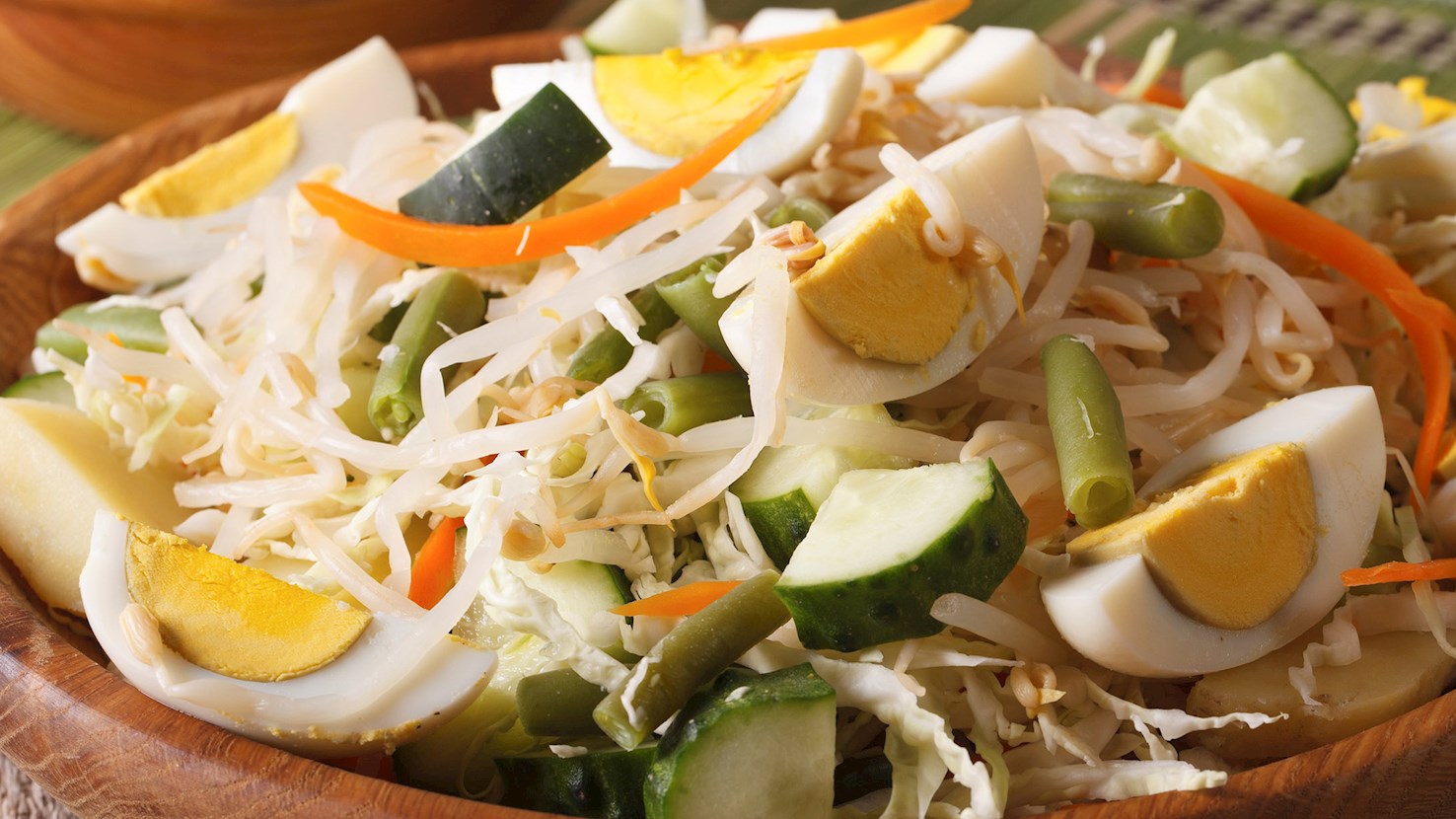
Gado-gado is an Indonesian version of a mixed salad. It usually consists of a variety of vegetables, eggs, tempeh, and tofu. The vegetables are usually just slightly boiled, tossed with a nutty sauce, then completed with the addition of crispy prawn crackers. The sauce was traditionally made with cashews, but due to lower price and availability, peanuts are more frequent today. The dish is a true representative of Indonesian street food, and it has been present in the Indonesian culture since the 16th century. It originated among the native people of Jakarta, but today it can be found in all parts of Indonesia. Gado-gado can be a whole dish on its own, but it can also be boosted by the addition of rice, rice crackers, or chicken. This classic Indonesian street food is usually sold by street vendors or at hawker centers, and it can be served for breakfast, lunch, or dinner.
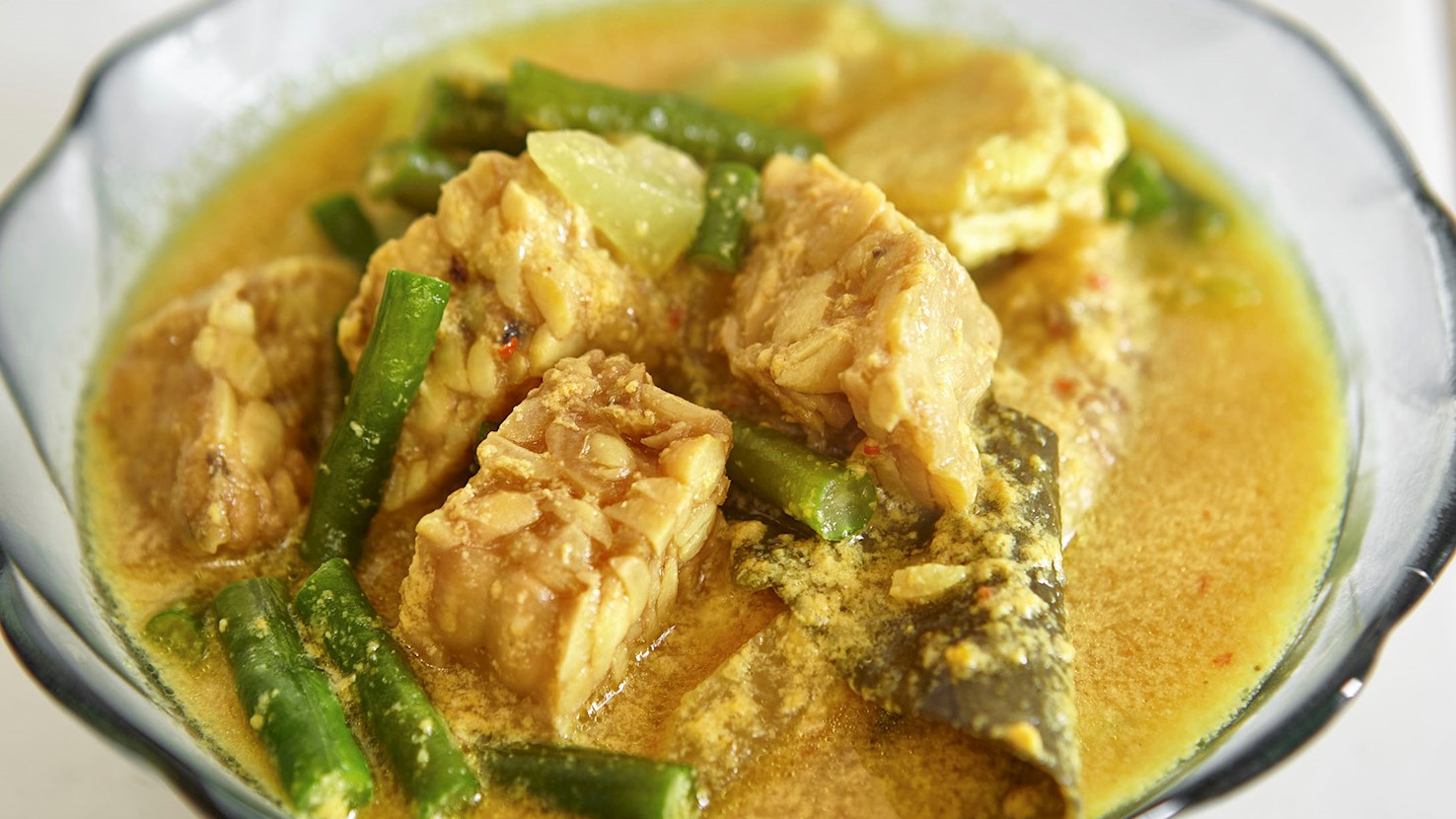
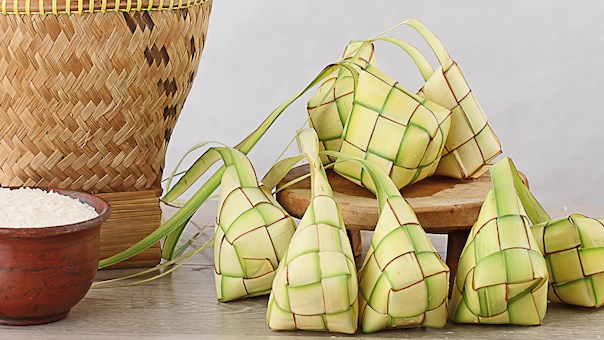
Sayur lodeh is a traditional dish made with vegetables stewed in coconut milk. Eggplant, jackfruit, melinjo, long beans, and carrots are the most common vegetables used in the dish. However, sayur lodeh is so versatile that any vegetable can be utilized. The spices can also be adjusted, but sayur lodeh should always be generously seasoned and spiced. The origin of sayur lodeh is the Indonesian island of Java, and it is traditionally served on slametan - Javanese feasts celebrating certain special occasions. From Java, the dish has spread throughout Indonesia, and it can be found in numerous traditional Indonesian restaurants or at hawker centers. It is commonly eaten alongside rice and sliced lontong rice cakes. The most frequent accompaniments include salted fish, chicken or beef, and spicy serundeng - a dish made with fried coconut flakes. Sayur lodeh is typically served as the main dish or an appetizer, and it is usually eaten warm. Although traditionally an Indonesian dish, it is also frequently prepared in Singapore and Malaysia.
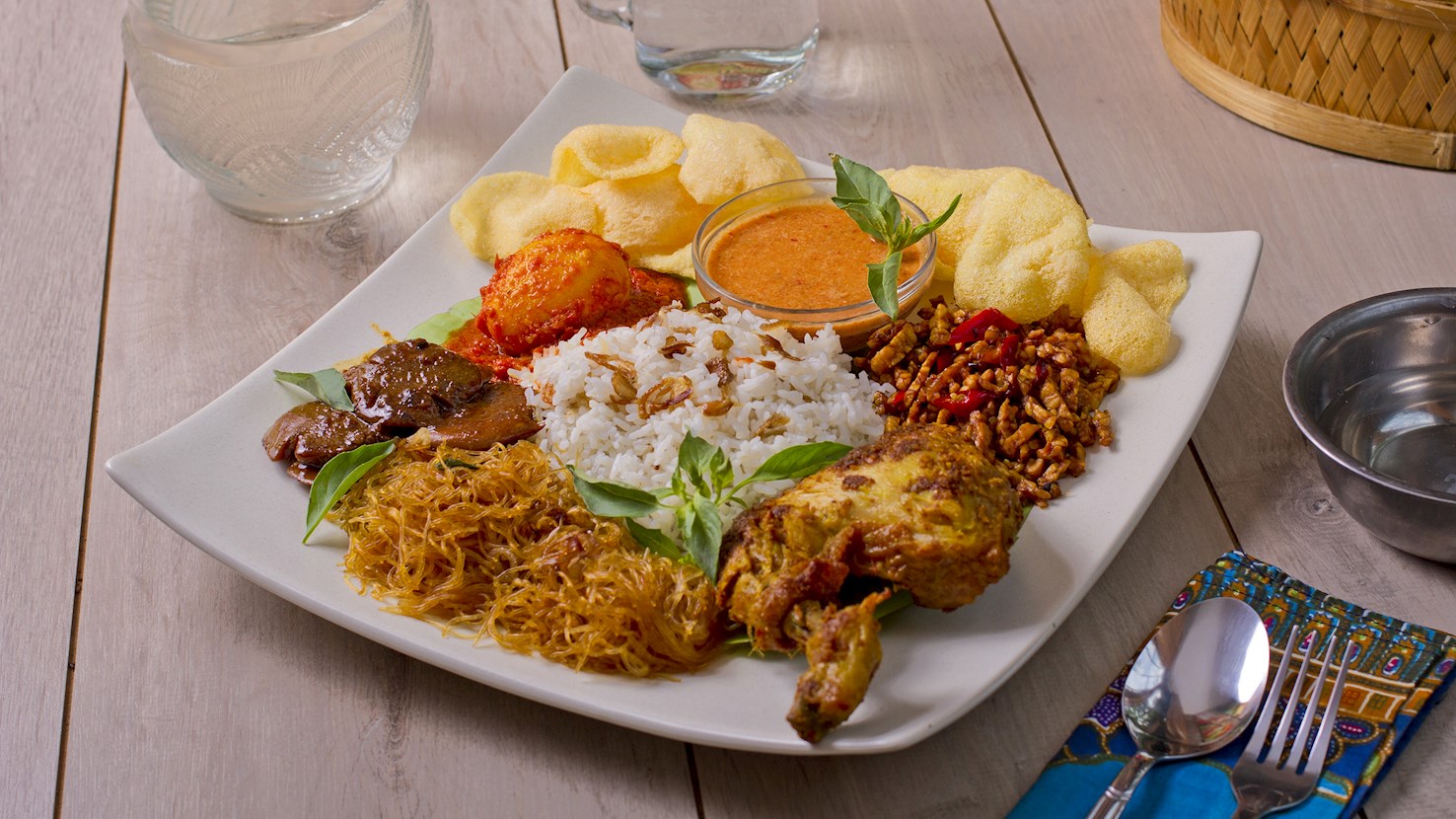
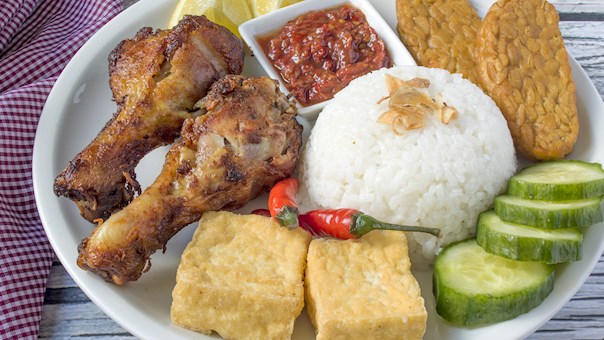
Nasi uduk is one of numerous Indonesian rice-based dishes. The rice in nasi uduk is cooked in coconut milk together with lemongrass, cloves, pandan leaves, and cinnamon. The process results in wonderfully fluffy, fragrant rice, and right before it is served, each portion is usually topped with fried shallots. It is a dish rarely eaten on its own, but rather served with a variety of side dishes and condiments. Most commonly a variety of stewed and fried meat, rice noodles, eggs, tempeh, tofu, fried anchovies, and rice crackers are served alongside rice. Regular sambal, the spicy Indonesian hot sauce, or peanut sambal are the most common condiments served with nasi uduk. However, it is usually the customer who can choose the additional ingredients and create their version of the meal. The dish is usually served in warungs, traditional Indonesian eateries, or at Indonesian food stalls. It can also be bought already prepared and wrapped in fresh banana leaves. Nasi uduk is believed to have originated in Jakarta, but it can be found in other parts of Indonesia as well.
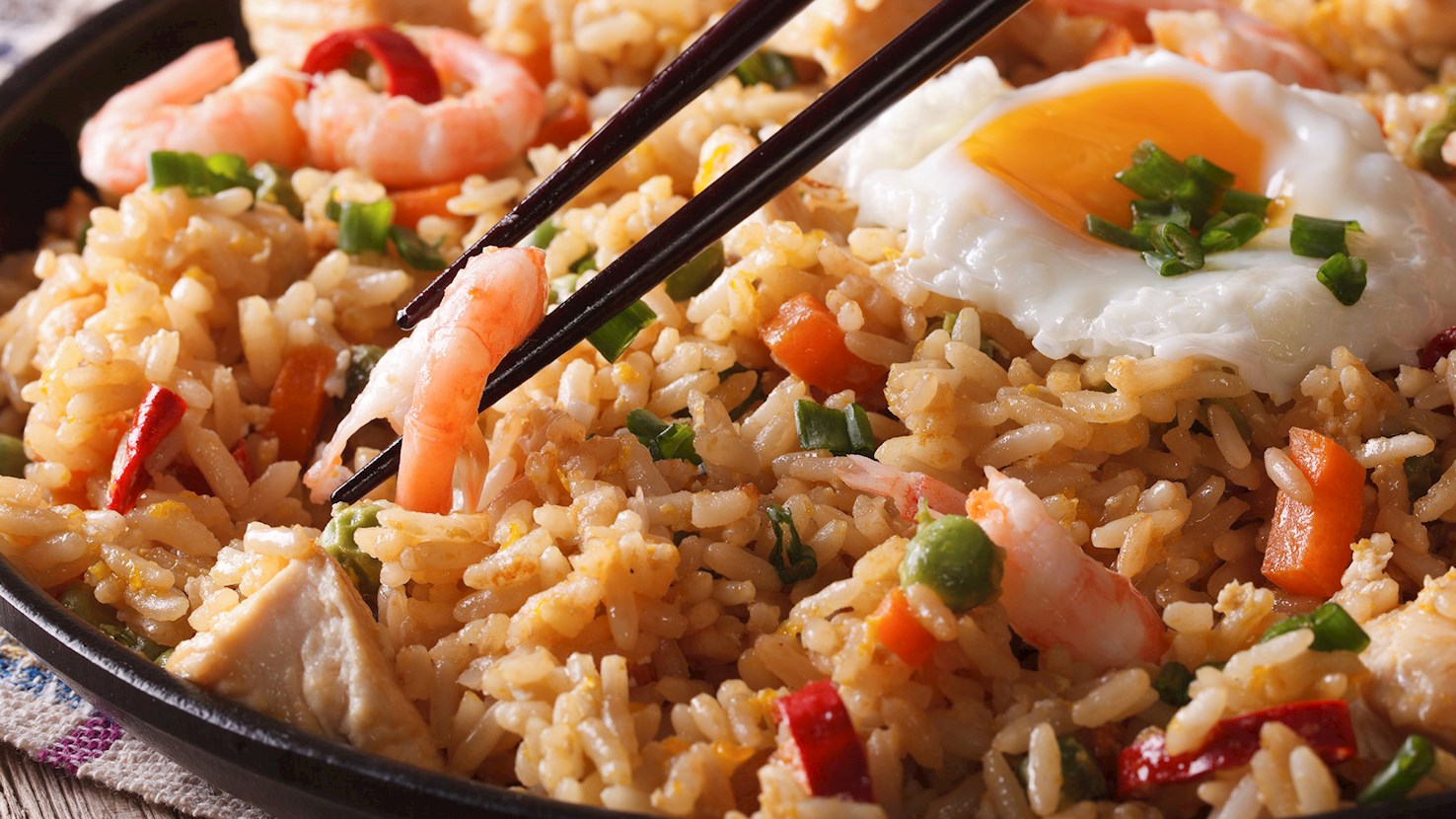
Nasi goreng is often referred to as the Indonesian version of fried rice. Although it is considered to be the national dish of Indonesia, it is also commonly eaten in Malaysia and Singapore. It is believed that the tradition of frying rice in Indonesia came from the Chinese culture, when the trade between the two countries started to develop. Indonesians adopted the Chinese tradition based on the belief that it is sinful to waste food, and soon, like many other versions of fried rice, nasi goreng was created. Since it was developed out of a practical need, it is usually eaten for breakfast and made with leftover rice from the previous day. Precooked rice is usually fried in a small amount of oil, then spiced up with shallots, garlic, chili, or ginger. Indonesian fried rice is distinguished by the generous use of sweet soy sauce, and because of that, it has a deeper and spicier flavor than other varieties of fried rice. Nasi goreng is commonly served with eggs. Usually, they are mixed in the rice or fried and served on the side.
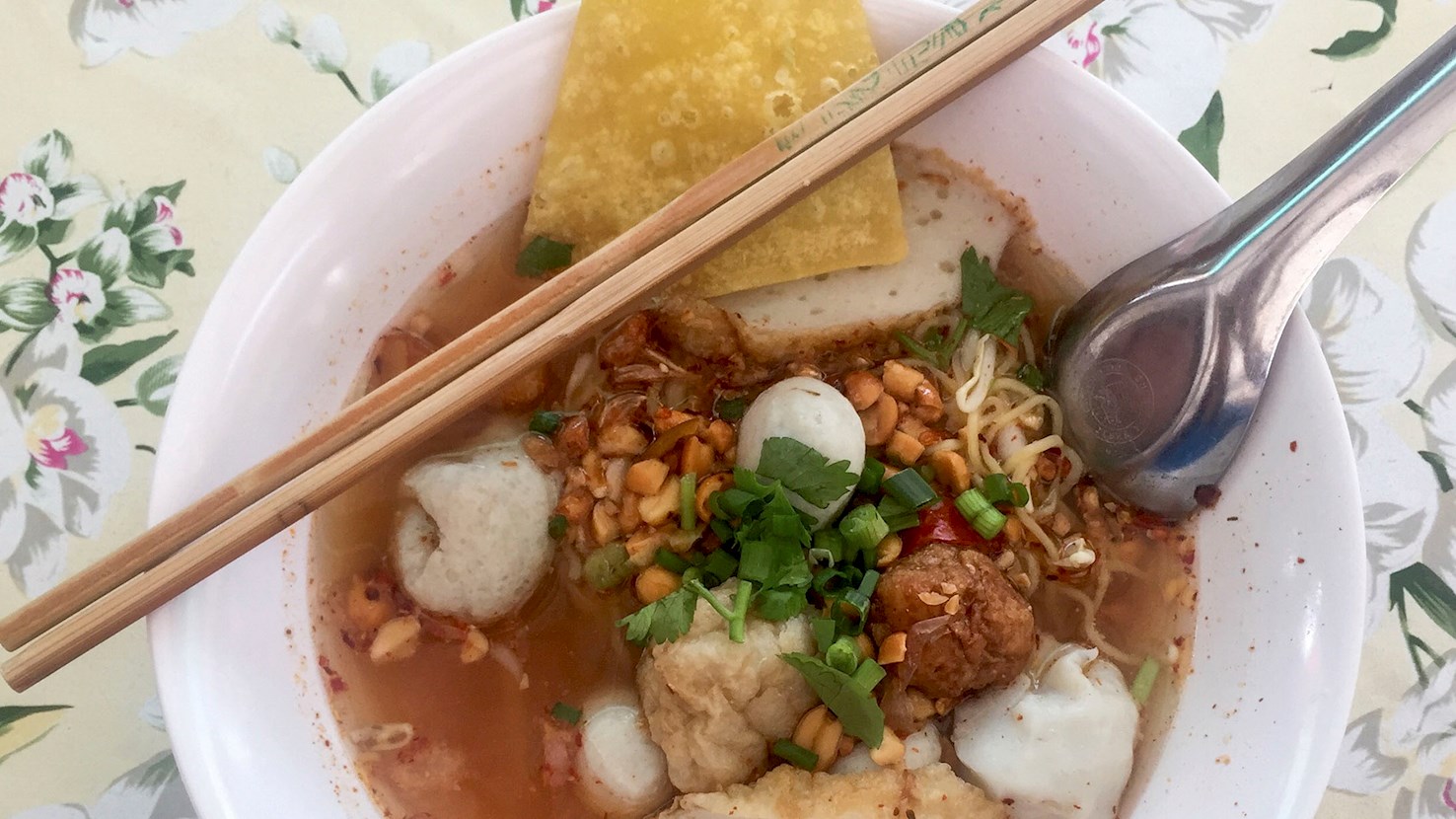
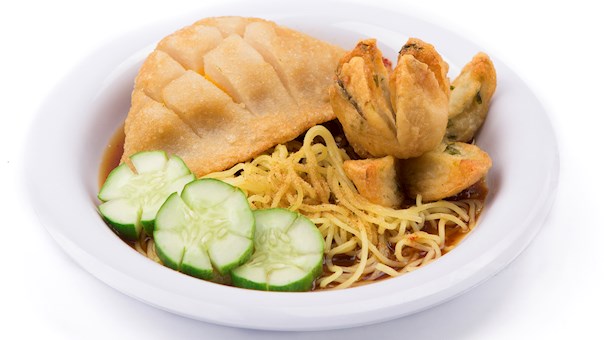
Bakwan Malang is a savory Indonesian meatball soup that originates from the city of Malang in East Java. It consists of a flavorful broth served with a variety of bakso or meat-based components, such as beef meatballs, tofu stuffed with ground meat, fried wontons, and crispy dumplings, typically accompanied by yellow noodles or vermicelli. The name “bakwan” in this context refers not to vegetable fritters, as it does in some regions, but rather to the ensemble of meatball components, while “Malang” denotes the dish’s geographic origin. The broth is usually made from simmered beef bones and seasoned lightly with garlic and shallots, allowing the richness of the meat and the texture of the accompaniments to stand out. Vendors and street stalls throughout Malang and other parts of Java serve bakwan Malang as a complete, customizable bowl, often allowing customers to choose their preferred items from a display before ladling the hot broth over the selection. Condiments like sweet soy sauce, sambal, fried shallots, and lime are commonly added at the table to adjust flavor and heat to personal taste. While similar to bakso in its core components, bakwan Malang is specifically defined by its East Javanese origin and the variety of toppings that come with it.
TasteAtlas food rankings are based on the ratings of the TasteAtlas audience, with a series of mechanisms that recognize real users and that ignore bot,
nationalist or local patriotic ratings, and give additional value to the ratings of users that the system recognizes as knowledgeable.
TasteAtlas Rankings should not be seen as the final global conclusion about food. Their purpose is to promote excellent local foods,
instill pride in traditional dishes, and arouse curiosity about dishes you haven’t tried.



What People Say