

shutterstock

3 Traditional Foods
You Have To Try in Johannesburg

Last updated on June 17, 2026
01

Chakalaka

3.5 ·

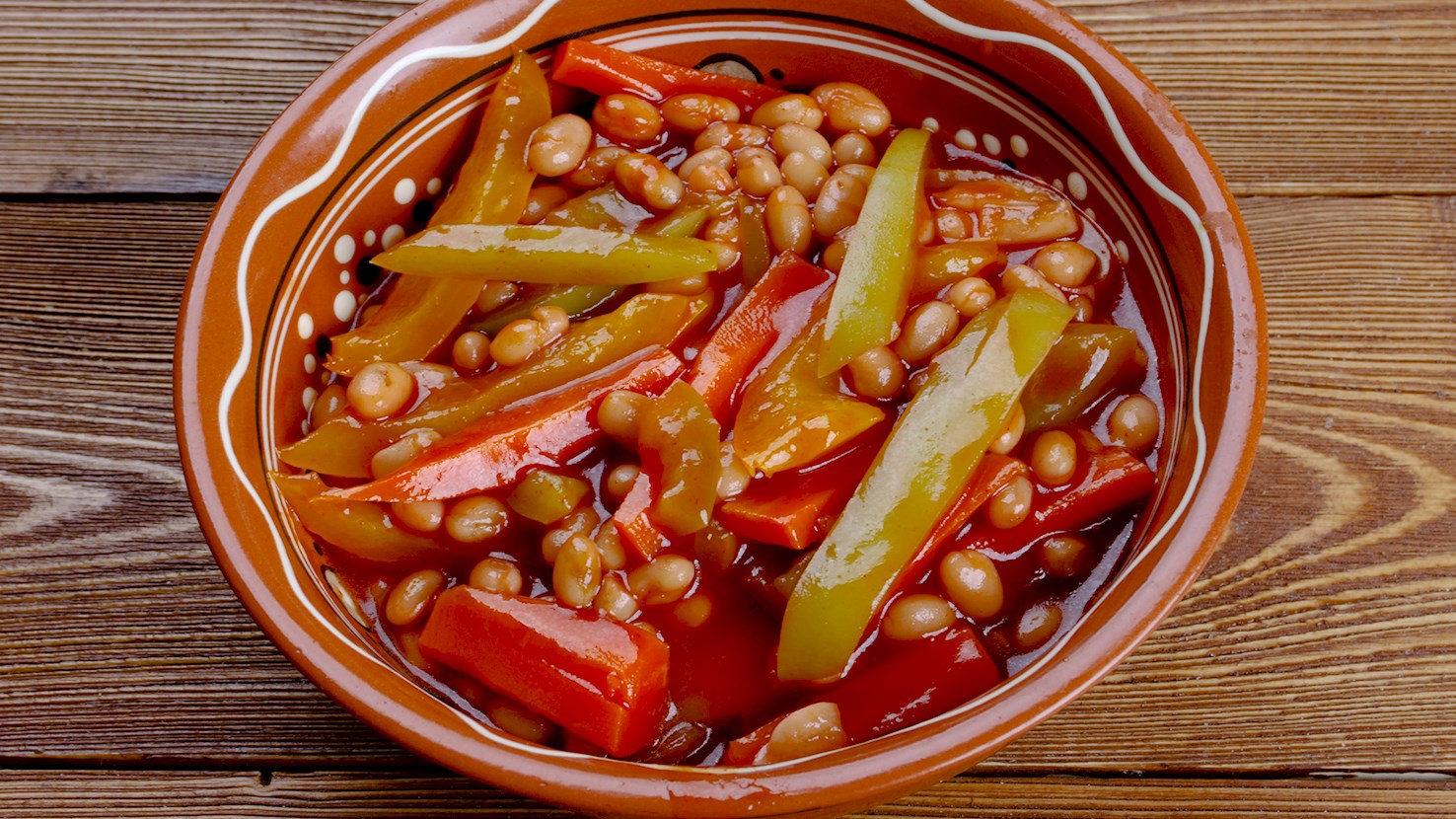
Chakalaka is a spicy South African vegetable stew consisting of tomatoes, beans, and onions as its key ingredients, although some cooks might add various other ingredients such as carrots, bell peppers, chilis, and ginger. Originally, chakalaka was invented in Johannesburg, where it became a staple dish. Today, it is a key component of most South African barbecues, where it is served as a side dish accompanying meat. Some people like to serve it as a cold salad, when combined with other greens. This stew is traditionally served with breads such as mealie pap, or with amasi, a type of thick sour milk. Regardless of the endless debate about its classification – whether it's a dish or a condiment – chakalaka remains a simple, flavorful, and extremely versatile meal.

02

Melktert

3.5 ·

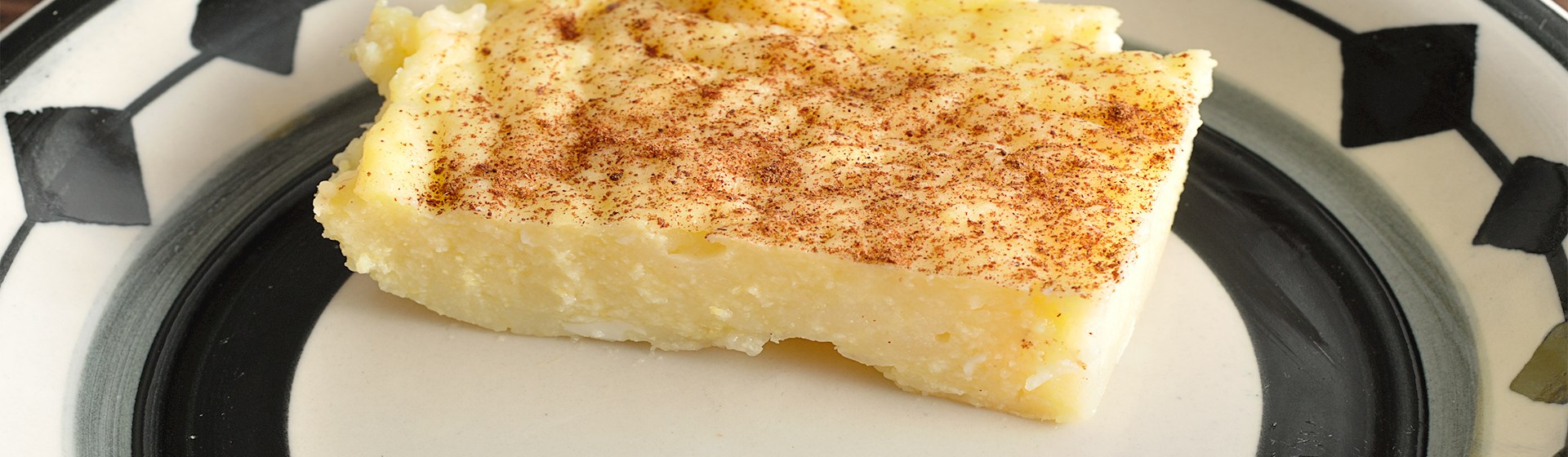
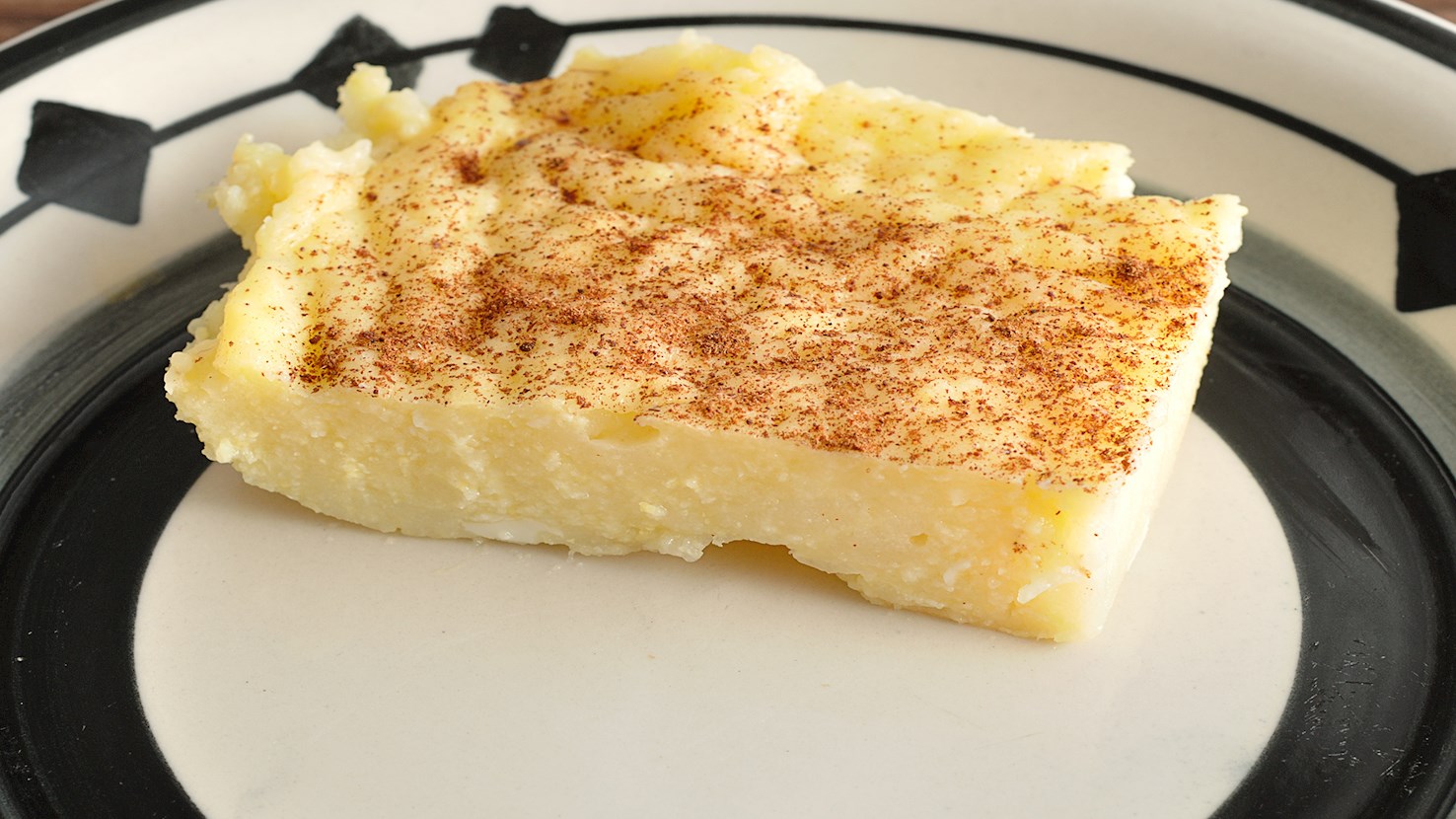
Creamy and sweet, melktert is a South African dessert consisting of a pastry crust filled with a combination of sugar, flour, eggs, and milk. The name melktert means milk tart. The dish can be served either hot or cold, and it is recommended to sprinkle it with powdered cinnamon or cinnamon sugar on top.

03

Biltong

n/a ·

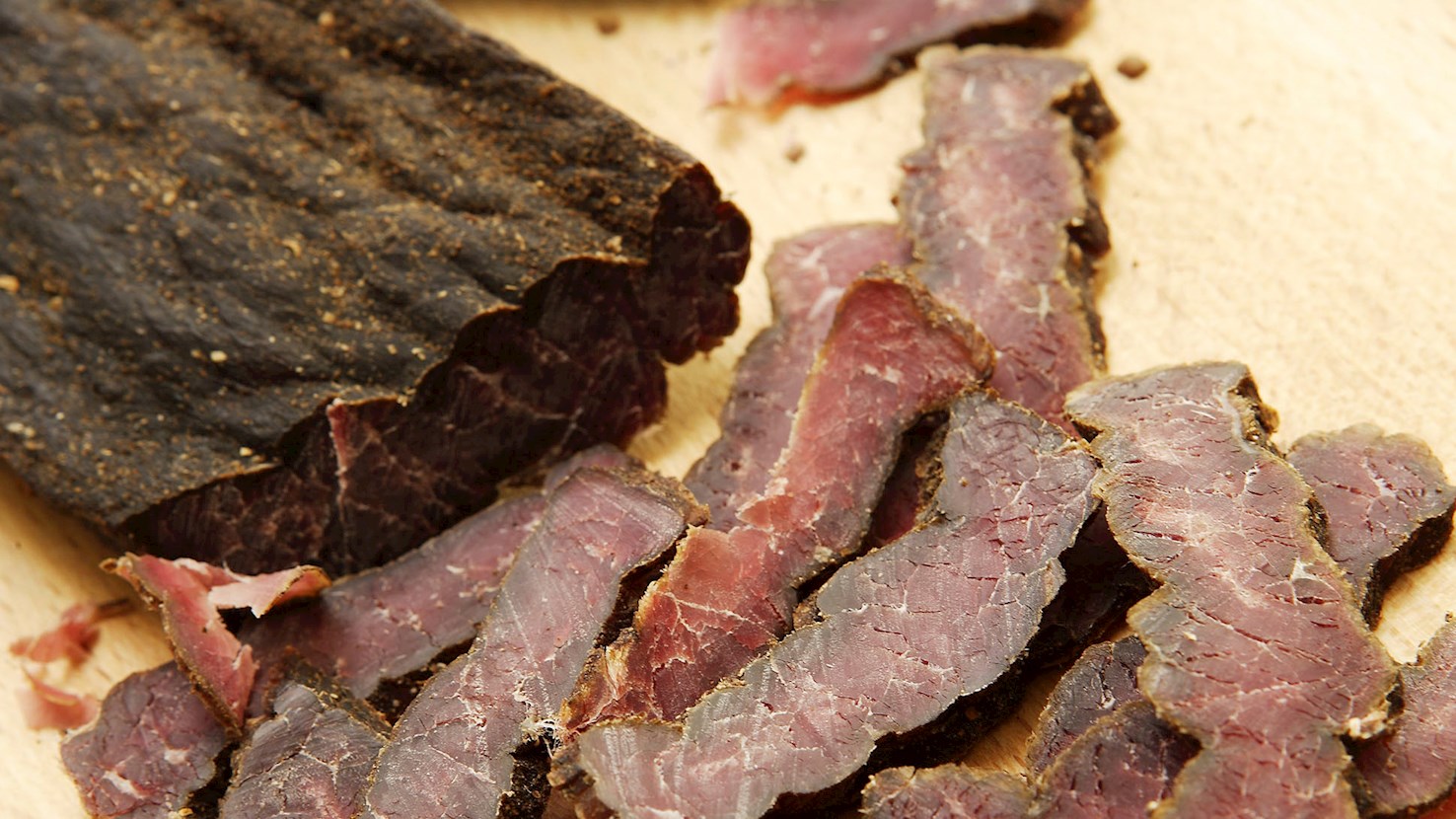
Biltong is a traditional beef snack that is cured in a unique way. The word comes from the Dutch bil, meaning hind quarter, and tong, meaning strip, in this case - a strip of meat. Although it looks similar to American beef jerky, it is quite different in flavor and the method of preparation. The beef is dried with vinegar which cures the meat and adds layers of texture and flavor. It is seasoned with salt, pepper, and coriander, and the meat is much thicker than beef jerky. Originally, it was created out of necessity as a survival food when the Dutch settlers arrived in South Africa. As the climate was extremely hot, they needed to preserve the meat, so they hung it out to dry and found out that it had become hard on the exterior, yet flavorful on the inside. And so, biltong was born, enjoyed today both in South Africa and abroad as a testament to its ever-growing popularity.

About this ranking

TasteAtlas food rankings are based on the ratings of the TasteAtlas audience, with a series of mechanisms that recognize real users and that ignore bot, nationalist or local patriotic ratings, and give additional value to the ratings of users that the system recognizes as knowledgeable. For the “3 Traditional Foods You Have To Try in Johannesburg” list until June 17, 2026, 0 ratings were recorded, of which 0 were recognized by the system as legitimate. TasteAtlas Rankings should not be seen as the final global conclusion about food. Their purpose is to promote excellent local foods, instill pride in traditional dishes, and arouse curiosity about dishes you haven’t tried.

Similar lists