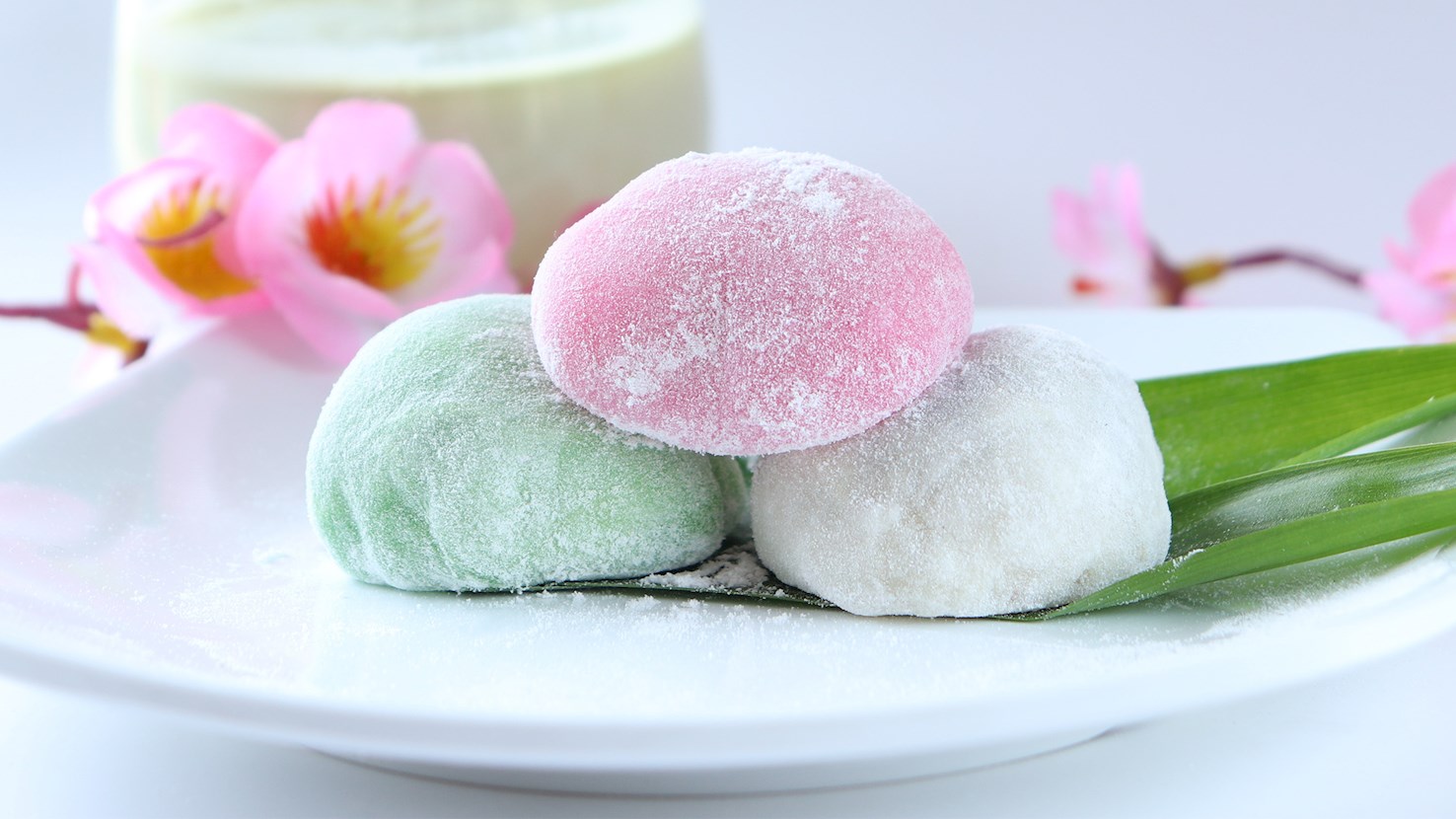
Mochi, the tiny cakes made out of glutinous rice, are an important part of Japanese cuisine and culture. The preparation of mochi starts with a time-consuming process of pounding boiled or steamed rice, usually the glutinous mochigome variety until it forms into a thick and homogenous paste. Later it is rolled and shaped into small circular forms. Although its origins might be in China, mochi has been associated with Japan for centuries. It initially appeared during the Yayoi period, when it was only enjoyed by the aristocracy, up until the Heian period, when it became a food that was commonly prepared and served during religious festivities, as people believed it brings fortune and health. Mochi can be incorporated in savory dishes, usually soups and snacks, but most commonly it is made into a confectionery item. In its dessert form, mochi is usually dressed up with food coloring, creating a myriad of delightful color combinations. The most common confectionery is referred to as daifuku - round cakes filled with different ingredients such as the traditional red bean paste, strawberries, or ice cream. Due to its chewy texture, it is important to be extra careful and attentive while eating mochi and to take tiny bites of this glutinous treat.
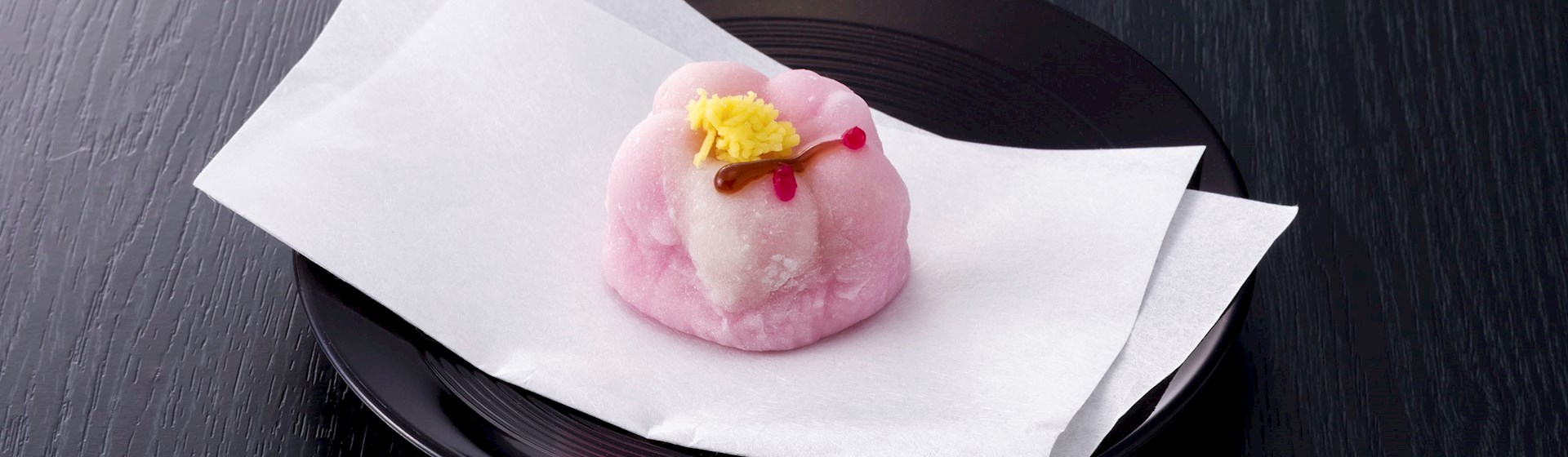
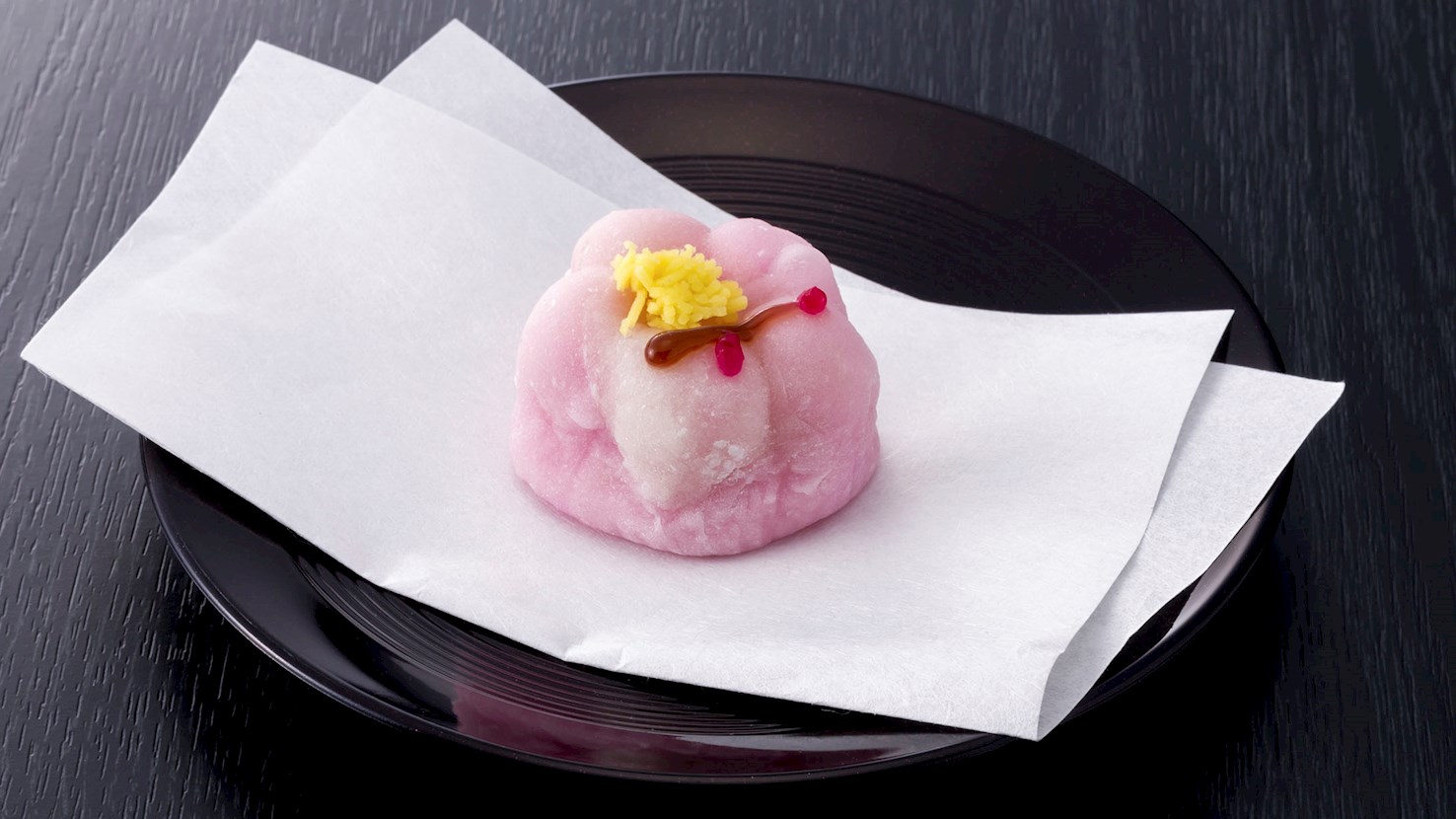
Wagashi are traditional Japanese sweets that are usually made from natural, plant-based ingredients such as grains and azuki beans. The sweet treats are typically served with tea and are classified into three categories: namagashi (fresh confectionery), han namagashi (half-dry confectionery), and higashi (dry confectionery). Wagashi is characterized by its design, so in spring, when cherry blossom is in full bloom, the producers make wagashi in cherry blossom shapes, using cherry petals or leaves. The origins of these sweets date back to the Yayoi Era when there was nothing more than natural nuts, fruits, and berries, so wagashi was influenced by the grain processing skills introduced from China. Most of the basic forms of wagashi seen today are derived from that era. The introduction of sugar helped in further development of wagashi, and during the early Edo Period, the sweets developed into numerous varieties and started to be used at tea ceremonies, given as gifts, or consumed as afternoon snacks. After that, wagashi was perfected into the style that we know and love today.
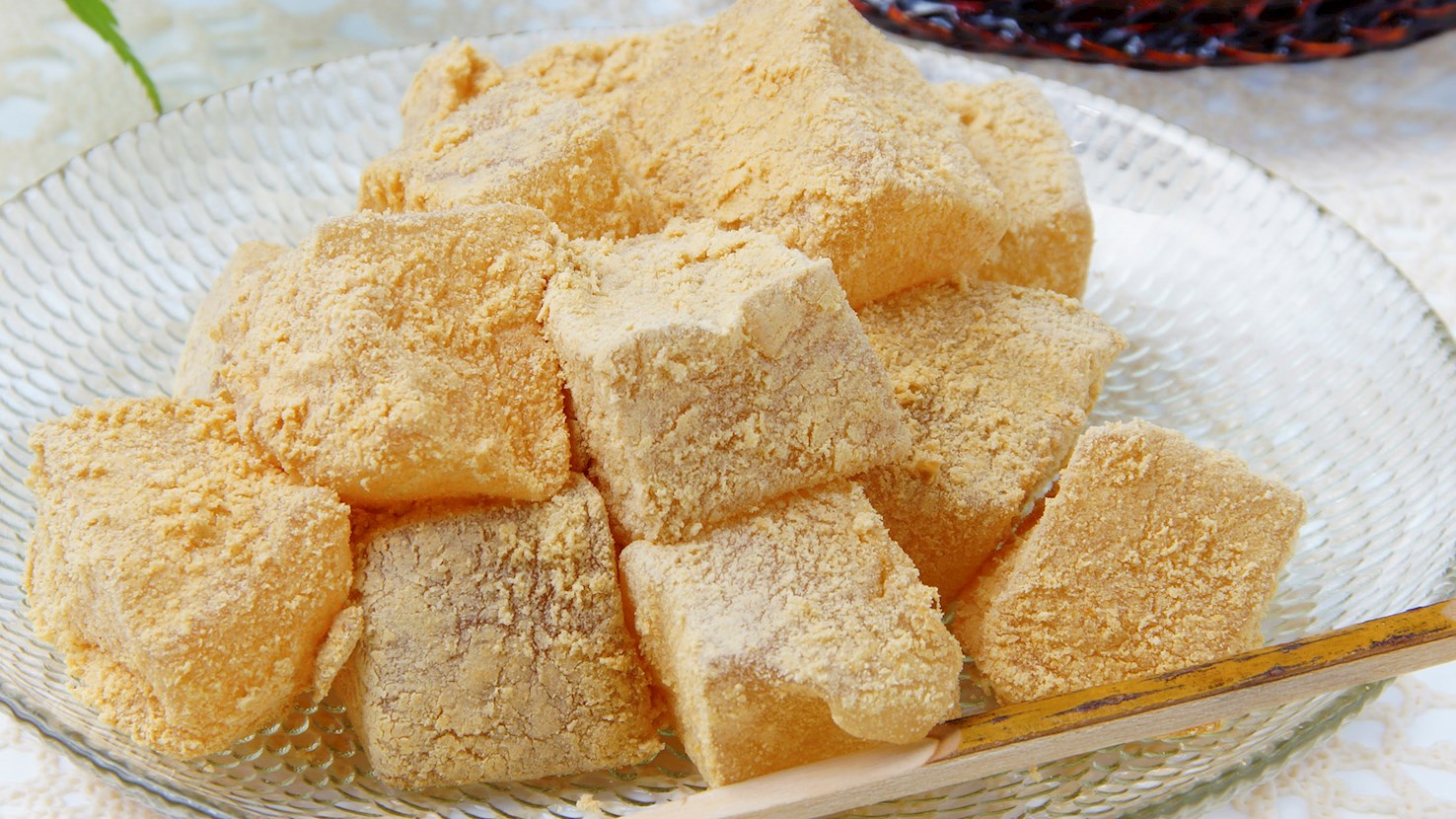
Warabimochi is a sweet Japanese concoction reminiscent of jelly. It is made from bracken starch, and is traditionally dusted with sweet toasted soybean flour known as kinako. Warabimochi is one of the most popular sweets in the Kansai area, typically consumed in the summertime, since it is praised for its cool, chewy, and soft texture. The name of the dish comes from an edible wild plant, warabi (bracken), which grows at the sides of rivers and is harvested in late winter. Warabimochi has been present in Japan since before the Heian era, and it was also one of the favorite treats of Emperor Daigo. Today, it can be bought from numerous street food trucks, which are similar to ice cream trucks in the West.
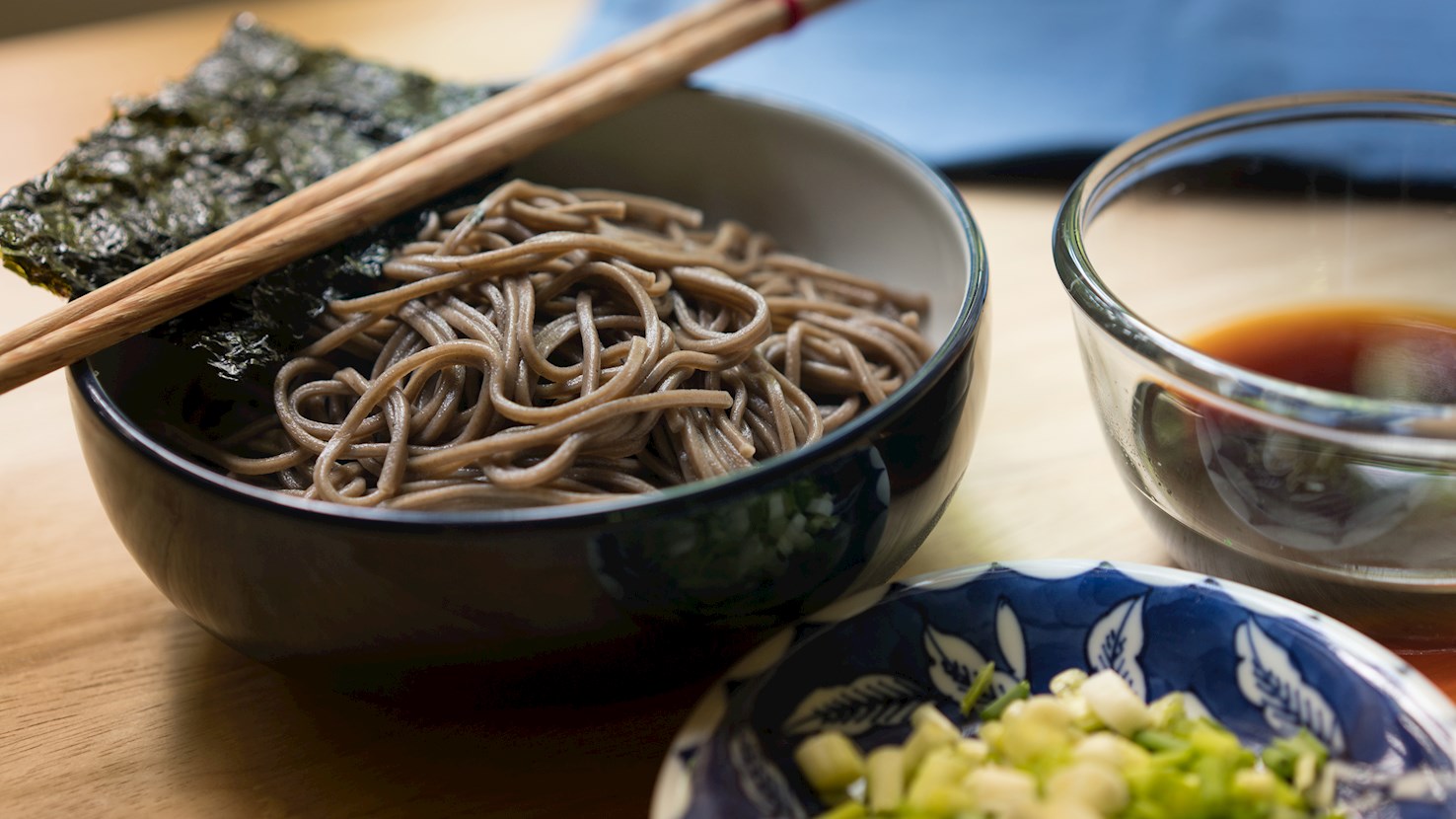
Soba are traditional Japanese buckwheat noodles that are served hot or cold. When served, the noodles are picked up with chopsticks, then slurped loudly, which is a part of common culture in Japan. They date back to the Edo period. One of the most common soba dishes is mori soba, in which cold noodles are consumed with tsuyu sauce. The most popular soba dishes include kitsune soba, tanuki soba, tempura soba, and kake soba. There are also regional soba dishes such as ita soba (Yamagata Prefecture), matcha soba (Uji), nishin soba (Kyoto Prefecture), and wanko soba (Iwate Prefecture).
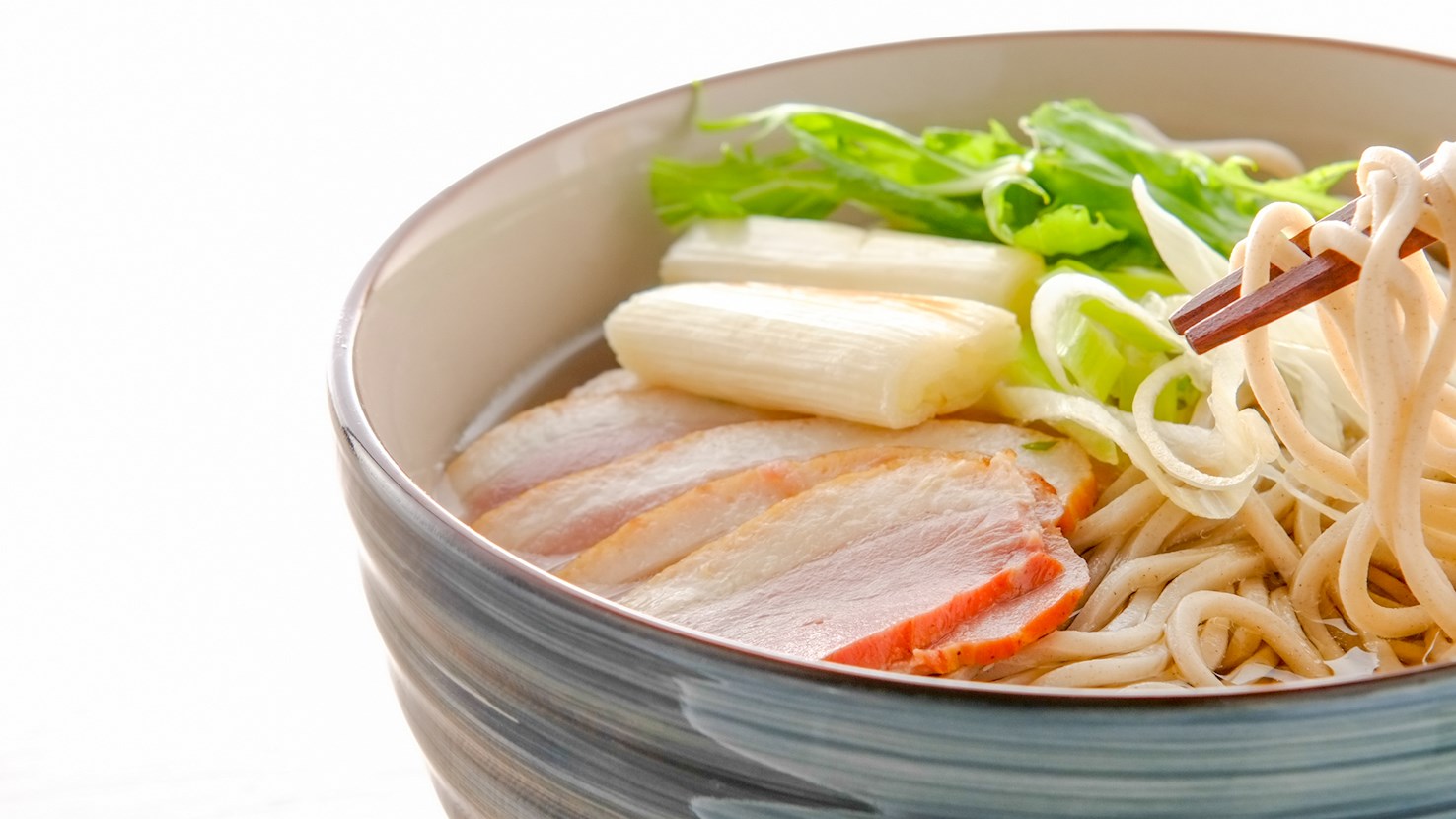
Kamonanban is a Japanese dish prepared with soba noodles in a broth flavored with duck meat, leeks, green onions, and a savory-sweet sauce. There are many variations, so the dish can also be enriched with mushrooms, spinach, and orange zest. Due to the fact that the fatty duck meat is used in kamonanban, the dish is especially popular during the colder days of winter in numerous soba restaurants.
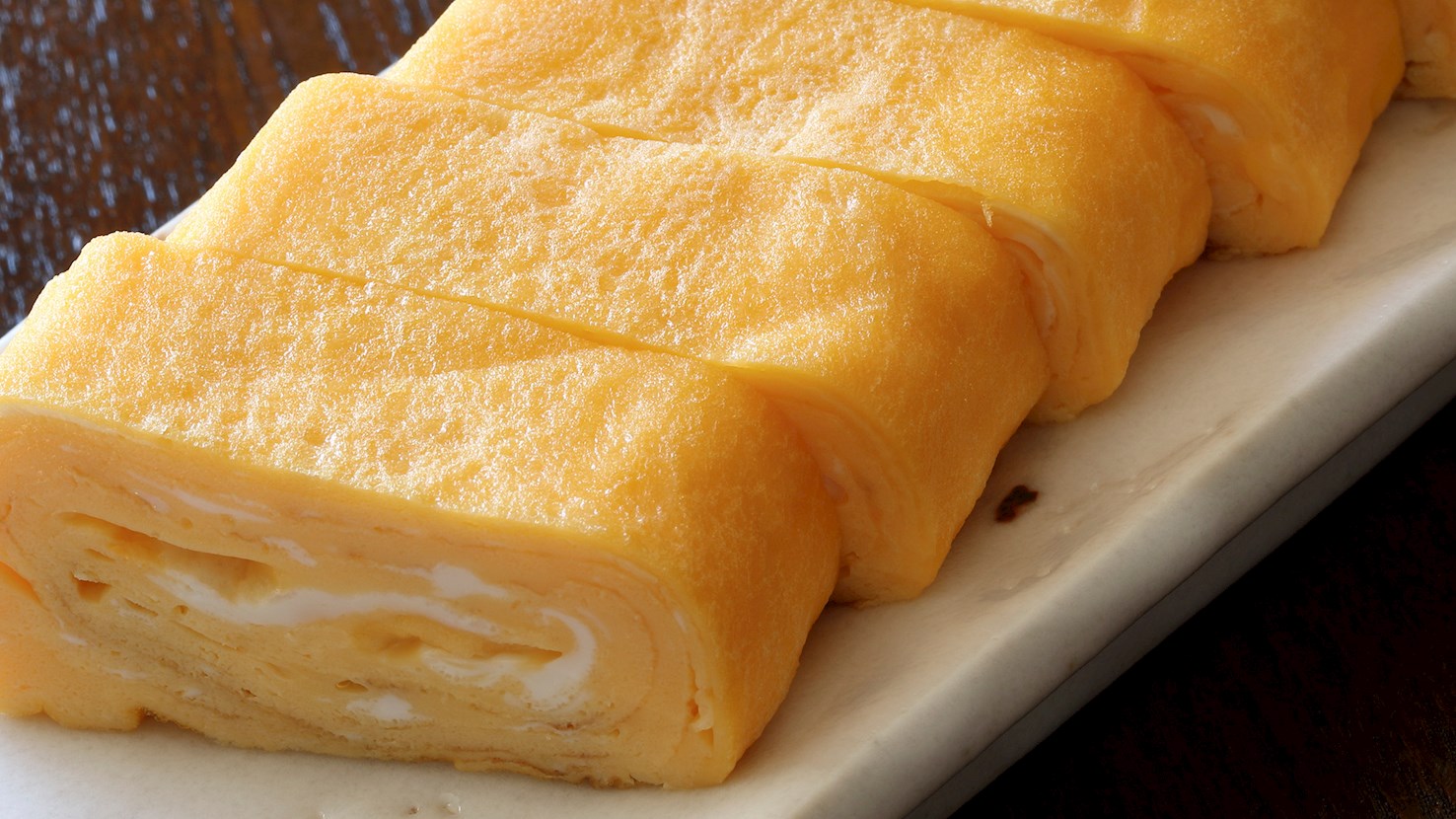
Tamagoyaki is a sweet and savory rolled omelet made by folding over successive thin layers of beaten egg in a rectangular pan. The omelet is made of eggs, whisked vigorously with dashi broth, soy sauce, mirin, and sugar, creating a distinct balance of umami and sweetness. Crafting the rolled shape requires a specific rectangular copper or non-stick pan called a makiyakinabe. A thin layer of the liquid is poured into the hot, oiled metal, allowed to set briefly, and then rolled tightly from one end to the other. The resulting roll is pushed to the back of the pan, more oil is applied, and another thin layer of egg is poured in, ensuring the liquid flows beneath the first roll. As this new layer solidifies, the existing roll is rolled back over it, wrapping the new layer around the outside. This cycle repeats until the mixture is completely spent, resulting in a dense, rectangular block with a visible spiral cross-section. The flavor changes based on regional preferences. The Kantō version heavily features sugar and soy sauce for a darker, sweeter finish, while the Kansai iteration relies primarily on extra dashi broth for a lighter, softer, and more savory result known as dashimaki tamago. Other variations introduce fillings such as spicy cod roe, chopped scallions, roasted eel, or seaweed, incorporated directly into the liquid before it hits the heat. The name of the dish can be literally translated as "eggs cooked over dry heat." The widespread consumption of this item dates back to the late 19th century, gaining massive popularity in the 1950s when the government actively encouraged chicken farming and eggs became affordable for everyday households. Served cold or warm, it appears frequently in lunch boxes due to its sturdy texture, acts as a standard topping fastened with a strip of nori over vinegared rice at sushi restaurants, or arrives simply sliced on a small plate alongside grated daikon radish and a splash of soy sauce for a light breakfast.
TasteAtlas food rankings are based on the ratings of the TasteAtlas audience, with a series of mechanisms that recognize real users and that ignore bot,
nationalist or local patriotic ratings, and give additional value to the ratings of users that the system recognizes as knowledgeable.
TasteAtlas Rankings should not be seen as the final global conclusion about food. Their purpose is to promote excellent local foods,
instill pride in traditional dishes, and arouse curiosity about dishes you haven’t tried.



What People Say