

shutterstock

4 Traditional Foods
You Have To Try in Kolkata

Last updated on May 22, 2026
01

Rasgulla

4 ·

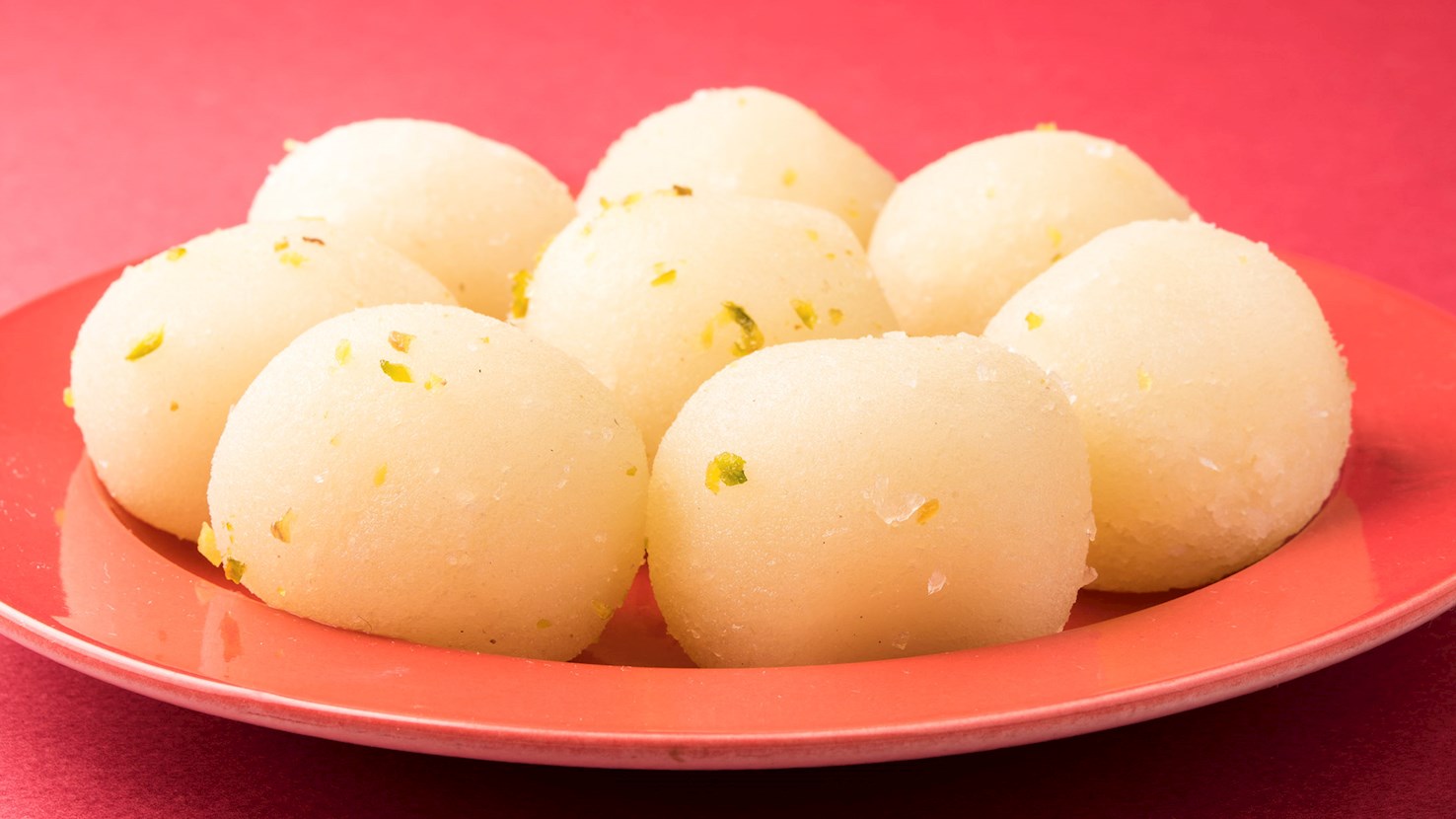
Rasgulla is a traditional sweet that is usually served at the end of a meal, like many other Indian milk-based desserts. It is prepared from chhena paneer dumplings and semolina dough, cooked together in a sugary syrup. The origin of rasgulla is the subject of a heated debate, with West Bengal and Odisha both claiming to be the birthplace of the dessert. Bengalis claim that rasgulla was the byproduct of many culinary experiments in the state, while the people of Odisha claim that it was traditionally offered to Lord Jagannath for centuries. However, most food historians agree that the truth is somewhere in between. In recent years, both varieties got their own GI status in order to differentiate between the two. It's easy to differentiate them even without the GI status, as the Bengali version is more puffy and spongy than the Odisha version.

02

Pongal

3.4 ·

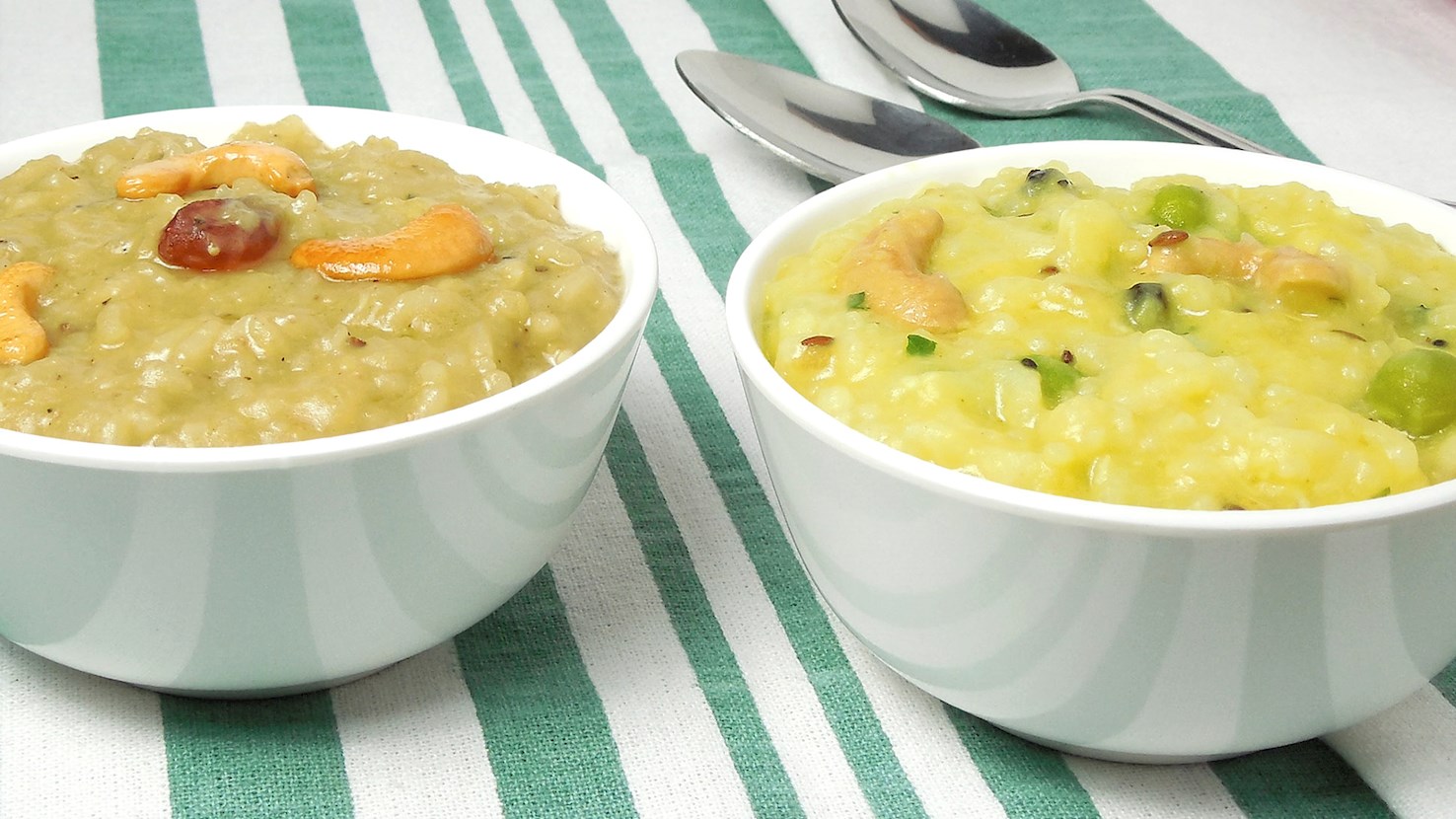
Pongal is a rice pudding that is usually eaten during special or ceremonial occasions in Southern India and Sri Lanka. It is usually cooked in a clay pot over an open fire. Milk and water are boiled first, and according to Tamil beliefs, if the liquid spills over the pot it will bring good luck and prosperity to the family. The preparation of pongal is a family affair because each family member ceremonially adds a handful of rice to the pot. Subsequently, remaining rice is added to the dish with sweet (sakkarai) or savory (ven) ingredients. Pongal is served on banana leaves, and before it is consumed the entire family says their prayers to the Sun god. If there is any pongal left, it is usually shared with friends and relatives. The dish originated among the Sri Lankan Tamil ethnicity and the name of the dish is derived from Thai Pongal, a festival celebrated on January 14th, symbolizing the end of the harvest season, the Tamil equivalent to Thanksgiving. On that day, pongal is prepared in many Tamil households around the world.

Best restaurants
03

Sakkarai pongal

3.6 ·

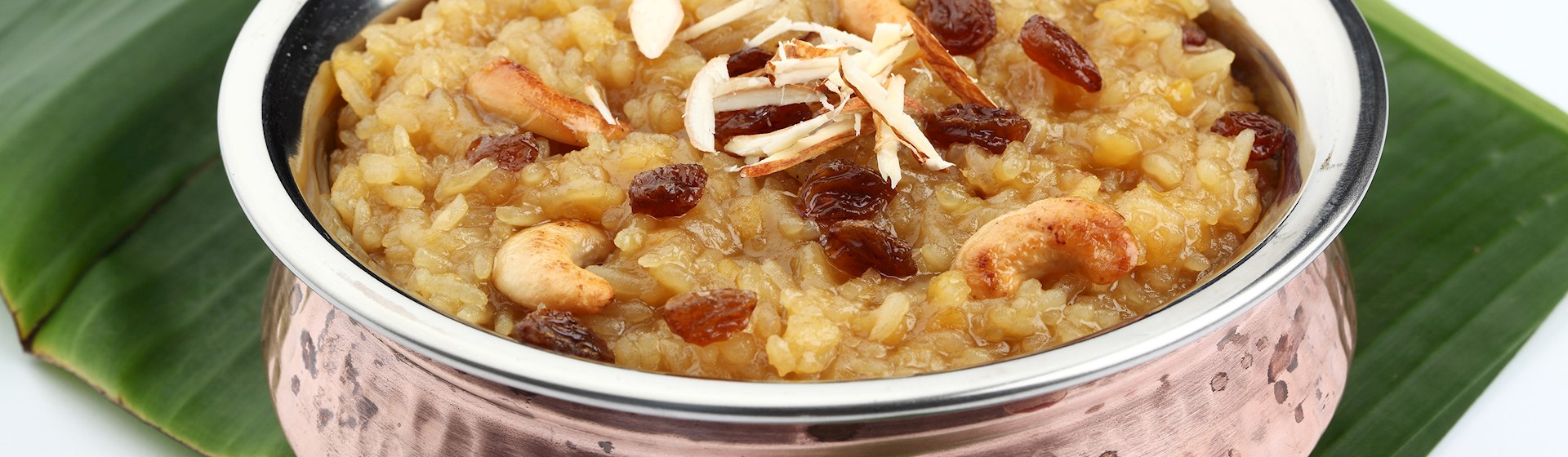
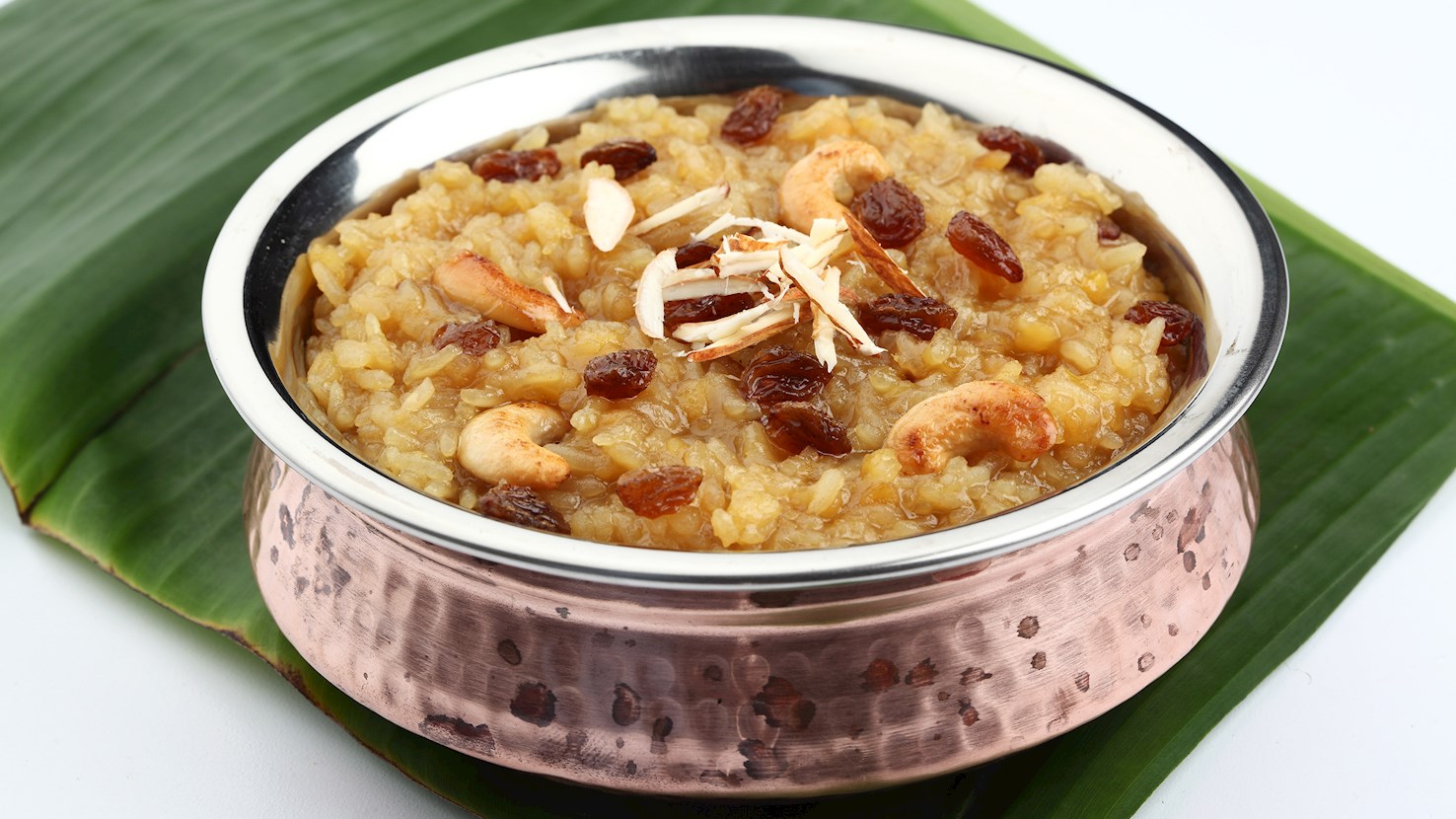
This sweet, buttery dish is made with freshly harvested new rice, jaggery and ghee (clarified butter), with the addition of dried coconut, sesame seeds, raisins, milk, and cashew nuts. Sakkarai pongal is traditionally prepared as an offering to the Sun God during Makar Sankranti, a three-day harvest festival in mid-January, celebrated in the states of Tamil Nadu, Karnataka, and Andhra Pradesh. The rice is typically cooked outdoors over a fire, with the cooking pots turned to the East, where the sun rises, and it is also customary to allow the dish to pongal, meaning to boil over during cooking, which symbolizes an abundance of food. This creamy, aromatic porridge is traditionally served alongside savory donuts called vadas and coconut chutney.

Best restaurants
04

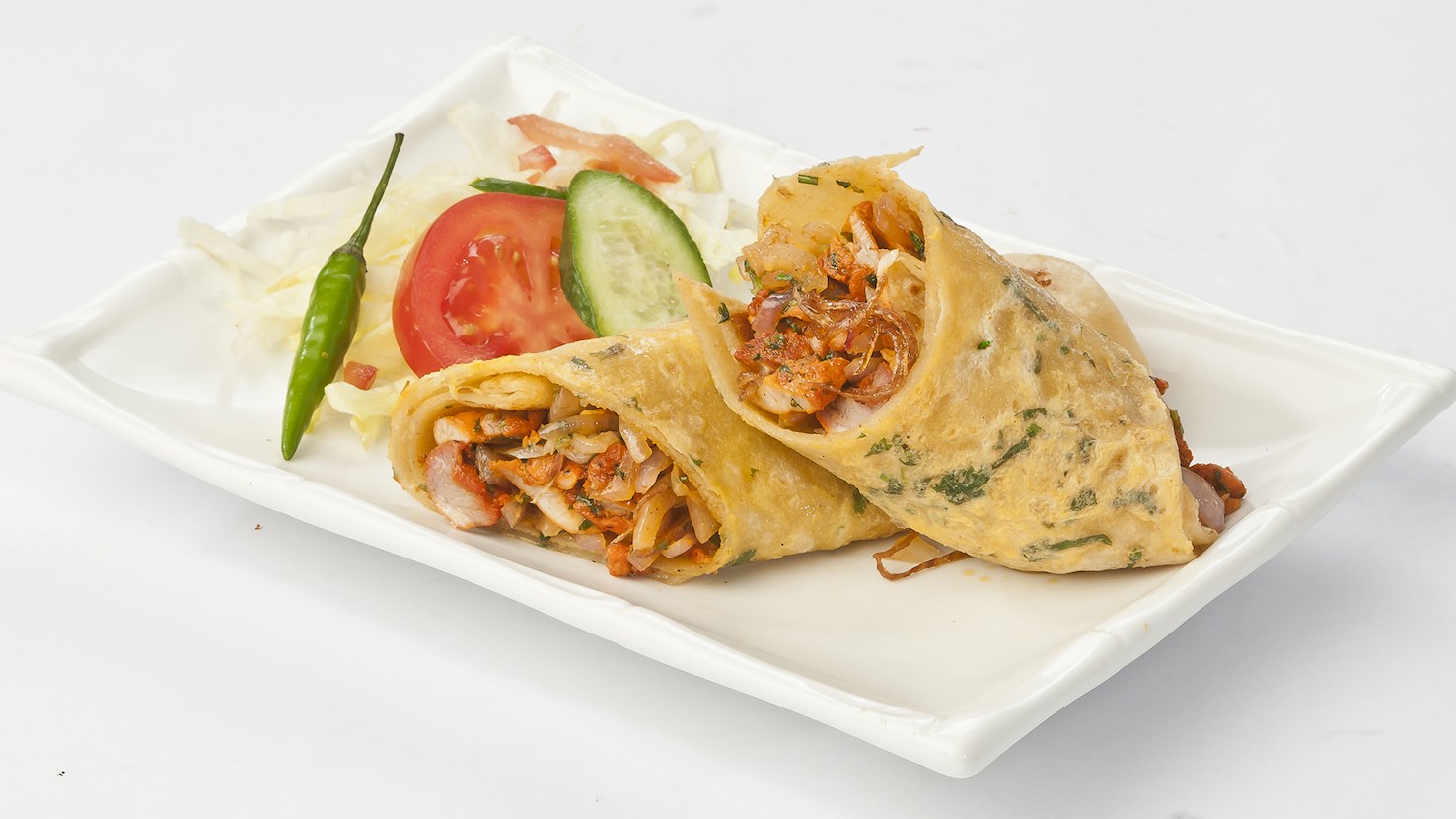
Kathi roll

4.2 ·

Kathi roll is an Indian street food dish hailing from Kolkata. It consists of skewered and roasted kebab meat that is wrapped in paratha flatbread. Some say that the dish was invented because the British didn't want to eat kebabs with their hands, so an ingenious person at Nizam's restaurant rolled the meat in a paratha. Initially, kathi roll was prepared with eggs and chutney along with the meat. Typically, the cook will roll the dough on a tawa, crack an egg onto it, then add the fillings. Kathi roll is traditionally wrapped in paper and served piping hot. In the 1960s, the cooks at Nizam's replaced the metal skewers with bamboo skewers, giving the dish its name, kathi roll, as kathi means stick in Bengali. Nowadays, this tasty wrap can also be found in cities such as New York City and London.

Best restaurants
About this ranking

TasteAtlas food rankings are based on the ratings of the TasteAtlas audience, with a series of mechanisms that recognize real users and that ignore bot, nationalist or local patriotic ratings, and give additional value to the ratings of users that the system recognizes as knowledgeable. For the “4 Traditional Foods You Have To Try in Kolkata” list until May 22, 2026, 146 ratings were recorded, of which 108 were recognized by the system as legitimate. TasteAtlas Rankings should not be seen as the final global conclusion about food. Their purpose is to promote excellent local foods, instill pride in traditional dishes, and arouse curiosity about dishes you haven’t tried.

Similar lists