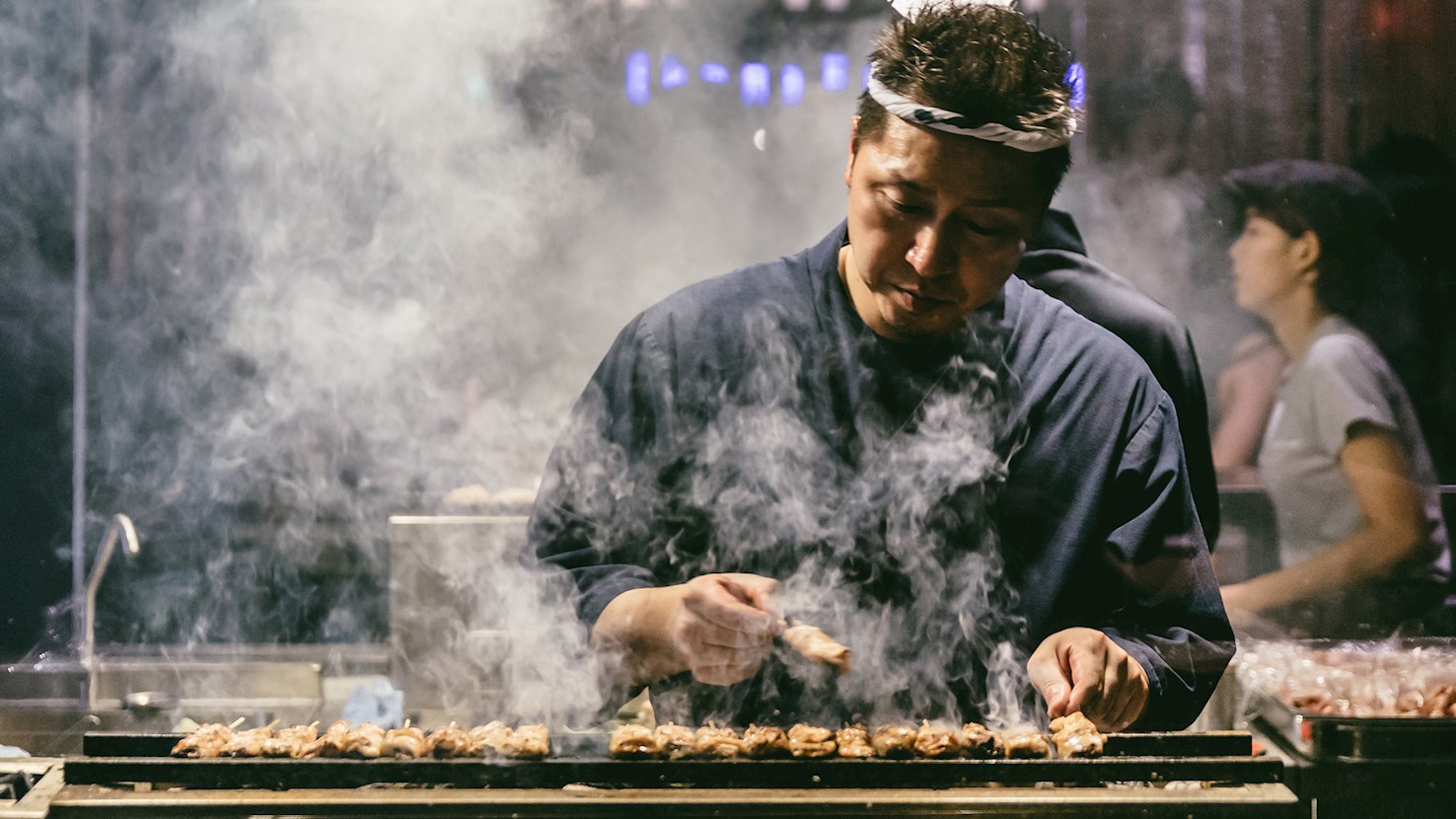
Yakitori refers to Japanese grilled chicken where pieces of chicken meat are skewered with a particular type of skewer called kushi (which can be made from either steel or bamboo) and are then traditionally grilled over a charcoal fire. Depending on the cut of chicken and the method of preparation, there are various types of this dish. An important step in the making of yakitori is the seasoning, either salty or salty-sweet, which can be done during or after grilling. Salty seasoning is just salt that can sometimes be combined with pepper, while salty-sweet seasoning is actually tare sauce made from mirin, soy sauce, sake, and sugar. Present-day versions of yakitori first appeared during the Meiji Era in the 19th century, but once chicken became abundantly available in the 1950s, the popularity of skewered chicken skyrocketed and the dish became popular among the masses. In Japan, yakitori can be purchased in specialized yakitori shops called yakitori-ya, but it is also often served in Japanese gastropubs known as izakaya. Since skewered chicken is so easy to prepare, plus it's portable, it is also a popular street food sold at yatai, the small Japanese food stalls. The dish is meant to be eaten with hands only, often directly off the skewer, and can be paired with a side of roasted vegetables, while each bite should ideally be washed down with ice-cold beer.
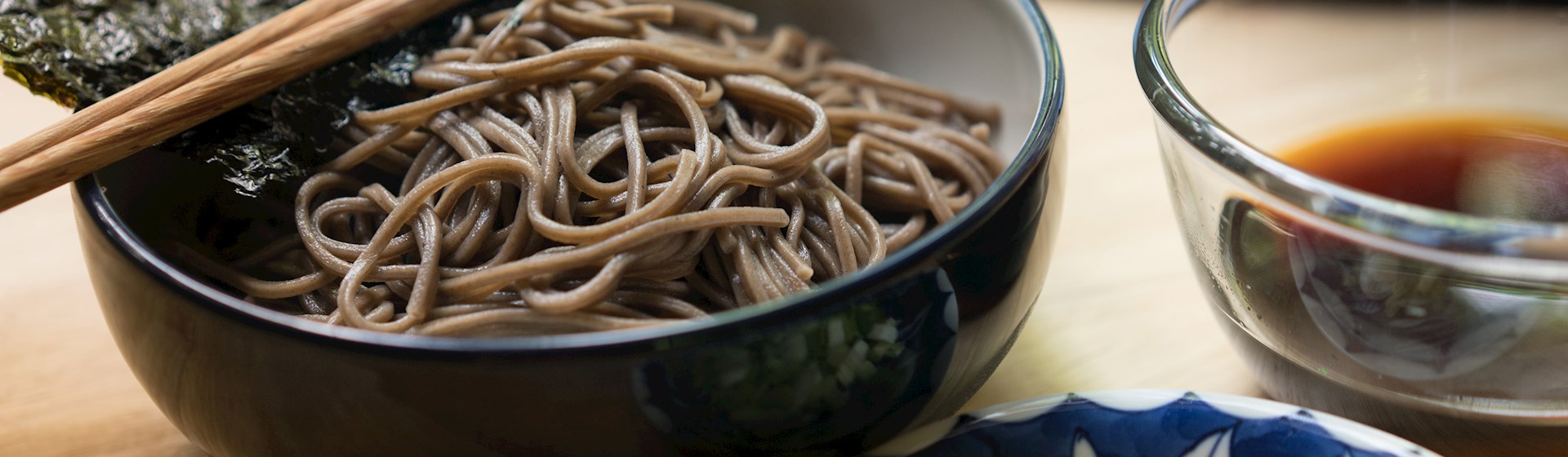
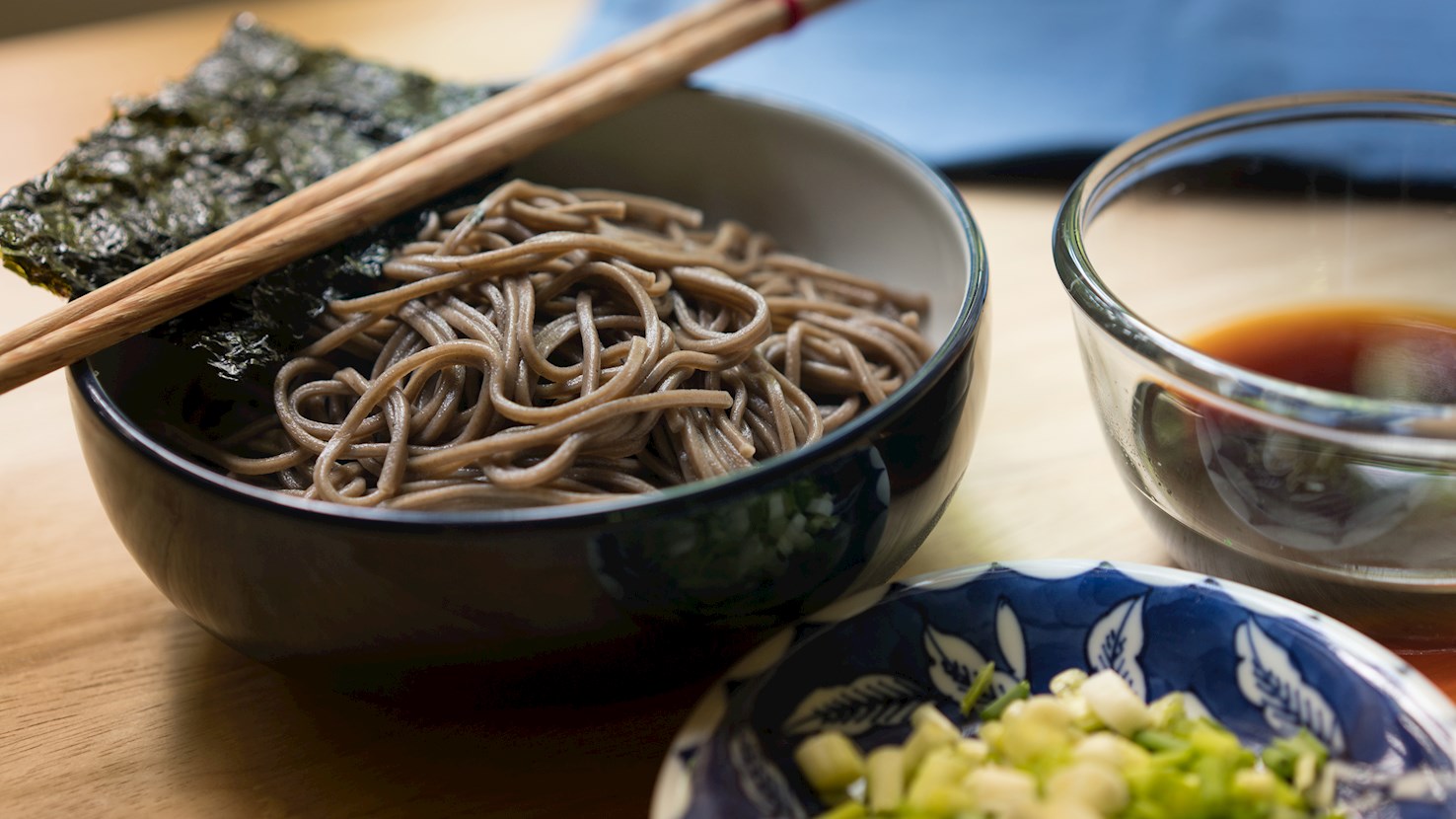
Soba are traditional Japanese buckwheat noodles that are served hot or cold. When served, the noodles are picked up with chopsticks, then slurped loudly, which is a part of common culture in Japan. They date back to the Edo period. One of the most common soba dishes is mori soba, in which cold noodles are consumed with tsuyu sauce. The most popular soba dishes include kitsune soba, tanuki soba, tempura soba, and kake soba. There are also regional soba dishes such as ita soba (Yamagata Prefecture), matcha soba (Uji), nishin soba (Kyoto Prefecture), and wanko soba (Iwate Prefecture).
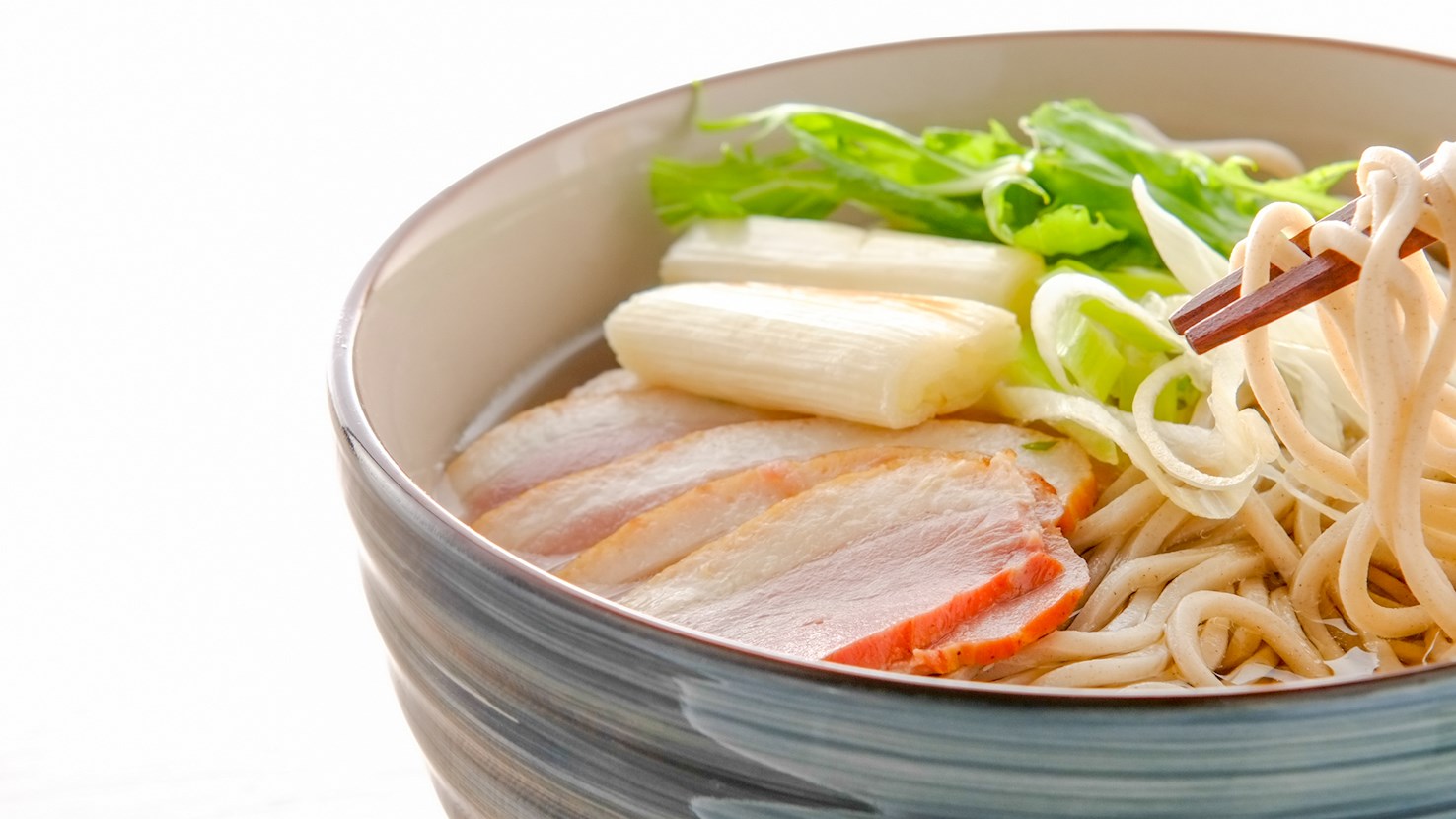
Kamonanban is a Japanese dish prepared with soba noodles in a broth flavored with duck meat, leeks, green onions, and a savory-sweet sauce. There are many variations, so the dish can also be enriched with mushrooms, spinach, and orange zest. Due to the fact that the fatty duck meat is used in kamonanban, the dish is especially popular during the colder days of winter in numerous soba restaurants.
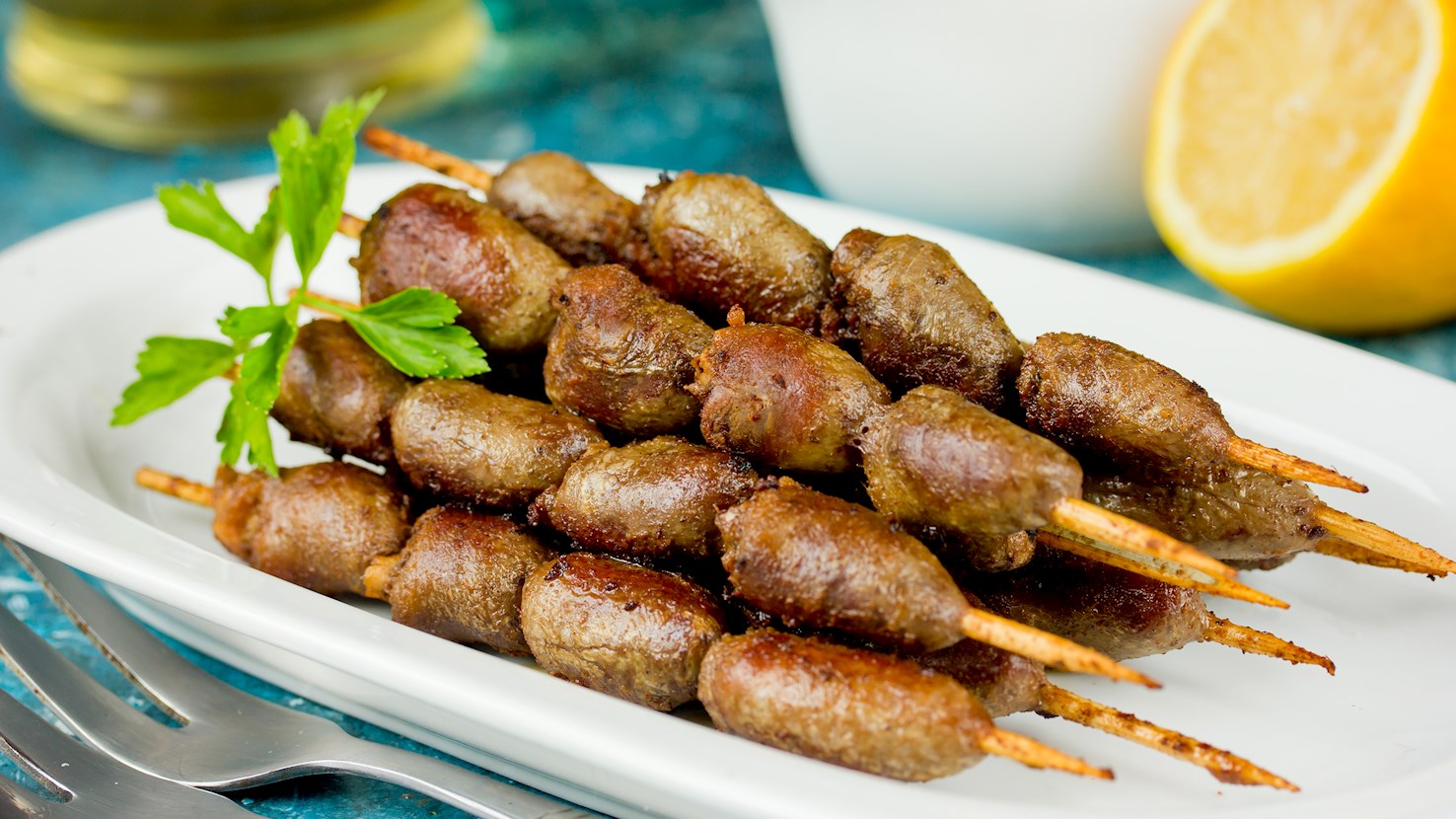
Hatsu is a traditional yakitori dish prepared with chicken hearts as the main ingredient. They are usually dipped into tare sauce, placed on skewers, then grilled. This type of yakitori is very popular since it's not found that often (because there's only one heart per chicken), the hearts are low in fat, with a meaty flavor and a tender, juicy texture. The hearts are grilled until just slightly browned, and the skewers are then usually served with salt and lemon wedges on the side. The dish can also be found in izakaya bars, where it's often accompanied by a glass of cold beer.
TasteAtlas food rankings are based on the ratings of the TasteAtlas audience, with a series of mechanisms that recognize real users and that ignore bot,
nationalist or local patriotic ratings, and give additional value to the ratings of users that the system recognizes as knowledgeable.
TasteAtlas Rankings should not be seen as the final global conclusion about food. Their purpose is to promote excellent local foods,
instill pride in traditional dishes, and arouse curiosity about dishes you haven’t tried.



What People Say