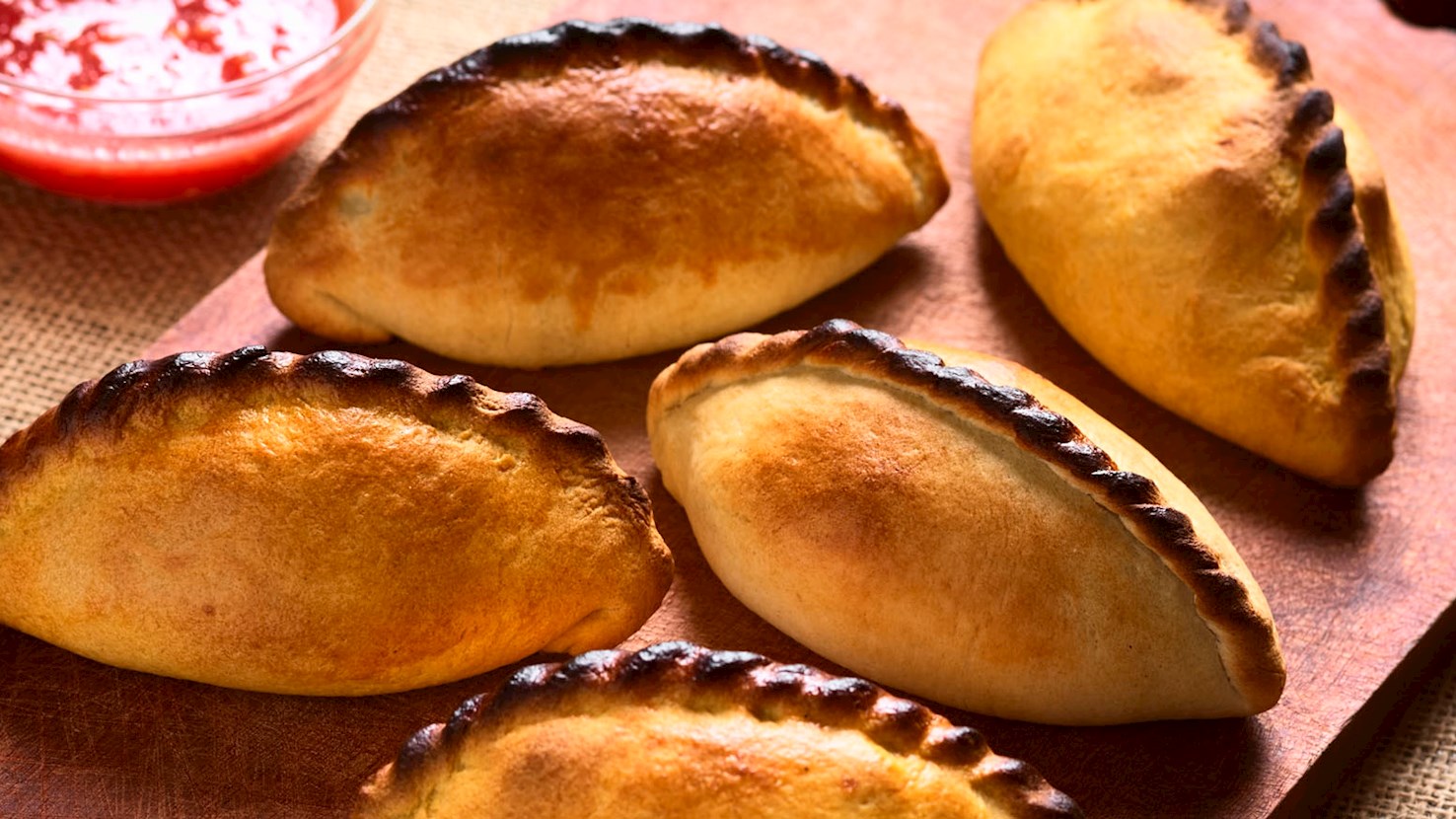
Salteñas is the name of the national dish of Bolivia consisting of crescent-shaped, filled pockets of dough. The name is derived from the first known baker of these delicacies, who was born in the city of Salta, but he was later exiled to Potosí. Oven-baked and filled with meat (typically chicken or beef), salteñas are commonly served for breakfast or consumed as a mid-day snack. The sweet pastry and its braided crust have a unique color and flavor that is of key importance to authentic Bolivian salteñas, due to the crushed seeds of the adobo bush, along with added spices such as cumin and oregano, called achiote spice. Salteñas are somewhat difficult to prepare because special skills are required to make them, but practice makes perfect, and the sweet smell of freshly baked salteñas is always worth the effort.
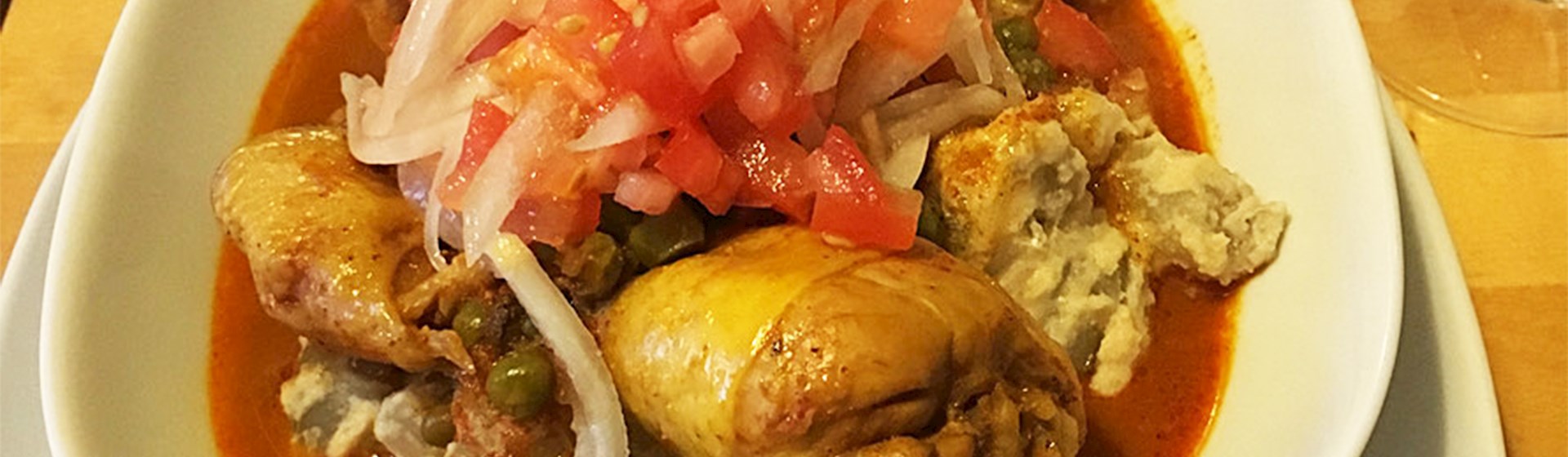
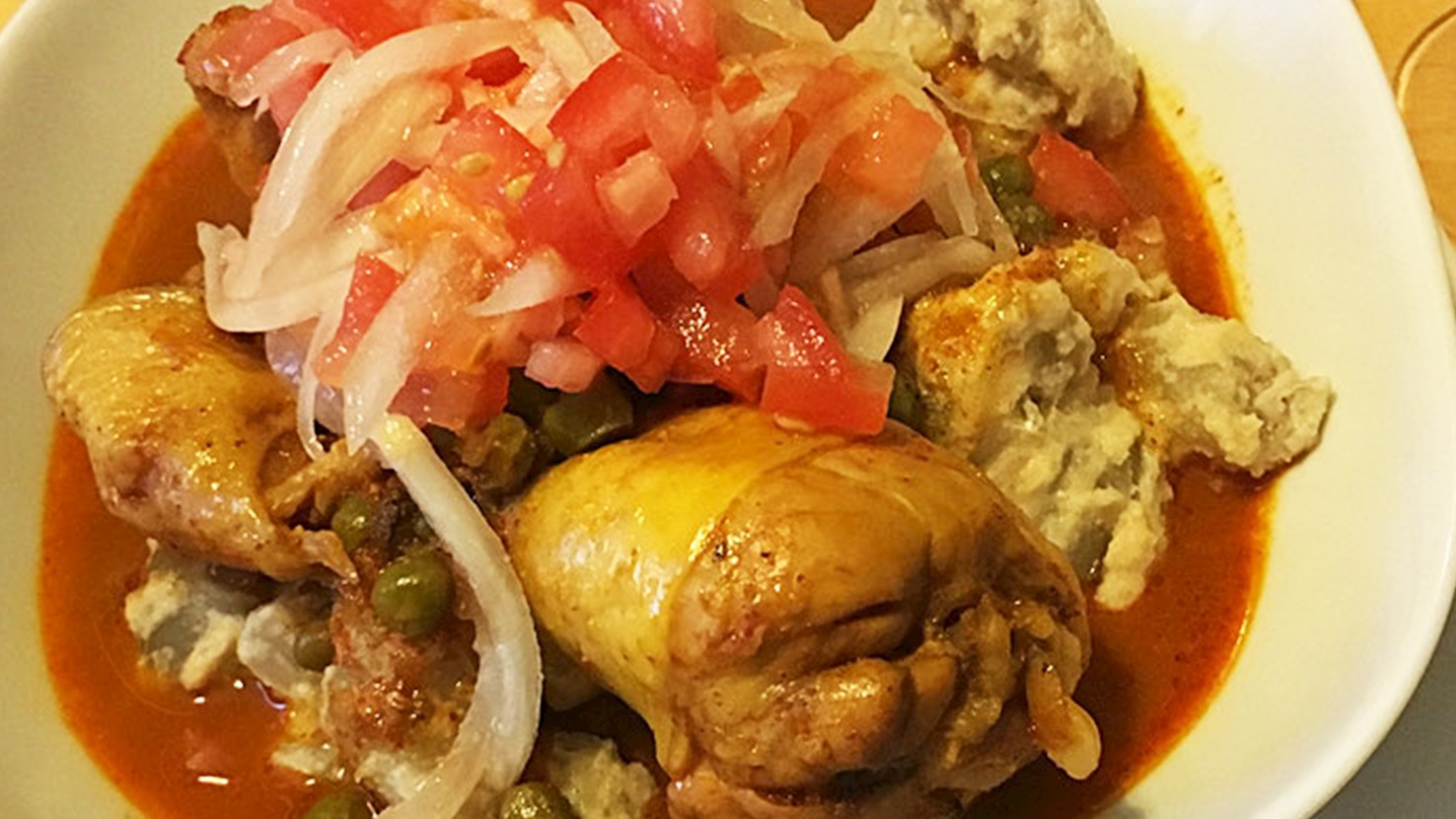
Sajta de pollo is a spicy chicken stew from western Bolivia, especially associated with La Paz and the Altiplano. Large pieces of chicken are cooked in a thick sauce based on ají amarillo, onion, garlic, cumin, and peas, then served with potatoes, tunta, and a fresh onion-and-tomato sarsa. The sauce is usually yellow to deep orange rather than vividly bright yellow, depending on the type and concentration of the ají. The present form of sajta developed within the wider Andean family of picantes, stews in which ground chile peppers form the main flavor base. In the Bolivian highlands, chicken was combined with native Andean ingredients such as ají and preserved potatoes, producing the combination now closely identified with La Paz. It is similar to picante de pollo, with the main difference being the type of chili peppers used, the level of spiciness, and the resulting flavor profile. Sajta de pollo is milder and creamier, while picante de pollo is spicier and richer. It is especially associated with festive meals and large gatherings and commonly appears during Carnival and Todos Santos, although it is not restricted to those occasions. In La Paz, it remains part of the city’s recognized culinary repertoire and is also served during major civic celebrations and food festivals. The stew usually begins with a whole chicken divided into large bone-in pieces. The chicken can be simmered first to produce a broth or browned directly with the seasonings before adding liquid. Bone-in pieces remain moist during the long simmer and contribute additional flavor to the sauce. The defining ingredient is ají amarillo, usually used as a ground paste or finely ground dried chile. Despite its name, its color can range from yellow-orange to a deeper orange. The ají is cooked with finely chopped onion and garlic, usually in oil, until the raw flavor disappears and the mixture thickens and becomes aromatic. Cumin and black pepper are common seasonings, while some versions add parsley or other aromatics. The ají needs to cook thoroughly because undercooked ground chile can taste harsh and slightly bitter. The chicken is added to the chile base with enough stock or cooking liquid to form a sauce. Green peas are a characteristic addition and are simmered with the meat until tender. The stew is cooked gently rather than boiled aggressively, allowing the sauce to reduce while the chicken remains tender. The finished sauce should be substantial enough to coat the chicken but still contain enough liquid to spread across the potatoes and other accompaniments. Sajta is therefore closer to a thick, saucy stew than to either a dry chile paste or a thin soup. One of its most distinctive accompaniments is tunta, also called white chuño. Tunta is an Andean potato preserved through repeated freezing, thawing, soaking, washing, and drying. The process produces a pale, lightweight potato with an exceptionally long shelf life. It is not simply an ordinary potato dried in the sun. Before it can be eaten, dried tunta is soaked in water until rehydrated, often overnight, then washed thoroughly and boiled until tender. Its porous structure allows it to absorb sauces particularly well. A particularly characteristic version served with sajta is tunta rebozada con maní, in which the cooked tunta is combined or coated with a sauce based on ground peanuts, often with fresh cheese. The nutty, creamy accompaniment sits beside the spicy chicken rather than simply functioning as another ingredient in the main yellow sauce. Ground peanuts can also appear directly in some versions of sajta, thickening the sauce and giving it a richer texture. The amount varies considerably, so peanuts should be treated as an established variation rather than an essential component of every sajta. Chuño can accompany the stew as well, but it is not simply a darker version of tunta produced only by sun-drying. Both products rely on the extreme nighttime cold of the Andes. Dark chuño is repeatedly frozen and dried with less washing, retaining its dark skin and stronger earthy flavor. At the same time, tunta undergoes additional soaking and washing that removes pigments and produces its characteristic white color. Boiled potatoes are another standard component. Floury potatoes work especially well because their mild flavor and soft texture contrast with the concentrated ají sauce. White rice also appears frequently, although a plate does not need to contain every possible starch at once. The fresh topping is usually called sarsa or sarza. Thinly sliced onion is combined with tomato and locoto, the thick-fleshed Andean chile known for its sharp heat. Salt and sometimes oil or other seasonings complete the mixture. It is added at serving time so that the vegetables remain crisp and fresh against the warm stew. The locoto gives the sarsa a different kind of heat from the cooked ají amarillo in the stew. The sauce provides a deeper, cooked chile flavor, while the fresh locoto adds a sharper and more immediate heat. A typical plate therefore brings together several separate components rather than placing everything into one pot: chicken coated in ají amarillo sauce, boiled potatoes, tunta—often with peanut and cheese—and fresh sarsa. Rice may be added for an even more substantial serving.
Sándwich de chola is a roast pork sandwich from La Paz, where slices of pork are tucked into bread with sharp vegetable pickles, chili sauce, and a piece of crisp pork skin. The meat is tender enough to bite through but substantial enough to retain its shape, while the pickles bring acidity and the skin adds a brittle crunch. A round roll is common, although the sandwich also appears in marraqueta, the crusty bread widely eaten in the city. Its name honors the chola vendors who established it as a street food: women recognizable by their polleras, the full skirts associated with a distinct Bolivian cultural identity. Their role extended beyond preparing the filling; many built businesses whose recipes, customers, and selling locations passed down through generations. The sandwich developed through street vending rather than a single standardized restaurant recipe, and its ingredients have not always been identical. Earlier versions used marraqueta and did not necessarily include the pickled vegetables now closely associated with the sandwich. As sellers adapted their preparations, pork crackling and additional condiments became part of the familiar combination. The stalls around Parque Las Cholas, near La Florida in southern La Paz, became a particularly recognizable place to eat it. However, established sellers also worked elsewhere in the city, including Miraflores. Preparing the pork requires considerably more time than assembling the finished sandwich. A leg is a common choice because it provides a large roast that can be sliced repeatedly during service; loin is also used. Garlic, cumin, pepper, and red ají appear in the seasoning, with proportions varying by cook. The aim is meat that tastes seasoned throughout without losing its own flavor beneath the sauce. Roasting develops a browned exterior, while the interior must remain moist enough to serve in slices. Resting the meat before carving makes the slices easier to handle and limits how much juice immediately runs into the bread. Cutting across the muscle fibers also matters: a sandwich should yield cleanly when bitten rather than pull apart because a strip of meat is too tough. The cuerito, or pork skin, adds a different texture from the roast. Crispness is essential; a soft, leathery piece would make the sandwich hard to eat. Because the skin softens when it meets wet ingredients, add it during assembly rather than leaving it under the pickles and sauce. Bread has an equally practical role. A round roll provides a broad surface for the slices and toppings, whereas marraqueta brings a firmer crust and a different chew. Neither should overwhelm the filling, but both need enough structure to hold the pork and absorb a little moisture without collapsing. The bread is split horizontally, sometimes leaving one edge attached so it opens like a pocket. Escabeche supplies much of the sandwich’s freshness and sharpness. Vinegar-preserved onion and carrot are common, and some preparations include pickled locoto, a fleshy, hot pepper used extensively in Bolivian cooking. The carrot adds a firm bite; the onion adds pungency and acidity. Draining the vegetables before placing them over the meat keeps their vinegar from soaking straight through the roll. The quantity matters as much as the choice of vegetables: too little leaves a rich, mostly meaty sandwich, while too much can obscure the roast and make the filling slide out. Chili may come as an ají sauce or as llajua, and some versions include a fresh mixture of chopped tomato, onion, and peppers. These are alternatives within a recognizable style, not compulsory layers in every sandwich. Tomato adds juice, while a fresh herb such as quillquiña can make a raw vegetable topping more aromatic. The sandwich is usually substantial enough to serve as a small meal, though in La Paz it also has an established place as a merienda, or between-meal snack. Long-running family businesses have carried it from street stalls into permanent premises, and some now offer delivery while continuing to serve customers at their older locations. The familiar combination of sarnita bread, sliced pork, onion-and-carrot escabeche, ají, and crunchy skin remains central to that trade. It is most satisfying when eaten soon after assembly, when the bread still holds its shape, and the cuerito hasn't softened. Extra chili can be added to taste, but the pickles already provide enough acidity that a separate sour accompaniment is rarely necessary. A cool beer or sparkling water pairs well with the salty pork, and the sandwich needs little else beyond a napkin and a place to sit.
Plato paceño is a traditional dish consisting of a combination of lima beans, potatoes, corn, and fried cheese. In La Paz, it is typically consumed for lunch or dinner. Although the dish typically does not contain meat, there are many Bolivians who disregard the rules and put some meat such as grilled beef or pork on the plate. Locals also like to add the famous Bolivian hot sauce called llajua to plato paceño in order to add some spiciness to the meal.
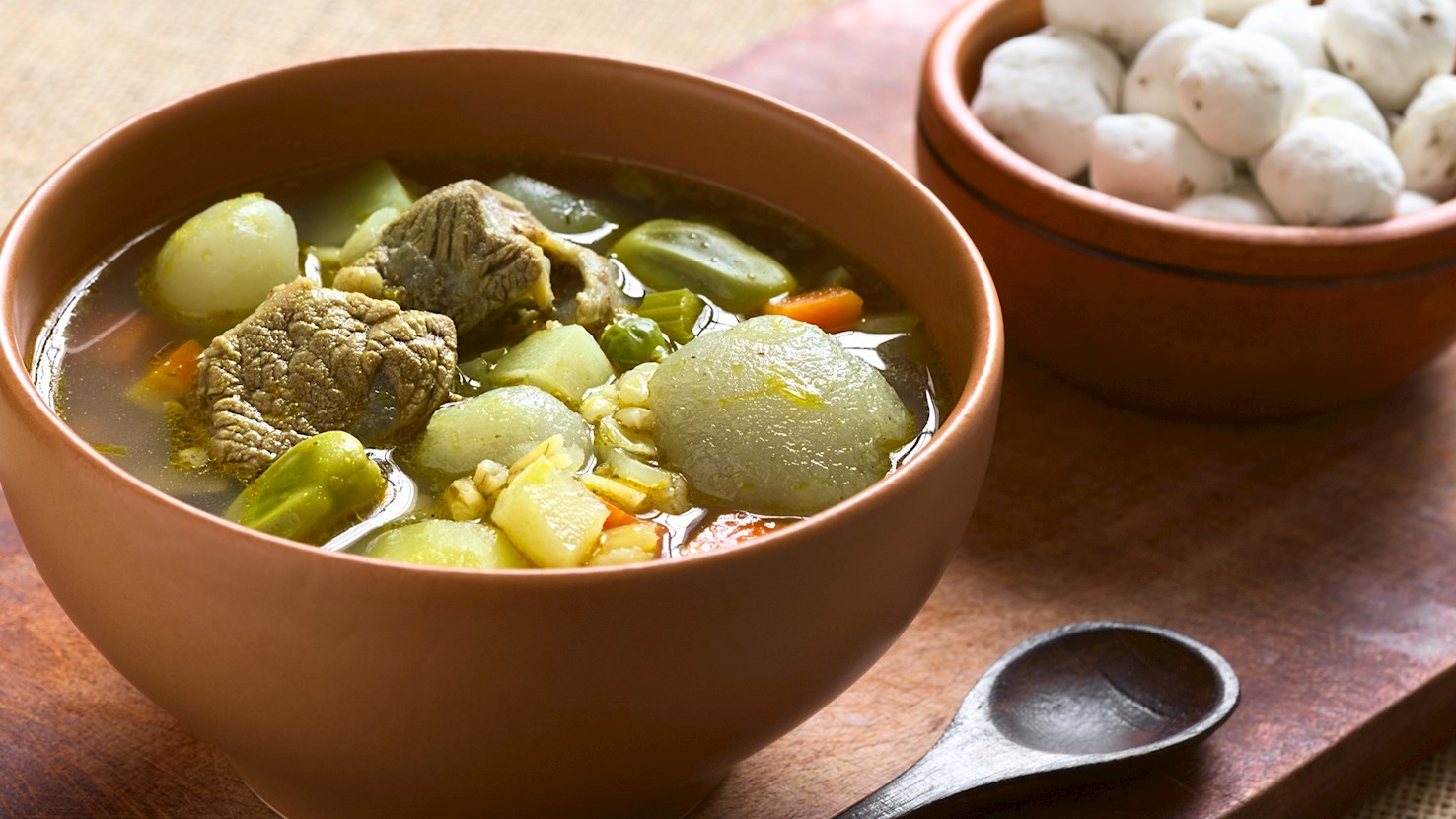
Chairo is a traditional thick soup with pre-Colombian origins. It is made with the unique Bolivian chuño starch, meat (usually beef and lamb), cooked wheat, and vegetables such as carrots, onions, and corn. The soup is often additionally flavored with cumin, black pepper, and garlic. When served, chairo is garnished with fresh chopped mint. It is recommended to serve the soup while it is still piping hot, preferably in clay bowls.
Ají de lengua is a traditional stew with a spicy flavor. It is made with beef tongue, oil, onions, tomatoes, hot chili peppers, parsley, cumin, oregano, and (often) green peas. The tongue is boiled, cut into thin slices, and it is then cooked with the rest of the ingredients. This hearty stew is traditionally served with chuño potatoes and steamed rice on the side.
TasteAtlas food rankings are based on the ratings of the TasteAtlas audience, with a series of mechanisms that recognize real users and that ignore bot,
nationalist or local patriotic ratings, and give additional value to the ratings of users that the system recognizes as knowledgeable.
TasteAtlas Rankings should not be seen as the final global conclusion about food. Their purpose is to promote excellent local foods,
instill pride in traditional dishes, and arouse curiosity about dishes you haven’t tried.





What People Say