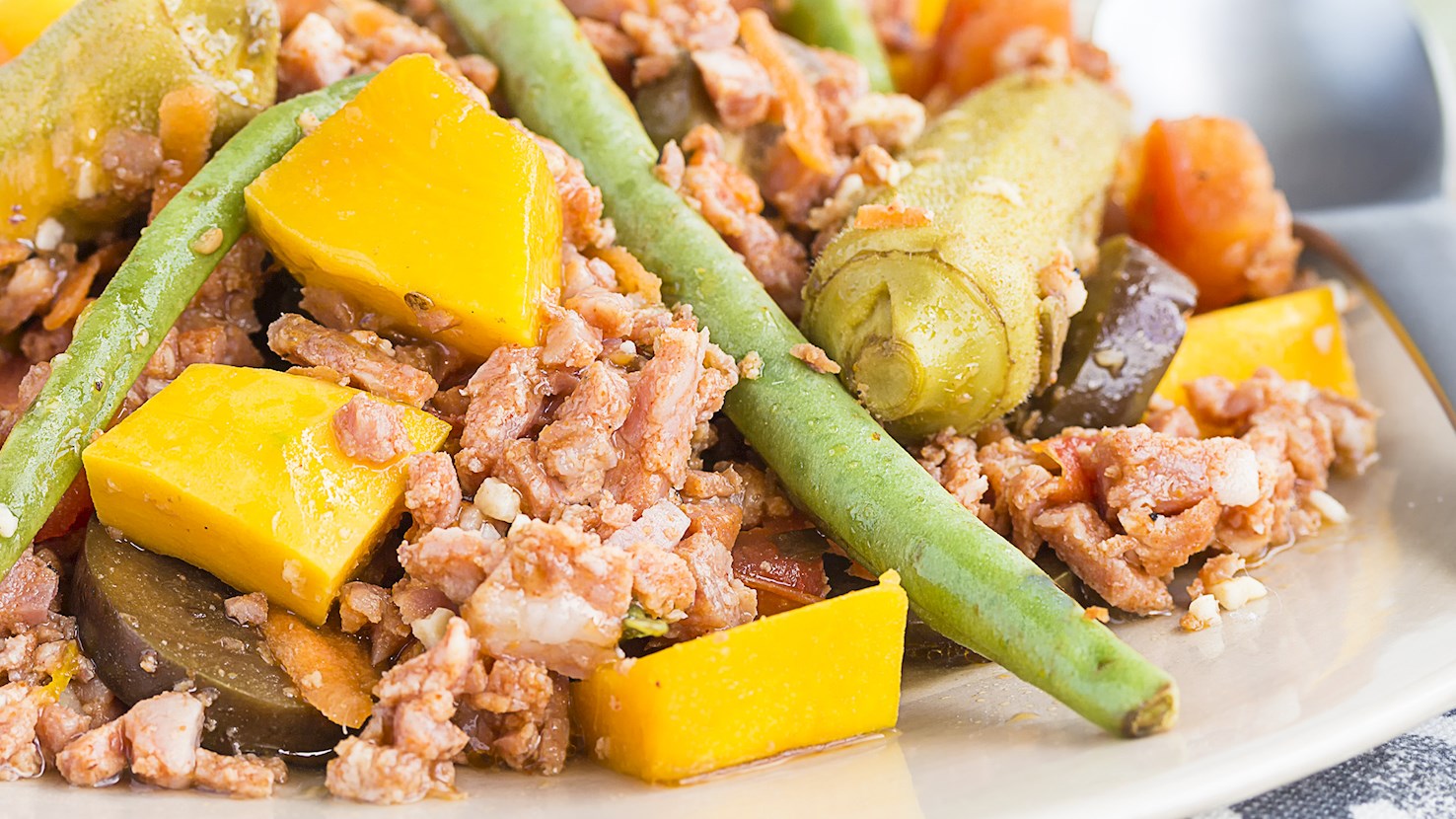
Pinakbet is a traditional meat stew prepared with various vegetables and shrimp paste. It originated in the region of Ilocos, but today it appears in many regional and seasonal varieties. Most commonly, it consists of fatty pork, bitter melon, squash, sweet potatoes, eggplants, okra, and green beans. Although the ingredients may be adjusted to personal preferences, the key element of the dish is the pungent shrimp paste, which provides pinakbet with its unique flavor. This colorful and versatile stew is usually served alongside steamed rice and enjoyed as a hearty and nutritious main course.
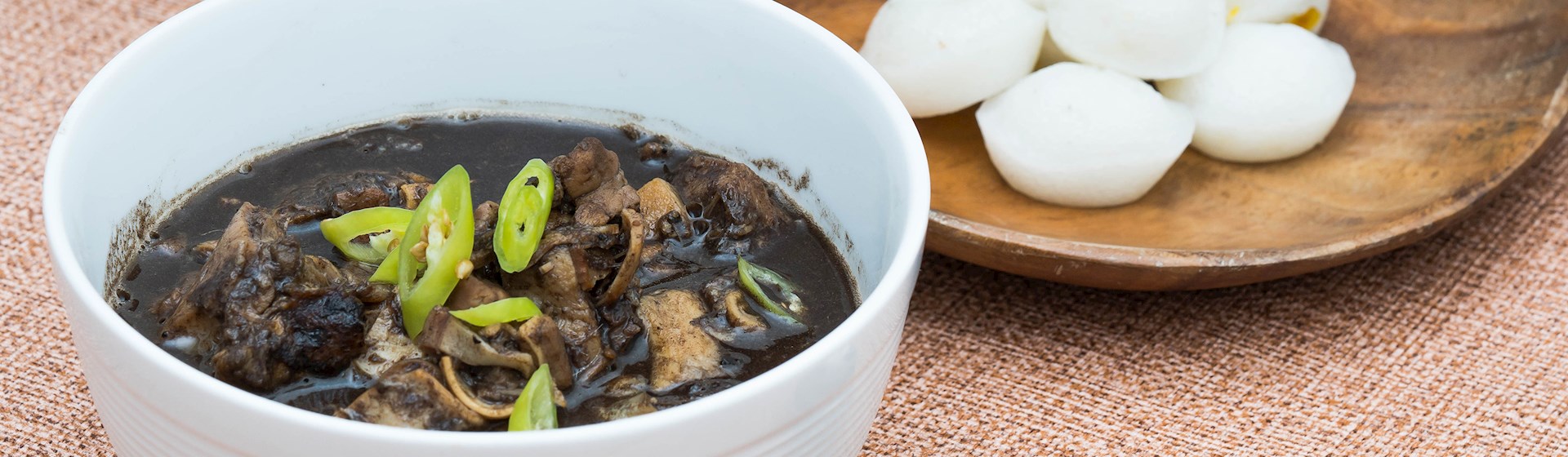
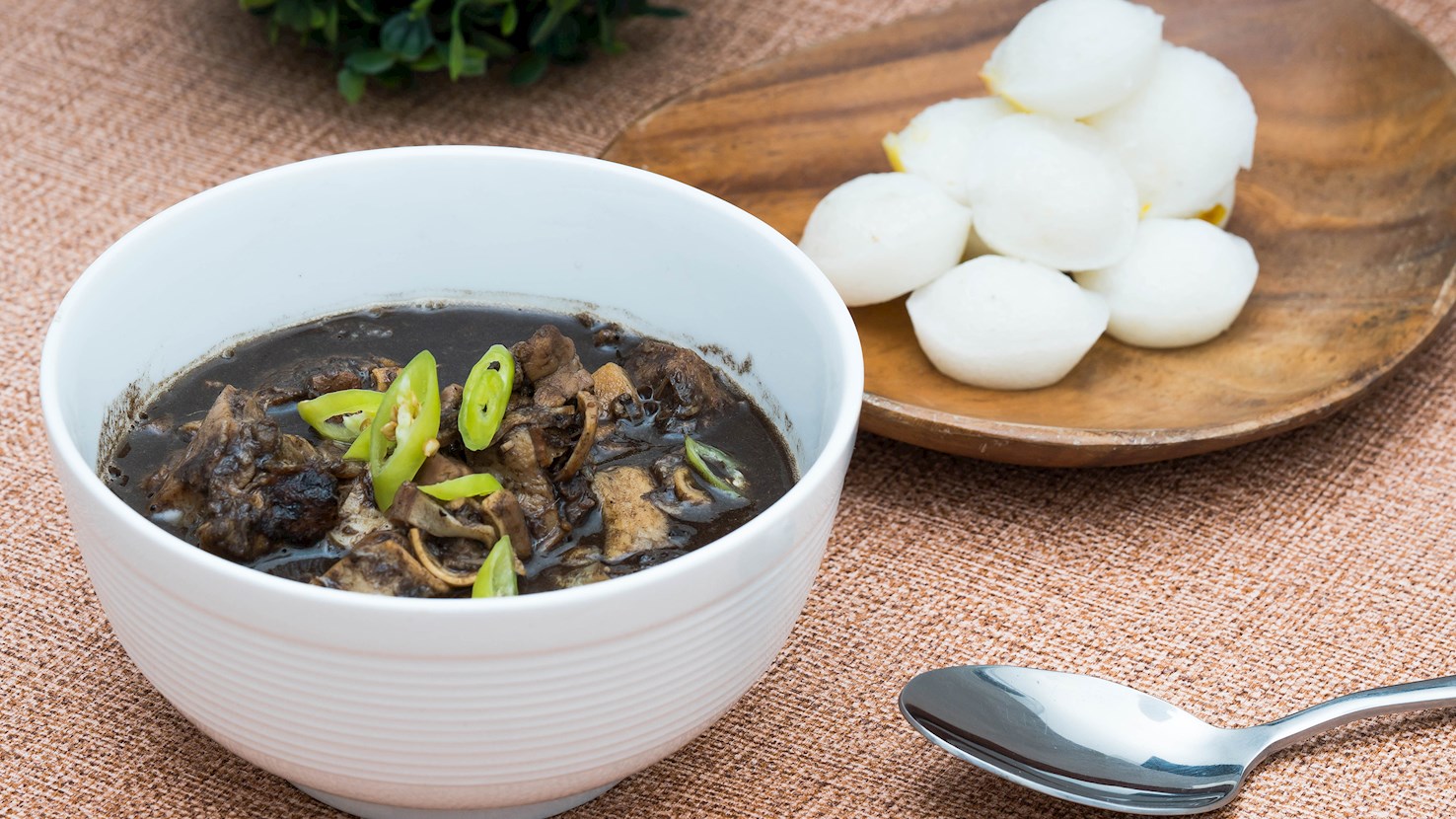
Dinuguan is a savory dark stew made from diced pork belly and offal simmered in a thick, highly acidic sauce of pig’s blood and cane vinegar. Thoroughly cleaning and dicing raw pork belly, snout, ears, and intestines is the first step in the recipe. These dense cuts are added to a wide hot pan coated with oil, where they render their heavy animal fat. Minced garlic and chopped red onions are then softened directly in the hot lard. A generous splash of sharp cane vinegar is poured into the pan, and the mixture is boiled aggressively, helping tenderize the tough cartilage while reducing any gamey odors. Fresh liquid pig’s blood is slowly poured into the simmering broth. During this step, the bottom of the pot must be scraped continuously with a heavy wooden spoon to keep the blood from curdling or scorching against the hot metal. The heat is then reduced, and the mixture simmers gently until the red liquid thickens into a glossy black gravy. Whole green chilies are added during the final minutes, giving the stew a mild vegetal heat. In the northern provinces, a dry version called dinardaraan is made by deep-frying the pork pieces until extremely crisp, then tossing them lightly in a heavily reduced blood glaze. In the central plains, a very different method involves boiling fresh blood on its own until it solidifies into rubbery cakes. These dark cakes are cubed and simmered in a clear, sour broth, producing a pale soup with dark chunks rather than a unified black gravy. Another common version replaces the pork with chopped chicken meat and chicken blood, which significantly shortens the cooking time. The origins of dinuguan trace back to pre-colonial indigenous cooking practices across the Southeast Asian archipelago. Sixteenth-century Spanish chroniclers, including Antonio Pigafetta during the 1521 Magellan expedition, recorded that local communities used every part of slaughtered livestock for economic reasons. Because of the intense tropical heat, highly acidic liquids such as fermented coconut sap or cane vinegar were needed to help preserve meat without refrigeration. This established the sharp, sour, metallic flavor profile that still defines the stew today. Dinuguan is served hot in a deep ceramic bowl. A large stack of puto, slightly sweet and spongy steamed rice cakes, is almost always served beside it. The soft white cakes are dipped directly into the thick black gravy, adding a necessary sweetness that cuts through the sharp vinegar and metallic iron flavor. The stew can also be poured over a wide plate of steaming white rice, turning it into a filling, standalone main course.
Torta is a popular Filipino dish consisting of an omelet filled with ground meat and vegetables such as diced potatoes. Savory and extremely satisfying, the dish is usually served as a main course, preferably over rice. It is recommended to pair torta with condiments such as banana ketchup. There are numerous variations on the Filipino torta, such as tortang talong (eggplant omelet) and tortang gulay (onion, bell peppers, and garlic omelet). The reason for the unusual name of this dish is a strong Spanish influence in the Philippines. There is one other dish named torta in the country, but it is altogether different and refers to a small, muffin-like dessert cake.
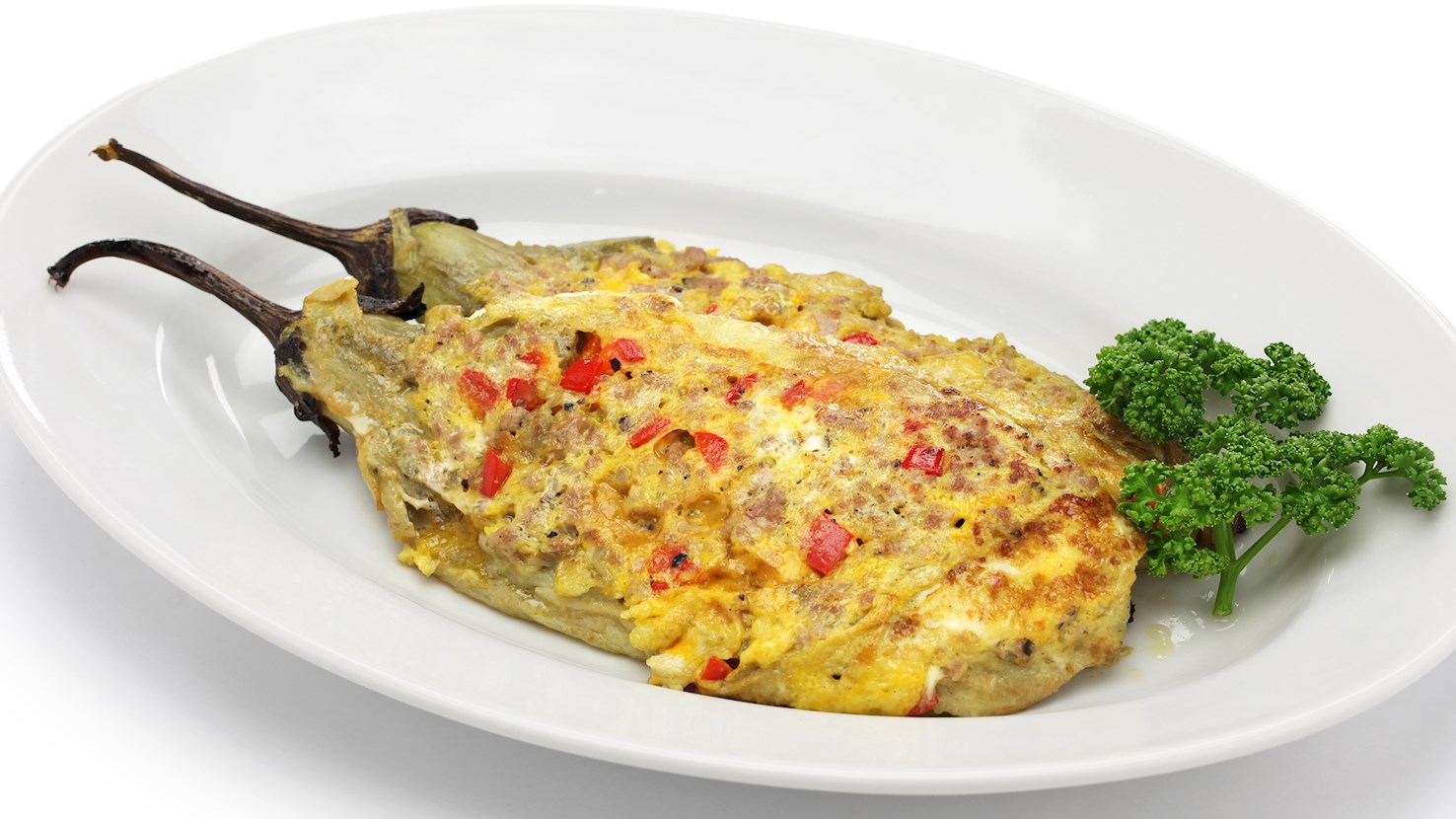
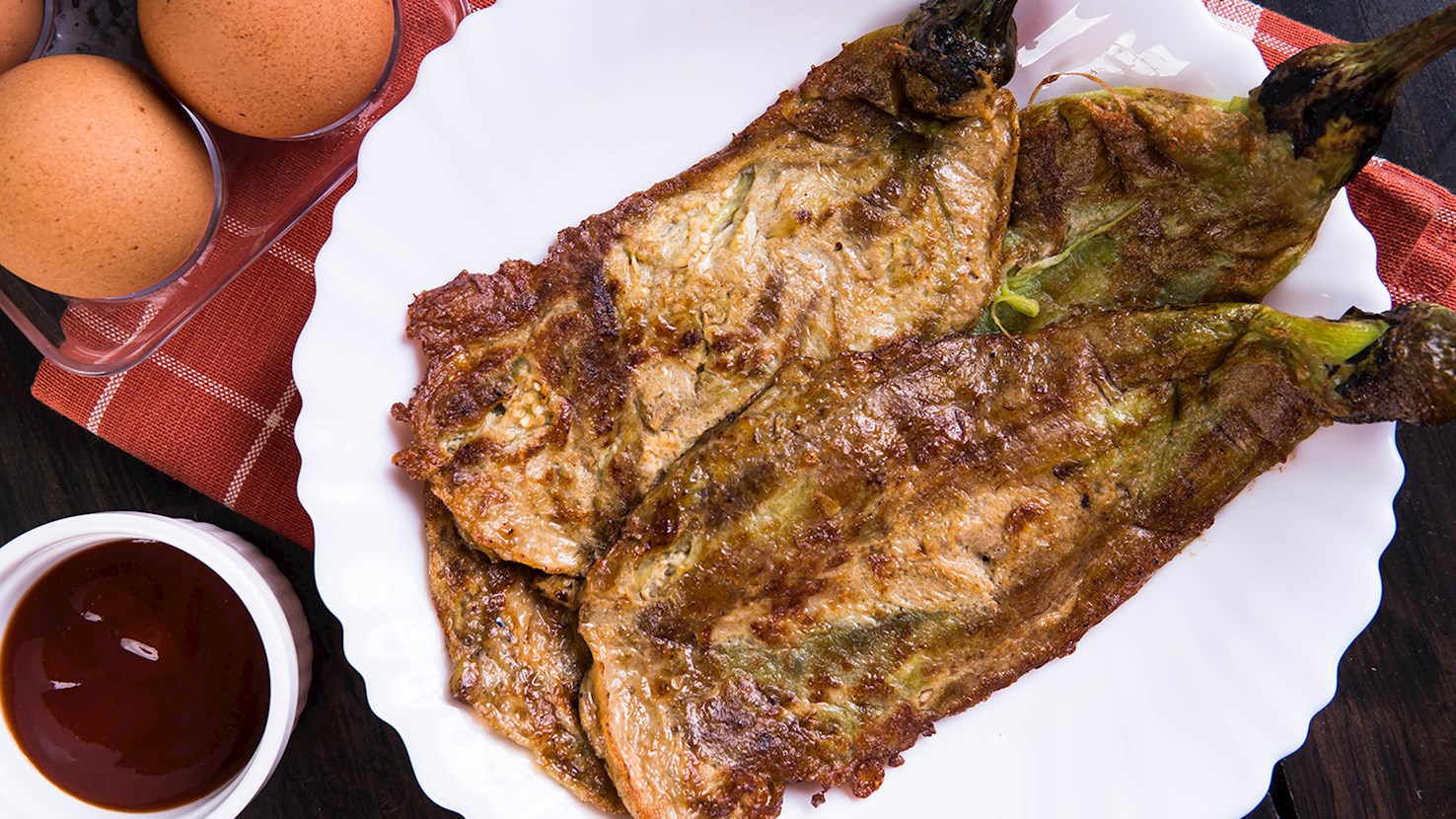
Tortang talong is a simple Filipino dish made with a combination of roasted eggplants and lightly beaten eggs. Whole eggplants are dipped into the egg mixture and are then shortly pan-fried until the entire dish starts to resemble a crispy omelet. This versatile delicacy is easily adapted with additional ingredients such as ground meat and vegetables, and it is traditionally served accompanied by steamed rice and tomato or banana ketchup. Inexpensive and quickly prepared, tortang talong can be enjoyed at any time of day as a hearty breakfast, lunch, or dinner.
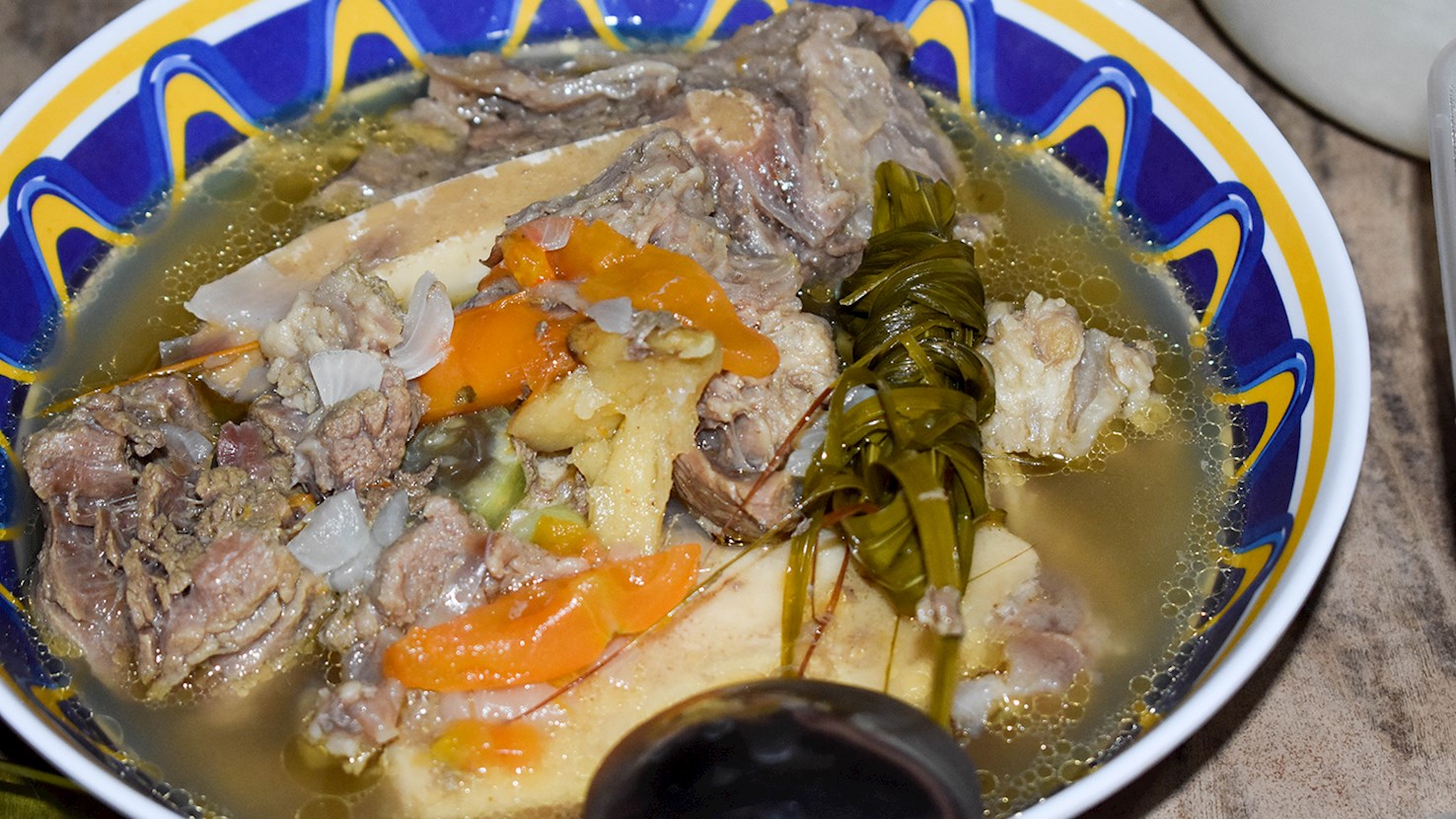
Lauya is a comforting Filipino dish which may consist of chicken, pork, or beef that is slowly stewed in a flavorful broth alongside various spices. It appears in many regional varieties and often includes different vegetables such as cabbage, carrots, and potatoes. The meat is usually left on the bone and it is occasionally shortly smoked before being cooked. Lauya is the perfect example of traditional Filipino comfort food, always served hot and typically enjoyed with plain steamed rice on the side.
TasteAtlas food rankings are based on the ratings of the TasteAtlas audience, with a series of mechanisms that recognize real users and that ignore bot,
nationalist or local patriotic ratings, and give additional value to the ratings of users that the system recognizes as knowledgeable.
TasteAtlas Rankings should not be seen as the final global conclusion about food. Their purpose is to promote excellent local foods,
instill pride in traditional dishes, and arouse curiosity about dishes you haven’t tried.



What People Say