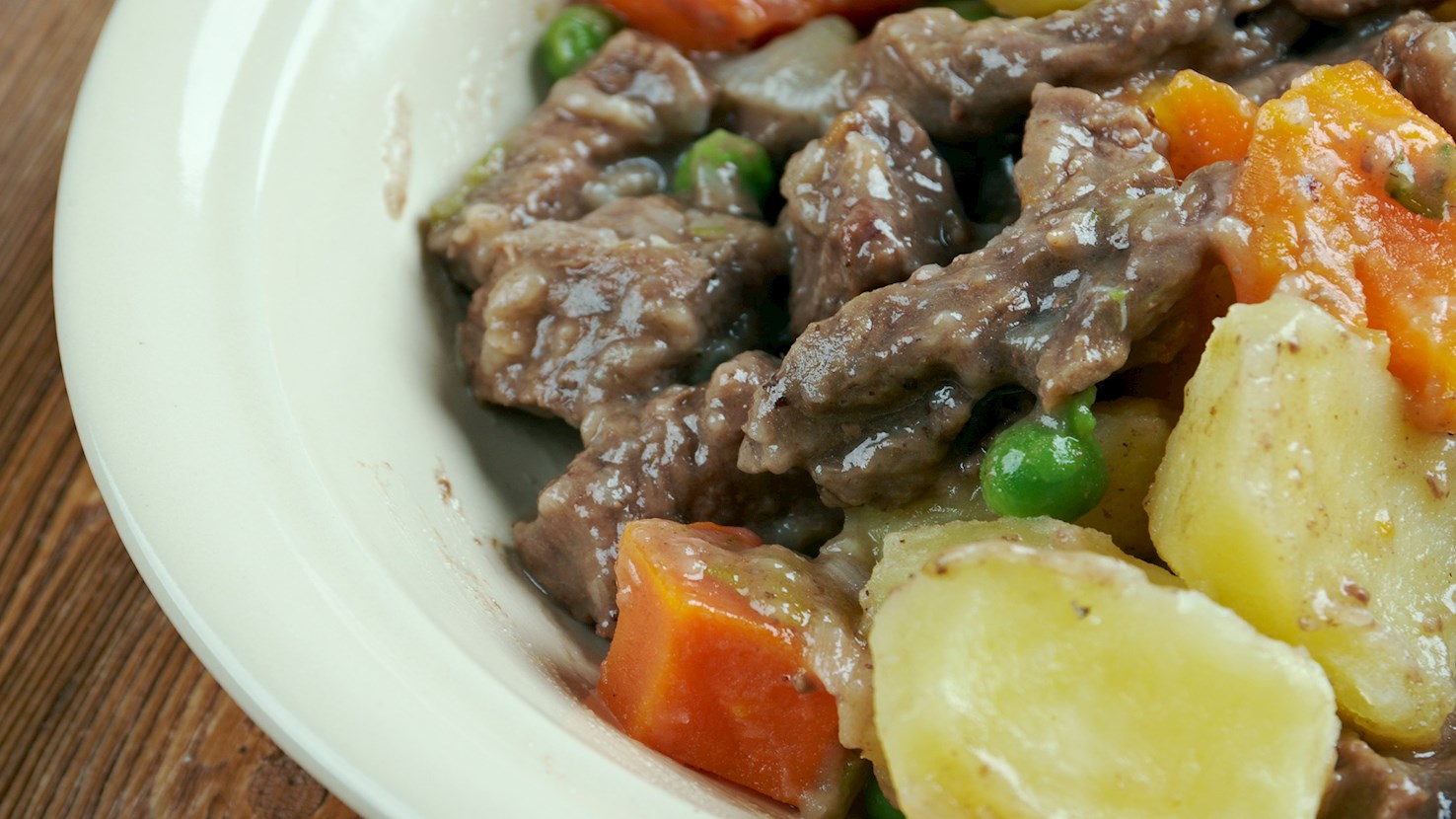
Scouse is a hearty meat and vegetable stew that is traditionally served with bread on the side, typically used to mop up all of the flavorful juices. Although it is a comfort food staple in Liverpool, many people believe that it is either based on Irish stew or on a Norwegian dish called lapskaus. Regardless of the origins, scouse became a favorite of local sailors in Liverpool, and today it can be found in numerous pubs and cafés throughout the city.
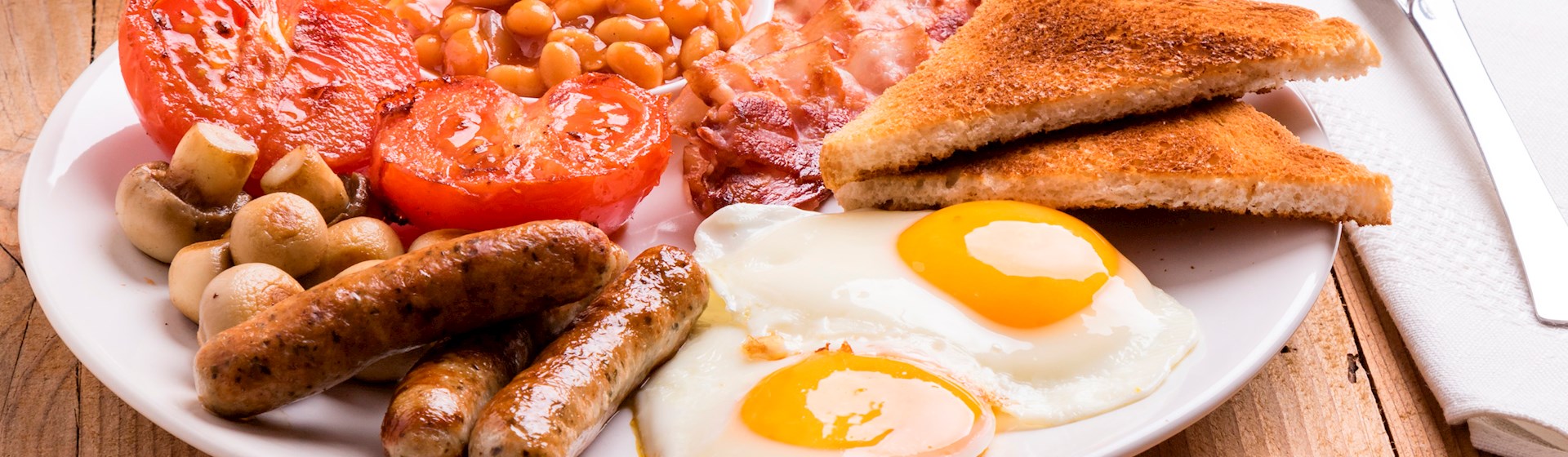
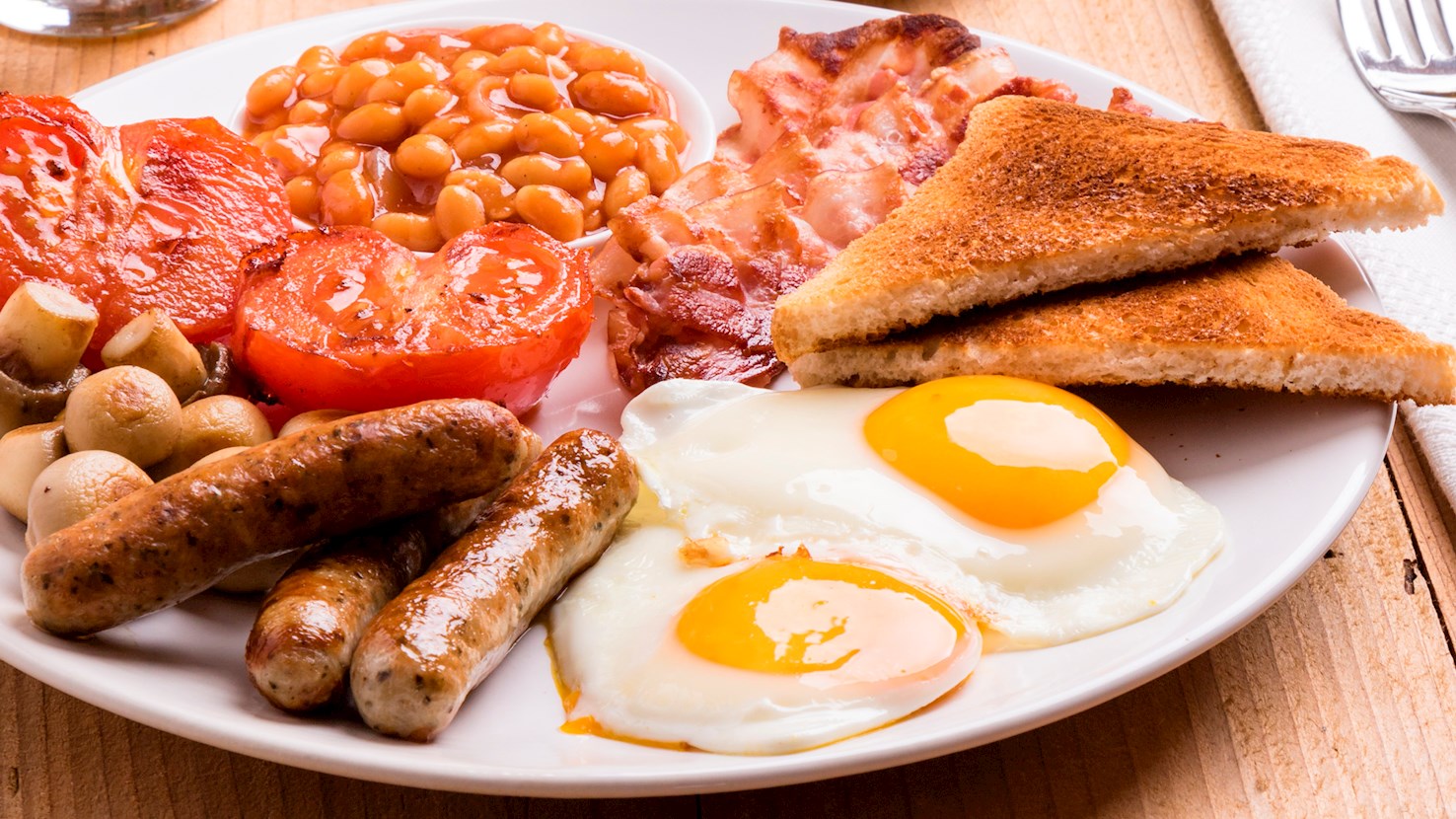
Also known as the full breakfast, this traditional British dish appears everywhere with a few essentials and some regional additions. First, there is the meat – usually a combination of sausages and bacon. The sausage is plain pork sausage, while the bacon can be streaky or back bacon. Then there are vegetables and legumes – baked beans and tomatoes, both cooked over high heat. The balance of sweetness and acidity in the tomatoes nicely balances out the fattiness on the other side of the plate. Lastly, there is a crispy piece of fried bread and two or three over-easy eggs to tie the whole meal together. Alongside this hearty breakfast, you will usually find a cup of tea, ketchup or brown sauce, and a nice fruit jam. Optionally, black pudding, kidneys, mushrooms, and potatoes can be added to the fry-up, depending on personal taste and regional preferences. Although it is traditionally a breakfast dish, a full English breakfast is more than hearty enough to serve as a mid-day meal.
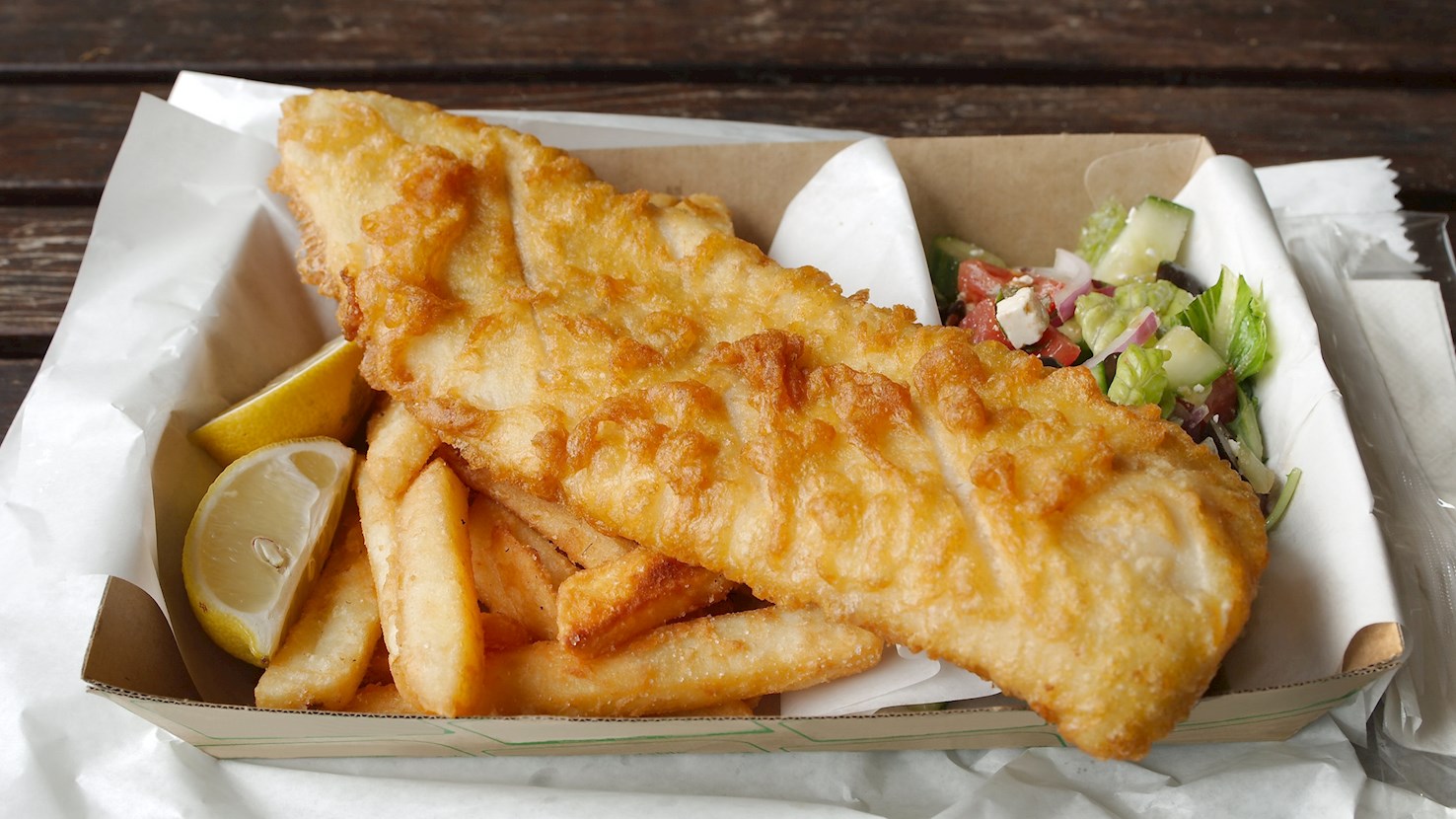
Most Brits would agree that there is nothing more British than fish and chips. This comforting, widely loved national dish consists of a freshly fried, hot, white fish fillet and large, sliced and fried potatoes. Cod, haddock, and flounder are the most common types of fish that is fried for the dish, and the customers can choose which type of fish they want, with cod being the most popular choice. The fillets get dipped in a batter made from eggs, milk, and flour, and are then fried in oil, lard, or beef drippings along with the potatoes. The origins of this dish go back to the 17th century, when potatoes were fried as a substitute for fish in the winter months, while fried fish was introduced into the country by Jewish refugees. Fish and chips are a favorite takeaway dish, with numerous chippies (fish and chips shops) popping up all over the country and offering a few accompaniments and sides, such as salt, vinegar, mushy peas, curry sauce, ketchup, brown sauce, and a cup of sweet, milky tea. Traditionally, the dish is served wrapped in greaseproof paper and a layer of newspaper in order to make eating outside easier, and if you want to do as the Brits do, it is the only acceptable way to eat it. Interestingly, in Yorkshire, a cup of tea is the perfect beverage pairing for fish and chips.
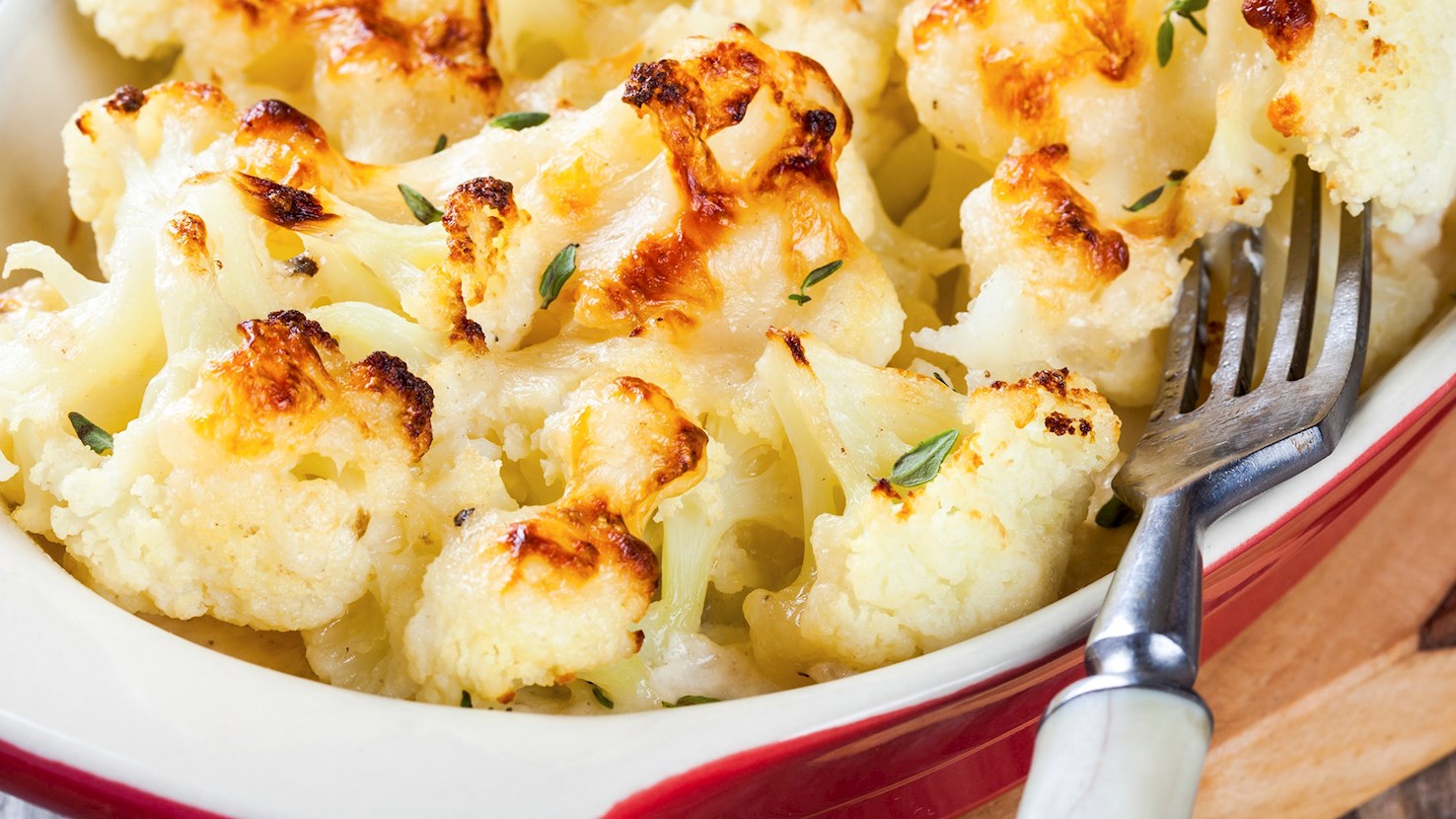
Cauliflower cheese is a traditional dish consisting of boiled cauliflower florets doused in a sauce made from flour, milk, butter, nutmeg, and mature cheeses such as cheddar. The whole concoction is then baked in the oven and can be served either as a vegetarian main meal or as a flavorful side dish, accompanying roast meat and potatoes. It is believed that cauliflower cheese was first prepared in the 17th century, when the vegetable was first introduced to the United Kingdom. Today, the dish is also popular as a pre-made baby food.
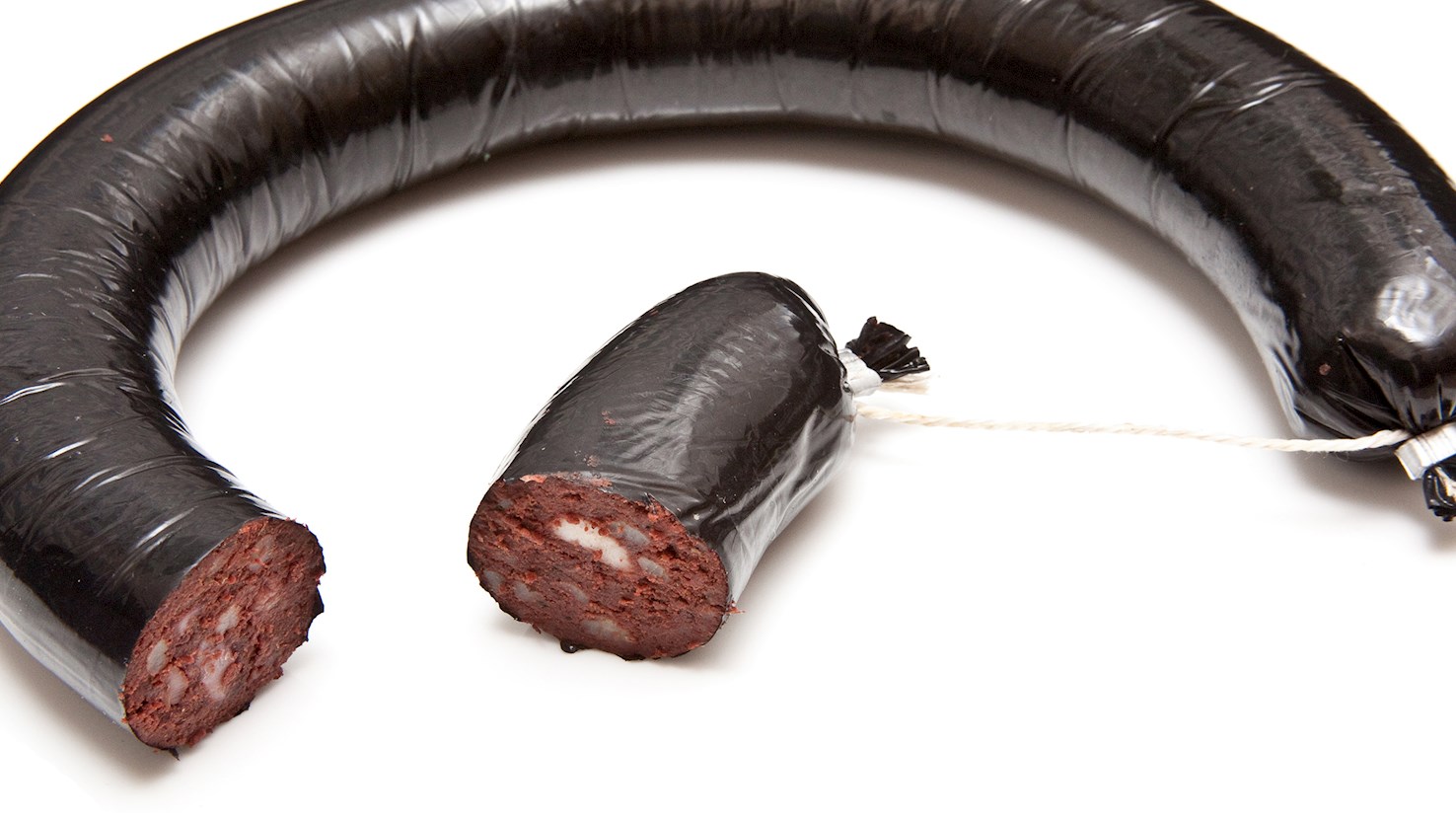
Black pudding is a type of blood sausage that originates from the British Isles, though similar versions exist across Europe. It is made by combining pig’s blood with fat or suet and a filler such as oatmeal or barley, then seasoning it with herbs and spices before being encased and cooked. The dish has long been considered both a practical way to use every part of the animal and a source of nourishment. Evidence suggests that blood sausages were made in many early agrarian societies, and the version that became black pudding became firmly established in the diets of rural communities where livestock was central to survival. To prepare black pudding, the blood is mixed with binders and seasonings such as pepper, onions, and sometimes allspice or cloves, depending on regional preferences. The mixture is stuffed into casings, simmered until firm, and then cooled. It can be sliced and fried, grilled, or crumbled into other dishes. In Ireland and the UK, it is often made with oats, lending it a distinctive texture and earthy taste. Some versions from continental Europe lean more toward smooth fillings with rice or other grains, but the British Isles’ variety is especially defined by its hearty consistency and savory balance. Today, black pudding is widely eaten in many ways. It is a classic part of a full Irish or English breakfast, fried and served alongside eggs, bacon, and toast. It can also be included in more elaborate meals, such as crumbled into stews, folded into potato dishes, or paired with scallops in modern restaurant cooking. The sausage pairs well with strong flavors, including mustard, apples, and sharp sauces that cut through its richness, and it is equally at home in rustic kitchens or on fine dining menus.
It is believed that this classic English dessert was invented at the London's Chelsea Bun House in the 18th century. The bun is made with a rich egg-based yeast dough flavored with lemon peel, and either cinnamon or mixed spice. Before baking, the dough is smeared with a combination of butter, brown sugar and currants. A perfect tea-time treat, Chelsea bun is typically enjoyed warm, cut into slices and smeared with even more butter.
TasteAtlas food rankings are based on the ratings of the TasteAtlas audience, with a series of mechanisms that recognize real users and that ignore bot,
nationalist or local patriotic ratings, and give additional value to the ratings of users that the system recognizes as knowledgeable.
TasteAtlas Rankings should not be seen as the final global conclusion about food. Their purpose is to promote excellent local foods,
instill pride in traditional dishes, and arouse curiosity about dishes you haven’t tried.




What People Say