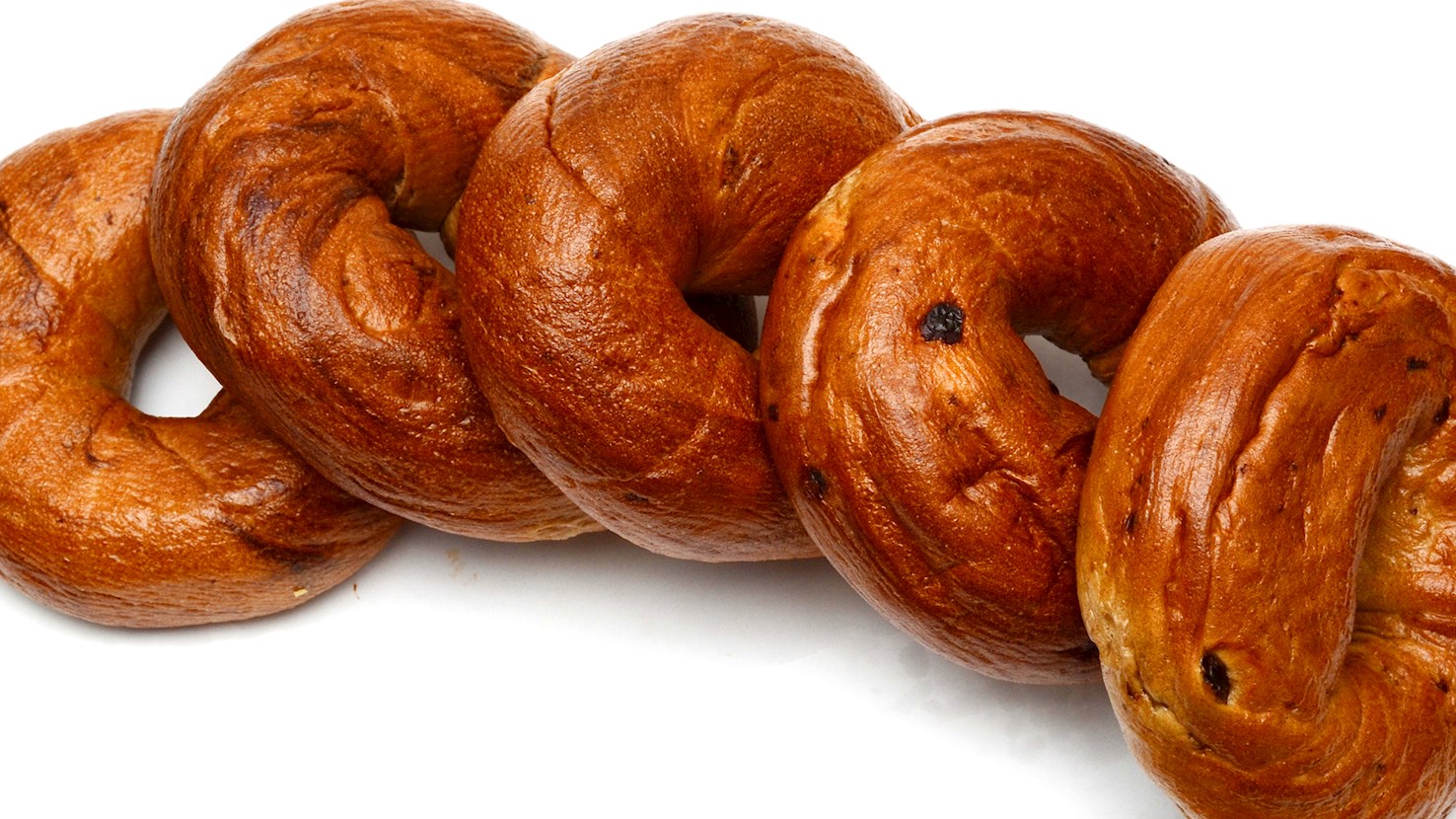
Buccellato is a popular Tuscan sweet bread that is a specialty of the province of Lucca. It was invented in 1450 by the local confectioners for the well-off people. Although it was mostly prepared for church confirmations in the past, today it is an everyday food staple in the region. Simple, yet flavorful, the modern buccellato is usually prepared in the shape of a ring, its interior tender, sweet, and filled with raisins and aniseed, while the exterior is coated with a combination of sugar and eggs, giving it a nice glistening sheen.
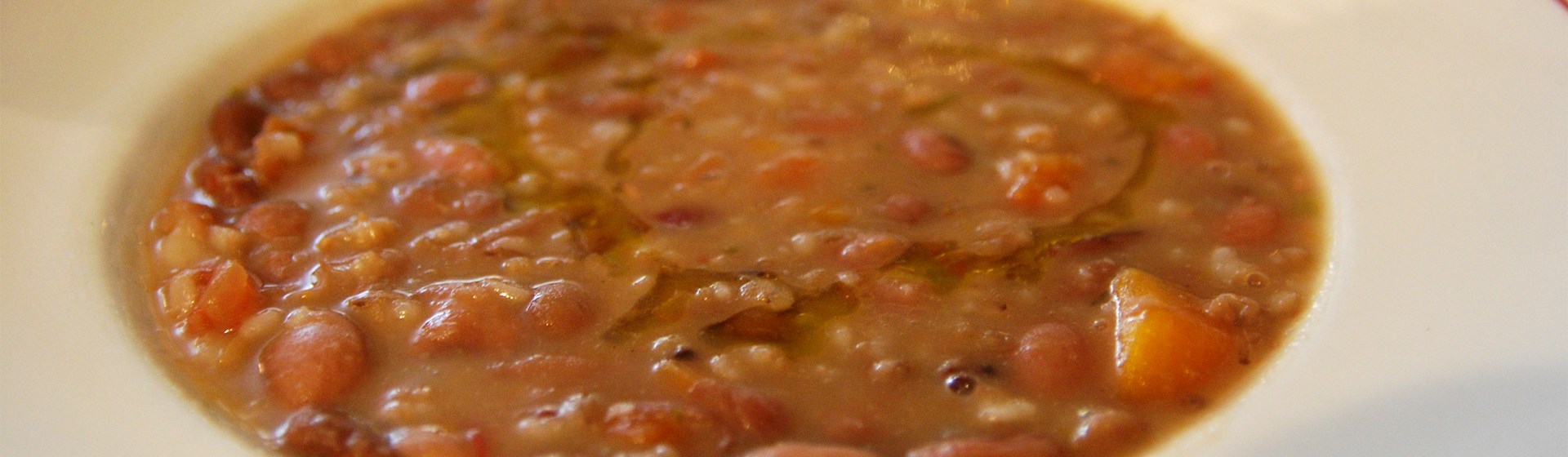
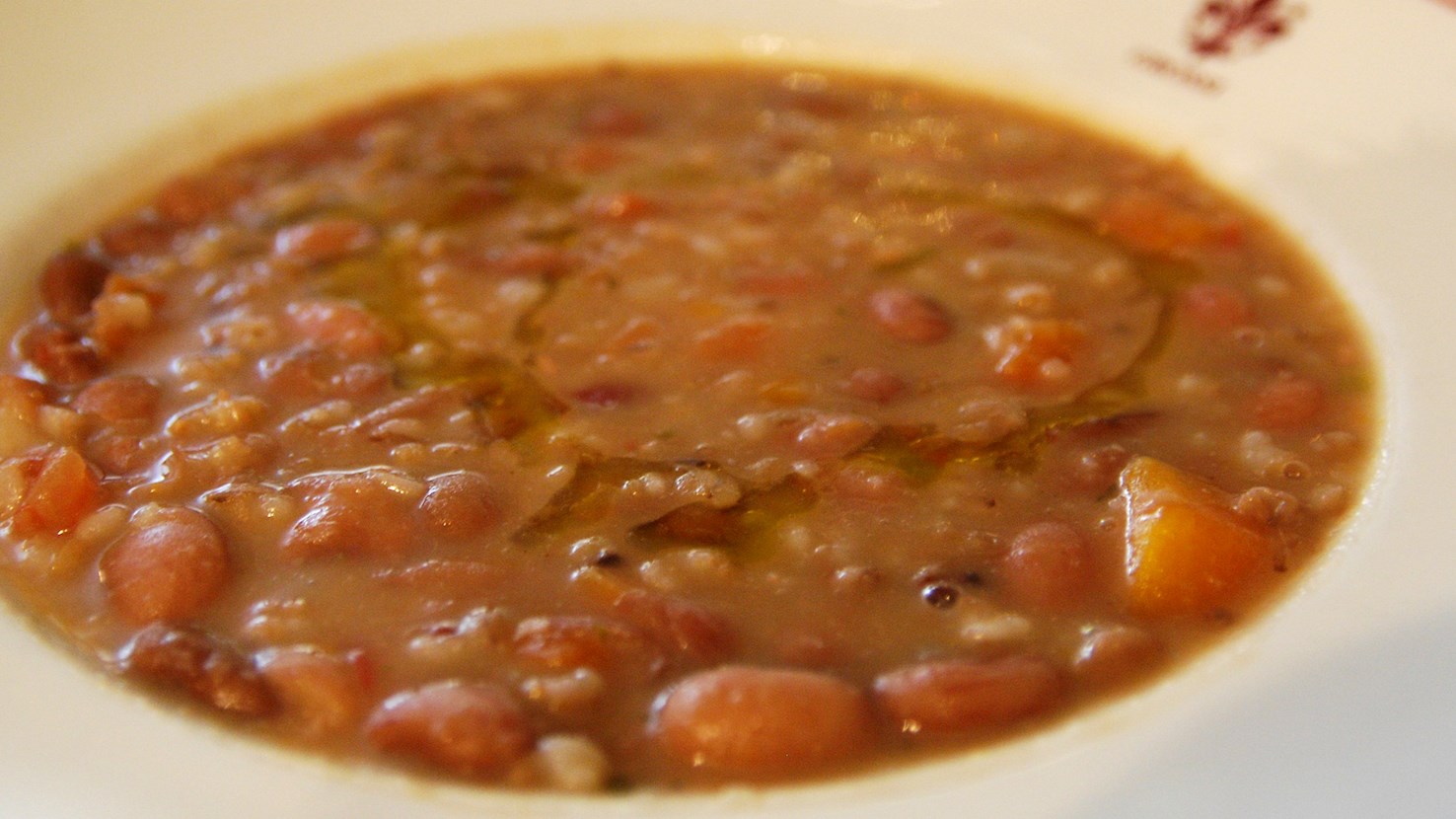
Minestra di farro (also known as zuppa di farro) is an ancient cucina povera winter soup prepared throughout Italy, particularly in the regions of Tuscany, Umbria, and Lazio, where farro has been grown for centuries. Farro's nutty flavor and a pleasantly chewy bite make it a perfect addition to soups. In its basic version, minestra di farro consists of pancetta, onions, carrots, celery, meat stock, tomatoes, and farro. The usual seasonings and flavorings include salt, pepper, garlic, and aromatic herbs, while some recipes suggest the addition of dried borlotti beans, soaked overnight and cooked the next day. Cold winter days are a perfect occasion to simmer up a pot of this bone-warmer: it is best enjoyed hot, finished with a drizzle of extra virgin olive oil and accompanied by a glass of red wine.
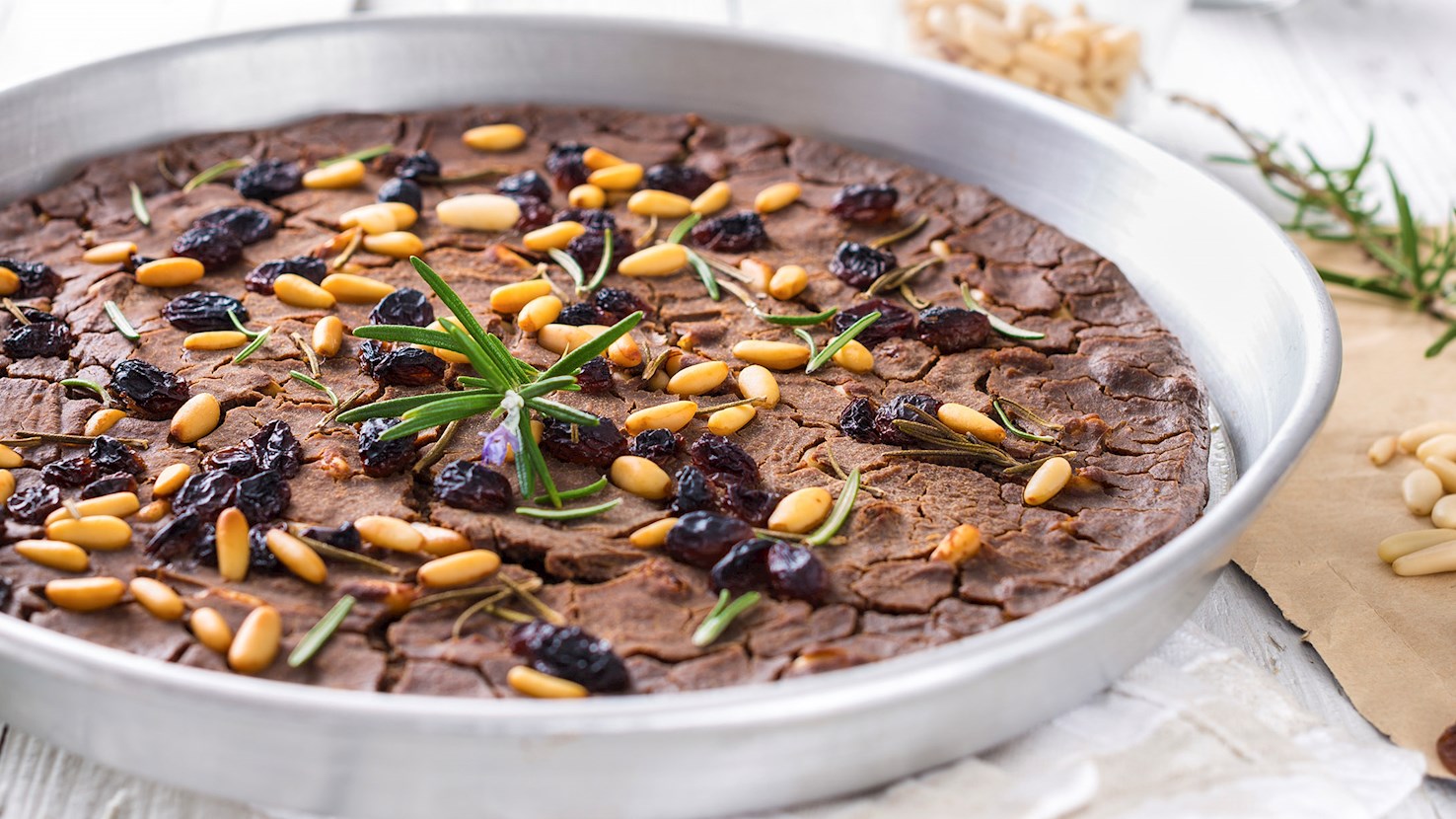
This traditional Italian chestnut cake is prepared with chestnut flour, olive oil, rosemary, raisins, and (occasionally) pine nuts. The recipe does not call for any other type of flour or sugar, making this cake a gluten-free and sugar-free delicacy. Some varieties may use other dried fruits, but the traditional version only includes raisins. All the ingredients used in castagnaccio create a dense, not overly sweet cake with a crunchy exterior and chewy interior. Originally, the cake was created as a poor man's dessert and was prepared seasonally, most commonly in winter months, when chestnuts are at their peak. Castagnaccio has been present in Italian culinary history since Roman times, with Tuscany believed to be the place of its origin. The cake is best when made with local ingredients, and it is typically paired with Italian dessert wines.
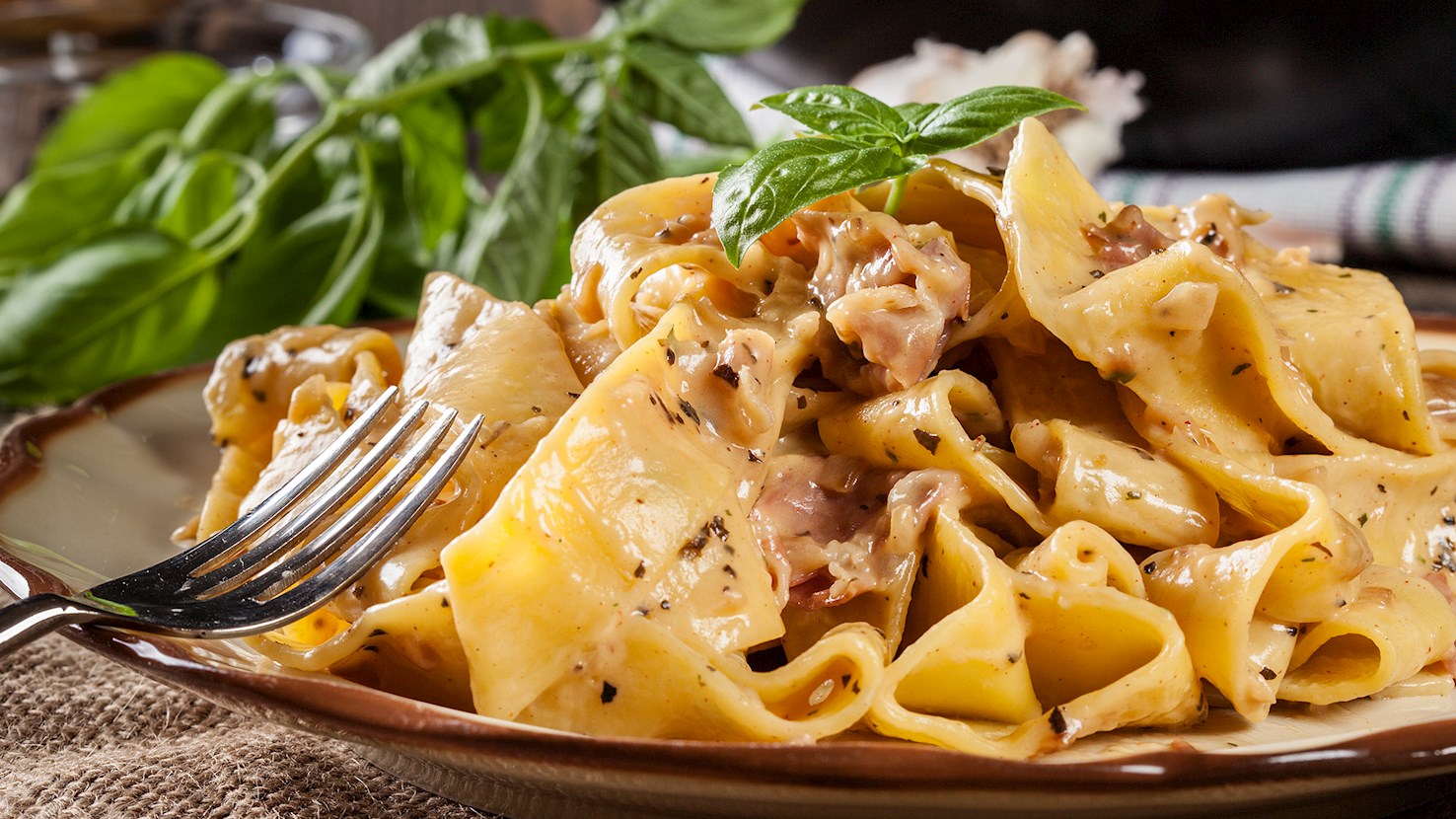
Pappardelle alla lepre is an ancient Tuscan dish – allegedly, Boccaccio himself was impressed with these pasta ribbons which are cooked in broth and flavored with hare meat. The preparation of this rich dish is time-consuming – the hare must be marinated in wine, vinegar, and aromatic herbs in order to develop the flavor and eliminate the strong gamey smell, and it is then slowly simmered with chopped onions, carrots, celery, wine, tomatoes, bay leaves, salt, pepper, and stock. Interestingly, the original name of this dish was pappardelle sulla lepre, meaning pappardelle on top of the hare, allegedly due to the fact that it was once much easier to find the hare than eggs or flour – so the typical plate used to contain lots of meat and only a few ribbons of pasta. Even though the times have changed, that just may be the reason why (in Tuscany) papardelle are traditionally placed on top of the sauce and not the other way around. Due to their complex flavor, pappardelle alla lepre pair especially well with full-bodied red wines.
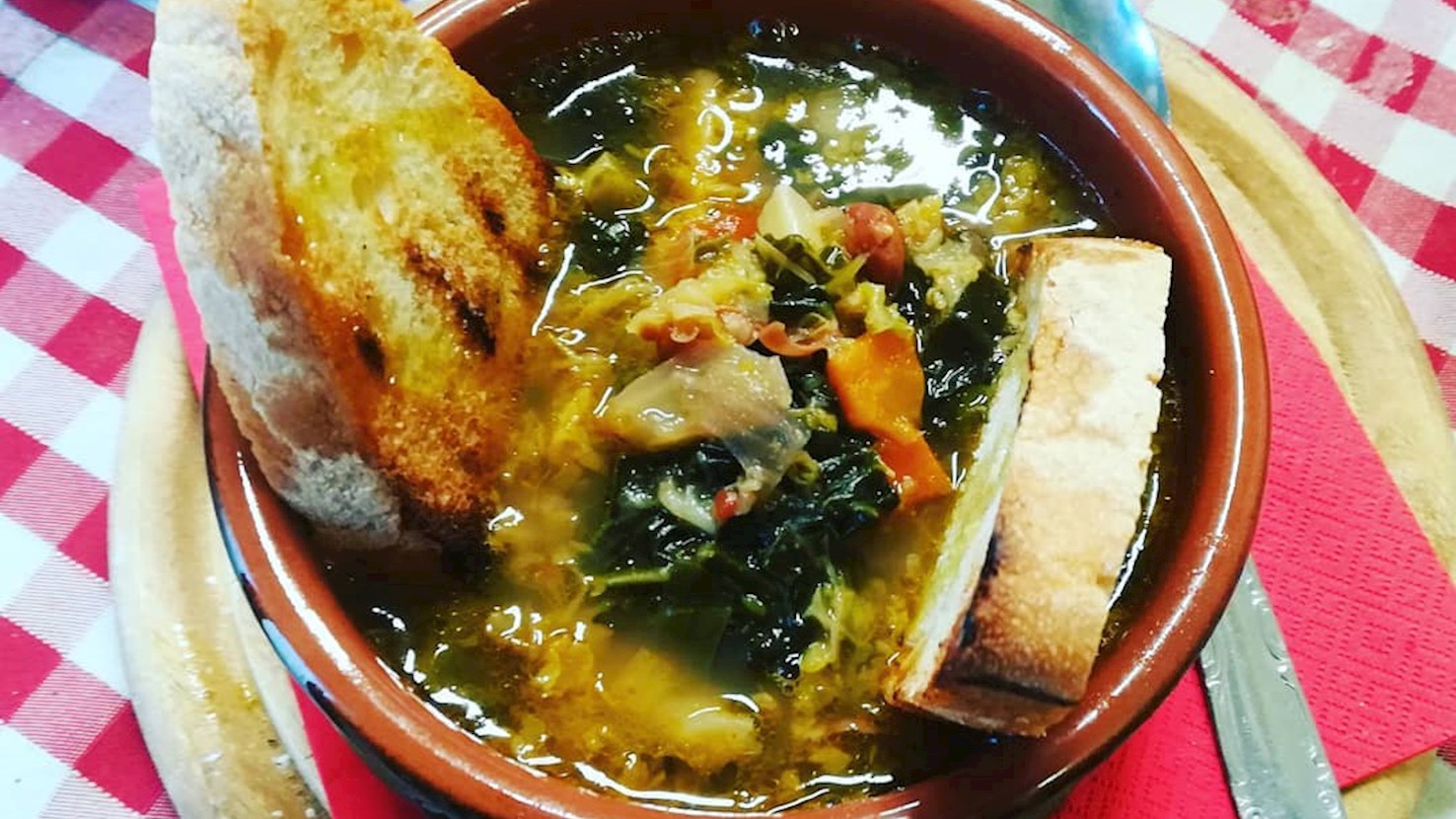
Frantoiana is a traditional Tuscan soup. It's usually made with borlotti beans, lard, mountain herbs, parsley, leeks, pumpkin, potatoes, white cabbage, black cabbage (cavolo nero), zucchini, basil, carrots, celery, onions, garlic, hot peppers, fennel seeds, stale bread, and extra-virgin olive oil. However, the ingredients are not fixed and they should be seasonal, depending on what's fresh in the market or depending on the cook's personal preferences. The olive oil used in the soup is traditionally the one produced in the hills near Lucca, and it should be extra virgin from the first pressing. In order to prepare the soup, the vegetables should be chopped and simmered with oil and herbs. Beans and water are added to the pot, and the toasted stale bread is added only when the vegetables have become tender. Frantoiana is usually served in a crock pot and it's seasoned with olive oil and pepper. If there are any leftovers, they make for a great meal, and the soup can also be eaten cold. Frantoiana is especially popular in fall during the olive harvest. The name is derived from frantoio, meaning oil press.
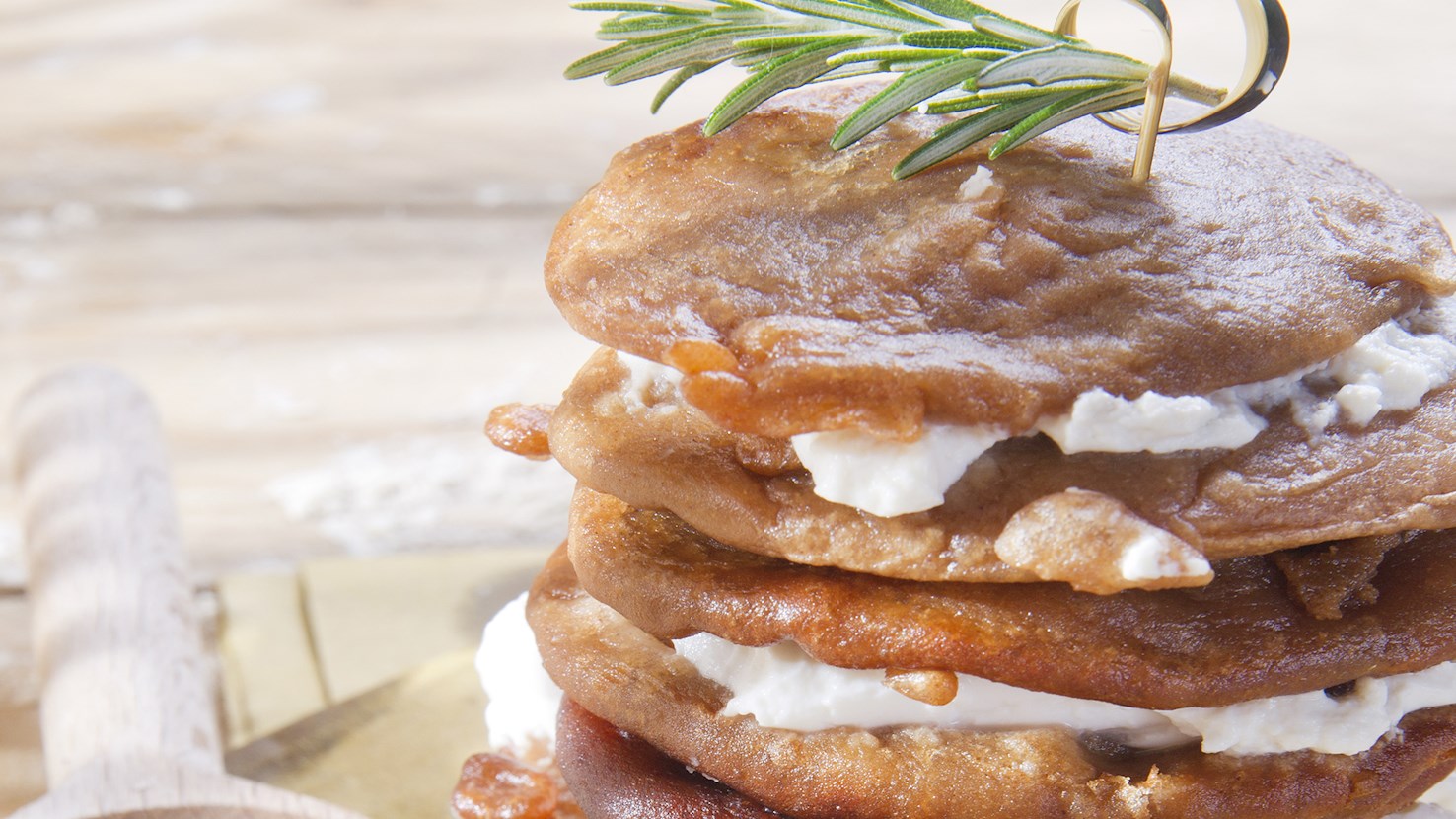
Necci are thin Italian pancakes made from a batter of chestnut flour and water. The pancakes are usually consumed on their own or filled with ingredients such as pancetta, ricotta cheese, sausage, chocolate, honey, or sugar. Necci are a traditional snack of the Tuscany region, and they are characterized by their crispy edges, a result of baking the pancakes in flat, cast-iron pans called testi.
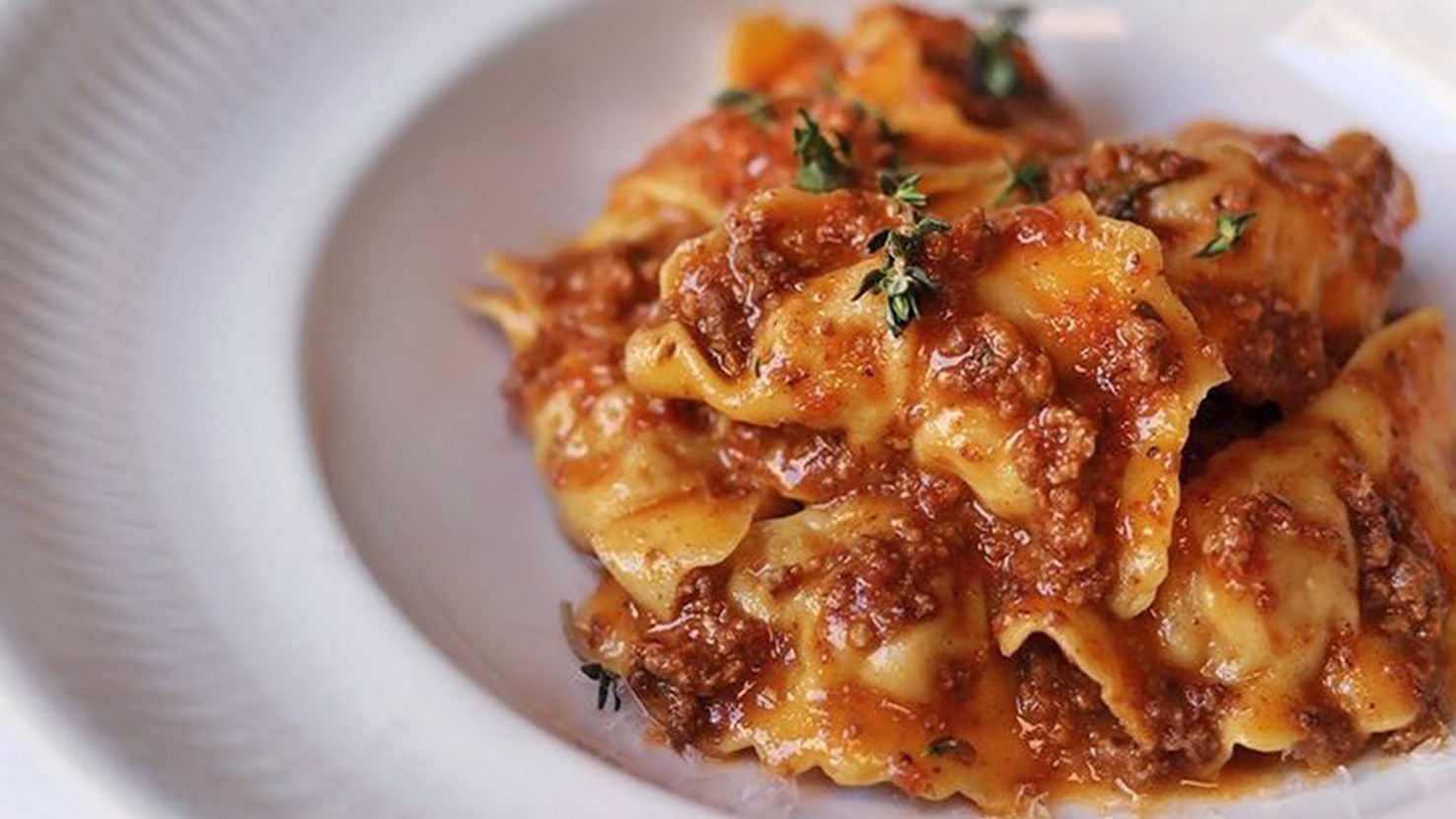
Tordelli Lucchese is a traditional pasta dish hailing from Lucca, Tuscany. The pasta is made from flour and eggs and it's similar to ravioli. It's filled with beef or pork, Swiss chard, pine nuts, raisins, bread, spices, and grated cheese. In Lucca, the tordelli are semi-circular in shape, and once prepared, they are combined with a rich and hearty meat sauce made with onions, carrots, celery, beef, pork, garlic, pancetta, sage, cinnamon, nutmeg, red wine, tomatoes, and olive oil. When served, tordelli Lucchese are traditionally sprinkled with grated parmesan cheese on top. The dish should always be served hot, and it can be found in most local restaurants.
TasteAtlas food rankings are based on the ratings of the TasteAtlas audience, with a series of mechanisms that recognize real users and that ignore bot,
nationalist or local patriotic ratings, and give additional value to the ratings of users that the system recognizes as knowledgeable.
TasteAtlas Rankings should not be seen as the final global conclusion about food. Their purpose is to promote excellent local foods,
instill pride in traditional dishes, and arouse curiosity about dishes you haven’t tried.



What People Say