

shutterstock

3 Traditional Foods
You Have To Try in Mabalacat

Last updated on July 17, 2026
01

Kare-kare

4.0 ·

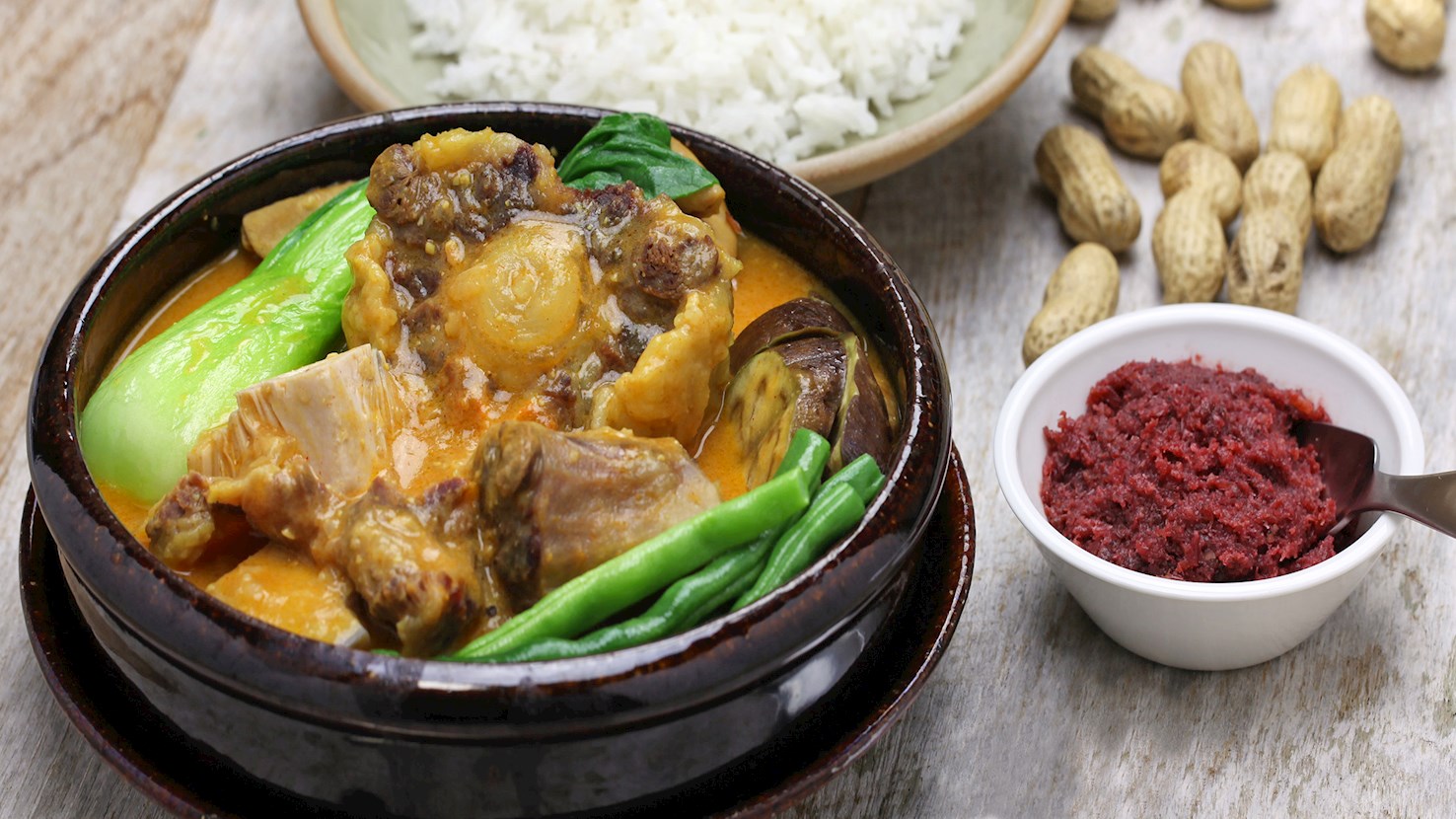
Kare-kare is a traditional stew consisting of meat such as tripe, pork leg, ox tail, goat or chicken, vegetables, and a thick, savory peanut sauce flavored with annatto seeds. Shrimp paste (bagoong) is often served on the side in order to enhance the flavors of the dish. Kare-kare is traditionally cooked in a clay cooking pot known as palayok, and the vessel also acts as a serving bowl once the dish is properly cooked. Nowadays, it is often served at numerous Filipino festivities. Some believe that kare-kare has origins in the Pampanga region, while others claim that the name of the dish is derived from the Indian word curry, and that it was introduced to the Philippines by Indians from the Rizal province. Over the years, the dish has evolved, so some cooks like to add chilis or green papaya for an extra kick, although the traditional kare-kare sauce should ideally be devoid of seasonings, spices, and chilis. Regardless of the origins of kare-kare, it is still a favorite dish among the natives.

02

Pancit

3.8 ·

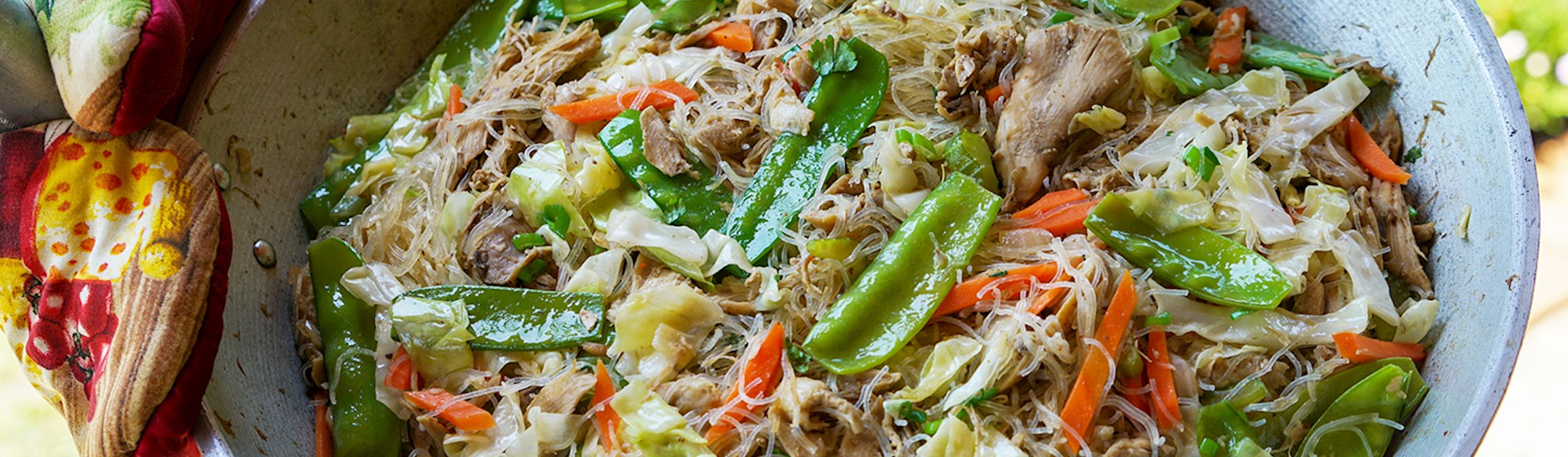
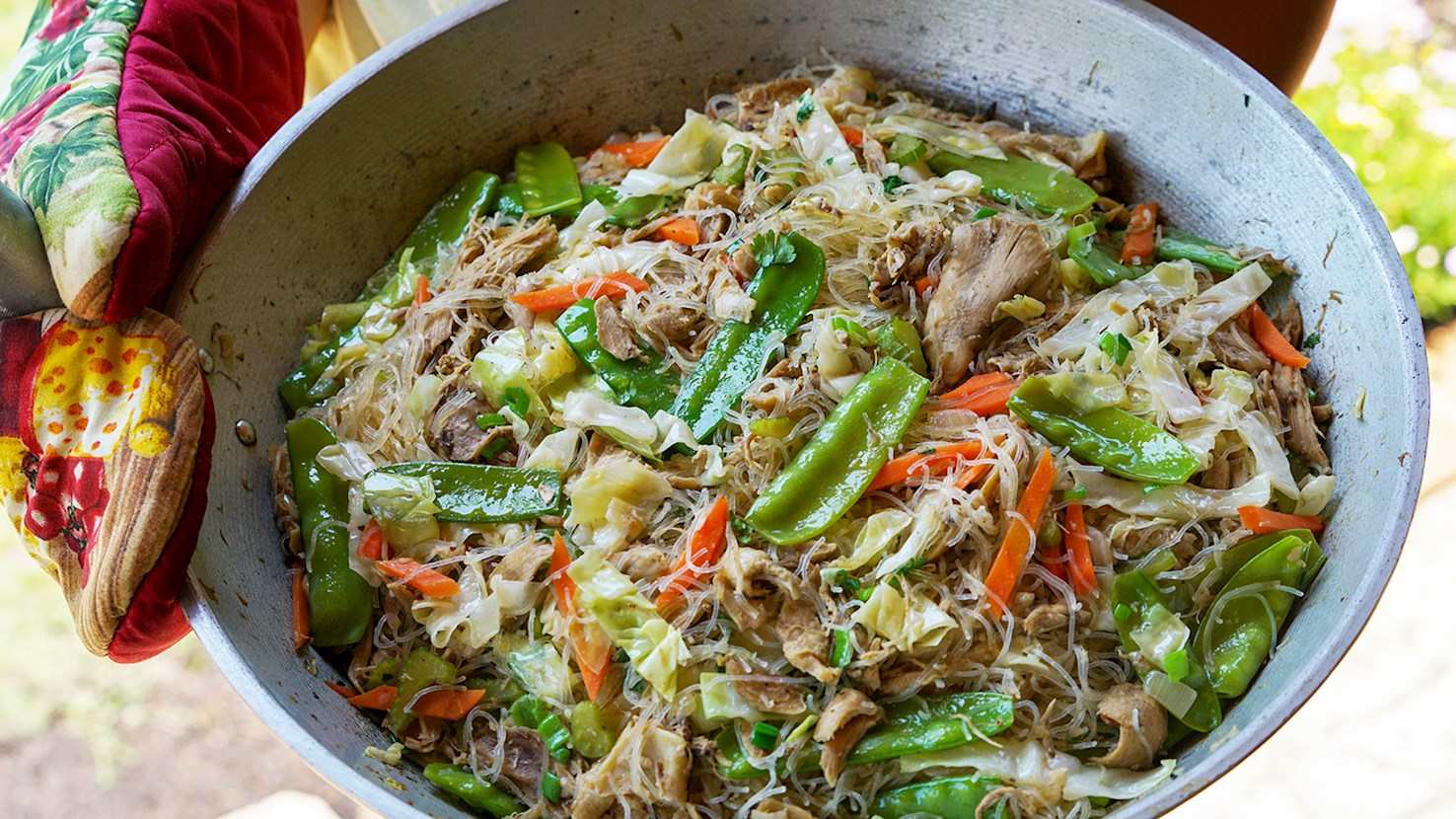
Pancit is a staple Filipino dish found at numerous feasts and celebrations, consisting of stir-fried noodles with meat and vegetables such as chicken, pork, shrimp, celery, carrots, onions, garlic, and cabbage. The dish has Chinese origins, and the name of the dish is derived from the Hokkien phrase pian i sit, meaning something convenient, cooked fast. Over time, pancit evolved and became a signature Filipino dish, so today, there are numerous variations of pancit such as pancit canton and pancit bihon. Egg noodles are used for pancit canton, while thin, translucent rice noodles are used for pancit bihon. The dishes are often prepared for birthday celebrations as they symbolize longevity and health according to ancient Filipino superstitions.

03

Pancit palabok

4.0 ·

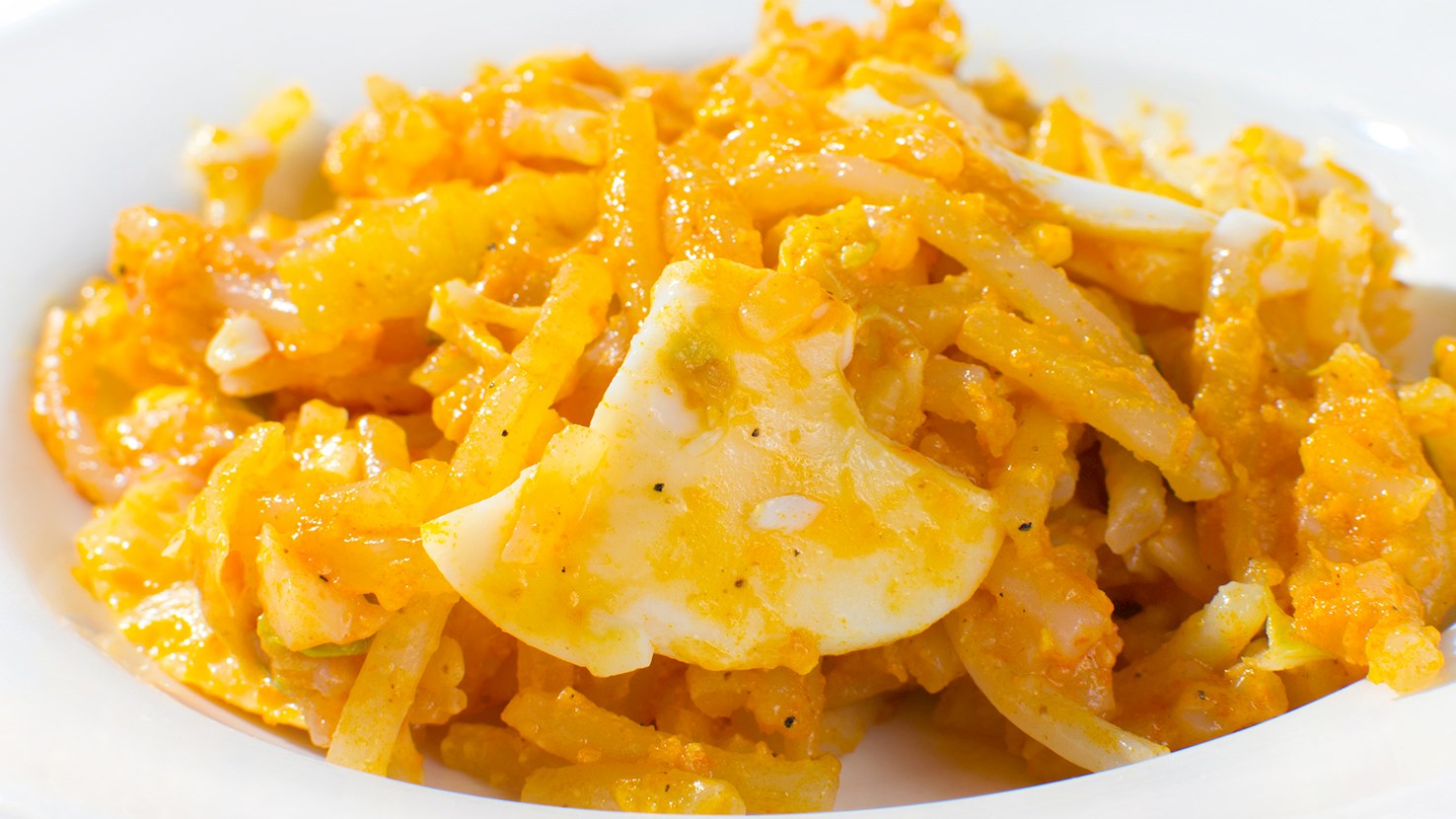
Pancit palabok is a traditional dish consisting of thin rice noodles doused in a creamy shrimp-infused sauce and complemented with various toppings such as hard-boiled eggs, pork cracklings, shrimps, pork, fish flakes, and scallions. This classic is one of the most famous varieties of the traditional pancit dishes and it is considered to be an authentic Filipino invention, unlike other Chinese-influenced versions. Even though it is commonly prepared at many Filipino households, this national favorite is typically prepared for special and festive occasions.

About this Ranking

TasteAtlas food rankings are based on the ratings of the TasteAtlas audience, with a series of mechanisms that recognize real users and that ignore bot, nationalist or local patriotic ratings, and give additional value to the ratings of users that the system recognizes as knowledgeable.

TasteAtlas Rankings should not be seen as the final global conclusion about food. Their purpose is to promote excellent local foods, instill pride in traditional dishes, and arouse curiosity about dishes you haven’t tried.

What People Say

Similar Lists