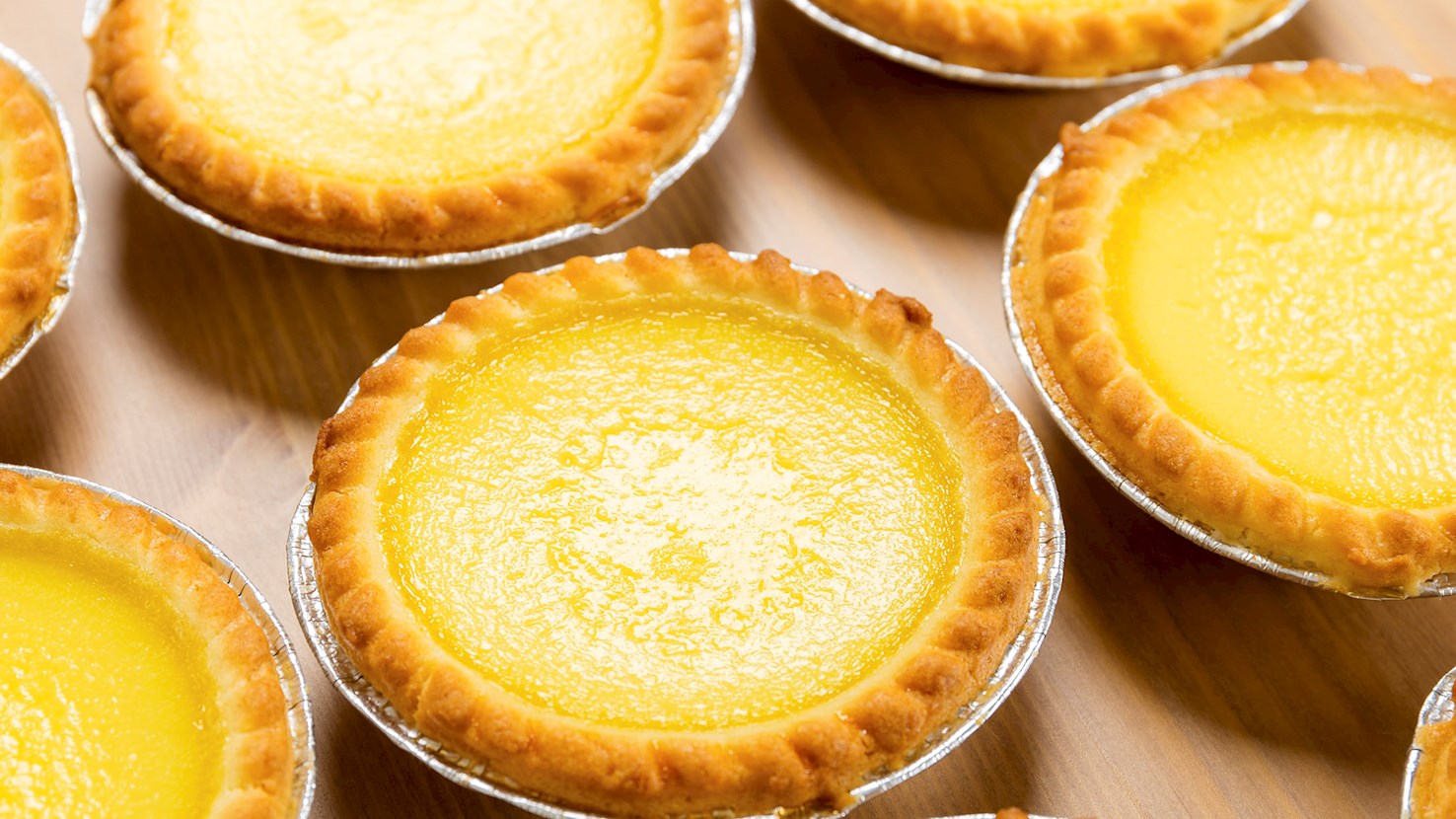
One of the most famous Chinese desserts is the classic egg tart, a delicious pastry consisting of a flaky outer shell with a creamy, but firm egg custard in the center. The origin of this traditional Chinese dessert is vague. It is believed that it grew out of Chinese contacts with western culinary traditions, but it is also likely that some form of an egg custard existed before the influence of the West. Chinese egg tart variety is believed to be a cross between the classic British egg custard, which is much creamier than the Chinese tart, and the famous Portuguese tarts, known as pastéis de nata, which are especially popular in Macau. Egg tarts first appeared in the Chinese region Guangdong, to eventually be taken to Hong Kong and Singapore where they also became one of the most beloved desserts. The main characteristic of the Chinese variety is the rich cream, which is firm and thick, with a strong and enhanced egg flavor. Both crumbly shortbread pastry (usually made with lard) and the crunchy puff pastry can be used as a shell. Occasionally, these tarts are flavored with ginger or green tea, and they should always be served warm, straight out of the oven. Egg tarts are the essential dessert of every dim sum meal, and a sweet delicacy commonly served in the Cantonese Asian restaurants. These tiny treats can also be found in traditional Chinese bakeries and coffee houses throughout the world.
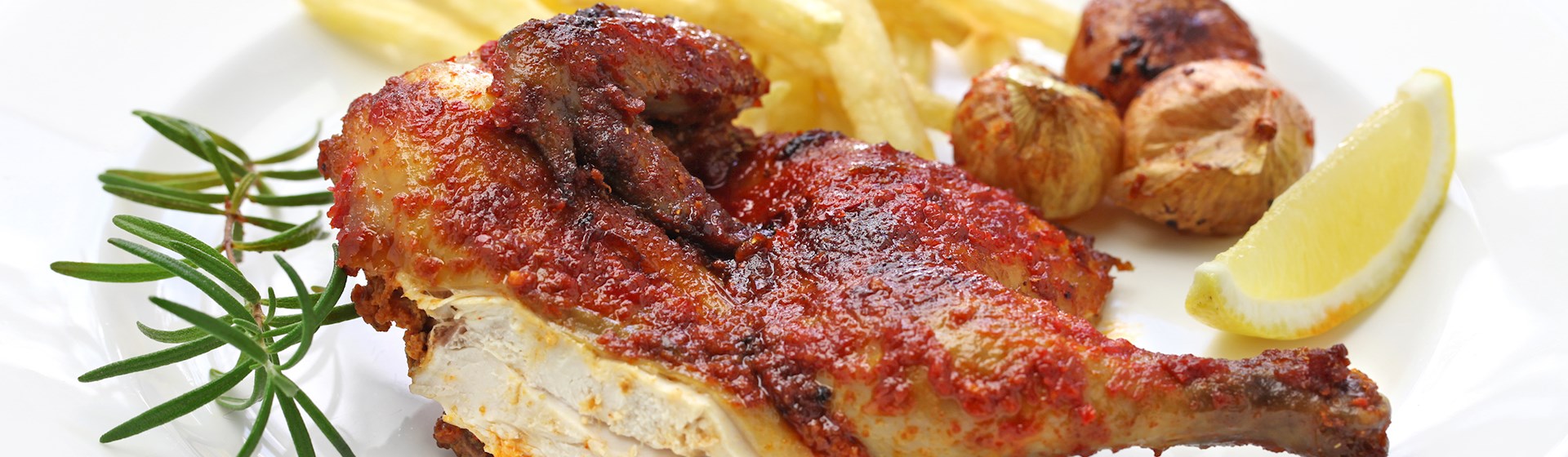
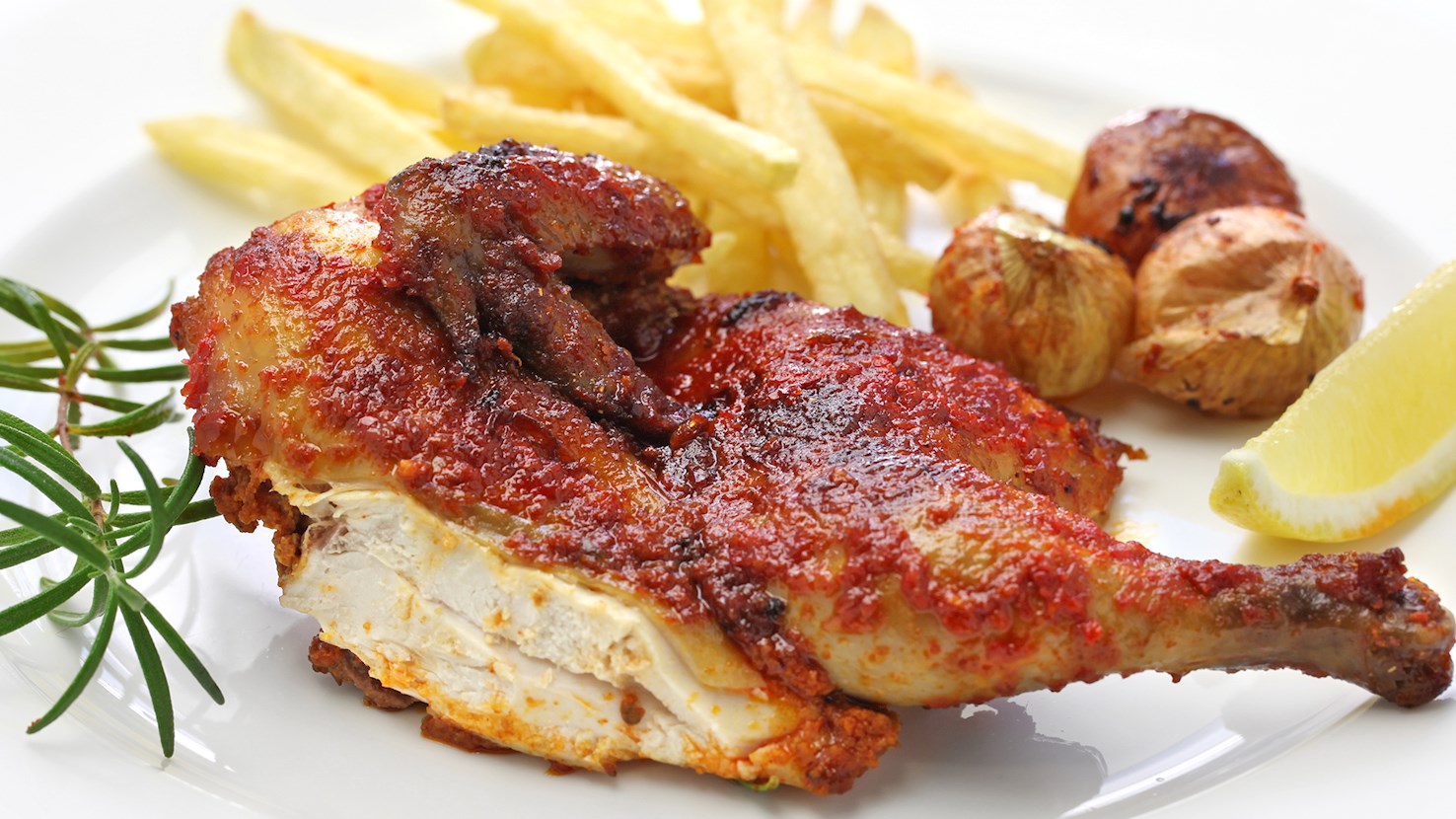
Influenced by African and Portuguese cuisine, galinha à Africana is a chicken dish traditionally associated with Macau. It is made with barbecued chicken that is coated with a spicy sauce usually consisting of peanuts, coconut milk, paprika, grated coconut, and shallots. Macau is a former Portuguese colony, and the story says that the dish was invented by Americo Angelo, a chef who assembled it by using ingredients that he found in Portuguese colonies in Africa. However, another theory says that the dish was initially made by Portuguese families located in Macau. Today, this flavorful dish is a staple in Macau, often prepared at home and found on the menus of traditional restaurants. It is quite popular to serve it with fresh potato chips on the side.
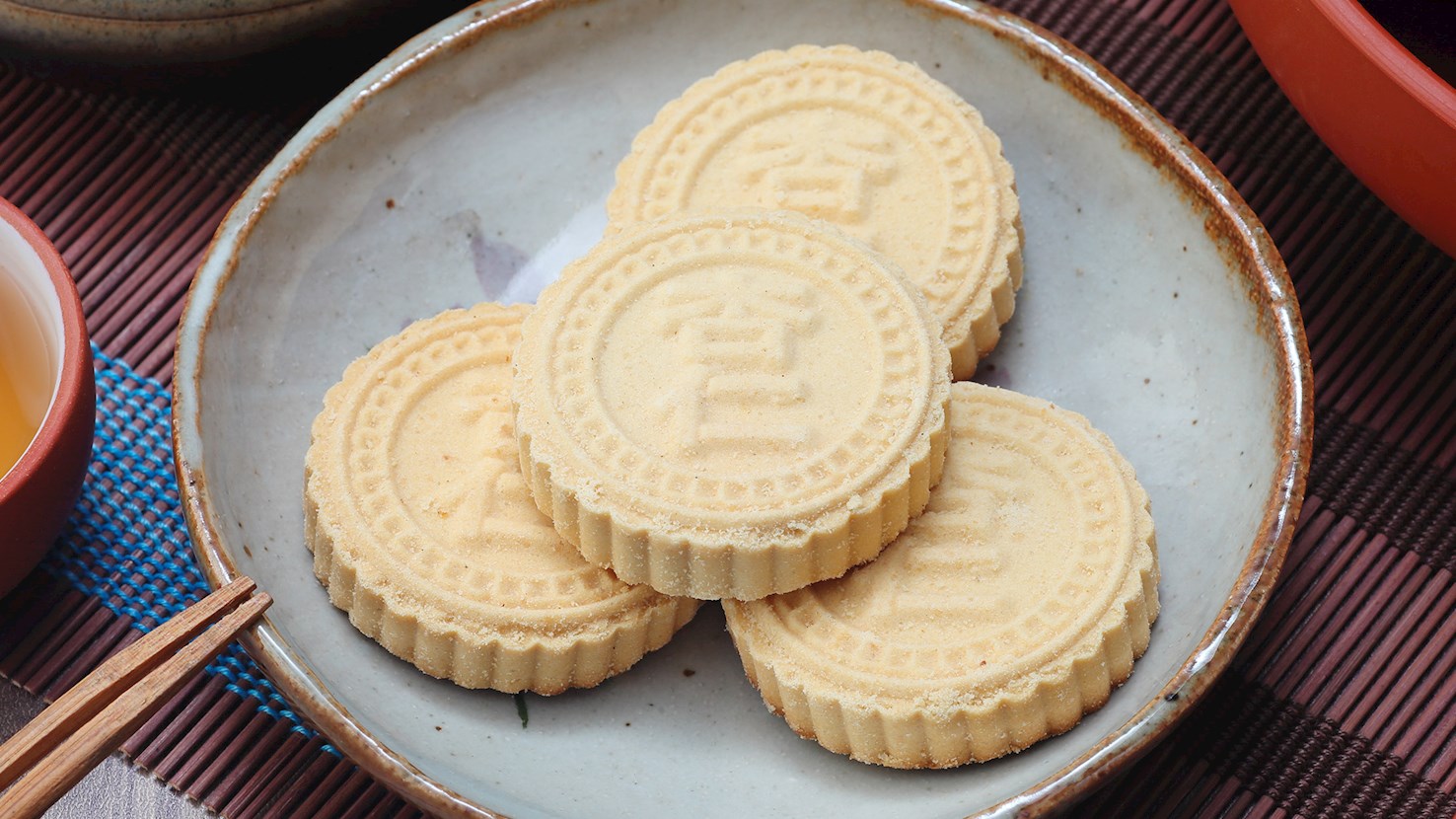
Macau almond cookies are crumbly treats with a dense, powdery texture, characterized by decorative patterns adorning the top of each cookie. The patterns are made using special, wooden cookie molds. These traditional cookies are the primary souvenir of choice for tourists who visit Macau and are unable to resist the roasted, nutty aromas floating through the streets. They consist of only two ingredients: almonds and mung beans, resulting in cookies that melt in the mouth. With their unique flavor and low price, Macau almond cookies remain a staple of Macau's traditional cuisine that is best paired with a cup of black tea.
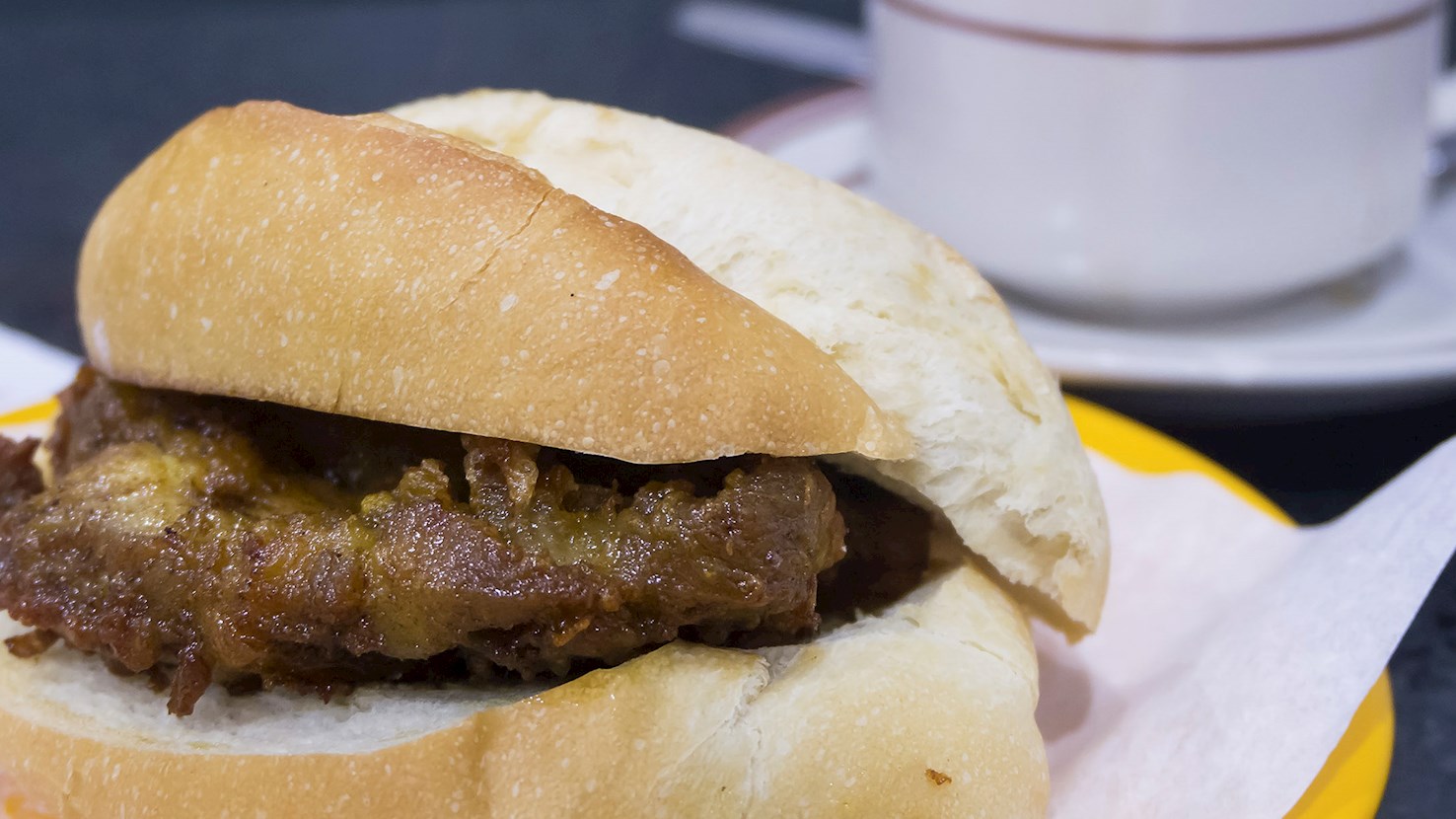
Pork chop bun is a Macanese specialty and one of the most famous dishes in the region. Although it is reminiscent of a typical sandwich or a hamburger, it doesn't have a lot in common with them. For a long time, Macau has been a Portuguese colony and the pork chop bun, in a way, represents a fusion of Portuguese and Asian cuisine and culture. It is praised for its simplicity because it consists of two main ingredients: a bun and a pork chop. The bun is also known as piggy bun, and it is traditionally made in Hong Kong. The inside of the bun is soft, while the outside is covered in a perfectly crunchy crust. The shape of the bun is originally Portuguese, and in Portugal it is used to make the famous bifana sandwich. Pork chop bun is distinguished by the usage of a pork chop on the bone, instead of the more typical pork cutlet. Simplicity is the main characteristic of this dish; it does not have any standard condiments or toppings, such as salad greens, cheese, or mayonnaise - the only thing that is added to pork chop bun is soy sauce, used to marinate the pork chop, and garlic, which is usually fried together with the pork chop or added to the marinade.
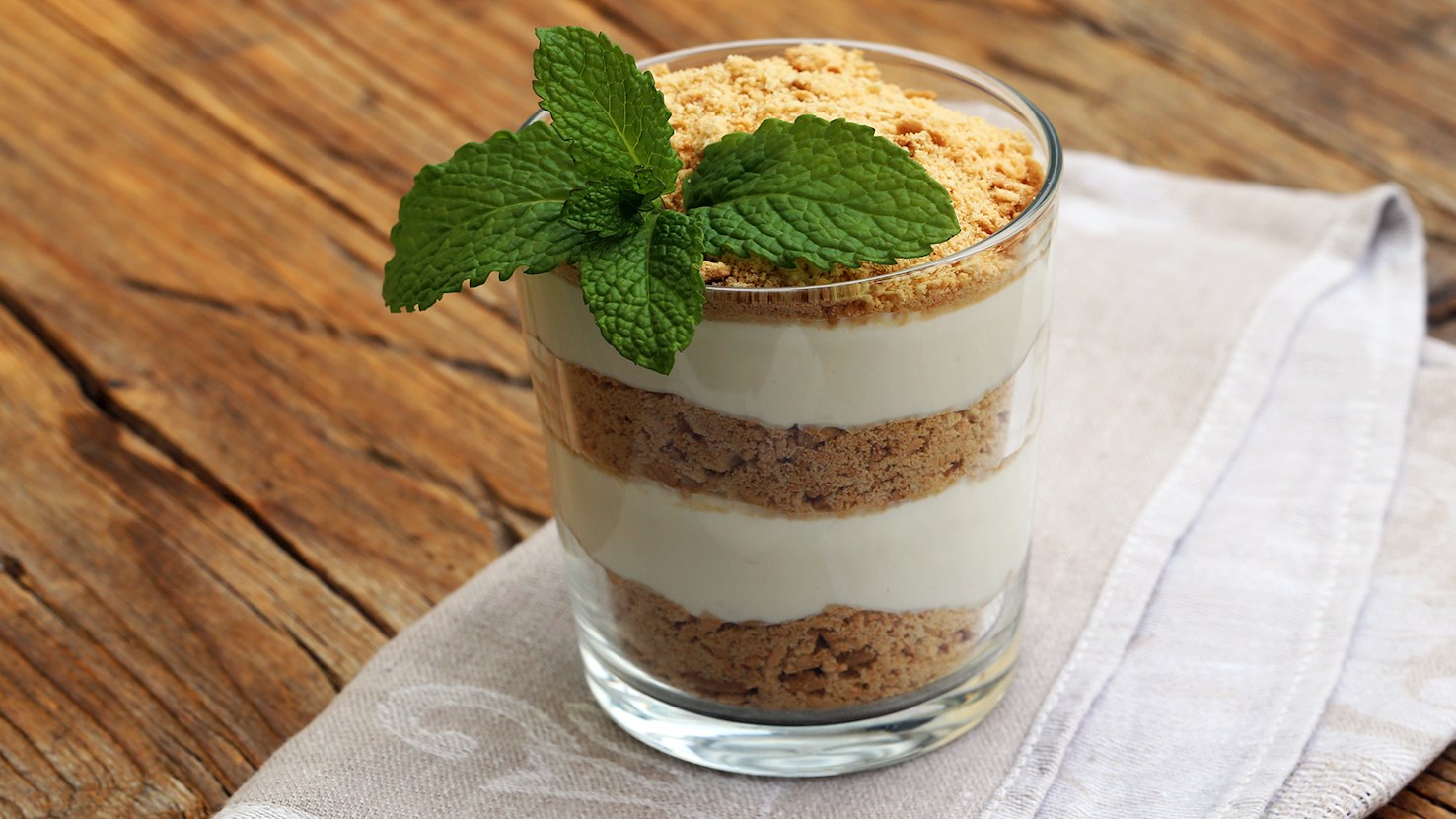
Serradura is a Portuguese and Macanese dessert which consists of finely crushed tea cookies layered between a velvety combination of whipped cream and condensed milk. Traditionally, the cream was infused with vanilla, but modern varieties appear in different flavor combinations. Although the name, which translates from Portuguese as sawdustpudding, indicates Portuguese origin, this sweet treat has become incredibly popular in Macau. It can be bought in numerous bakeries, and it is a common dessert found on the menus of Portuguese-style restaurants in Macau.
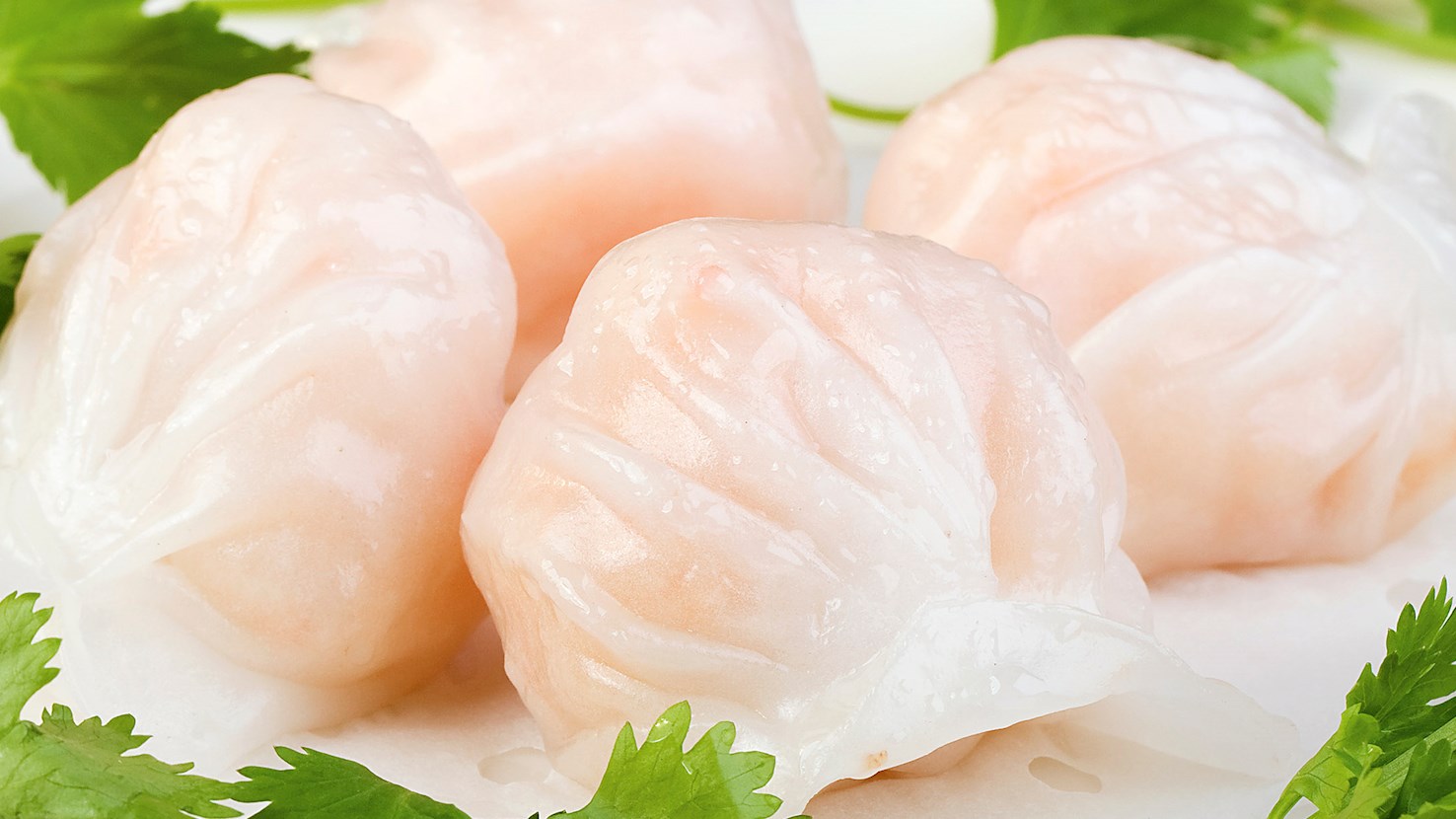
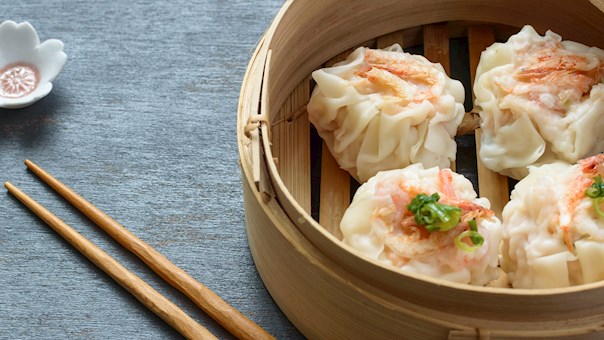
Har gow is a Cantonese dumpling characterized by a delicate, translucent wrapper enveloped around a shrimp filling. The dish was created out of necessity when the owner of a small, family-style teahouse from Guangzhou came up with an idea to buy the shrimp from local fishermen and use it to make dumplings that the locals would love. The idea was a great success, and since the beginning of the 19th century, shrimp dumplings were a staple in many teahouses. Today, har gow dumplings are a part of dim sum where they are commonly paired with sieu mai, a Cantonese dumpling with pork and mushrooms. Due to the particular way in which the wrapper is folded, the main visual feature of har gow is its pleated shape, ideally having even up to 9-13 pleats. The wrappers are made with a combination of wheat starch, corn starch, and lard, filled with a mixture of either minced or whole shrimp and bamboo shoots. Once steamed, the dough should be chewy and almost see-through, but firm enough to be handled with chopsticks, whereas the filling should remain crisp.
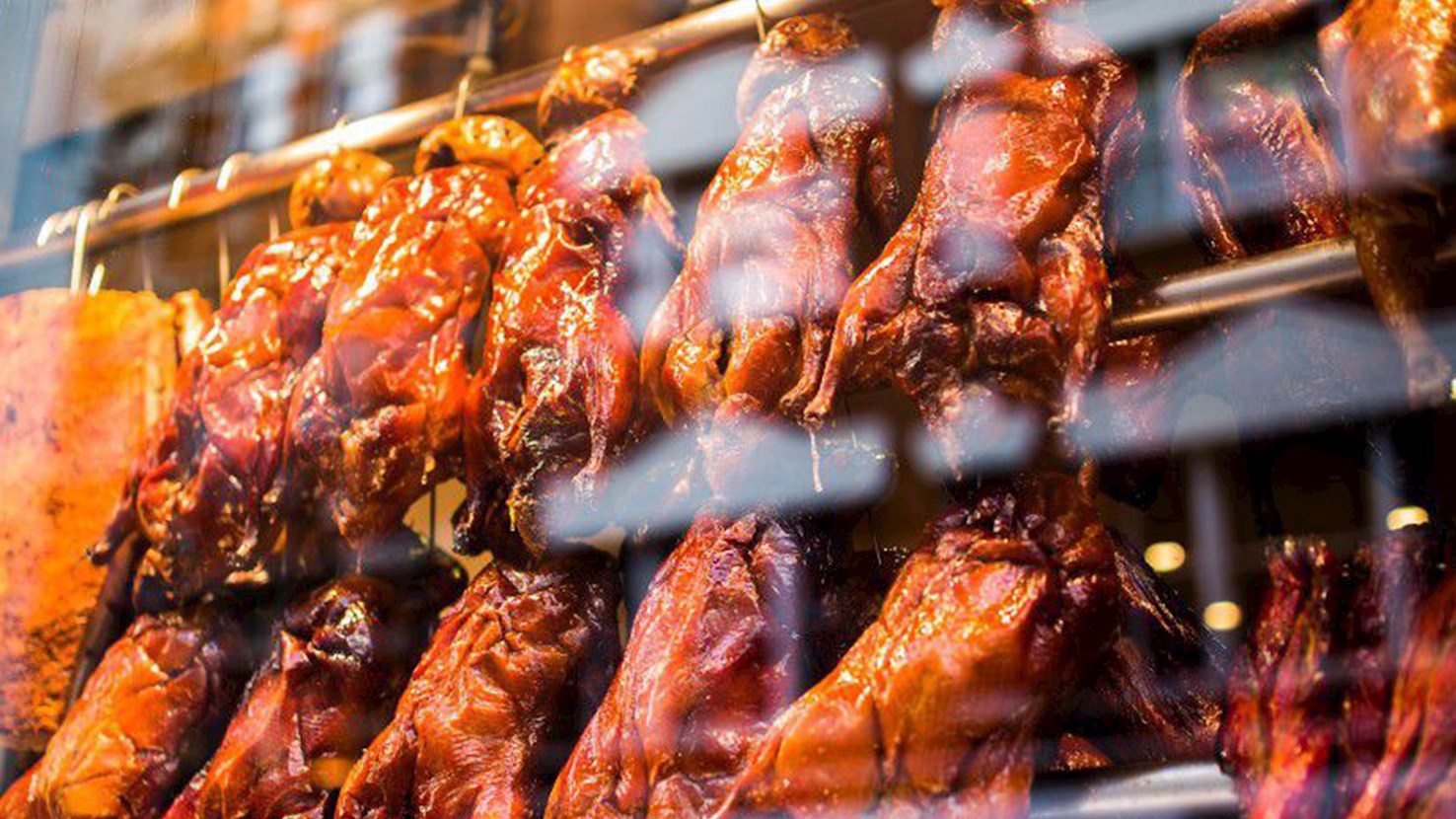
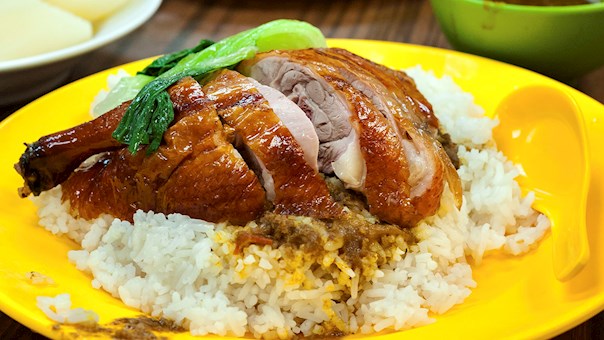
Siu mei refers to a style of Chinese cuisine that is primarily characterized by roasting meat on spits over an open fire or in a rotisserie oven. Originating from Guangdong province, this culinary tradition is particularly prevalent in Hong Kong. The term siu mei translates to "roast flavor" in Cantonese. Some of the most prominent and beloved examples of siu mei include char siu, siu yuk, soy sauce chicken, and white cut chicken. These dishes are typically served with rice and vegetables and sometimes with noodles. Siu mei meats are often displayed hanging in restaurant windows, a characteristic sight in Chinese eateries that specialize in this style of cooking. The visual display is not only appetizing but also allows customers to select their preferred cuts of meat. Siu mei is enjoyed by people all over the world, wherever there are Chinese communities, and it is celebrated for its rich flavors, varied textures, and the mastery required for its preparation.
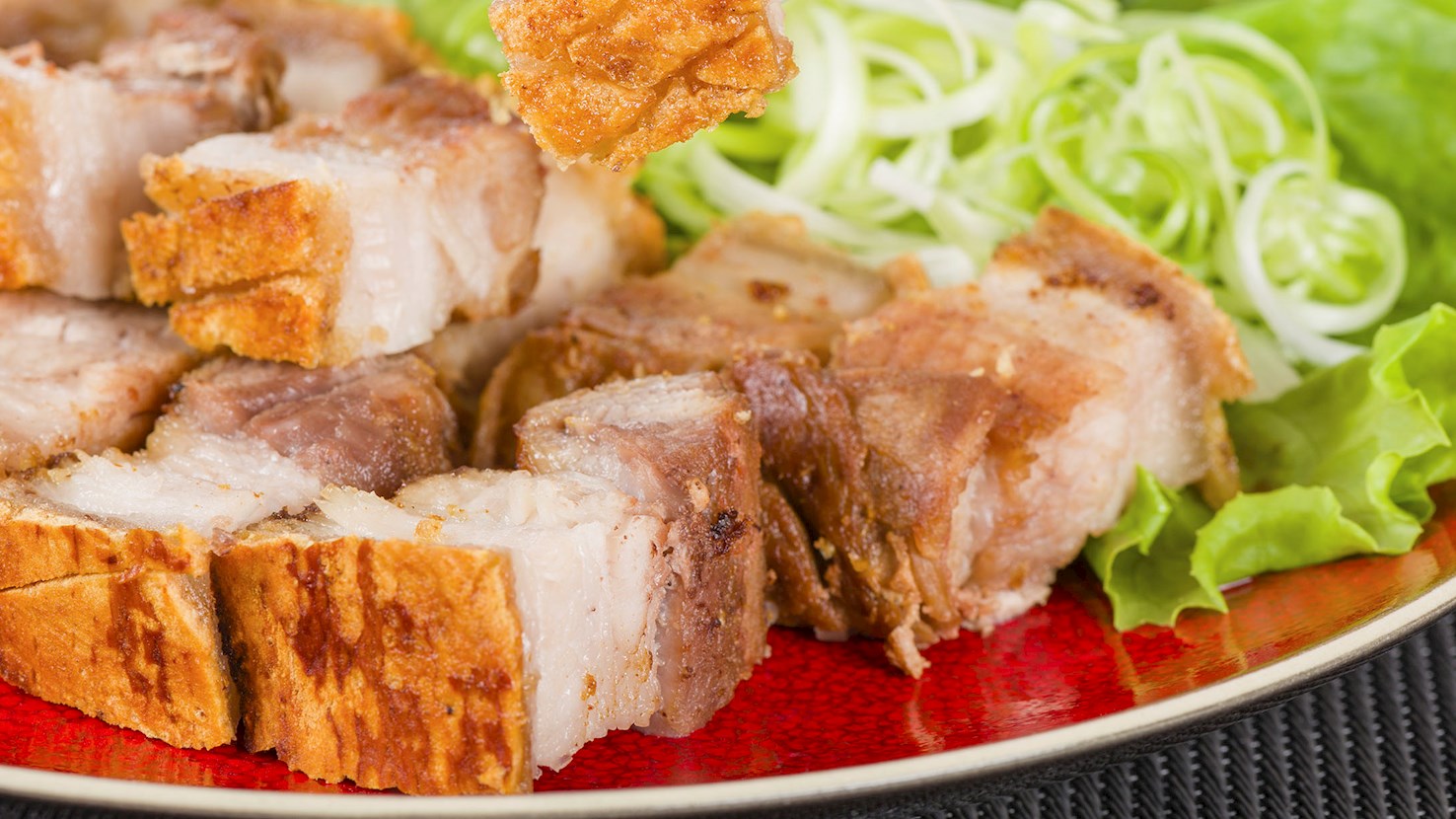
A version of typical Cantonese siu mei (roasted meat dishes), siu yuk is a hefty meal that is mostly consumed in small quantities, made by roasting a whole, seasoned pig in charcoal furnaces at very high temperatures, resulting in succulent, tender meat and crispy skin. Traditionally, the meat is served as it is, but it is sometimes accompanied by either hoisin sauce or soy sauce. Since it is a known fact that the Chinese have many beliefs, in Hong Kong siu yuk is often oferred to the Jade Emperor (the first god in Chinese culture) in order to celebrate a movie's opening, hoping that the movie achieves great success in the cinemas. The dish is often garnished with pineapple or cucumber slices, placed in a red box and wrapped with red wrapping paper, for additional luck.
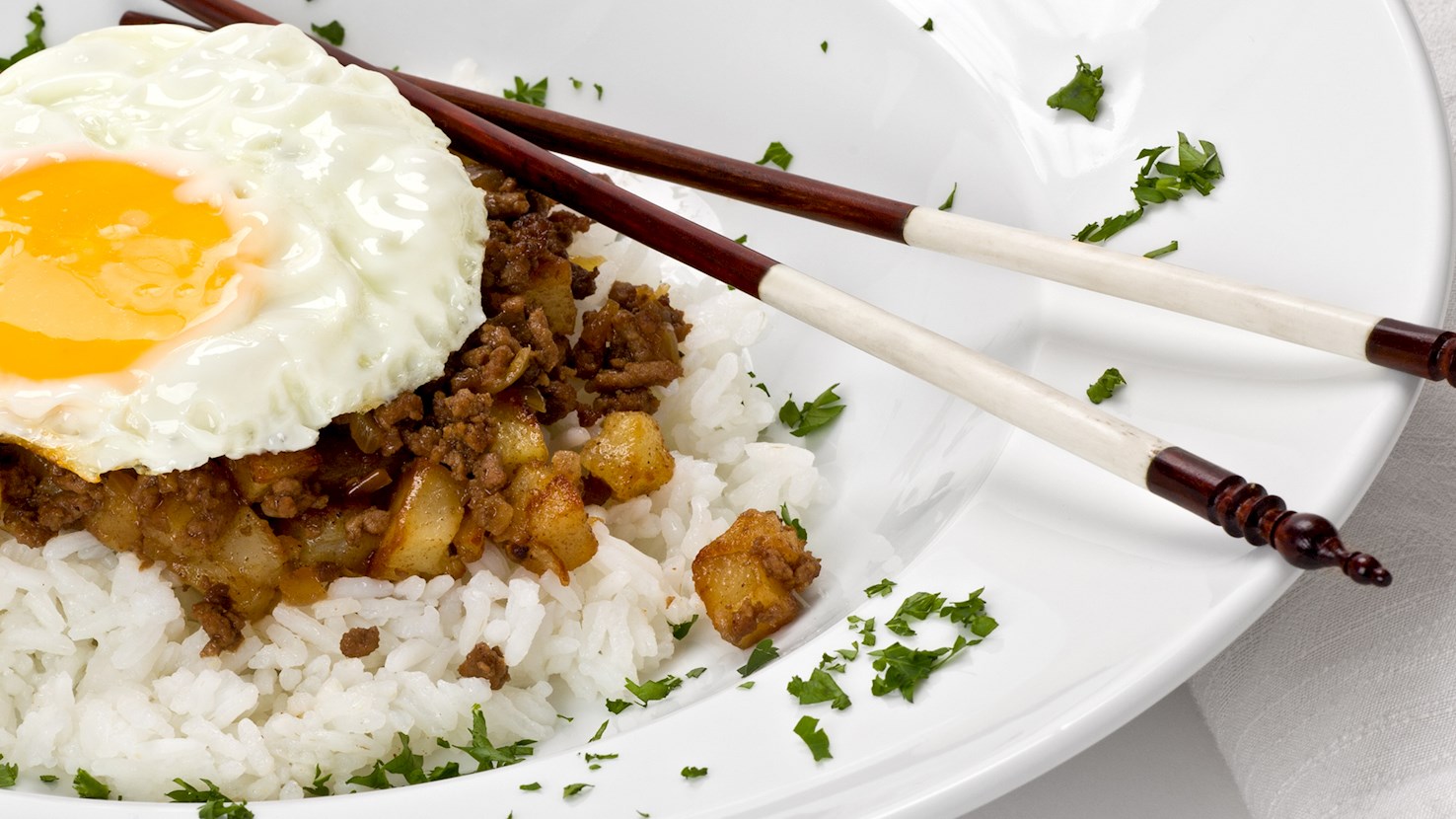
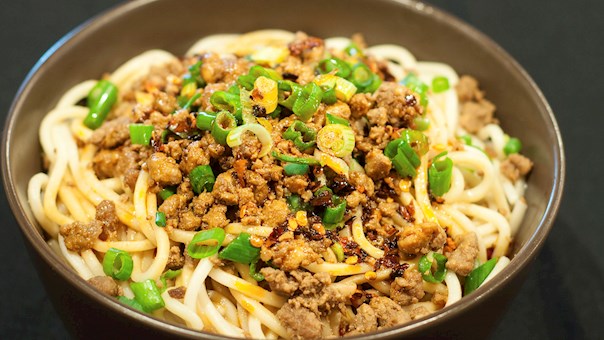
Minchi is a comforting dish native to Macau, consisting of stir-fried minced meat infused with soy sauce. The dish appears in many version but usually incorporates minced beef or pork, potatoes, onions, and occasionally Chinese black fungus and Portuguese sausage. It is usually served over rice and topped with a crispy fried egg. Because its name derives from the English word for minced, it is believed that the dish was influenced by the British community living in the vicinity of Macau.
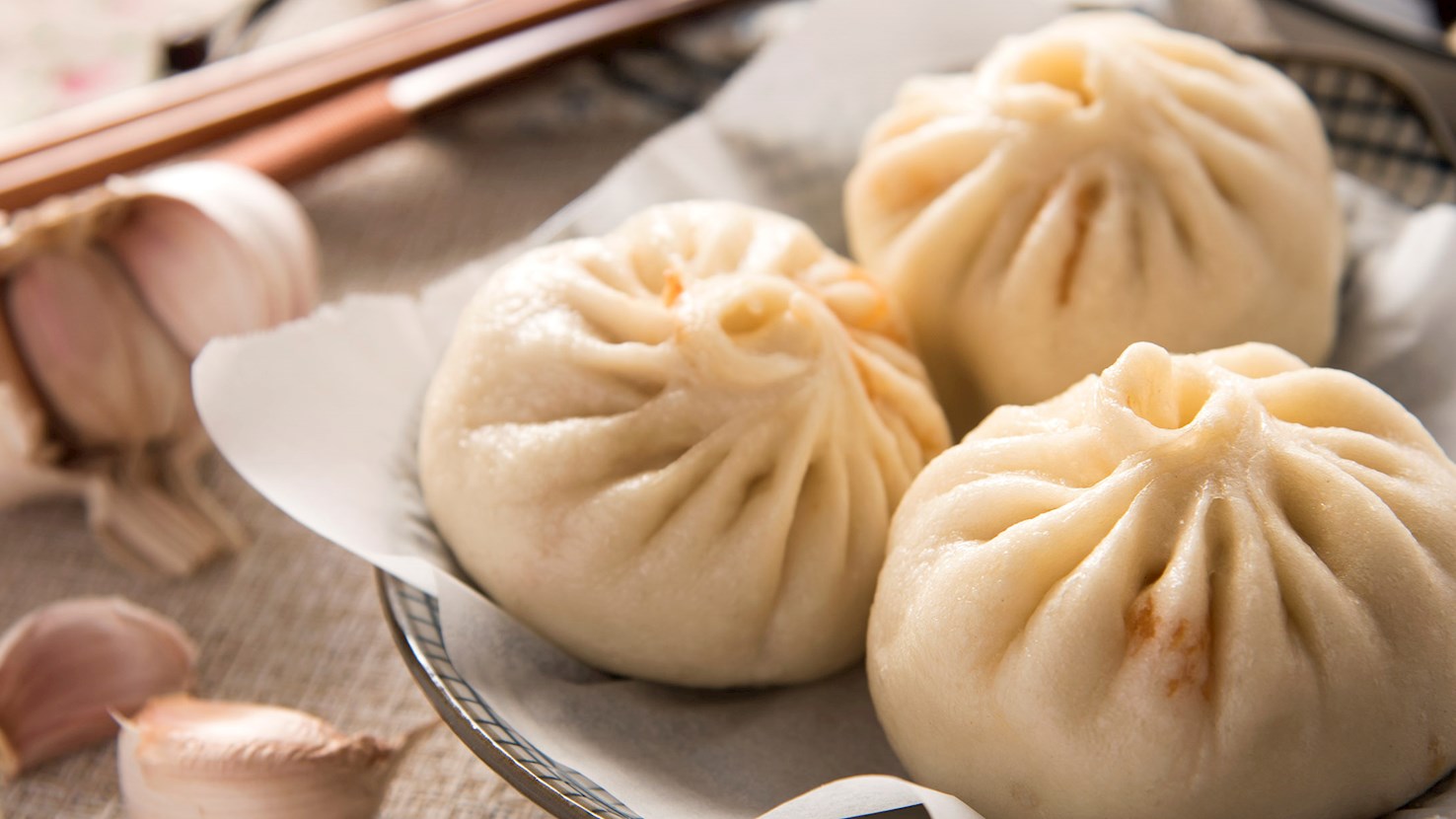
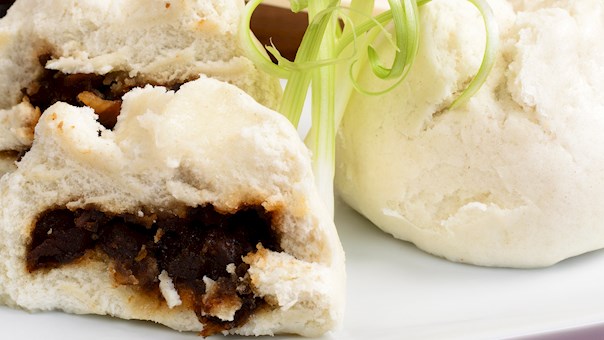
One of China's favorite breakfast foods and an everyday snack, baozi - or simply bao, as it’s usually called - is a steamed bun, made with the so-called mantou bread, and stuffed with a wide variety of fillings ranging from savory to sweet, but they typically include various meats, seafood, or vegetables. Most popular types are char siu bao, filled with Cantonese-style barbecued pork; the smaller, mincemeat-filled Shanghai-style baozi called xiao long bao or Shengjian mantou; and the succulent tangbao or guantang bau, large soup-filled bao buns made with pork or crab stock. These are usually served in their own individual steaming basket, with a straw used to drink the soup while the rest of the bun is eaten later. The flavorful baozi buns were originally known as a peasant dish, but with high-end restaurants breathing new life into this working-class Chinese staple, the once humble steamed bun is finally seeing its renaissance. In China, however, they are still found in virtually every corner, freshly prepared on the spot using bamboo steaming baskets, and sold by numerous street vendors.
TasteAtlas food rankings are based on the ratings of the TasteAtlas audience, with a series of mechanisms that recognize real users and that ignore bot,
nationalist or local patriotic ratings, and give additional value to the ratings of users that the system recognizes as knowledgeable.
TasteAtlas Rankings should not be seen as the final global conclusion about food. Their purpose is to promote excellent local foods,
instill pride in traditional dishes, and arouse curiosity about dishes you haven’t tried.



What People Say