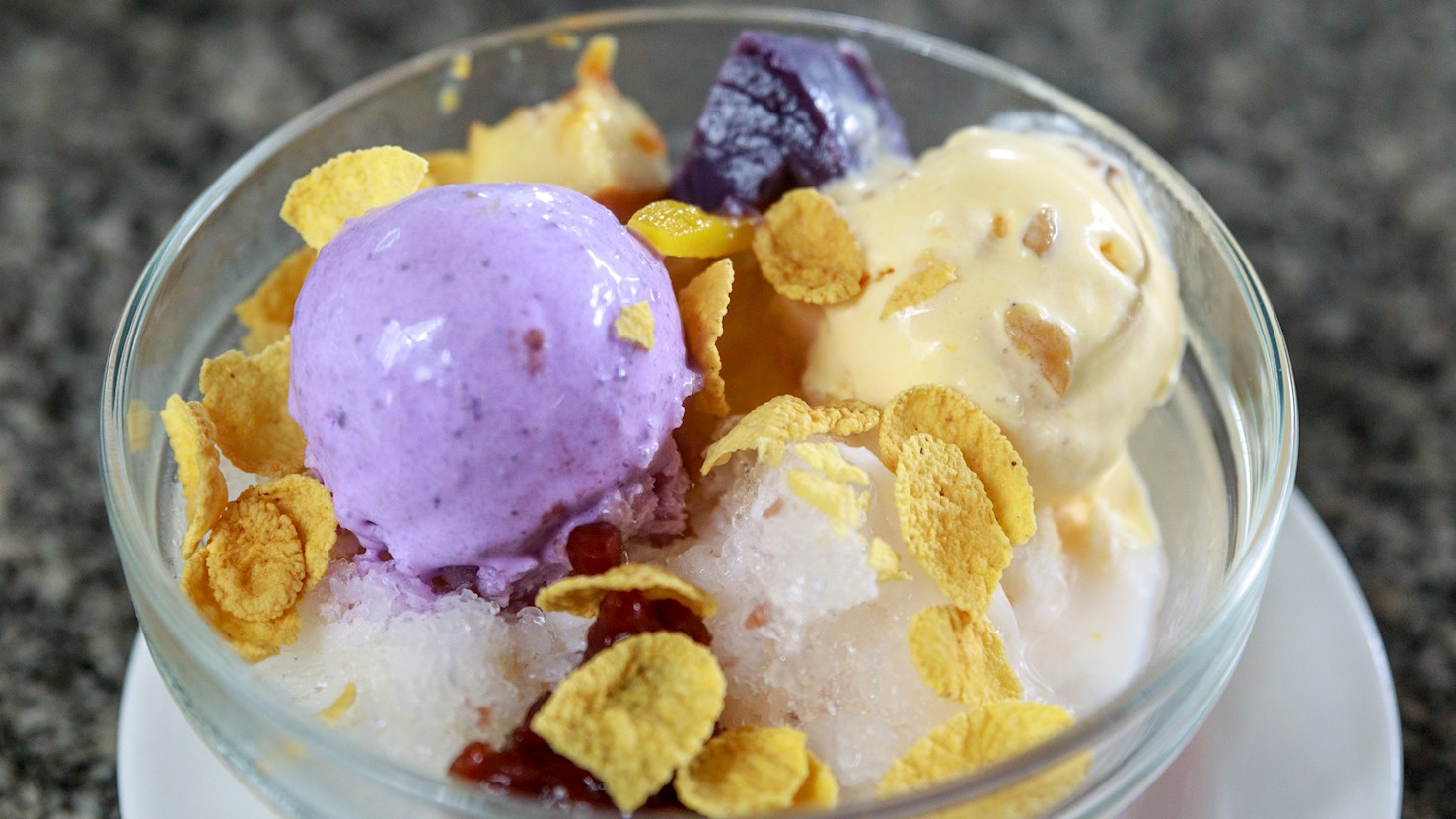
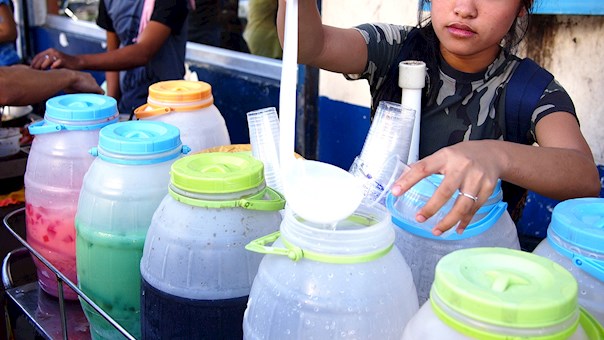
The refreshing halo-halo (lit. mix-mix) is a summer dessert or a snack of mixed fruit and beans, topped with finely crushed ice and either milk or ice cream. Some of the most common halo-halo ingredients include bananas, jackfruit, coconut, sweet potatoes, red mung beans, chickpeas, sugar palm fruit, purple yam jam, leche flan, and - in recent times - even sweet corn or corn crisps. Originally, halo-halo desserts were sold by Japanese vendors in halo-halo parlors or at numerous street stalls before the occupation of the Philippines in the 1940s. In fact, this Filipino specialty is often said to have been inspired by a shaved-ice cooler called anmitsu, another Japanese summer drink.
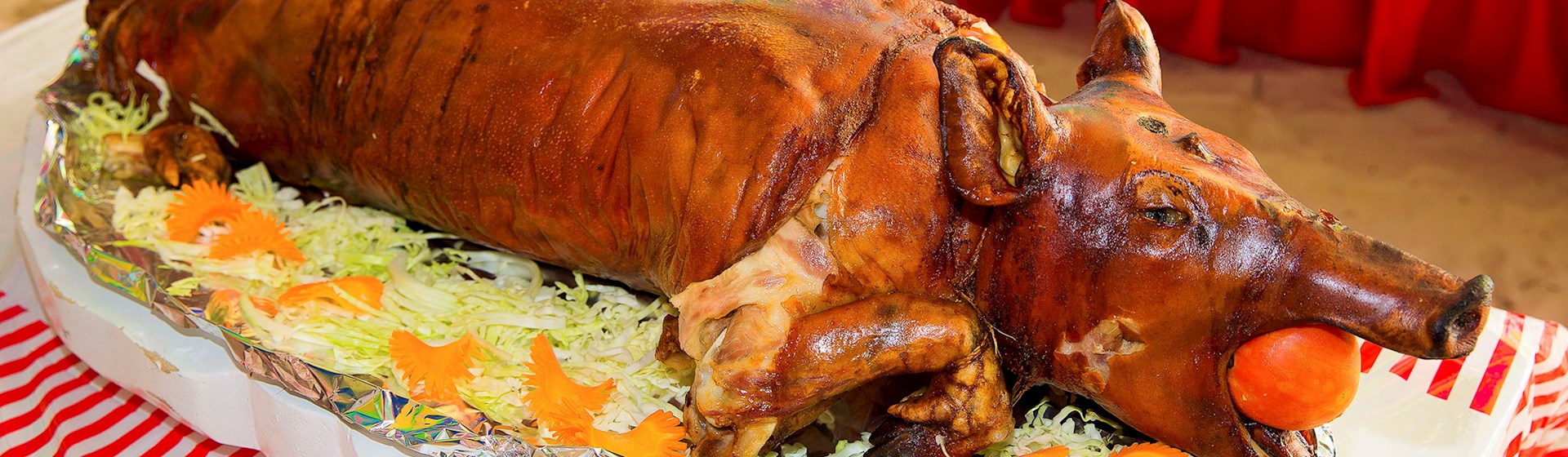
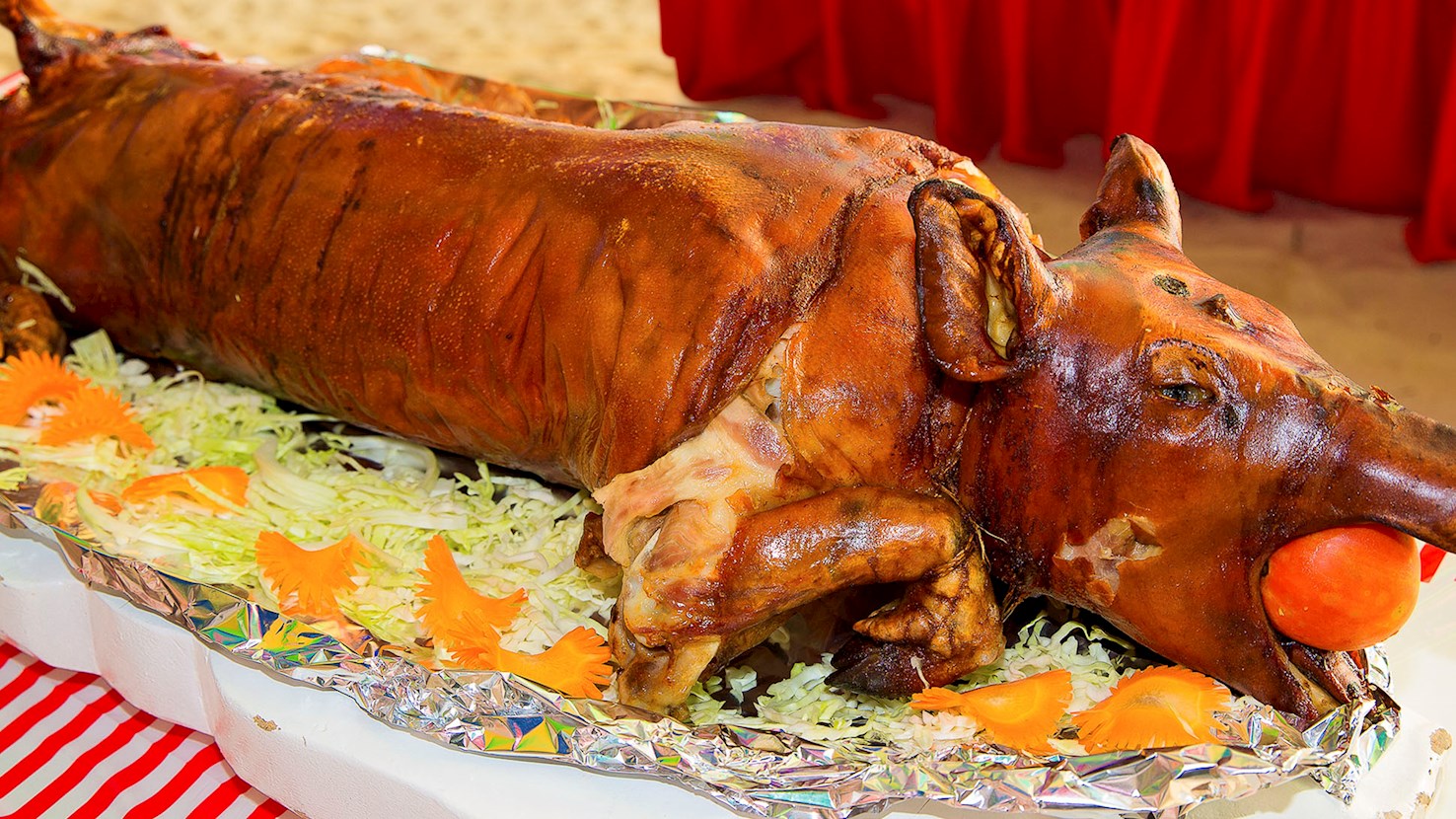
Lechon, derived from a Spanish word for roasted suckling pig is one of the most popular dishes in the Philippines. The slowly-roasted suckling pig is usually stuffed with lemongrass, tamarind, garlic, onions, and chives, and is then roasted on a large bamboo spit over an open fire. It is traditionally served whole on a platter, at celebrations and festive events such as weddings and Christmas. Once the meat is properly roasted and falls off the bone, people tend to eat every part of the pig, and the crispy, reddish-brown, crackling skin is especially beloved. Lechon is often served with a thick and rich liver sauce that is cooked with sugar, fresh herbs, and vinegar. If anything is left after the feast, the leftovers are often made into lechon slaw, slowly cooked with vinegar, garlic, and liver sauce for that extra bit of flavor. Apart from the Philippines, the dish is especially popular in countries such as Cuba, Puerto Rico, the Dominican Republic, and Spain. Some famous chefs even named lechon the best pig in the world, so it is definitely worth a try.
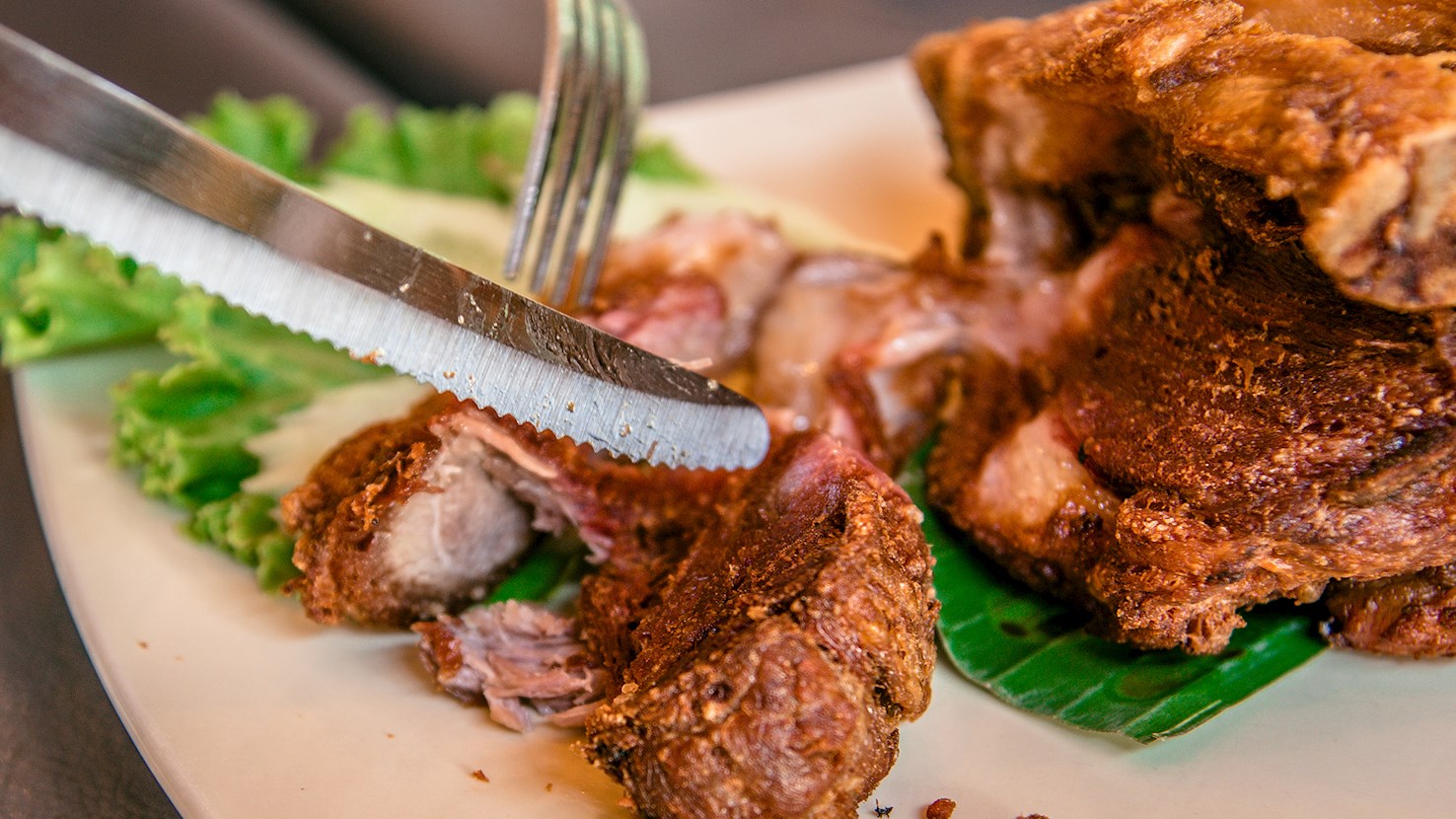
Crispy pata is one of the most common Filipino dishes served on special occasions. It consists of a whole pork leg that is cooked until tender. It is then dried and deep-fried until golden brown and crispy. The leg is usually cooked alongside various spices such as bay leaves and peppercorns. It is traditionally rubbed with a spice mixture before it is fried. Served sliced, it is often accompanied by pickled papaya and a tart sauce which combines vinegar, soy sauce, and a variety of spices.
Torta is a popular Filipino dish consisting of an omelet filled with ground meat and vegetables such as diced potatoes. Savory and extremely satisfying, the dish is usually served as a main course, preferably over rice. It is recommended to pair torta with condiments such as banana ketchup. There are numerous variations on the Filipino torta, such as tortang talong (eggplant omelet) and tortang gulay (onion, bell peppers, and garlic omelet). The reason for the unusual name of this dish is a strong Spanish influence in the Philippines. There is one other dish named torta in the country, but it is altogether different and refers to a small, muffin-like dessert cake.
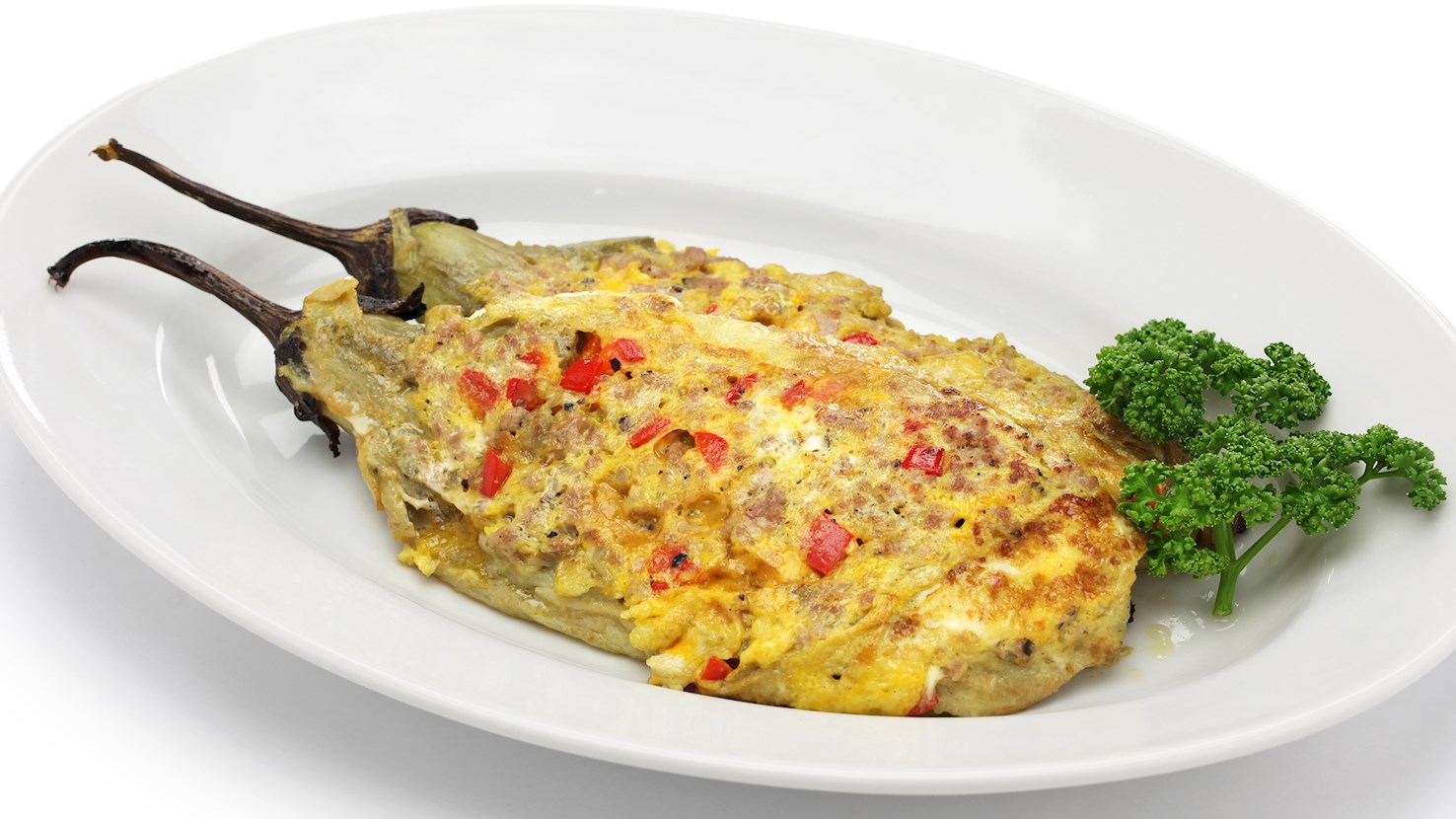
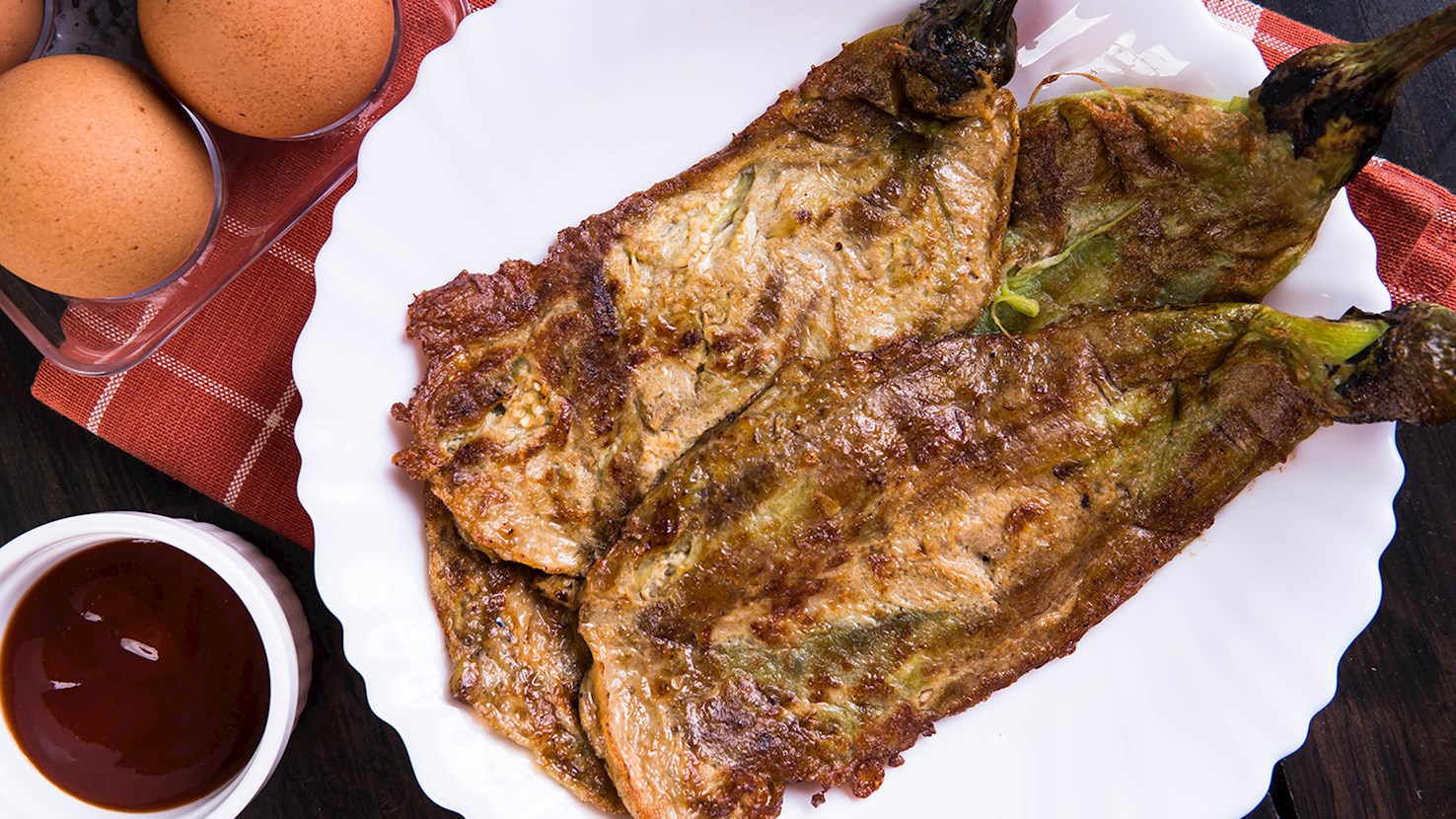
Tortang talong is a simple Filipino dish made with a combination of roasted eggplants and lightly beaten eggs. Whole eggplants are dipped into the egg mixture and are then shortly pan-fried until the entire dish starts to resemble a crispy omelet. This versatile delicacy is easily adapted with additional ingredients such as ground meat and vegetables, and it is traditionally served accompanied by steamed rice and tomato or banana ketchup. Inexpensive and quickly prepared, tortang talong can be enjoyed at any time of day as a hearty breakfast, lunch, or dinner.
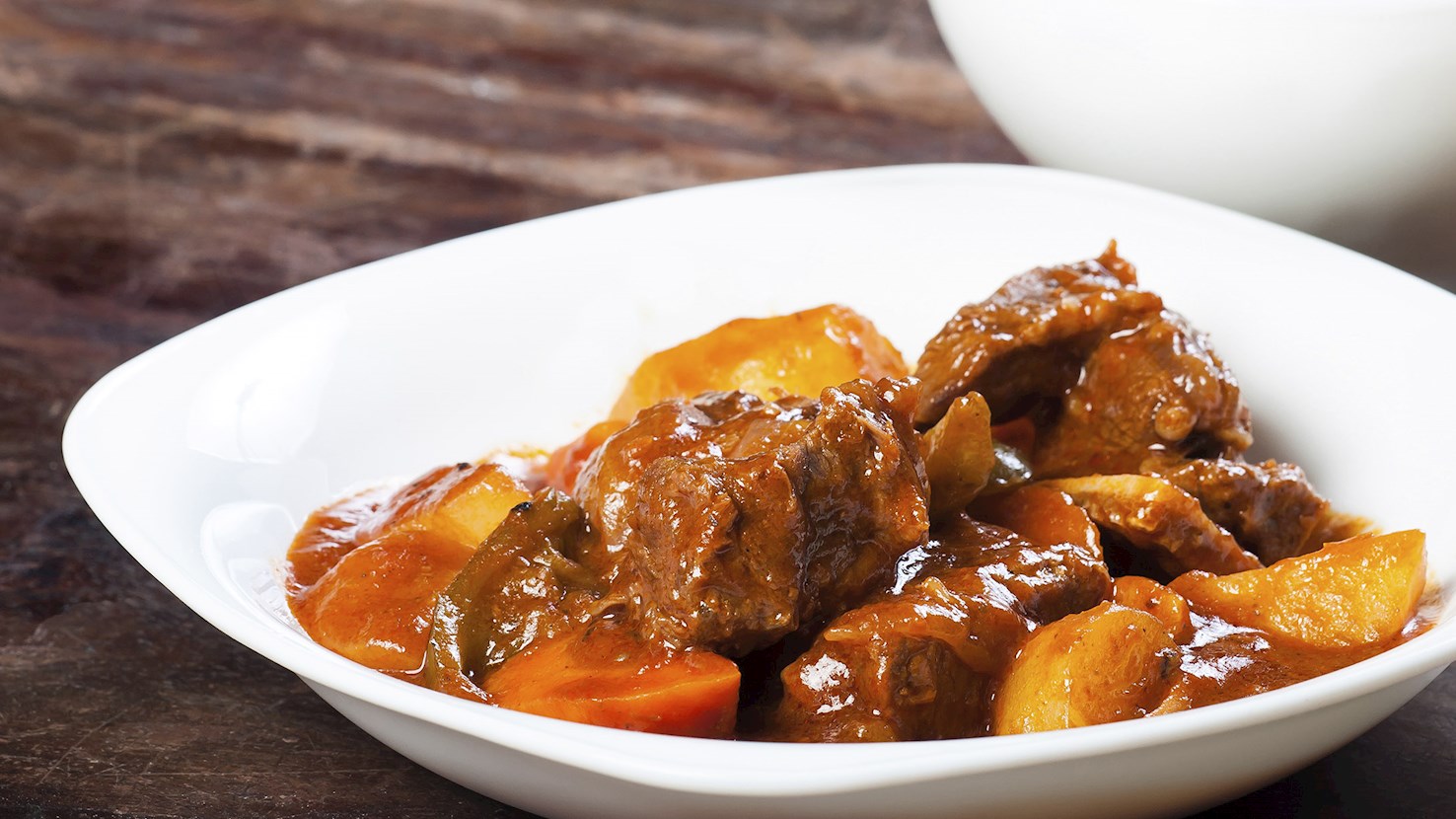
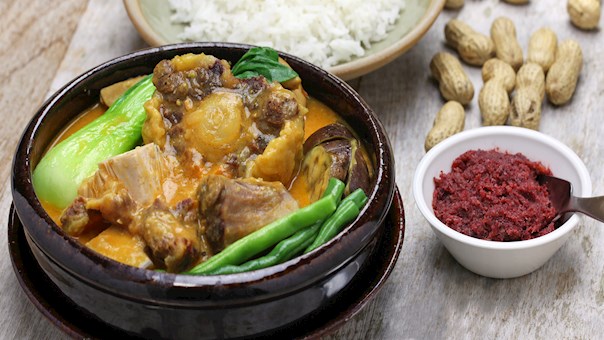
Kaldereta is a Filipino meat stew that is traditionally served with a side of white rice. Although any kind of meat can be used in the stew, beef and goat are the preferred options. The dish is influenced by three centuries of Spanish colonization, and the word kaldereta is derived from the Spanish caldereta, meaning cooking pot or cauldron. Besides meat that is used in the dish, other ingredients include mashed liver, tomato sauce, and seasonings such as onions, salt, pepper, and garlic. Kaldereta is often garnished with sliced tomatoes, chopped onions, or fried potatoes on top, and can be found in numerous Filipino turo-turo joints.
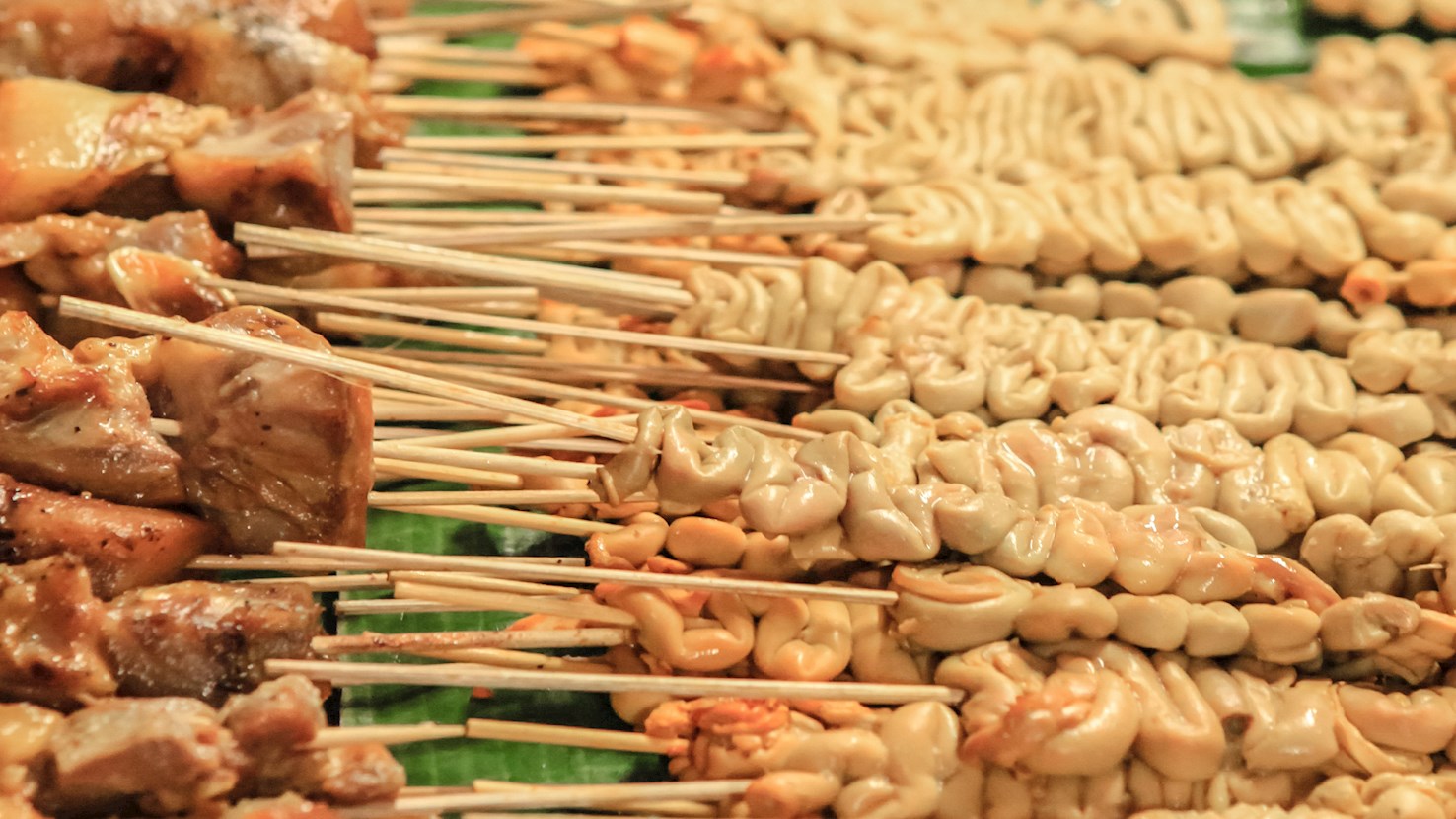
Isaw is a popular Filipino street food dish consisting of marinated, boiled, and grilled chicken and pork intestines which are usually coiled and skewered on a stick. Although similar, pork isaw is typically slightly larger and chewier than the chicken version. The marinade is usually prepared with soy sauce, oil, ketchup, garlic, and seasonings. Thoroughly cleaning and boiling the intestines before they are placed on a grill is an essential part of the preparation process because it eliminates all food-born pathogens. The dish is usually dipped in a vinegar-based sauce that is made with chili peppers and onions (sawsawan). Because it is one of the cheapest Filipino street food meals, the dish is extremely popular, and there are even street stalls called isawan, devoted entirely to the preparation of this specialty. Isaw is usually enjoyed as an afternoon snack, and apart from its popularity on the streets, due to its low price, it is also a staple food for numerous university students.
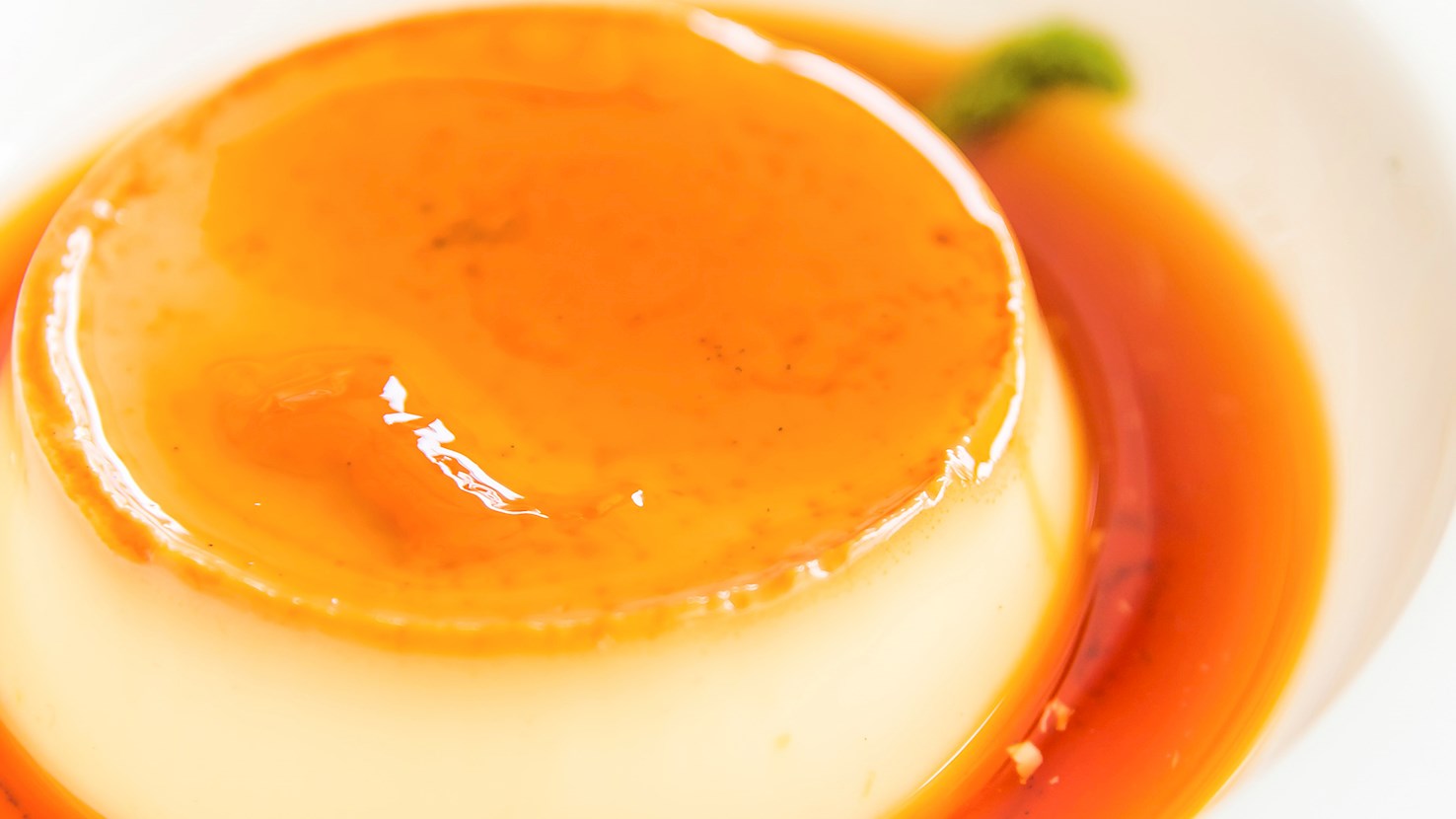
Leche flan is a dessert that is essentially a caramel custard consisting of milk, sugar, and eggs, with the addition of vanilla flavoring. Traditionally, it's oval-shaped due to the use of tin molds called llaneras. It is recommended to serve it chilled and coated with leftover caramel syrup. Leche flan is very popular at numerous Filipino celebrations and social gatherings. Originally, it was brought over to the Philippines during the Spanish colonization, so it is believed that it has origins in the regions on the border of Spain and France. Today, apart from being consumed on its own as a sweet treat, pieces of leche flan can also be added to halo-halo, another popular Filipino dessert.
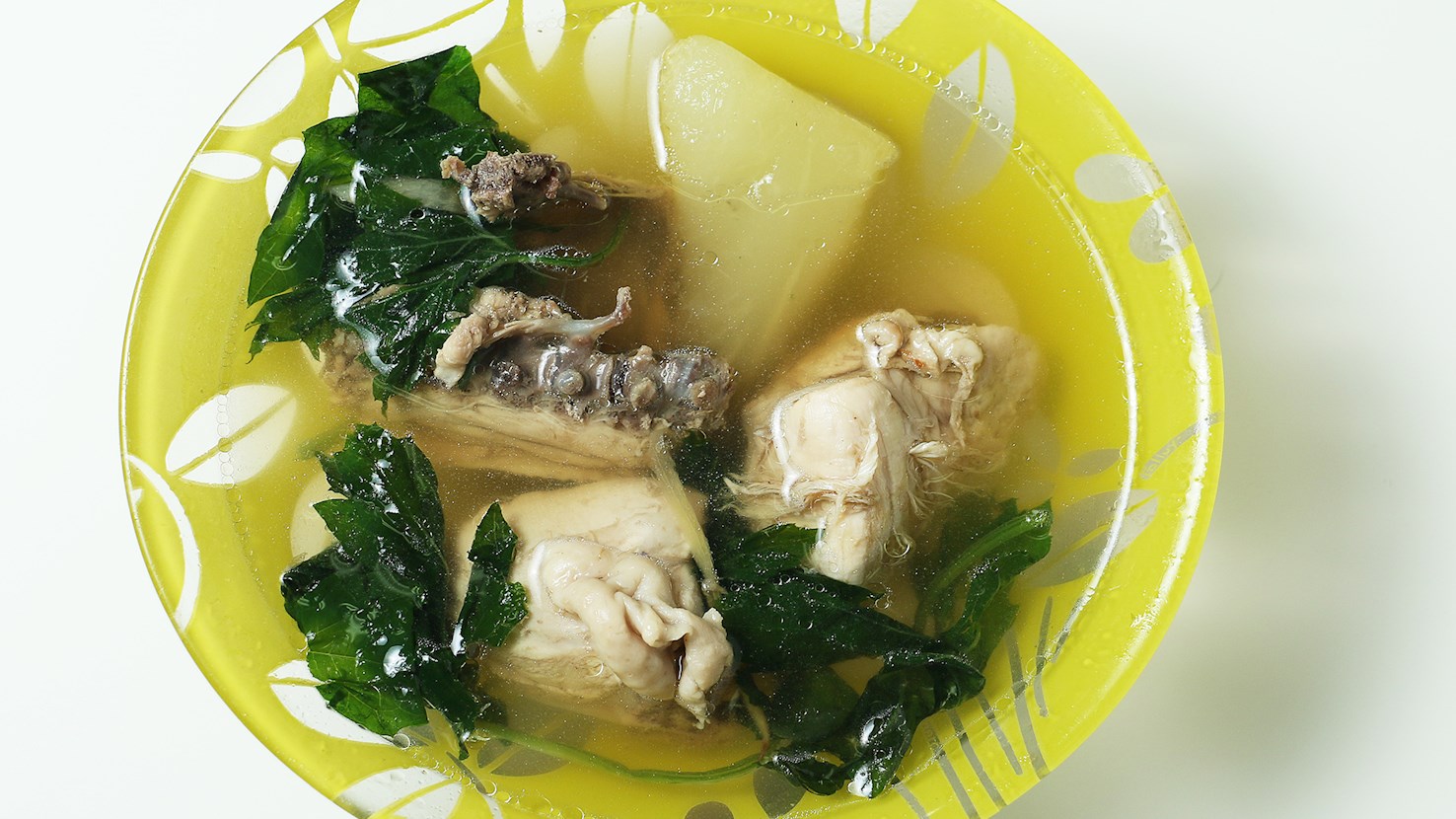
Tinolang manok or chicken tinola is a nourishing Filipino chicken soup. It can consist of various chicken cuts and internal organs cooked in a flavorful broth alongside green papaya and chili pepper or malunggay leaves. The broth is usually generously seasoned with ginger, garlic, and fish sauce, and the soup is often served over plain white rice. Chicken tinola is a staple in every Filipino household and can be enjoyed as a starter or a hearty main course.
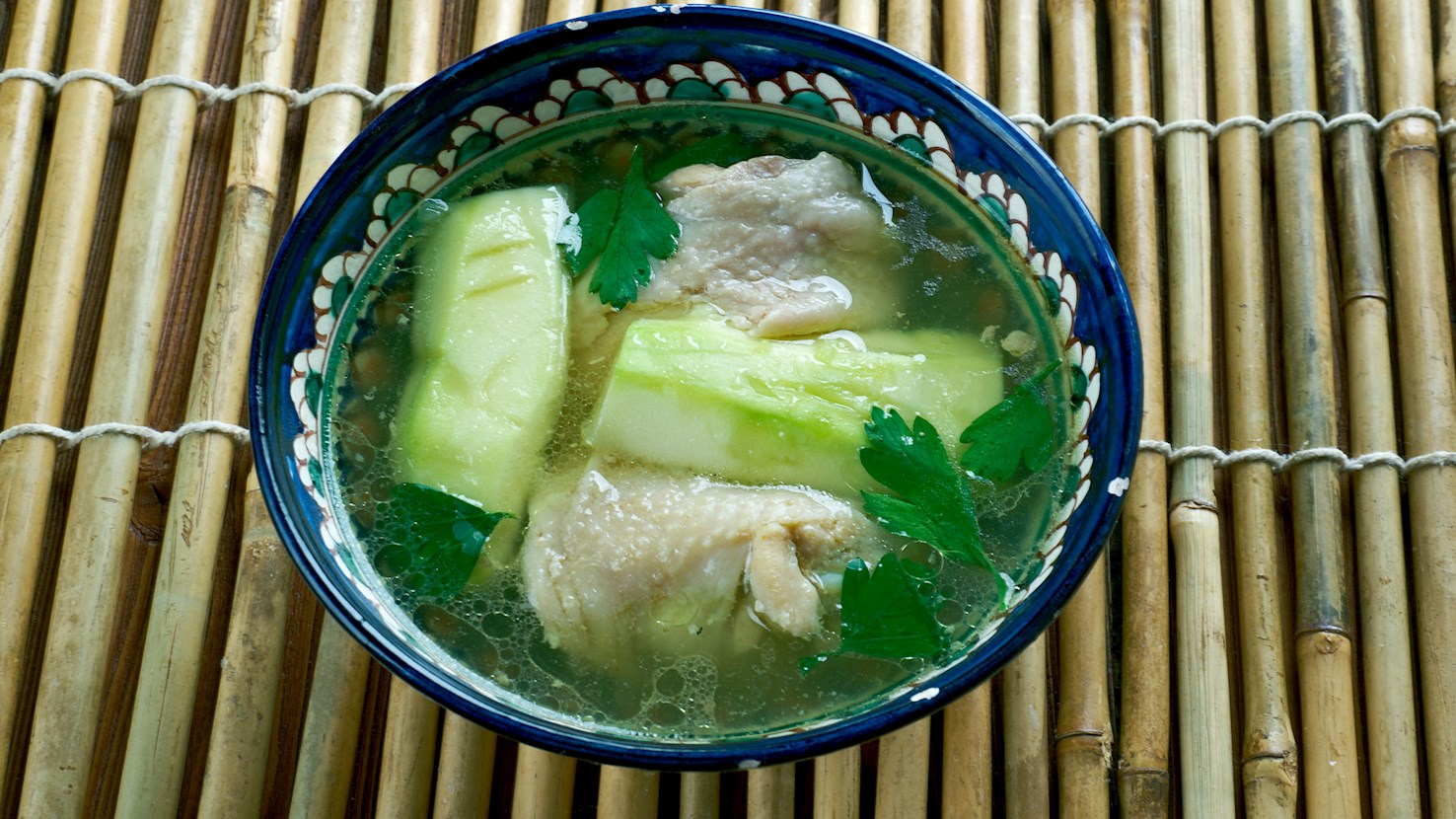
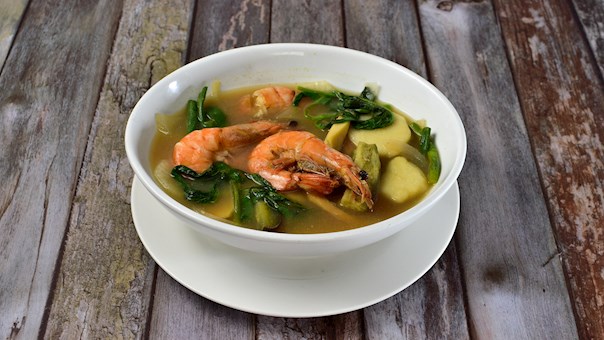
The term tinola refers to a vast group of hearty Filipino soups prepared with a flavorful broth infused with garlic, ginger, and fish sauce. Most commonly, the soups are made with chicken, but pork and seafood varieties are also popular. Tinola soups can incorporate various cuts of meat and seafood ingredients which are usually cooked alongside green papaya or chayote, and chili pepper or malunggay leaves. Not much is known about the history and origin of tinola, but nowadays, they represent an irreplaceable part of traditional Filipino cuisine.
TasteAtlas food rankings are based on the ratings of the TasteAtlas audience, with a series of mechanisms that recognize real users and that ignore bot,
nationalist or local patriotic ratings, and give additional value to the ratings of users that the system recognizes as knowledgeable.
TasteAtlas Rankings should not be seen as the final global conclusion about food. Their purpose is to promote excellent local foods,
instill pride in traditional dishes, and arouse curiosity about dishes you haven’t tried.



What People Say