

shutterstock

13 Traditional Foods
You Have To Try in Málaga

Last updated on September 17, 2026
01

Espetos

4.1 ·

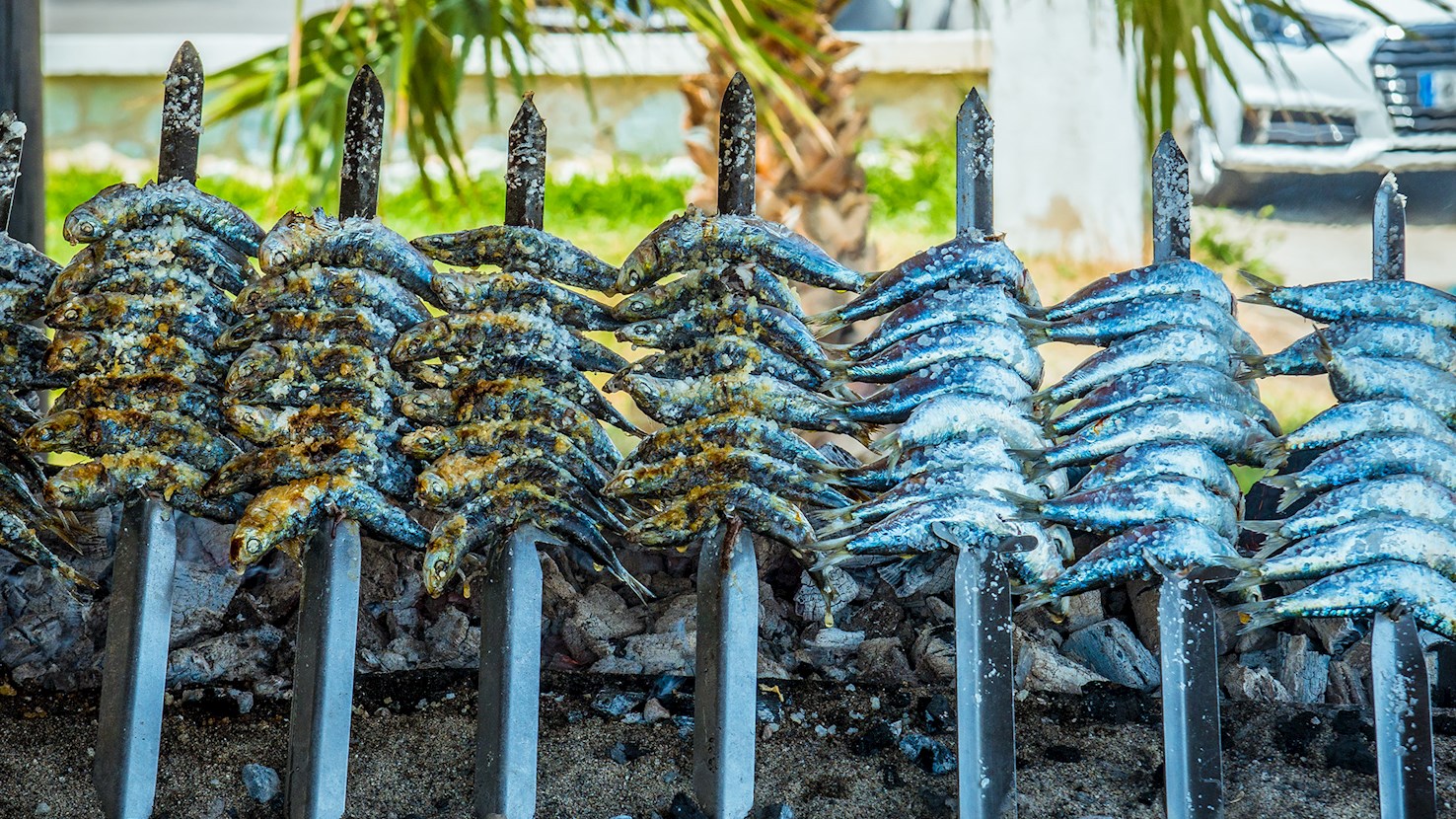
Espetos is a Spanish tradition of grilling sardines, dating back to the late 19th century, when fishermen skewered and grilled surplus fish in small boats on the sand. The modern method usually involves placing 6 sardines on a skewer, seasoning them with sea salt, then grilling them over the open flames of an olive wood fire. Once the sardines are fully cooked and become golden on the outside, they are drizzled with olive oil and lemon juice. It's said that the sardines are best from May to August, when they are a bit fattier, which increases their great flavor. In many beach bars of Malaga, espetos are paired with soft drinks, beer, sangria, or Tinto de verano red wine.

02

Churros

4.0 ·

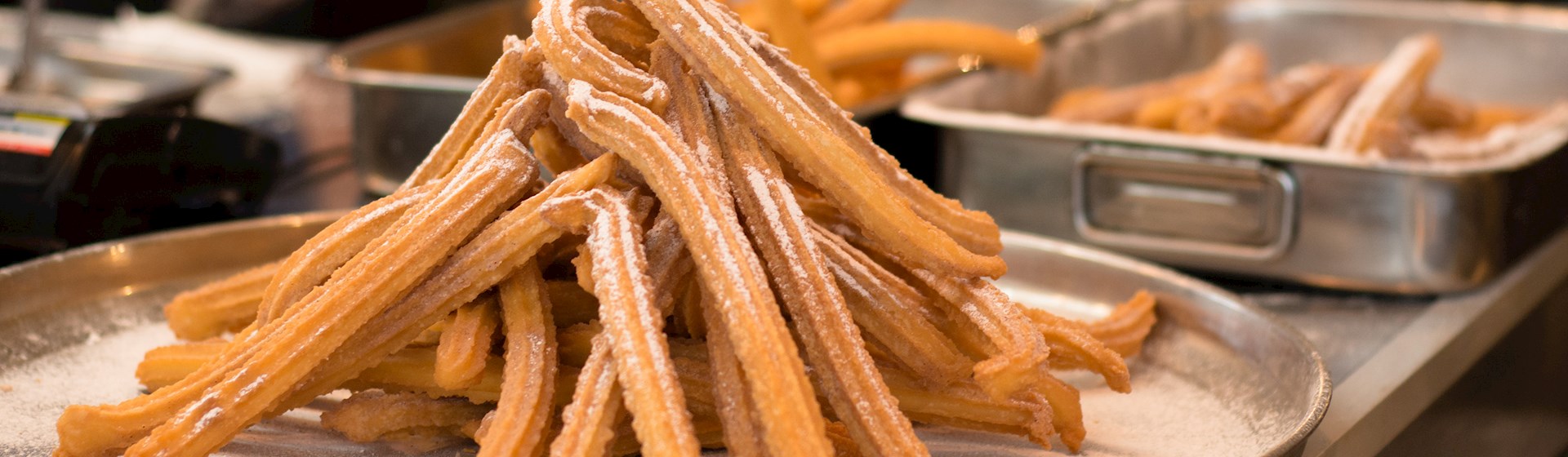
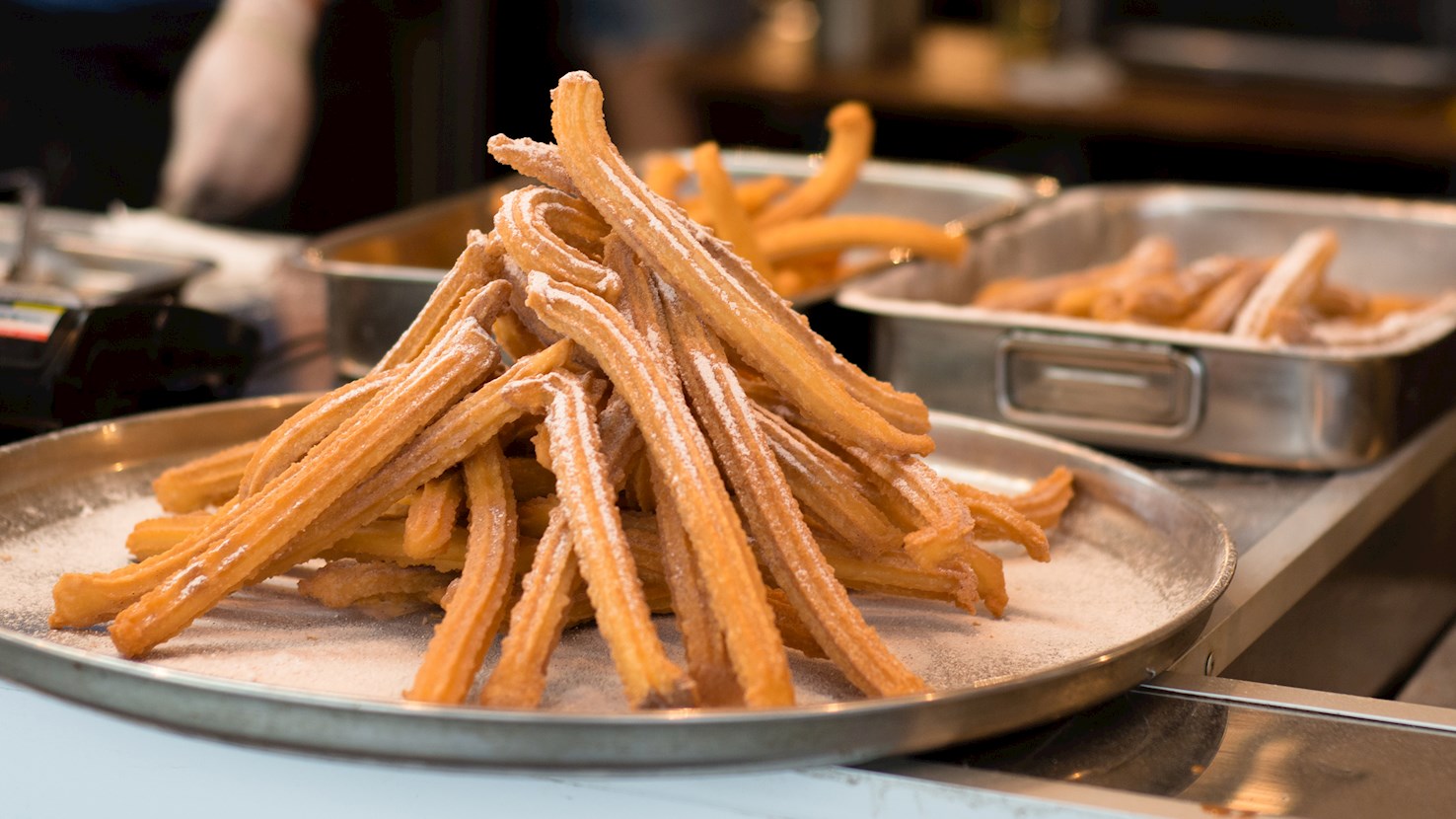
Elongated, crispy, crunchy and intensely fragrant, churros consist of deep-fried yeast dough encrusted with sugar. Although some may argue against consuming these sweet treats, warning others about the dangerous effects of sugar and fat on human bodies, the popularity of churros throughout the world doesn't seem to wane. Originally invented by Spanish shepherds who could easily cook them in a pan over an open fire, today these unusually shaped, cinnamon sugar sprinkled twists are most commonly eaten in Spain and Latin America as a hot breakfast food, accompanied by a strong cup of coffee or a cup of thick hot chocolate. Their characteristical shape is achieved by pressing the dough through plastic tubes so it emerges on the other side in thin, ridged ropes. Although churros are a Madrid specialty, the ones found in Seville are often praised because they differ in a lighter and more delicate texture. In Cuba, they may be filled with guava, in Mexico with dulce de leche, and in Uruguay with cheese. Regardless of the varieties, churros are an indulgence that must be tried at least once.

Best restaurants
03

Rabo de toro

4.3 ·

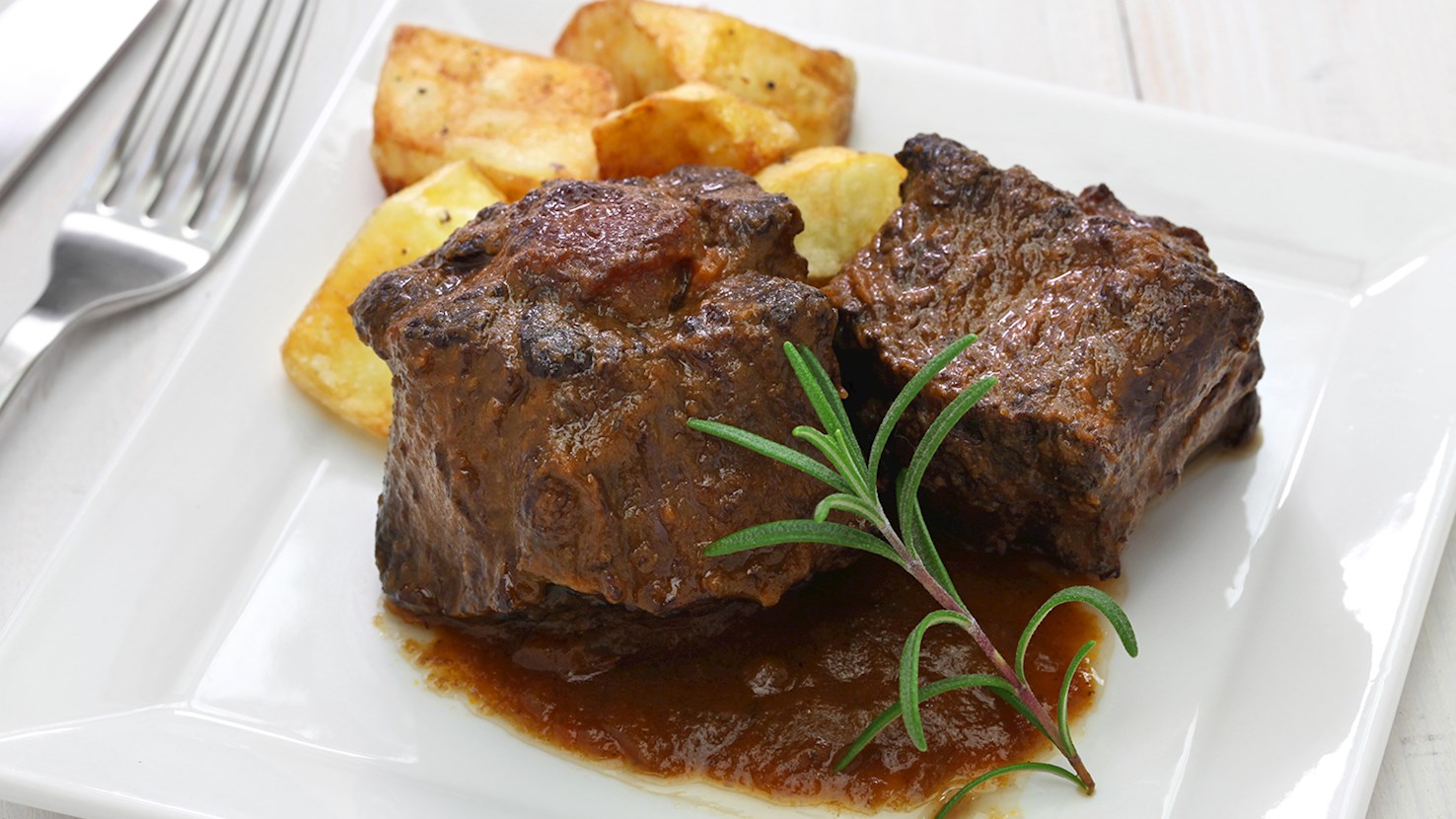
Rabo de toro is a traditional dish originating from Córdoba, although it's eaten throughout Andalusia. Each restaurant and region has their own recipe, but it's usually made with a combination of oxtail, olive oil, onions, garlic, carrots, celery, paprika, tomatoes, red wine, dry sherry, bay leaves, and parsley. Once cooked, this slow-braised stew is typically served with fried potatoes on the side. It is believed that rabo de toro dates back to Roman times, when the bull would be killed at a bullfight, and its tail would be braised and enjoyed in celebration. Nowadays, the dish is especially popular during the colder months of the year.

04

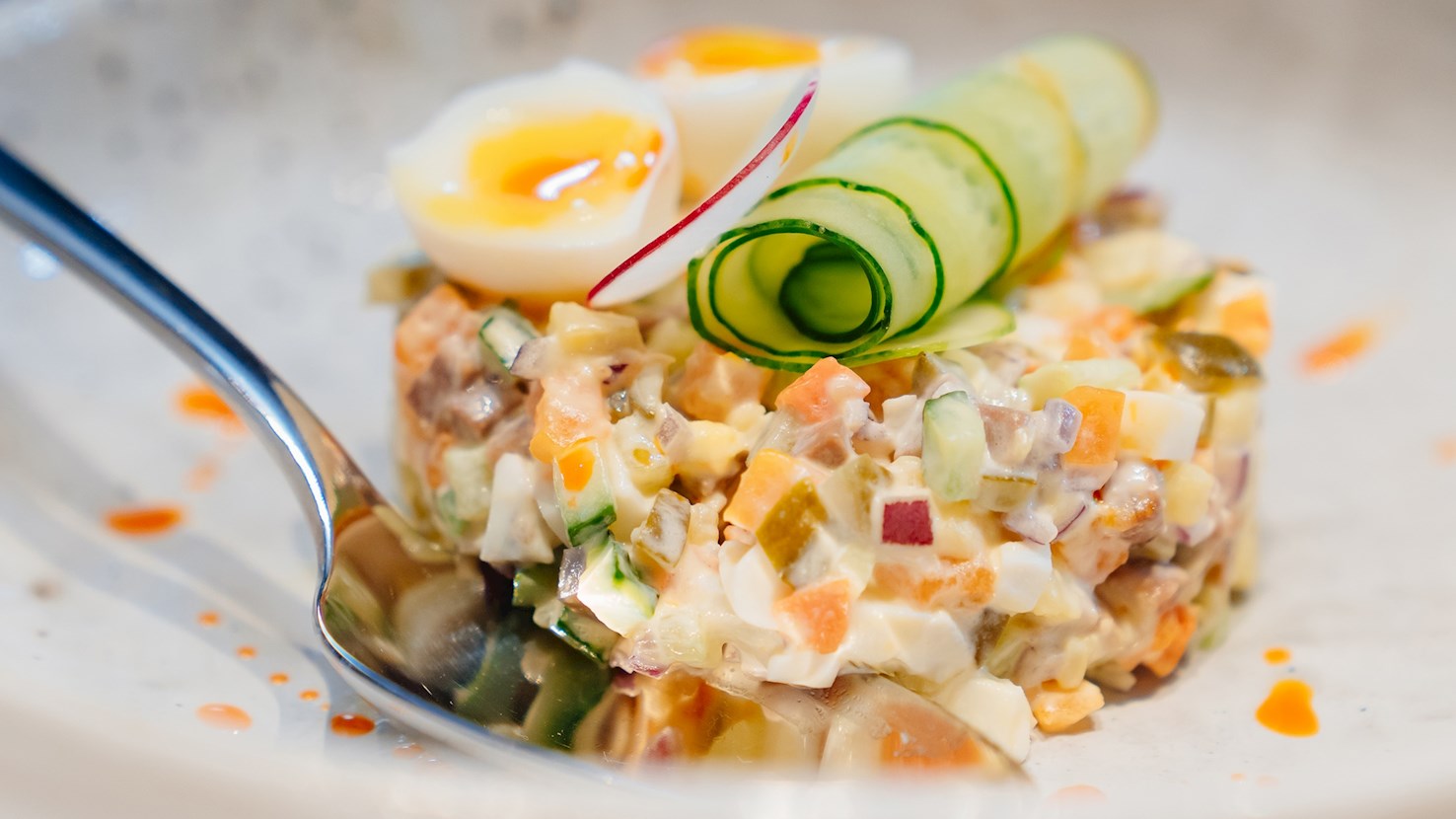
Ensalada rusa

3.6 ·

Ensalada rusa is a popular Spanish variation of the Olivier salad, that consists of a mixture of diced boiled potatoes, carrots, peas, and sometimes green beans, all combined with mayonnaise to create a creamy texture. In Spain, the salad usually includes additional ingredients such as hard-boiled eggs, pickles, and tuna or chicken. This dish is typically served cold and is a staple in many tapas bars. The preparation involves boiling the vegetables until tender, then dicing them into small, uniform pieces. These vegetables are mixed with mayonnaise and other ingredients like diced pickles, hard-boiled eggs, and tuna or chicken Salt and pepper are added to taste. After mixing, the salad is chilled to allow the flavors to meld together.

Best restaurants
05

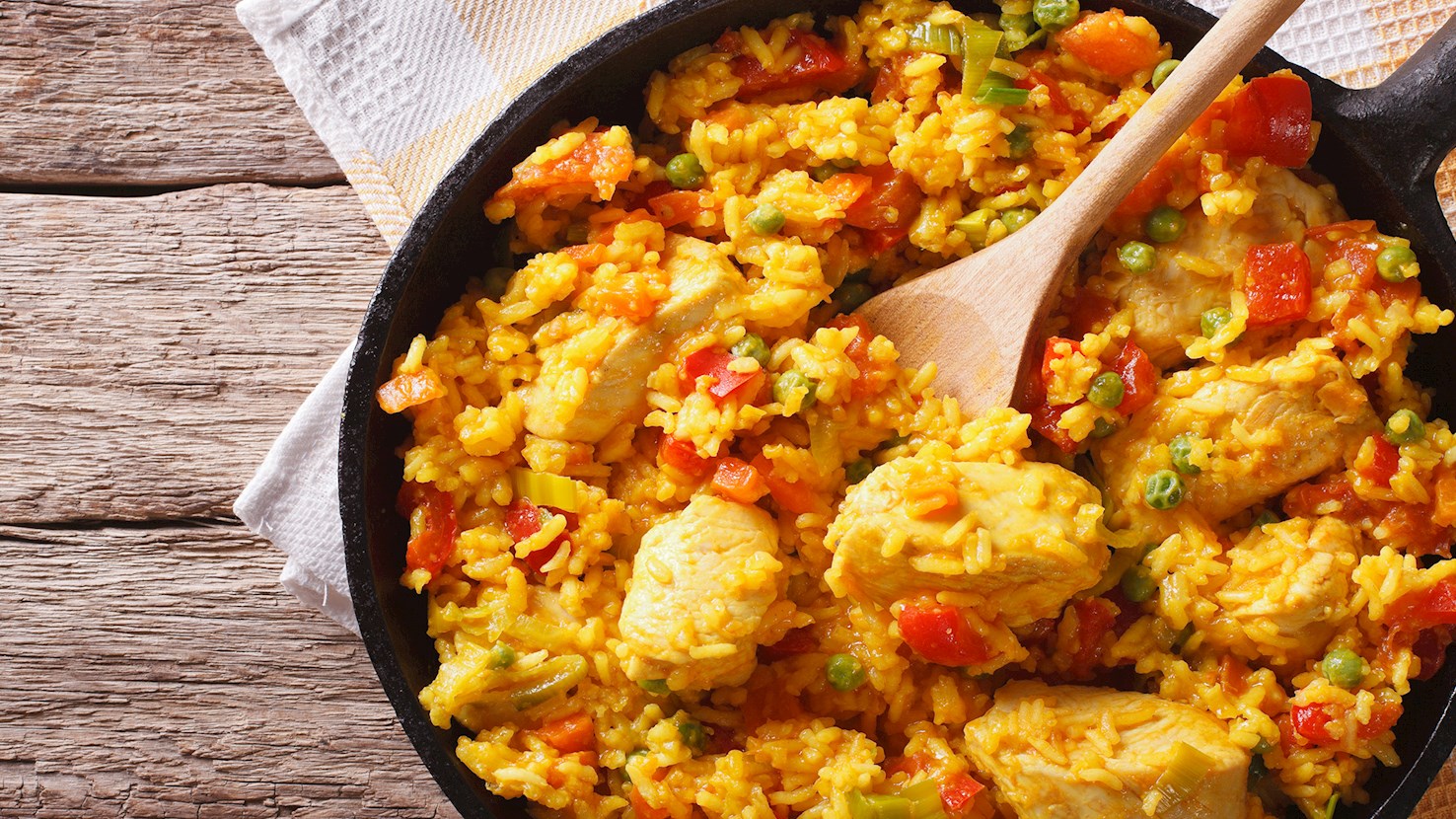
Arroz con pollo

3.9 ·

Arroz con pollo is a dish originating from the times when Spain was under the Moorish influence, consisting of chicken, rice, stock, beer, sofrito, and numerous spices such as saffron, cumin, and coriander. It is believed that over the years, arroz con pollo made its way to Latin American countries, where it is still popular. Today, there are numerous variations of the dish throughout Spain and Latin America.

Best restaurants
06

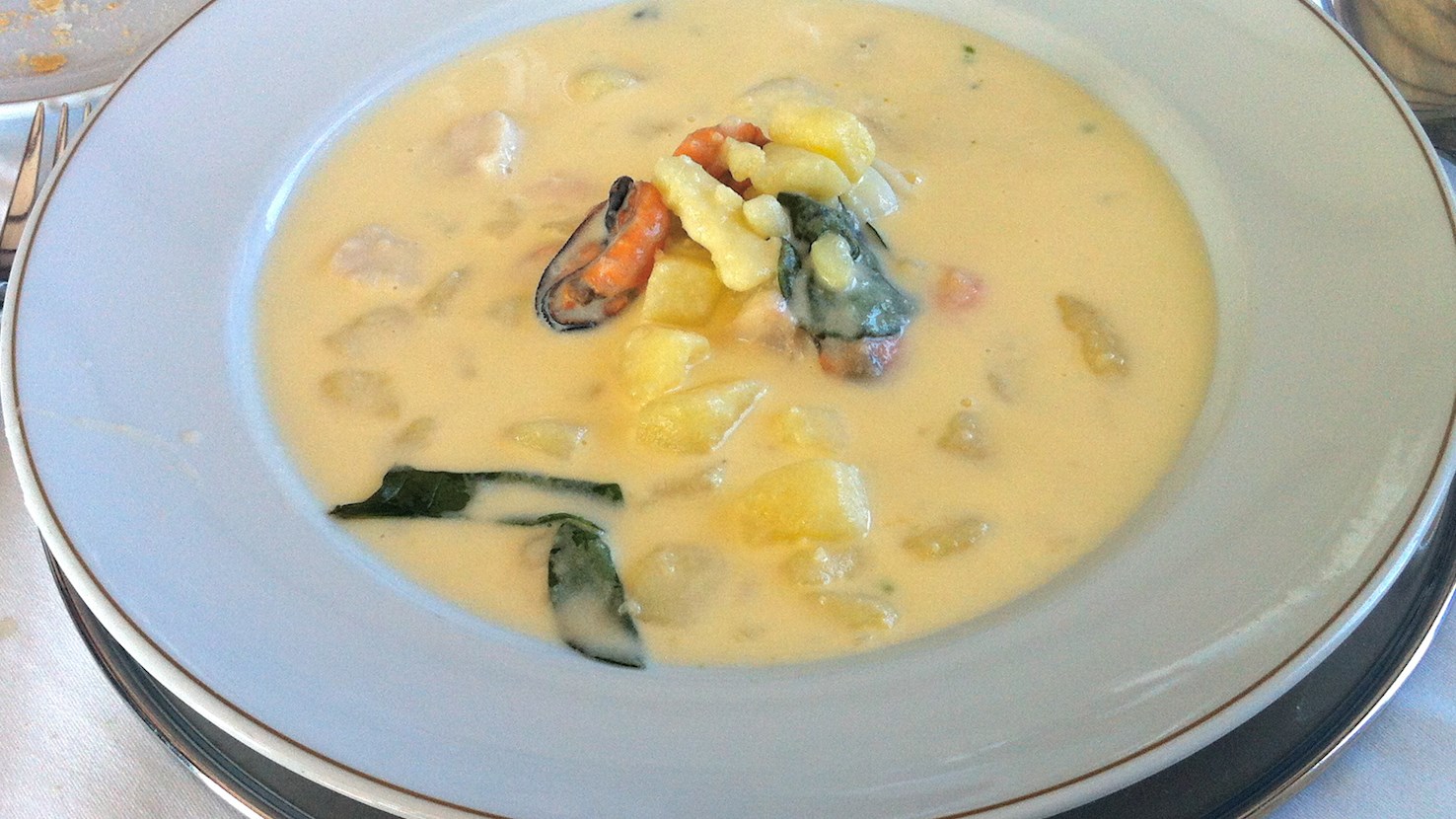
Gazpachuelo

3.6 ·

Gazpachuelo is a Spanish soup originating from Malaga. Originally, it was a poor man’s dish made by local fishermen, who would prepare it with fish, fish stock, mayonnaise, potatoes, garlic, egg yolks, and wine vinegar. Over time, they started to add shrimps and clams into the soup. Nowadays, gazpachuelo is typically consumed in the winter, when it’s often accompanied by hard-boiled eggs and toasted bread, which should be dipped into the soup.

07

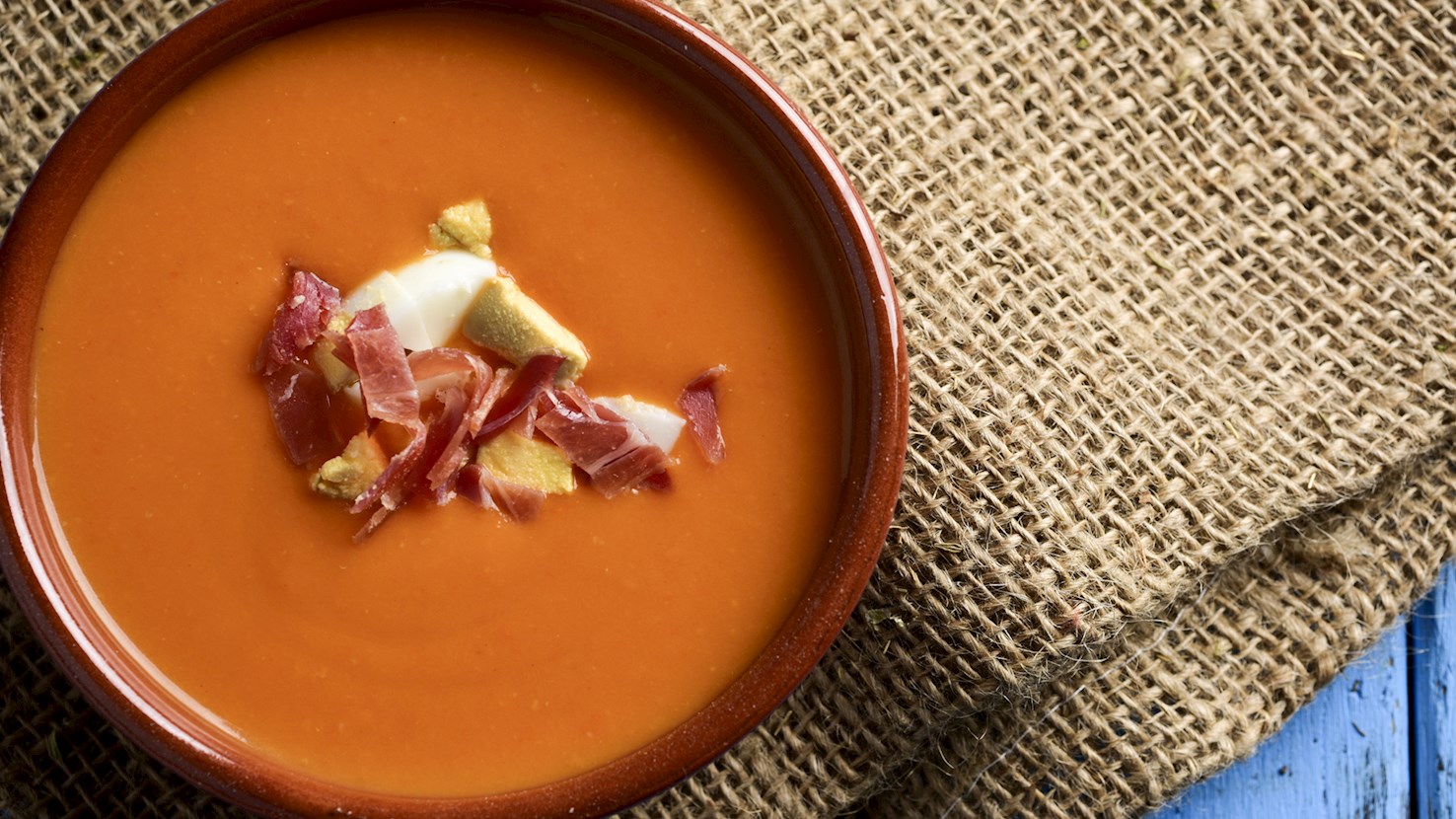
Porra Antequerana

4.0 ·

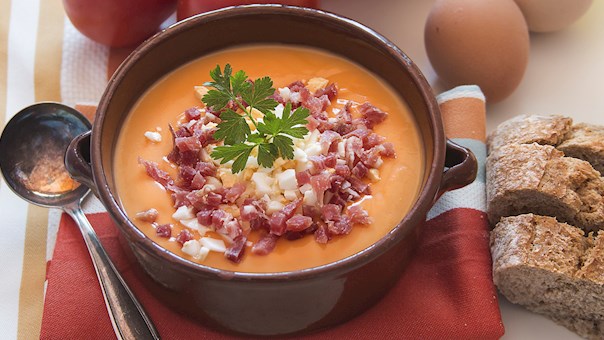
Porra Antequerana is a Spanish soup originating from the Malaga town called Antequera. Originally, the soup was served warm, and it was made with old bread, tomatoes, olive oil, garlic, vegetables, pieces of ham, hard-boiled eggs, and other ingredients the peasants had on hand. The ingredients were puréed into a soup using a mortar (porra) and pestle. Over time, the soup started to be served cold, usually as an appetizer or a tapa. Nowadays, there are many variations on porra Antequerana, with some recipes adding ingredients such as tuna on top of the soup.

08

Gazpacho

3.6 ·

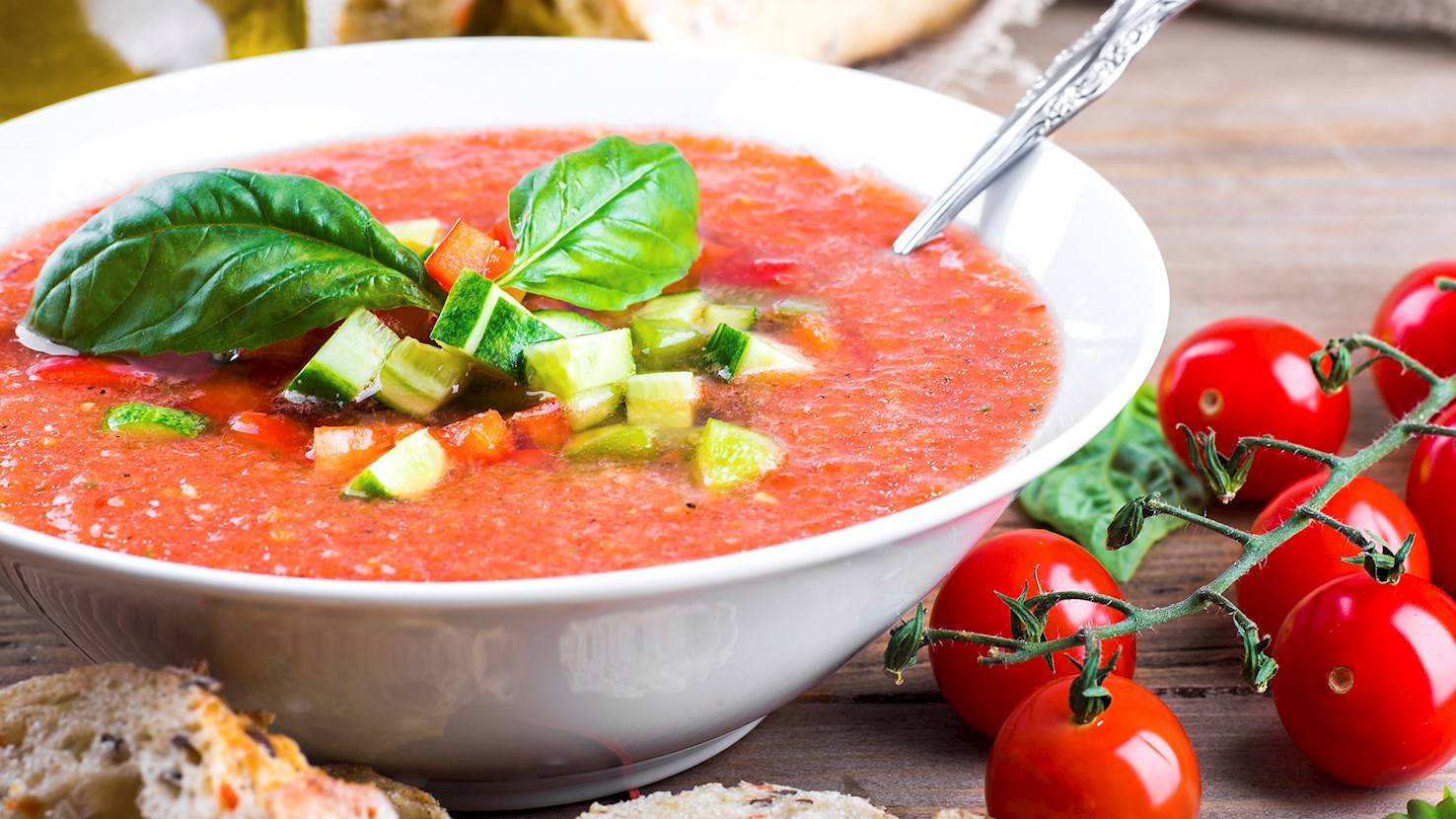
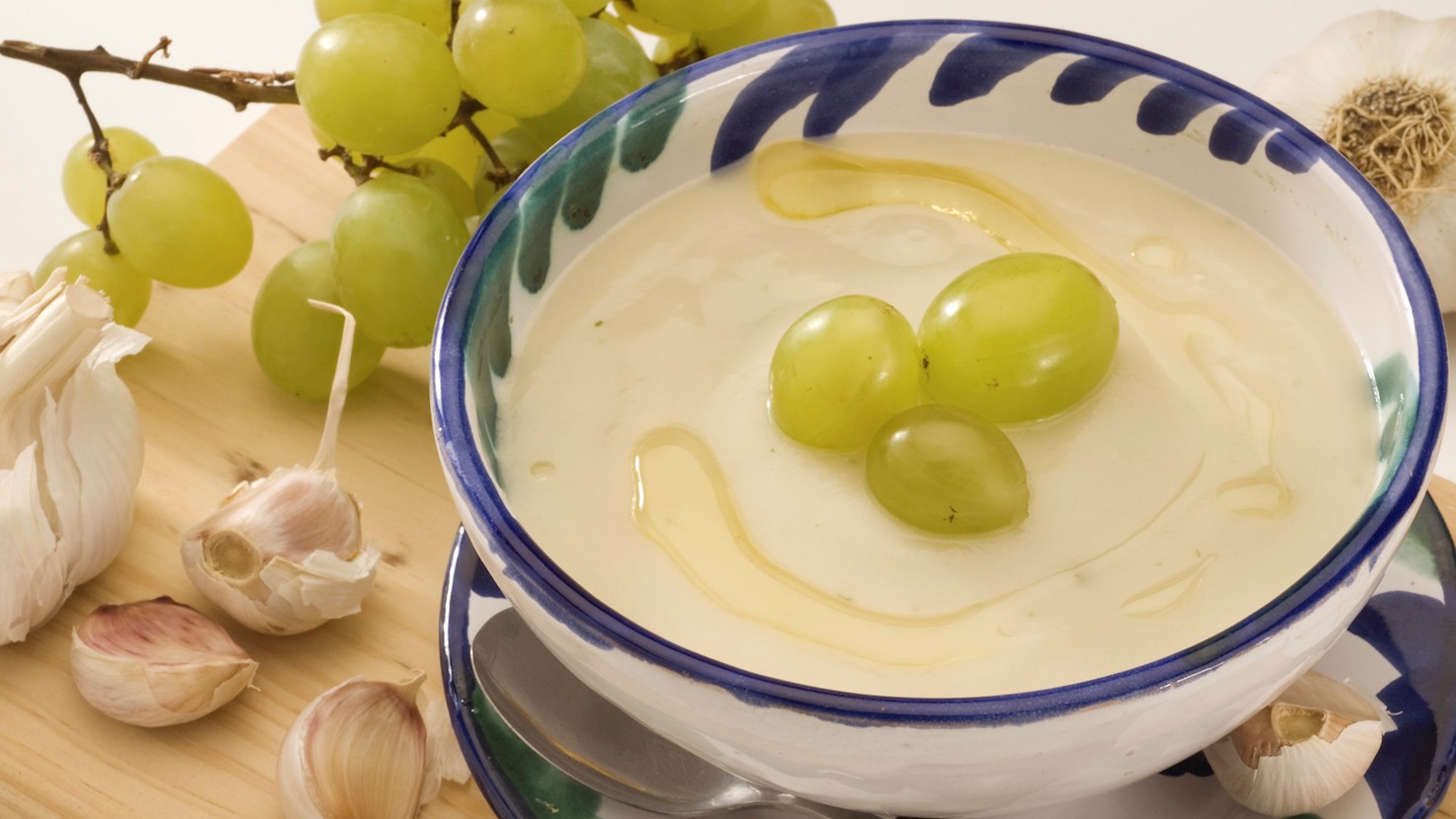
A perfect remedy for a hot summer day called gazpacho is a cold soup consisting of crushed tomatoes, finely chopped cucumbers, onions, peppers, croutons, vinegar, and olive oil. With the same level of familiarity as paella to the consumers worldwide, the soup's refreshing, cool and acidic flavors promote Spanish cuisine at its best. The dish began as a light lunch that the wives brought to their husbands in the field in order to cool them down from the hot summer sun. Shortly after, it began to be served at the end of big meals, although today it is a popular summer appetizer. Throughout Spain, there are a number of gazpacho varieties, such as gazpacho blanco (white gazpacho) or ajo blanco, a Málaga specialty made with garlic, bread, and almonds, with a garnish of green grapes. As the dish evolved, all kinds of ingredients started to be added to the soup, such as watermelon and cantaloupe. Regardless of the varieties, all gazpachos share a common thread of three key ingredients - bread, vinegar, and oil.

Best restaurants
09

Ajoblanco

3.9 ·

This Andalusian cold almond soup is known as the precursor of gazpacho; it originated during the Moorish middle ages, predating the arrival of tomatoes and peppers by several centuries. Ajoblanco traditionally consisted of a puréed mixture of stale bread that was moistened with vinegar and water, a hefty amount of fresh garlic, and almonds — the region's most abundant crop, but modern recipes also often include ingredients such as milk and green grapes. If available, always use Marcona almonds when making ajoblanco. The perfect starter for a summer lunch, this creamy soup is best enjoyed well chilled, drizzled with olive oil, and topped with toasted almonds.

Best restaurants
10

Ensalada Malagueña

3.2 ·

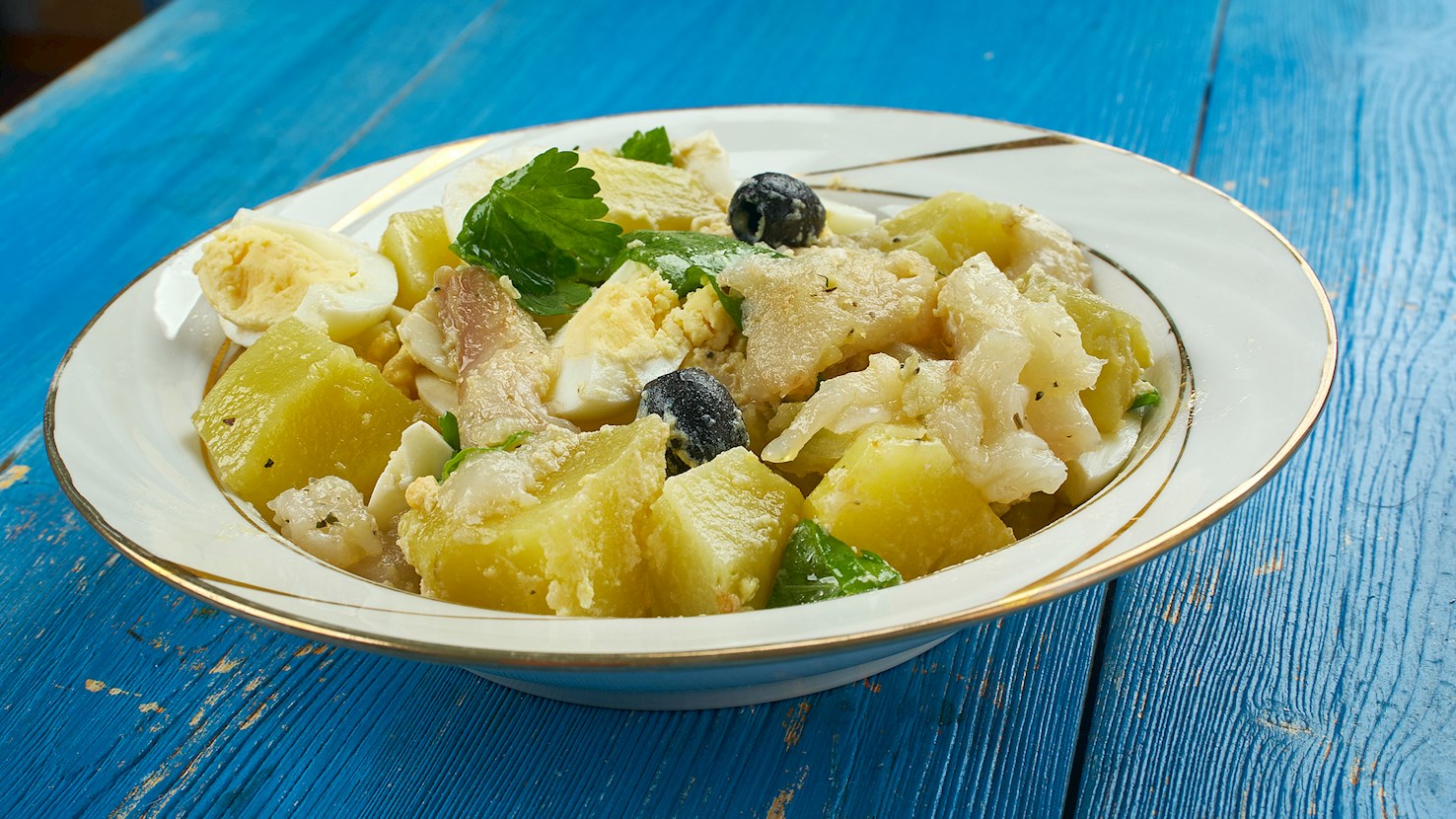
Ensalada Malagueña or ensalada cateta is a traditional salad originating from Malaga. This cold salad is usually made with a combination of potatoes, boiled eggs, orange slices, onions or scallions, cod, olives, olive oil, sherry vinegar, and salt. The potatoes are boiled (peeled or unpeeled) and cut into thick rounds. The cod is cooked or baked and crumbled into the bowl with the potatoes, and then mixed with chopped onions or scallions, olives, orange slices, and slices of hard-boiled eggs. Once mixed, the salad is seasoned with salt and dressed with olive oil and sherry vinegar. It is especially popular in the spring and summer.

Best restaurants
About this Ranking

TasteAtlas food rankings are based on the ratings of the TasteAtlas audience, with a series of mechanisms that recognize real users and that ignore bot, nationalist or local patriotic ratings, and give additional value to the ratings of users that the system recognizes as knowledgeable.

TasteAtlas Rankings should not be seen as the final global conclusion about food. Their purpose is to promote excellent local foods, instill pride in traditional dishes, and arouse curiosity about dishes you haven’t tried.

What People Say

Similar Lists