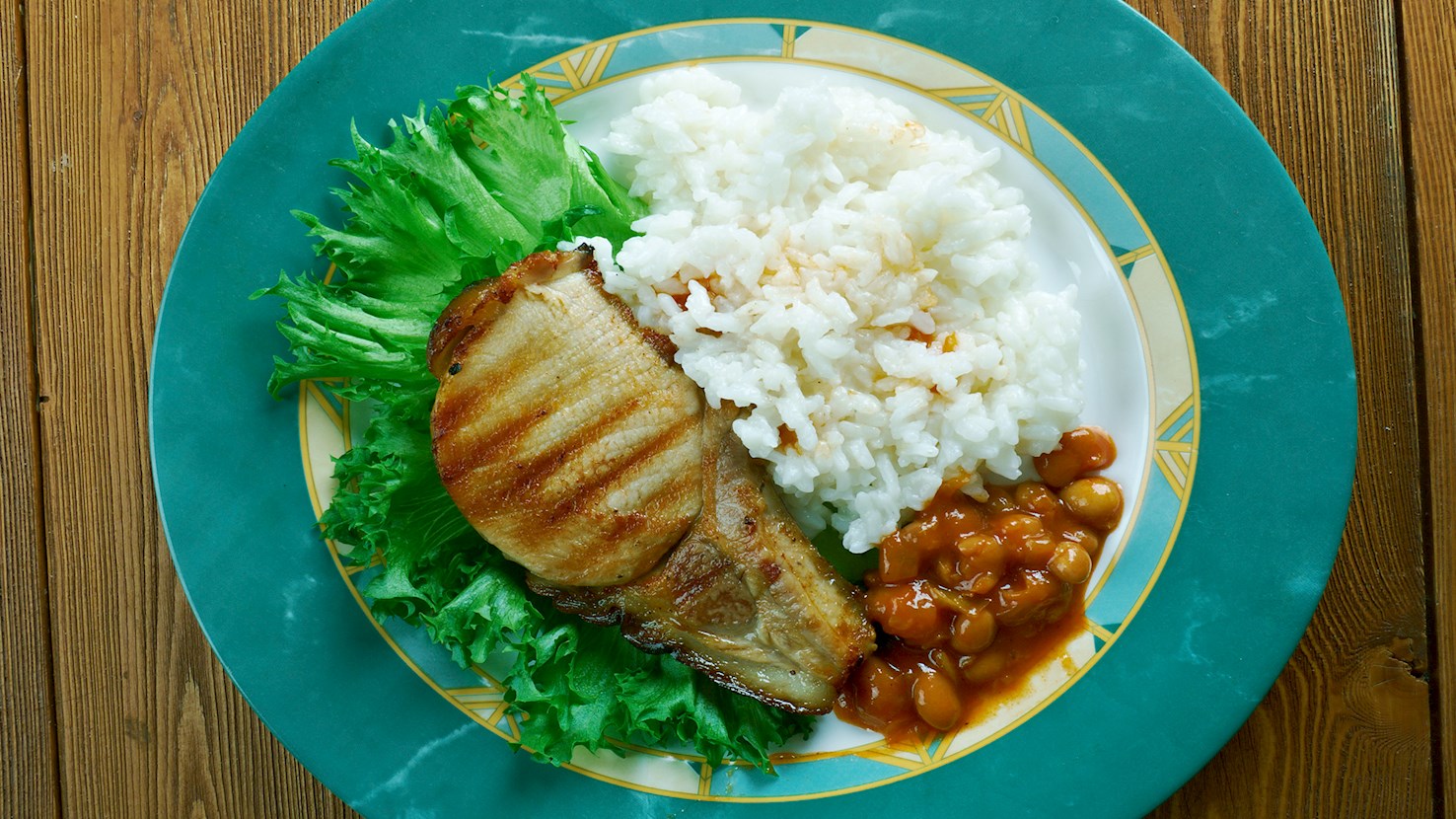
Poc chuc is a Mexican meat dish consisting of thin pork cutlets marinated in orange juice. The meat is then grilled and served with pickled onions and freshly prepared corn tortillas on the side. It can be found in most restaurants throughout the Yucatan region, since it is one of the region's signature dishes. It is believed that the dish was invented as a means of preservation, when the meat was cured with salt brine. The name of the dish is derived from poc, meaning to toast, and chuc, meaning charcoal.
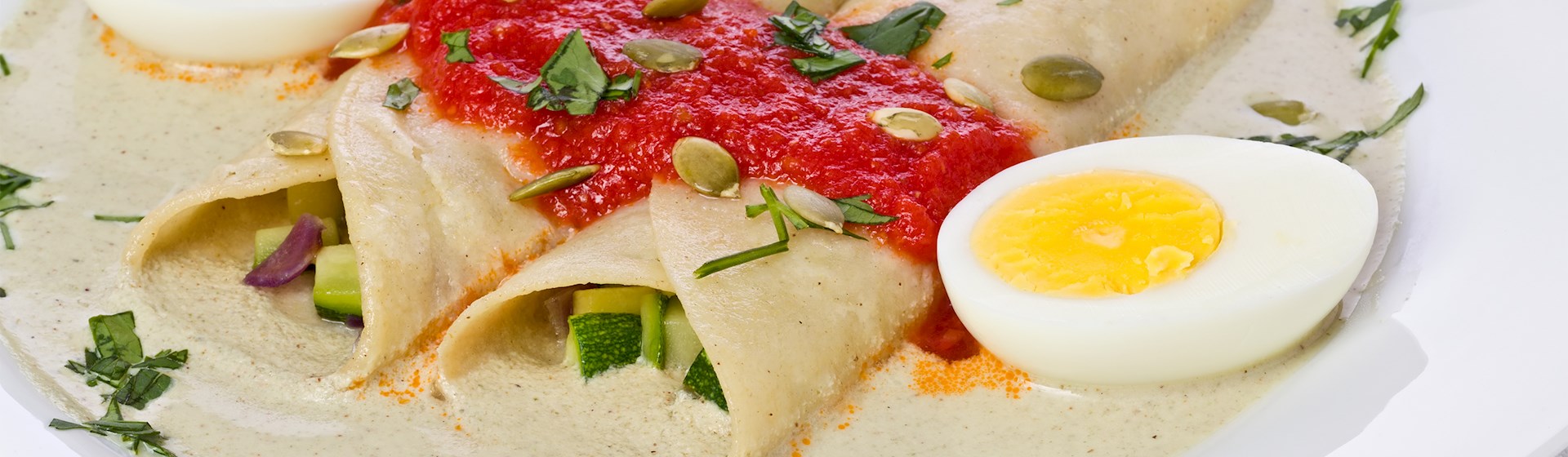
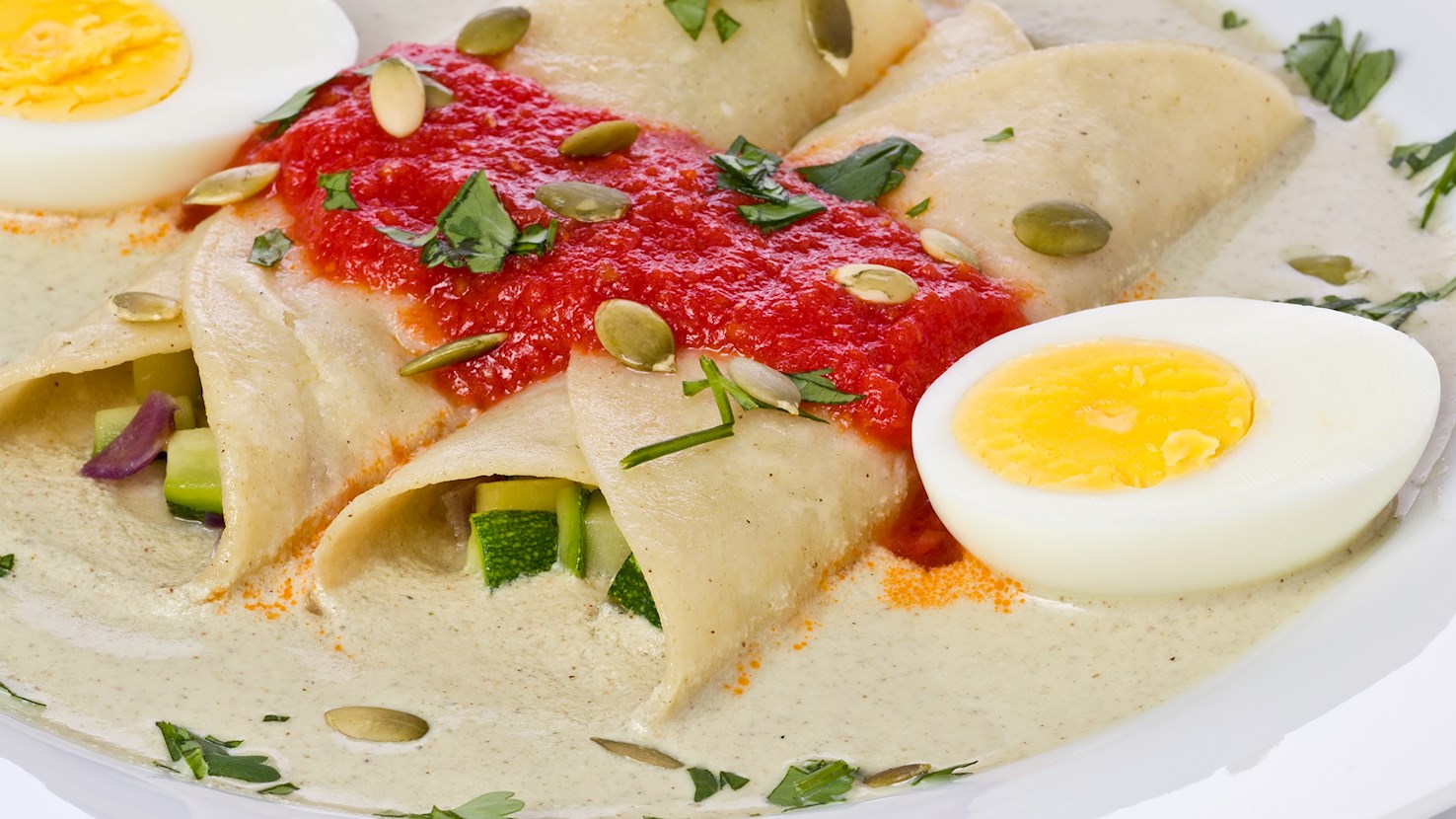
Papadzules are rolled corn tortillas from the Yucatán Peninsula, dipped in a creamy pumpkin seed sauce, filled with chopped hard-boiled eggs, and topped with roasted tomato salsa. The dish is closely associated with Maya cooking and the region's agricultural staples, especially maize, squash seeds, tomatoes, and epazote. The name is usually explained in Maya terms, often interpreted as "food" and "lord" or "master," although the exact translation remains debated. One common interpretation links the dish to food served to nobles, important guests, and later to Spanish arrivals, while its reliance on squash seeds, maize, tomatoes, and regional herbs reflects a cooking tradition rooted in the peninsula's ingredients before the widespread use of European livestock. The dish begins with hulled pumpkin seeds, or pepitas, which are toasted and ground into a fine paste. This paste is mixed with warm broth infused with fresh epazote leaves, producing a thick, smooth, pale green sauce with an earthy, herbal flavor. Eggs are boiled until firm, peeled, and chopped into small pieces. Fresh corn tortillas are warmed briefly on a griddle until soft and pliable, then dipped into the pumpkin seed sauce, laid flat, filled with a line of chopped egg, and rolled into compact cylinders. Once the rolls are arranged side by side on a serving platter, more of the green pumpkin seed sauce is poured over the top. A second sauce, known as chiltomate, provides a bright contrast to the rich seed sauce. It is usually made by roasting ripe tomatoes, white onion, and whole habanero chiles until lightly charred, then blending and simmering the mixture until it becomes smooth and slightly thickened. The red tomato salsa is spooned over the green-coated tortillas, creating the characteristic contrast of colors and flavors. Although hard-boiled eggs are the most common filling, local versions may use shredded roasted chicken or slow-braised pork shoulder instead, turning the dish into a richer, meat-based main course. Other variations avoid meat entirely and use pan-fried white cheese or sautéed chaya leaves as the filling. Papadzules are served warm, usually on a wide ceramic platter, with the sauce-soaked tortillas arranged in a row. A few drops of dark green pumpkin seed oil may be added over the tomato salsa for extra nuttiness, while raw habanero slices are sometimes served on the side for sharper heat. The soft tortillas are eaten with a fork and knife, cutting through the pumpkin seed coating and tomato salsa to reach the firm egg filling inside. A cold, citrus-forward fruit drink is a common accompaniment, helping balance the dense, earthy flavor of the pepitas, epazote, and sauce.
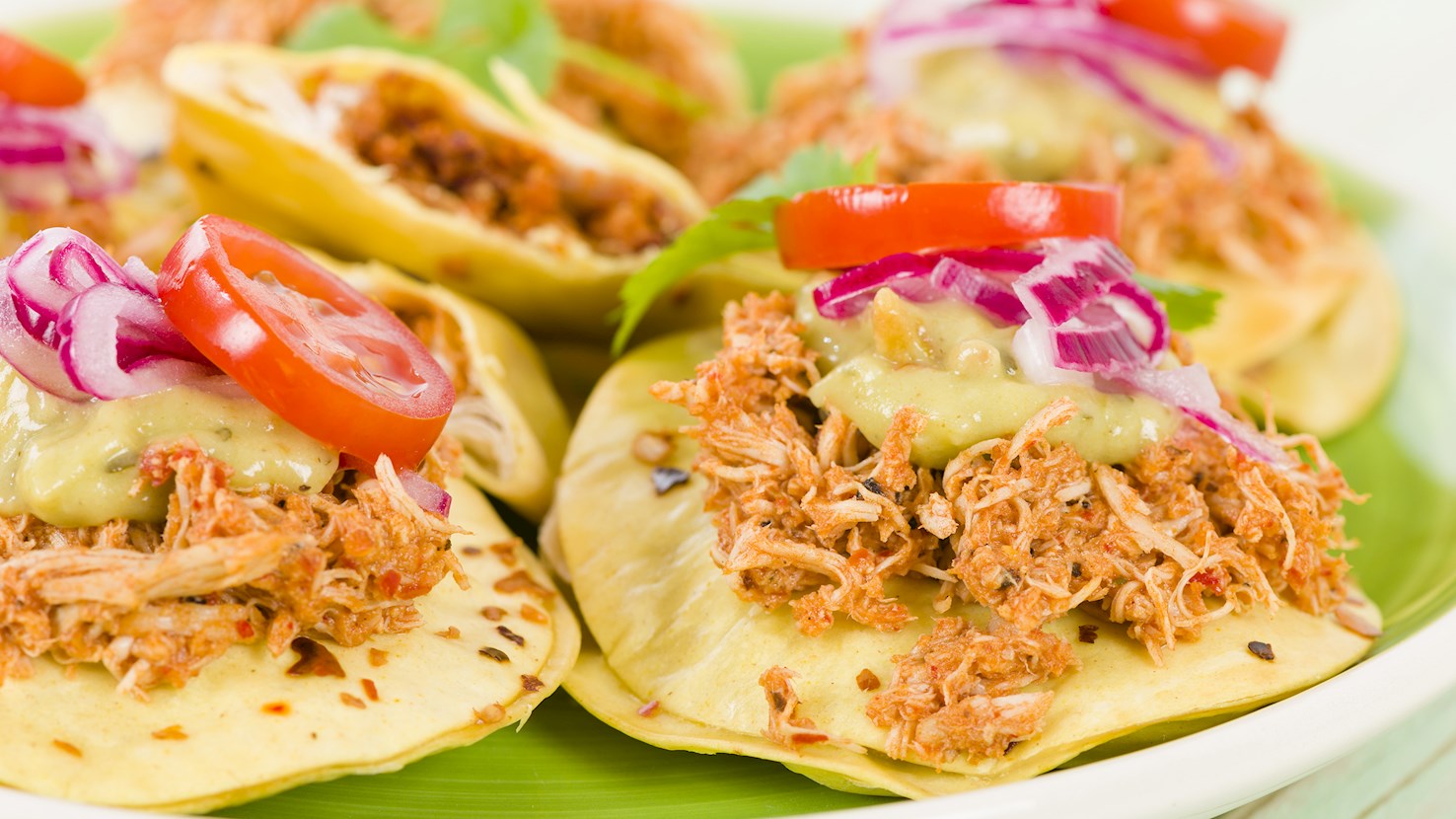
Panucho is a Yucatan specialty consisting of a tortilla topped with refried beans, acting as the base of the dish. Other toppings are left for the cook or the customer to decide according to preferences. It can be anything from cabbage, tomatoes, avocados, and onions to shredded chicken, fish, and pickled hot peppers. Traditionally, panuchos are served warm at panucherias, small restaurants specialized in making the dish.
TasteAtlas food rankings are based on the ratings of the TasteAtlas audience, with a series of mechanisms that recognize real users and that ignore bot,
nationalist or local patriotic ratings, and give additional value to the ratings of users that the system recognizes as knowledgeable.
TasteAtlas Rankings should not be seen as the final global conclusion about food. Their purpose is to promote excellent local foods,
instill pride in traditional dishes, and arouse curiosity about dishes you haven’t tried.



What People Say