

shutterstock

9 Traditional Foods
You Have To Try in Marikina

Last updated on May 22, 2026
01

Silog

4 ·

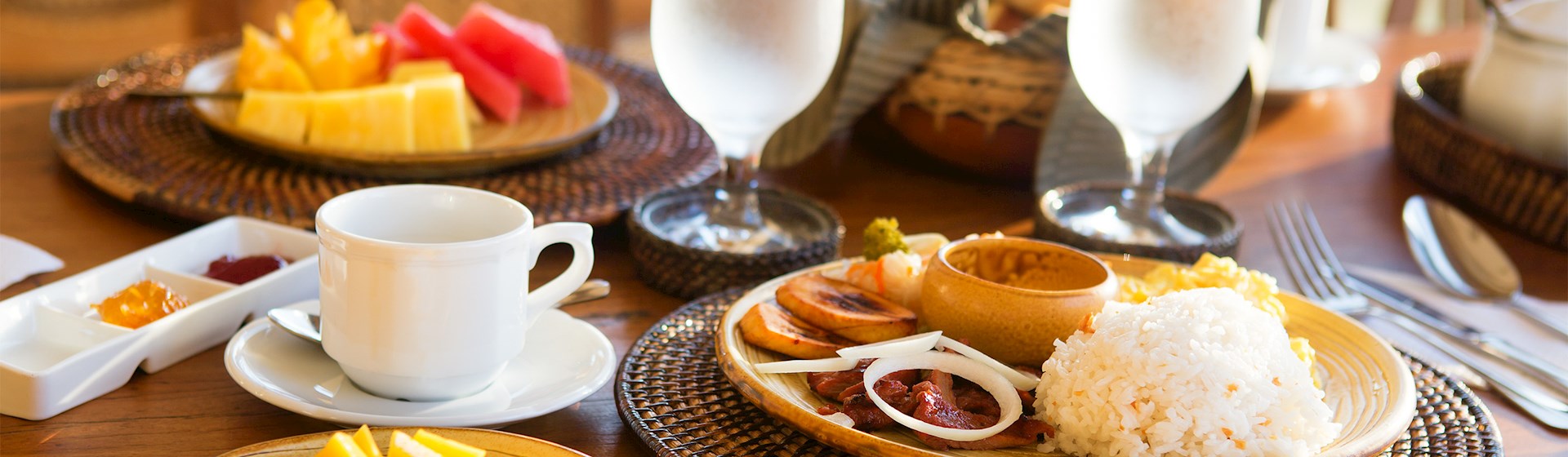
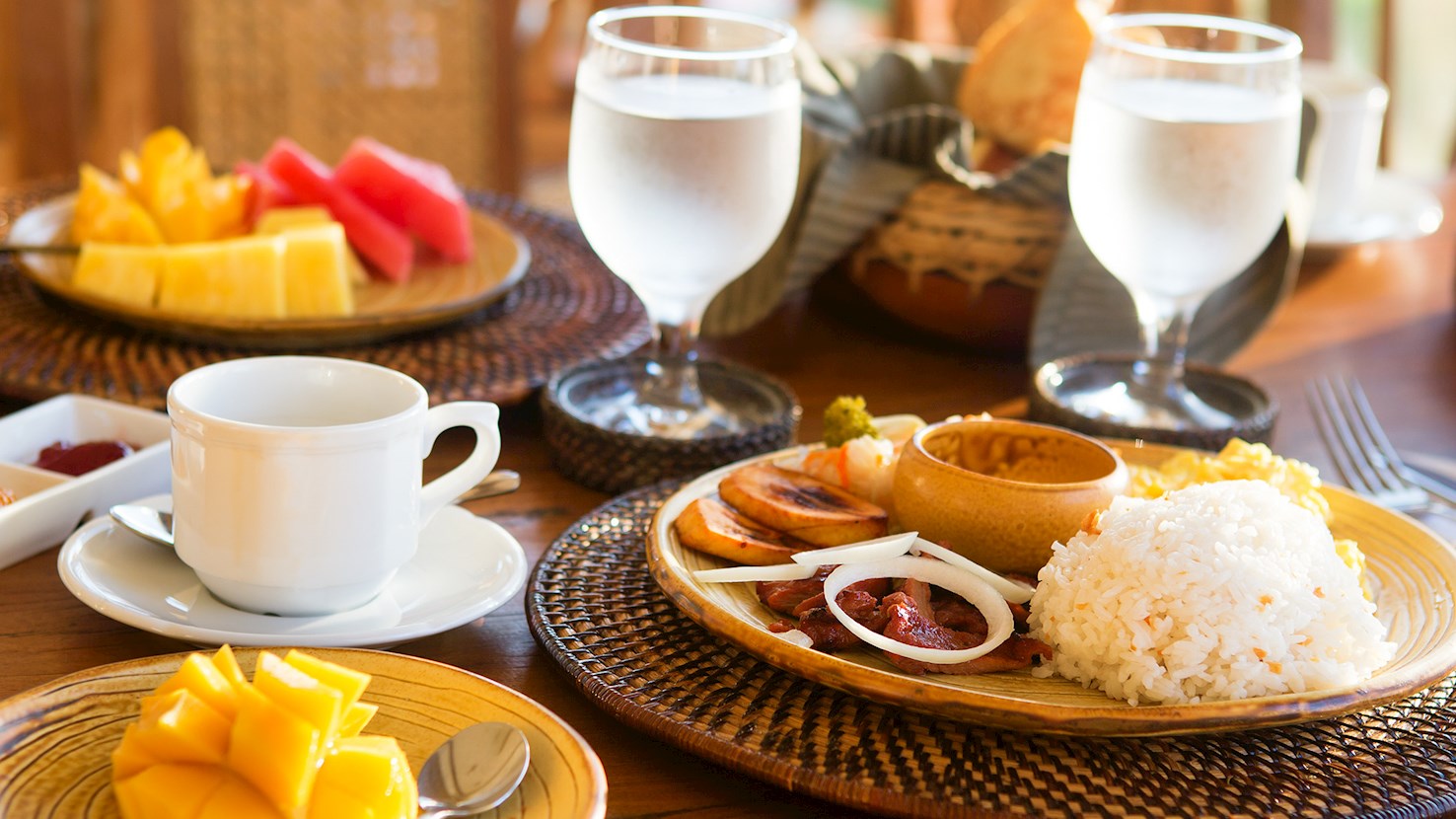
Silog refers to a group of Filipino dishes that are traditionally served for breakfast. The name is an abbreviation for sinangang at itlog, meaning fried garlic rice and eggs. The difference between each of these dishes is in the additional component that's served with the garlic rice and eggs, such as tapa (sliced meat), longganisa sausages, tocino bacon, bangus milkfish belly, chorizo, hot dogs, pork chops, Spam, fried chicken, or beefsteak, among others. It is believed that the first type of silog was tapsilog, invented in the 1980s in Marikina City. These breakfast items are so popular that they can nowadays be found in fast food chains, hotels, and restaurants.

02

Tapsilog

4.1 ·

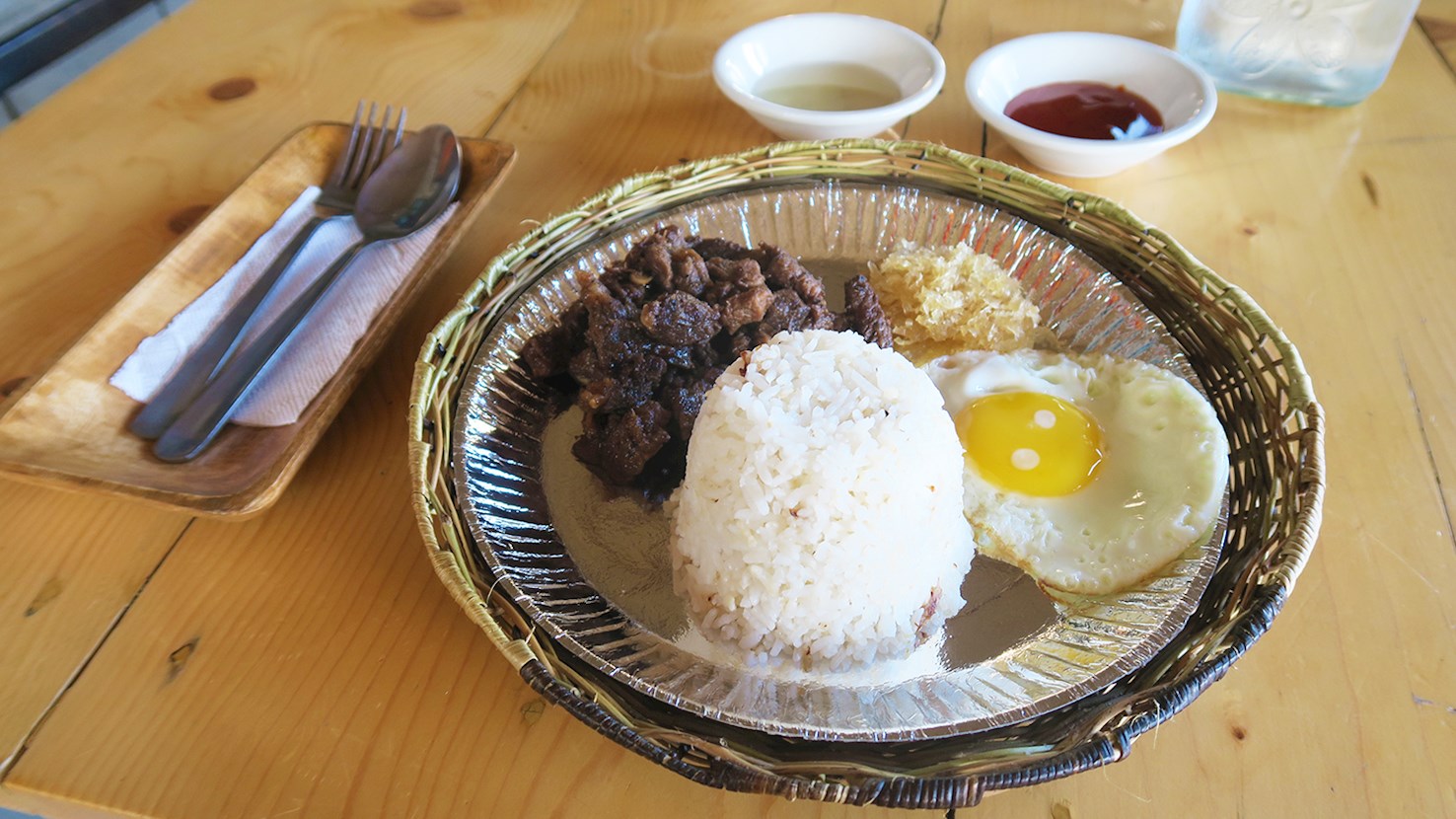
One of the most common breakfast staples in the Philippines is tapsilog, a plate which consists of sliced beef jerky, known as tapa, a heap of garlic rice, and a fried egg. It is believed that the dish grew out of necessity, to cater to the needs of many workers who were in search for a quick, cheap, and nutritious breakfast. Eventually, tapsilog was incorporated on the menus of many Filipino fast food chains and specialized tapsihan eateries. Nowadays, it appears in numerous varieties, and even though it is still a favorite Filipino breakfast it can be enjoyed at any time of day or as a satisfying late night snack.

03

Kutsinta

3.5 ·

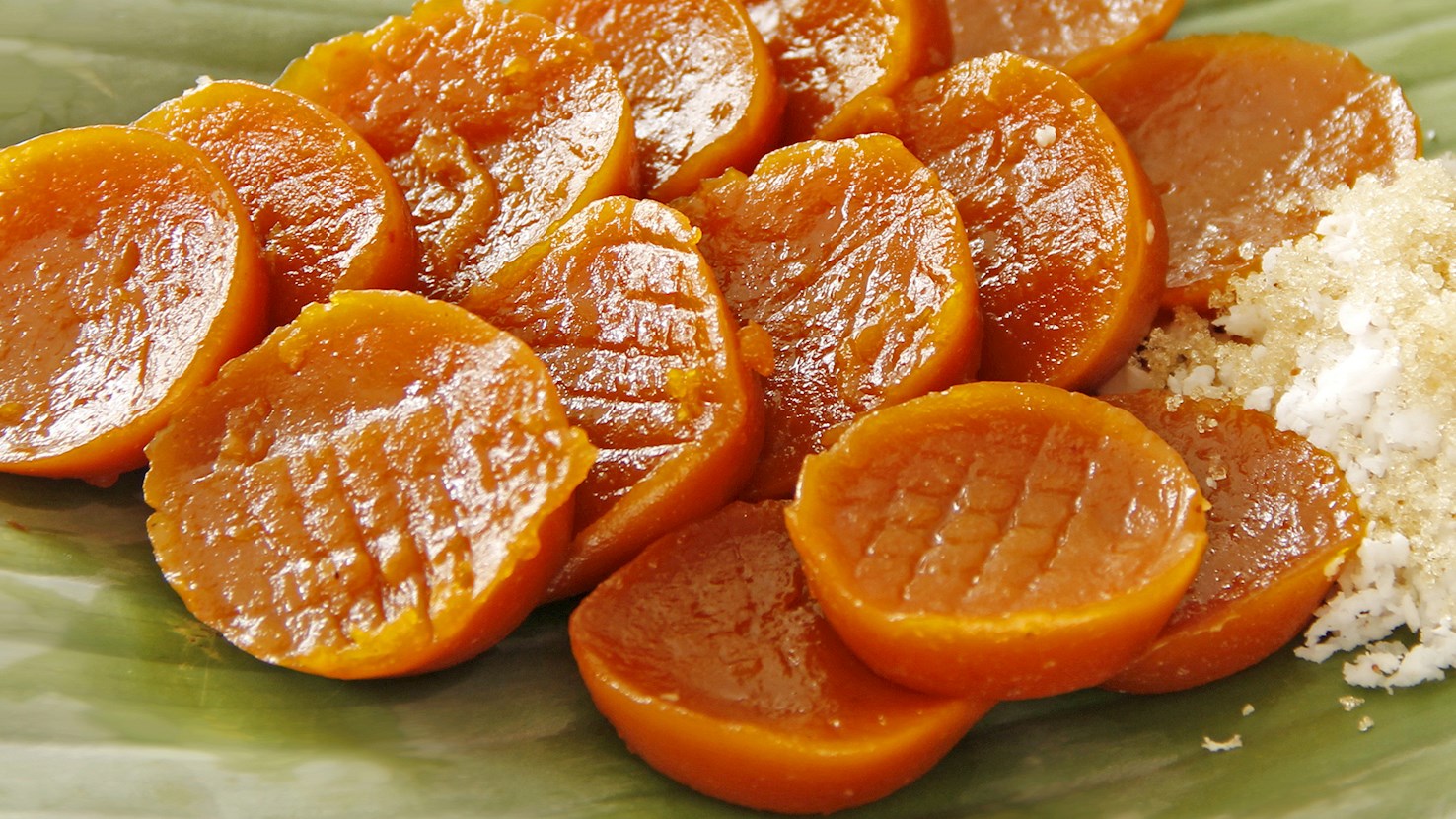
Kutsinta is a sweet Filipino delicacy made with glutinous rice flour, brown sugar, and lye water. The mixture is steamed in small round molds and it is traditionally served topped with coconut flakes. These chewy cakes are usually infused with food coloring or annatto seeds in order to achieve their typical dark brown color. These sweet treats are usually enjoyed as a satisfying dessert or a quick afternoon snack.

04

Puto

3.5 ·

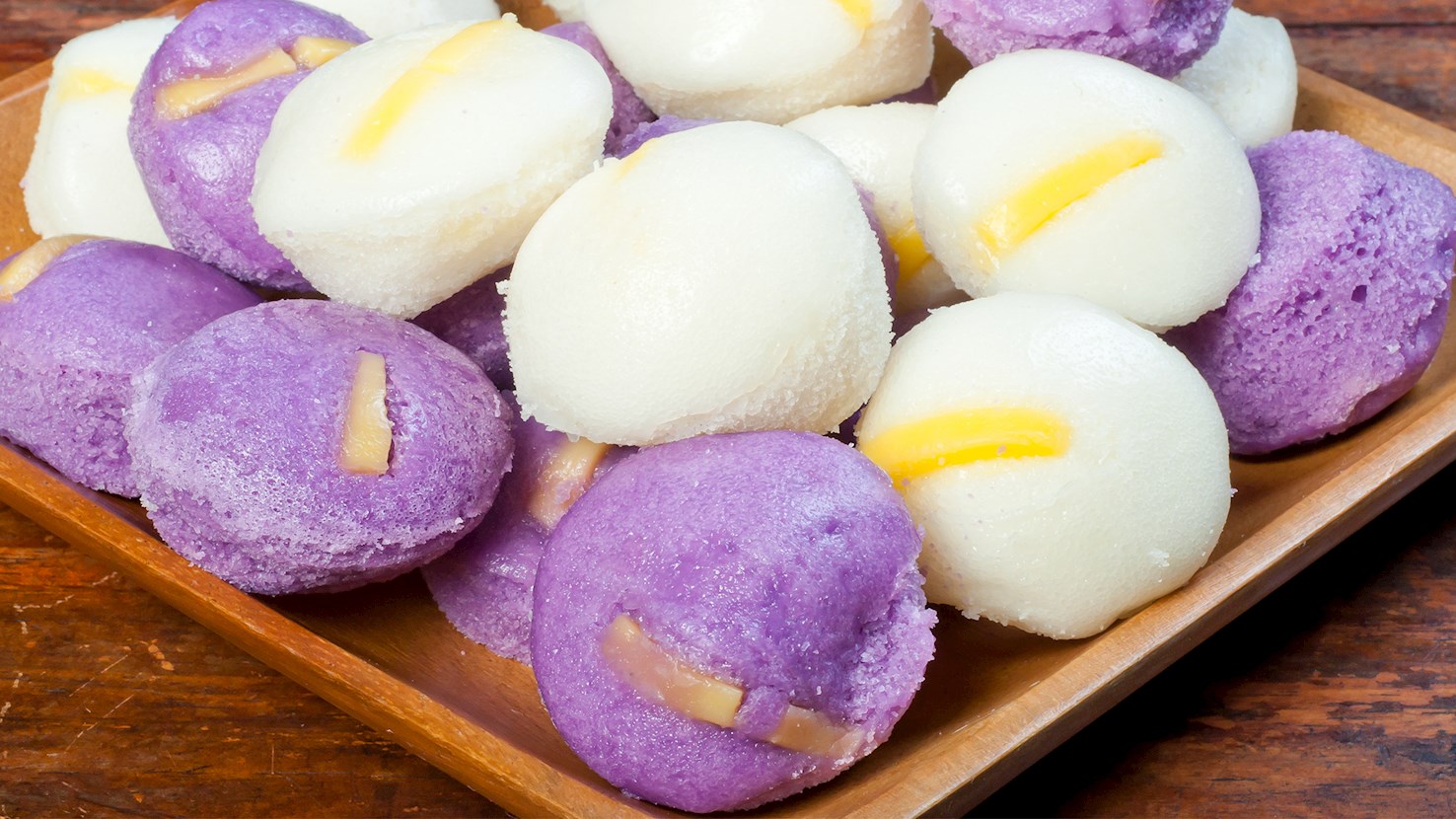
The lightly sweetened puto are popular Filipino steamed rice cakes traditionally consisting of finely ground soaked rice that is steamed in round containers and served sliced. The popularity of these versatile cakes has caused the development of many modern puto varieties, which often vary in texture, color, shape, size, and flavor. Because of their neutral flavor, they can be enjoyed as a quick snack or a dessert, but they are also served as an accompaniment to savory dishes such as hearty Filipino stews.

05

Lumpia

4.1 ·

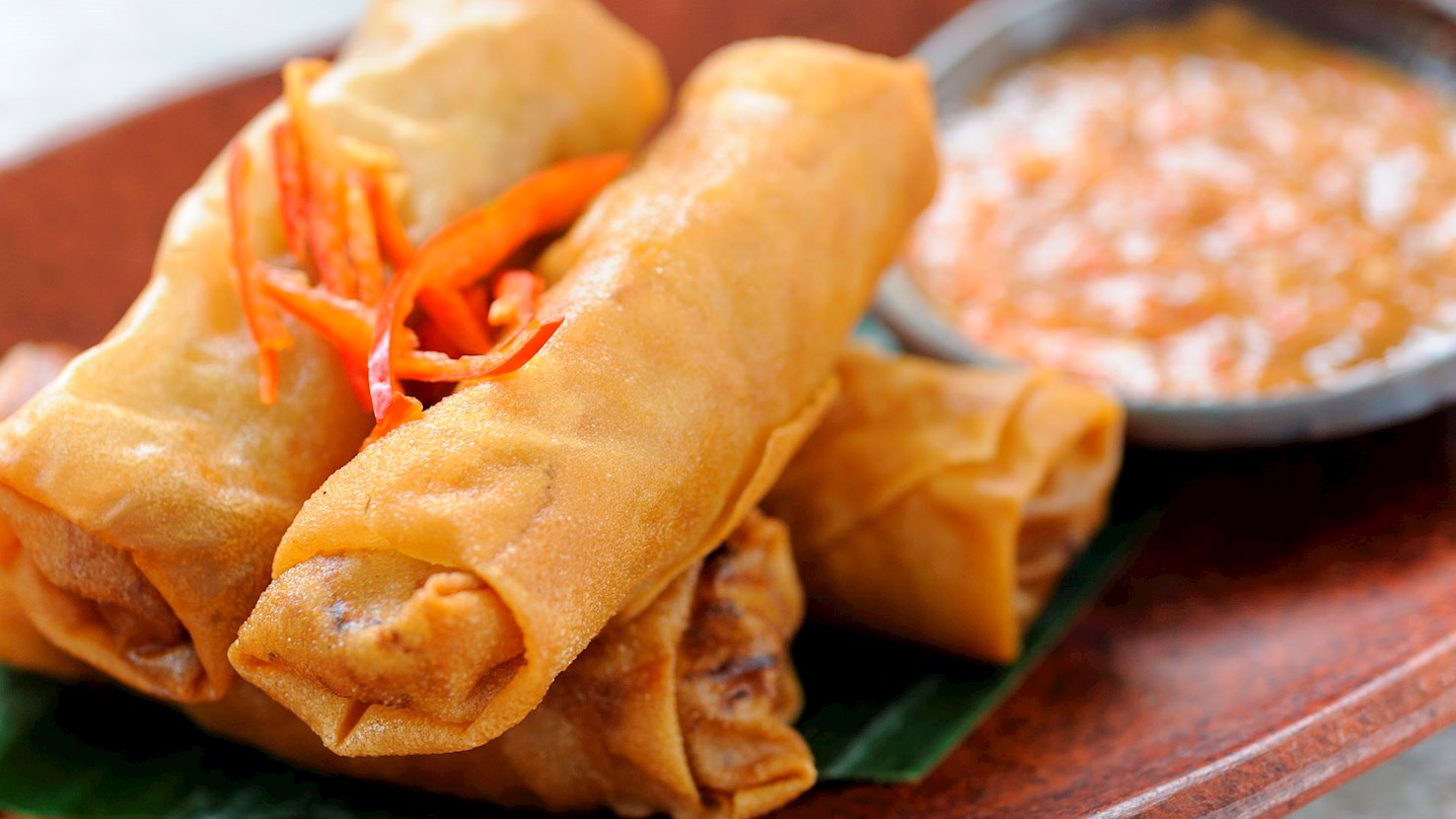
Lumpia is a simple and flavourful Filipino finger food that evolved from the Chinese spring rolls. Each lumpia consists of a rice or flour dough wrap that is stuffed with meat (most often ground pork or beef) and vegetables such as cabbage, carrots, onions, and garlic. It is then sealed with egg wash and fried. Once it has been prepared, its crusty, crunchy exterior and tender interior are perfectly complemented with the sweet and sour dipping sauce. It can be eaten as a snack or as a side dish, and it is almost impossible to see a Filipino feast without at least one variation of lumpia, such as unfried lumpia, lumpia with bean sprouts, hearts of coconut palm, bangus, or saba bananas (ripe plantains).

06

Lumpiang Shanghai

4.3 ·

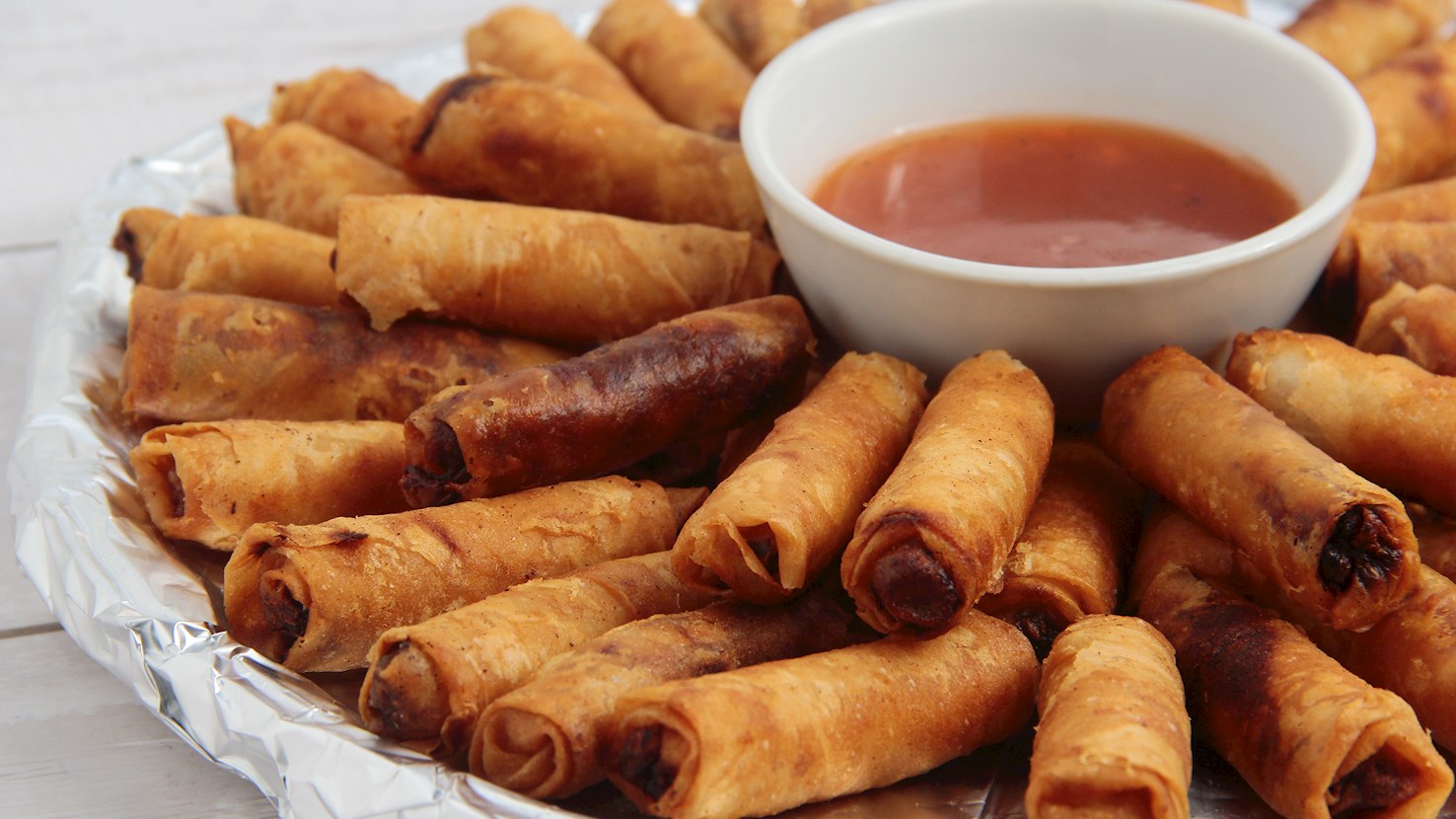
Lumpiang Shanghai is the most popular variety of lumpia, the crispy deep-fried Filipino snack that evolved from Chinese spring rolls. Even though lumpia appears in numerous variations, the Shanghai version is characterized by a savory filling which combines ground pork or beef with carrots, onions, various seasonings, and (occasionally) shrimps. Lumpiang Shanghai is usually sold at numerous street stalls throughout the country, but it is also a staple dish served on special and festive occasions. This delicious and crispy snack is usually served accompanied by sweet and sour dipping sauce.

07

Afritada

3.5 ·

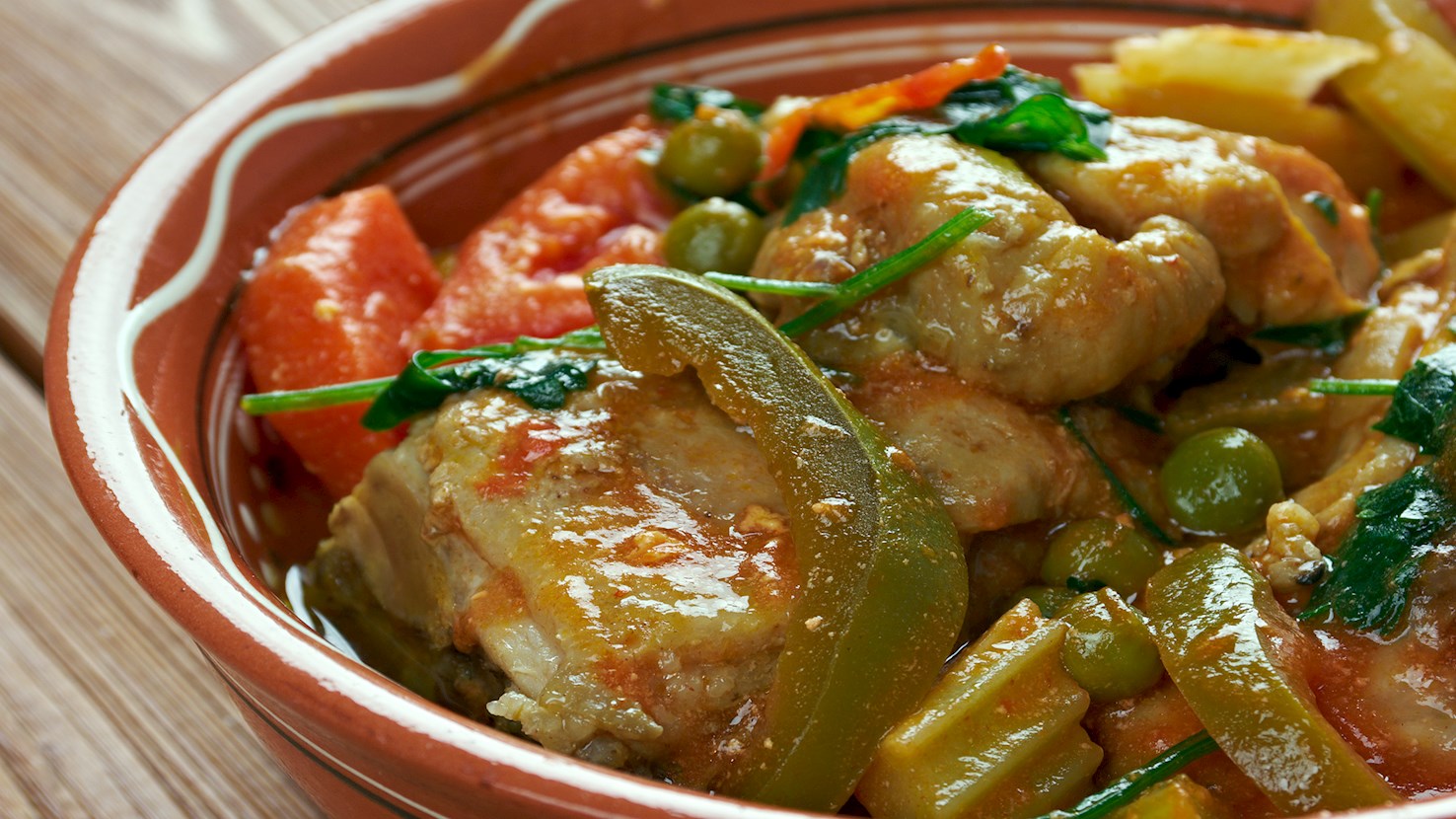
Afritada is one of many traditional Filipino stews which use a tangy tomato sauce as the key ingredient. Since it is an incredibly popular dish, there may be variations in recipes, but it is usually prepared with diced chicken or pork stewed in tomato sauce alongside potatoes, bell peppers, and carrots. This flavorful Filipino dish is usually accompanied by plain steamed rice, then enjoyed as a satisfying main course.

08

Pancit

3.8 ·

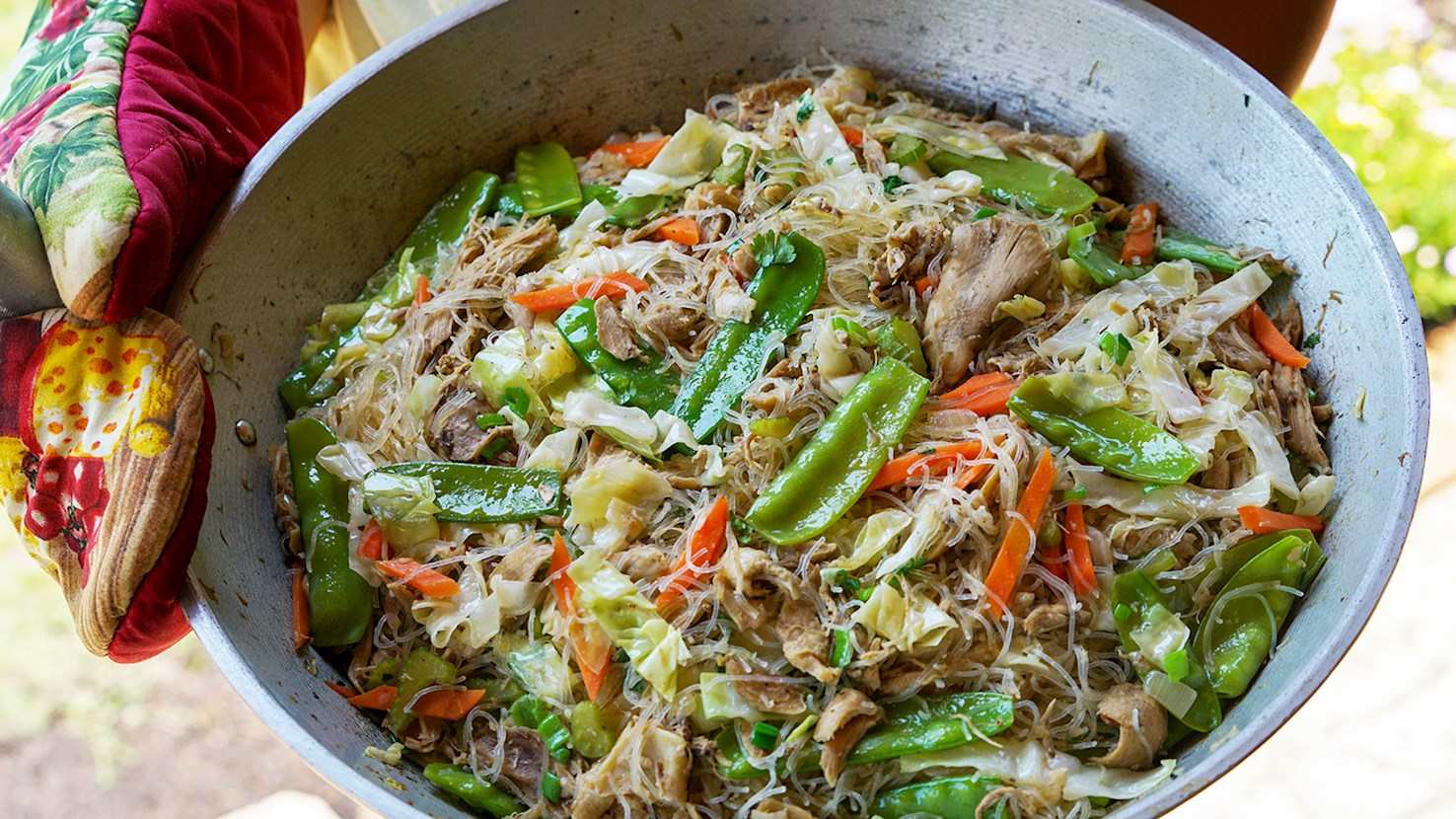
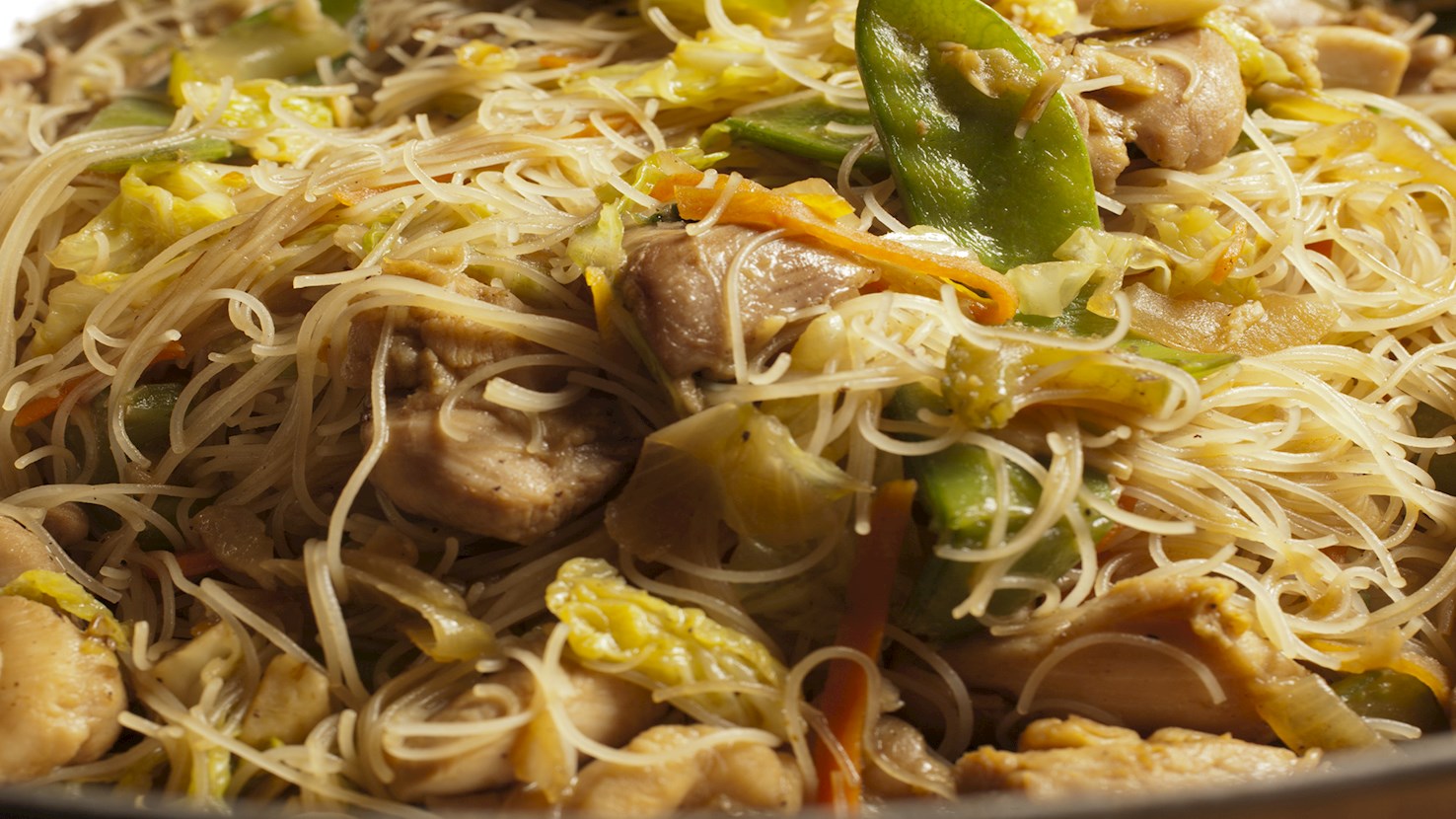
Pancit is a staple Filipino dish found at numerous feasts and celebrations, consisting of stir-fried noodles with meat and vegetables such as chicken, pork, shrimp, celery, carrots, onions, garlic, and cabbage. The dish has Chinese origins, and the name of the dish is derived from the Hokkien phrase pian i sit, meaning something convenient, cooked fast. Over time, pancit evolved and became a signature Filipino dish, so today, there are numerous variations of pancit such as pancit canton and pancit bihon. Egg noodles are used for pancit canton, while thin, translucent rice noodles are used for pancit bihon. The dishes are often prepared for birthday celebrations as they symbolize longevity and health according to ancient Filipino superstitions.

09

Pancit bihon

3.9 ·

Pancit bihon is a famous Filipino stir-fry consisting of rice noodles combined with sliced pork or chicken and various vegetables. The dish is infused with soy sauce and it is usually lightly seasoned with lemon juice. Just like other pancit varieties, this version is often found at numerous street stands throughout the country and is a staple dish served on special and festive occasions.

About this ranking

TasteAtlas food rankings are based on the ratings of the TasteAtlas audience, with a series of mechanisms that recognize real users and that ignore bot, nationalist or local patriotic ratings, and give additional value to the ratings of users that the system recognizes as knowledgeable. For the “9 Traditional Foods You Have To Try in Marikina” list until May 22, 2026, 0 ratings were recorded, of which 0 were recognized by the system as legitimate. TasteAtlas Rankings should not be seen as the final global conclusion about food. Their purpose is to promote excellent local foods, instill pride in traditional dishes, and arouse curiosity about dishes you haven’t tried.

Similar lists