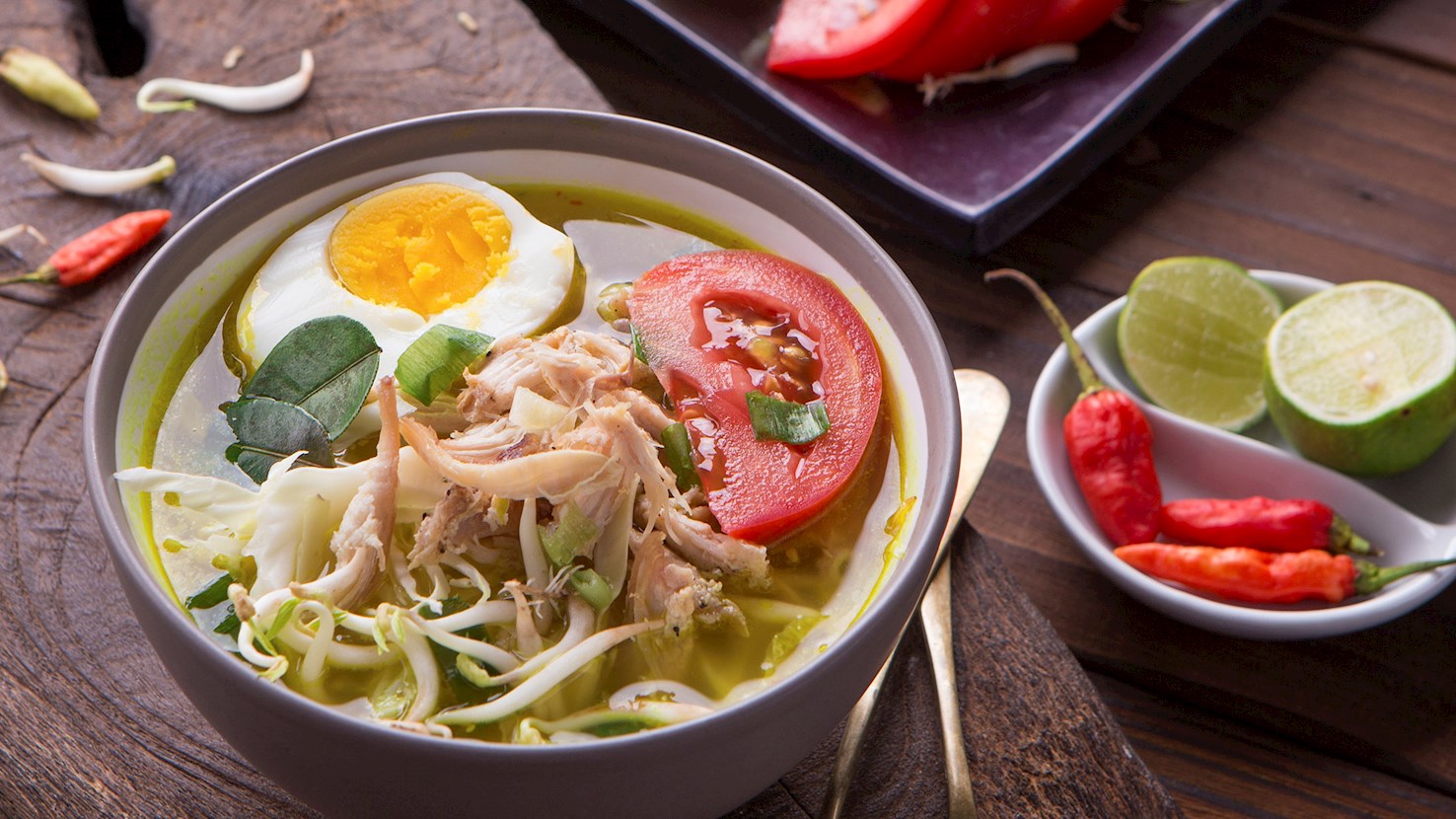
Throughout Indonesia, soto is known under various names such as the Makassar coto or the Pekalongan tauto. However, this traditional Indonesian soup is usually associated with the island of Java, where it is believed to have appeared in its original form. Nowadays there is no right way to prepare soto because the varieties are numerous and usually adapted to local cuisines. Although it is believed that soto was developed because of a strong Chinese influence in the country, it is more likely that the soup was created following common cooking traditions of the area and utilizing the ingredients which were available in abundance. This versatile dish also has a myriad of accompaniments such as stewed eggs, grilled offal, fried tofu, and either chili or soy sauce. Soto is regarded as comfort food, and it can be found everywhere in Indonesia - from local open-air eateries to high-end restaurants. This authentic Indonesian creation is also popular and commonly eaten in Malaysia, Singapore, and Brunei.
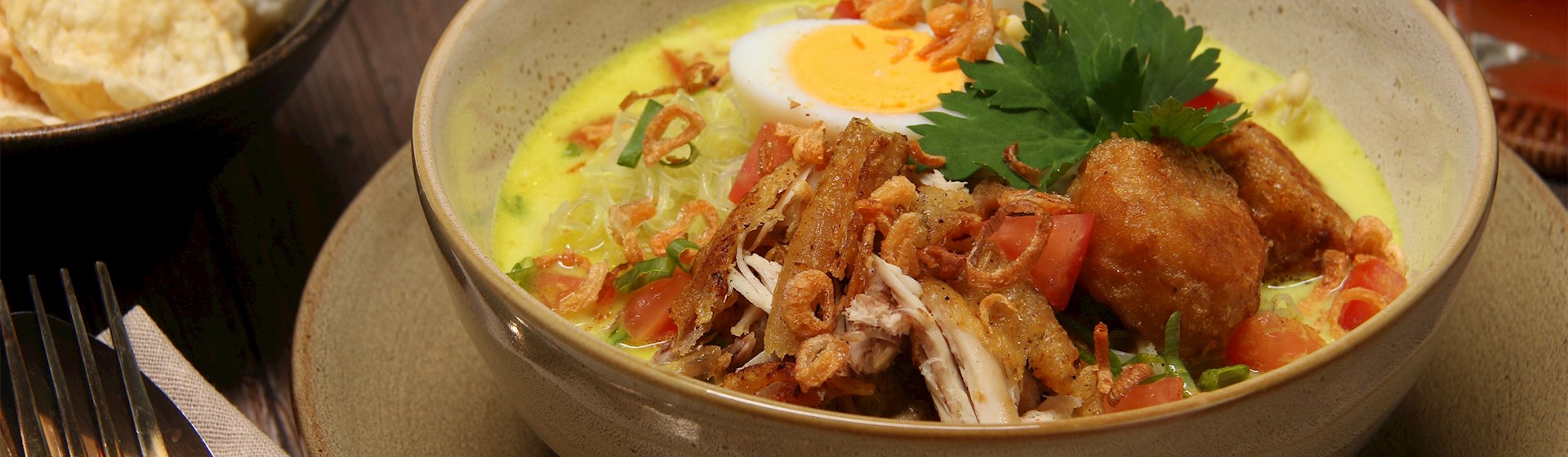
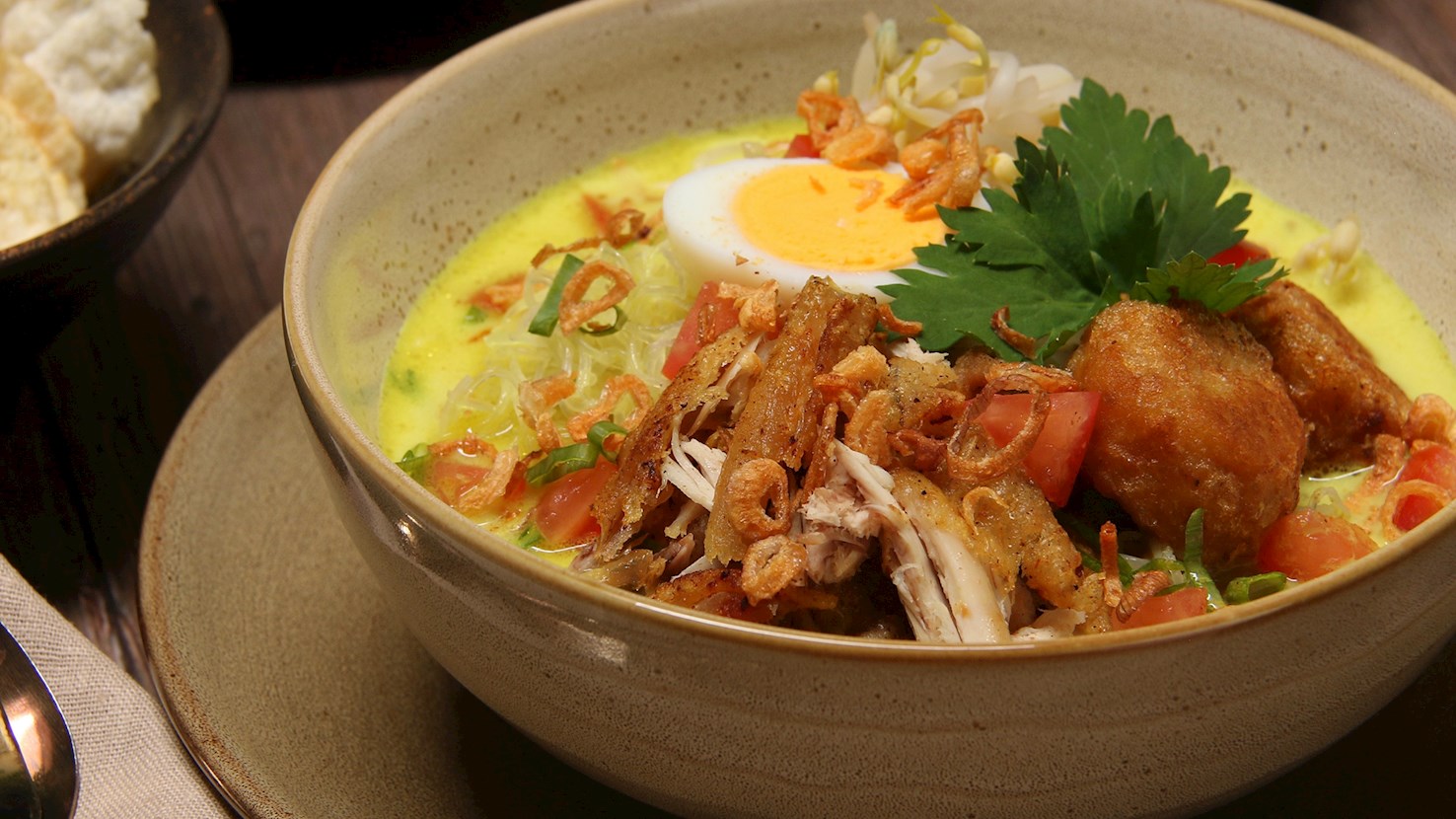
Soto Medan is a rich, coconut milk-based soup originating from the bustling city of Medan, the capital of North Sumatra in Indonesia. At its heart, Soto Medan is a soulful dish made with tender chicken or beef simmered in a creamy broth infused with lemongrass, makrut lime leaves, galangal, turmeric, and coriander. What sets it apart from other regional soto varieties is the generous use of coconut milk, which adds depth and a velvety texture that clings to every ingredient. The result is a comforting bowl of golden soup, rich in spice yet balanced, often topped with crispy shallots and accompanied by a side of sambal for a fiery contrast. The dish typically includes rice or lontong, served directly in the bowl or alongside it. Garnishes such as hard-boiled eggs, potato fritters, fried peanuts, and vermicelli add layers of texture and heartiness. A squeeze of lime just before eating brightens the richness of the soup, while a sprinkle of celery or scallions gives a fresh lift. Although Soto Medan is enjoyed in homes across North Sumatra, it has also become a signature offering in local warungs and food courts, especially during breakfast or lunchtime hours.
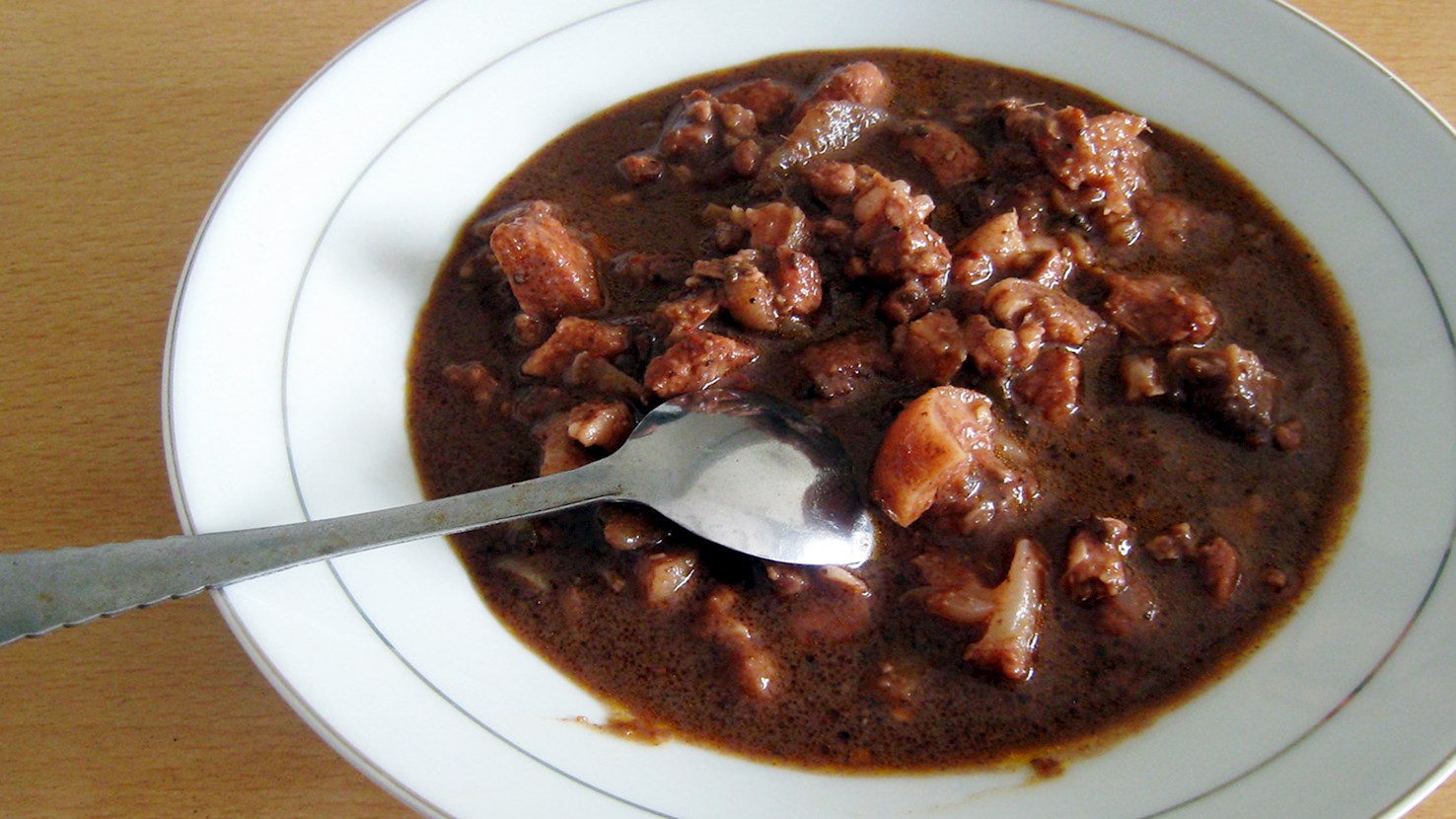
Saksang is a savory Indonesian stew which is usually served on special occasions. It is traditionally made with pork, which is cooked in blood and fiery spices. The tradition of preparing saksang is believed to have originated among the Batak people of North Sumatra. The most common main ingredient is pork; however, the varieties which include dog or water buffalo meat are also frequent among the Batak culture. Due to the addition of blood and numerous different spices, the dish has a unique spicy and sweet flavor and a distinctive dark-brown color. Batak people consider saksang to be their ceremonial dish and a traditional meal served at weddings. If not served at traditional ceremonies, saksang can be found at many traditional Batak restaurants throughout North Sumatra. In restaurants, the dish should be ordered a day in advance, and it is usually served with boiled vegetables and rice. The head of the animal is specially prepared and included in the ceremony during prayers and blessings.
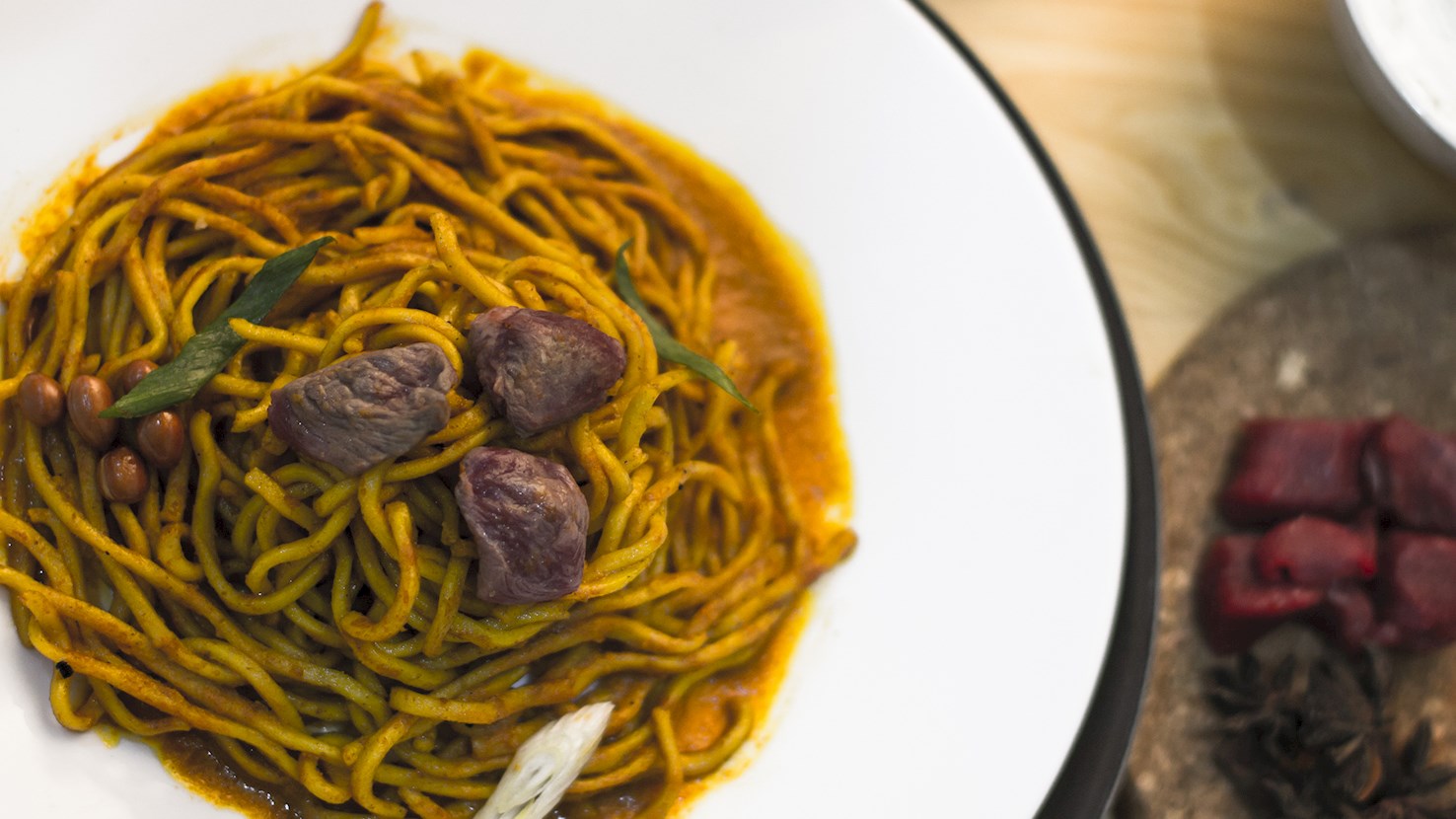
Mie Aceh is a bold and aromatic noodle dish originating from Aceh, the northernmost province of Sumatra, Indonesia, where the culinary landscape is deeply influenced by the region’s historical role as a trading hub, blending Indian, Arab, and Chinese flavors into a uniquely rich and spicy dish. This beloved specialty is made with thick yellow wheat noodles that are stir-fried or served in a deeply spiced, curry-like broth infused with an intense blend of garlic, shallots, chili, turmeric, coriander, cumin, and curry powder, creating a dish that is both fiery and deeply fragrant. Typically, Mie Aceh is enriched with an array of proteins such as beef, goat, shrimp, or crab, accompanied by fresh vegetables like cabbage, tomatoes, and bean sprouts, which add texture and a slight sweetness to balance the heat of the spice mix. The dish is prepared in three main variations, with Mie Aceh Goreng offering a dry stir-fried version where the noodles are coated in a thick, spicy sauce, Mie Aceh Tumis presenting a slightly wetter consistency with a small amount of gravy clinging to the noodles, and Mie Aceh Kuah, a heartier soupy version that bathes the noodles in a rich and flavorful broth. Regardless of its preparation style, Mie Aceh is traditionally served hot with a final touch of garnishes that enhance its complexity, including crispy fried shallots for a savory crunch, emping crackers for a light bitterness that contrasts the spices, fresh cucumber slices for a refreshing bite, and a squeeze of lime that brightens the dish with a hint of acidity. Known for its intense heat and robust flavors, Mie Aceh is a popular street food staple across Indonesia, served from warungs and roadside stalls where it is prepared fresh to order in large woks over high heat, ensuring the perfect sear and depth of flavor.
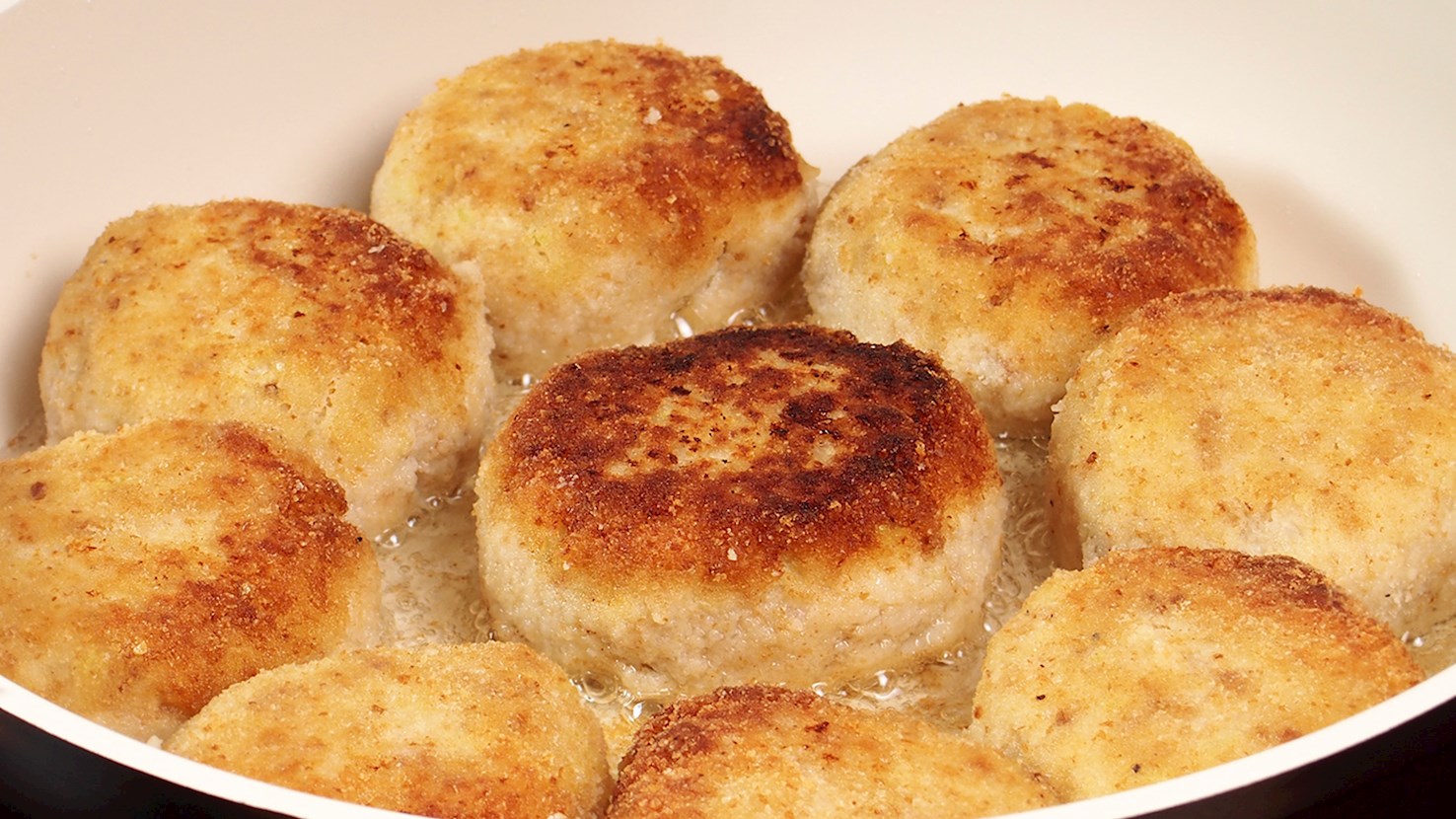
Perkedel are Indonesian fried delicacies consisting of either mashed potatoes, ground meat, ground corn, or minced fish (perkedel ikan). The name of these savory patties is derived from the Dutch word frikadel, showing the Dutch culinary influence on Indonesian territory. Prior to frying, the main ingredient is usually combined with finely chopped scallions and pepper, then dipped in beaten eggs. Perkedel is traditionally served as an appetizer or a side dish with soto ayam soup, although it can also be consumed as a main dish, when it is usually accompanied by nasi kuning (yellow rice).
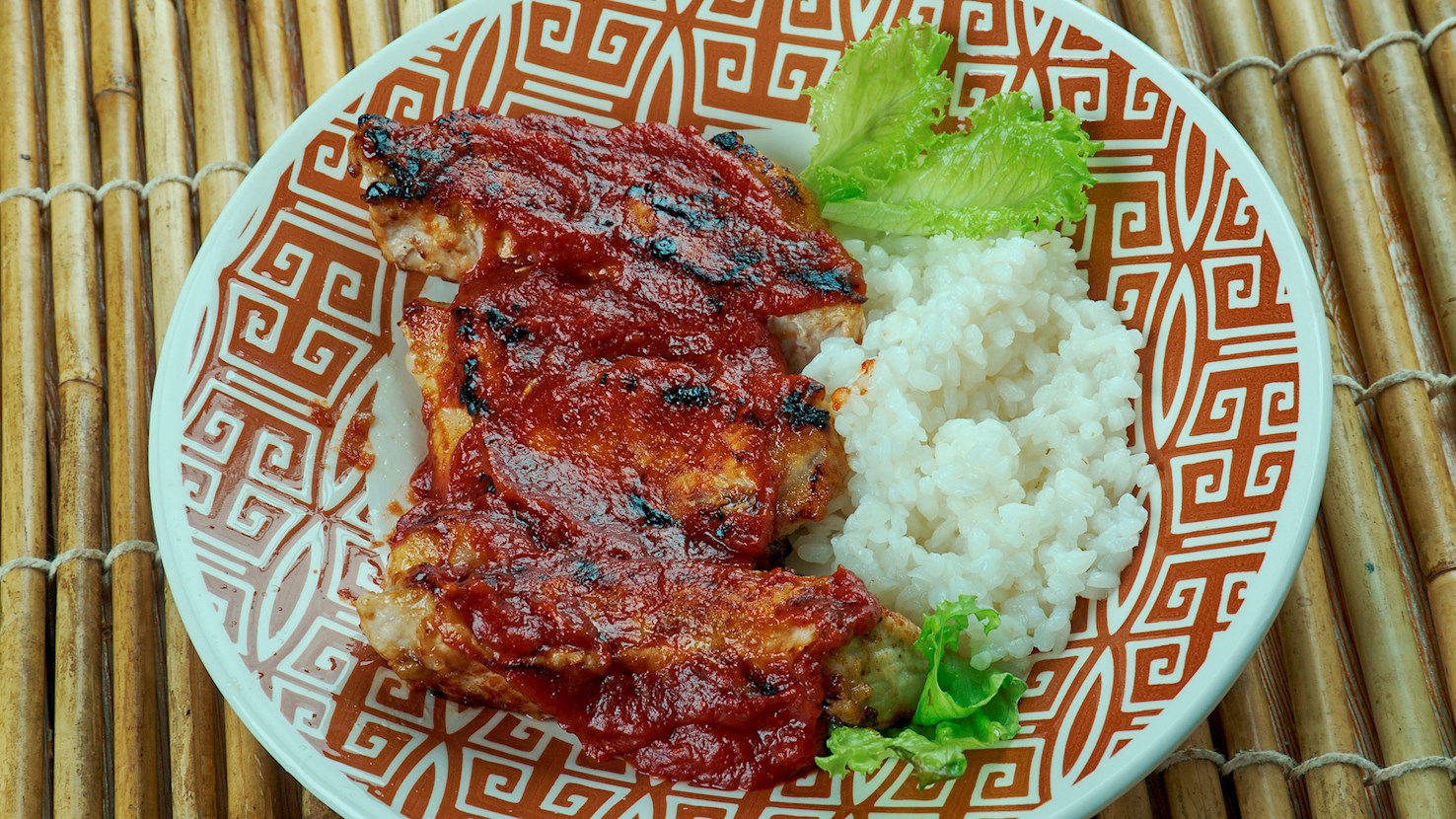
Babi panggang is an Indonesian term which refers to a wide variety of grilled or roasted pork dishes. It is believed that the tradition of preparing pork in Indonesia grew out of Chinese culinary heritage, and because of religious reasons pork dishes are usually found in areas with a predominant Christian and Hindu population. Besides the extremely popular babi guling, the Balinese suckling pig, there is a broad category of different grilled pork dishes traditional to the area of North Sumatra. Before grilling, the meat is usually marinated in a mixture of traditional Indonesian spices, such as ginger, garlic, galangal, and Indonesian soy sauce ketjap manis. The spices penetrate and coat the meat, keeping it tender and packed with flavor. When grilled, the meat is usually served sliced and it's accompanied by rice, cabbage, fresh green vegetables, spiced pig blood, and the spicy sambal andaliman. Occasionally, babi panggang can refer to a slightly varied dish, which includes grilled pork slices, but also pork soup, and sliced Indonesian blood sausage. Under a somewhat different name babi pangang, this Indonesian delicacy is also widely popular in Netherlands. It was exported during the colonization period and slightly differs from the original. The Dutch prefer to douse the meat in the sweet and sour sauce and traditionally boil the meat before grilling. Occasionally, they even fry it. The original babi panggang is usually found in many traditional Sumatran restaurants, while the Dutch variety is one of the most popular options enjoyed in Chinese restaurants in the Netherlands.
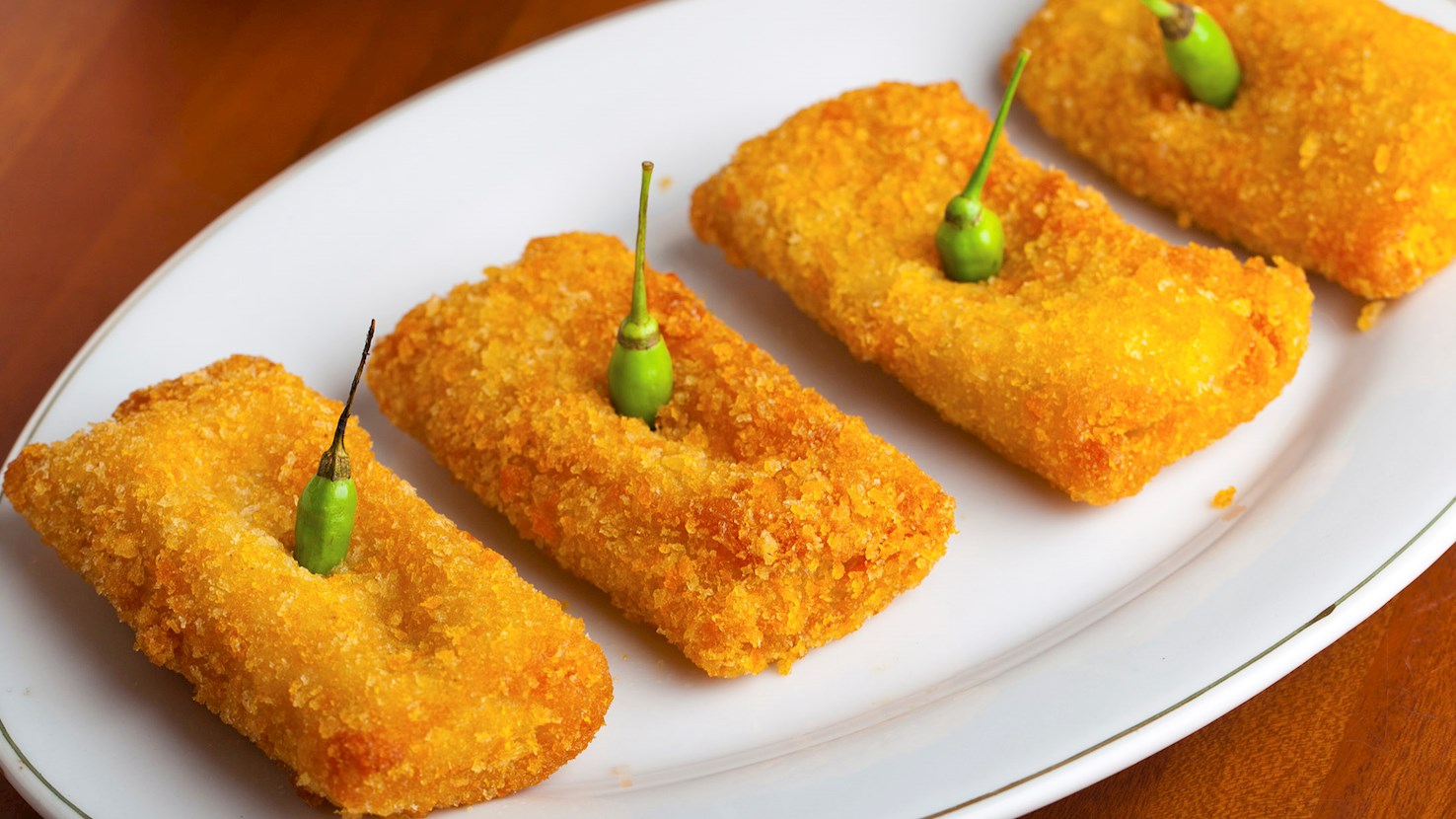
Risoles (also spelled risol in Indonesia) is a popular Indonesian snack consisting of a thin crepe-like wrapper filled with a savory mixture, then breaded and deep-fried to golden crispiness. Inspired by Dutch and Portuguese colonial influences, risoles has become a beloved element of Indonesian street food and home cooking, often served at gatherings, school canteens, and traditional markets. The most common filling includes shredded chicken, vegetables (like carrots and green beans), and glass noodles, all cooked in a creamy béchamel-style white sauce seasoned with garlic, onion, salt, pepper, and nutmeg. Once filled, the wrapper is rolled like a spring roll, dipped in egg wash, coated in breadcrumbs, and then deep-fried until the outside is crispy and golden, while the inside remains soft, creamy, and savory. There are many regional and modern variations of risoles in Indonesia, with fillings such as smoked beef and cheese, spicy tuna, or even sweet custard, but the classic version with creamy chicken and vegetables remains the most iconic. Risoles are often enjoyed with bird’s eye chili on the side or dipped into sweet chili sauce or sambal for added heat.
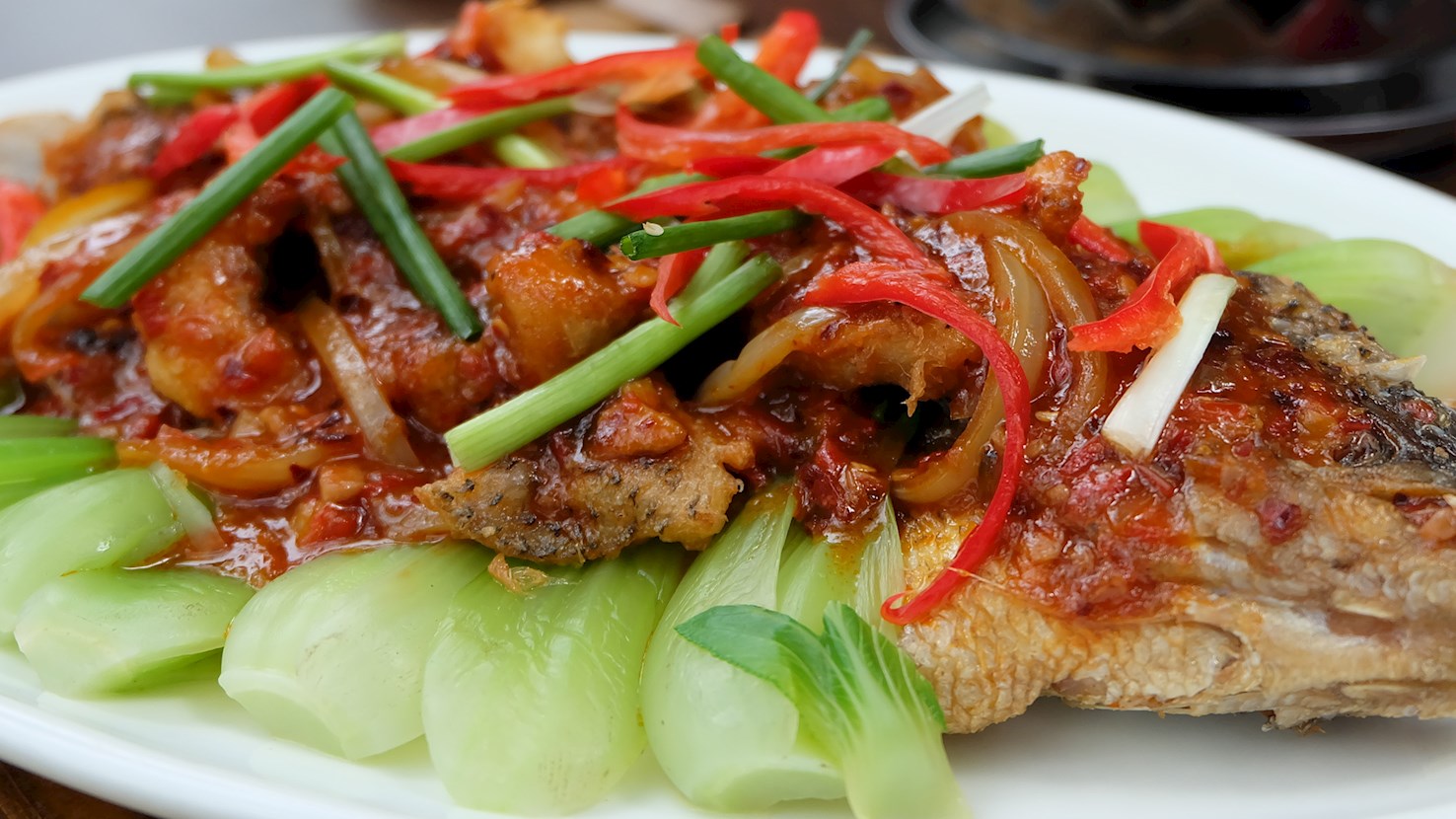
Arsik is an Indonesian fish dish that originates from the Batak ethnic group of North Sumatra, particularly associated with the Toba Batak people who live around Lake Toba. At its core, arsik features whole freshwater fish, typically carp, cooked in a rich, vibrant yellow sauce made from a combination of andaliman (a native Batak spice related to Sichuan pepper), turmeric, ginger, garlic, shallots, candlenuts, and fresh torch ginger fruit. These spices are blended into a paste and simmered with the fish in minimal water, creating a thick, intensely aromatic sauce that coats the fish while keeping it moist and tender. The defining ingredient in arsik is andaliman, which imparts a slightly numbing, citrusy zing that is central to Batak cooking but rare in the rest of Indonesia. This unique spice, combined with the use of torch ginger and the absence of coconut milk, results in a flavor profile that is earthy, tangy, and fiery, distinct from the sweeter, coconut-based curries more common in Javanese or Minangkabau cuisine. The fish is often cooked whole, with head and tail intact, and served as the centerpiece of ceremonial meals, family gatherings, or traditional feasts such as weddings and funerals. It is typically enjoyed with steamed rice and a variety of Batak side dishes that complement its bold flavor.
TasteAtlas food rankings are based on the ratings of the TasteAtlas audience, with a series of mechanisms that recognize real users and that ignore bot,
nationalist or local patriotic ratings, and give additional value to the ratings of users that the system recognizes as knowledgeable.
TasteAtlas Rankings should not be seen as the final global conclusion about food. Their purpose is to promote excellent local foods,
instill pride in traditional dishes, and arouse curiosity about dishes you haven’t tried.



What People Say