

shutterstock

6 Traditional Foods
You Have To Try in Medellín

Last updated on May 22, 2026
01

Bandeja paisa

4.1 ·

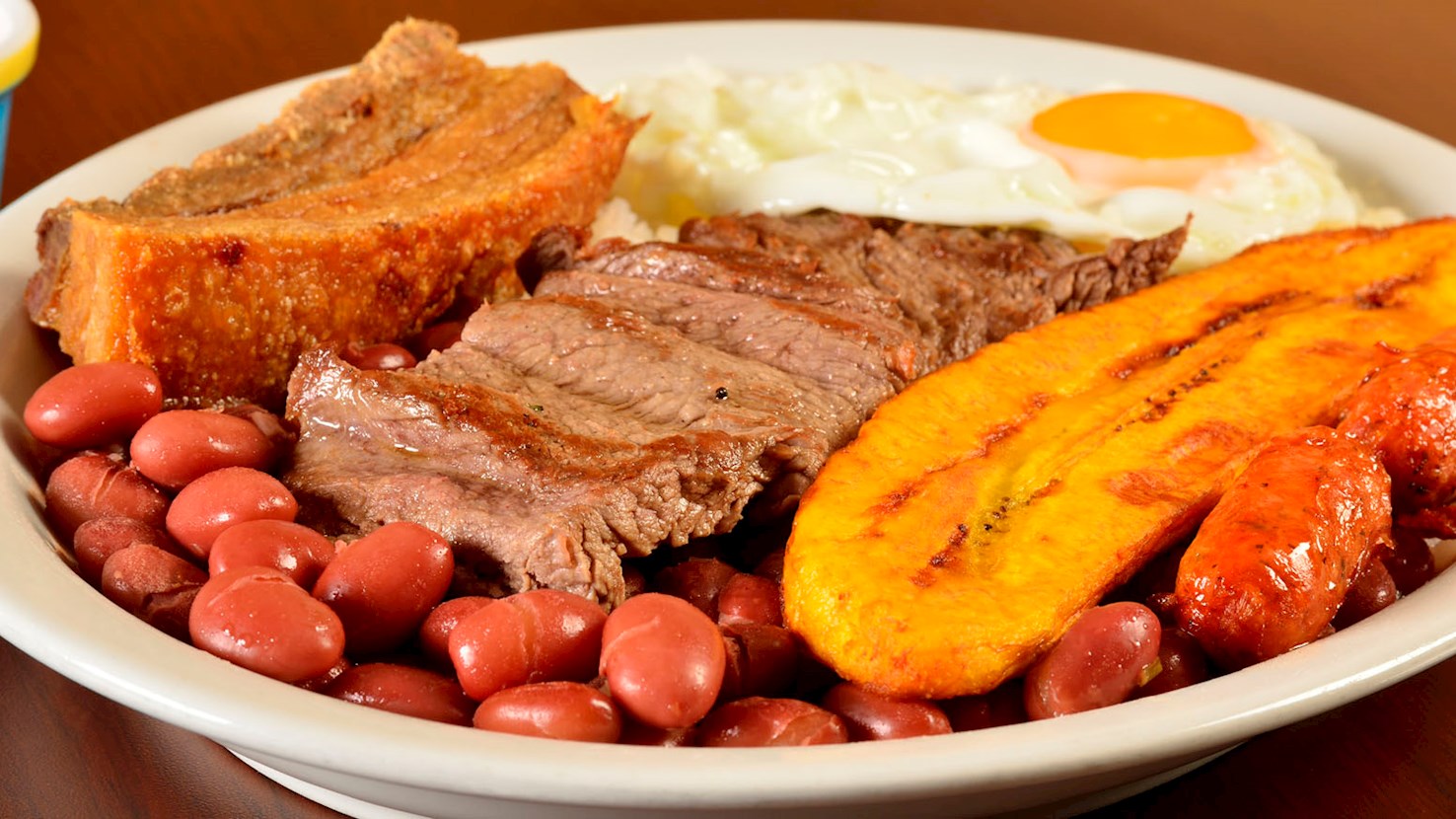
Bandeja paisa, also known as bandeja de arriero, bandeja montanera and bandeja antioquena, is Colombia's national dish since 2005, a heavy, caloric meal traditionally served on a big, oval platter and intended to be eaten for lunch. Originally, the platter provided nutrition and energy to the farmers to keep them going for the whole day and there are a total of 13 ingredients used in the dish, including golden-fried chorizo sausages with lime, hogau sauce, cooked white rice, ground beef, plantain, arepa (a thin, fried corn cake), avocado, stewed red beans, fried pork belly, and a fried egg on top of it all. This behemoth of a dish is traditionally accompanied by a mazamorra – a milk-based drink that is served chilled and features smashed maize. Bandeja paisa is actually one of the highest protein-packed dishes on Earth and is especially popular in the Paisa region departments of Antioquia and a part of Valle del Cauca in Colombia. In 2005, when it became the national dish, it was suggested that the name gets changed to bandeja montanera in order to avoid the exclusion of people that are outside the Paisa region, which led to a huge public outcry. Regardless of the name, it is best to unbuckle your belt before having a go at this gigantic meal.

02

Sancocho Colombiano

4.1 ·

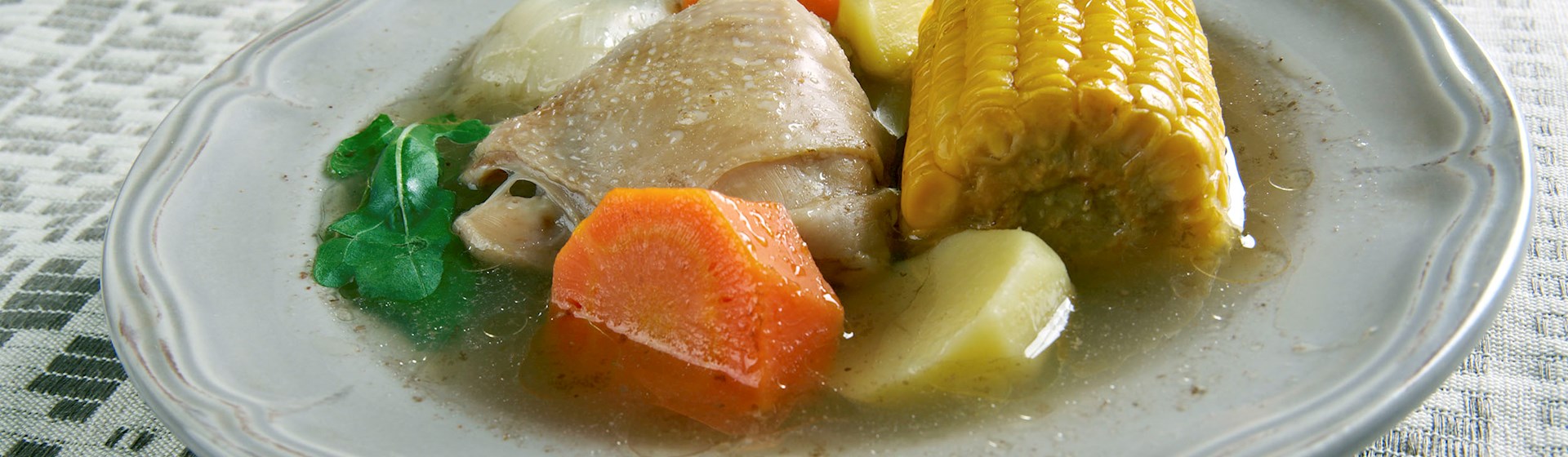
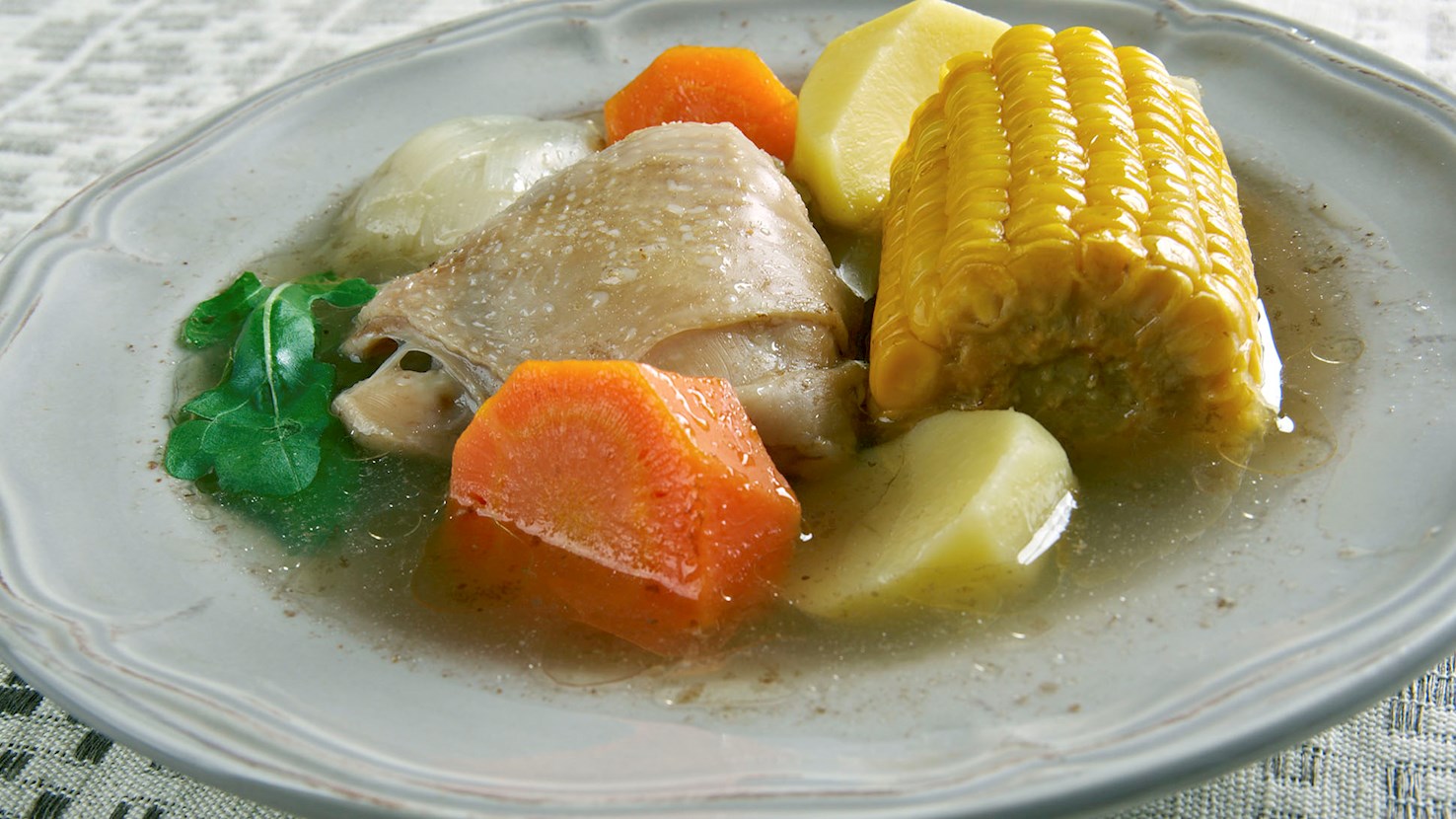
Served after most parties and also an ideal Sunday meal, sancocho is a Colombian chicken stew that can also be made with beef or pork. Originally from the El Valle region, it used to be made exclusively with hens. It is a hearty stew with the addition of potatoes, corn, and plantains. Traditionally, white rice, spicy aji sauce, and avocado slices are served on the side. The thick broth is very satiating and could easily feed a whole family, and what's best is that it can be cooked in just one pot. Some like to top the dish with fresh coriander, onions, and a squeeze of lime juice in order to enhance the flavors even further. Found throughout Latin America, its name stems from the Spanish word sancochar, which translates to parboil. Although the ingredients are basic, they all merge together to develop delicious flavors and aromas, and the best part just may be the corn – which has been soaking up all the flavors in its kernels.

Best restaurants
03

Arepa

4 ·

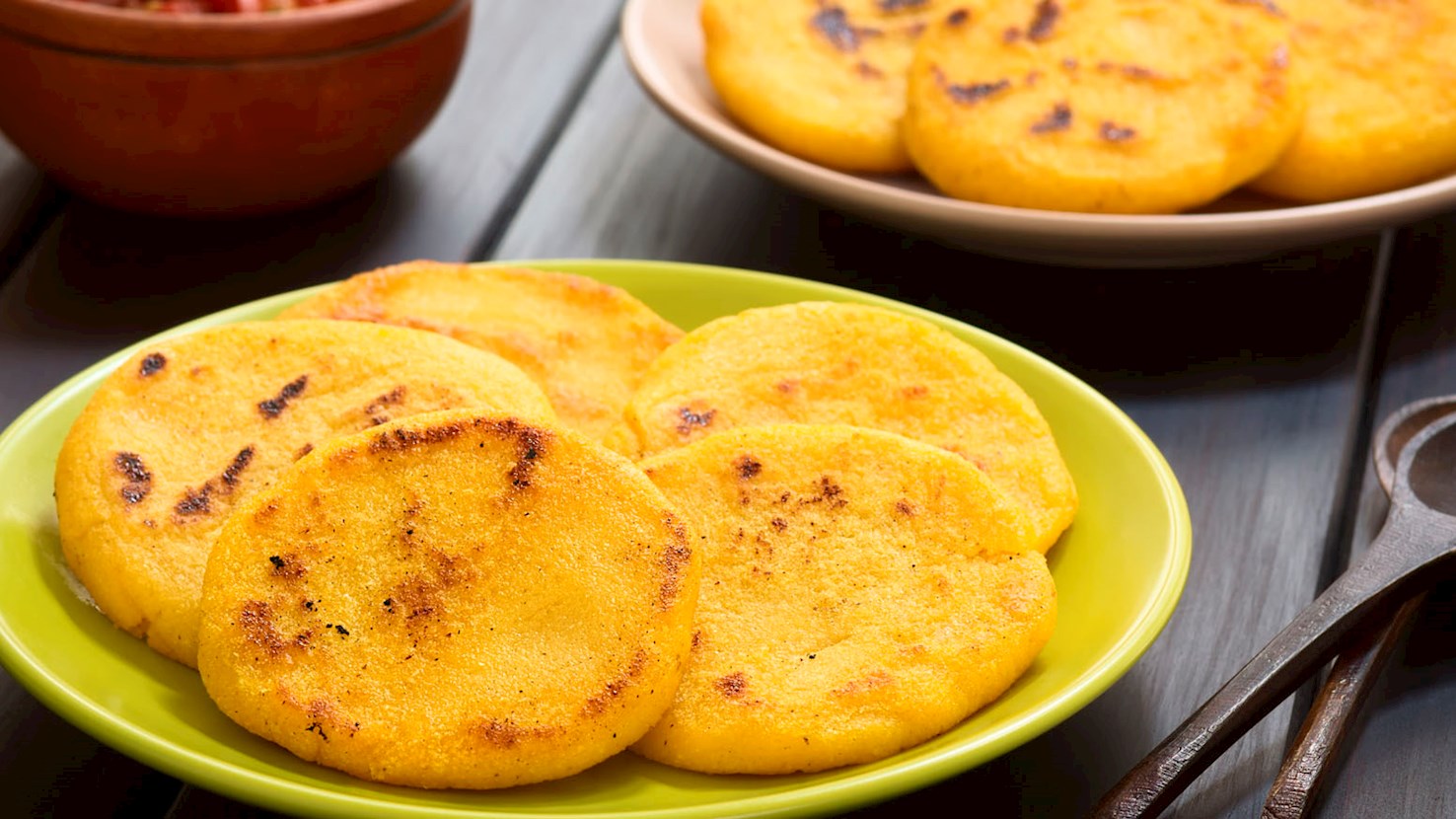
Arepa is a highly versatile cornbread made from ground corn dough or precooked corn flour. It is commonly consumed in Venezuela, Colombia, Panama, Puerto Rico, and the Dominican Republic. In Venezuela, arepa is eaten at any time of the day, throughout the whole country, and across all socio-economic groups. The golden disks with a crispy, browned crust are commonly stuffed with a variety of ingredients, and the combinations are seemingly infinite, from beans, cheese, and avocado to shredded beef and onions. For a Venezuelan breakfast, arepas are traditionally paired with a cup of strong coffee and hot dipping chocolate. Since they are not filled with anything for breakfast, they are commonly referred to as the viuda (widow). The name arepa comes from the word erepa, which is the indigenous word for this corn bread, as its origins are believed to be from the indigenous tribes across Venezuela, such as Timoto-Cuicas, Arawak, Carib, and Karina. Today, arepas are usually served at traditional eateries called areperas.

04

Arepa paisa

3.7 ·

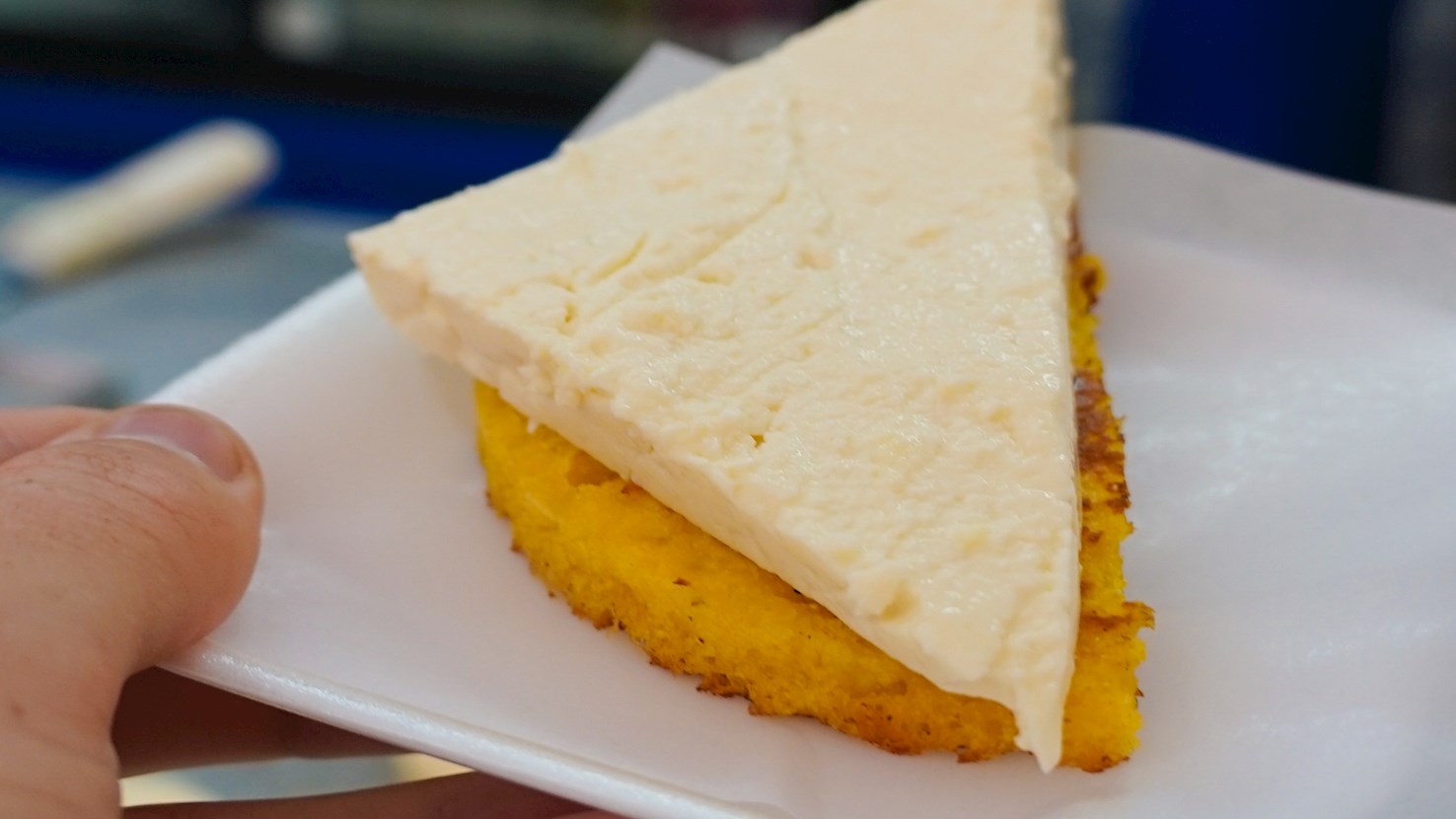
One of the most omnipresent local dishes in the Paisa region of Colombia is the traditional arepa paisa, made from soaked threshed corn that is shaped and grilled until golden brown. This crispy and luscious corn cake can be eaten on its own, served as a side dish, or stuffed with variable fillings such as cheese, meat, or eggs - you can eat it with whatever choice of filling you want. The versatility of the arepa paisa is only matched by the love the locals have for it - a typical breakfast in this region is centered on it (topped with butter, salt, and slices of cheese), and sometimes the dish is part of all meals of the day! And because you can find arepa paisa at every supermarket, street vendor or restaurant, there's always a perfect one available at all times.

05

Lechona

4.1 ·

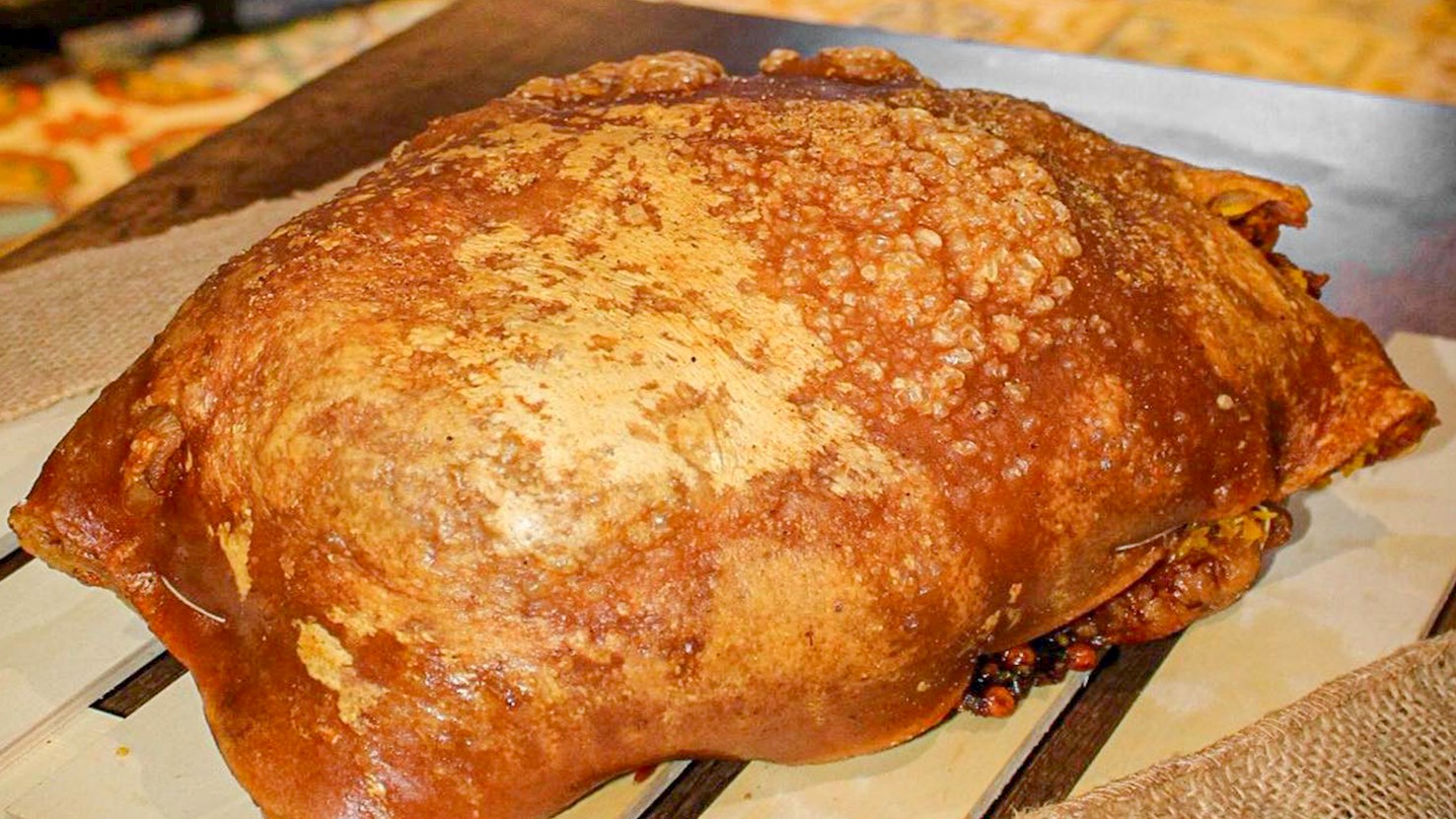
Lechona is a traditional dish consisting of a roasted pig stuffed with onions, peas, fresh herbs, and various spices. The pig is roasted for a long time until the meat is tender and succulent. The dish is usually prepared for celebrations and festivities since one lechona can produce as many as 100 servings. This unique Colombian delicacy can be found in numerous restaurants throughout the country's largest cities.

06

Sopa de mondongo

3.6 ·

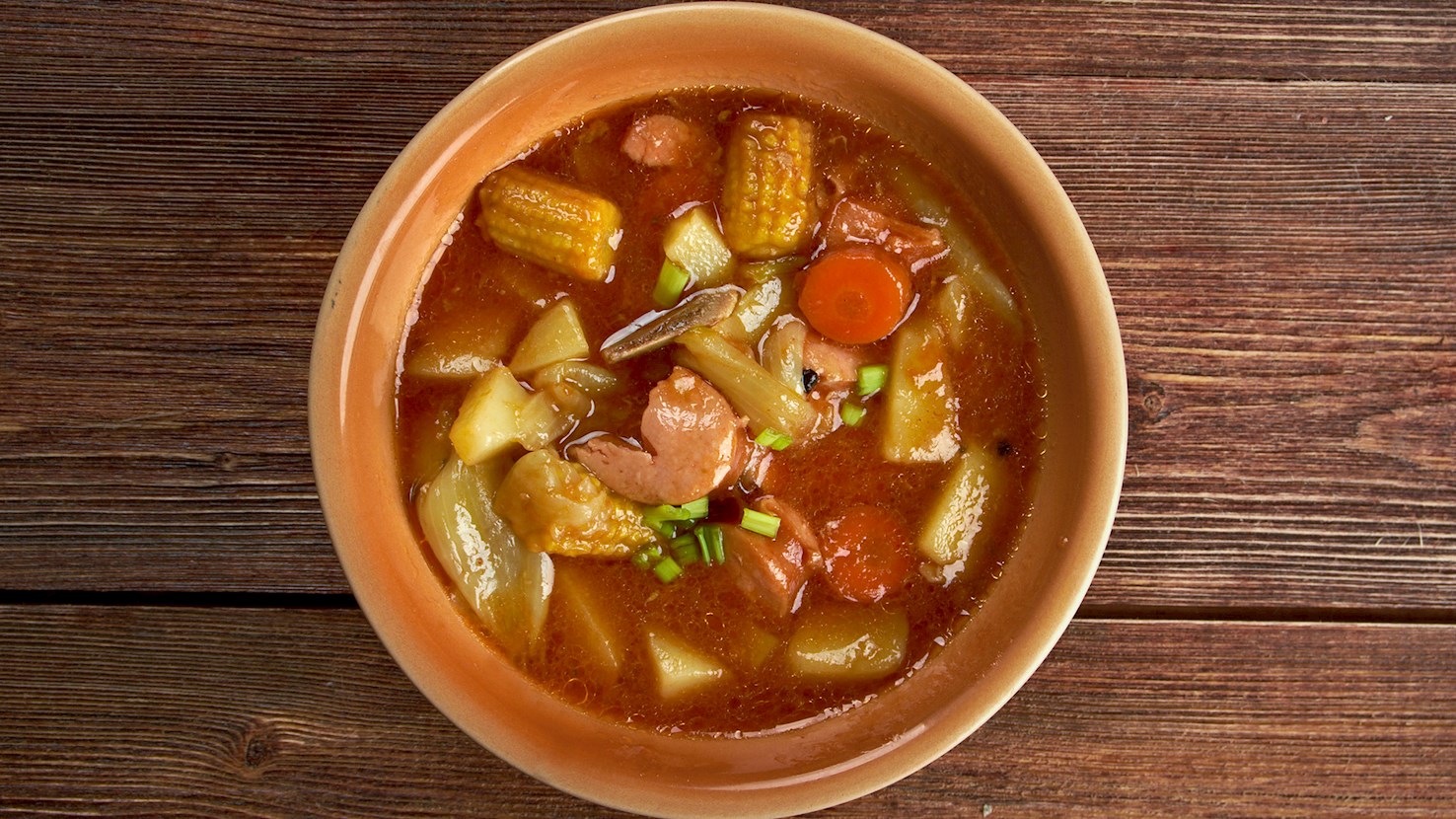
Sopa de mondongo is a term that is widely used all across Central and South America when referring to a hearty tripe and vegetable soup. The star of the dish is beef or pork tripe, the rather tough edible part of animal stomach which is cut into smaller pieces and cooked with other ingredients in a flavorful broth. Different versions of the soup are found all across Latin America, where it has been adapted with locally available ingredients and spices. Typically, sopa de mondongo employs plain and sweet potatoes, cassava, corn, cabbage, plantains, onions, sliced avocado, and generous amounts of chopped cilantro, which is used as a garnish. It is often spiced with cumin and the authentic Latin American spice called achiote. Local varieties commonly include additional ingredients such as lean pork meat, pork feet, Columbian chorizo sausage, and animal bone marrow. Because of its nutritious ingredients, it is usually regarded as a complete meal that is mainly served alongside white rice. Sliced lemon or lime wedges and local tortilla varieties such as arepa in Colombia are often served on the side. Unusual additions may include raisins or capers in Puerto Rican versions, or peanut sauce in the Ecuadorian version, popularly called guatica. In many Latin American countries, sopa de mondongo is believed to have healing properties, and it represents a traditional dish that is usually served for lunch or in the early hours after a night of clubbing.

Best restaurants
About this ranking

TasteAtlas food rankings are based on the ratings of the TasteAtlas audience, with a series of mechanisms that recognize real users and that ignore bot, nationalist or local patriotic ratings, and give additional value to the ratings of users that the system recognizes as knowledgeable. For the “6 Traditional Foods You Have To Try in Medellín” list until May 22, 2026, 0 ratings were recorded, of which 0 were recognized by the system as legitimate. TasteAtlas Rankings should not be seen as the final global conclusion about food. Their purpose is to promote excellent local foods, instill pride in traditional dishes, and arouse curiosity about dishes you haven’t tried.

Similar lists