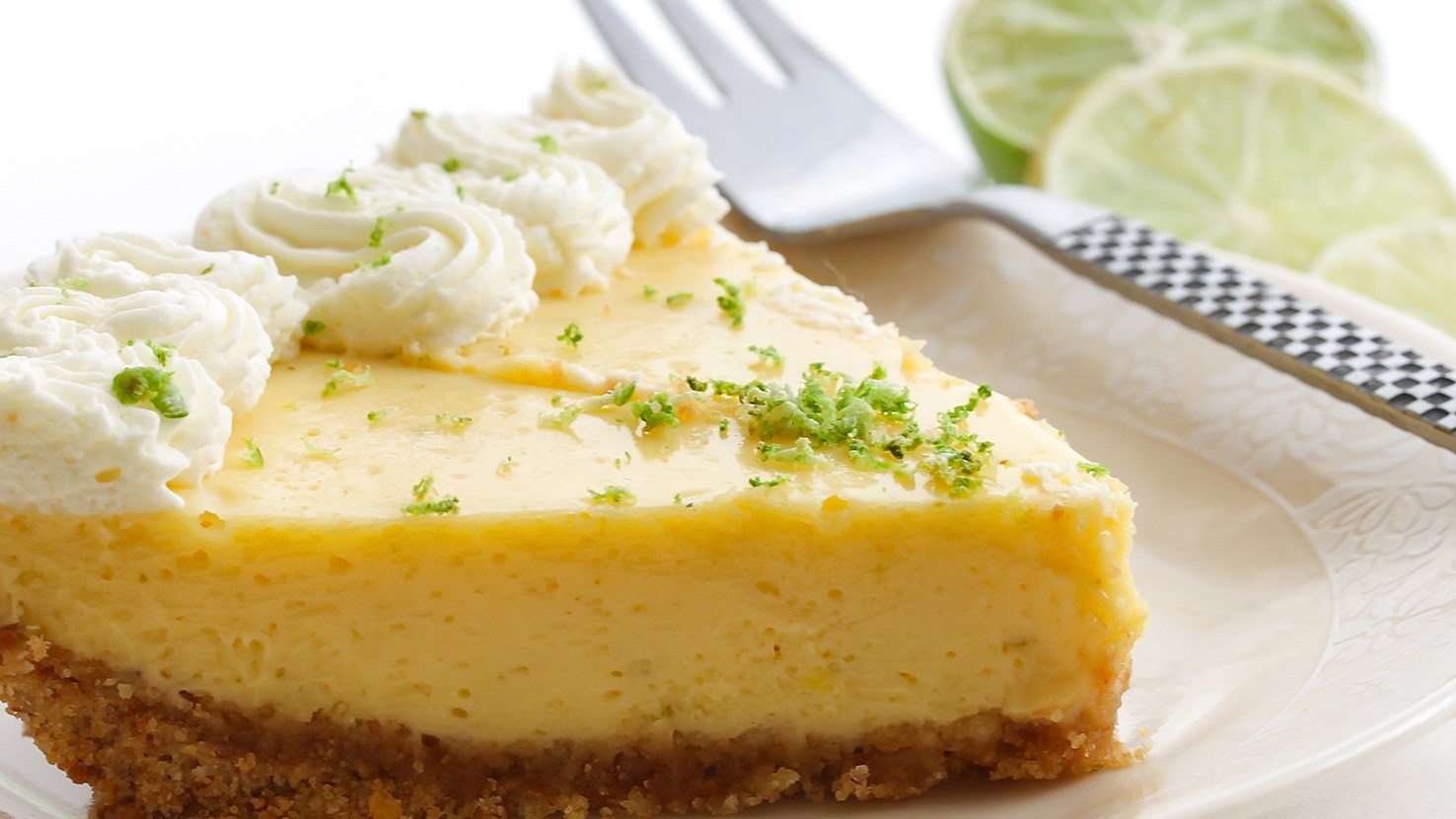
Key lime pie is a glass-green sweet and sour dessert originating from the Florida Keys. It consists of intensely aromatic Key lime juice, condensed milk, and eggs that are mixed together into a custard. The custard is poured into a buttery crust made from graham crackers and topped with sweet whipped cream. The spicy and acidic flavors of the limes provide a great contrast to sugar and sweet cream. Key lime, also known as citrus aurantifolia, Mexican lime, and West Indian lime is a fruit indigenous to Malaysia, and it has been connected to Florida since the 1830s when a botanist named Henry Perrine started planting them on Florida's Indian Key. Today, they are used in this traditional, refreshing pie that is even better when paired with light-bodied, crisp, and fruity white wines.
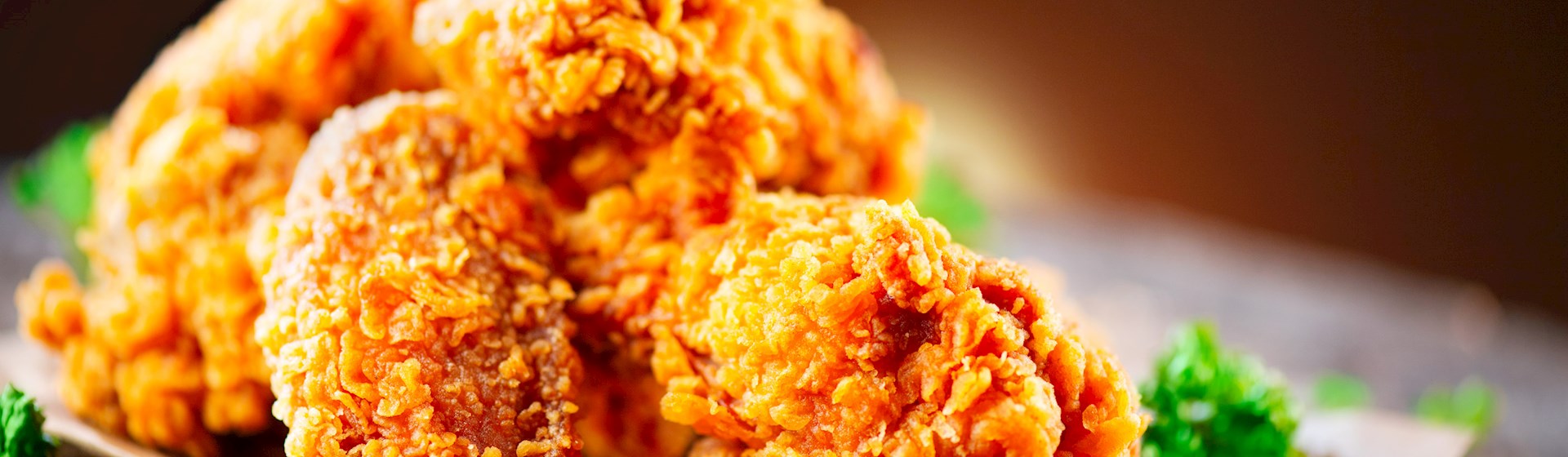
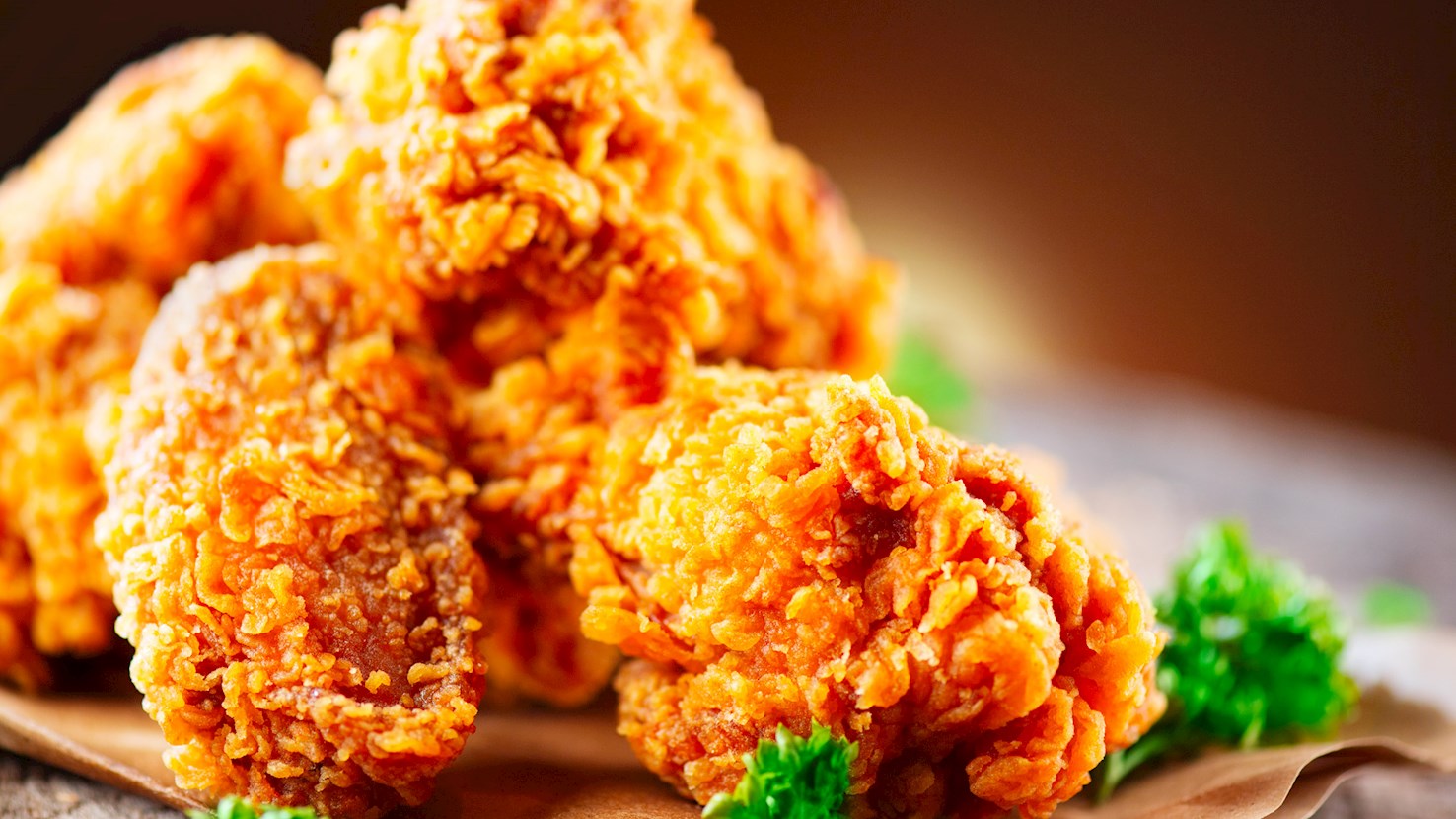
The most popular food of the Southern cuisine, fried chicken is the theme of many arguments where everyone involved seems to have a favorite, be it what their mothers used to make, a cult roadside eatery, or a bygone restaurant. However, it is universally agreed that the meat must be moist, succulent, and tender, coated with a crunchy, golden-brown crust. It all started during the colonization period, when Scottish immigrants settled in the South, bringing their fried chicken recipes along. The African slaves then introduced new seasonings and spices, and the dish quickly gained popularity. Typical seasonings include salt, pepper, and hot chiles, and the pieces of meat should be edible by hand so that the consumer can bite both the crust and the meat at the same time. The birds must be fresh and smaller in size, as the meat will be much more tender and the proportion of crust to meat will be perfectly balanced. Once the chicken parts are hot, crispy, and ready to be consumed, they are traditionally accompanied by buttered biscuits, Southern potato salad, mashed potatoes, or cream gravy on the side.
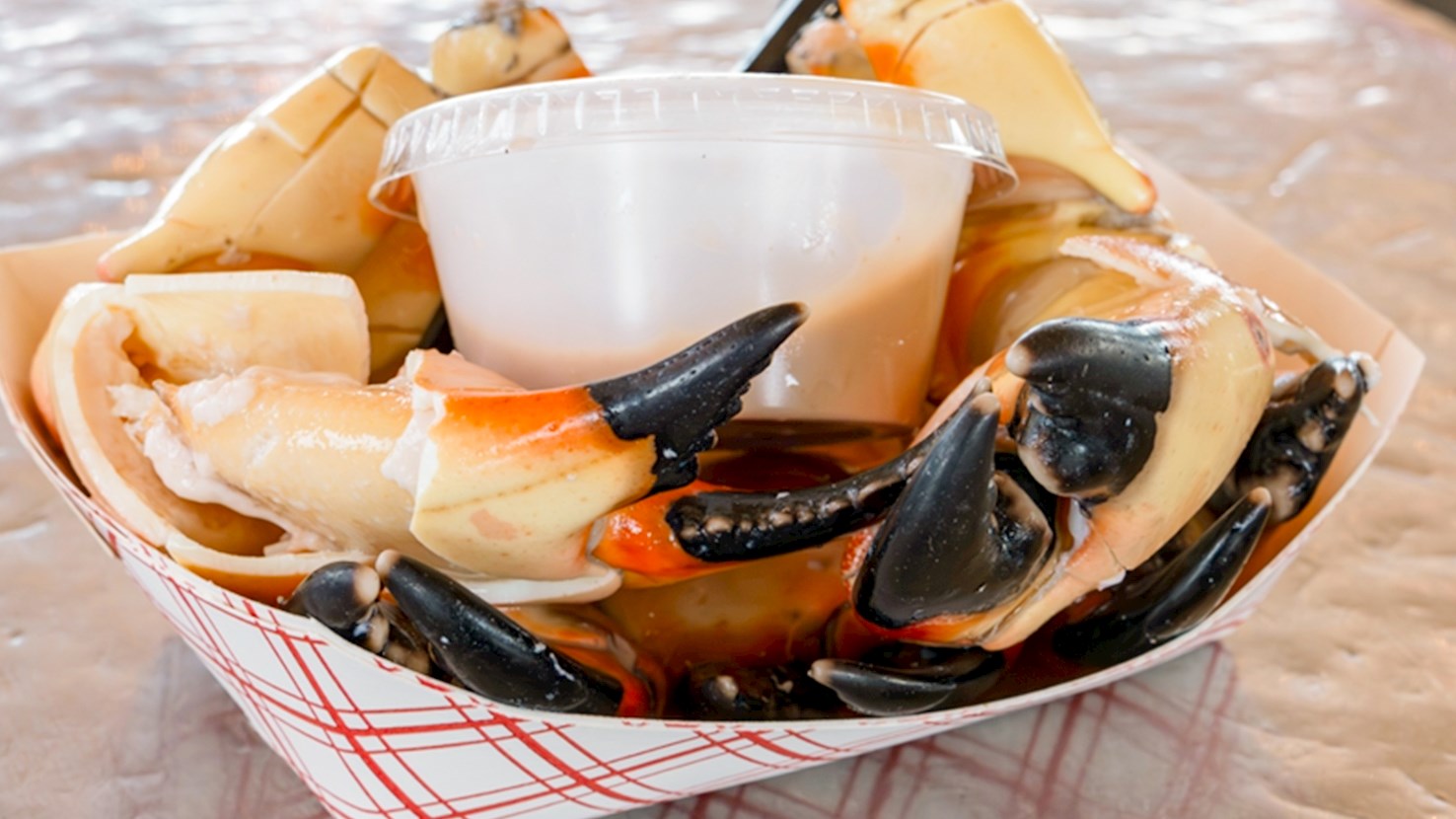
Stone crab claws are a popular seafood dish, particularly in areas where stone crabs are native, such as Florida in the United States. Stone crabs are unique in that they are often harvested for their claws alone, while the rest of the crab is returned to the ocean alive. Since stone crabs can regenerate their claws, this practice is more sustainable. The claws are large and contain a good amount of meat, which is sweet, tender, and considered a delicacy. Once the claws are harvested, they're usually cooked right away to preserve their freshness. The claws are typically boiled for a few minutes until thoroughly cooked, and after cooking, the claws are chilled. Letting the claws cool after cooking helps to firm up the meat and makes it easier to remove from the shell. The claws are often served pre-cracked to make it easier for diners to access the meat. They're typically served with a side of mustard sauce for dipping, though other sauces like cocktail sauce or melted butter can also be used. It's worth noting that stone crab season runs from October 15 to May 15, and fresh stone crab claws are often a featured item in seafood restaurants during this period.
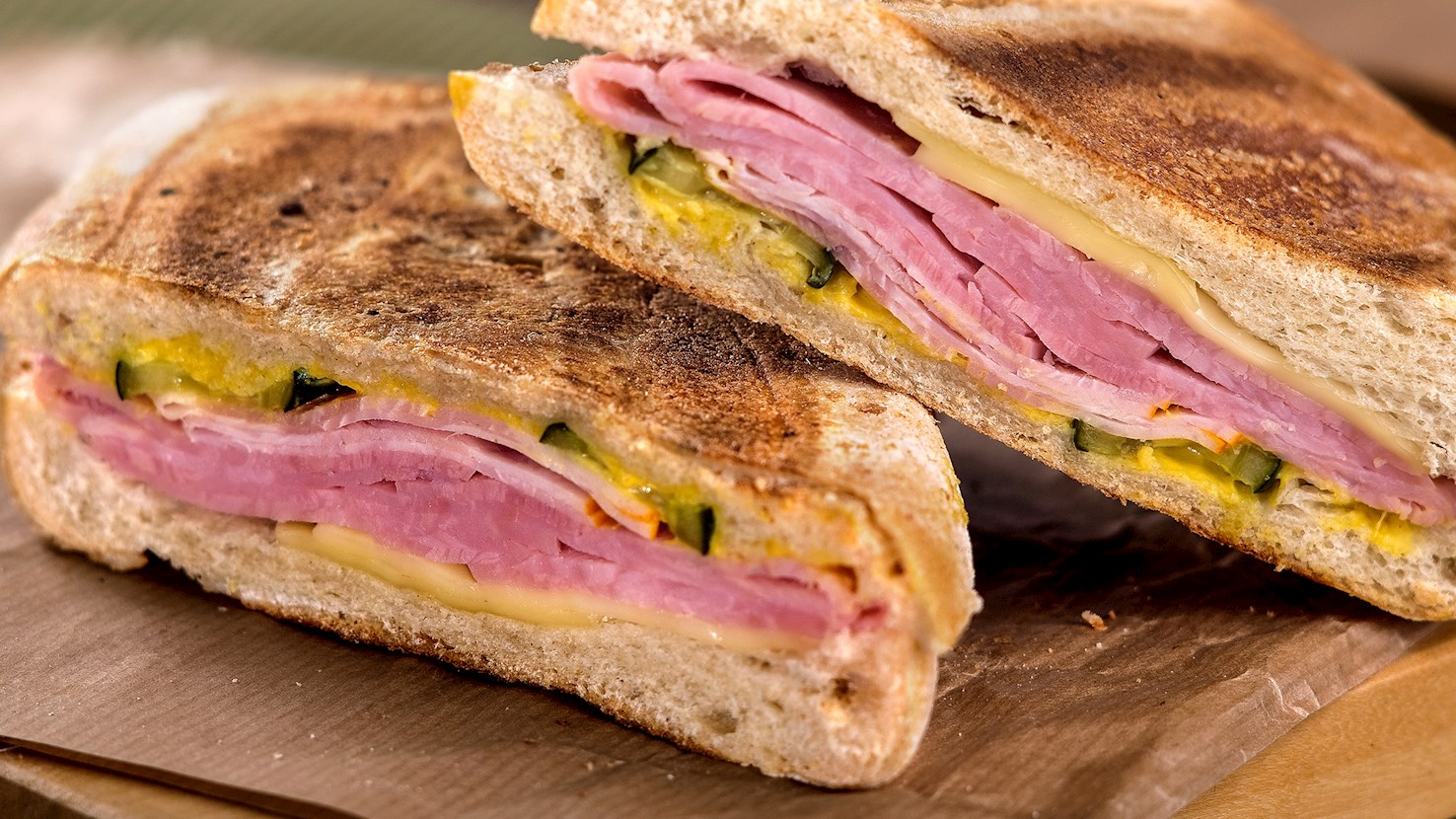
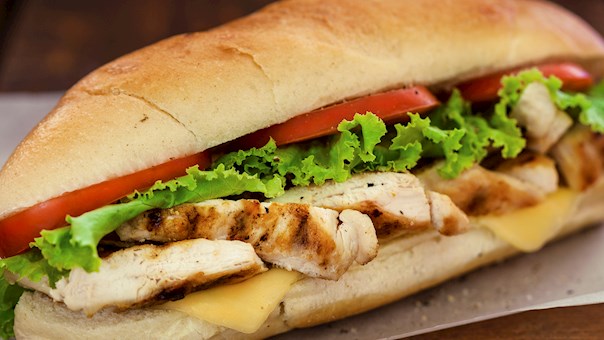
A Cuban or a Cubano is a grilled, pressed sandwich made with Cuban bread that is filled with ham, roasted pork, Swiss cheese, pickles, and mustard. It was originally invented by Cuban immigrants in Florida, who wanted to make their own variation on a classic grilled ham and cheese sandwich. Today, there are numerous variations on the Cubano, so some use different bread or add ingredients such as lettuce, tomatoes, and mayonnaise.
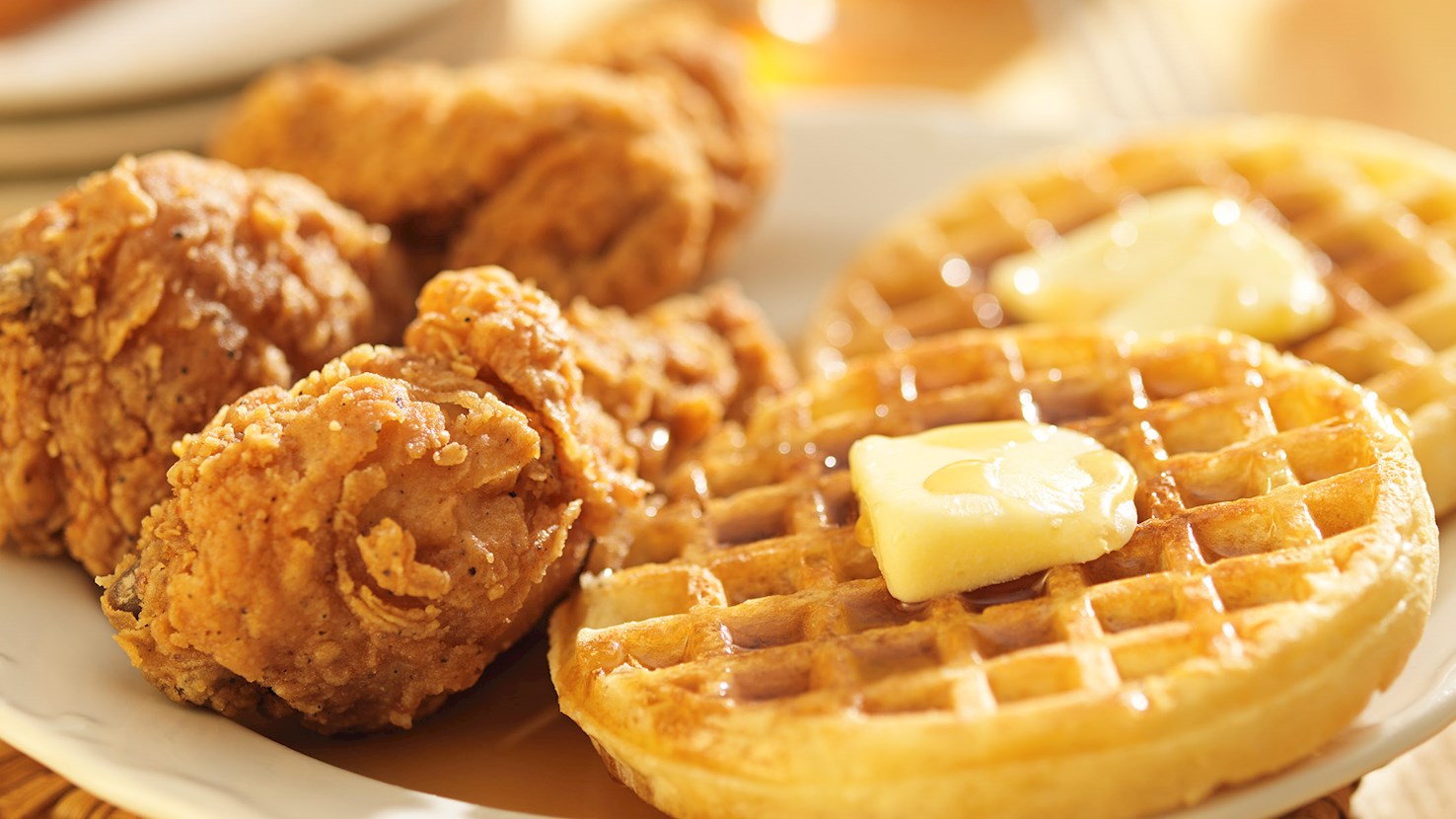
Fried chicken and waffles is an unlikely, but much loved pairing of sweet and salty flavors and soft and crunchy textures. The dish is thought to have originated with the African Americans in the South who rarely had a chance to eat chicken and waffles, so it was a meal that was eaten at special occasions on African American dining tables. Some food historians claim that chicken and waffles evolved after the Civil War migration of Southern African Americans to the North. However, the modern version of the dish was first served in Harlem, New York as early as the 1930s, mostly in jazz nightclubs. Today, restaurants across the country serve the dish and have become famous for their versions, with chicken and waffles spreading as far as Los Angeles, where a restaurant called Roscoe's House of Chicken and Waffles holds a legendary status. When perfectly seasoned and fried, combined with the light and crispy waffle, satisfaction is almost certainly guaranteed.
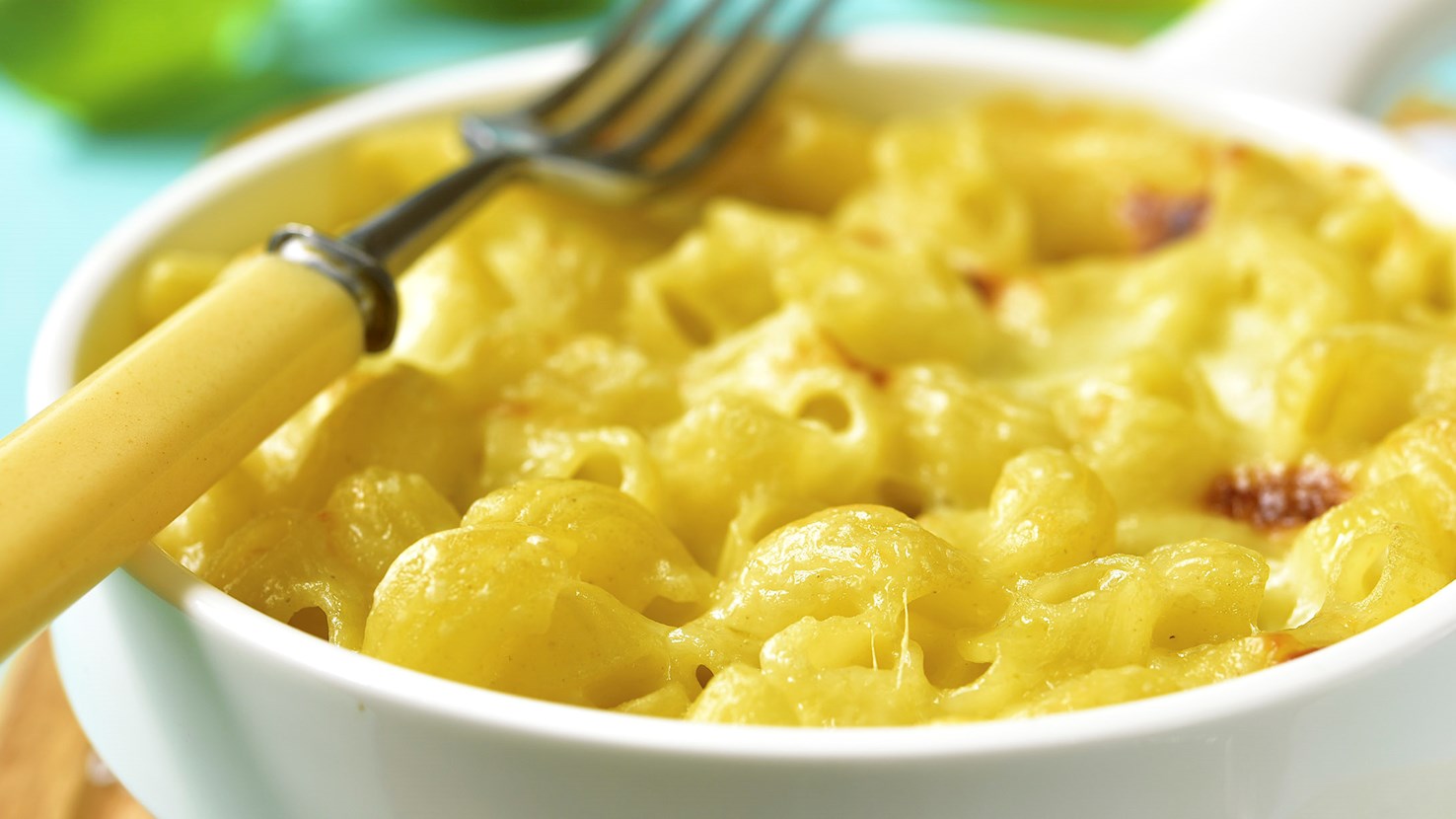
Mac and cheese—a seemingly simple combination of macaroni and melted cheese—is one of the most popular dishes in the United States. The preferred American combination consists of curved macaroni pasta and Cheddar cheese, but modern varieties include vegetables, breadcrumb toppings, or gourmet ingredients such as crab, lobster, or truffles. Although it is an American staple, the dish was probably inspired by similar pasta dishes enjoyed in Italy and France. In the United States, it was popularized by none other than Thomas Jefferson. He fell in love with the combination of pasta and cheese during his European travels, and soon after returning, he started importing macaroni and had the pasta machine shipped to Virginia. Jefferson's chefs prepared macaroni and cheese and served it at his lavish banquets, and his distant cousin Mary Randolph published the first mac and cheese recipe in 1824. The dish was further popularized when Kraft placed the boxed variety on the market. Mac and cheese is a cheap, no-frills dish that could feed the whole family, and it is no surprise it has become a mainstay in American kitchens. It is the ultimate comfort food and is often listed as one of the most iconic American dishes.
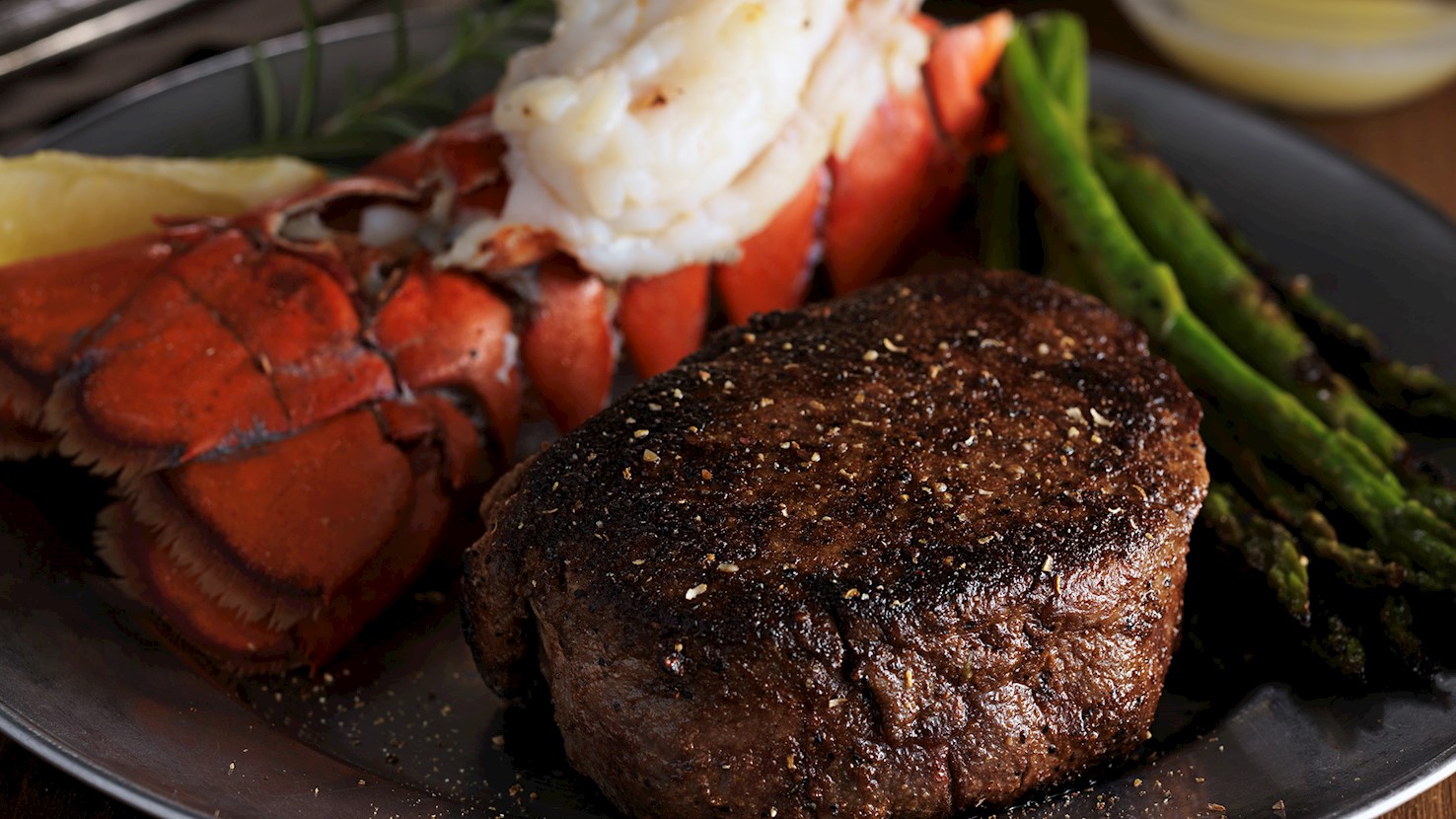
A variety of foods might be included in a surf and turf, but traditionally, it is an entrée that includes both a portion of meat and a portion of seafood. The meat is usually a steak, while the seafood might be anything from lobster to shrimps or prawns. The origins of surf and turf are hard to pinpoint, but steak and seafood meals became popular throughout the United States during the 1960s. The meat is typically grilled and served with an accompanying thick sauce, while the seafood is usually grilled, fried, baked, or boiled, depending on the choice of seafood. Although surf and turf is sometimes associated with low-quality food, it can often be the most expensive item on a menu, since it uses expensive ingredients. However, surf and turf dishes are still quite popular, and there is even a food holiday called National Surf and Turf Day, celebrated every leap year on February 29.
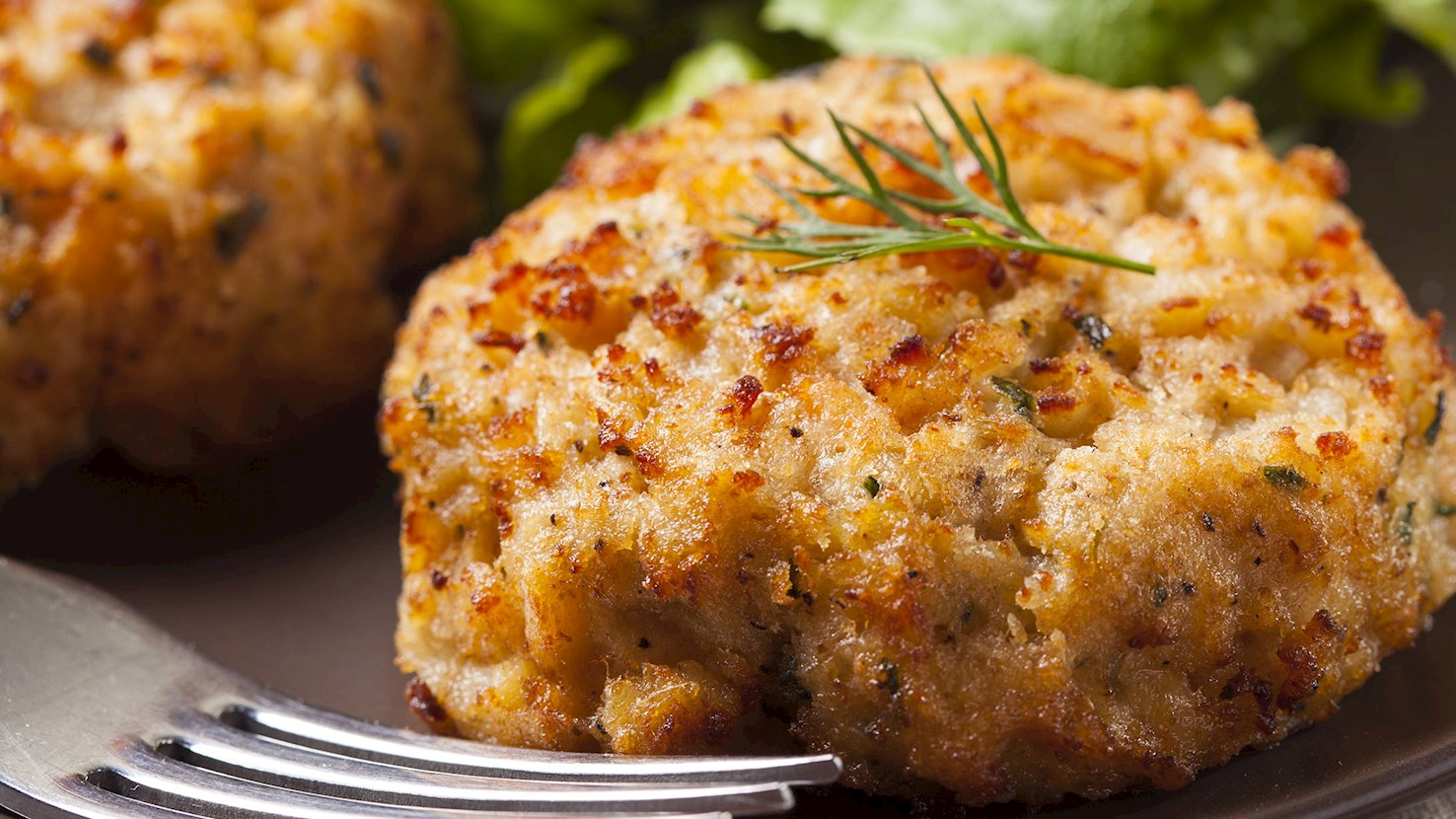
Crab cake is a popular American type of fishcake consisting of shellfish meat, breadcrumbs, eggs, and flavorings such as mustard, Worcestershire sauce, and fresh herbs. The concept of minced fish meat combined with other ingredients dates back to the ancient times when ingredients were scarce. It is believed that a type of crab cake was first introduced to the early colonies by English settlers. There are numerous recipes for crab cakes from the 19th century, and many of them combined bread crumbs and spices, while some of them were fried. However, they were called crab patties or crab croquettes before the term crab cake appeared in the 20th century. Today, crab cakes are the most popular in New England, the Gulf Coast, the Pacific Northwest, and the Northern California coast. They are usually served on a hamburger bun, accompanied by saltine crackers, lemon wedges, french fries, cole slaw, or potatoes.
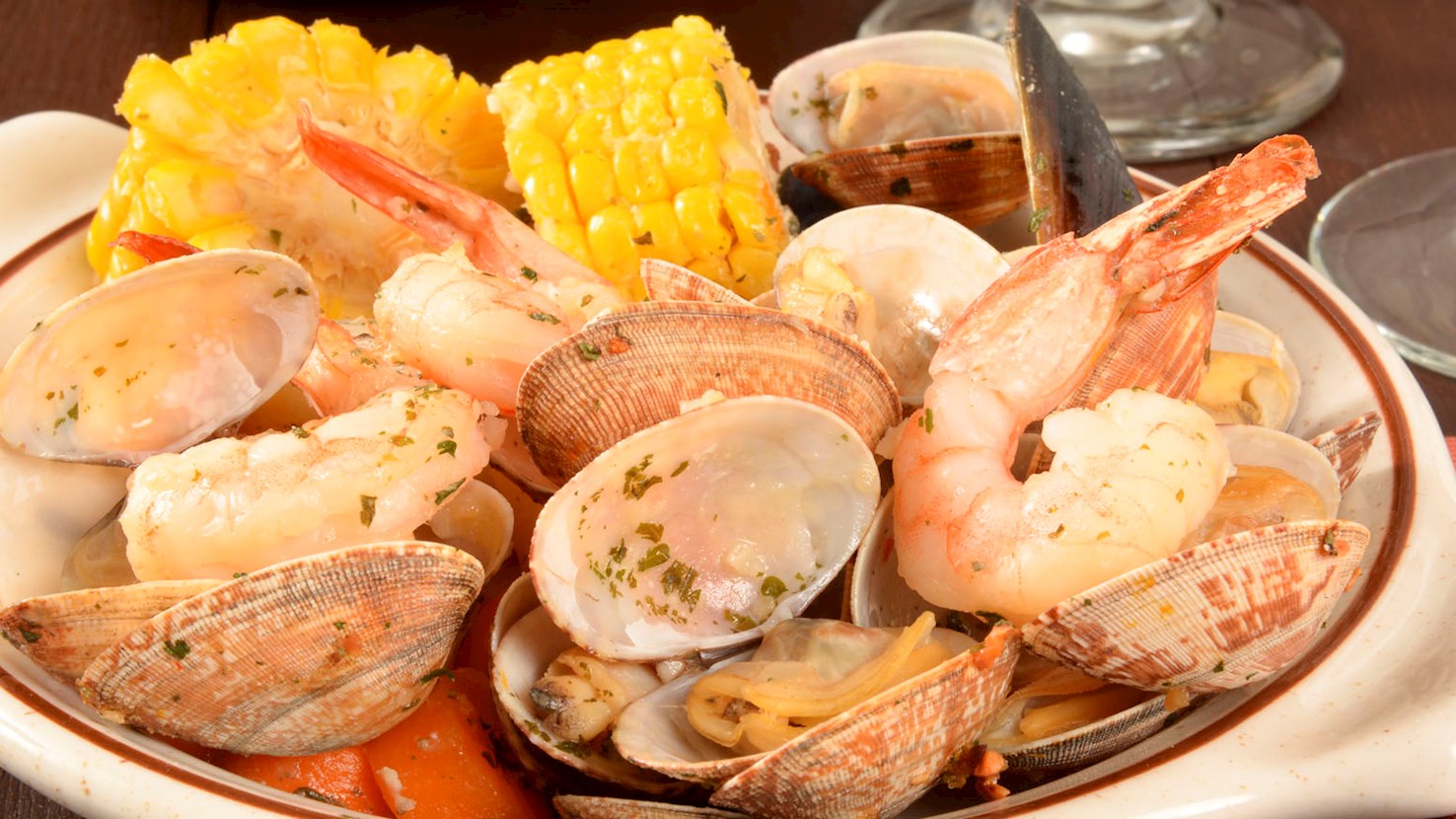
What was once a Native American tradition of cooking clams and lobsters in sand pits dating back 2000 years is nowadays a popular New England dish consisting of lobsters, mussels, crabs, and clams steamed in sand pits over several layers of seaweed. The tradition of digging up sand pits stems from the Natives, who did not own any cooking pots, so earth was used as a cooking vessel instead. As the dish evolved over the years, people have started to add vegetables such as corn, onions, and carrots into it. By the end of the 19th century, clambake became a unique American tradition, and is now typically prepared at festive events throughout New England. It is an activity that lasts all day, but yields favorable results that act as a reminder of ancestry, humility, and the connection between the sea and the earth.
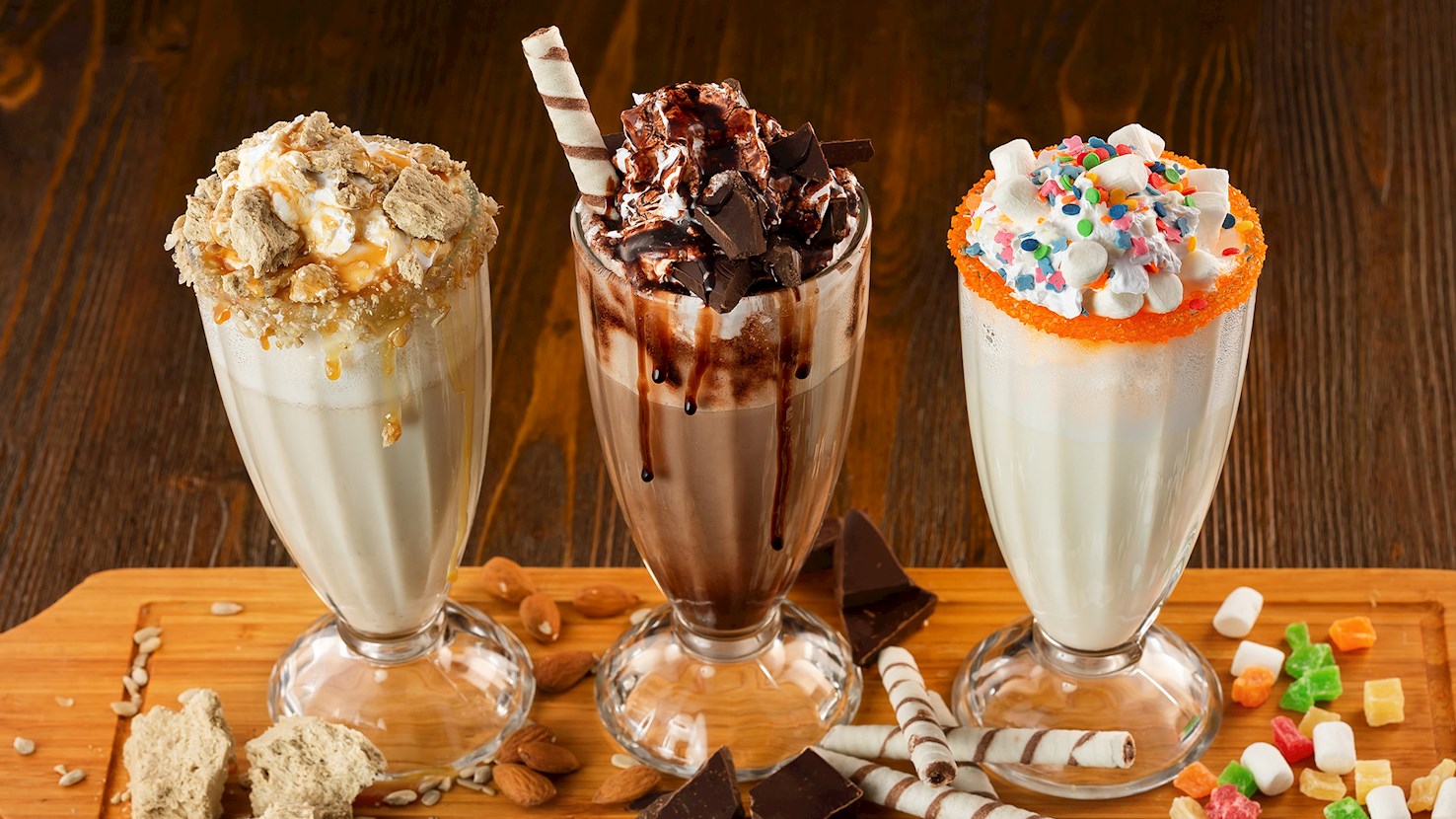
Milkshakes are usually described as flavored milk and ice cream beverages, usually lavishly decorated and served cold. The first written mention, dating from 1885, was somewhat different, and the word was used to refer to a whiskey drink, similar to eggnog, which was used as a health remedy. At the end of the 19th century, milkshakes were already prepared as milk-based drinks made with flavored syrups. The invention of malted milk powders which contained dried milk, malted barley, and wheat flour, along with the popularization of electric blenders, inspired the creation of a more familiar milkshake version. These inventions transformed the old-fashion milkshake into a creamy and airy form that we are more familiar with today. The final contribution to the modern milkshake was made by Ivar “Pop” Coulson, an employee at the Walgreens supermarket, who added scoops of vanilla ice-cream to the already famous malted drink. The creamy, cold drink became an instant hit among the Americans, especially teenagers, who would regularly enjoy their milkshakes in diners and fast-food restaurants. The soda fountains equipped with different flavored milkshakes were also put in drugstores as a quick and convenient refreshment. Although not as popular as they were in the 1950s and the 1960s, they are still a crucial part of American culture, reminiscent of youth and enjoyment. This frothy, refreshing beverage is also favored in Australia and the United Kingdom, where it is usually sold in fast-food restaurants and specialized establishments. Modern-day milkshakes, on the other hand, include some unusual varieties such as mango or mocha, and might include luxury ingredients or even be spiked with alcohol. The recent growth in popularity has led to the emergence of numerous artisan shops which create show-stopping milkshake creations infused with popular candies, whipped cream, marshmallows, and even bacon or blended doughnuts!
TasteAtlas food rankings are based on the ratings of the TasteAtlas audience, with a series of mechanisms that recognize real users and that ignore bot,
nationalist or local patriotic ratings, and give additional value to the ratings of users that the system recognizes as knowledgeable.
TasteAtlas Rankings should not be seen as the final global conclusion about food. Their purpose is to promote excellent local foods,
instill pride in traditional dishes, and arouse curiosity about dishes you haven’t tried.



What People Say