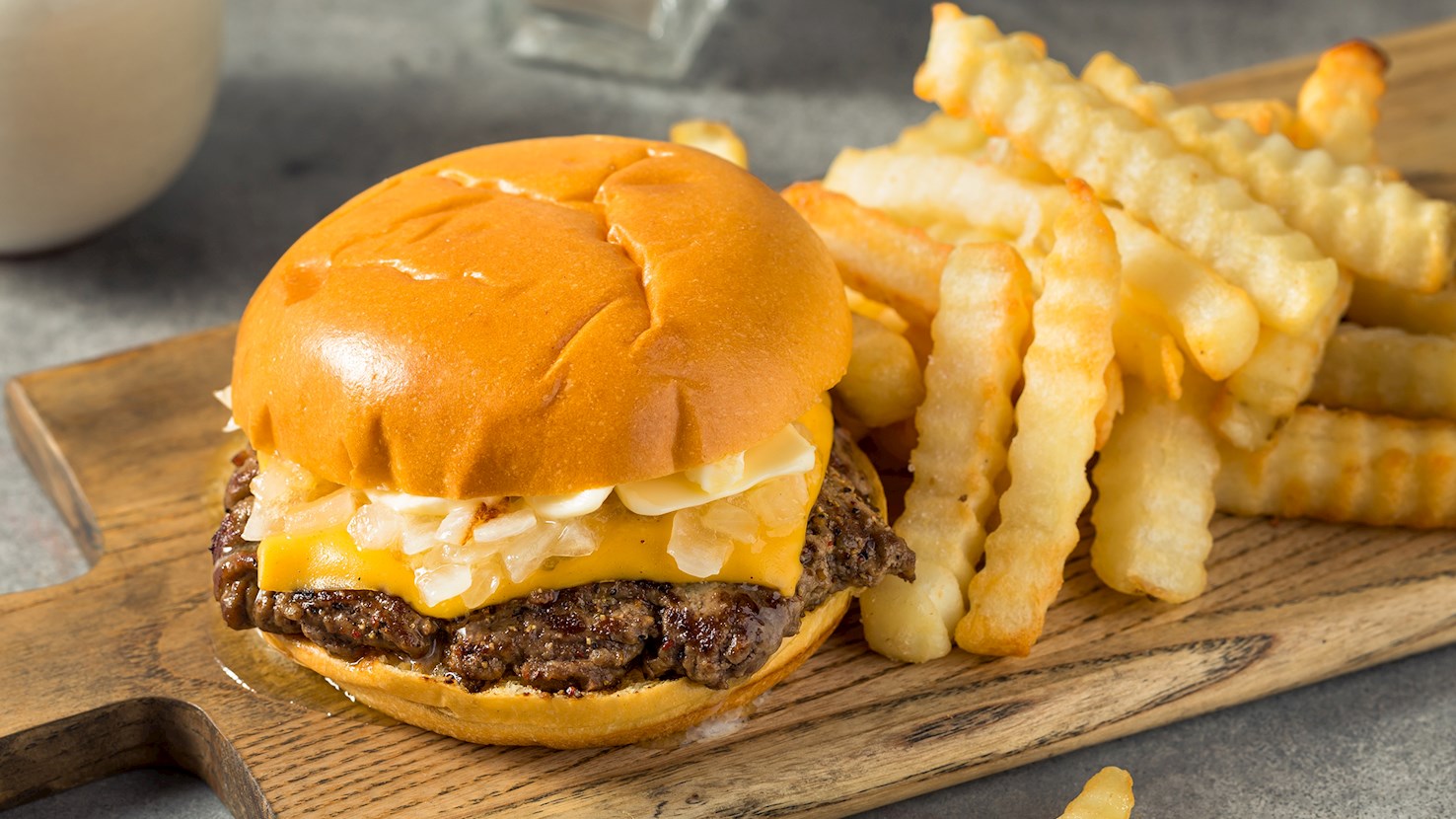
Wisconsin's messy contribution to the world of burgers is called butter burger. For some, butter burger is authentic when the ground meat is combined with butter. For others, it's when the bun is buttered, toasted, and topped with some more butter before serving. The only thing that everyone can agree on is that there must be enough butter to drip off the meat, which will usually form a small pool of butter on one's plate. A theory says that the name comes from a place called Solly's in Glendale, Wisconsin, operating since 1936, where the butter is added to the meat that is, again, fried in butter, and served with a side of stewed onions. A mainstay of greasy diners throughout Wisconsin, butter burger may not be good for one's health, but it will certainly satiate one's hunger.
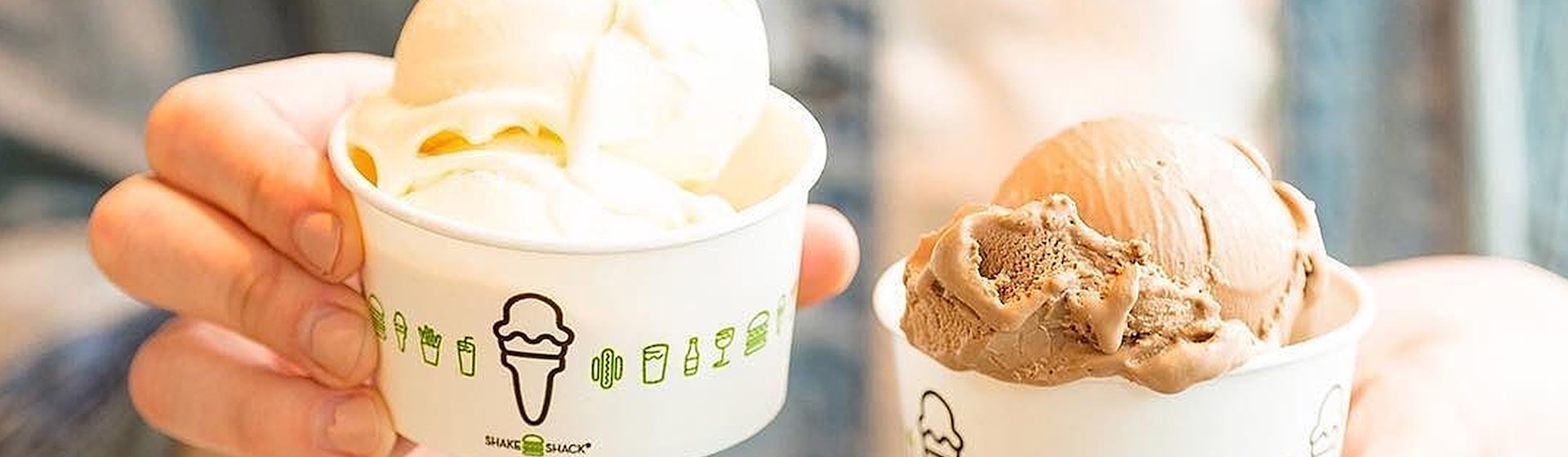
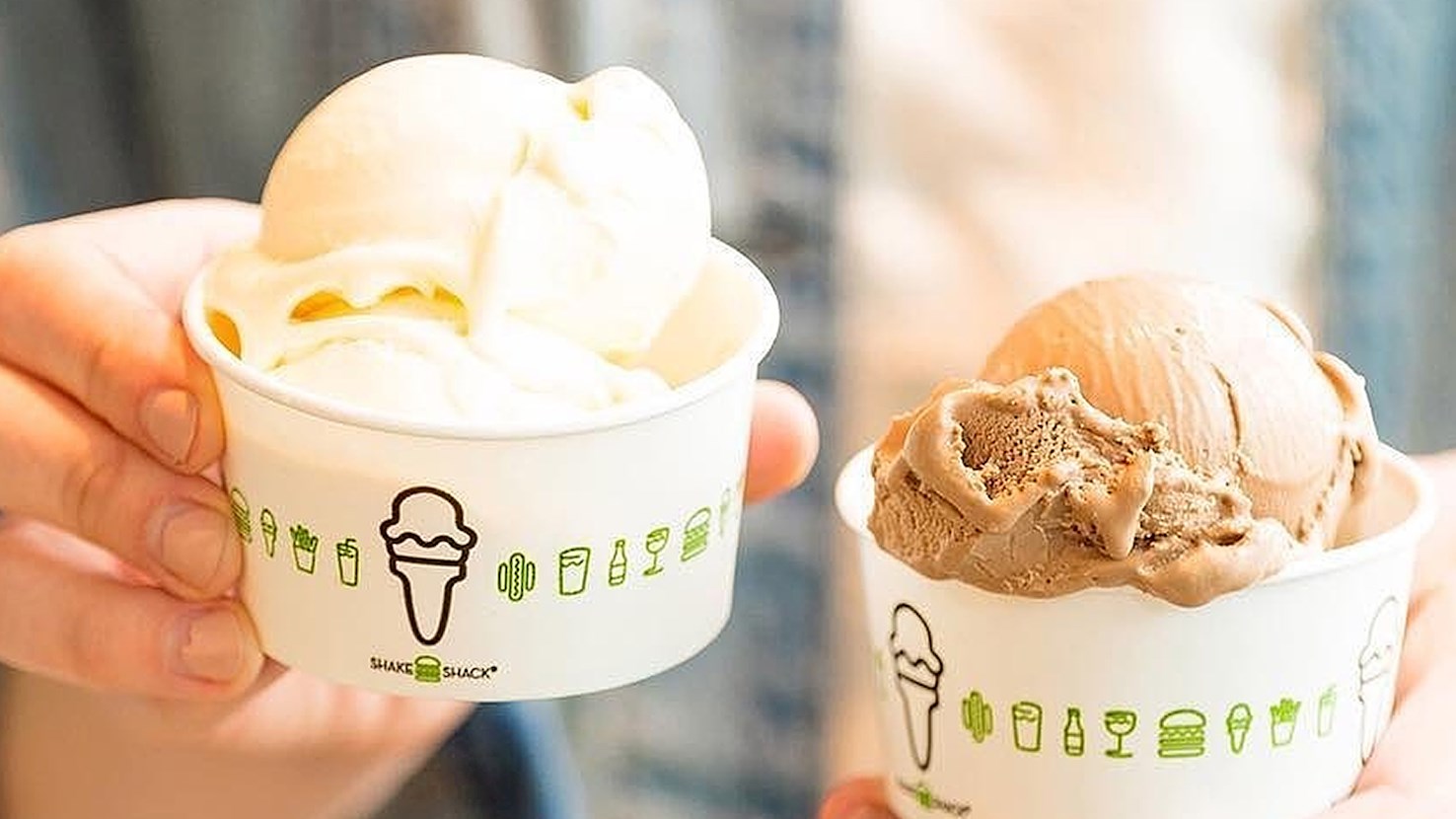
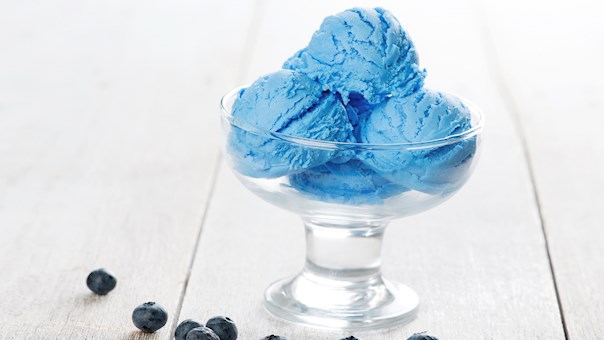
Frozen custard comes from the "Custard Capital of the World", Milwaukee, Wisconsin, where it's sold more than anywhere else around the globe. It is a gourmet ice cream treat made with eggs, cream, and sugar, and it originated from Coney Island, New York, when it was a popular carnival treat. As the popularity of frozen custard grew, it quickly spread to the Midwest. As there is far less air added than in other similar treats, the result is a thick and dense custard with tons of flavor. A lot of frozen custard fans believe it is better than ice cream since it is served before being refrozen and mantains a soft, yet heavy consistency, so it is a unique regional treat in which you can really feel the difference when talking about flavor.
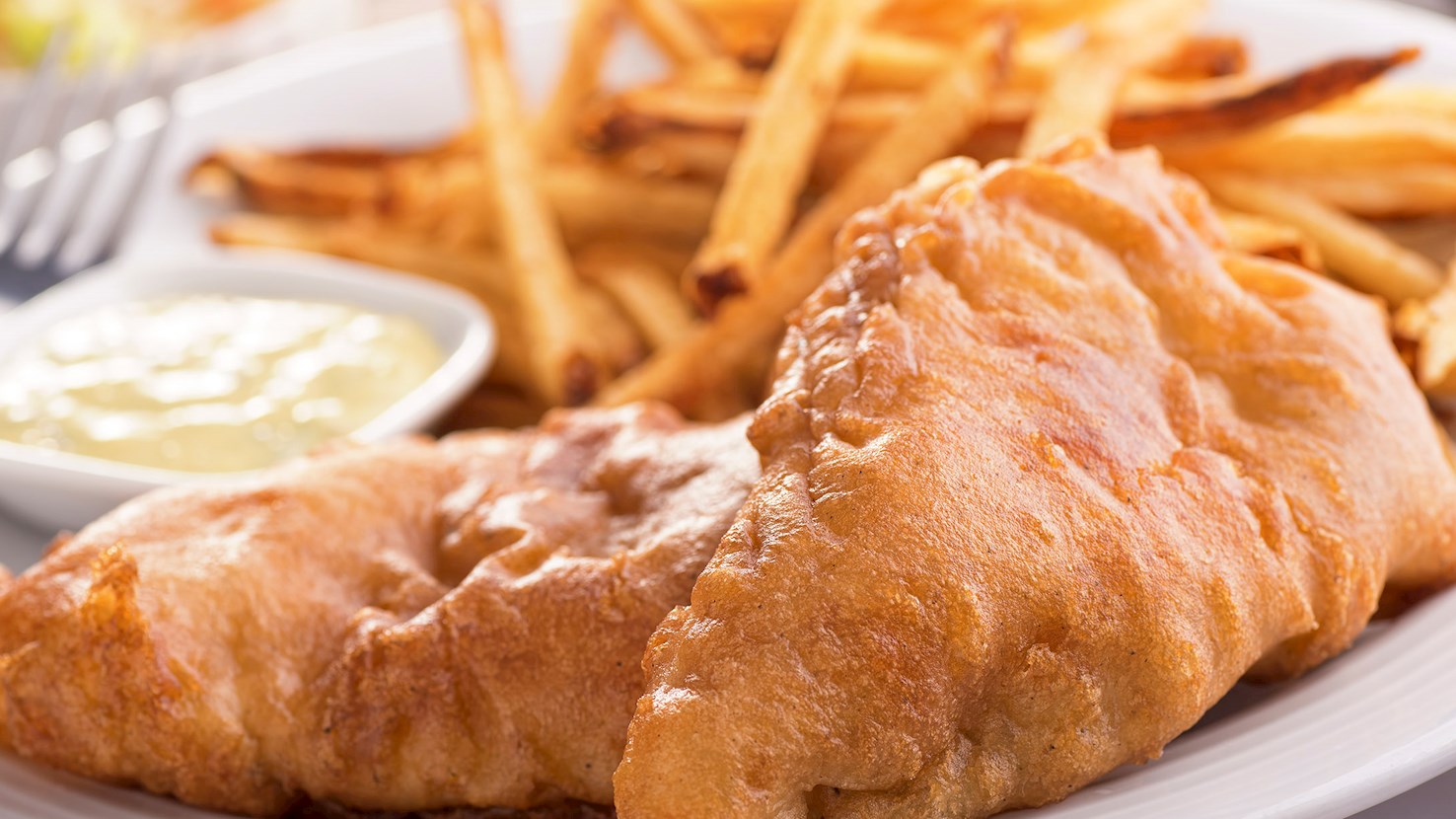
Fish fry refers both to the meal and the popular Friday night tradition in Wisconsin. The fish is battered or breaded, then deep-fried, which is the fastest way to cook large quantities of fish. The Friday night event dates back to the medieval Roman Catholic times. Friday is connected to the crucifixion of Christ, so the day signifies abstinence - in this case, from meat, but fish got a free pass since it is considered that it doesn't come from a warm-blooded creature. The fish fry practice came from Irish, Polish, and German Catholic immigrants who had settled in Wisconsin. Any fish will do, but the most usual varieties are cod, walleye, lake perch, and bluegill. Traditionally, fried fish is accompanied by coleslaw, potato salad, French fries, tartar sauce, hushpuppies, or lemon slices. Fish fry is more than just a dish - it is a communal affair that celebrates the end of the week in Wisconsin.
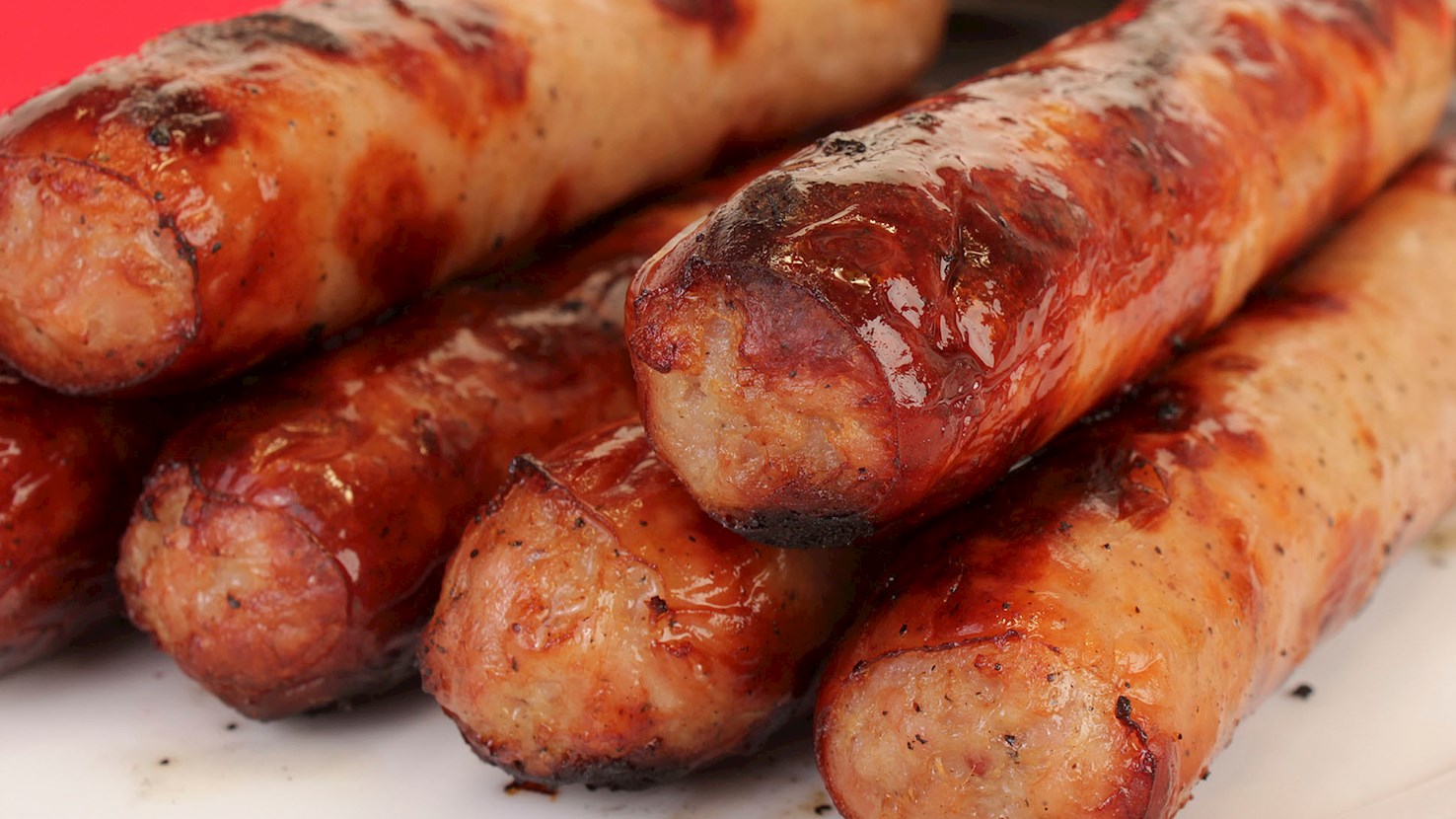
Also known as Wisconsin's soul food, beer brats are a unique American addition to German cuisine. As there was a large number of German immigrants in Wisconsin, the German sausage known as bratwurst became very popular in the region, especially during the 1920s. They quickly became a staple at sports matches. Beer brats are poached in beer before grilling, to seal in the juices so the sausages stay succulent and moist. They are served in brat buns or hard rolls, usually accompanied by potato salads, chopped onions, ketchup, mustard, or sauerkraut. The dish is a common sight at summer cookouts, and every year there is the Brat Fest, which claims to be the world's largest bratwurst festival, held in the city of Madison in Wisconsin during the Memorial Day weekend.
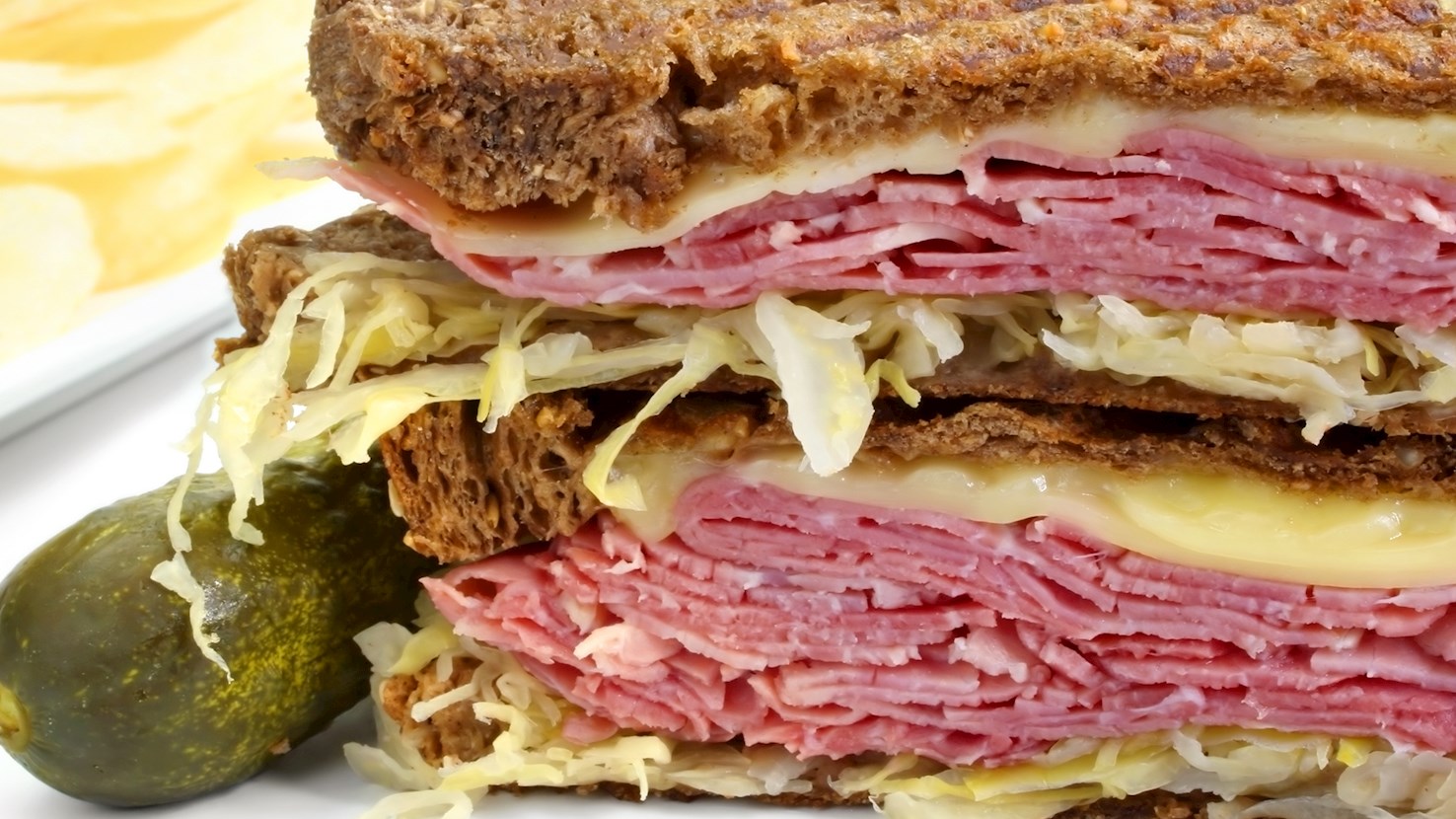
Corned beef sandwich is a popular food item that is traditionally consumed on St. Patrick's Day. It is both Irish and American, since it is believed that the sandwich was first popularized in New York by Irish immigrants during the early 20th century. Typically, it consists of sliced corned beef between two slices of (usually rye or sourdough) bread, but there are numerous variations of the sandwich with added cabbage, mustard, cheese, or pickles.
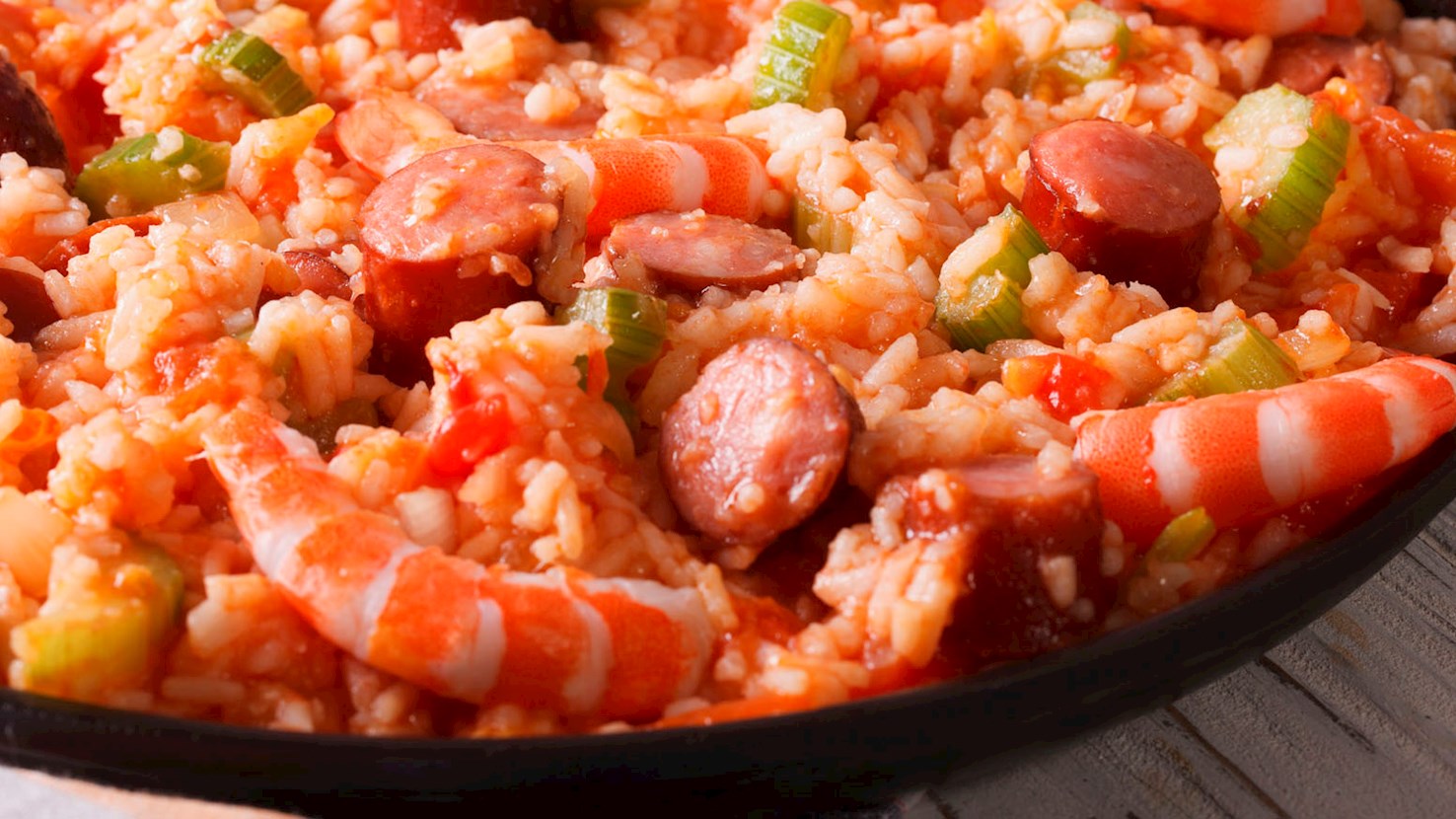
The cheapest way to serve a crowd of people, jambalaya is one of Louisiana's favorite dishes originating from the Cajuns from the southern parts of the country, where food was often scarce. At the time, there were many slaves in the country, so the word jambalaya supposedly derives from the French jambon, or ham, and the African aya, meaning rice. Another theory suggests that it stems from the Provencal jambalaia, meaning a mishmash. Similar to paella, pilaf, or risotto, its key ingredients are rice, shrimp or crab meat, finely cut, spicy, smoked sausage and smoked ham, diced green peppers, garlic, celery, onions, tomatoes, and the obligatory spices - thyme and bay leaves. In some instances, chicken is added to the dish, but today there are also numerous variations from turkey shrimp to alligator meat additions. Rice is added in the end, to absorb the rich flavors from the stock until there is no liquid left. It is cooked in a big, heavy pot and is known to be a crowd-pleaser, so it is not a surprise that it is the most popular dish on the Gulf of Mexico oil rigs, where the employees share a similar food culture.
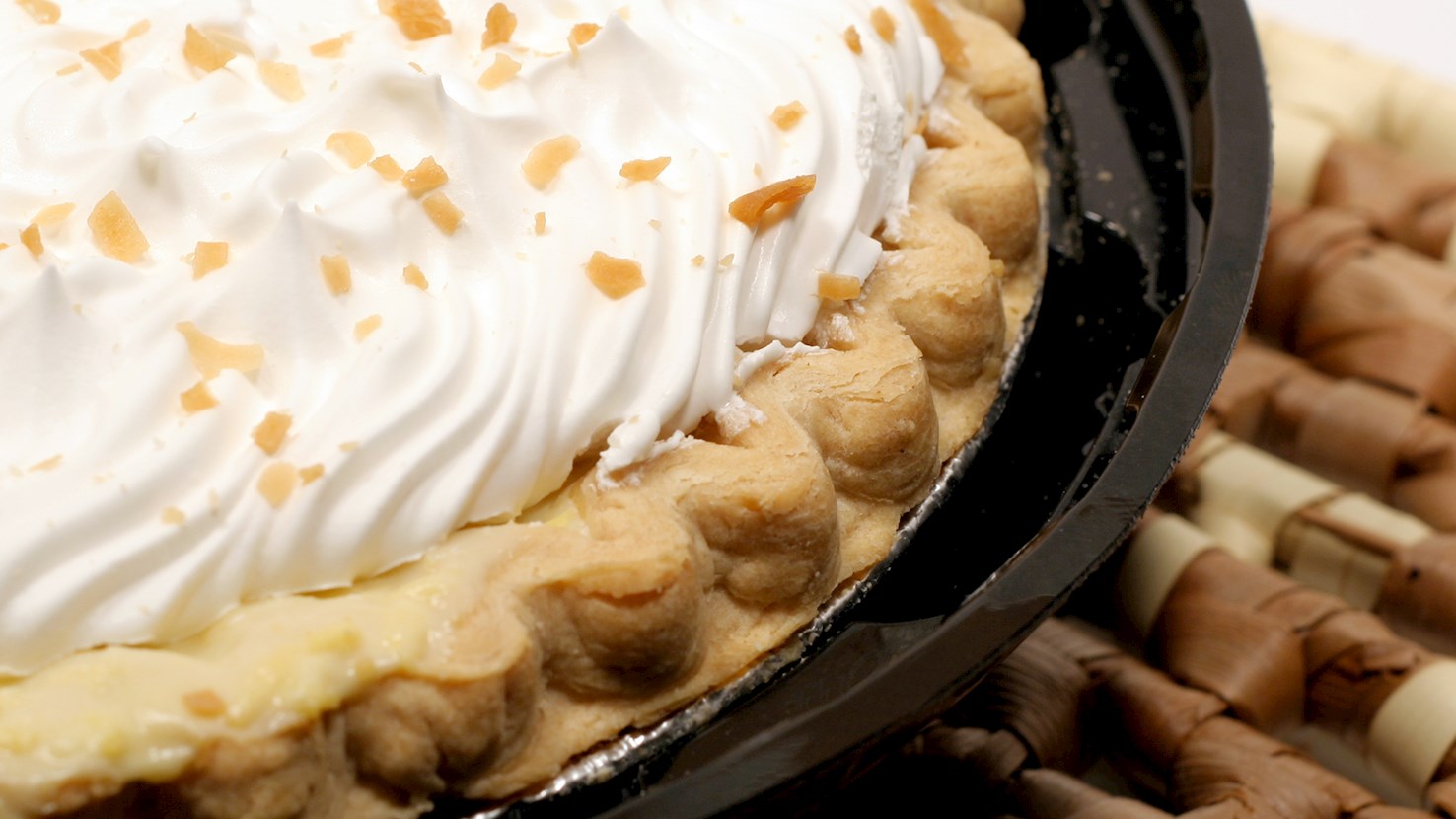
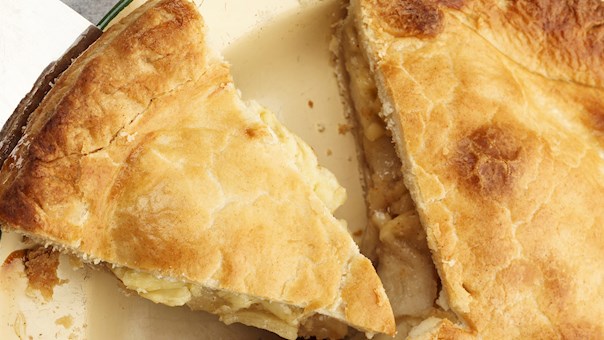
Luscious cream pies are one of the most famous American desserts. Uncomplicated and refreshing, they are usually made with a crunchy bottom crust and a rich, creamy filling, all topped with generous amounts of whipped cream. It is not clear when and where the first cream pie was created, but in the 19th century, they started to appear in the most notable cookbooks at the time. Originally, the crust was made with a basic flour and lard or butter mix, creating a flaky foundation for the decadent filling. Nowadays, the bottom is also commonly made with crushed or crumbled cookies and graham crackers. Primarily, the filling for cream pies was only vanilla-based; it was a custard or a pudding-like cream, thick and lush, created with egg yolks and vanilla. Although a subtle vanilla custard is still the predominant flavor, numerous other varieties, primarily chocolate, have been introduced to become new American favorites. Mocha, butterscotch, caramel, and peanut butter are only a few of the most famous varieties. However, the coconut cream pie and banana cream pie are probably the most important kinds which have become hallmark desserts in the United States. Cream pies are usually associated with traditional American diners where they are prepared and served on a daily basis as the universal American dessert.
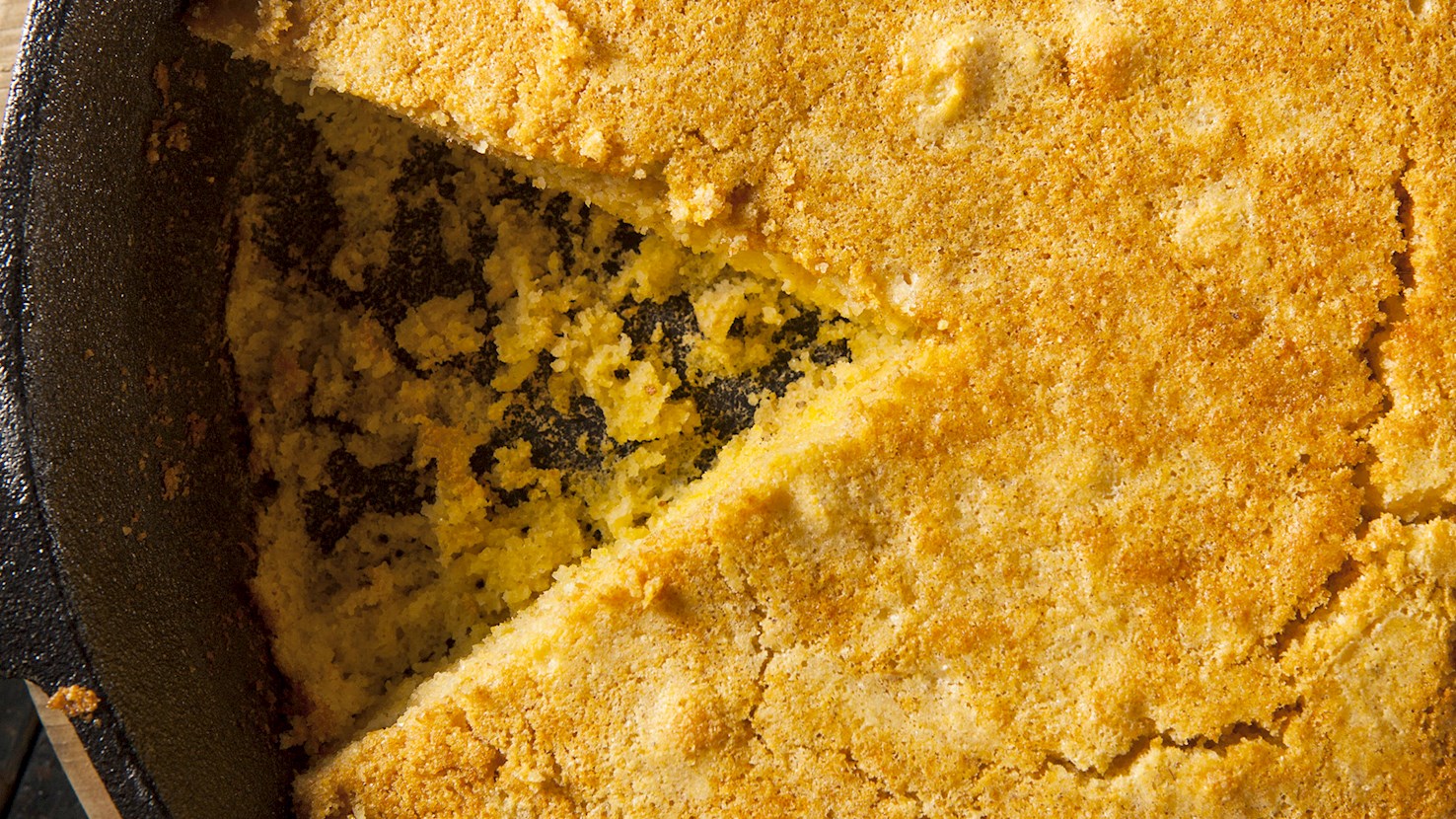
There is no food more American than the classic cornbread. The soft, but firm baked bread made with cornmeal is easily the most important memorabilia of the American past, which is especially associated with the American South. Corn has been a staple ingredient among the Native Americans, who created the first version of what is today known as cornbread. This original version was common food among the frontier explores, and soon became a staple meal favored among the nation. Originally, cornbread was white in color, and since it was made with stone-milled corn, which produced coarser flour, it created a more substantial meal. The change occurred with the introduction of industrial mills, which finely ground the corn and caused the loss of natural sweetness. When the colonists introduced wheat, eggs, and milk products, the well-known firm and rustic cornbread was transformed into a softer and more subtle version. However, the southern part of the United States kept the tradition of preparing the rustic variety, while the northern adopted the leavened, softer, and sweeter version. Nowadays cornbread is usually made from store-bought packs, and it is traditionally prepared in cast iron skillets, but pans and even muffin tins are also common. In American culture, cornbread is not regarded as the plain bread replacement, but more as a substantial side dish. It is often used as an accompaniment to chilis and other types of bean and lentil stews. Sometimes it is merely covered in honey or molasses and eaten as a dessert, or torn and drenched in a warm glass of milk.
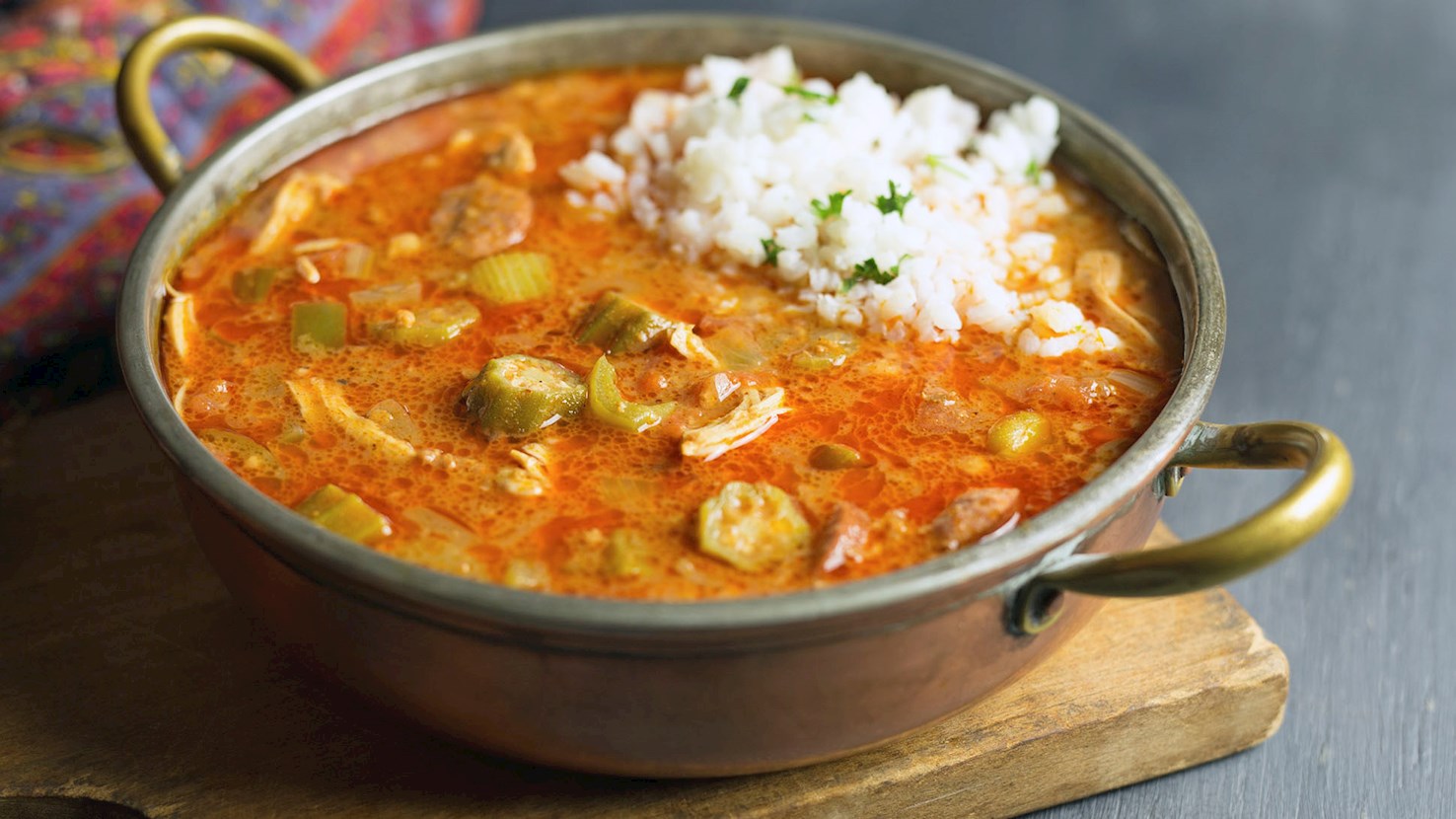
There is nothing better to represent a true taste of New Orleans than gumbo, a filling soup that is usually prepared in large, black, iron pots. A cultural and gastronomical symbol of Louisiana, it can be based on seafood and okra with tomatoes, or on turkey and chicken with added ham, sausage, and poached oysters. Perhaps rabbit or a wild duck will be the main stars, accentuated in flavor by tasso ham. Regardless of its base, gumbo is always intensely fragrant and aromatic with onions, garlic, bay leaf, and thyme, its thick and rich liquids ladled into bowls with an accompaniment of steamed white rice. Gumbo evolved from the French pot-au-feu, when the slaves from West Africa added okra as a thickener to the already roux-thickened French stew. If okra was not in season, filé powder was added, made from dried and crushed sassafras leaves, giving the dish a new layer of viscosity and a unique flavor. Whatever its variety of ingredients may be, gumbo must always include rice, roux (a combination of fat and browned flour that changes the flavor and modifies the thickness), and another thickener, be it okra or filé powder, but never both at the same time. Filé is typically used in thicker gumbos with sausages and chicken, while okra is used in lighter gumbos with seafood. Finally, a note for all gumbos - the ones that taste the best are those which had been left for a day or two and were then reheated, giving the ingredients a chance to combine into a flavorful and complex dish.
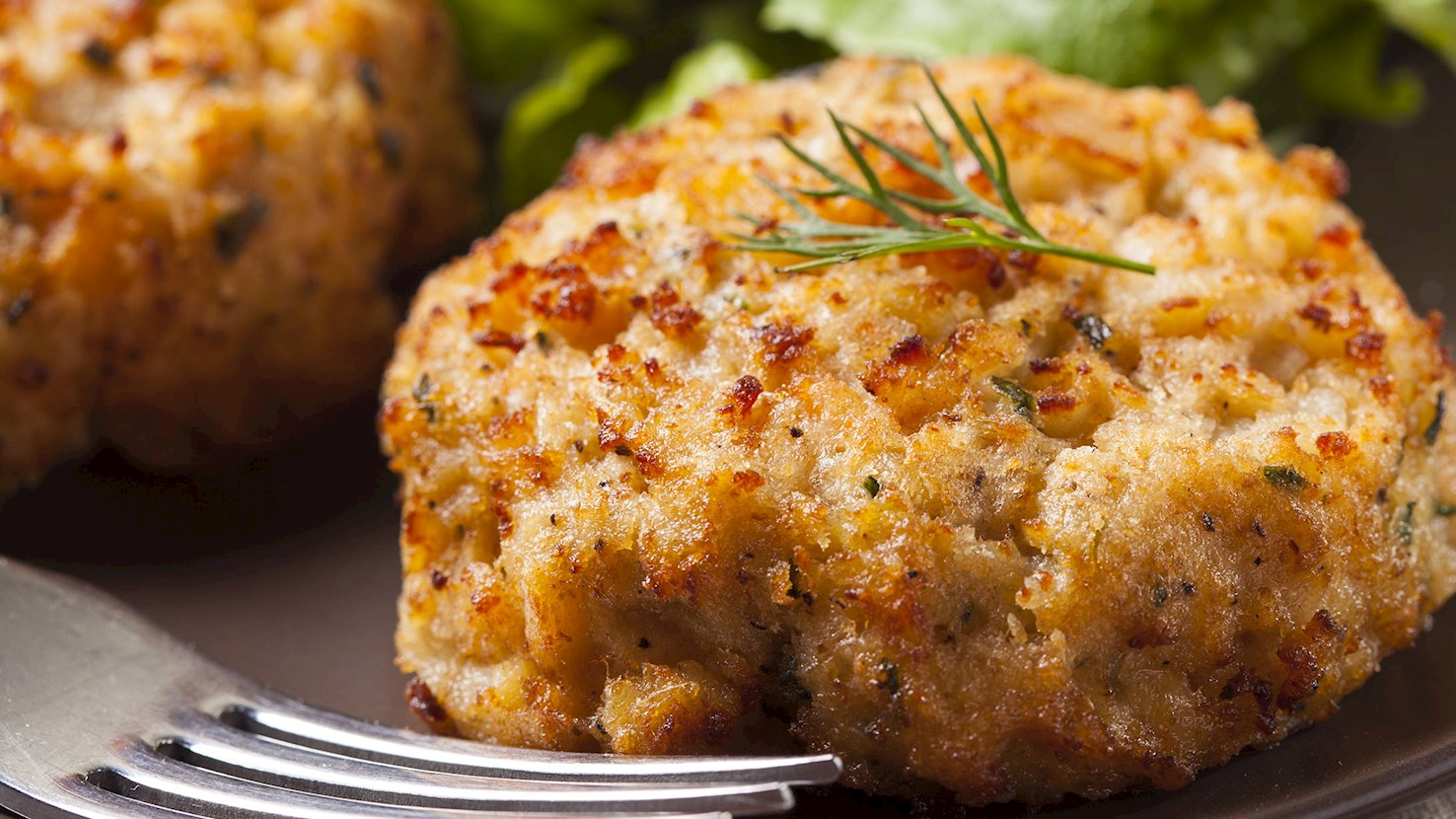
Crab cake is a popular American type of fishcake consisting of shellfish meat, breadcrumbs, eggs, and flavorings such as mustard, Worcestershire sauce, and fresh herbs. The concept of minced fish meat combined with other ingredients dates back to the ancient times when ingredients were scarce. It is believed that a type of crab cake was first introduced to the early colonies by English settlers. There are numerous recipes for crab cakes from the 19th century, and many of them combined bread crumbs and spices, while some of them were fried. However, they were called crab patties or crab croquettes before the term crab cake appeared in the 20th century. Today, crab cakes are the most popular in New England, the Gulf Coast, the Pacific Northwest, and the Northern California coast. They are usually served on a hamburger bun, accompanied by saltine crackers, lemon wedges, french fries, cole slaw, or potatoes.
TasteAtlas food rankings are based on the ratings of the TasteAtlas audience, with a series of mechanisms that recognize real users and that ignore bot,
nationalist or local patriotic ratings, and give additional value to the ratings of users that the system recognizes as knowledgeable.
TasteAtlas Rankings should not be seen as the final global conclusion about food. Their purpose is to promote excellent local foods,
instill pride in traditional dishes, and arouse curiosity about dishes you haven’t tried.



What People Say