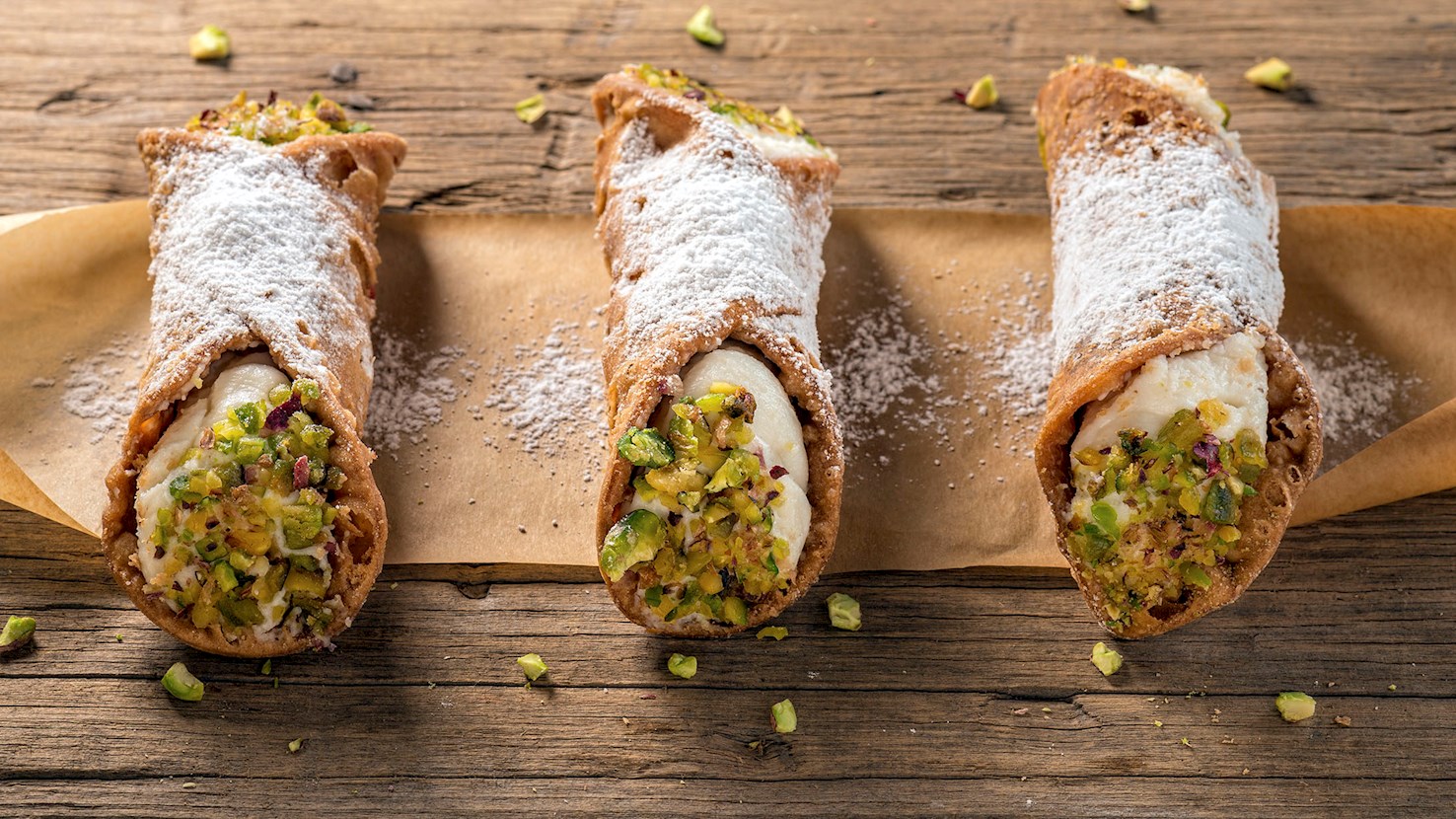
These decadent, crispy fried pastry tubes filled with luscious ricotta cheese cream are perhaps one of Sicily's best known desserts outside of Italy. Cannoli are believed to have originated around Palermo during the 9th century, while Sicily was under Arab rule. Legend has it that they were originally prepared by the women of the ancient city of Qal'at al-Nisā' (lit. castle of women), the modern-day Caltanissetta, which at the time served as the harem of a Saracen emir. Later on, the recipe later somehow found its way to the monasteries of Palermo where nuns would prepare this lavish dessert during the carnival season. Cannoli have come a long way since then, becoming incredibly popular not only throughout Italy, but also in North America, where they were introduced by Sicilian immigrants in the late 19th century. Furthermore, thanks to one of the most famous lines from the movie The Godfather — "Leave the gun. Take the cannoli." — by the end of the 1970s, this dessert had attained a truly iconic status. Although people in the United States are familiar with different variations of this classic recipe, cannoli in Sicily are still prepared in a more traditional way. The crispy pastry shells are typically flavored with cocoa, suet, and Marsala wine, while the delicate freshness of the sweetened ricotta is sometimes enriched with orange blossom water, candied orange peel, chocolate, zuccata candied pumpkin, or finely chopped pistachios. The name is derived from canna, a cane reed that’s cut into sections and used as a mold for frying the pastry shells, although metal cylinders have mostly replaced canna nowadays. And last, but certainly not least, cannoli shells are always filled just before serving to prevent them from getting soggy, ensuring the perfect feel of crunchiness against the creamy filling.
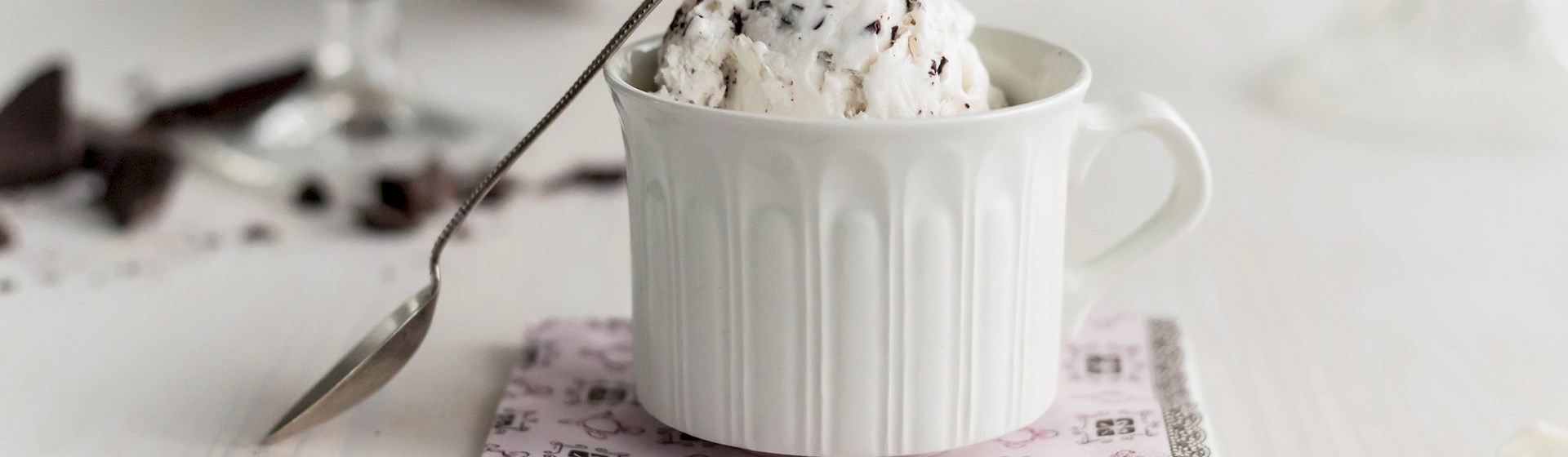
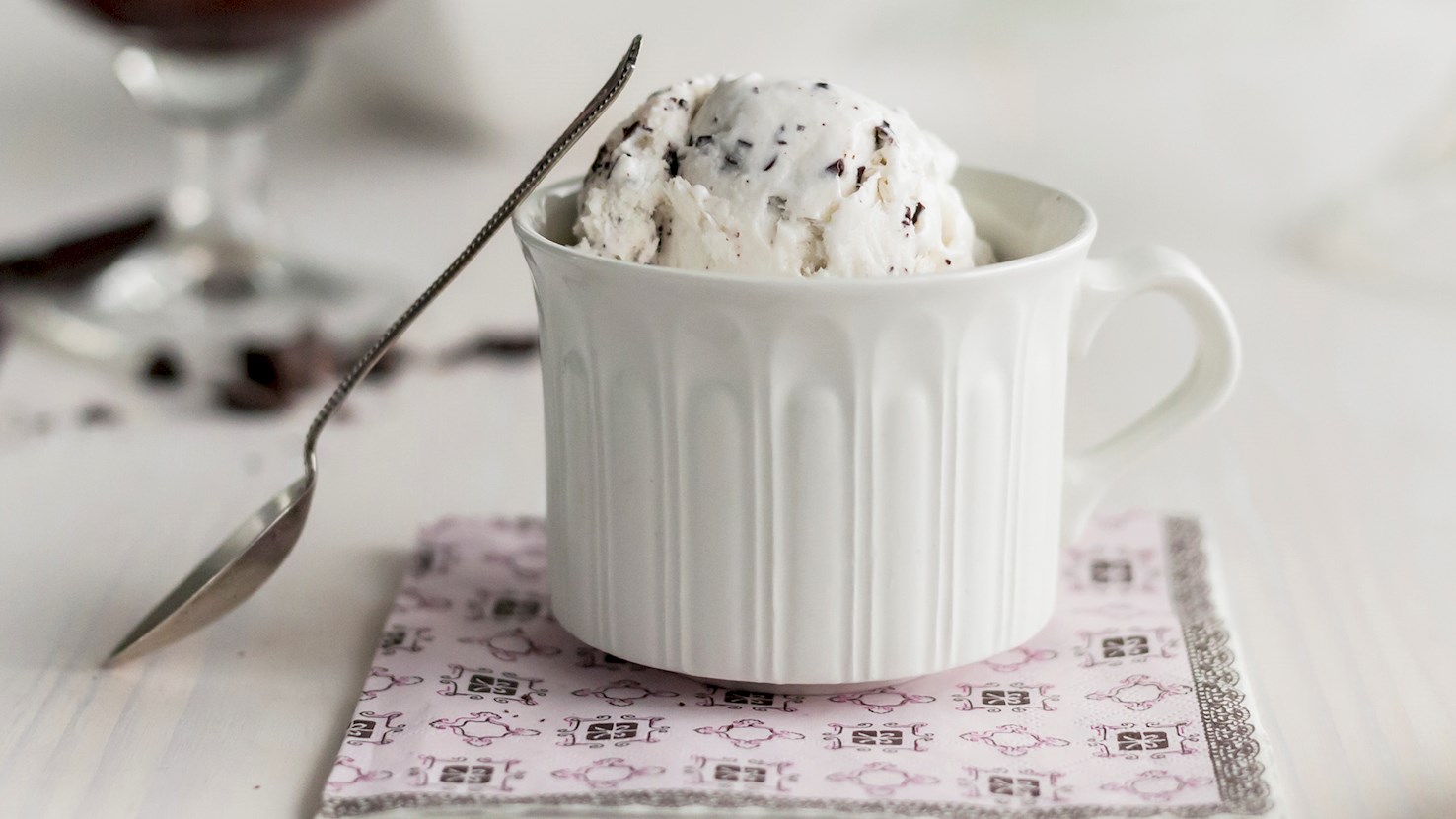
Stracciatella is a variety of Italian gelato (ice cream), consisting of milk, cream, and sugar, with chocolate bits swirled inside the mixture. It was originally invented in 1962 at the Ristorante La Marianna in Bergamo by Enrico Panattoni, who first decided to crack pieces of chocolate into the ice cream. He was supposedly inspired by the soup of the same name, made by cracking eggs into a broth, a process similar to cracking chocolate into gelato. Stracciatella is characterized by its smooth texture with a slight crunch. Its name is derived from the Italian stracciare, meaning to tear or shred into pieces. Today, stracciatella is one of the most popular ice cream varieties in the world.
Translated as flower of milk, this subtle gelato flavor is created with nothing more than milk, cream, and sugar. Though simple, it is considered to be one of the toughest varieties to master, because it offers clean, delicate flavors that are not overshadowed by additional ingredients. Because of this, it is a favorite among true gelato experts, although it is still relatively overlooked compared to the more elaborate gelato creations.
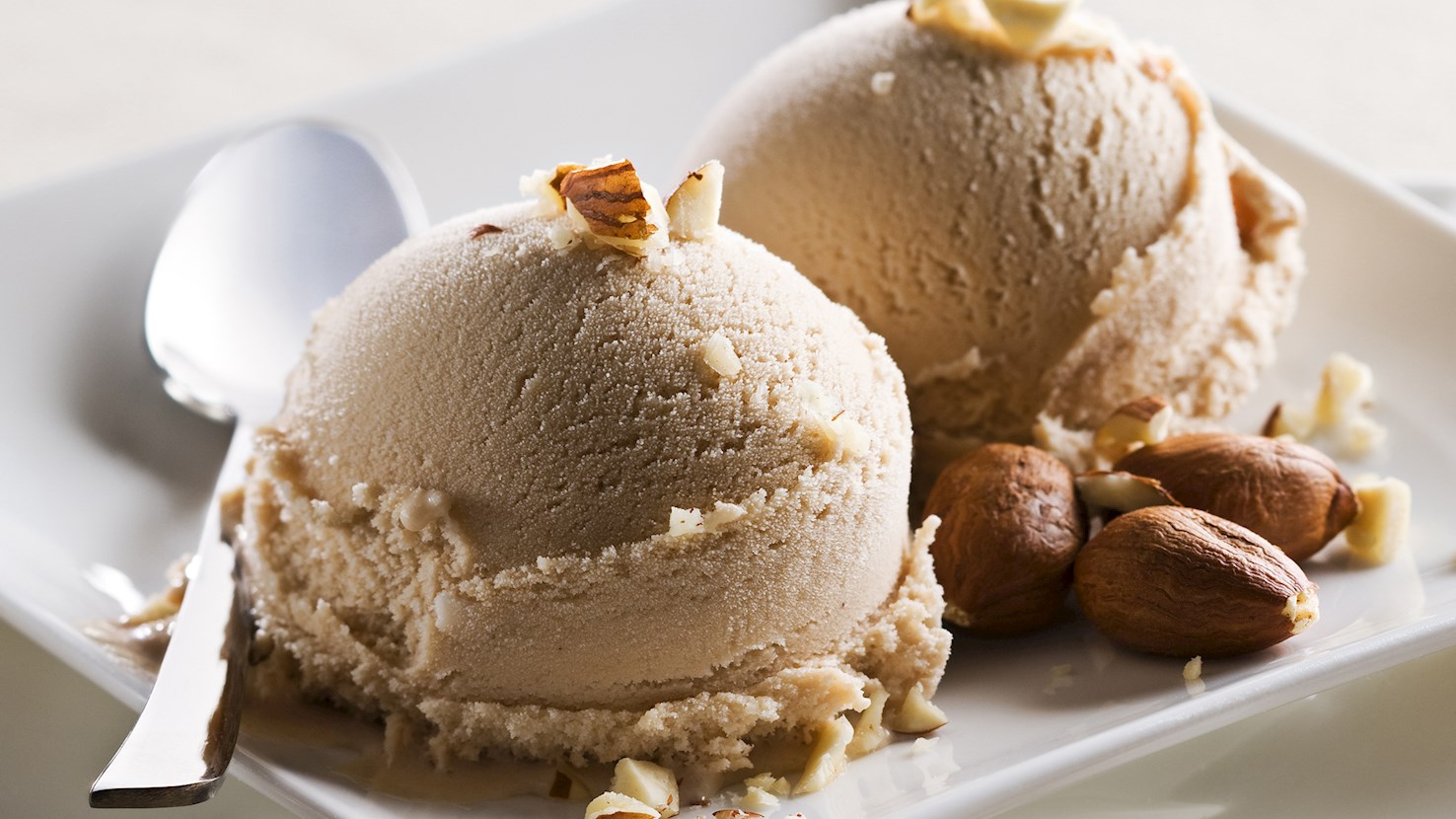
A staple at every Italian gelateria, nocciola is a classic hazelnut gelato. It is prepared with a fragrant hazelnut paste that is combined with a base of milk, cream, eggs, and sugar to create a creamy treat that is characterized by its nutty flavor. The best hazelnut gelato in Italy is produced from Piemonte hazelnuts, which are considered the finest variety for the confectionery industry. They provide the delicate, nutty flavor and the characteristic aroma. Nocciola or hazelnut gelato is often combined with chocolate to create bacio—another popular gelato flavor—but most gelaterias offer it on its own, as an essential addition to their offer.
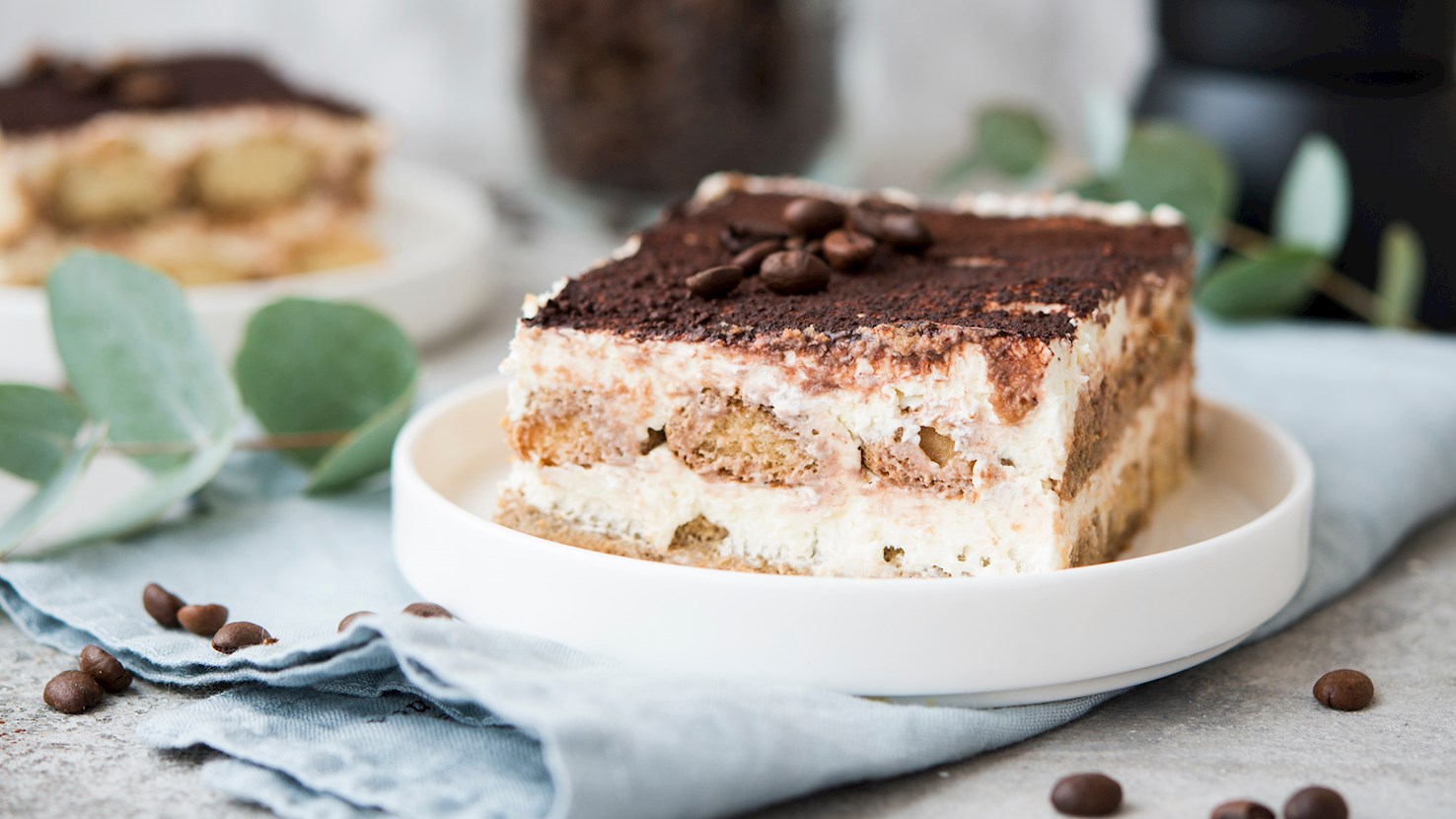
Even though tiramisù is actually a fairly recent invention, this dessert of coffee-soaked ladyfingers layered with mascarpone cream enjoys an iconic status among Italian desserts. Its name stems from the phrase tirami sù, an Italian expression which literally means pick me up, a reference to the uplifting effects of sugar, liquor, and coffee. The origins of tiramisù are heavily disputed between Veneto and Friuli-Venezia Giulia regions, but it is often suggested that the first was made in Veneto in the early 1960s. The earliest documented recipe for tiramisù (interestingly, without alcohol!) was printed in the 1981 spring edition of Vin Veneto magazine in an article on coffee-based desserts by Giuseppe Maffioli, a renowned food critic and member of the Italian Academy of Cuisine. However, in August 2017, Friuli-Venezia Giulia's tiramisu was officially added to the list of traditional regional dishes, but a Veneto local won the Tiramisu World Cup in November 2017, so the playing field is somewhat levelled once again. Regardless of these disputes, the perfect tiramisù should always deliver a serious caffeine kick from a shot of strong espresso, while brandy-fortified Marsala wine adds a nice sweet buzz. In 2021, Ado Campeol, the owner of the restaurant where tiramisù is widely thought to have been invented, has died.
TasteAtlas food rankings are based on the ratings of the TasteAtlas audience, with a series of mechanisms that recognize real users and that ignore bot,
nationalist or local patriotic ratings, and give additional value to the ratings of users that the system recognizes as knowledgeable.
TasteAtlas Rankings should not be seen as the final global conclusion about food. Their purpose is to promote excellent local foods,
instill pride in traditional dishes, and arouse curiosity about dishes you haven’t tried.




What People Say