

shutterstock

76 Traditional Foods
You Have To Try in Mumbai

Last updated on May 22, 2026
01

Pav bhaji

4.2 ·

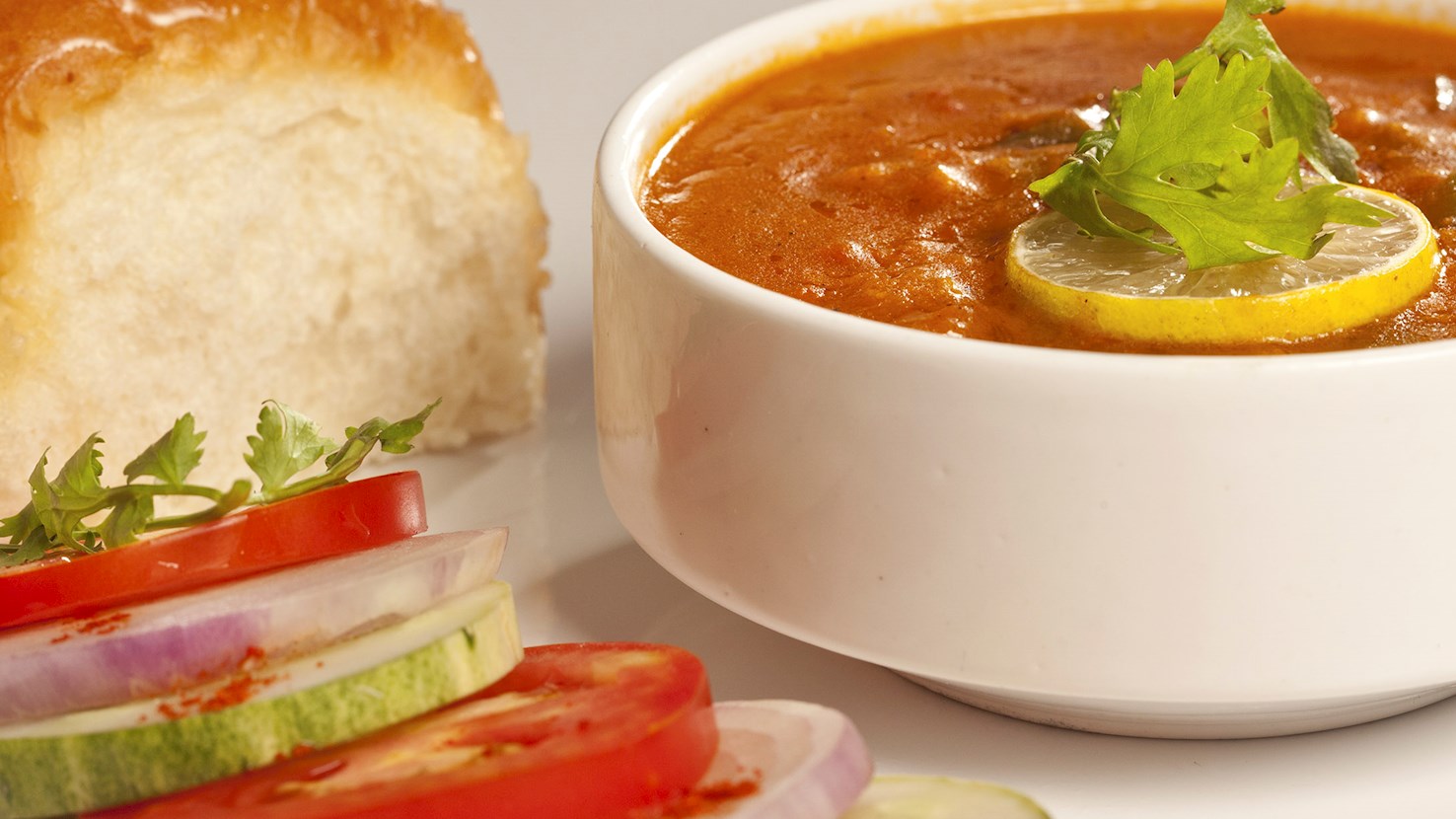
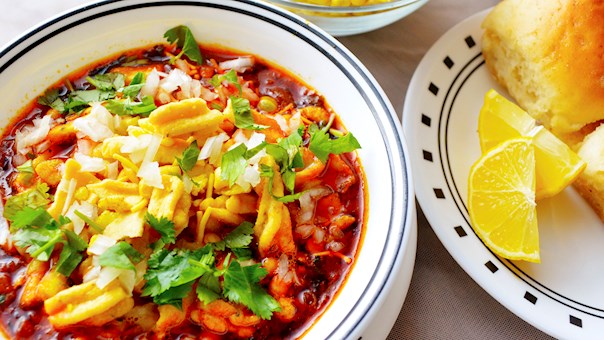
Pav bhaji is a popular street snack originating from the Indian state of Maharashtra. It consists of a vegetable curry that is typically served with a soft bread roll known as pav. The dish was invented in the 1850s as a midnight meal by street vendors who prepared it with all the leftover vegetables from the day, which were then mashed and combined with spices and ghee butter. Originally, it was a quick and easy meal for Mumbai's textile mill workers, but today it is a favorite street snack that is also served in some restaurants in Mumbai. There are a lot of varieties of the basic pav bhaji, with added cheese, paneer, mushrooms, plantains, and even dried fruits thrown in the flavorful curry mix.

02

Vada pav

4.1 ·

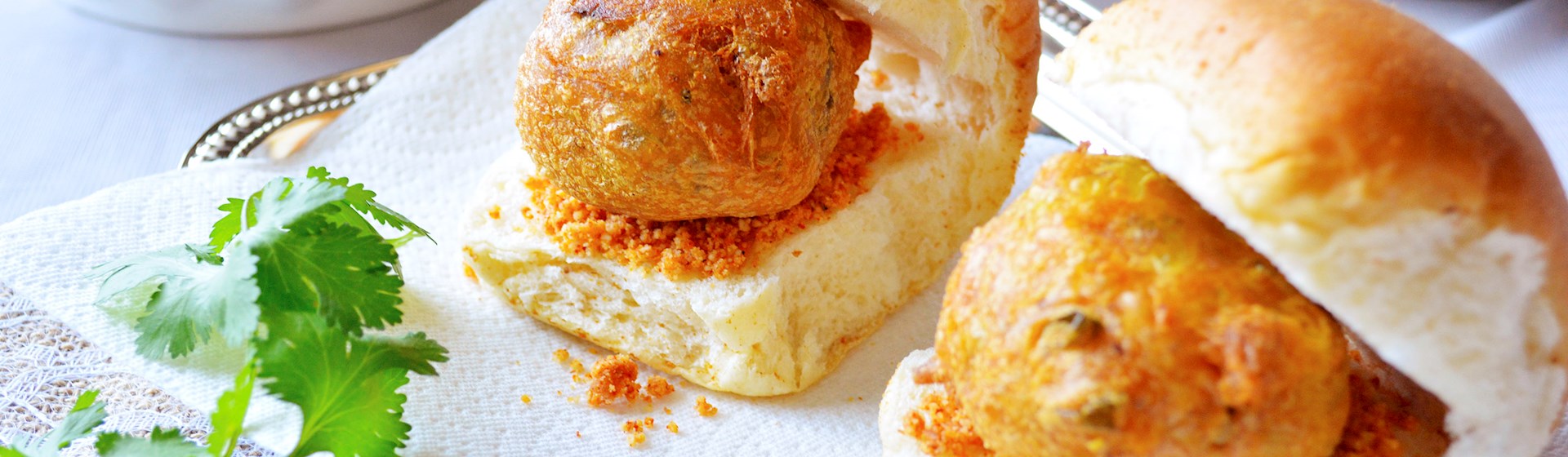
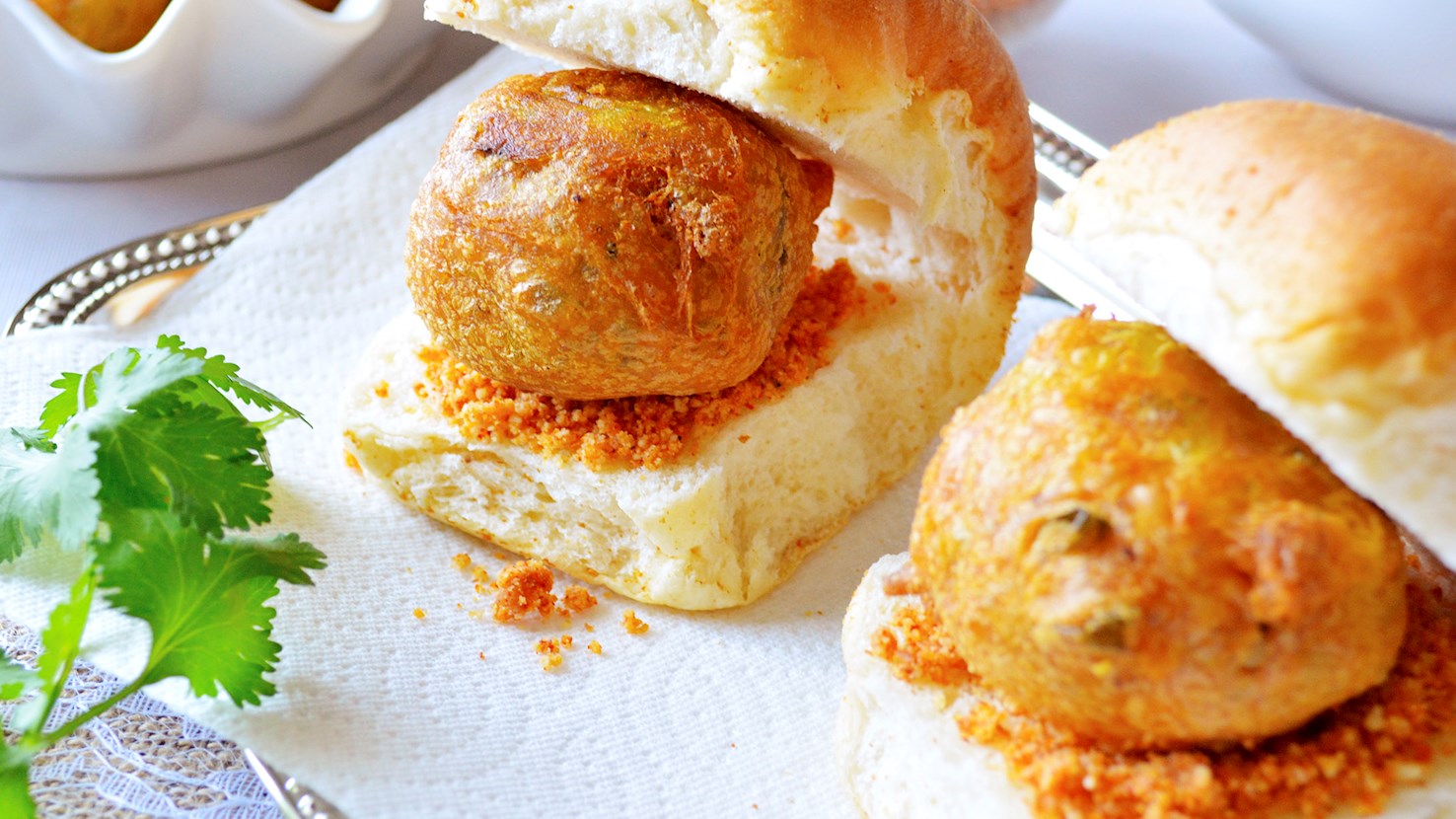
Vada pav is one of Mumbai's favorite sandwiches, its name referring to the key ingredients: vada, or spicy mashed potatoes that are deep-fried in chickpea batter, and pav, or white bread rolls. This iconic street food is said to have originated from a street vendor named Ashok Vaidya, who worked near the Dadar train station in the 1960s and 1970s. He thought of a way to satiate the hungry workers, and concluded that the ideal dish should be portable, affordable, and easy to prepare. Ashok made vada pav, and its popularity skyrocketed, especially after the Shiv Sena, a Marathi-Hindu nationalist political party, started to promote the sandwich as an ideal working class snack. Today, the sandwich is sold throughout Mumbai, both on street stands and in elegant restaurants, ideally accompanied by a hot red chutney with coconut, peanuts, garlic, tamarind, and chiles.

03

Chaat

4.2 ·

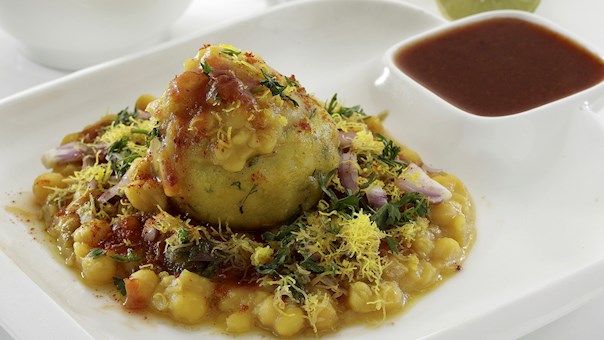
Chaat is a term signifying a huge variety of Indian street foods, snacks, or small meals which usually combine salty, spicy, sweet, and sour flavors. The name chaat is derived from a Hindi verb chaatna, meaning to lick, possibly referring to the finger-licking good quality of the dishes. Chaats are usually small, consumed on their own as a snack, or combined with other dishes to form a big meal. Throughout India, Pakistan, and Bangladesh, chaat can be found at chaatwallas (street vendors), serving various dishes, from stuffed bread to deep-fried pastries with accompanying dipping sauces. In India, a chaat stand is usually specialized for one or two dishes which are always made fresh. If chaat is offered in a larger restaurant, it is often accompanied by a traditional Indian drink called lassi. Chaat dishes are very popular due to their enormous variety: from crispy fried potatoes, sevpuri, and pakora, to chila pancakes with chutney and pav bhaji, there is a variety of chaat for every type of consumer.

04

Bhelpuri

3.8 ·

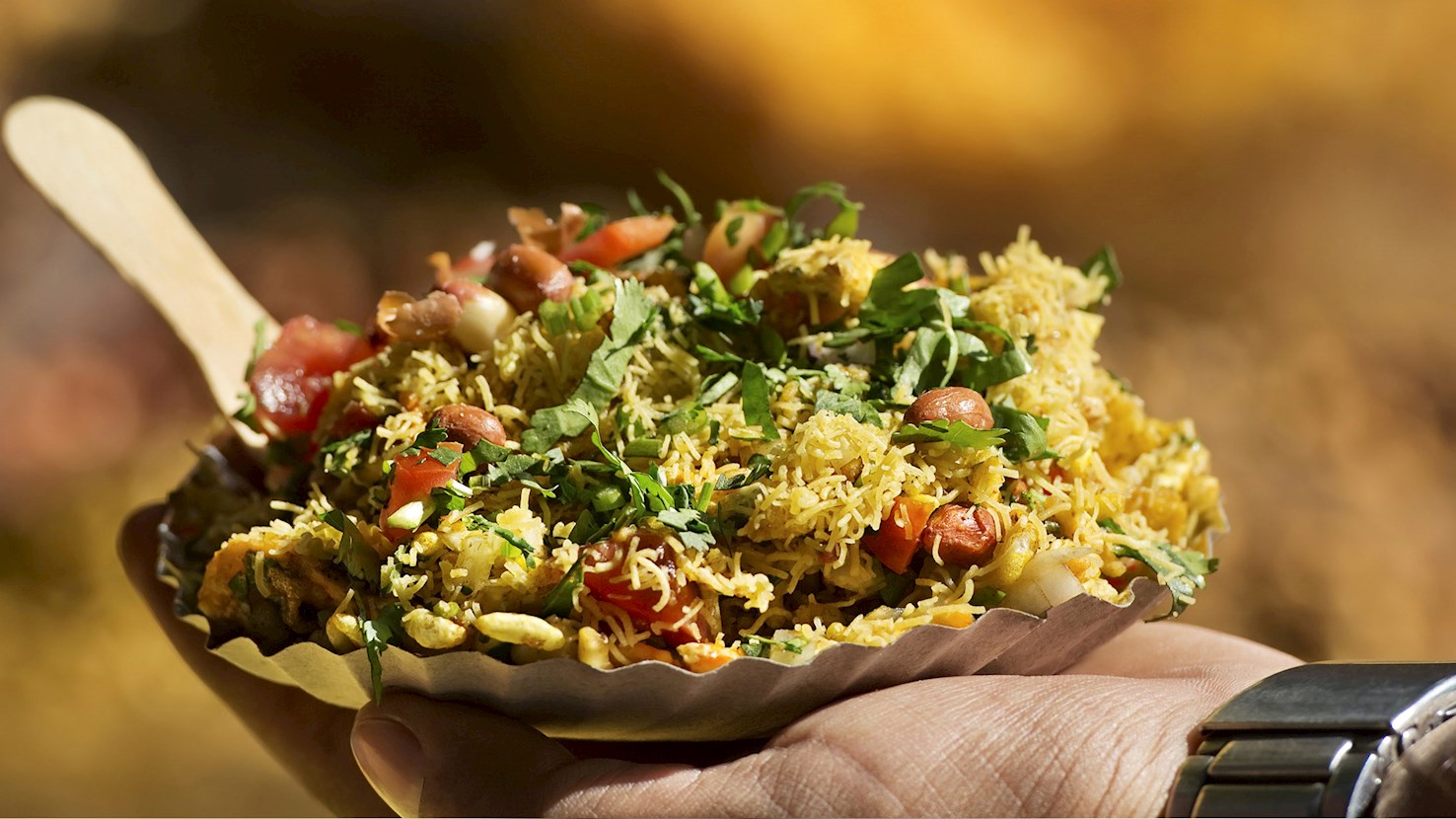
Bhelpuri (also spelled bhel puri) is a type of chaat - a savory snack that is commonly served in cafés and street carts throughout India. There is a lot of debate about what should go in a bhelpuri, but the most commonly used ingredients include puffed rice, ground nuts, potatoes, onions, and chilis. Tamarind or date chutneys are commonly used to give the dish a spicy flavor. The dish is extremely popular in Mumbai, where it is usually enjoyed as a beach snack or comfort food. Although there is no clear evidence about the time of bhelpuri's origin, it is believed that the snack was invented by an unknown Gujarati migrant.

05

Panipuri

4.2 ·

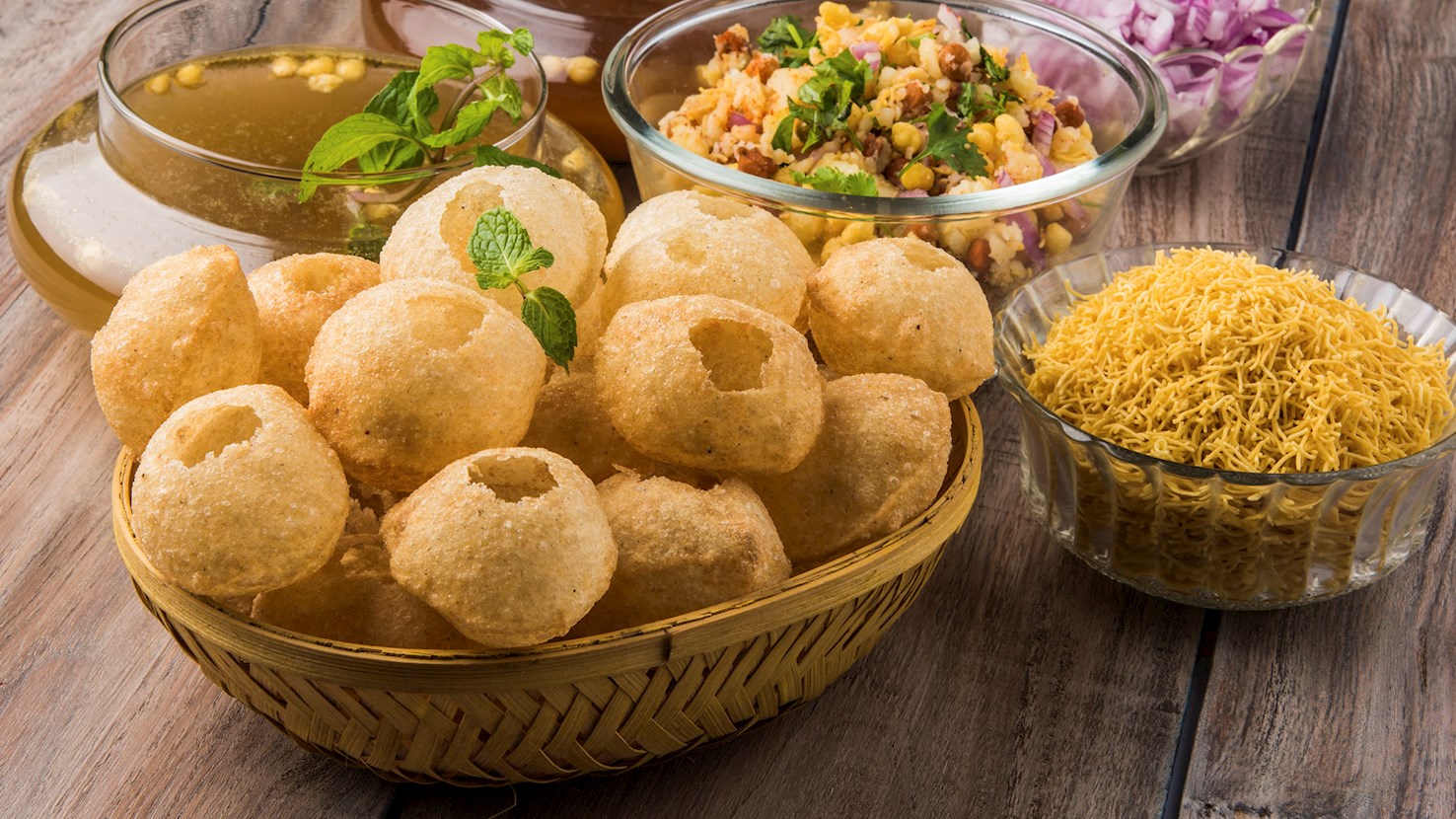
Panipuri is a street snack that is extremely popular in India, Bangladesh, Pakistan, and Nepal. Small in size, it consists of a hollow puri that is fried until crispy, then stuffed with a combination of flavored water called pani, tamarind chutney, chaat masala, potatoes, onions, hot chillis, and chickpeas. In North India, panipuri is known as golgappa, gol referring to the crispy shell, and gappa referring to the eating process, since these small snacks are typically eaten one at a time. It is believed that panipuri originated in Uttar Pradesh and gradually spread in popularity throughout the country and outside of it. Today, panipuri stalls are a staple at most fairs, festivals, or weddings in India.

06

Batata vada

4 ·

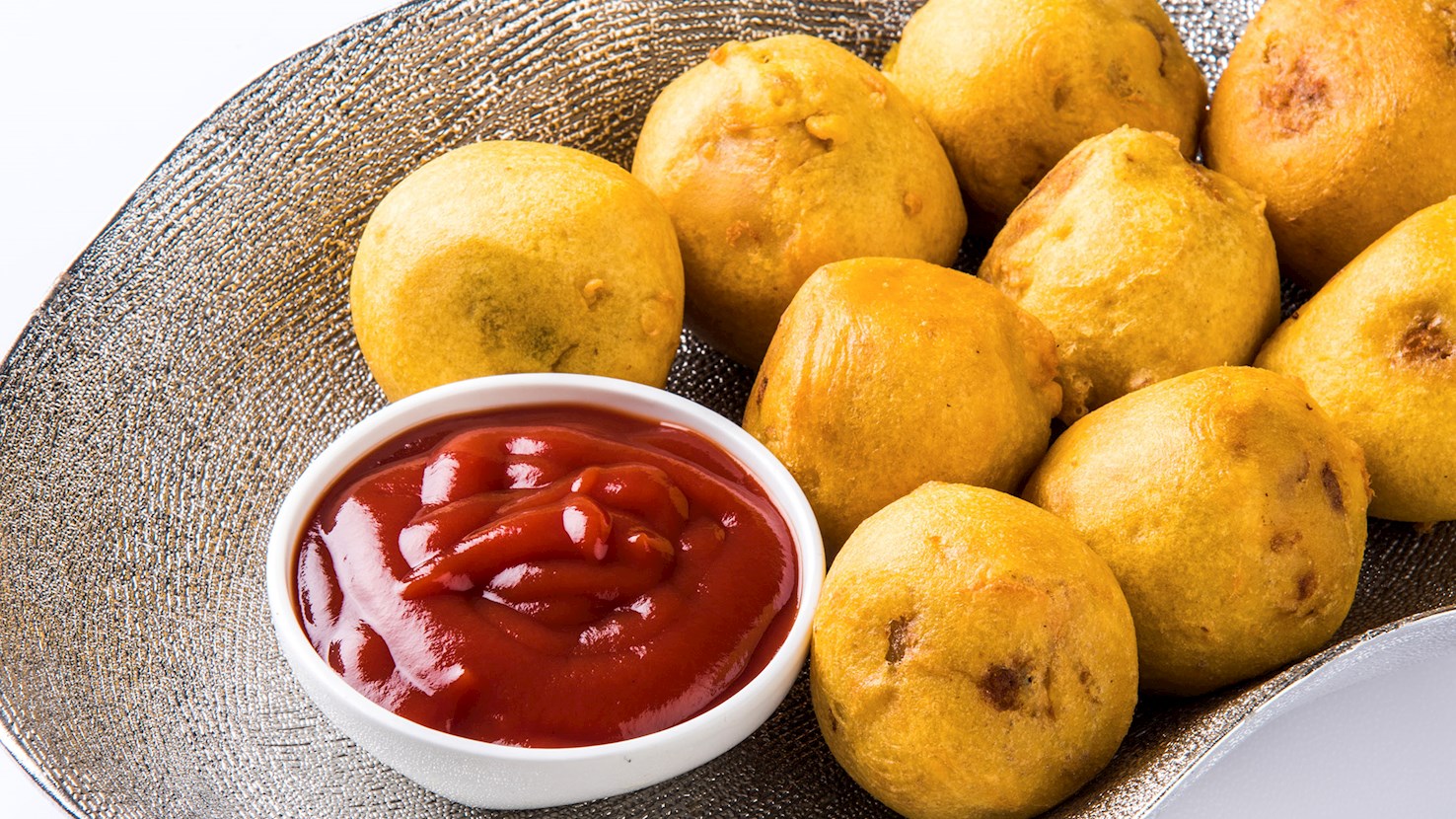
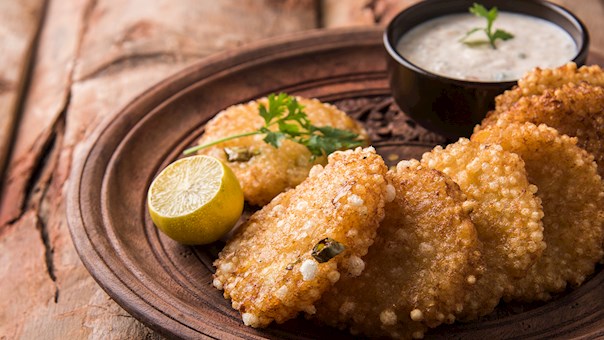
Batata vada is a popular vegetarian street food item that was invented in the Indian state of Maharashtra. It is a potato fritter made with a combination of mashed potatoes and spices that is shaped into a ball, dipped in chickpea batter called besan, then deep-fried. The dish is typically served with a chutney consisting of shredded coconut, tamarind, and garlic. Batata vada is also a part of a popular Indian sandwich called vada pav, consisting of batata vada and chutney, served on soft buns called pav. Vada pav sandwich is the most popular way of consuming batata vada, sold at numerous food stalls throughout Mumbai.

07

Thalipeeth

n/a ·

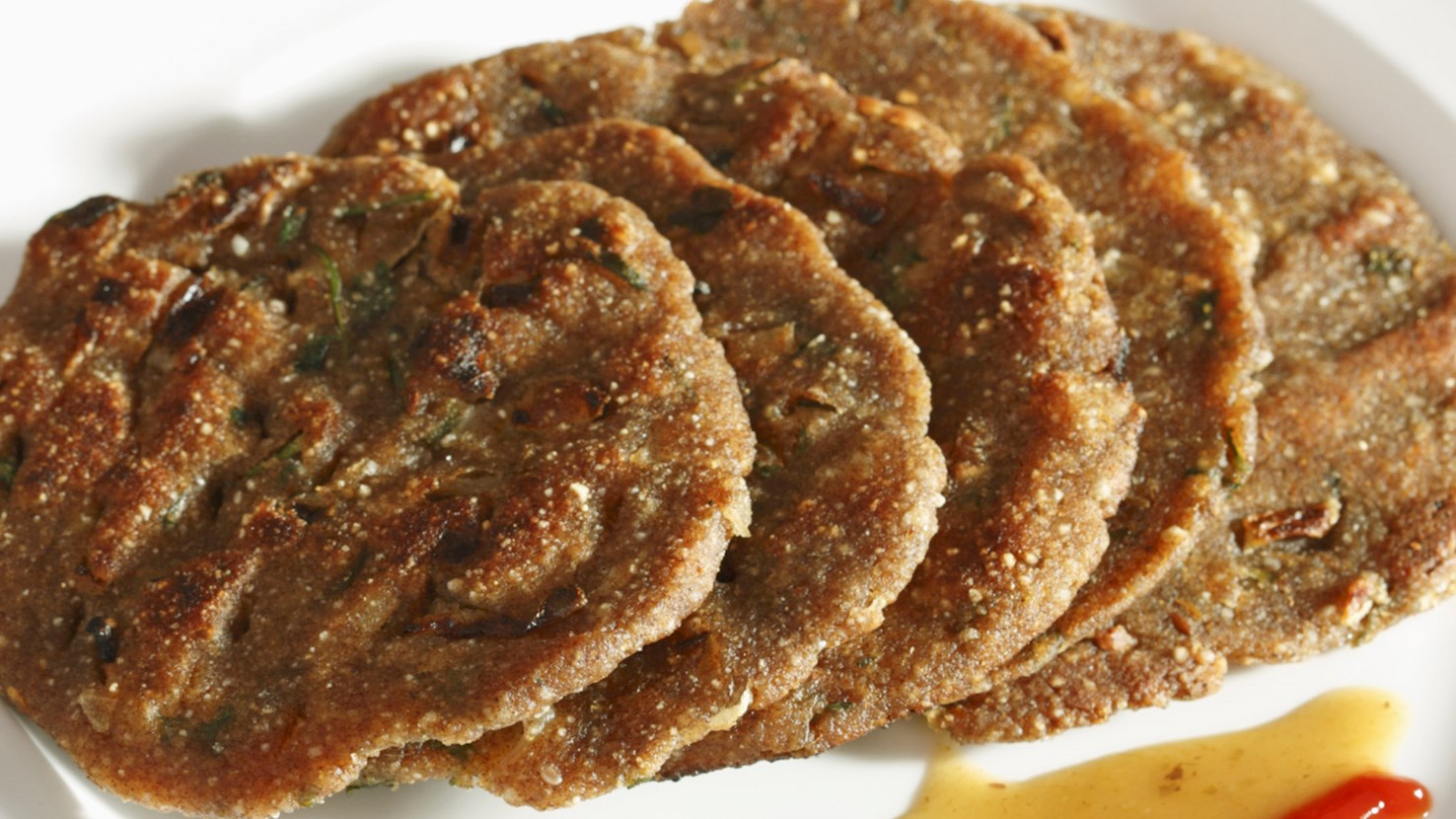
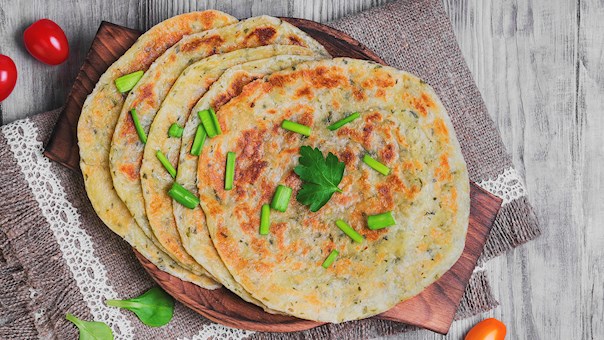
Thalipeeth is a pancake-like bread belonging to the Maharashtrian cuisine of India. The batter is prepared with a base of Bhajani multi-grain flour, while cumin, chilies, coriander, turmeric, and onions are also added to the mix, making the dish slightly hot and spicy in the process. Thalipeeth is commonly served for breakfast with butter, yogurt, or curd, and it is characterized by a hole in the center. Hot oil is drizzled in the hole, making sure that the pancake is cooked evenly. Although the dish is mostly served for breakfast, it is also popular as a daily snack or a flavorful dinner, best accompanied by tomato chutney on the side. There are also some variations on the dish, such as thalipeeth with potatoes and peanuts, and thalipeeth with finely chopped vegetables.

08

Modak

3.8 ·

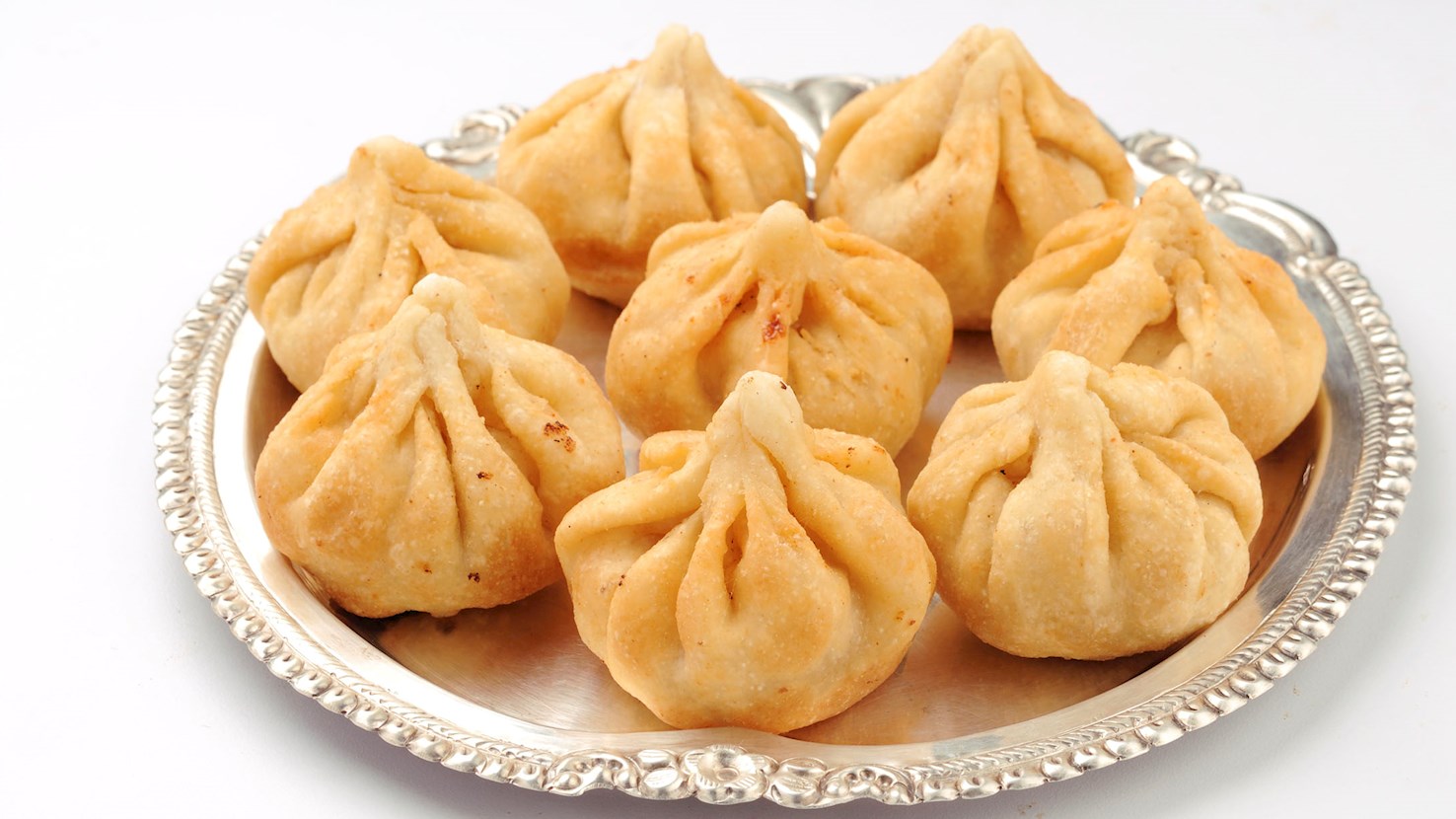
Modak is an Indian sweet dumpling believed to have originated in the state of Maharashtra. In India, modak is prepared in a variety of ways, and it is known under various names. Depending on the region, it is also referred to as mothagam or kozhukattai in Tamil, modhaka or kadubu in Kannada, or kudumu in Telugu. The ingredients, preparation, and cooking methods also depend on regional differences. However, the most common variety is called ukadiche modak, the steamed variety made with rice flour and filled with a sweet concoction of grated coconut and jaggery. Occasionally, wheat flour and semolina are used to make the modak shell, and the fillings might also include ingredients such as bananas, saffron, or nutmeg. Subsequently, prepared modak can be steamed, boiled, or fried, and sometimes it is even served raw. This traditional Indian delicacy is most famous for being the favorite dessert of the Hindu deity Ganesha, and it is always prepared as a religious offering during the Ganesh Chaturthi festival, which is held annually to honor and celebrate the elephant-headed god Ganesha. Steamed modak varieties are usually served with melted ghee, while fried varieties are commonly served plain.

09

Kulfi falooda

4 ·

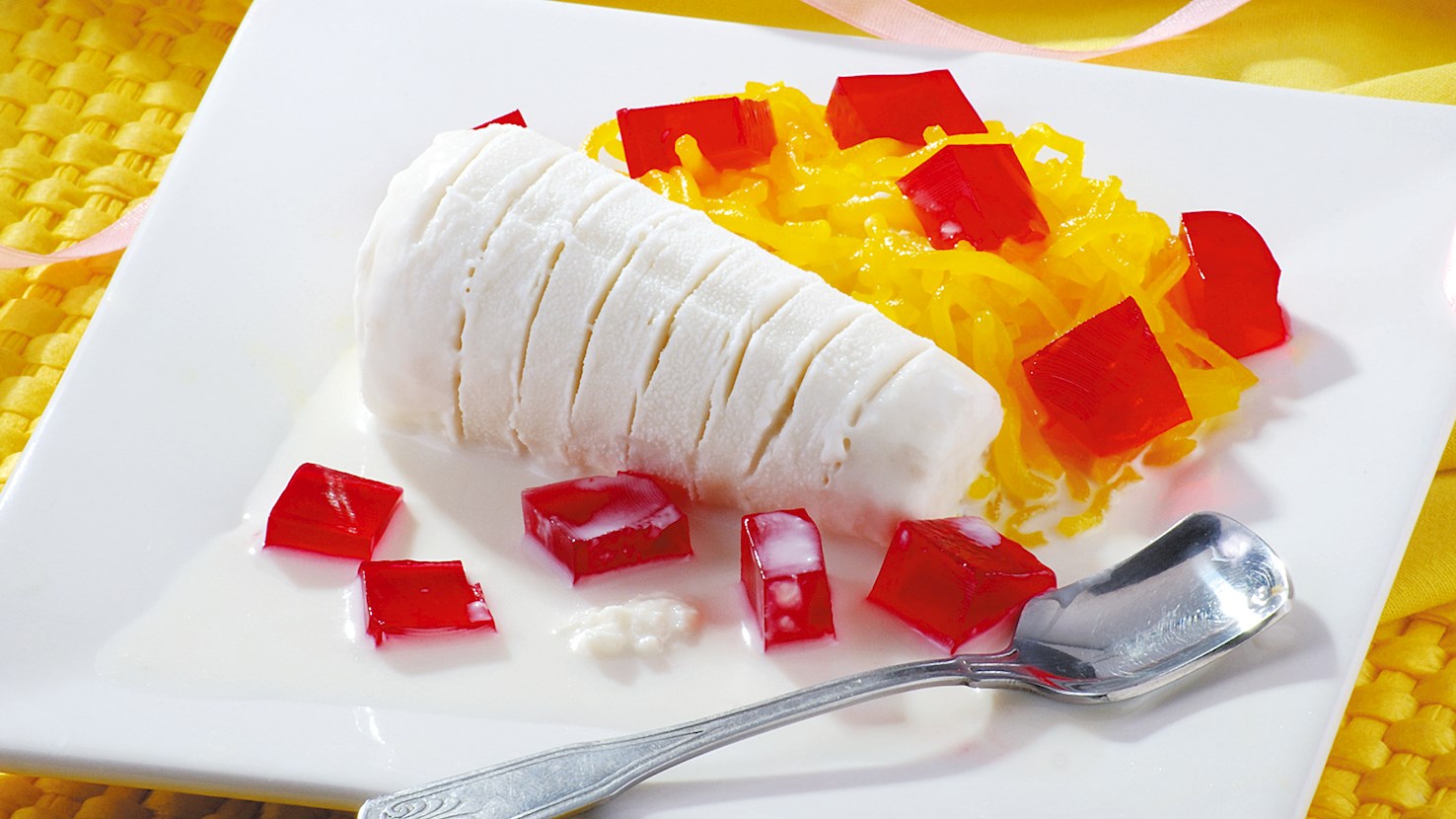
Usually associated with northern Indian regions, this refreshing treat combines thin falooda noodles and kulfi, a traditional Indian ice cream made with slowly simmered whole milk that is flavored with pistachio, rose water, and saffron. The whole dessert is often elevated with various additions such as sweet basil seeds, jelly, or rose water, and it is frequently garnished with crushed nuts. Traditionally enjoyed during the summer, kulfi falooda is commonly prepared at home, but can also be found on the menus of traditional restaurants or at specialized street stalls.

10

Khichdi

3.4 ·

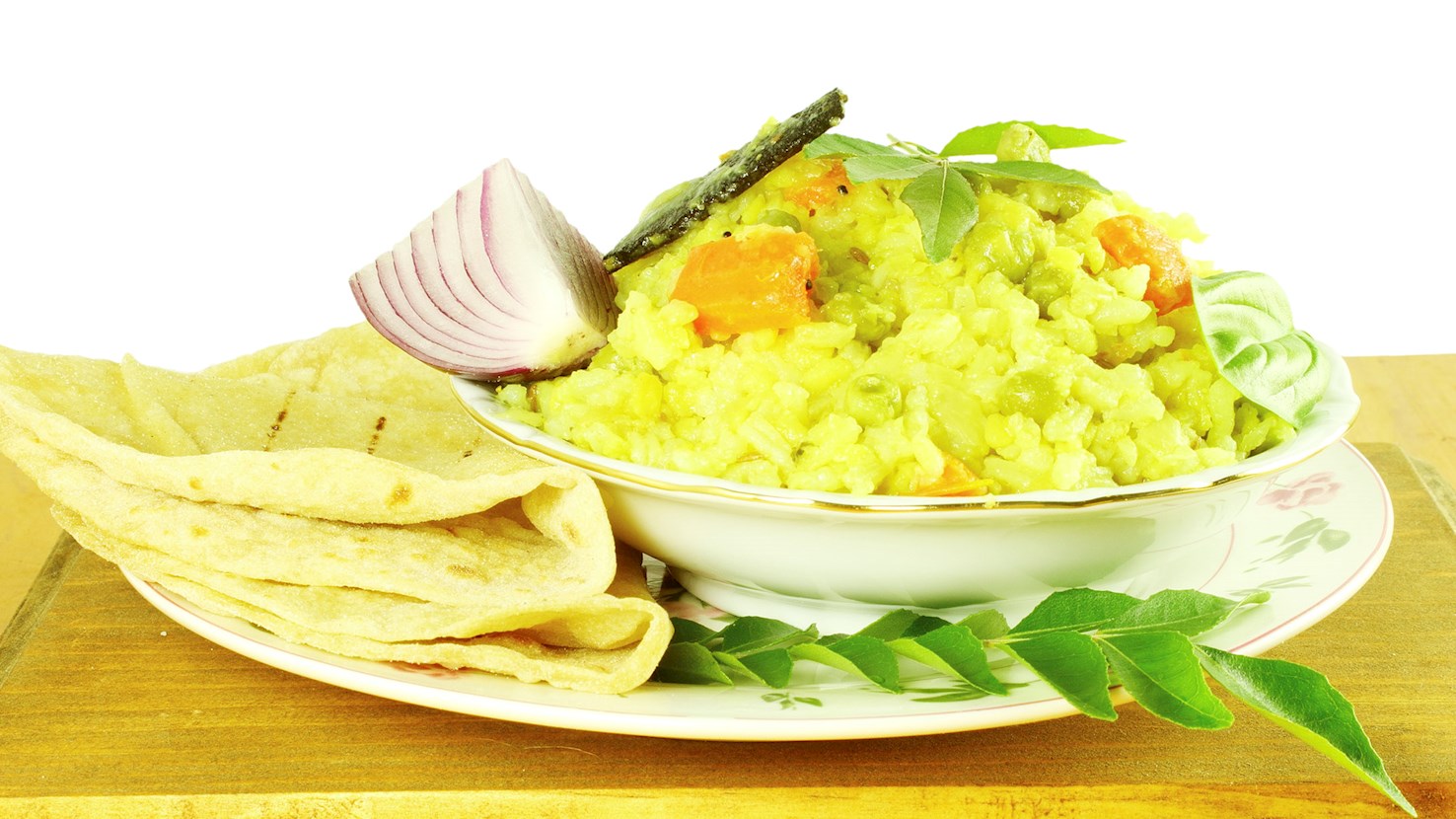
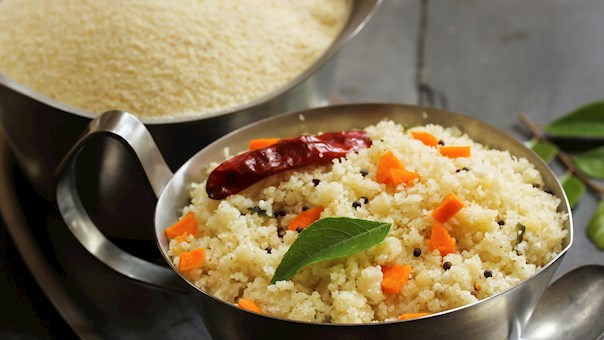
Khichdi is a South Asian dish consisting of rice and lentils, its name derived from the Sanskrit khiccā, denoting a dish of rice and legumes. A widely consumed comfort food throughout the Indian subcontinent, Bangladesh, Sri Lanka, Nepal, and Pakistan, khichdi is usually served as a main meal, and it is also one of the first solid foods that babies consume in Indian culture. A variety of spices are added to the dish in order to enhance the flavors, such as cinnamon, cloves, bay leaves, and peppercorns. It is believed that the dish was invented in India during the medieval period, and the first mention of the dish dates back to the 15th century in the travelogue of Afanasiy Nikitin, a Russian explorer and adventurer. However, it was the Moguls who popularized the dish during the time of their Empire, evolving it from a humble meal to a gourmet dish by adding strong spices, nuts, and dried fruits to the combination. Today, khichdi is traditionally served with dahi yogurt, various chutneys, and pickled mangos or limes.

12

Misal

4.2 ·
13

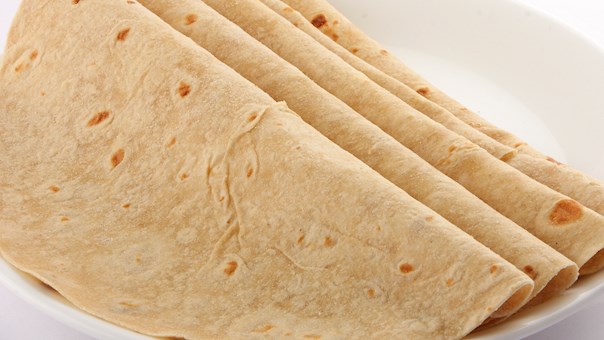
Roti

4.1 ·
17

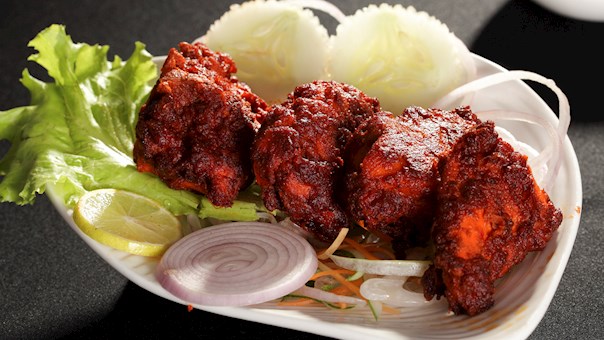
Tikka

4.2 ·
18

Chapati

3.8 ·
20

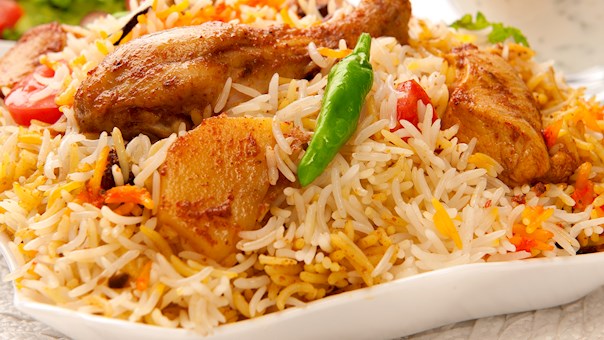
Biryani

4.1 ·
About this ranking

TasteAtlas food rankings are based on the ratings of the TasteAtlas audience, with a series of mechanisms that recognize real users and that ignore bot, nationalist or local patriotic ratings, and give additional value to the ratings of users that the system recognizes as knowledgeable. For the “76 Traditional Foods You Have To Try in Mumbai” list until May 22, 2026, 498 ratings were recorded, of which 341 were recognized by the system as legitimate. TasteAtlas Rankings should not be seen as the final global conclusion about food. Their purpose is to promote excellent local foods, instill pride in traditional dishes, and arouse curiosity about dishes you haven’t tried.

Similar lists