


shutterstock

20 Traditional Foods
You Have To Try in Munich

Last updated on June 17, 2026
01

Weißwürste

3.7 ·

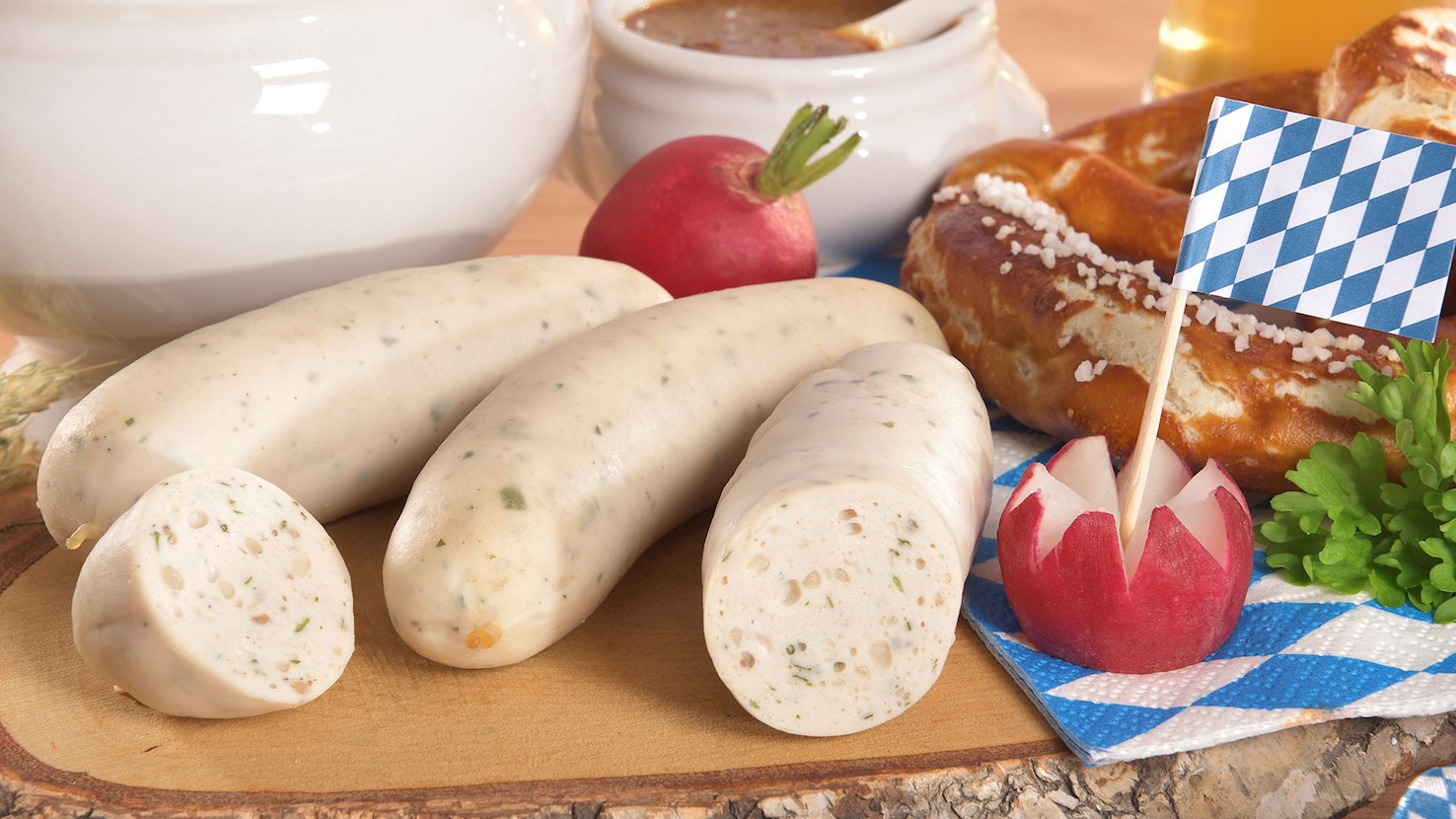
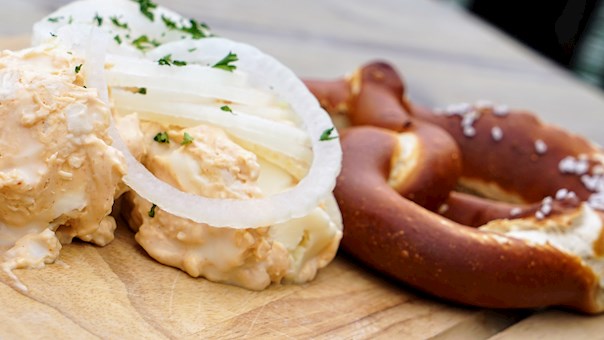
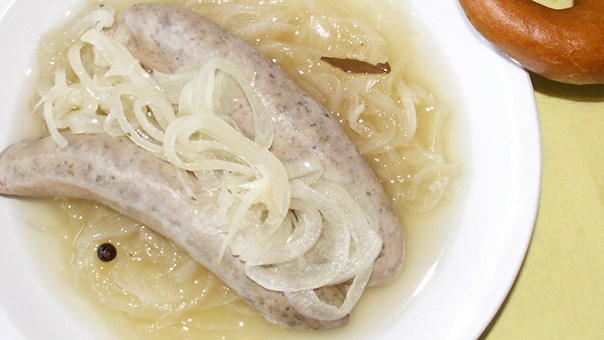
Weisswurst or white sausage is a famous specialty of the city of Munich, invented in 1857 by a butcher named Sepp Moser. He was working in a restaurant next to his butcher's shop and had used the last of thick sausage skins used to make regular sausages. To solve the problem, he opted for thin skins. As he made the sausage, he was worried that it would burst open during the frying process, so he put them in hot water and cooked them for 10 minutes. After serving the cooked sausages to the guests, the new dish was praised, and Weisswurst was born. The sausages consist of a mixture of pork, veal, and pork fat, seasoned with parsley, pepper, lemon, and salt. Today, the sausages are most popular in southern Germany, and they are one of the most consumed items at Oktoberfest. In restaurants, Weisswurst is always served hot, usually accompanied by pretzels and, ideally, Händlmaier's Hausmacher Senf, although it can be served with other Bavarian sweet mustard varieties if the original Händlmeier brand is unavailable. The sausage casing is not intended for consumption, so the sausages are often sliced along their length, and the casing is peeled. Interestingly, it is considered a taboo to eat Weisswurst after noon in Bavaria. This tradition stems from the past when the sausages were made fresh, and were supposed to be consumed as quickly as possible.

02

Spanferkel

4.1 ·

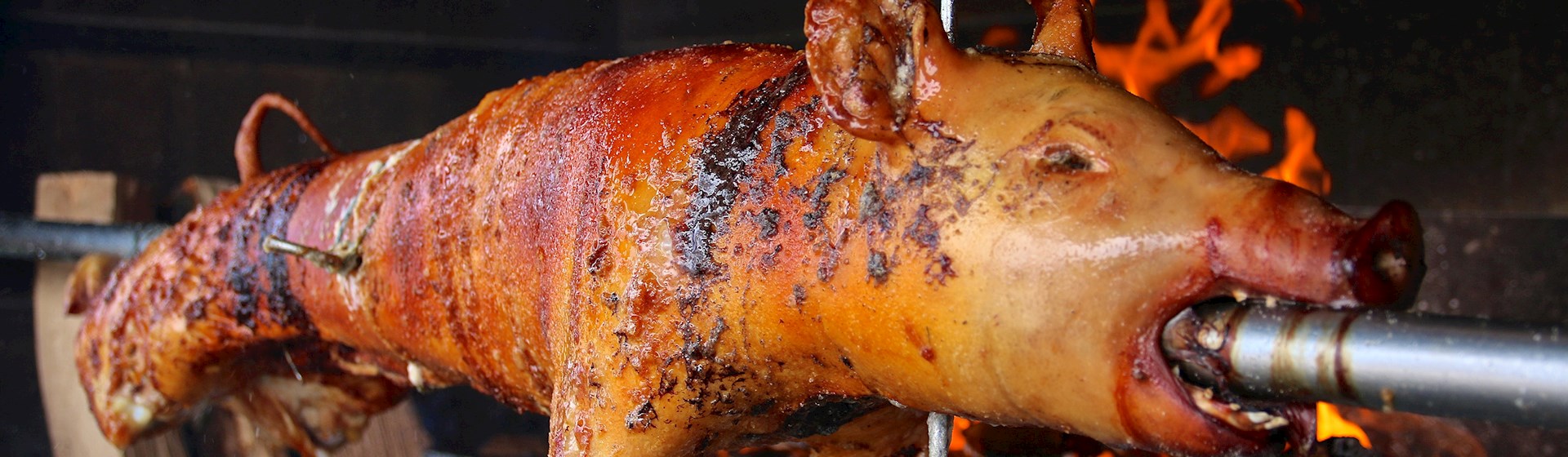
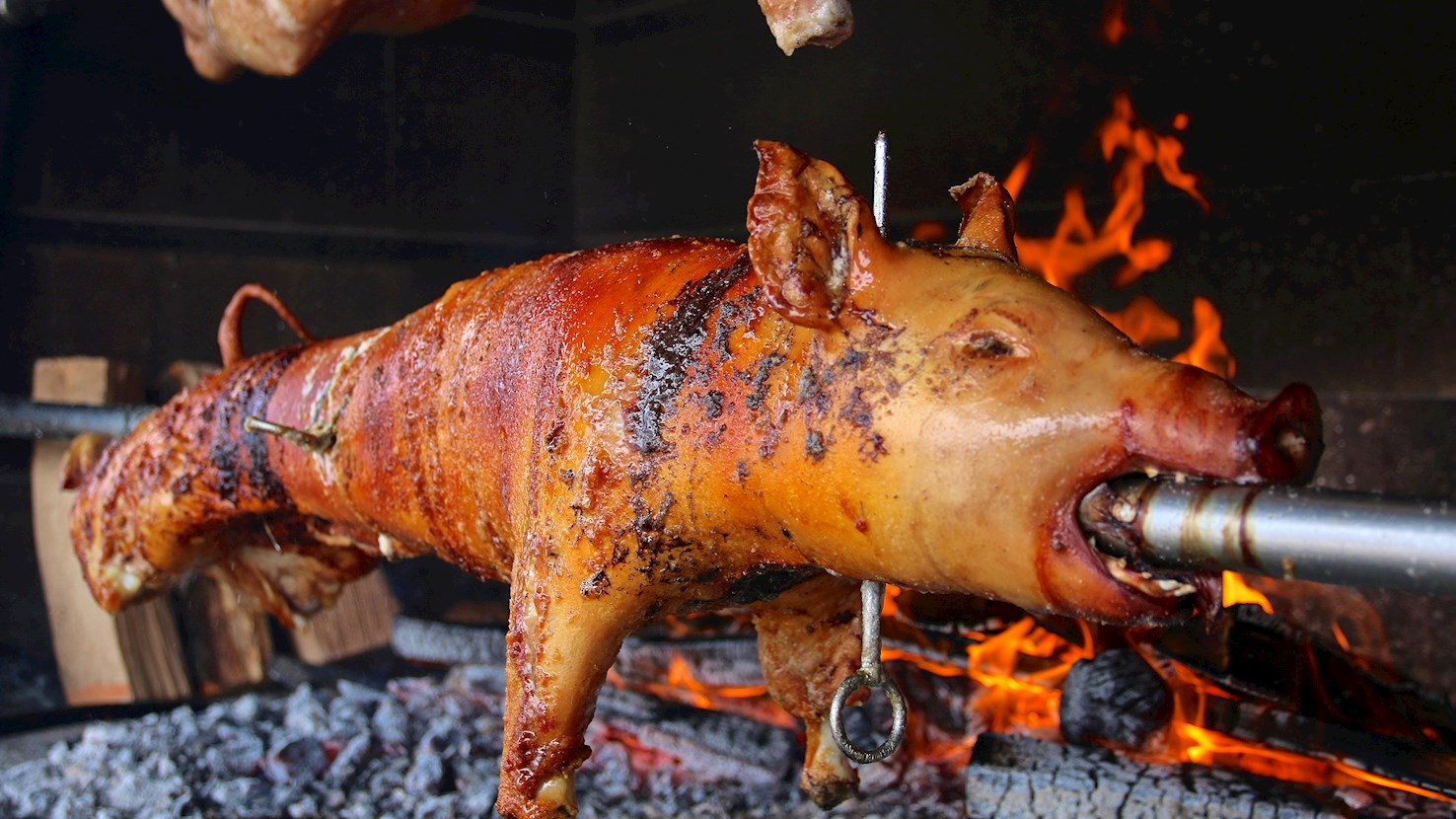
Spanferkel is the German version of roasted suckling pig. Whether it is prepared cut or whole, the piglet is usually roasted in the oven or on a spit, and comes in numerous regional varieties that are often smothered in oil or butter, stuffed, then seasoned or rubbed with spices. In Germany, suckling pig is traditionally associated with festive and special occasions and is usually accompanied by a sauce made from meat drippings, or various vegetables and salads.

03

Schweinshaxe

4.1 ·

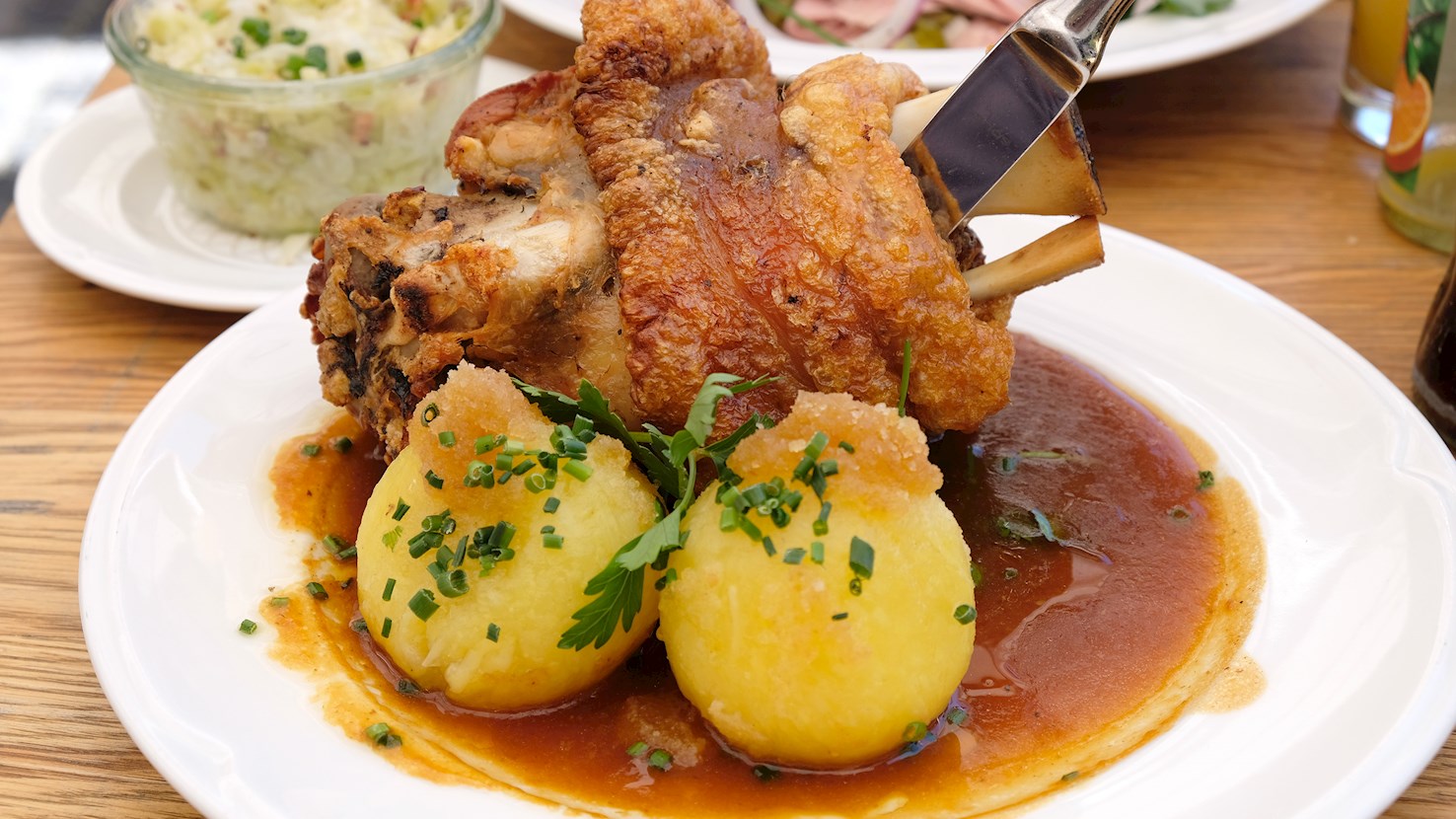
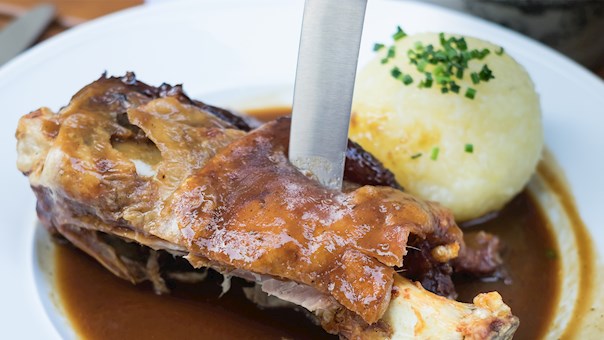
The term Schweinshaxe is typically used in the southern parts of Germany, predominantly in Bavaria, and it usually refers to a whole pork knuckle that is roasted for hours until it is thoroughly cooked and the skin becomes golden brown and crispy. Pork knuckles are a staple in traditional German cuisine, and they come with various names such as hachse, haxe, haxn, knöchla, hechse, hämmchen, and bötel, mainly depending on the region and a slightly different preparation process. Eisbein is the northern version of the dish that is typically cured or pickled and then boiled. Though it is commonly found in restaurants throughout the country and the region, Schweinshaxe is a quintessential dish at the popular folk festival Oktoberfest. The knuckle is almost always served whole, and it's usually accompanied by sauerkraut, braised cabbage, roasted potatoes, or potato dumplings. Similar dishes are found in other European countries, such as pečené vepřové koleno in the Czech Republic.

04

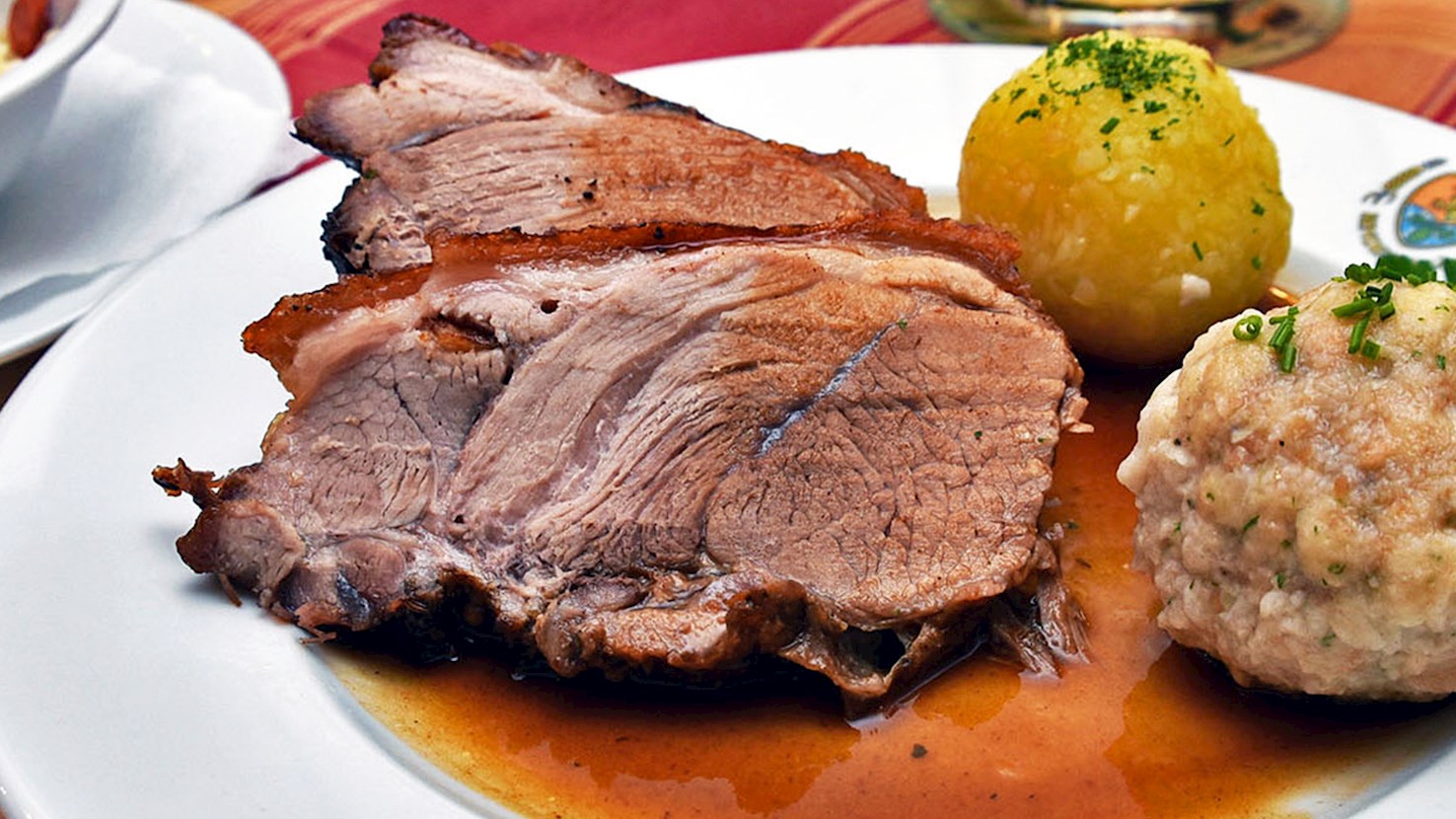
Schweinebraten

3.9 ·

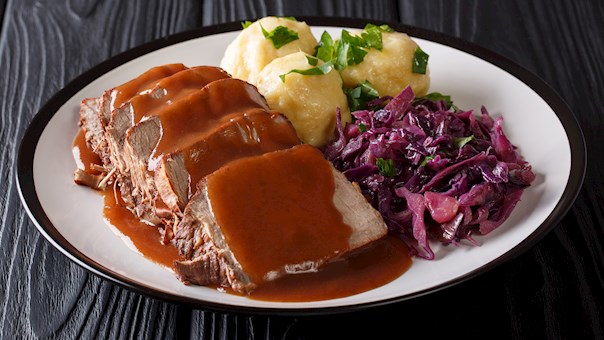
Schweinebraten is a traditional pork roast originating from Bavaria. It is typically prepared for Sunday lunch and consists of sliced pork roast that's served with homemade gravy, semmelknödel (bread dumplings) or potato dumplings, and either sauerkraut or rotkohl (red cabbage). When properly prepared, the meat should be succulent and very tender. The best part of pork to use for this dish is boneless pork shoulder. Before the preparation, pork is often rubbed with mustard, marjoram, or minced garlic, giving it a bit of extra flavor. For the best possible experience, it is recommended to pair the dish with a cold German beer on the side, preferably a lager.

05

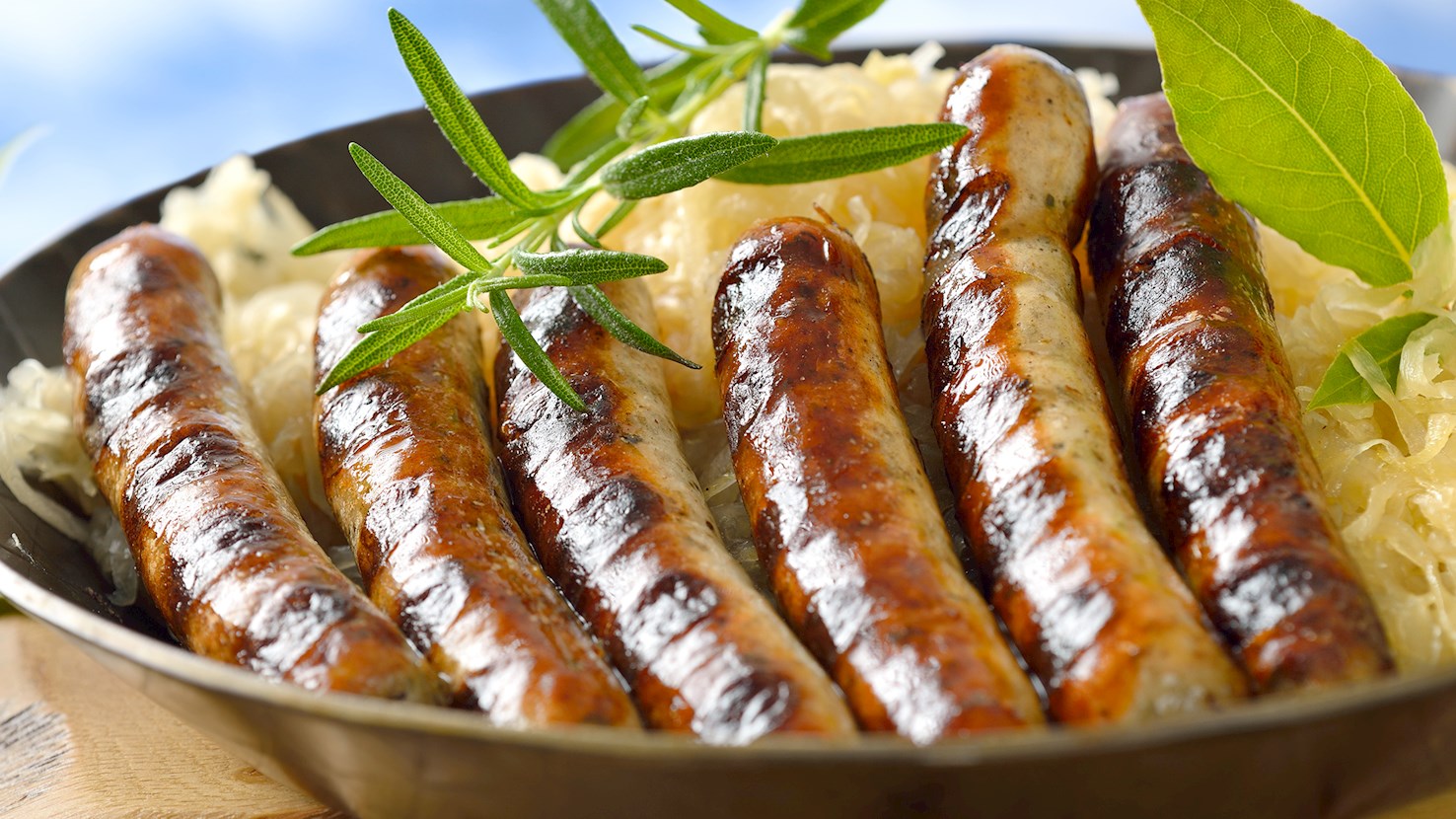
Bratwurst

4.0 ·

What was once an item for survival during the cold winter months and a technique of not wasting meat scraps is nowadays a delicacy consumed throughout Germany and abroad. Bratwurst stems from two words, an Old High German word brat, meaning meat without waste, and wurst, which means sausage. Bratwurst has origins with the Celtics, but the Franconians developed it further. It dates back to the 1300s in a region that would eventually become Eastern Germany. Bratwurst is usually consumed for breakfast, due to the tradition of farmers who would make the sausages in the morning and eat them by noon, as they would otherwise spoil. Technically, a bratwurst must be made from either pork, veal, or beef, but there are more than 40 varieties of the sausage throughout Germany. The oldest recipe for bratwurst was discovered in 2000 by a historian named Heinrich Höllerlhas. The same recipe, for the Thuringian bratwurst (one of the most famous varieties), says that the makers had to use only the purest, unspoiled meat in the production process. Today, bratwursts are commonly served with sauerkraut, potato salad, horseradish, or mustard in Germany, but the sausages are also popular in the United States, especially in Wisconsin, where they are commonly found at summer cookouts and barbecues.

06

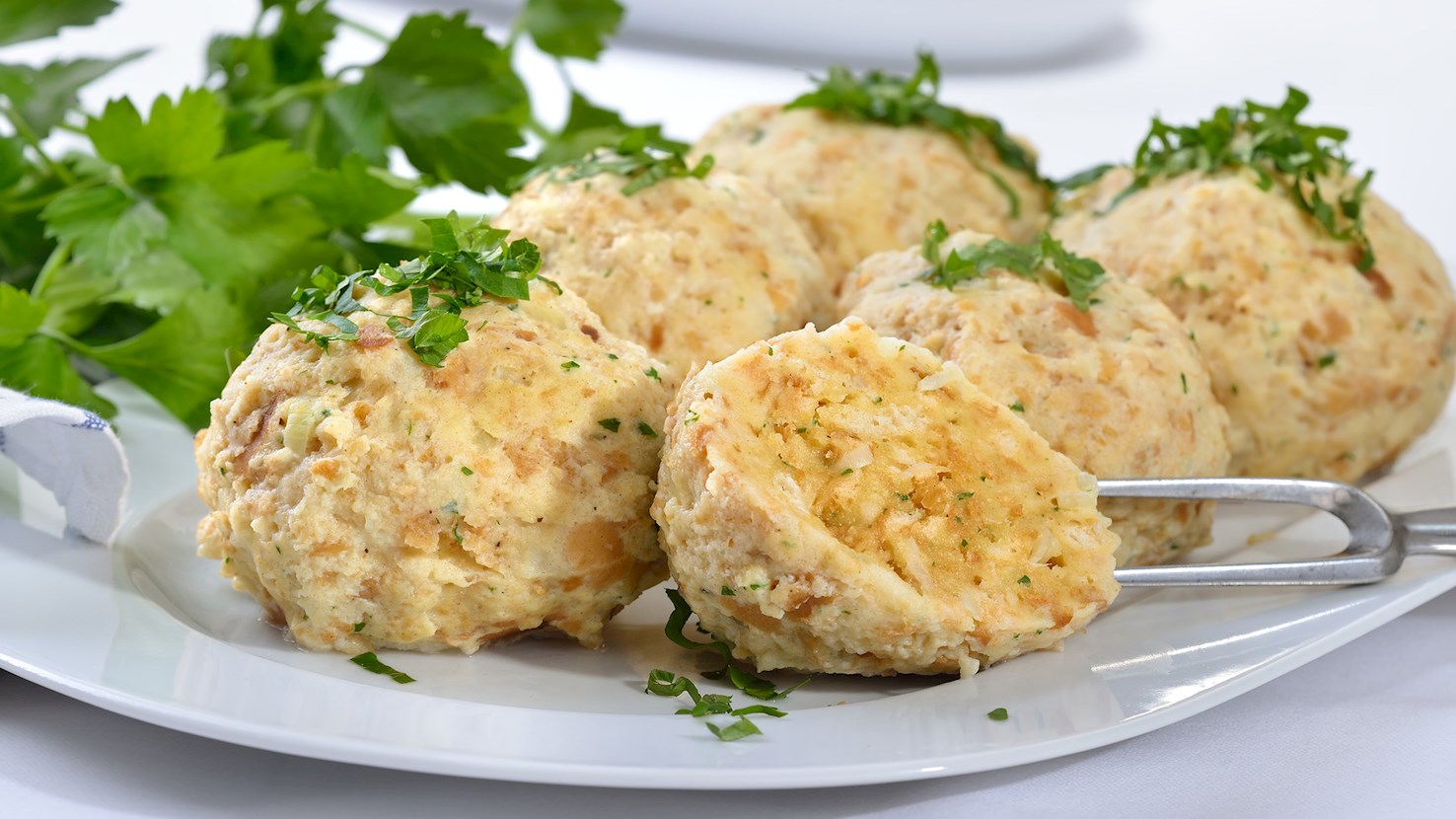
Semmelknödel

3.9 ·

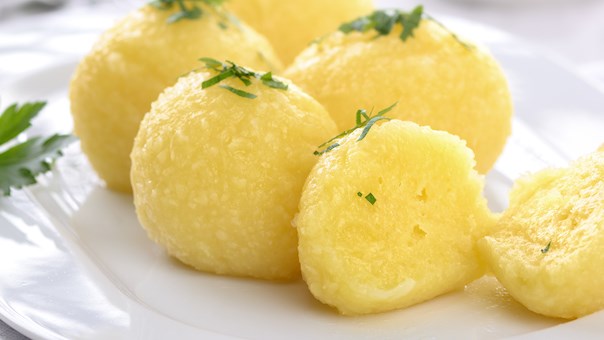
Semmelknödel are popular German bread dumplings–nutritious and convenient, they are one of the most versatile side dishes in traditional German cuisine. Even though there are numerous semmelknödel varieties, which come in various sizes, they all have a recognizable round form and employ bread as the base ingredient. Sliced or diced bread pieces, which can be fried in oil, are usually soaked in plain milk to soften, then mixed with eggs to form a pliable, soft base. Since they are incredibly neutral on their own, bread dumplings are usually mixed with different spices and additional ingredients to form a myriad of flavorful varieties. They commonly include onions and fresh herbs such as parsley or marjoram, but can even withstand strong flavors coming from nutmeg or fresh lemon zest. Even though semmelknödel are mostly served as a complement to various roast meat dishes and stews, they can be enjoyed as a nourishing dish on their own, usually served alongside vegetables and lentils, or doused in creamy mushroom sauces. Various dumplings are omnipresent in many European cuisines, but the invention of semmelknödel has usually been associated with the German region of Bavaria, from where it spread to other parts of Germany and countries such as Austria, Hungary, and the Czech Republic.

07

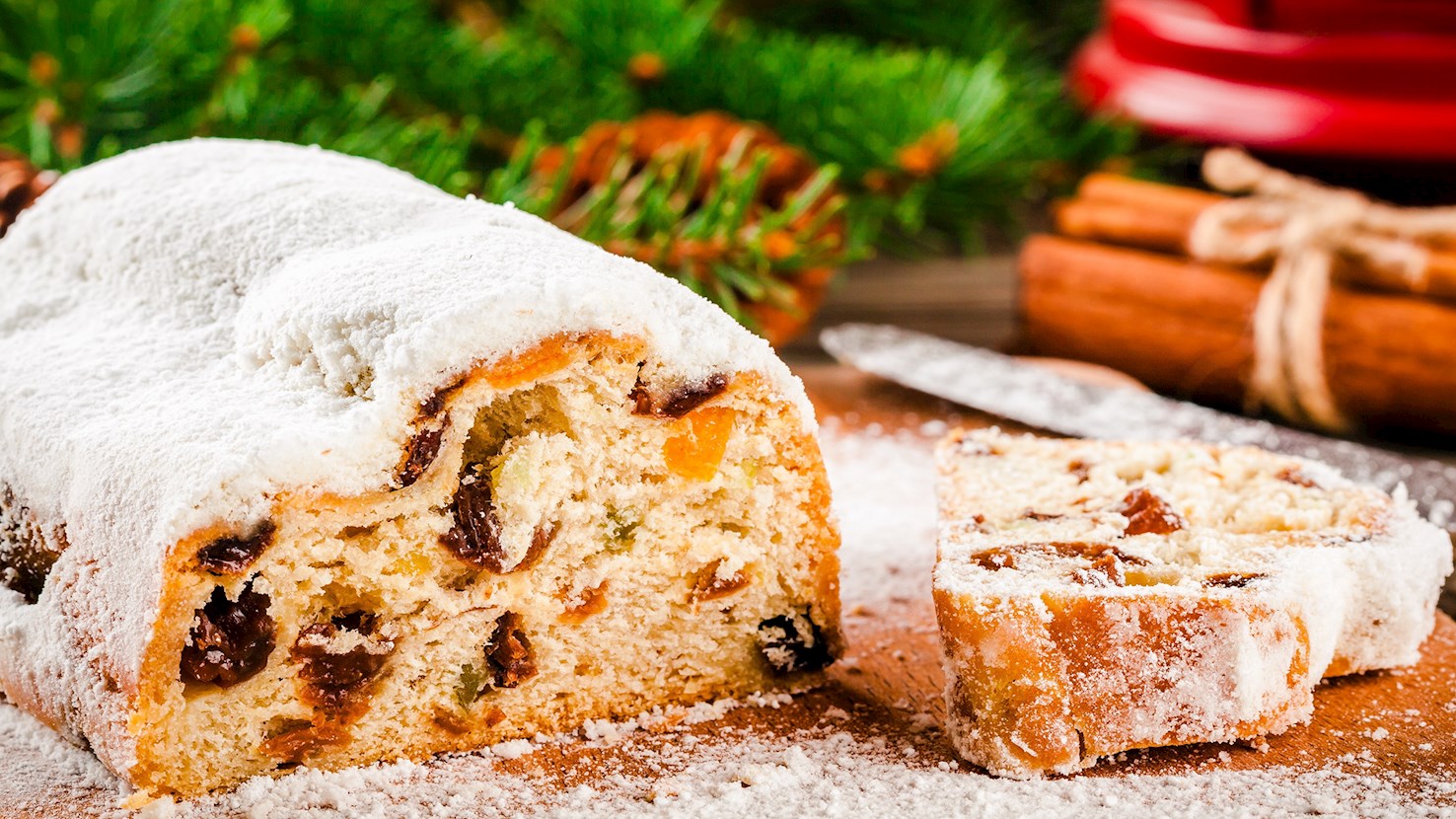
Stollen

3.5 ·

Stollen is one of German Christmas classics. This rich fruit bread is prepared with a buttery and sweet yeast dough that is usually spiced, lemon-flavored, and enriched with various dried fruits and marzipan. Though it may appear in different forms, it is usually oblong and covered with generous amounts of melted butter and powdered sugar. Among the different varieties, Dresdner stollen is considered as the oldest and the most popular version, whose origins date back to the 15th century. Originally, stollen was plain and prepared only with flour, yeast, and oil, and it was only in 1490, when the Pope Innocent VIII lifted the ban on baking with butter during Advent, that the stollen started to develop into a dense and rich cake that is known today.

Best restaurants
08

Käsespätzle

4.1 ·

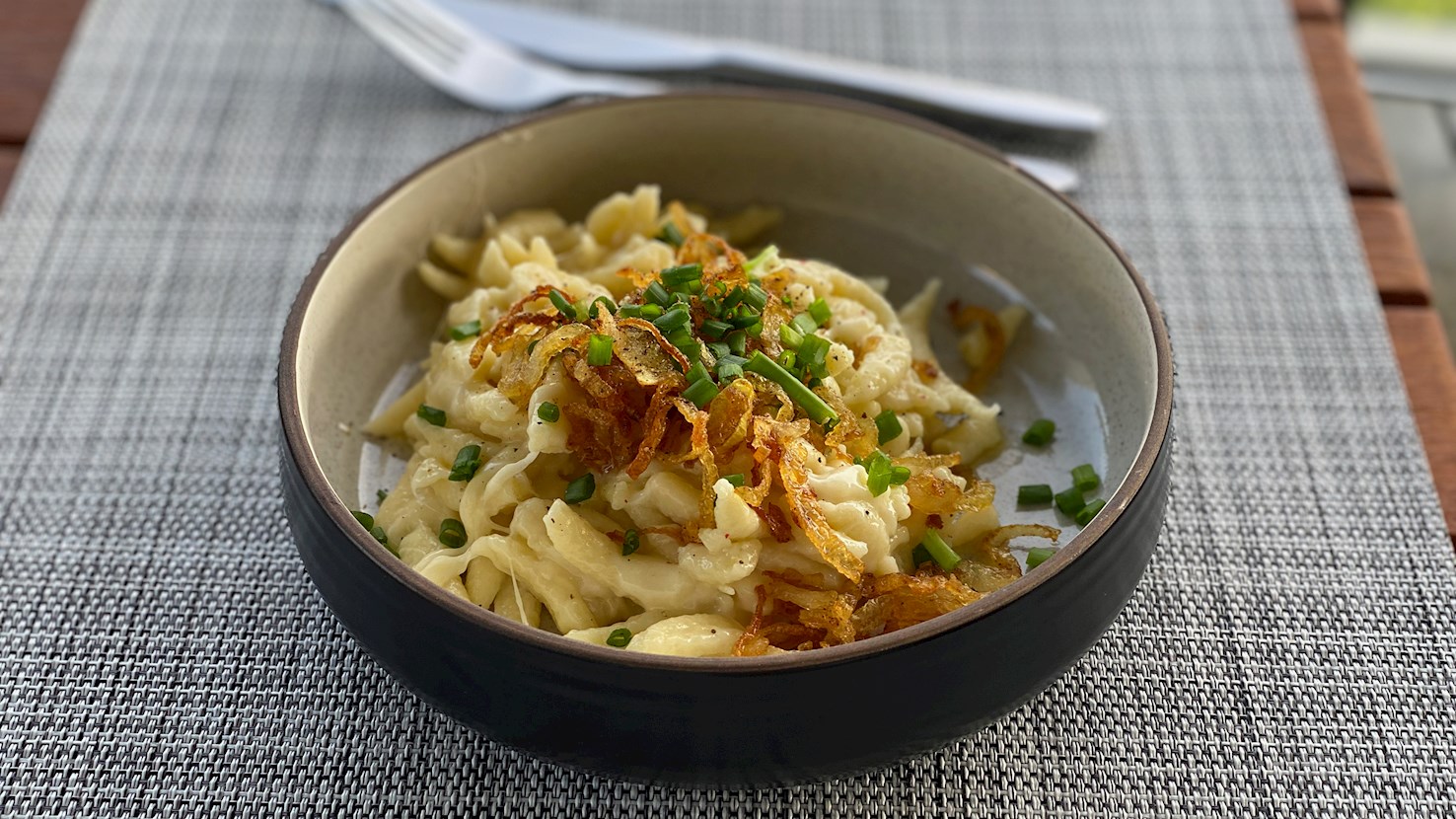
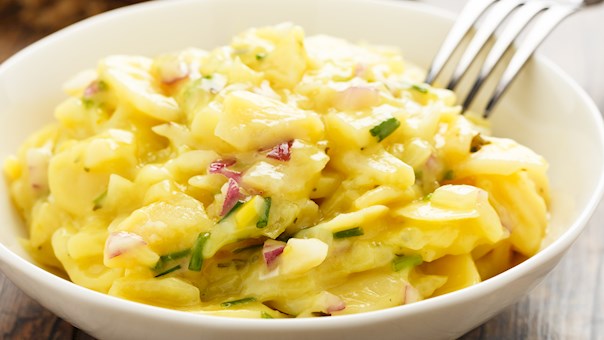
Käsespätzle is a simple noodle dish that combines spätzle noodles with a creamy mixture of melted cheese. The noodles are also called knöpfle, meaning little buttons, and are made with eggs, flour, milk or water, and seasonings such as salt, pepper and (sometimes) nutmeg, while käse refers to the melted cheese mixture, which is usually a combination of two or more types of cheese such as Edam, Gouda, Fontina, Gruyère, Appenzeller, or Emmental cheese. The noodle mixture is typically pressed through a specially designed spoon or colander directly into boiling salted water and cooked until done before it is mixed with the melted cheese. Also referred to as käsknöpfle, the dish is typically enjoyed with additional grated cheese and caramelized onions on top, and typical accompaniments include apple sauce, potato salad, and fresh green salads. Versions of this dish are traditionally consumed in Southern Germany, Swabia, Austria, and Liechtenstein, and it's also a typical dish in Switzerland, Hungary, Alsace, Moselle, and South Tyrol.

09

Baumkuchen

4.0 ·

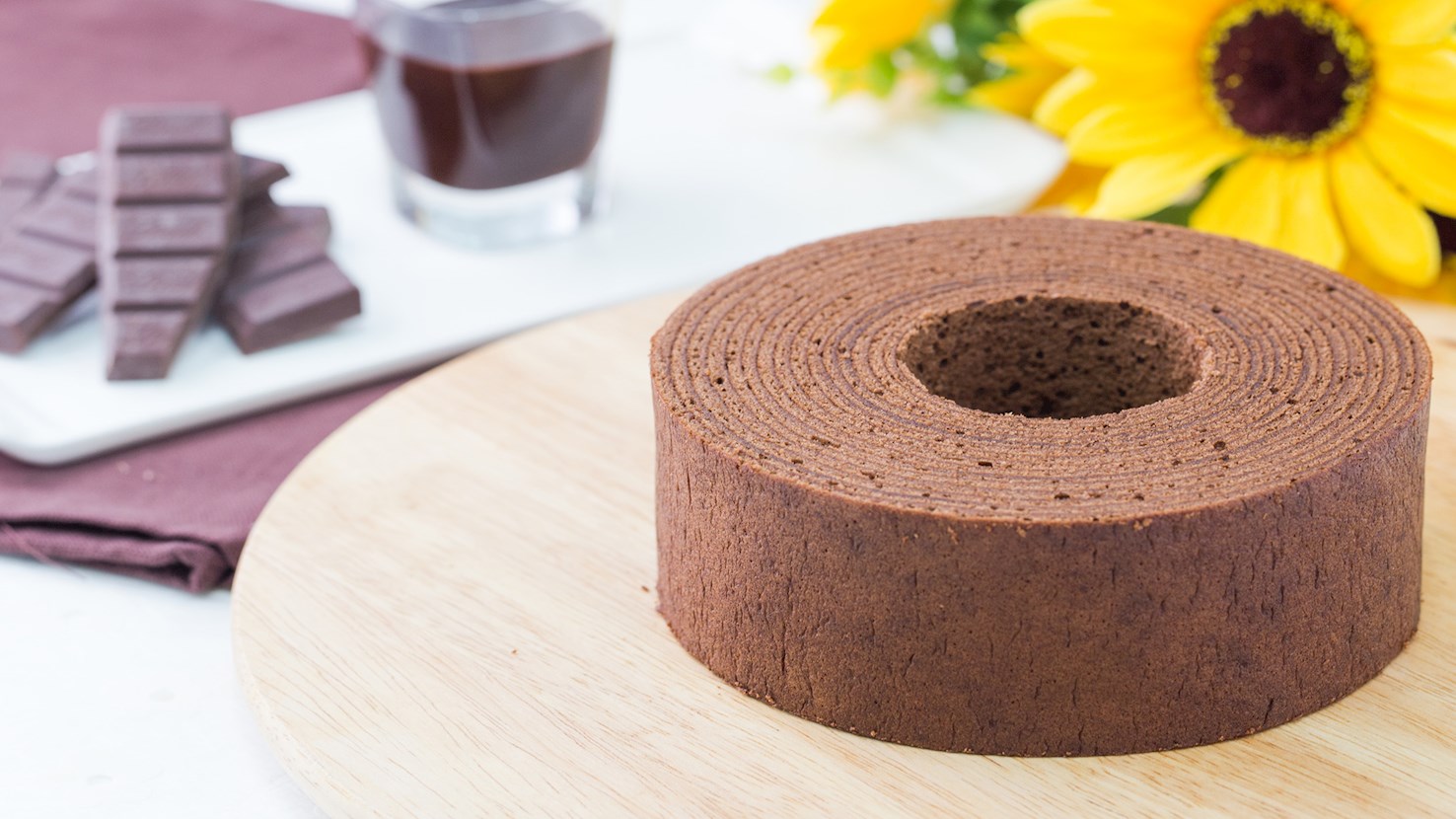
The German version of spit cake, known as baumkuchen, is just one of many similar cakes found throughout Europe. There are various conflicting theories about its origin—one points in the direction of a German town called Salzwedel in the 19th century, while others say it’s a descendant of the Hungarian wedding cake. The batter–typically made from flour, eggs, sugar, vanilla, salt, and butter–is thinly coated on a spit that’s rotating over a heat source. Before each new layer is applied, the previous one must be fully dry. Once sliced, the cake has a lovely texture and appearance which resembles growth rings, hence its name–baumkuchen or tree cake. The basic dough can be enriched by various ingredients such as nuts, honey, and brandy. The cake is often additionally coated with sugar or chocolate glaze. Miniature, cut up slices of this cake - called baumkuchenspitzen or tree cake tips - are usually glazed in chocolate and sold individually.

Best restaurants
10

Dampfnudeln

4.0 ·

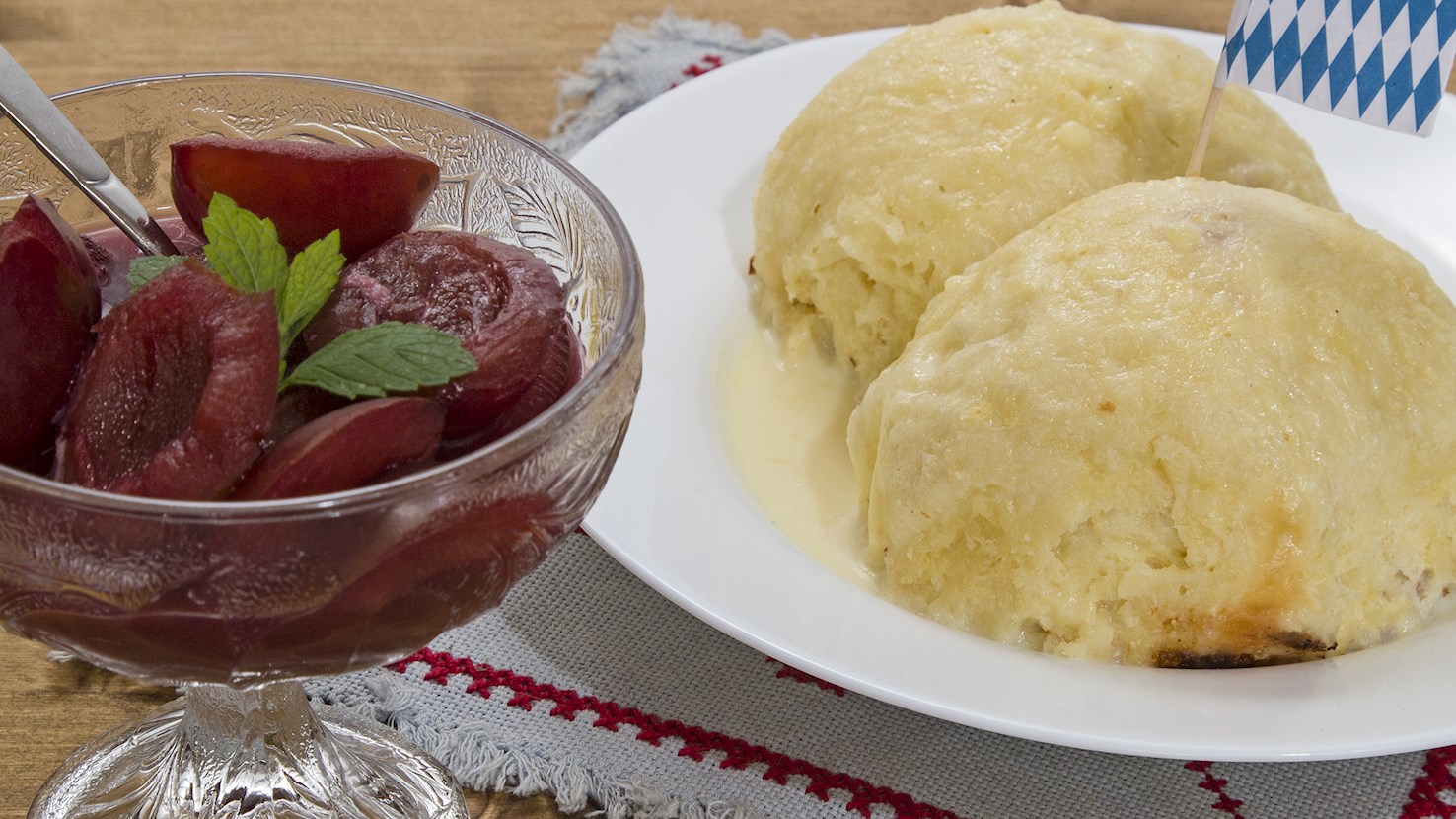
Dampfnudeln is a traditional dish made by steaming yeast dough dumplings in water, milk, and butter. After the liquids have evaporated, the dumplings are fried in butter until they develop a crispy crust on the bottom, while the top remains soft from the steaming process. Dampfnudeln can be prepared in a savory or sweet versions. The savory version is a Palatinate specialty, steamed in salt water, typically without a filling, and it is usually accompanied by a thick potato soup. The sweet versions are usually filled with fruit jams and accompanied by vanilla custard or fruit compotes. Although it is not known whether the first dampfnudel was made in Palatinate or Bavaria, the earliest written reference to the dumplings was found in an 1811 cookbook called The Bavarian Dampfnudeln.

About this ranking

TasteAtlas food rankings are based on the ratings of the TasteAtlas audience, with a series of mechanisms that recognize real users and that ignore bot, nationalist or local patriotic ratings, and give additional value to the ratings of users that the system recognizes as knowledgeable. For the “20 Traditional Foods You Have To Try in Munich” list until June 17, 2026, 469 ratings were recorded, of which 396 were recognized by the system as legitimate. TasteAtlas Rankings should not be seen as the final global conclusion about food. Their purpose is to promote excellent local foods, instill pride in traditional dishes, and arouse curiosity about dishes you haven’t tried.

Similar lists