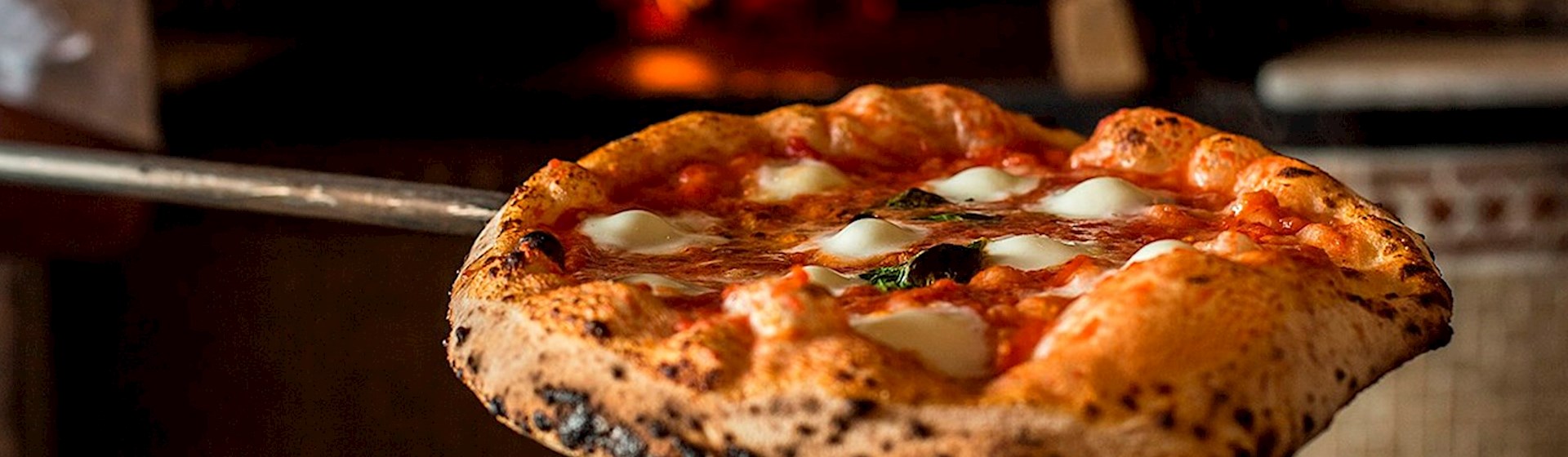
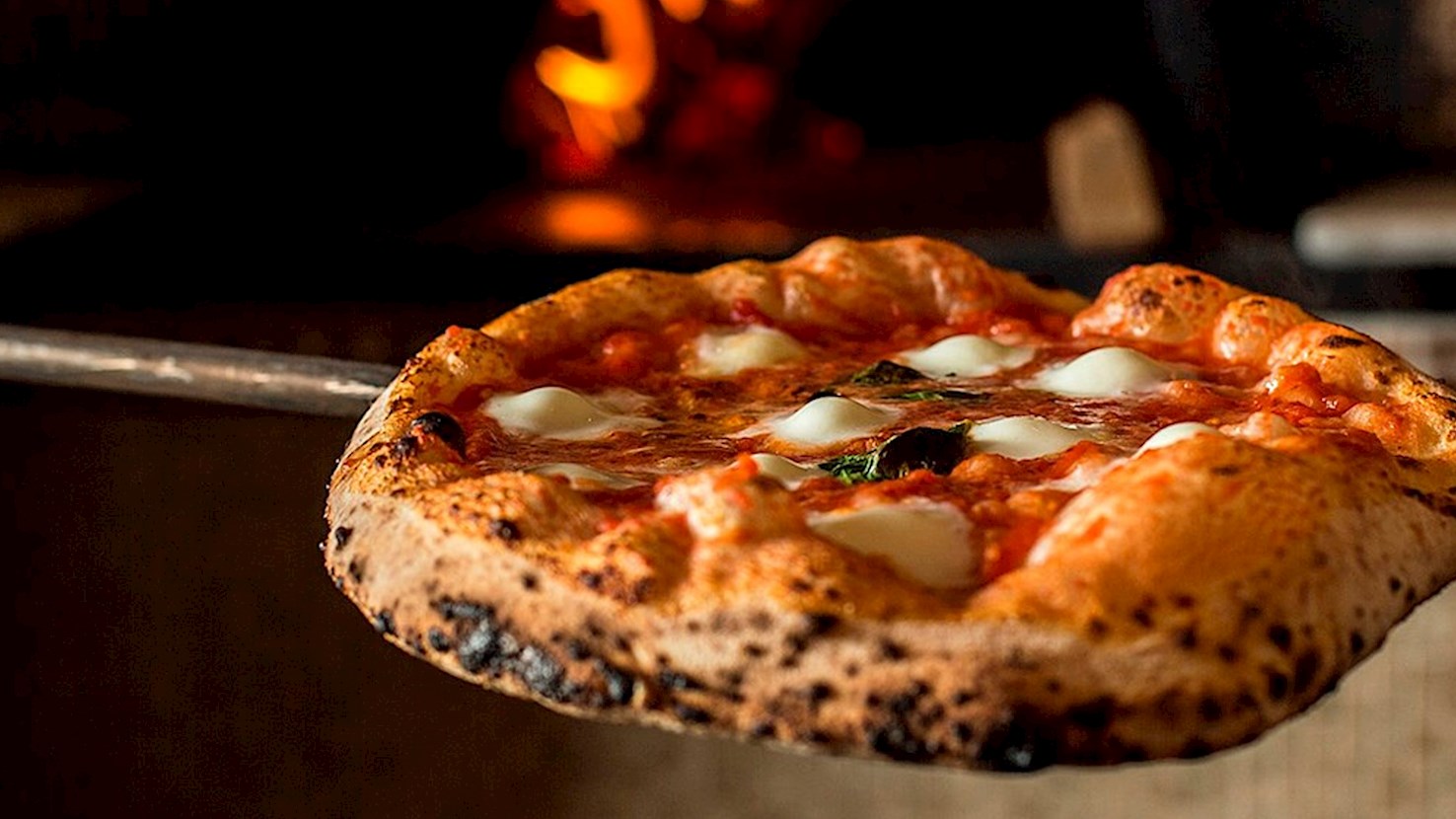
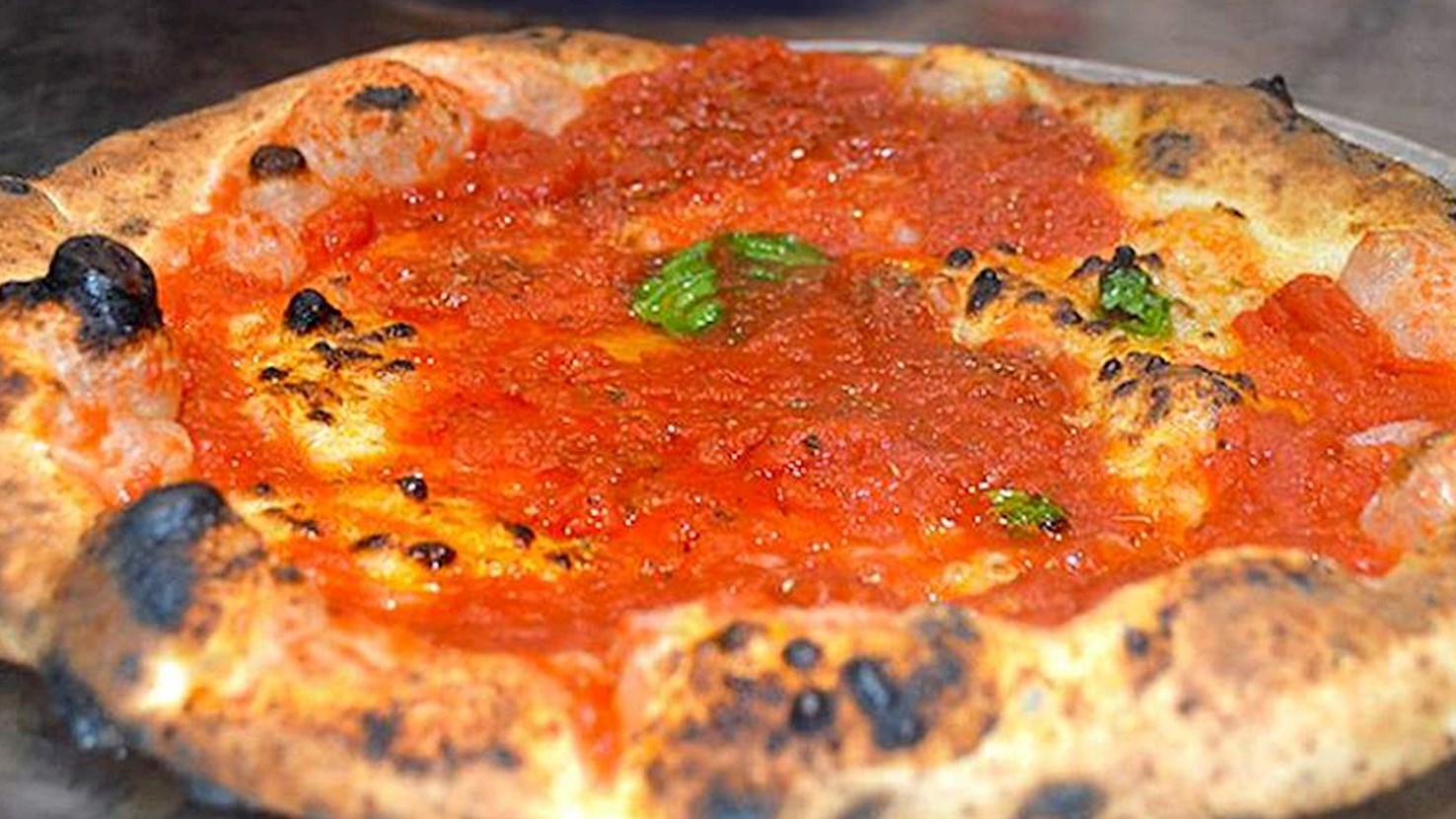
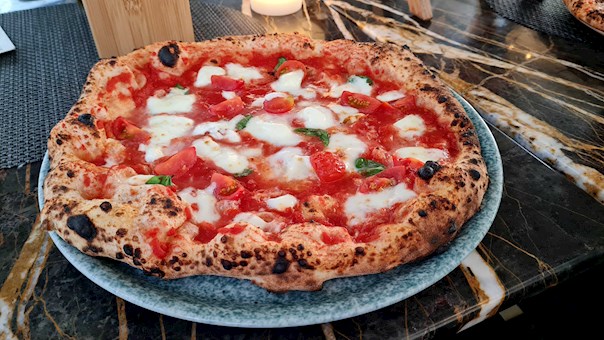
Italy’s most emblematic culinary creation, the genuine pizza Napoletana is made with just a few simple ingredients and prepared in only two variations – marinara, the basic Neapolitan pizza topped with a tomato-based sauce flavored with garlic and oregano, and margherita, which is topped with tomatoes, mozzarella, and fresh basil leaves, a delicious combination whose colors are said to represent the Italian flag. The crust is very thin at the base, and the dough puffs up on the sides, which results in airy crust that should have typical charred 'leopard spots' if baked properly. The origins of this iconic Neapolitan dish can be traced to the early 1700s, when what we know today as pizza marinara was first described by Italian chef, writer, and philosopher Vincenzo Corrado in his treatise on the eating habits of the people of Naples. Almost 200 years later, in 1889, the premier Neapolitan master pizzaiolo Raffaele Esposito added mozzarella to the mix and invented the margherita, which is now generally cited as the first modern pizza. Originally dubbed la pizza tricolore, Esposito’s creation is said to have been made in honor of and named after Margherita of Savoy, the Queen consort of the Kingdom of Italy, who was visiting Naples at the time. In 2010, as one of Italy’s most popular foods worldwide, pizza Napoletana was officially recognized by the European Union and granted the designation of Traditional Specialty Guaranteed. And remember, a good pizza Napoletana doesn't need any additions other than the designated toppings.
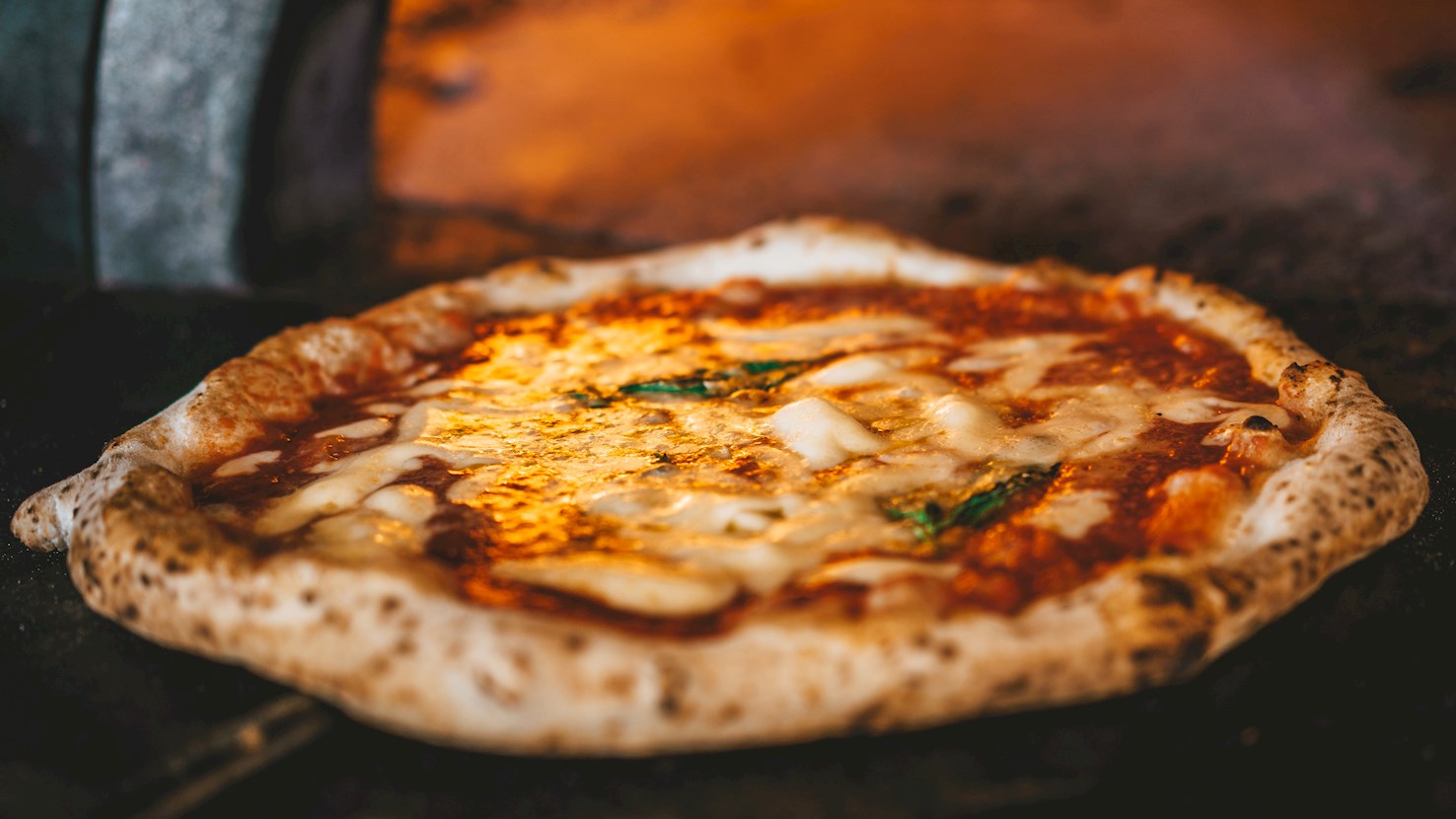
Pizza Margherita is a delicacy that is literally fit for a queen. In 1889, Queen Margherita of Savoy visited Naples, where she was served a pizza that was made to resemble the colors of the Italian flag: red tomatoes, white mozzarella cheese, and green basil. It was made by a chef named Raffaele Esposito of Pizzeria Brandi, who is credited for its invention. The Queen loved the dish, and Esposito named it after her - pizza Margherita, but such a pizza was also made before that time, and can be dated back to at least 1866, when the most popular pizza toppings included basil, cheese, and tomatoes, but the pizza was not yet named Margherita. Since those times, Margherita has become one of the most popular pizza varieties in the world, and in 2009, it was protected as one of the three Pizze Napoletane with an STG European label of protection, proving its excellence in flavor, ingredients, and traditional pizza-making techniques.
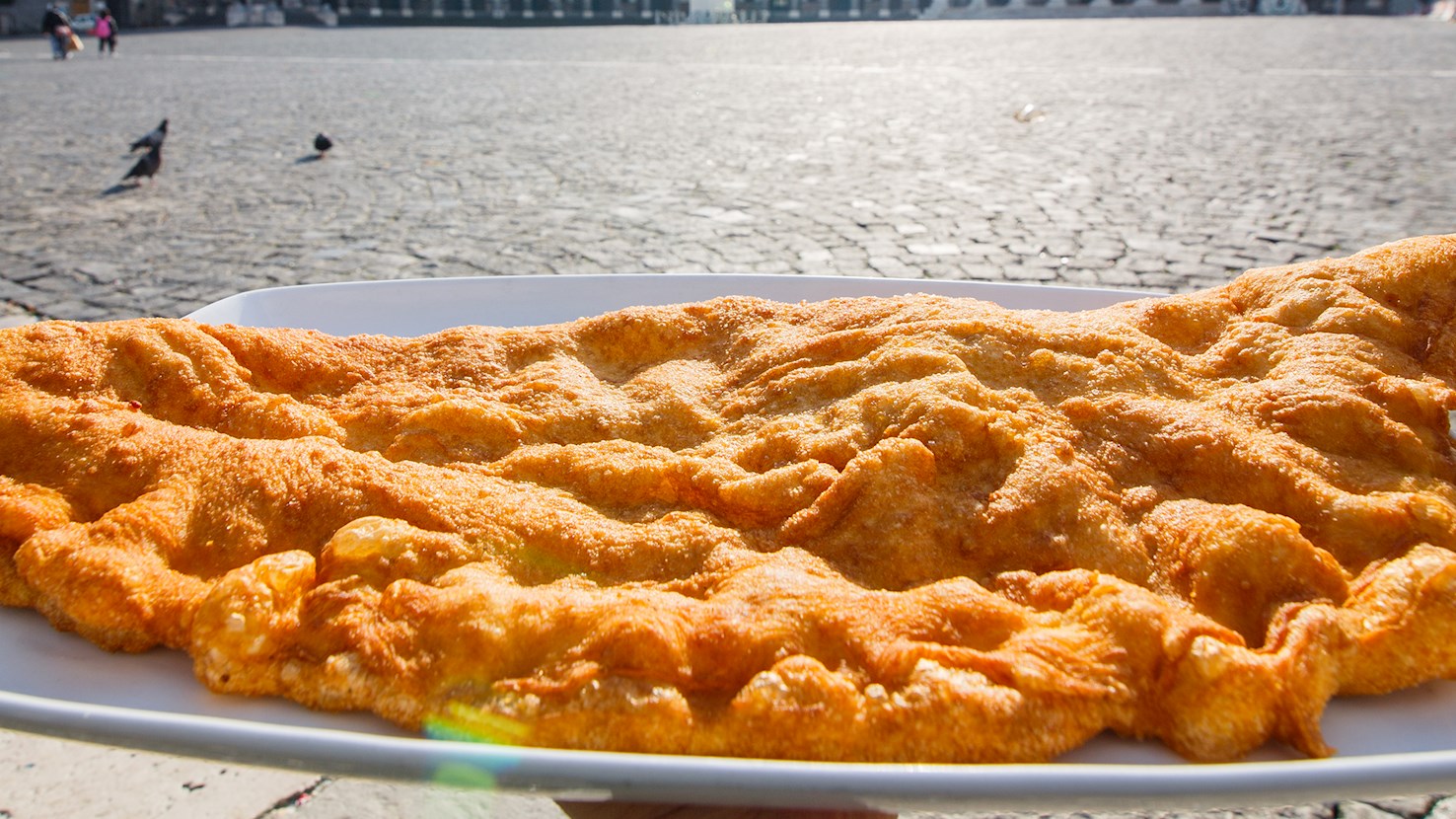
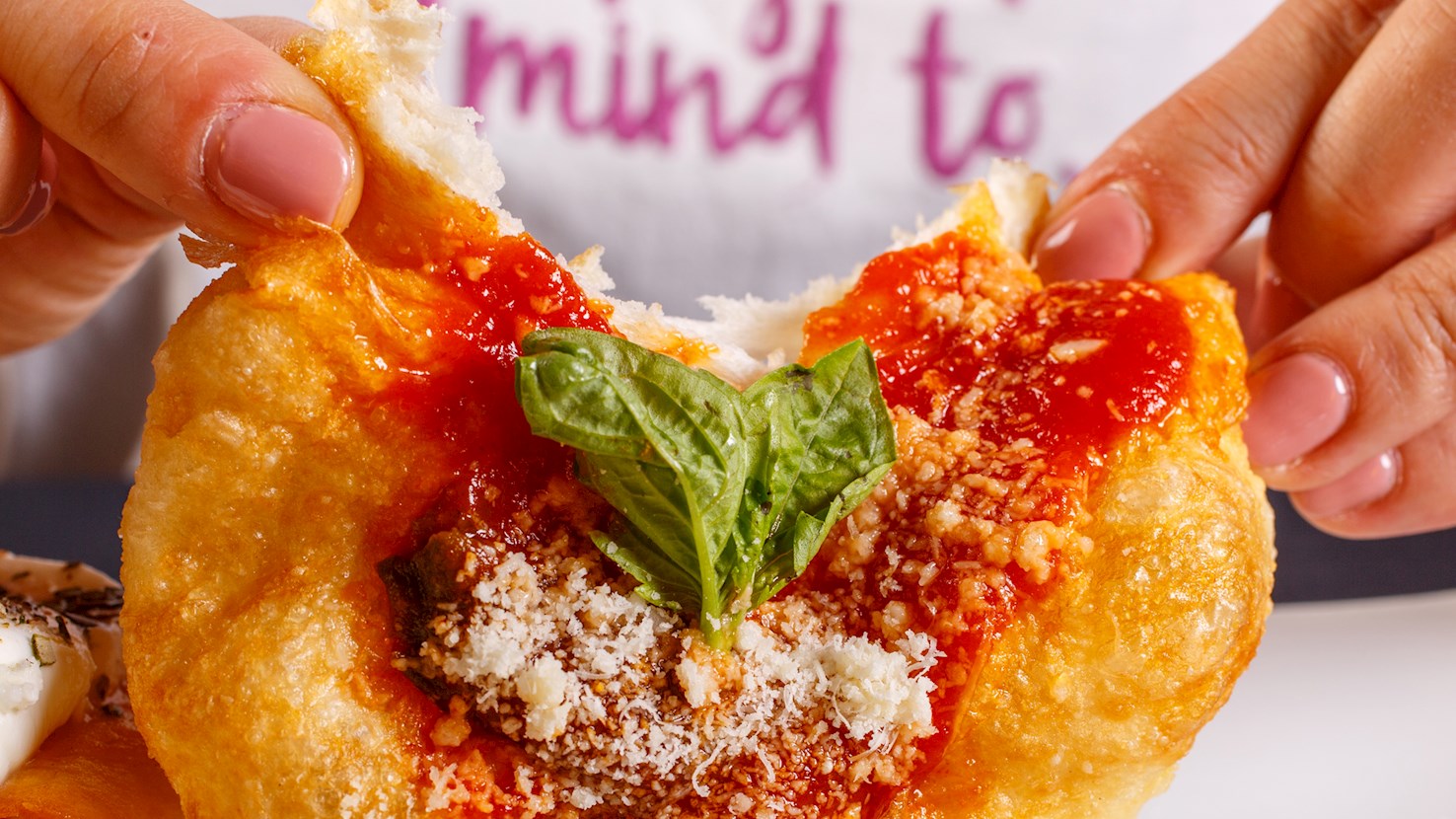
Pizza fritta, also known as fried pizza, is a popular Italian street food originating from Naples. To prepare pizza fritta, the dough (similar to traditional pizza dough, but allowed to rise longer, resulting in a lighter and fluffier texture) is rolled out into small rounds or rectangles and filled with classic pizza ingredients such as tomato sauce, mozzarella cheese, ham, mushrooms or vegetables. The edges of the dough are then folded over to enclose the fillings, and the pizza is carefully deep-fried in hot oil until golden brown and crispy. Once fried, pizza fritta is usually consumed piping hot from a piece of greasy paper, and is sometimes topped with additional ingredients like fresh basil, grated Parmesan cheese, or a drizzle of olive oil. It is typically enjoyed as a handheld street food.
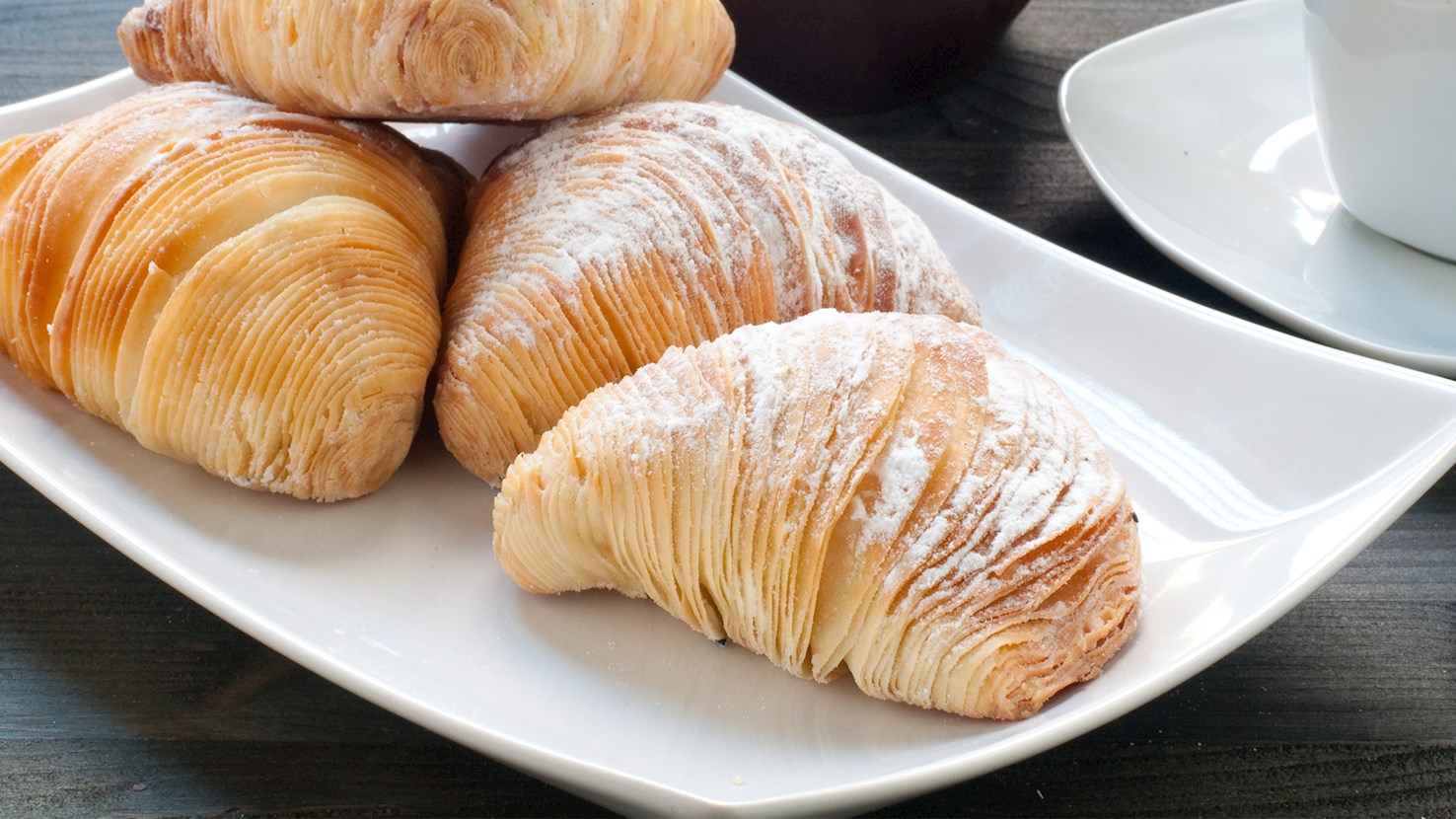
Sfogliatella is one of the most famous Italian pastries, with many regions offering their spin on the recipe. Although traditionally associated with Naples, it is believed that the original sfogliatella was invented around 1700 on the Italian Amalfi Coast, as a creation of nuns from the Santa Rosa monastery. This version was filled with luscious custard cream and black cherries preserved in syrup, and although the nuns were forbidden to have contact with the external world, the recipe was somehow obtained by a Neapolitan chef who started preparing his variety of these delicious sweets which soon became a Naples favorite. Nowadays, they are offered in two main varieties: riccia and frolla. Sfogliatella riccia is regarded as the traditional and the most common variety. It is an elaborate dessert made with multiple layers of paper-thin dough arranged in a clam-shaped pocket, filled with a delicious cream made with semolina, water, ricotta, sugar, eggs, cubed candied fruit, cinnamon, and a pinch of salt. Sfogliatella frolla has the same filling, but it is round-shaped and made with shortcrust pastry. Another version of this dessert is coda d’aragosta, literally meaning lobster tail, filled with pastry cream. It is a very popular dessert in the United States, with their version typically being much larger than the original. Traditionally, sfogliatella should always be served freshly prepared, while still crispy, preferably warm and dusted with powdered sugar.
Marinara is a Neapolitan pizza with a topping of tomatoes, oregano, garlic, extra virgin olive oil, and sometimes fresh basil. Its name is not derived from the popular belief that it has seafood on it (because it does not), but because it was a staple food of the fishermen who consumed it upon their return home from fishing in the Bay of Naples. Some claim it was invented at Pizzeria Port'Alba in 1734, considered the oldest pizzeria in the world. Marinara is a part of protected Napoletana pizzas, with specific rules concerning the production process, the dough, and the key ingredients used in making the pizza.
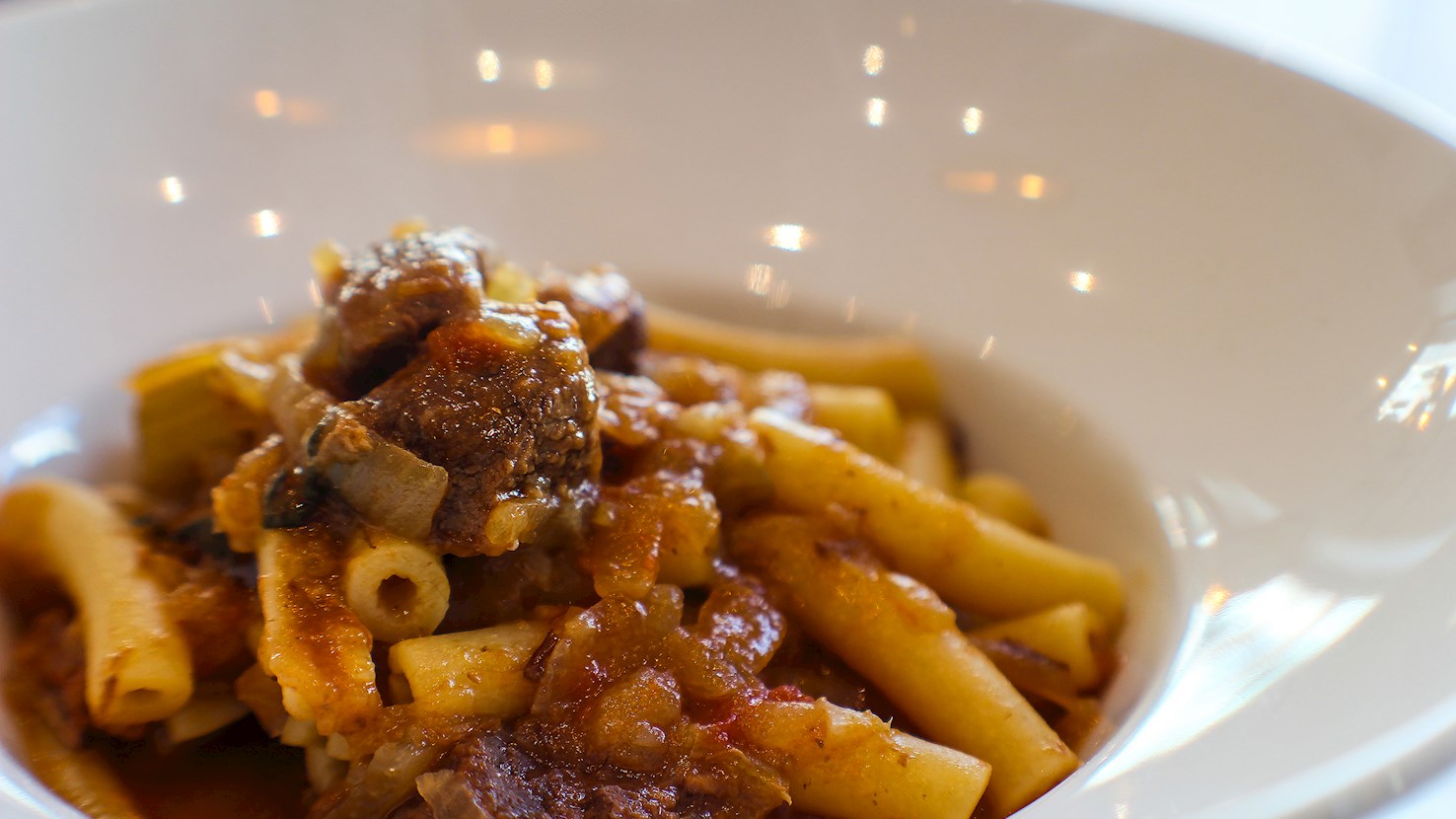
Sugo alla Genovese is a traditional sauce that, despite its name, originates from Naples, but it was likely brought over to the city from Genoa by Genovese immigrants during the Renaissance period. The sauce is prepared by sautéeing veal or beef in olive oil with large amounts of onions, carrots, and celery for a long time, usually from 2 to 10 hours. White wine or stock are often added to the sauce to enrich its flavors. Once done, sugo alla Genovese is served either as it is or the meat is served separately from the sauce. It's traditionally paired with pasta types such as ziti or rigatoni, and the dish is then garnished with tomatoes and topped with grated pecorino.
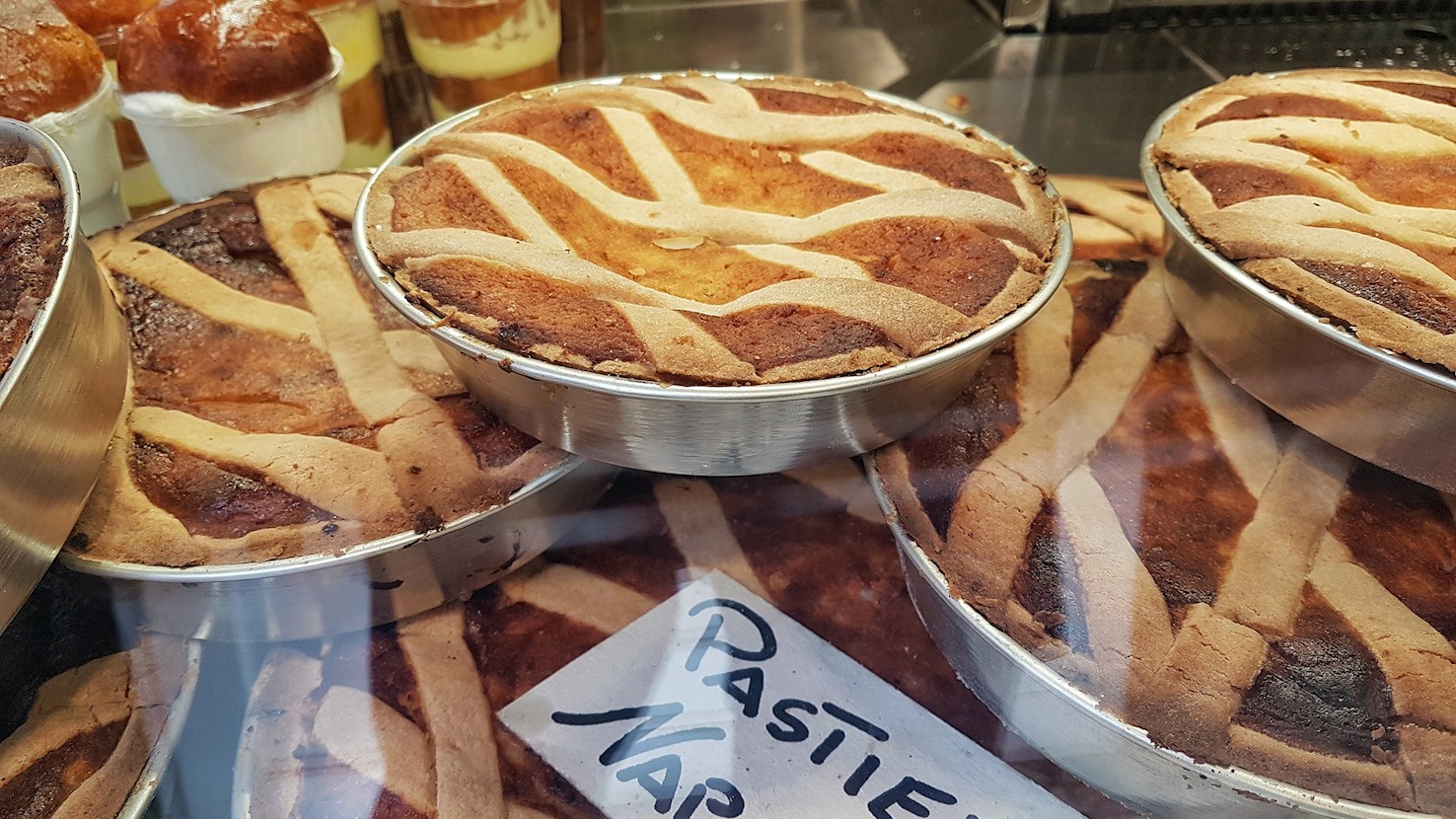
The delicate buttery crust in this classic Neapolitan tart holds a rich filling of cooked wheat berries, ricotta, and pastry cream, enriched with candied orange peel and flavored with orange blossom water. Pastiera is traditionally enjoyed for Easter, though its origins are said to be traced back to pagan times. According to one legend, to celebrate the return of spring, the priestesses of Pompeii would prepare similar wheat pastries as an offering for Ceres, the Roman goddess of agriculture, grain crops and fertility. However, the pastiera we know today originated in the convents of Naples. It was regarded as a symbol of resurrection, rebirth, and new life, traditionally prepared between Holy Thursday and Easter Eve - a practice that continues up to this day.
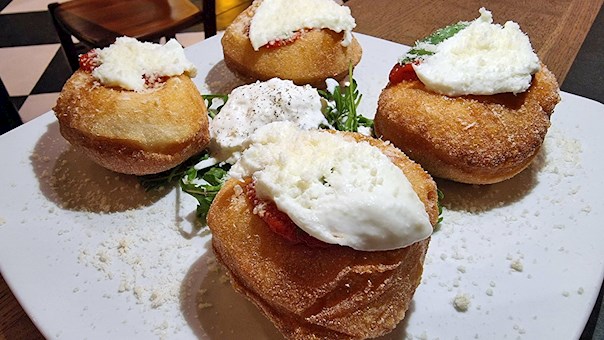
This pizza calls for deep frying the dough shortly before it is topped with marinara sauce, cheese, and basil, and then thrown into an oven for a final touch. The last step is said to imbue the pizza with a somewhat smoky, toasted flavor and make the crust light and airy, with a nice crunch to it. Although it might seem like a newly-concocted dish, this deep-fried pizza specialty is actually a variety of Italian pizza that dates way back in time and is believed to have its roots in the mountains surrounding Naples. The pizza’s origins are reflected in its name montanara, meaning coming from the mountain or mountain-style pizza. Apart from Naples, where fried pizza specialties are a common street food fare, pizza montanara can also be enjoyed in several New York restaurants.
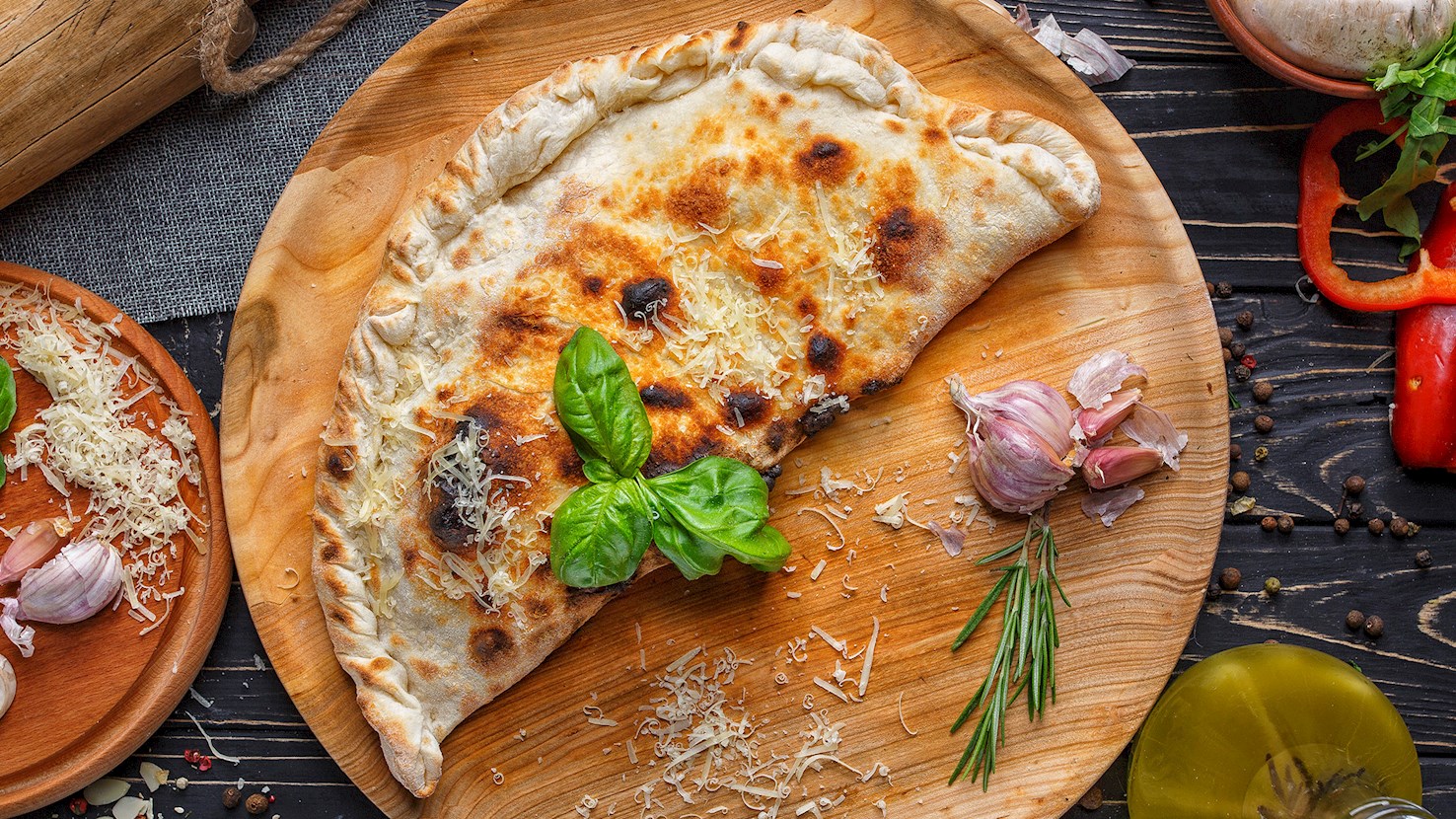
This unique type of pizza is characterized by its half-round shape, made by folding a full-sized pizza in half. Hailing from 18th century Naples, calzone literally means pant leg, referring to the fact that calzone's original purpose was to be a pizza which can be consumed while walking or standing. Typically, calzones are filled with meats such as salami or ham and cheeses such as mozzarella, ricotta, parmesan, and pecorino whereas fried calzones with mozzarella and tomatoes are a specialty from the Italian region of Apulia, and are known as panzerotti. In the United States and the rest of the world, calzones gained in popularity after being the central theme of an episode of the hit TV show Seinfeld in 1996.
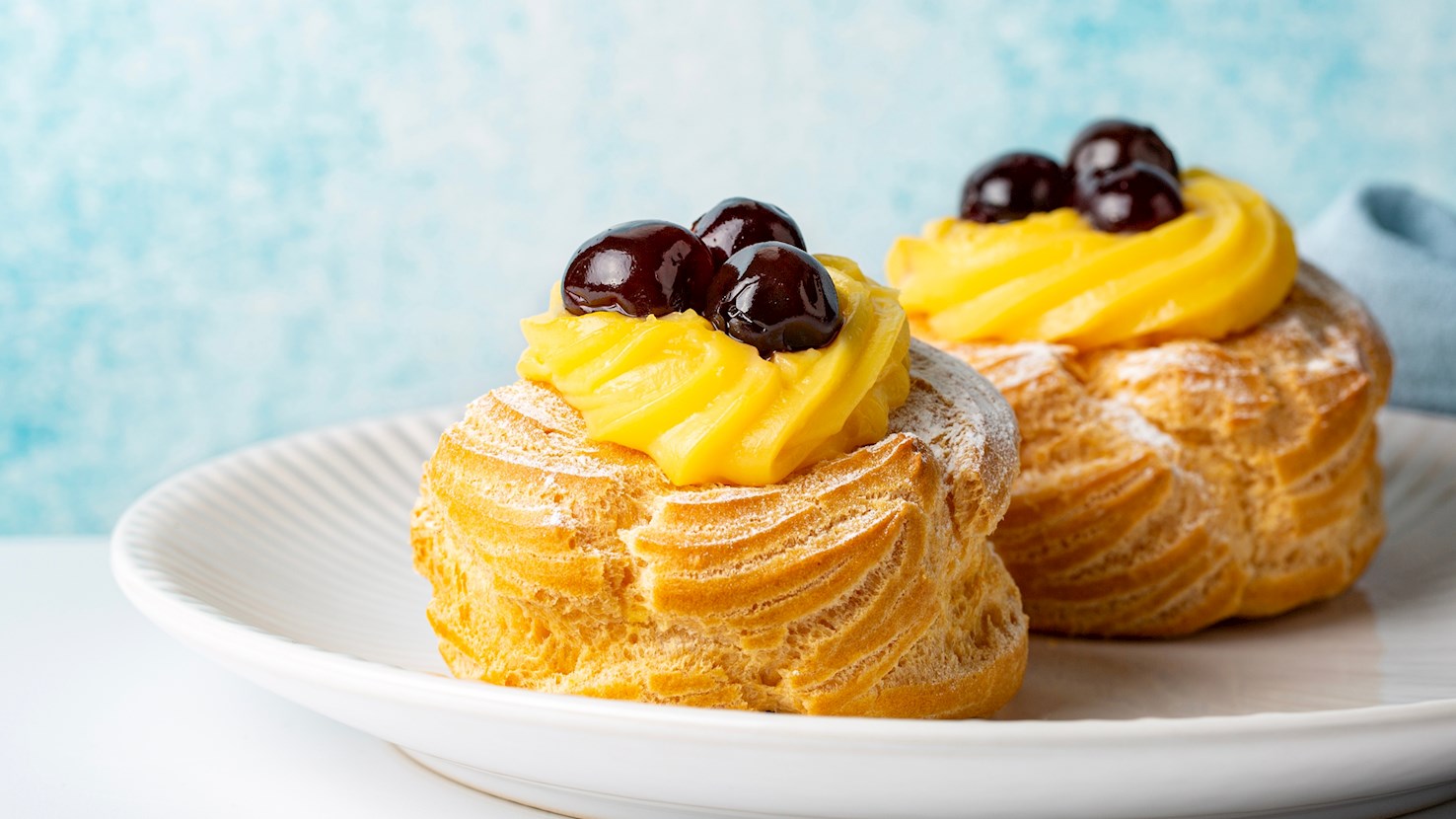
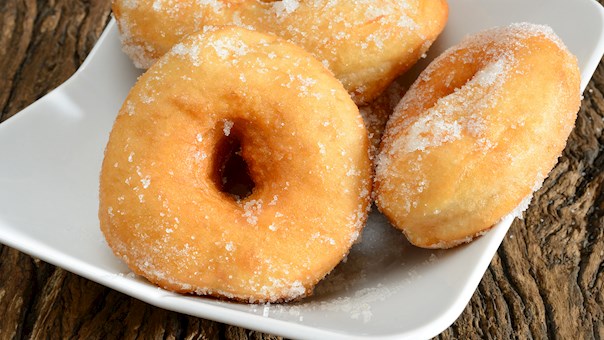
Zeppole are a fried dough specialty that is found throughout southern Italy, consisting of deep-fried dough that is typically topped with sugar and can be filled with custard, jelly, pastry cream, or a combination of honey and butter. Some version of it might have originated in Ancient Rome, but its modern form was conceived sometime in the 18th century in Campania and made popular in the 19th century by the Neapolitan baker Pasquale Pintauro. The sweet treats are traditionally prepared for the festival of St. Joseph on March 19, and in the past zeppole were only served on that day every year, providing an opportunity in which the wealthy and the poor both shared the same meal. The name of the dish stems from the Arabic word zalābiyya, meaning fried soft dough. Today, there are numerous recipes and variations for zeppole, including fillings such as ricotta cheese, chocolate, candied fruits, and even anchovies.
TasteAtlas food rankings are based on the ratings of the TasteAtlas audience, with a series of mechanisms that recognize real users and that ignore bot,
nationalist or local patriotic ratings, and give additional value to the ratings of users that the system recognizes as knowledgeable.
For the “60 Traditional Foods You Have To Try in Naples” list until September 17, 2026, 7,946 ratings were recorded, of which 6,128 were recognized by the system as legitimate.
TasteAtlas Rankings should not be seen as the final global conclusion about food. Their purpose is to promote excellent local foods,
instill pride in traditional dishes, and arouse curiosity about dishes you haven’t tried.



What People Say