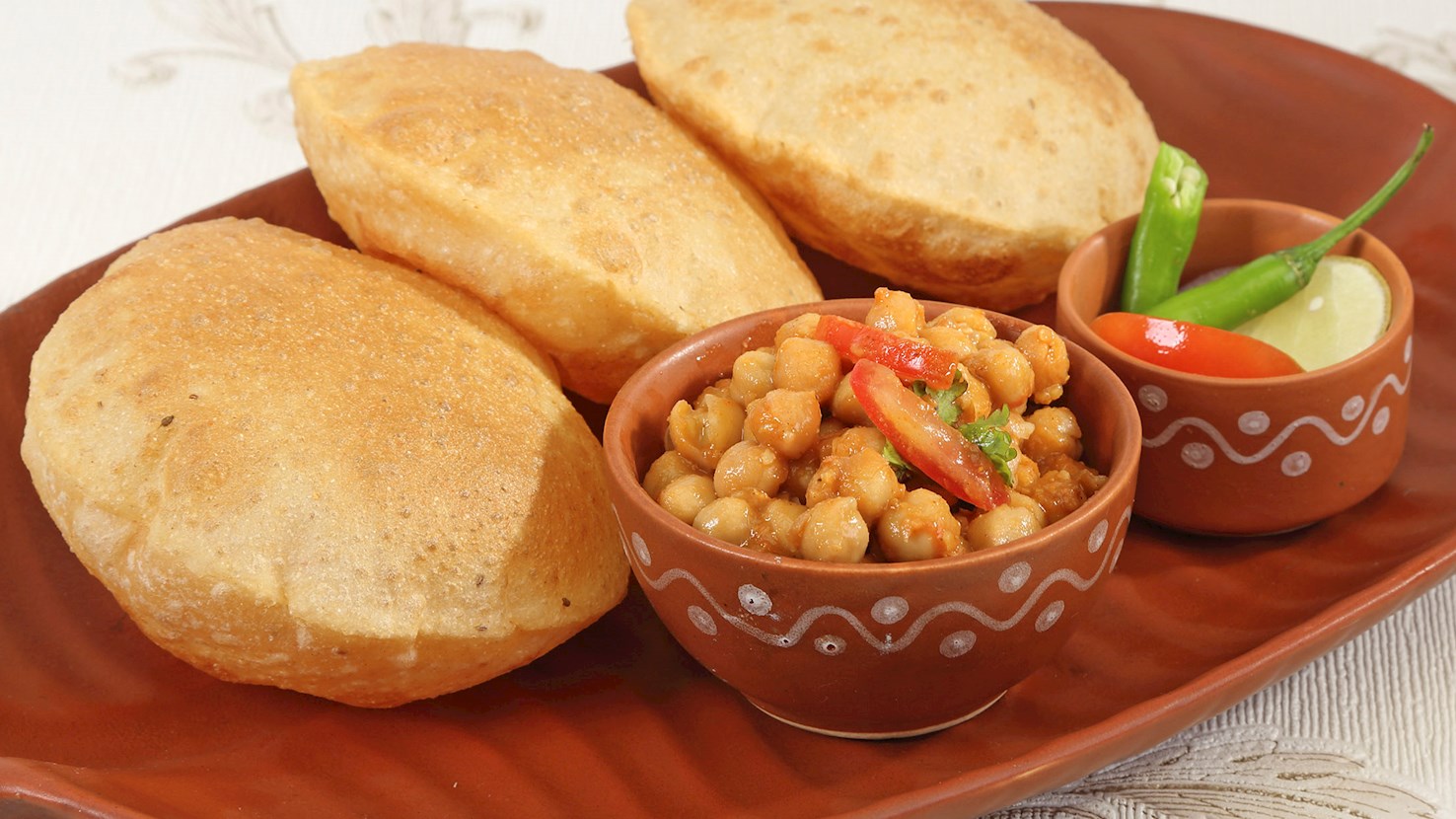
At its core, chole bhature is a combination of two dishes: chole - a spicy chickpea curry, and bhature - a type of fried bread made with maida flour. Popular throughout North India, the dish was invented in Delhi in the 1940s. It is commonly accompanied by onions, pickles, mint chutney, and chilled lassi. Chole bhature can be found at most street carts in North India, but it can also be easily prepared at home. Although it can be eaten any time of the day, chole bhature is especially popular in the morning, when bhature are filled with potatoes or cottage cheese, making it a heavy, nutritious breakfast.
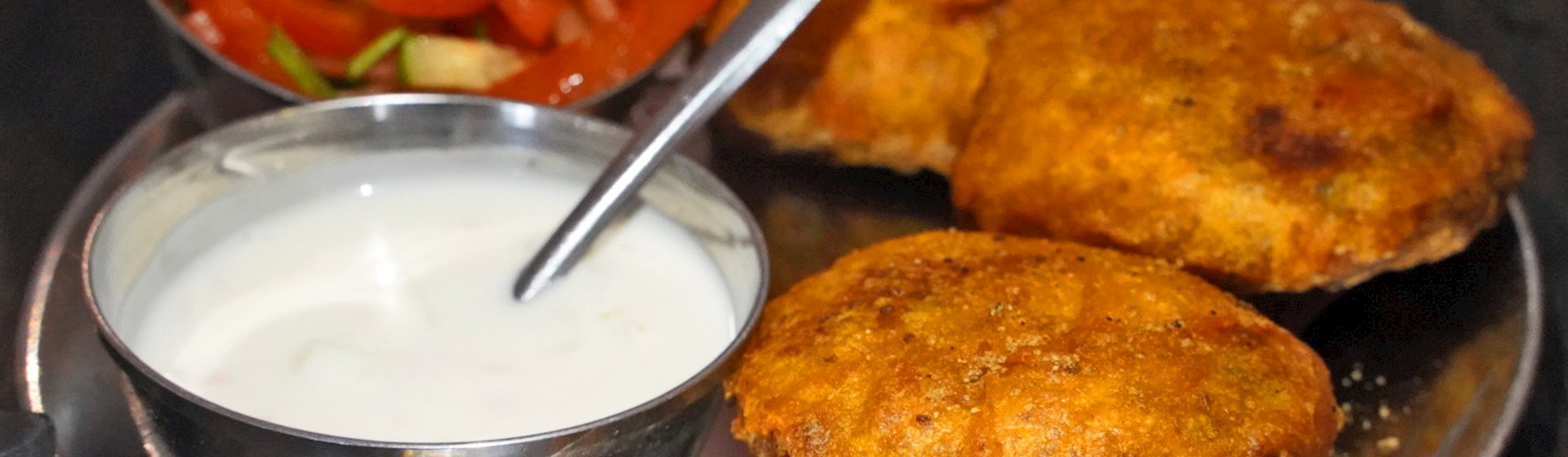
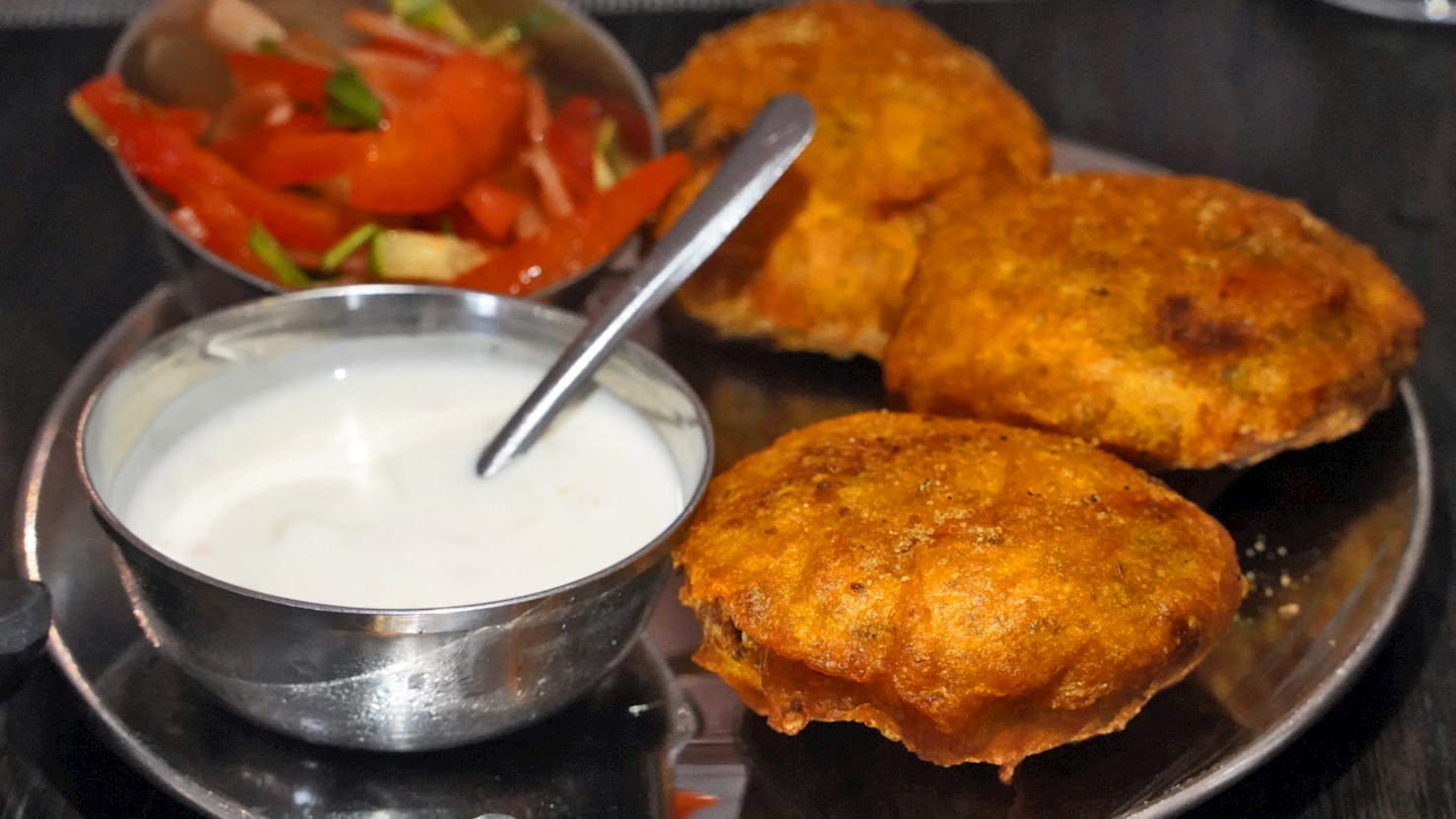
Aloo tikki is a flavorful snack that is popular in North India and Pakistan. It consists of potatoes (aloo) and onions made into croquettes (tikki), which are then flavored with various spices and deep-fried. The croquettes are a staple of every chaat stall in Mumbai and North India. Aloo tikki is often garnished with onion, chutney, coriander, or hot chiles, and it is usually served with yogurt or chickpeas. In Mumbai, the snack is often topped with spicy curries. Although aloo tikki is mostly consumed in North India and Pakistan, it is also gaining popularity in the United Kingdom, especially in the East Midlands area.
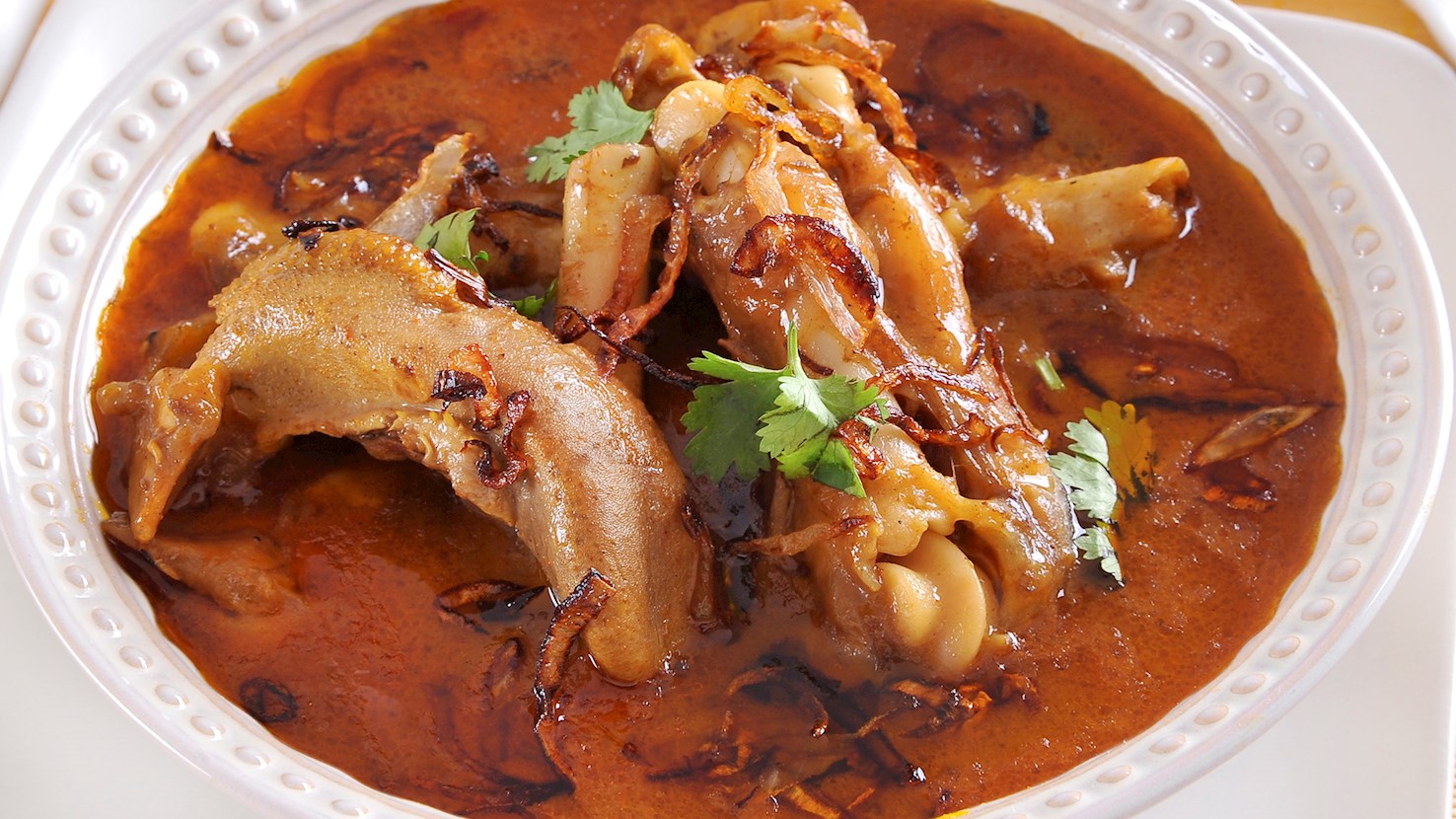
Nihari is a popular meat-based dish originating from Old Delhi. When Pakistan gained independence in 1947, numerous immigrants from Delhi settled in Karachi, where they established their own restaurants, so nihar is also associated with Pakistani cuisine. The dish consists of slowly cooked meat such as beef shanks, mutton, or chicken. The meat is cooked together with stock and numerous spices such as cumin, cloves, garam masala, and cardamom in big vessels which are sealed with dough. It takes anywhere from six to eight hours for nihari to be cooked properly, and it is traditionally consumed for breakfast, since the name of the dish is derived from the Arabic word nahar, meaning morning. Originally, nihari was consumed by the Nawabs in the Mughal Empire as a breakfast dish, before the usual morning prayers, although some people believe that the dish was invented in the royal kitchens of Awadh. It is usually served with tandoori rotis or khameeri rotis, and some like to garnish nihari with green chilis on top. Nihari's texture, spiciness, and tenderness of the meat make it a favorite among many Indian and Pakistani people.
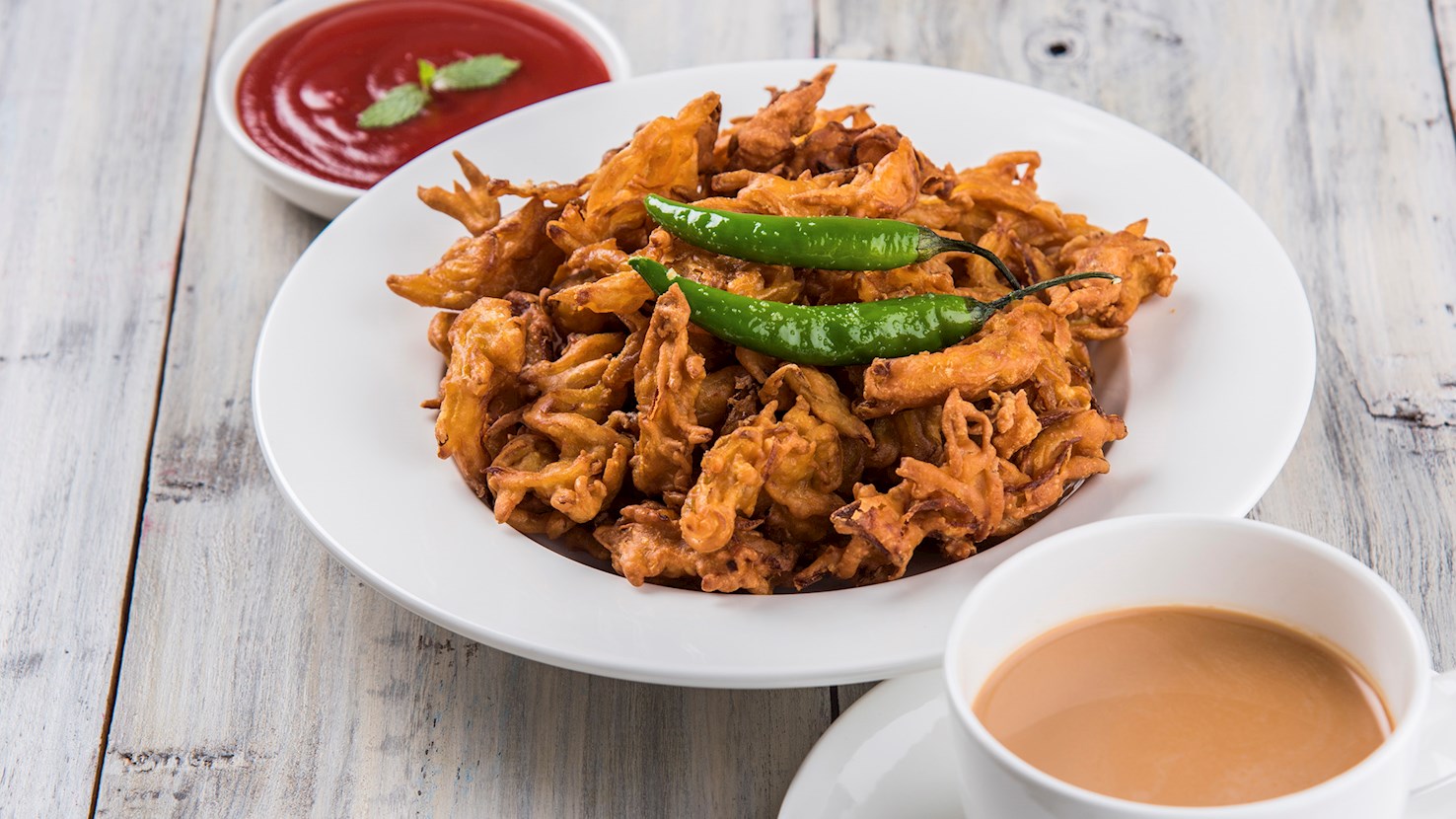
Pakora is a savory, deep-fried Indian snack made with pieces of vegetables such as cauliflower and eggplant. Although it is a quintessential Indian snack that can be easily found on numerous street corners, it can also be made at home. Traditionally, pakoras are at their most popular during spring, when the locals enjoy fried foods to celebrate the monsoon season. The snack comes in many varieties but is usually made from two main ingredients - potato, and another vegetable or meat of choice, which is then dipped in flour and deep-fried in ghee. Pakoras are usually seasoned with turmeric, salt, chili, or other spices. There is also bhaji, the same snack with a different name, but made without any seasonings. Bhaji is popular in South India, while pakoras are mostly consumed in North India. Regardless of the nomenclature, pakoras make a great appetizer or a snack, and it is recommended to pair them with chutneys and a hot cup of tea on the side.
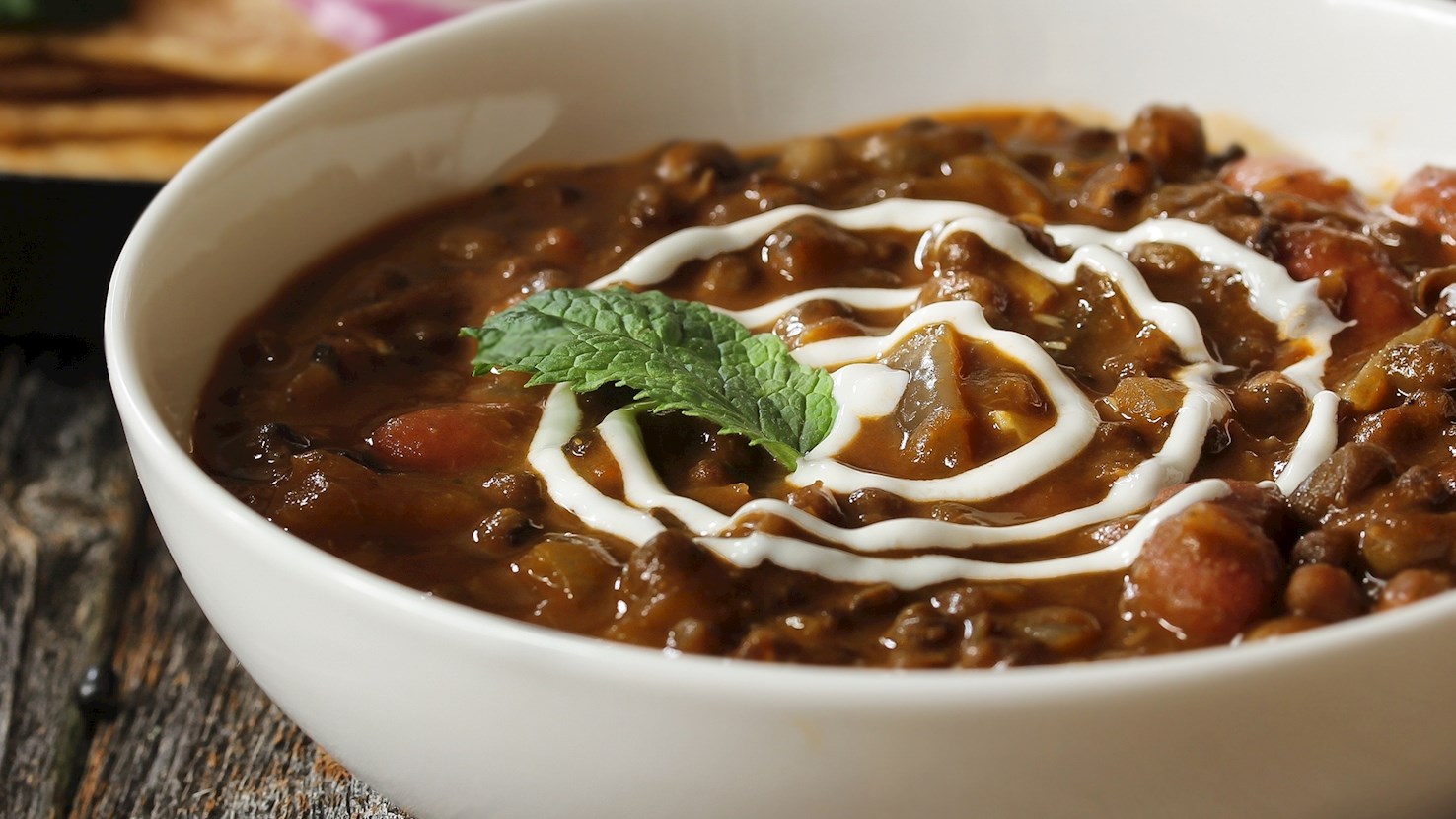
Although it originated in Punjab, dal makhani has become one of the most popular Indian lentil dishes, both in the country and outside of its borders. It consists of red kidney beans and whole black lentils, which also go under the name urad. The dish is prepared with hefty amounts of ghee and various seasonings such as ginger-garlic paste and chili, and it is slowly cooked in a rich, tomato-based sauce. The name makhani, meaning butter, stems from the last addition, a drizzle of melted ghee or butter that provides the typical velvety flavor of this classic. The dish is occasionally topped with cream or yogurt and is often accompanied by naan or roti bread. Dal makhani is a restaurant staple and a mainstay on various festive occasion in India.
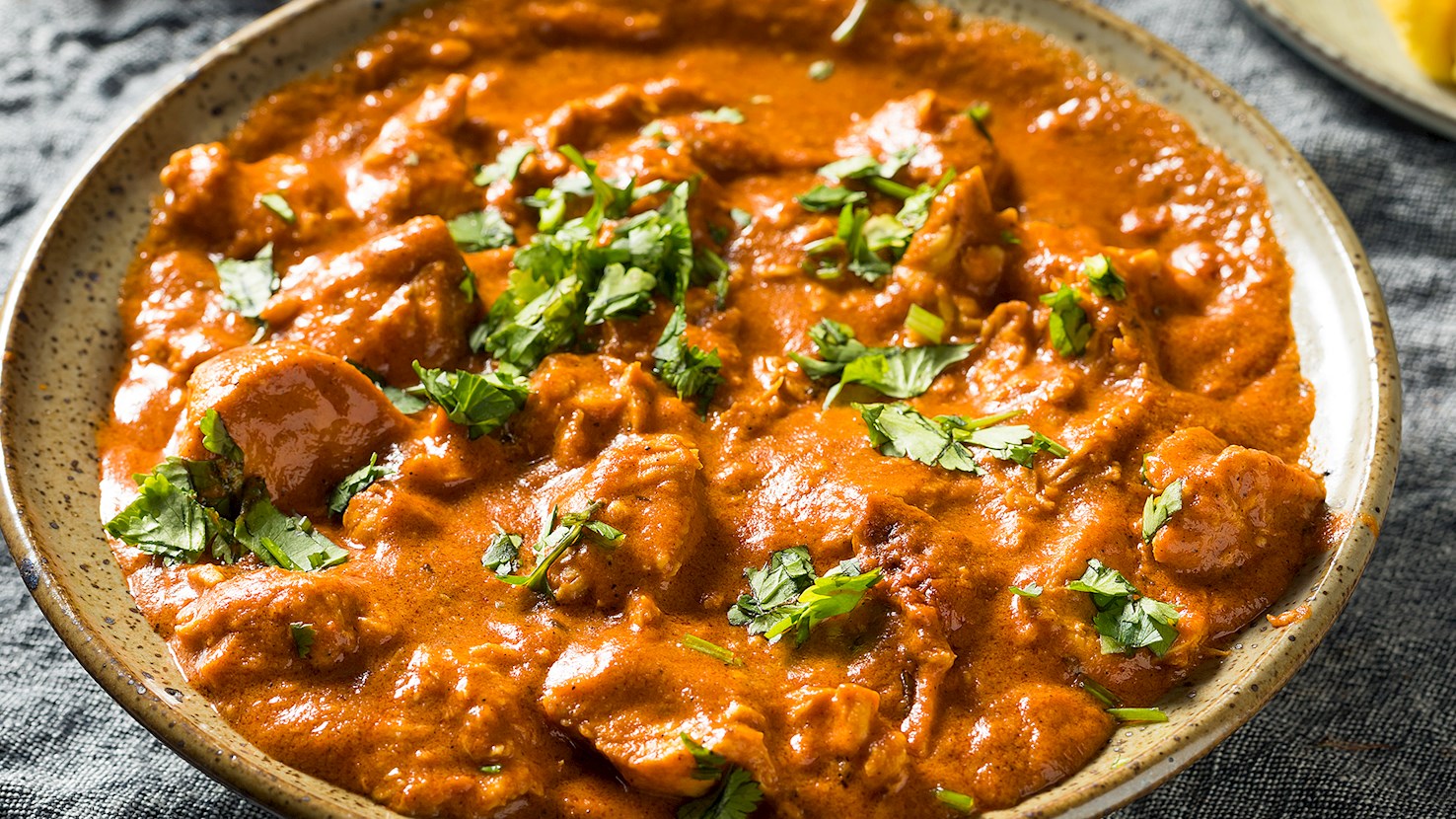
Probably the best known of all Indian dishes, murgh makhani, internationally referred to as butter chicken, is a staple dish at most Indian restaurants. The dish originated in Delhi during the 1950s, when a man named Kundan Lal Gujral opened his restaurant called Moti Mahal. The restaurant's cooks combined leftover marinade juices with tomatoes and butter, and then stewed the tandoor-cooked chicken in it, without even knowing that they have accidentally stumbled upon one of the most loved dishes ever and a future international delicacy. Moti Mahal became one of Delhi's attractions, and soon after, butter chicken spread throughout the world. With a combination of roasted meat, plenty of spices, a rich gravy made with cream, tomatoes, and butter, this dish is best accompanied by naan bread and garnished with even more butter, coriander, or green chilis.
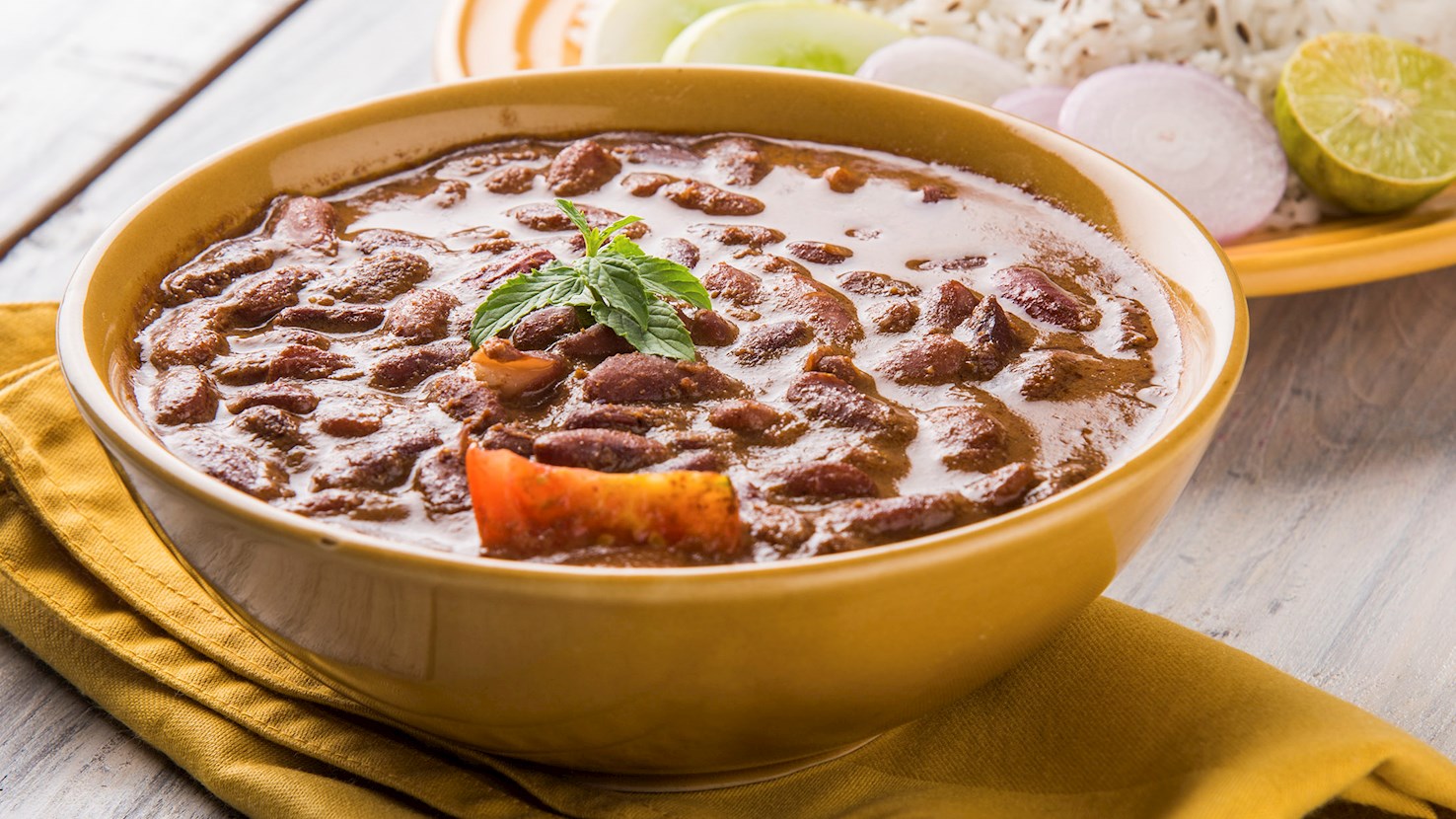
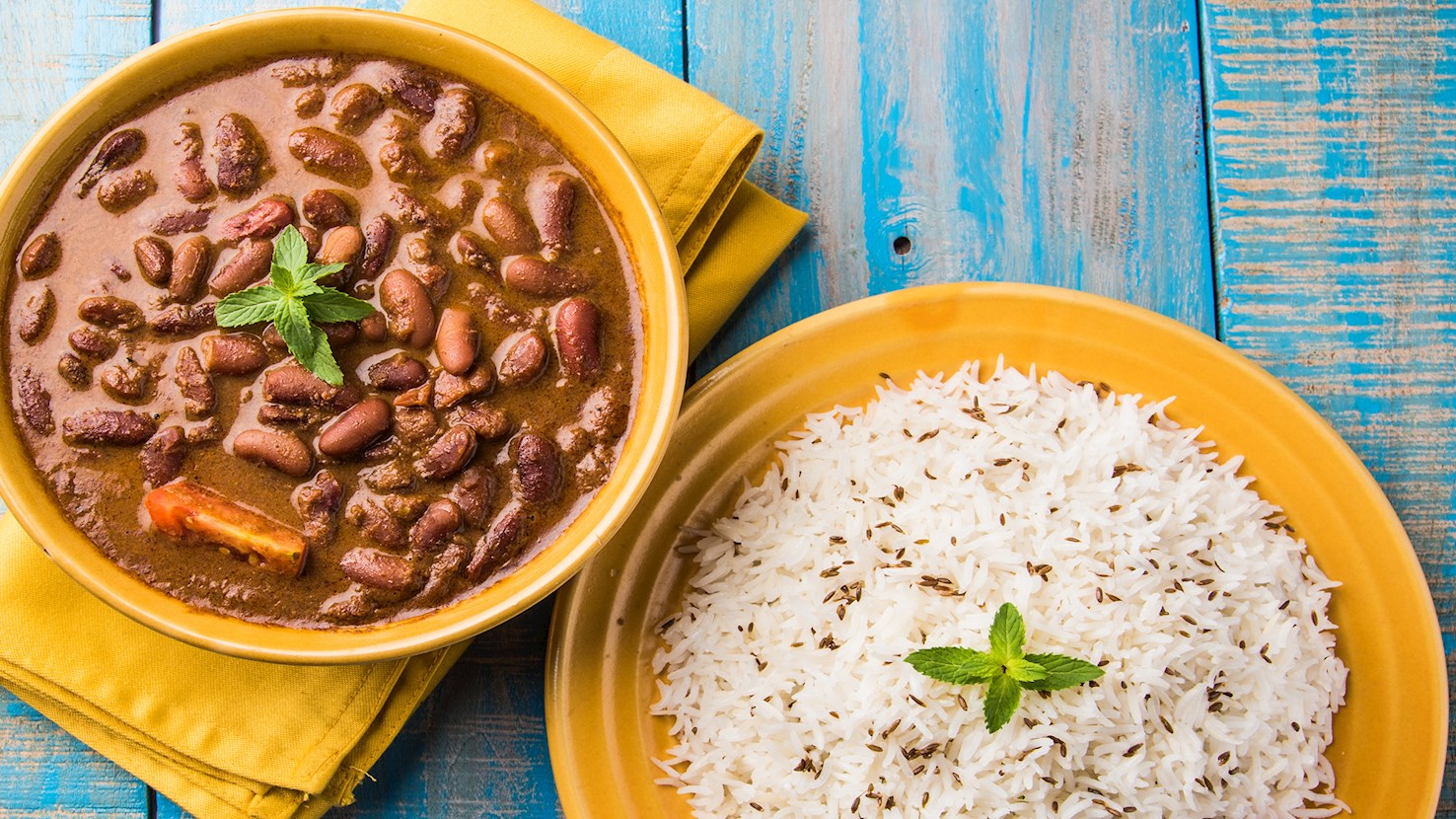
Rajma is one of the most popular vegetarian dishes of North India. It consists of red kidney beans which are stewed in a rich gravy combined with numerous spices. The dish is usually prepared for festivities and special occasions, when it is typically served alongside rice and breads such as roti. Although closely associated with North India, where it is a staple food, red kidney bean was actually brought to the country from central Mexico and Guatemala, but the Mexican version of the dish is much different than the Indian one. Hearty and nutritious, rajma remains one of the most loved vegetarian curries in Punjab and North India.
This simple Indian dish consists of red beans (rajma) and cooked rice (chawal). Rajma is traditionally made with onions and tomato purée which acts as a gravy for the red beans. This dish makes for a complete vegetarian meal that is suitable for lunch or dinner. If desired, rajma chawal can be flavored with a variety of spices such as chili peppers, cinnamon, bay leaves, ginger, garlic, coriander, and cumin. Although the dish is quite simple to prepare, it takes some time because the beans are typically soaked overnight before the preparation.
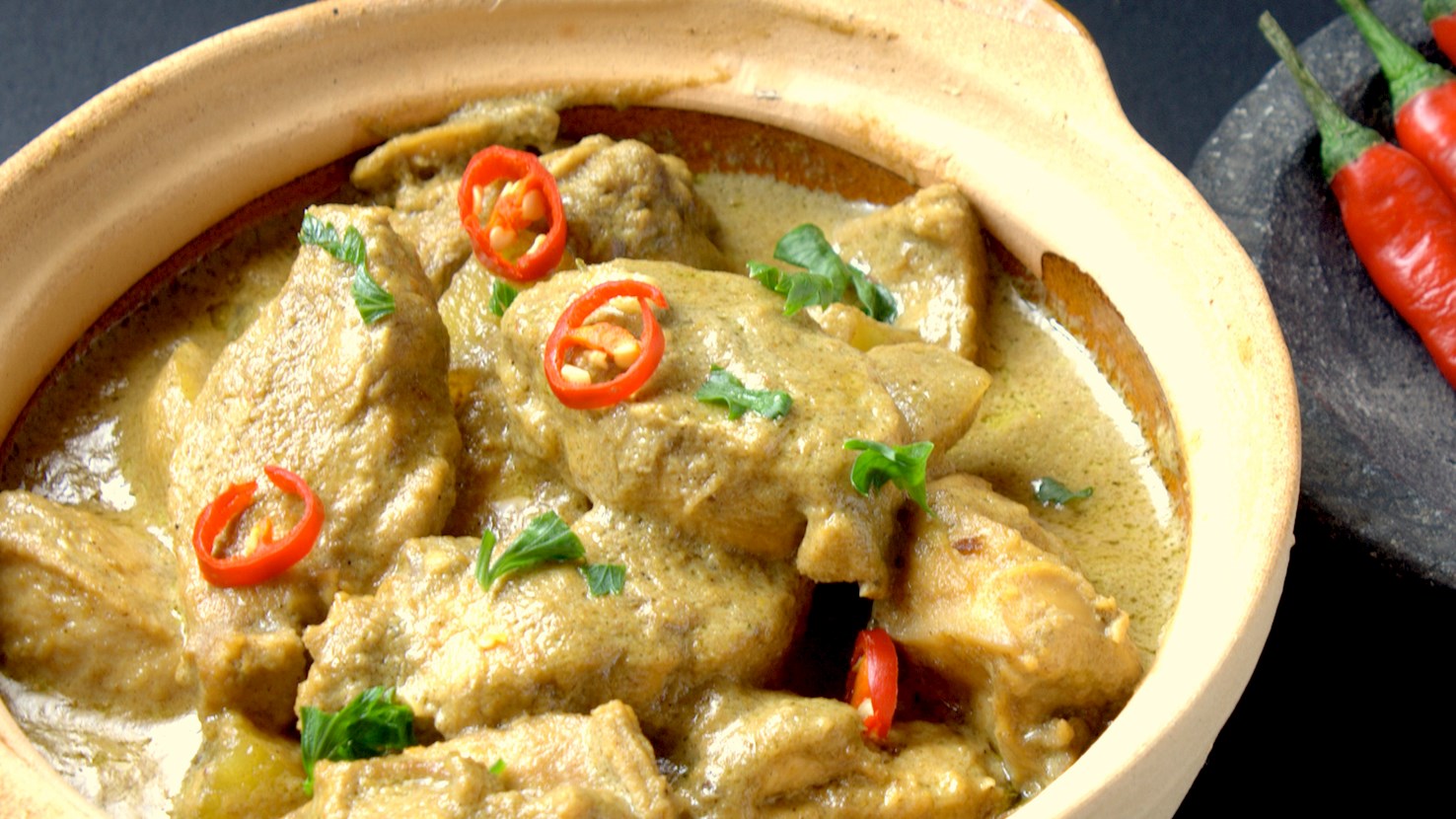
Korma is a rich and aromatic braised dish that comes from the Indian subcontinent, particularly associated with Mughlai cuisine in northern India, Pakistan and Iran. It typically consists of meat or vegetables slow-cooked in a sauce made with yogurt, cream, nut paste, or coconut milk, creating a delicate balance of savory and mildly sweet flavors with gentle spices like cardamom, coriander, cinnamon, and cloves. The word korma is derived from the Urdu and Hindi verb qormā, meaning “to braise,” which describes the technique of cooking meat or vegetables over low heat in a flavorful liquid. Korma has deep historical roots dating back to the Mughal era in the 16th century, when Persian-influenced cooking styles merged with Indian ingredients and methods. Court chefs developed korma as part of the refined Mughlai repertoire, where dishes were expected to be elaborate yet subtle. Over time, korma evolved into many variations, from the luxurious versions made with cream and ground nuts for aristocratic banquets to simpler, homestyle recipes using yogurt as the primary base. During colonial times, korma was also adapted to suit British palates, eventually inspiring modern interpretations such as the creamy korma curries popular in the UK today. Preparation of korma begins by marinating the main ingredient, commonly lamb, chicken, or vegetables, in yogurt blended with ground spices. The marinated pieces are then gently fried or seared with onions to build flavor. A mixture of ground almonds, cashews, or poppy seeds may be added to the pot, followed by stock or water. The dish simmers slowly to develop depth and a velvety texture. Toward the end of cooking, cream or coconut milk is sometimes stirred in for richness. The final seasoning is adjusted carefully to maintain the dish’s characteristically mellow spice profile. Korma can be found in restaurants, served at weddings, and cooked at home across South Asia. It is typically accompanied by steamed basmati rice, naan, or paratha. In some regions, it is customary to garnish it with slivered almonds or a drizzle of saffron-infused cream.
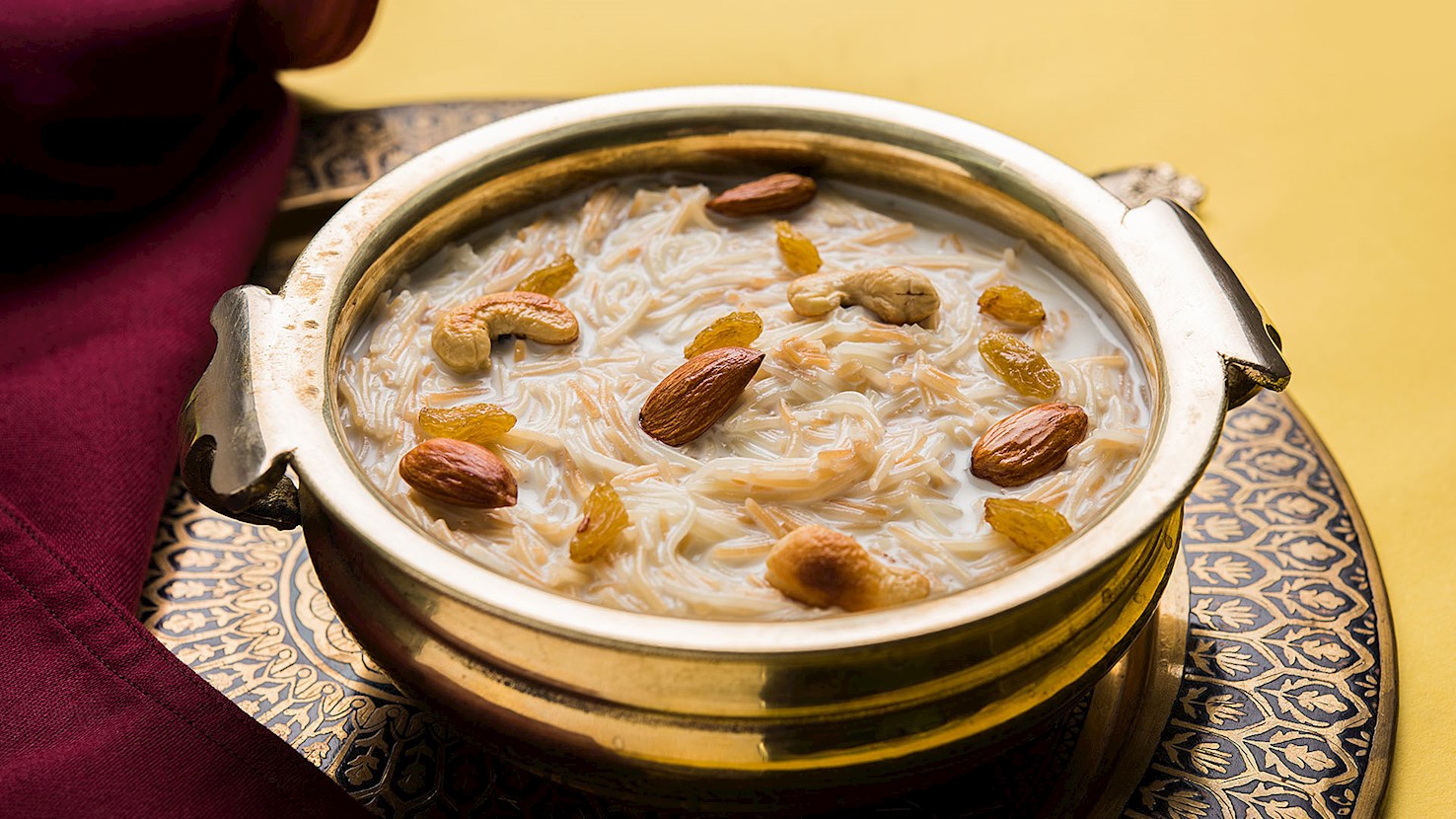
Kheer or payasam is an ancient Indian dessert, a creamy rice pudding that is made in several versions across the country. It is a common dish at numerous Indian ceremonies, festivals, and celebrations, although it can be consumed any time of year. Kheer is made by boiling rice, wheat, or tapioca with milk and sugar, and it can be additionally flavored with dried fruits, nuts, cardamom, and saffron. It is believed that the dessert originated 2000 years ago in the Lord Jagannath Temple in Orissa. Originally, it was prepared as an offering to the gods, a practice that spread to other Hindi temples where the recipe was slightly changed. Today, it is said that a wedding is not fully blessed if kheer is not served at the wedding celebration, and the tradition is still being practiced by the newlyweds.
TasteAtlas food rankings are based on the ratings of the TasteAtlas audience, with a series of mechanisms that recognize real users and that ignore bot,
nationalist or local patriotic ratings, and give additional value to the ratings of users that the system recognizes as knowledgeable.
TasteAtlas Rankings should not be seen as the final global conclusion about food. Their purpose is to promote excellent local foods,
instill pride in traditional dishes, and arouse curiosity about dishes you haven’t tried.



What People Say