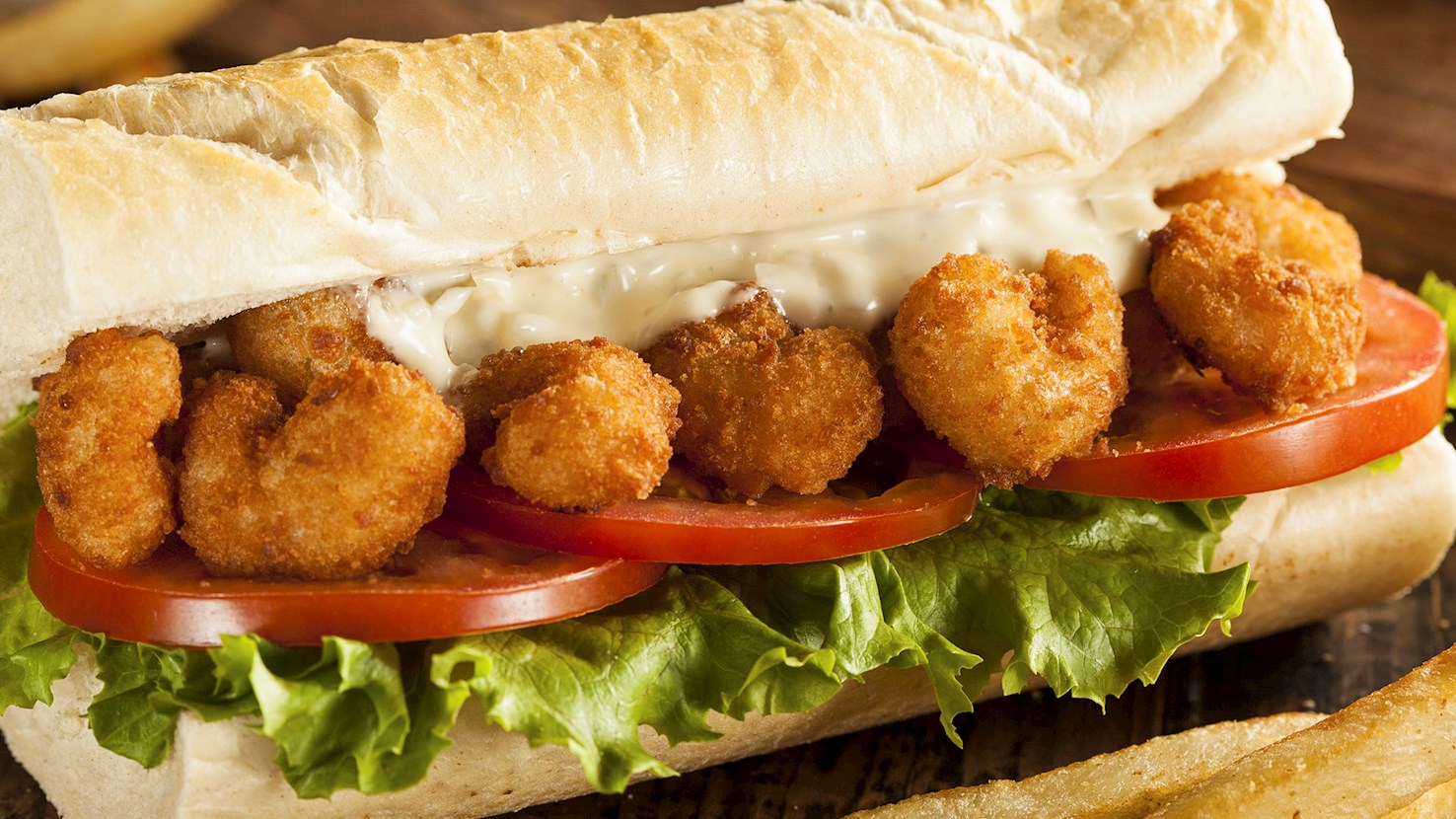
Po'boy is a unique sandwich with a rich history. It originated from Louisiana in the early 20th century, when it was invented by two brothers named Benny and Clovis Martin. The Martins opened a sandwich shop in New Orleans and started to make po'boys with French bread filled with a variety of meat or seafood such as roast beef, ham and cheese, meatballs, oysters, crabs, or shrimps. The combinations of ingredients are virtually infinite. The name of the sandwich refers to the moment when one of the New Orleans streetcar conductors, who were on strike at the time, entered the Martins' shop, and someone shouted: "Here comes another po-boy"! The sandwich gained huge popularity due to the locally-made bread which is crispy on the exterior and incredibly soft on the interior. Today, this Louisiana staple is commonly served with French fries and gravy, and it is recommended to pair it with a cold beer on the side.
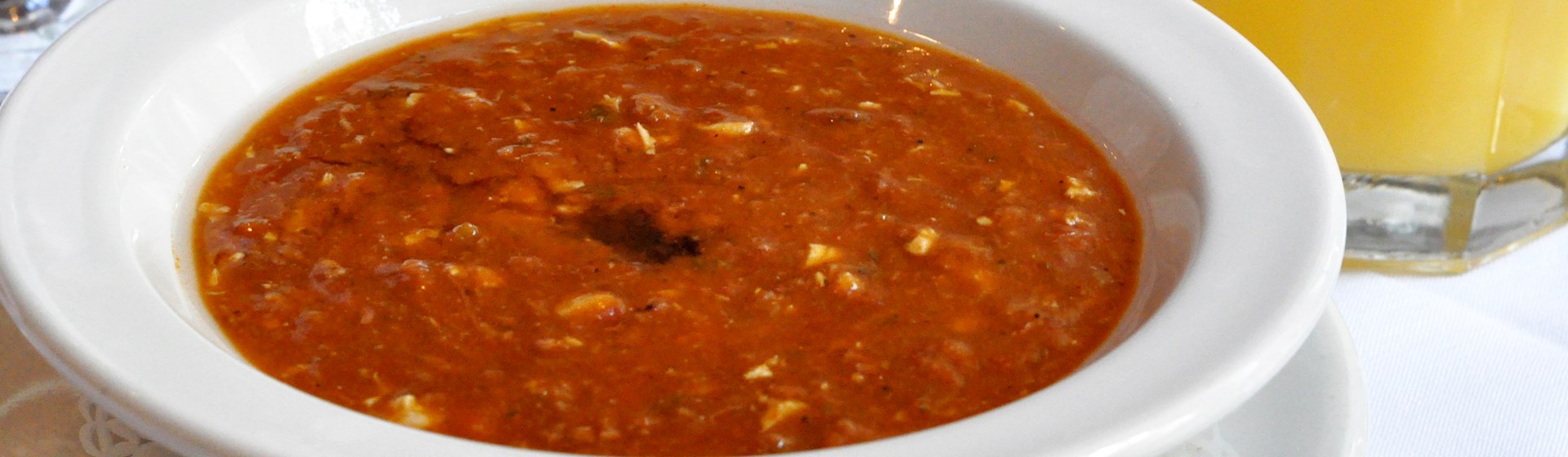
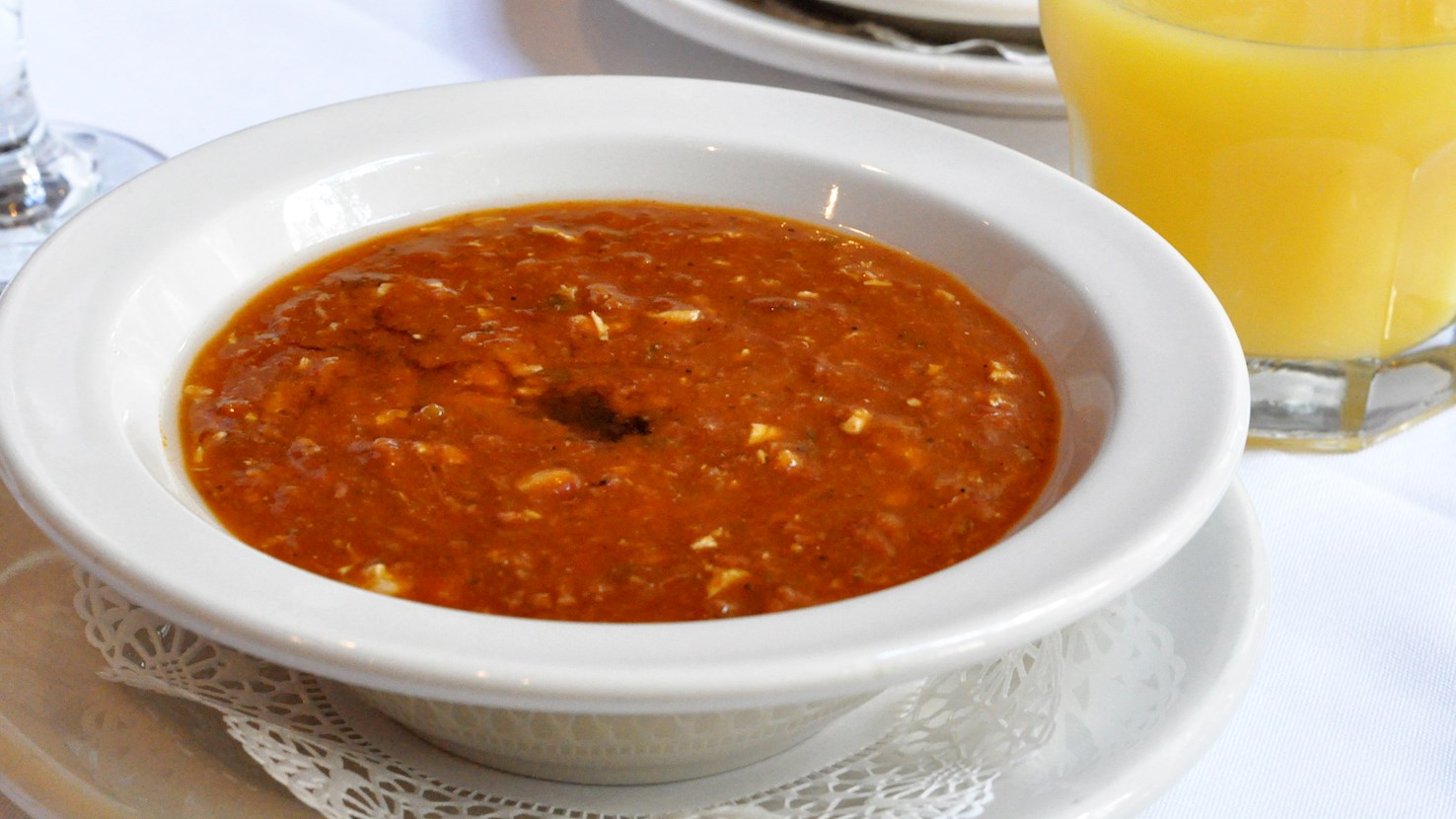
Turtle soup is a traditional soup originating from Louisiana. This dark soup is so robust that it borders on a stew. It's typically made with turtle meat, a roux of butter and dark flour, sherry, tomatoes, stock, diced hard-boiled eggs, lemon juice, and a variety of herbs and spices such as parsley, paprika, cumin, coriander, and allspice. Once done, the soup is served in individual bowls, often with sherry, lemon wedges, or crusty bread on the side. The turtles used for the soup are alligator snapping turtles, but nowadays they come from farms, not from the wild because commercial collection of this species has been outlawed in Louisiana in 2004.
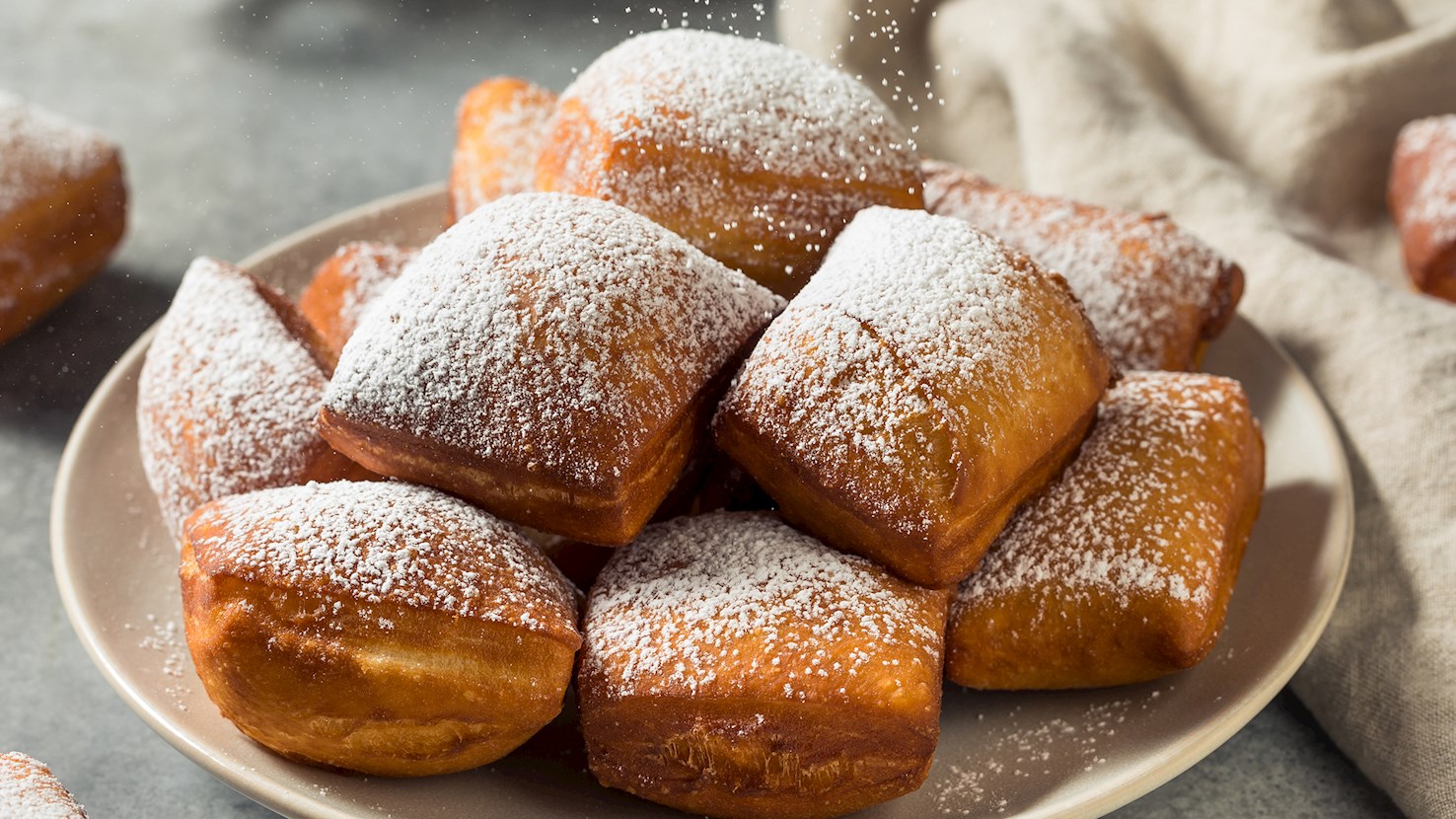
These squares of deep-fried pastry dough are sprinkled with powdered sugar and are traditionally served hot. The dish hails from France, and French settlers brought it to the Acadia region of Canada in the 17th century. Many of the Acadians later moved to Louisiana, and they brought their culinary traditions with them. Today, beignets are most commonly associated with the French Quarter of New Orleans, where they were declared the official state donut in 1986. These treats are typically served alongside chocolate milk or café au lait, a combination often served at the Cafe Du Monde - a New Orleans restaurant that is most often associated with beignets.
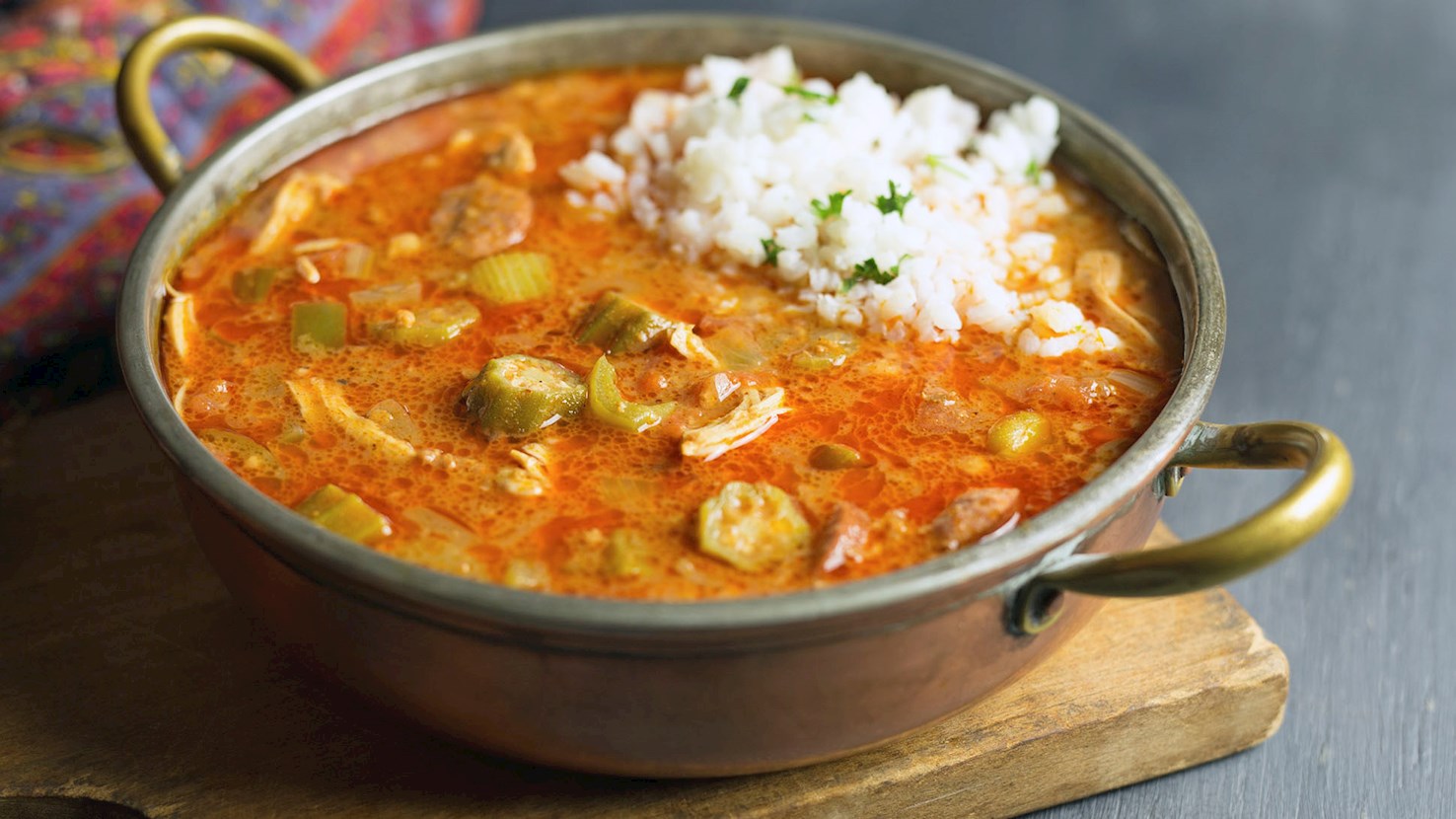
There is nothing better to represent a true taste of New Orleans than gumbo, a filling soup that is usually prepared in large, black, iron pots. A cultural and gastronomical symbol of Louisiana, it can be based on seafood and okra with tomatoes, or on turkey and chicken with added ham, sausage, and poached oysters. Perhaps rabbit or a wild duck will be the main stars, accentuated in flavor by tasso ham. Regardless of its base, gumbo is always intensely fragrant and aromatic with onions, garlic, bay leaf, and thyme, its thick and rich liquids ladled into bowls with an accompaniment of steamed white rice. Gumbo evolved from the French pot-au-feu, when the slaves from West Africa added okra as a thickener to the already roux-thickened French stew. If okra was not in season, filé powder was added, made from dried and crushed sassafras leaves, giving the dish a new layer of viscosity and a unique flavor. Whatever its variety of ingredients may be, gumbo must always include rice, roux (a combination of fat and browned flour that changes the flavor and modifies the thickness), and another thickener, be it okra or filé powder, but never both at the same time. Filé is typically used in thicker gumbos with sausages and chicken, while okra is used in lighter gumbos with seafood. Finally, a note for all gumbos - the ones that taste the best are those which had been left for a day or two and were then reheated, giving the ingredients a chance to combine into a flavorful and complex dish.
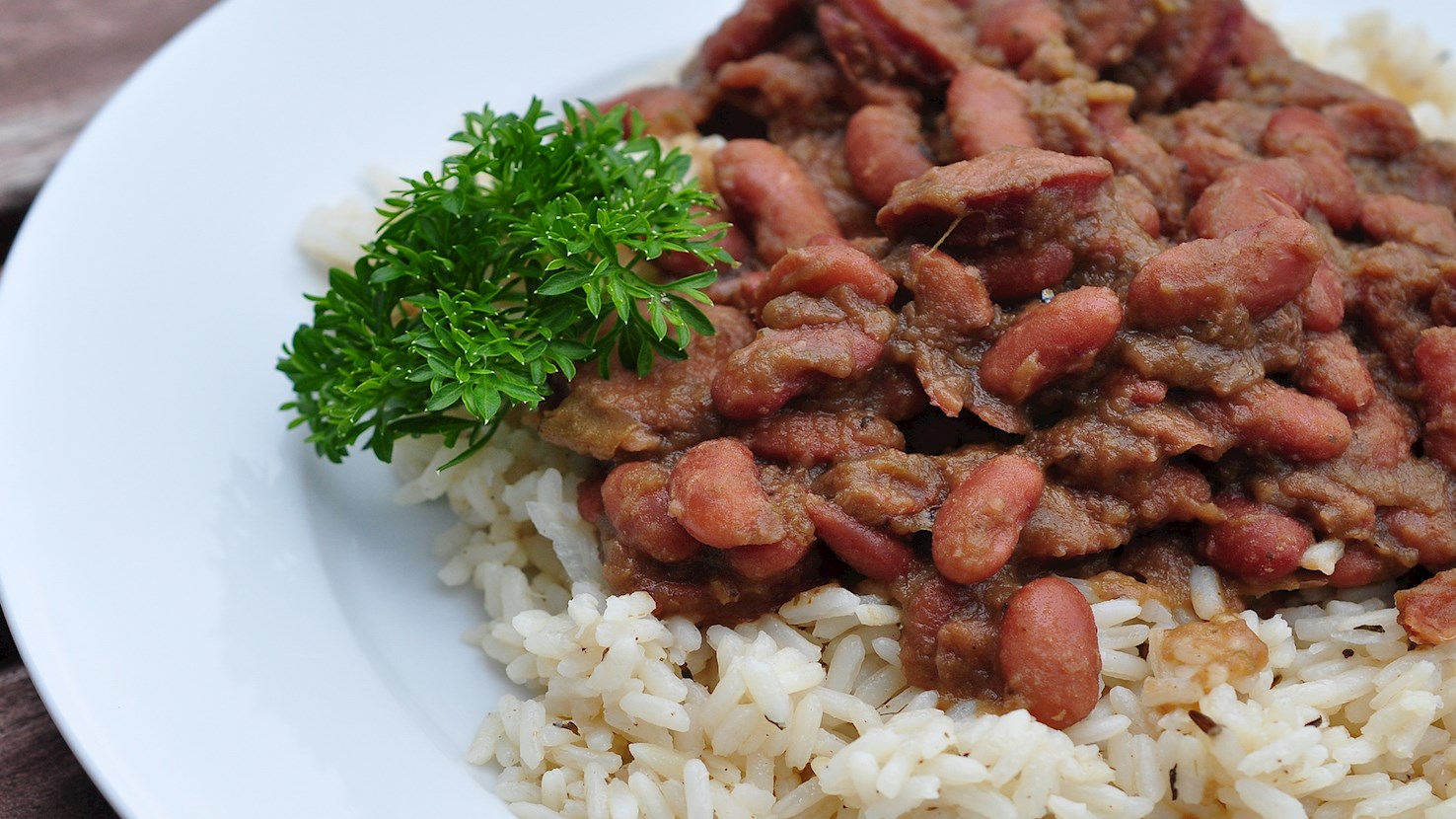
Louisiana's comfort food is nicely represented in red beans and rice, a dish that is traditionally prepared on Mondays, with the aroma of red beans drifting through the neighborhoods. The dish originates from the New Orleans Creole kitchens of the 1700s and the 1800s. The beans are typically cooked over low heat throughout the day, with additions such as ham hock and Andouille sausage. When served, the beans are spooned over hot rice, and the whole thing is often spiced up with some hot sauce.
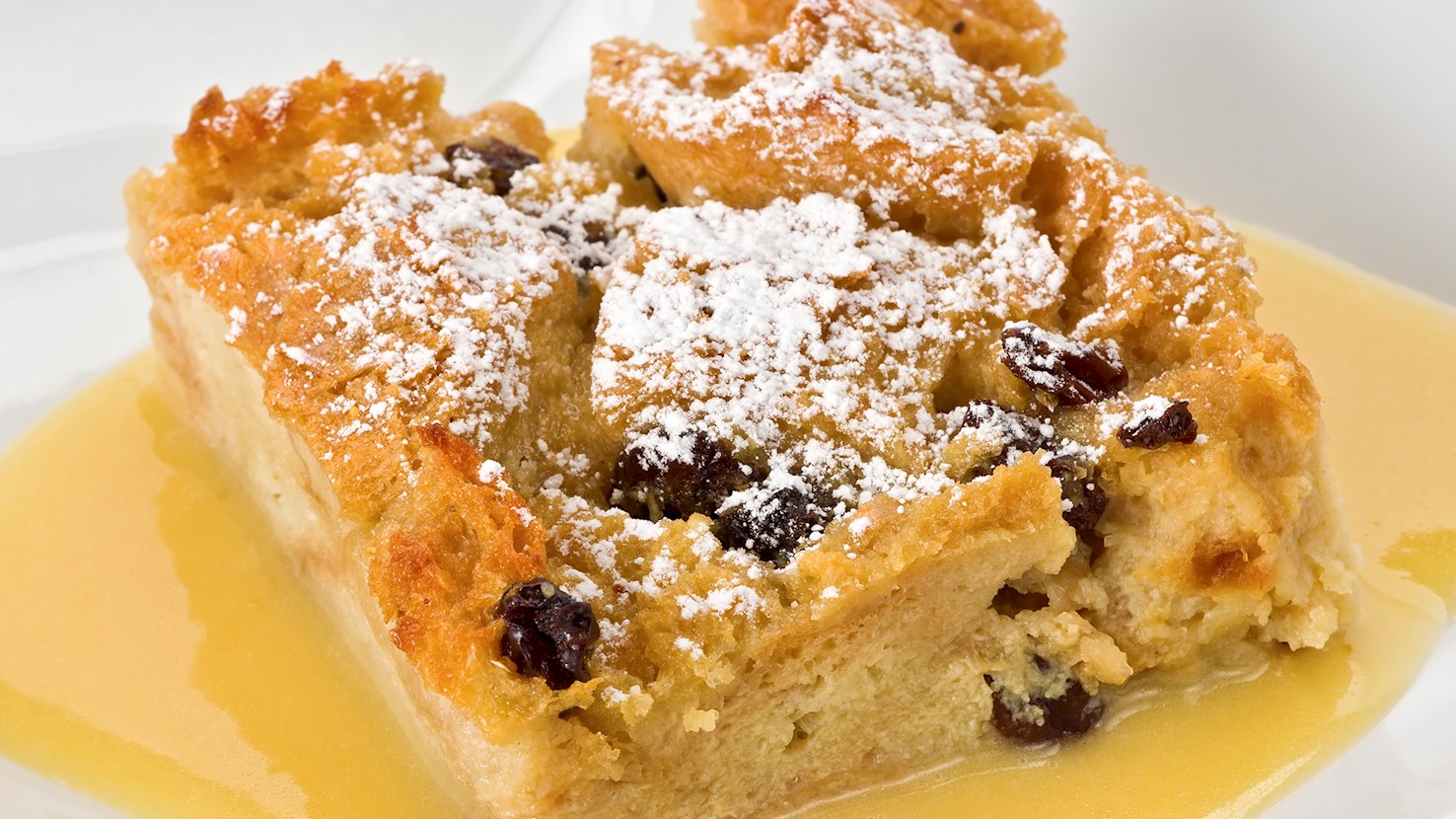
Bread pudding is an old dish that has been prepared since Medieval times in Europe and the Middle East. However, it is extremely beloved and defining in the cuisine of New Orleans. The dish consists of stale bread that is bathed in a combination of milk, sugar, eggs, nuts, and fruits, and is then baked into a delicious dessert. It can be consumed either hot as a pudding or cold as a cake. In the past, there was a practice of hollowing out a loaf which then acted as a container for a sweet dish. There are numerous variations of bread pudding, from Egypt and Turkey to India and Malaysia. The earliest bread and butter puddings in Britain were called white-pot, and were made with butter or marrow. Today, in New Orleans, local bread with a crispy crust and a light interior is combined with a sweet custard, resulting in a light, airy, and decadent dessert. The cooks are always making new variations of the dish in Louisiana, adding white chocolate, strawberry compotes, Creole cream cheese, and caramel sauce with brown sugar and rum. Comforting and hearty, bread pudding has even been called the gumbo of New Orleans desserts.
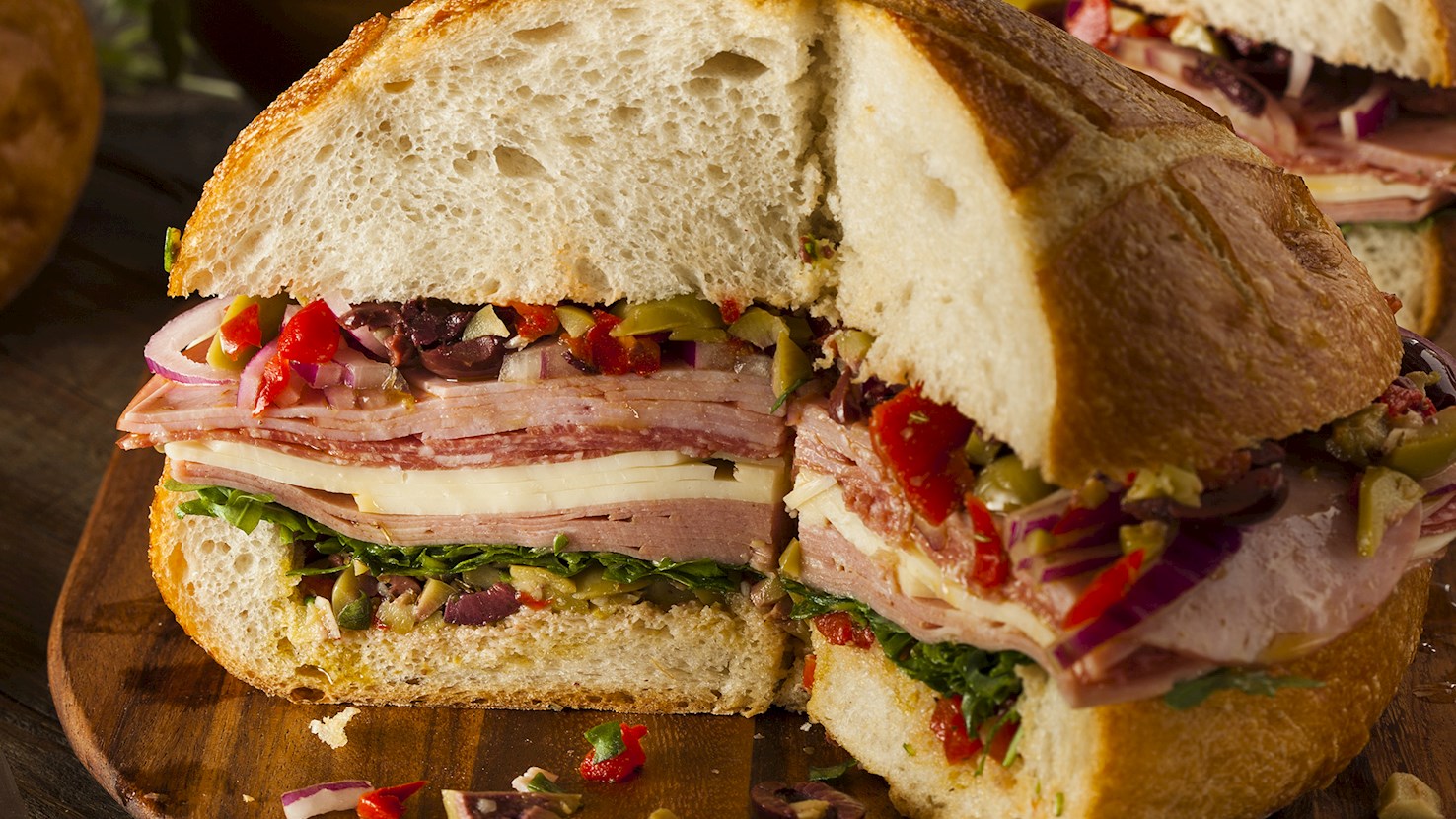
Muffuletta is a traditional sandwich that's originally been made by Italian immigrants in New Orleans. This large sandwich consists of a split loaf filled with olive salad, salami, ham, mortadella, and cheeses such as mozzarella and provolone. The olive salad is often made with a mixture of olives, capers, shallots, peperoncini peppers, and giardiniera - an Italian relish of pickled vegetables. The sandwich is typically served cold, and due to its size, it is sold in quarters, halves, or full-sized for the hungriest consumers.
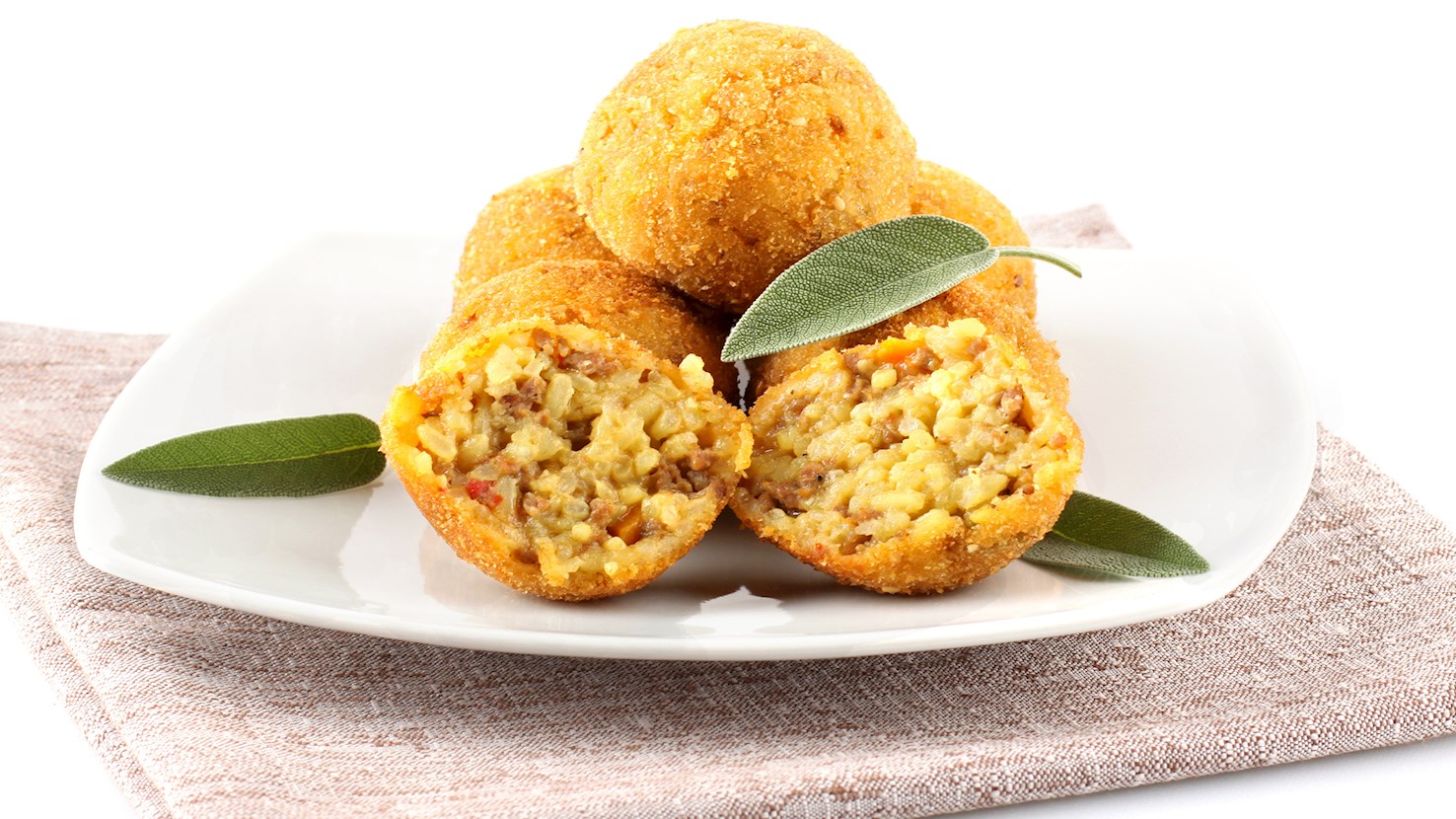
Boudin balls are a specialty of Lousiana. These tasty balls typically consist of boudin sausage meat that is shaped into balls, battered, rolled in breadcrumbs, then fried in hot oil. Boudin sausage is made with cooked rice, onions, green peppers, ground pork, and various seasonings. Although some Louisiana restaurants serve them for breakfast, it is recommended to serve boudin balls as an appetizer while they are still hot and crispy, preferably with a dipping sauce on the side.
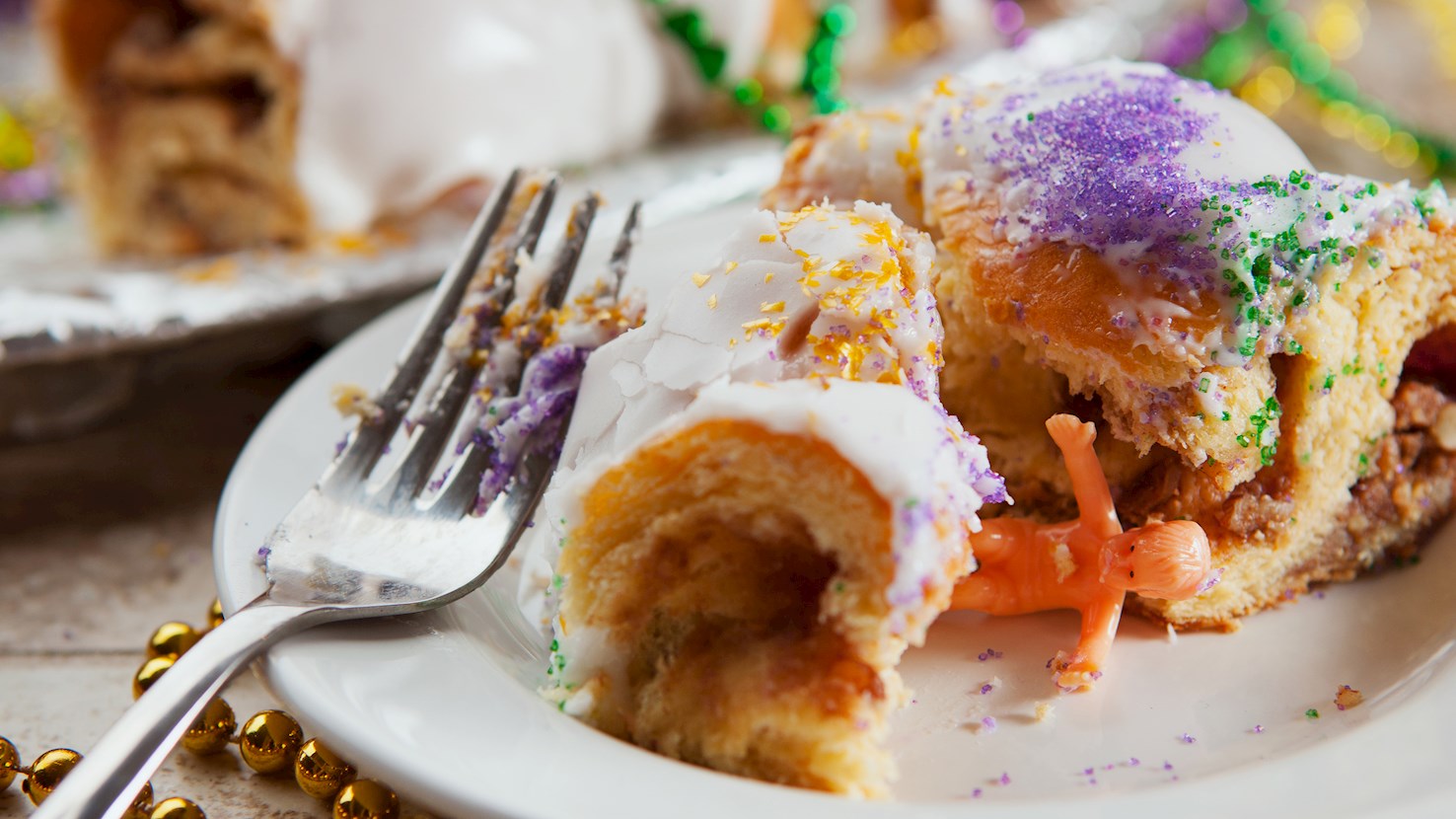
This colorful, cinnamon-flavored cake hailing from Louisiana supposedly takes its name from the Biblical Magi—also known as the Three Kings or Wise Men. King cake is associated with the Epiphany, the Twelfth Night, and the pre-Lenten celebrations of Carnival or Mardi Gras. The purple, green, and gold colors that are often found on King cakes represent justice, faith, and power, respectively. Beginning on the 6th of January, the people of New Orleans throw King cake parties that bring their community and families together. Traditionally, there is a small plastic or porcelain trinket hidden in the cake, representing baby Jesus, but also luck and prosperity for the finder, and in some traditions, that person is the designated "king" or "queen" of the celebration. In 2006, shortly after Hurricane Katrina, thousands of King cake orders were placed in bakeries in and outside of Louisiana as a way to reconnect and begin healing; a true tribute to the significance of this American dessert.
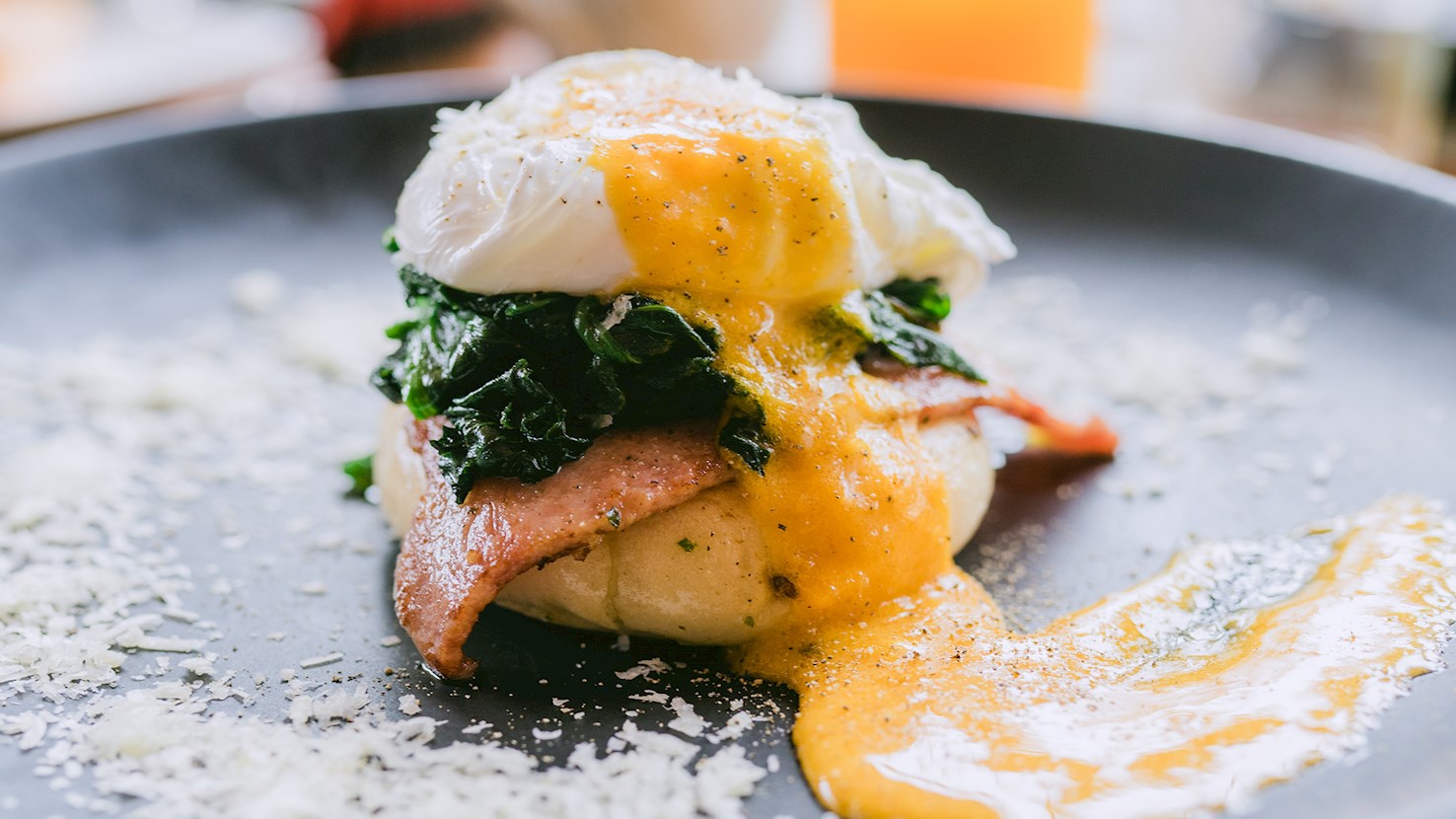
Originally invented at the famous Antoine's restaurant in New Orleans, eggs Sardou is a Creole dish consisting of poached eggs, creamed spinach, Hollandaise sauce, and artichoke bottoms. The dish got its name after Victorien Sardou, a 19th-century French playwright who was staying in the city when the dish was invented. Eggs Sardou are traditionally served warm on a warmed plate and garnished with chopped ham, anchovies, and black truffle slices. It is recommended to pair the dish with a glass of slightly sweet white wine.
TasteAtlas food rankings are based on the ratings of the TasteAtlas audience, with a series of mechanisms that recognize real users and that ignore bot,
nationalist or local patriotic ratings, and give additional value to the ratings of users that the system recognizes as knowledgeable.
For the “79 Traditional Foods You Have To Try in New Orleans” list until October 17, 2026, 836 ratings were recorded, of which 772 were recognized by the system as legitimate.
TasteAtlas Rankings should not be seen as the final global conclusion about food. Their purpose is to promote excellent local foods,
instill pride in traditional dishes, and arouse curiosity about dishes you haven’t tried.



What People Say